
Disinfection & Sterilization Guidelines
- , by SurgiMac LLC
- 5 min reading time
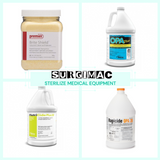
Hey, healthcare heroes! Got your capes on? Today, we're diving deep into the essential task of disinfecting and sterilizing medical equipment. Think of this as your go-to guide for healthcare housekeeping 101—where we cover not just the "how-tos," but also the "when-tos" and "why-tos" behind these critical procedures.
In any healthcare setting, ensuring the proper sterilization and disinfection of instruments is paramount to preventing infections and maintaining a safe environment for patients and staff alike. Whether you're dealing with reusable surgical instruments, dental tools, or general medical equipment, the goal is always to eliminate harmful pathogens.
Knowing when to disinfect versus when to fully sterilize is key. For example, high-level disinfection might suffice for some surfaces, but anything that comes into contact with sterile body sites or mucous membranes requires full sterilization. This includes autoclaving or using chemical sterilants to kill bacteria, viruses, and spores.
So, why is this so important? Proper sterilization protocols reduce the risk of hospital-acquired infections (HAIs), protect vulnerable patients, and uphold the highest standards of care. It's not just about cleanliness—it's about safety and ensuring that no one leaves with more than they came in with.
Ready to keep your facility spotless and your patients safe? Let’s clean up!

What's the Best Way to Clean Medical Equipment?
Easy answer? With care and diligence. But, hold on, there's more to it. Various medical devices and instruments have unique needs, but one universal truth prevails: you need a robust cleaner. We recommend diving into SurgiMac's collection of cleaners and solutions. These are environmentally friendly and specifically formulated for medical applications.
The Golden Rules of Cleaning:
- Follow Manufacturer's Guidelines: Always a safe bet!
- Use the Right Cleaner: This isn't the time for DIY solutions.
- Regular Maintenance: Scheduled cleaning can be a lifesaver.
How Do You Sanitize Medical Equipment at Home?
Sanitizing at home can be trickier. The focus here is usually on durable medical equipment like wheelchairs, crutches, and nebulizers.
Here's how to go about it:
- Soap and Water: A basic but effective start.
- Alcohol Wipes: Handy for quick sanitization.
- Sanitizing Sprays: Just be sure they're skin-safe!

What's Used to Disinfect and Sterilize?
Say hello to chemical sterilants, autoclaves, and UV sterilizers! But it's not just about what; it's about how. For instance, autoclaves use steam under pressure to kill bacteria, and chemical sterilants like glutaraldehyde do the heavy lifting in the absence of heat. Our MaxSafe collection and steam sterilizers offer a range of options for all your sterilization needs.
Cleaning Standard for Medical Devices
Standards, standards, standards! In the U.S., that means following guidelines from agencies like the FDA and CDC. And internationally, you're looking at standards like ISO 17665 for steam sterilization. Got all that? Good!
4 Types of Sterilization
| Type | Used For | Safest For |
|---|---|---|
| Heat Sterilization | Metal Instruments | Most equipment |
| Chemical Sterilization | Endoscopes, thermometers | Delicate items |
| Radiation | Single-use items | Sensitive items |
| Filtration | Liquids, gases | Heat-sensitive liquids |
The Four Stages of Cleaning Equipment Correctly
Ever heard of the four Cs of cleaning? No? Well, you're about to:
- Cleaning: Remove visible dirt.
- Chemical Disinfection: Kill bacteria.
- Rinsing: Remove chemical residue.
- Sterilization: Kill all microorganisms.

Cleaning Validation for Medical Equipment
This is where it gets geeky! Cleaning validation ensures that the cleaning process consistently performs as expected. It involves microbial tests, residue analysis, and even requalification at regular intervals.
Safest Sterilization Method?
The safest method is context-dependent, but when in doubt, heat sterilization takes the cake. Specifically, steam sterilization methods, which are both effective and safe for most types of medical equipment. For this purpose, we recommend checking out SurgiMac's sterilizer cassette systems.
Sterilizing medical equipment isn't just a chore; it's a necessity. Not just for compliance, but for the safety of patients and healthcare providers alike. Whether you need the full industrial-level clean or you're just trying to keep things spick-and-span at home, we've got you covered. Take a peek at SurgiMac's sterilization collection to get your superhero gear!
Sources:
Alright, capes off, game faces on. Let's keep things sterile, folks!
Also must read:

Tags
Blog posts
-
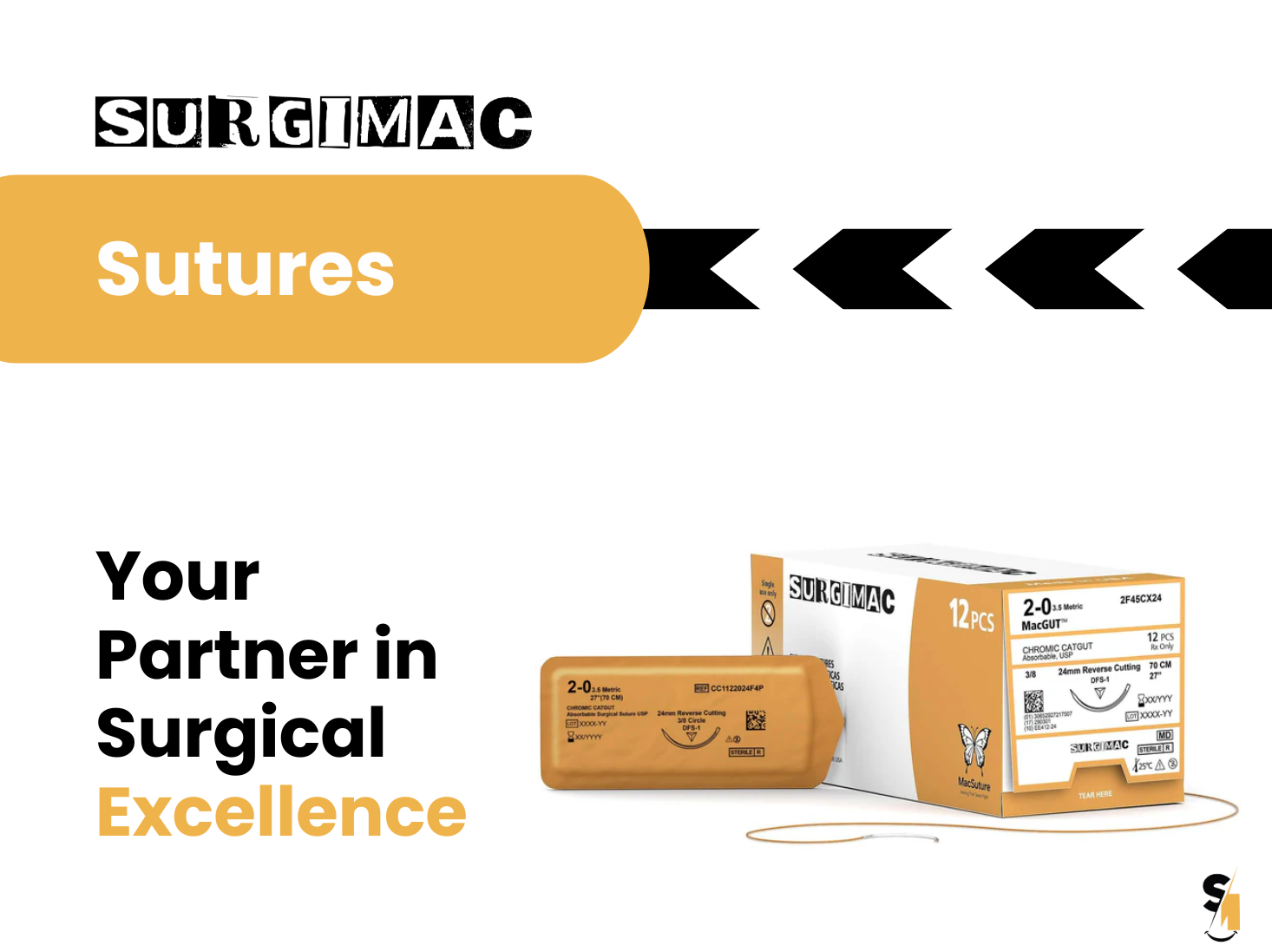
, by SurgiMac A Clinician's Guide to Absorbable Suture Material
-
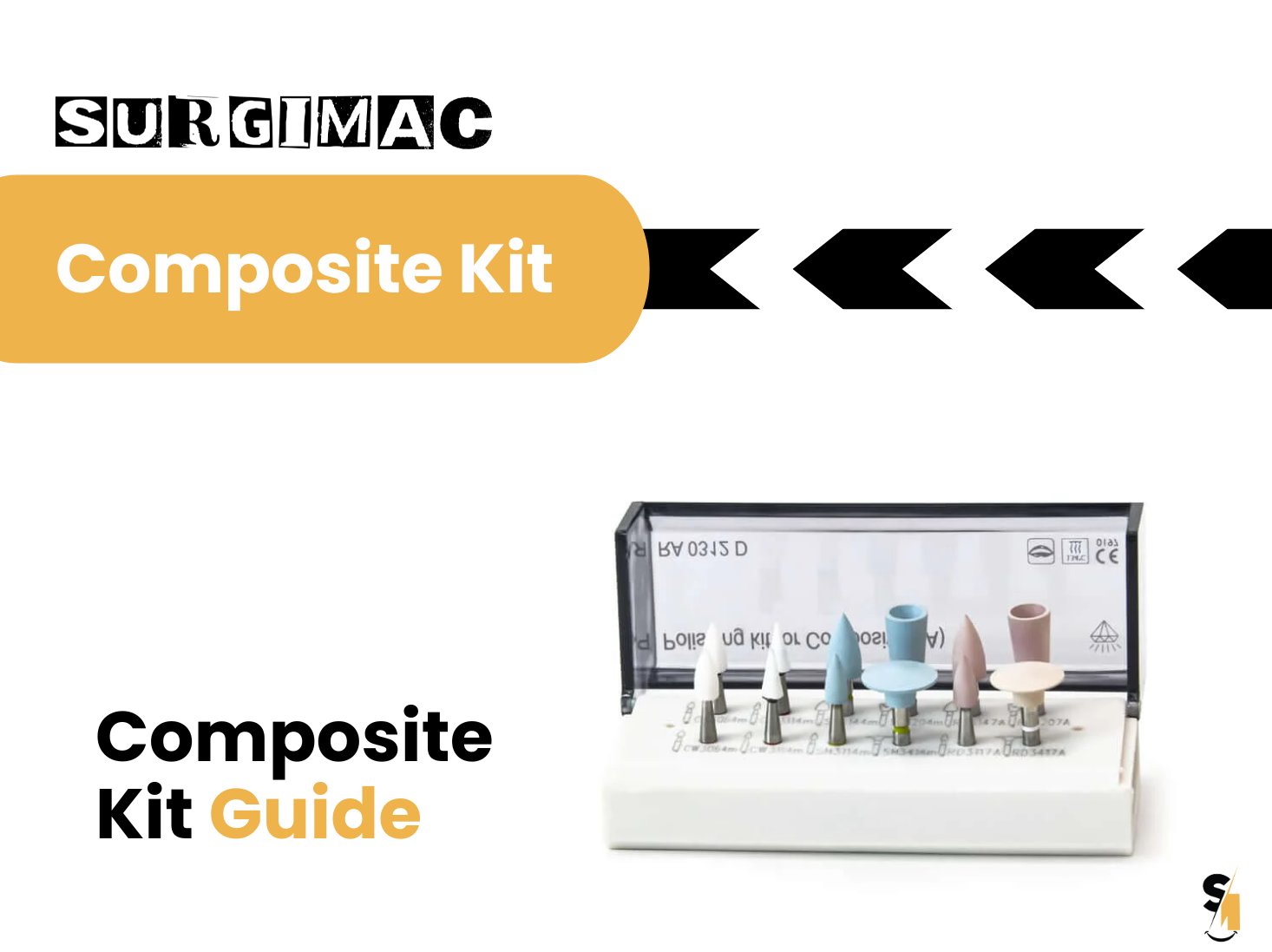
, by SurgiMac A Clinician's Guide to Dental Composite Resin Kits
-
, by SurgiMac How to Disinfect with Metrex CaviWipes Correctly
