

The Future of 3D Printing in Your Dental Practice
- , by SurgiMac LLC
- 21 min reading time
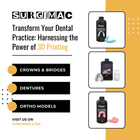
See how the future 3D printing is transforming dental practices with advanced materials, in-house production, and Surgimac’s trusted MacSuture product line.
As dental professionals, we're always seeking innovations that enhance our precision and improve patient outcomes. The future of 3D printing puts that power directly into our hands. This technology allows us to create everything from dental implants and crowns to clear aligners right from a digital scan. It's a huge leap forward in speed and customization, reducing wait times and costs for everyone. Having this capability in-house means you control the quality from start to finish, ensuring every procedure is supported by the best tools, from your printer to reliable supplies like our MacSuture line.
At SurgiMac, we’re dedicated to keeping you at the forefront of dental innovation with state-of-the-art 3D printing systems that enhance precision, efficiency, and patient care.
The Future of 3D Printing: A Look at Market Growth
Economic Projections and Industry Expansion
The 3D printing industry is expanding rapidly, and dentistry is at the heart of this transformation. Market experts project its value to soar past $40 billion by 2030, a clear signal of its growing integration into daily practice. For your practice, this isn't just an abstract number; it represents a tangible shift toward more accessible and cost-effective technology. As advancements continue to make 3D printing faster and more efficient, what was once a specialized service is becoming a practical, in-office tool. This evolution empowers you to deliver higher quality care by bringing sophisticated manufacturing capabilities directly into your clinic, streamlining workflows and reducing overhead.
We're seeing 3D printing evolve from a niche technology into a cornerstone of modern dental manufacturing. This isn't just about outsourcing to large labs anymore; it's about bringing production in-house. The ability to create highly customized dental solutions with unparalleled precision is a game-changer for patient care. Think perfectly fitted surgical guides, crowns, and orthodontic models, all produced right in your practice. This level of control enhances treatment outcomes and patient satisfaction. As you integrate these advanced systems, remember that the quality of your final product also depends on the quality of your foundational dental supplies. At SurgiMac, we know that even the most advanced technology relies on dependable basics for success.
One of the most significant advantages of this technological shift is greater control over your supply chain. On-demand manufacturing reduces your reliance on external labs and shipping, which means faster turnaround times for patients and fewer logistical headaches for your team. This resilience is crucial for delivering timely care and managing patient expectations effectively. By embracing these innovations, you can not only improve treatment options but also create a more efficient and responsive practice. The future of dentistry involves leveraging technology to enhance every aspect of the patient experience, from initial consultation to final restoration.
How Does 3D Printing Work in a Dental Practice?
3D printing, also known as additive manufacturing, builds objects layer by layer from a digital design. This innovative process eliminates the need for traditional subtractive techniques like milling, offering outstanding precision and customization. Whether you’re using an industrial 3D printer for high-volume production or a desktop model for in-office applications, the process remains the same: a digital 3D model is sliced into thin layers, and the printer deposits material according to those instructions.
SLA vs. FDM: Which 3D Printing Technology is Best?
Two primary technologies dominate the dental 3D printing landscape: Stereolithography (SLA) and Fused Deposition Modeling (FDM).
- SLA uses a laser to cure liquid resin, producing smooth surfaces and high levels of detail ideal for intricate dental applications.
- FDM melts and extrudes thermoplastic filament, which is perfect for creating durable parts and functional prototypes.
Understanding the differences between these methods helps you choose the right system for your practice’s specific needs.
Exploring Other Key 3D Printing Methods
While SLA and FDM are the most prevalent technologies you'll encounter for in-office 3D printing, it's beneficial to understand other methods that are shaping the industry. Two notable technologies, Selective Laser Sintering (SLS) and Inkjet 3D Printing, offer distinct advantages for more specialized or demanding applications. These processes expand the range of materials and complexities that can be achieved, pushing the boundaries of what's possible in restorative and surgical dentistry. Familiarizing yourself with their capabilities can help you make more informed decisions when outsourcing complex cases to a lab or considering future technology investments that will grow with your practice's needs.
Selective Laser Sintering (SLS)
Selective Laser Sintering (SLS) is a powerful additive manufacturing technique that uses a high-powered laser to fuse small particles of polymer, metal, or ceramic powder into a solid structure. According to the National Science Foundation, this method excels at creating parts with complex internal geometries without the need for support structures. For dental practices, this translates to the ability to produce highly durable and precise functional parts, such as surgical guides, frameworks for partial dentures, and even some permanent restorations. The strength of SLS-printed components ensures they can withstand the clinical environment, offering a level of reliability that is just as critical as the precision required for placing sutures with our MacSuture line.
Inkjet 3D Printing
Often referred to as binder jetting, Inkjet 3D printing operates by depositing a layer of powder and then using an inkjet-style print head to spray a liquid binding agent onto specific areas. This process selectively glues the powder particles together, layer by layer, to form the final object. A key advantage of this technique is its ability to produce full-color, multi-material parts with a high degree of detail. This makes it exceptionally useful for creating highly realistic anatomical models for surgical planning or patient education. These detailed models allow for better visualization and preparation before a procedure, ensuring every one of your dental instruments is used with maximum precision.
Selecting the Best Materials for Dental Applications
The development of specialized 3D printing materials has broadened the scope of dental applications. From biocompatible resins ideal for surgical guides and temporary crowns to robust polymers for orthodontic models, the right material can make all the difference. At SurgiMac, we’re proud to offer an extensive selection of high-quality 3D printing resins. Explore our range in our 3D printing resins collection.
In addition, we carry in stock top-of-the-line 3D resins by Pac-Dent and KeyStone Industries, ensuring you have access to the best materials for your dental applications.
Innovations in 3D Printing Materials
The true potential of 3D printing is unlocked by the materials it uses. As material science advances, so do the clinical applications available to your practice. The evolution from basic prototyping plastics to sophisticated, biocompatible, and even "smart" materials is expanding what's possible in patient care. These innovations are not just incremental; they represent significant leaps in creating restorations, appliances, and even biological structures that are stronger, more precise, and better integrated with human biology. Staying informed about these material developments is key to understanding the future trajectory of digital dentistry and how it can be leveraged to provide superior patient outcomes and streamline workflows within your practice.
Advanced Polymers, Metals, and Ceramics
The latest generation of 3D printing materials offers remarkable strength and biocompatibility, tailored for specific dental needs. Advanced polymers and resins now allow for the printing of durable, long-lasting temporary crowns, bridges, and highly accurate surgical guides. On the metallic front, new alloys are being developed for selective laser sintering (SLS) to create lightweight yet incredibly strong partial denture frameworks and implant abutments with unparalleled precision. Furthermore, developments in printable ceramics are paving the way for highly esthetic, permanent restorations that mimic the natural appearance and function of teeth. These material advancements are directly enhancing the quality and range of treatments you can offer patients directly from your office.
The Rise of Smart Materials and 4D Printing
Beyond static objects, the frontier of additive manufacturing is exploring "4D printing," which incorporates smart materials that can change their shape or properties over time in response to stimuli like temperature or light. Imagine orthodontic aligners that can self-adjust throughout the treatment period, eliminating the need for multiple trays, or a dental implant that can alter its surface structure to promote better osseointegration after placement. While still largely in the research phase, 4D printing holds the potential to create dynamic dental devices that are more adaptive and responsive to a patient's unique physiology. This technology could introduce a new era of personalized, "living" restorations that function in harmony with the body's natural processes.
Bio-inks and the Future of Medical Printing
Perhaps the most groundbreaking innovation is the development of bio-inks for bioprinting. These specialized hydrogels contain living cells and biological molecules, allowing researchers to print complex, three-dimensional tissue structures layer by layer. In dentistry, this could revolutionize regenerative procedures. Instead of using traditional grafting materials, you might one day be able to print patient-specific bone grafts, periodontal ligament scaffolds, or even gingival tissue to treat defects and disease. The long-term vision includes the possibility of bioprinting entire teeth for transplantation. This technology promises a future where we can replace and regenerate lost oral tissues with living, functional constructs, marking a profound shift in restorative and surgical dentistry.
Practical Uses for 3D Printing in Your Dental Office
The versatility of 3D printing opens up a world of possibilities in dental practice:
- Surgical Guides: Enhance implant placement accuracy with precisely printed guides.
- Orthodontic Models: Streamline clear aligner production and study models.
- Crowns & Bridges: Produce temporary or even permanent restorations with an exceptional fit.
- Dentures: Craft custom dentures that offer improved comfort and aesthetics.
- Dental Appliances: Easily fabricate splints, night guards, and other custom devices.
These innovative applications not only improve clinical outcomes but also reduce turnaround times, leading to higher patient satisfaction.
The Broader Impact of Additive Manufacturing
The innovations transforming your dental practice are part of a much larger industrial evolution. Additive manufacturing is not just changing dentistry; it's fundamentally reshaping how products are designed, created, and distributed across countless sectors. Understanding this broader context highlights the stability and long-term potential of investing in 3D printing technology for your clinic. This technology is a cornerstone of a global shift towards more efficient, customized, and decentralized production. As a provider of forward-thinking dental equipment and supplies, we believe it's crucial for dental professionals to see how these macro-trends will influence the future of patient care and practice management.
Revolutionizing Manufacturing and Supply Chains
Across industries, 3D printing is streamlining production and strengthening supply chains. The ability to manufacture parts on-demand significantly reduces the need for large inventories and costly warehousing, a concept familiar to any practice manager balancing supply costs. This model minimizes waste by using only the necessary amount of material for each part, a stark contrast to traditional subtractive methods. As experts predict, this shift allows companies to produce items faster and more efficiently, creating a more resilient and responsive manufacturing ecosystem. This same principle applies when you print a surgical guide in-office, bypassing external lab delays and shipping, giving you more direct control over the clinical workflow.
Applications Beyond the Dental Operatory
While we focus on its clinical benefits, 3D printing's versatility is being proven in some of the world's most demanding fields. These applications demonstrate the technology's power and reliability, reinforcing its value within the dental operatory. From constructing buildings to printing jet engine components, additive manufacturing is pushing the boundaries of what's possible. The advanced materials and processes developed for these sectors often pave the way for new innovations in medical and dental applications, including the biocompatible resins and high-strength polymers we use for patient-specific devices. This cross-industry development ensures the technology continues to evolve, bringing more sophisticated solutions to your practice.
Construction and Infrastructure
On a massive scale, additive manufacturing is being used to construct entire buildings, bridges, and other critical infrastructure. This method allows for complex architectural designs that would be prohibitively expensive or impossible with conventional techniques. By printing structures layer by layer, construction firms can reduce material waste, shorten project timelines, and improve worker safety. The ability to build large-scale custom structures showcases the technology's capacity for producing robust, functional end-use products, mirroring the strength and durability required for permanent dental restorations.
Aerospace and Automotive Industries
The aerospace and automotive sectors rely on 3D printing to create lightweight yet incredibly strong components. By optimizing designs that were previously impossible to manufacture, engineers can reduce the weight of aircraft and vehicles, leading to significant fuel savings and improved performance. These industries use advanced metal and polymer printing to produce everything from turbine blades to custom interior parts. The intense focus on precision and material integrity in these fields directly benefits dentistry, driving the development of printers and materials that meet our own stringent requirements for clinical safety and efficacy.
Advances in General Healthcare
Beyond dentistry, 3D printing is making profound contributions to medicine. Surgeons use patient-specific, 3D-printed anatomical models to plan complex procedures, reducing time in the operating room and improving outcomes. The technology is also used to create custom prosthetics, implants, and hearing aids that are perfectly tailored to the individual's anatomy. Researchers are even exploring bioprinting—the printing of living tissues and organs. This synergy across healthcare fields means that advancements in one area often accelerate progress in others, creating a powerful cycle of innovation that ultimately enhances patient care everywhere.
The Synergy of 3D Printing and Industry 4.0
3D printing is a key component of what is known as Industry 4.0, the ongoing fourth industrial revolution characterized by the fusion of digital, physical, and biological technologies. This new phase of manufacturing connects smart factories where machines communicate with each other and make decentralized decisions. In this interconnected environment, 3D printers don't operate in isolation. Instead, they are integrated with other advanced technologies like artificial intelligence (AI) and robotics to create a seamless, highly automated production workflow. For a dental practice, this points to a future where digital scans, AI-powered design, and automated printing work together to deliver patient care with unprecedented efficiency and precision.
The Role of Artificial Intelligence (AI) in Design and Monitoring
Artificial intelligence is becoming an indispensable partner to 3D printing. AI algorithms can analyze a set of requirements and generate thousands of potential design iterations, optimizing a part for strength, weight, and performance in ways a human designer couldn't. This "generative design" process is already influencing the creation of dental implants and prosthetics. Furthermore, AI is used to monitor the printing process in real-time, using sensors and cameras to detect potential errors and make automatic adjustments. This ensures consistent quality control, a critical factor when producing medical devices where precision is non-negotiable.
Automation with Robotics
The combination of 3D printing and robotics is leading to the creation of fully automated production lines. In these "smart factories," robots are responsible for loading materials into printers, removing finished parts, and performing post-processing tasks like cleaning and curing. This level of automation allows for 24/7 production with minimal human intervention, increasing output and reducing the chance of error. While a fully robotic dental lab may seem distant, the principles of automation are already entering the clinic through streamlined, single-visit dentistry workflows that combine scanning, design, and printing into one efficient process.
How to Choose Your First Dental 3D Printer
For those new to 3D printing, selecting the right printer can seem overwhelming. Consider factors such as print volume, resolution, material compatibility, and ease of use. If you’re wondering how to choose a 3D printer, start by identifying your most common applications. At SurgiMac, we offer a range of affordable 3D printers designed to meet diverse needs. Browse our selection of 3D printing systems and accessories to find the perfect fit for your practice.
From Scan to Print: A Look at 3D Printing Software
Robust 3D printing software is essential for designing, slicing, and managing print jobs. Familiarize yourself with software options that integrate seamlessly with your printer and workflow to maximize productivity and ensure accurate results.
Desktop vs. Industrial: Which Printer Fits Your Practice?
Depending on your practice’s demands, you may opt for:
- Industrial 3D Printers: Designed for high-volume production with advanced features.
- Desktop 3D Printers: Ideal for in-office use, offering convenience and affordability without compromising quality.
Choosing the right type of printer ensures that you can efficiently meet your production goals.
Overcoming Challenges and Looking Ahead
While the benefits of 3D printing are clear, integrating any new technology into a clinical workflow comes with a learning curve. The initial investment in equipment and materials, along with the time required for team training, are practical considerations for any practice. However, viewing these as investments rather than costs is key. As the technology becomes more widespread, the price of entry is decreasing, and user-friendly systems are making the transition smoother. The goal is to move past these initial hurdles to unlock greater efficiency, expand in-house capabilities, and deliver exceptional, customized treatment possibilities for your patients.
Addressing Current Industry Hurdles
For 3D printing to become a standard in every dental office, the industry must address a few key challenges. Experts agree that addressing issues like cost and standardization is essential for the technology to reach its full potential. Developing streamlined, intuitive workflows that integrate seamlessly with existing practice management and imaging software is also critical. As manufacturers continue to innovate, we can expect to see more automated, "plug-and-play" systems that require less technical expertise, making advanced digital dentistry accessible to more clinicians and their teams, and allowing for a more predictable and efficient production process from start to finish.
The Importance of Quality Standards and Certification
Patient safety is non-negotiable, which is why establishing rigorous quality standards for 3D-printed dental devices is paramount. For this technology to be fully trusted for clinical applications, there must be more rules and ways to check the quality of printed items. This includes validating the biocompatibility of materials, ensuring the dimensional accuracy of printed surgical guides, and verifying the mechanical properties of restorative components. At SurgiMac, we are committed to this standard of excellence. You can depend on our curated selection of high-quality materials and systems, just as you trust the consistent, reliable performance of our MacSuture product line.
Sustainability and Workforce Development in 3D Printing
Beyond the immediate clinical advantages, 3D printing is also shaping the future of the dental industry in broader ways. Its impact on environmental sustainability and the evolution of professional roles within the practice are significant. Embracing this technology is not just about improving patient outcomes; it's also about building a more efficient, responsible, and future-ready dental practice. This forward-thinking approach ensures your practice remains competitive and aligned with modern values, attracting both patients and top talent who appreciate innovation and a commitment to sustainability in healthcare.
Environmental Benefits of Additive Manufacturing
Traditional subtractive manufacturing methods, like milling a crown from a solid block of zirconia, can generate significant material waste. Additive manufacturing, by its very nature, is a more sustainable process. It builds objects layer by layer, using only the material needed to create the final product. This approach drastically reduces waste and saves energy in the production process. By bringing the fabrication of models, surgical guides, and even temporary restorations in-house, you also reduce the carbon footprint associated with shipping items to and from an external dental lab, contributing to a greener practice.
Creating New Jobs and Skill Requirements
The integration of 3D printing is transforming roles within the dental team. This technology doesn't replace skilled professionals; it empowers them with new tools and capabilities. The growth of 3D printing will create new opportunities for dental assistants and technicians to become digital design specialists and 3D printing operators. Investing in training for your team is an investment in your practice's future, fostering a more skilled and versatile workforce. This allows your team to handle complex digital workflows from the initial intraoral scan to the final printed product, increasing job satisfaction and practice productivity.
Frequently Asked Questions
Beyond the "wow" factor, what are the immediate, tangible benefits of bringing a 3D printer into my practice? The most immediate benefit is gaining direct control over your production timeline and quality. Instead of waiting on a lab, you can print a precise surgical guide or a set of study models in-house, often in a matter of hours. This dramatically shortens turnaround times, which can reduce the number of appointments needed for a procedure and significantly improve the patient experience. It also means you have the final say on quality control for these crucial components, ensuring they meet your exact standards every time.
I'm convinced, but where do I even start? What's the most important first step? The best first step is to identify the one application that would make the biggest impact on your daily workflow. For many practices, this is printing surgical guides for implant placement or creating orthodontic models. By focusing on mastering a single, high-value task first, you can ease into the technology without feeling overwhelmed. Once you're comfortable, you can expand into other areas like fabricating temporary crowns or splints.
The article mentions a few different printing technologies. For a typical dental office, which one makes the most sense? For the vast majority of dental applications, Stereolithography (SLA) technology is the gold standard. SLA printers use a laser to cure liquid resin, which allows them to produce objects with incredibly fine detail and smooth surfaces. This level of precision is essential for creating accurately fitting surgical guides, crowns, and models. While other technologies have their place, SLA offers the best combination of accuracy and material versatility for clinical use.
How can I be sure the materials I print with are safe for my patients and clinically reliable? Patient safety is always the top priority, and that's why it's crucial to use materials specifically designed and approved for dental applications. Reputable suppliers provide biocompatible resins that have been rigorously tested for intraoral use. When selecting materials, always look for proper certification and documentation. At SurgiMac, we hold our 3D printing resins to the same high standard of quality and reliability as our trusted MacSuture product line, ensuring you can proceed with clinical confidence.
What does the real return on investment look like for a solo or small group practice? The return on investment extends far beyond simply saving on lab fees, though that is a significant part of it. By bringing production in-house, you reduce chair time, minimize material waste, and can often complete procedures in fewer visits. This efficiency allows you to see more patients and offer more competitive pricing. Furthermore, offering advanced, single-visit solutions is a powerful marketing tool that can attract new patients who value modern, technology-driven care.
Key Takeaways
- Take Control of Production Timelines: By printing surgical guides, models, and temporaries in-office, you reduce dependence on external labs, shorten patient wait times, and manage your workflow with greater precision.
- Match the Material to the Clinical Need: The success of a 3D-printed device hinges on the material. Selecting the correct biocompatible resin or polymer is essential for ensuring the safety, durability, and accuracy of any patient application.
- Prepare for a Fully Digital Workflow: 3D printing is a key part of an integrated system that includes AI-powered design and automation. Adopting it now positions your practice at the forefront of a more efficient and precise future in dentistry.
Related Articles
Blog posts
-
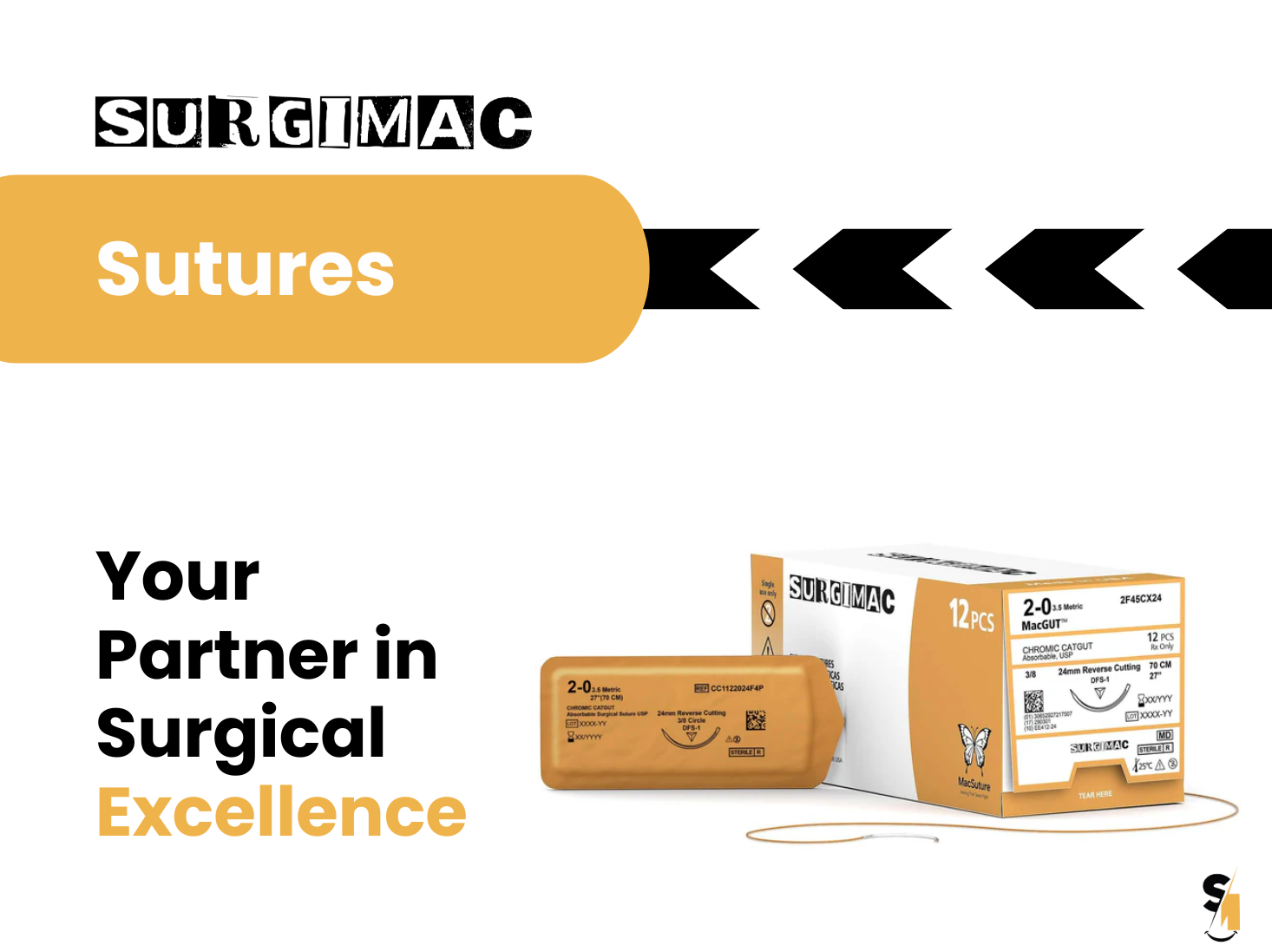
, by SurgiMac A Clinician's Guide to Absorbable Suture Material
-
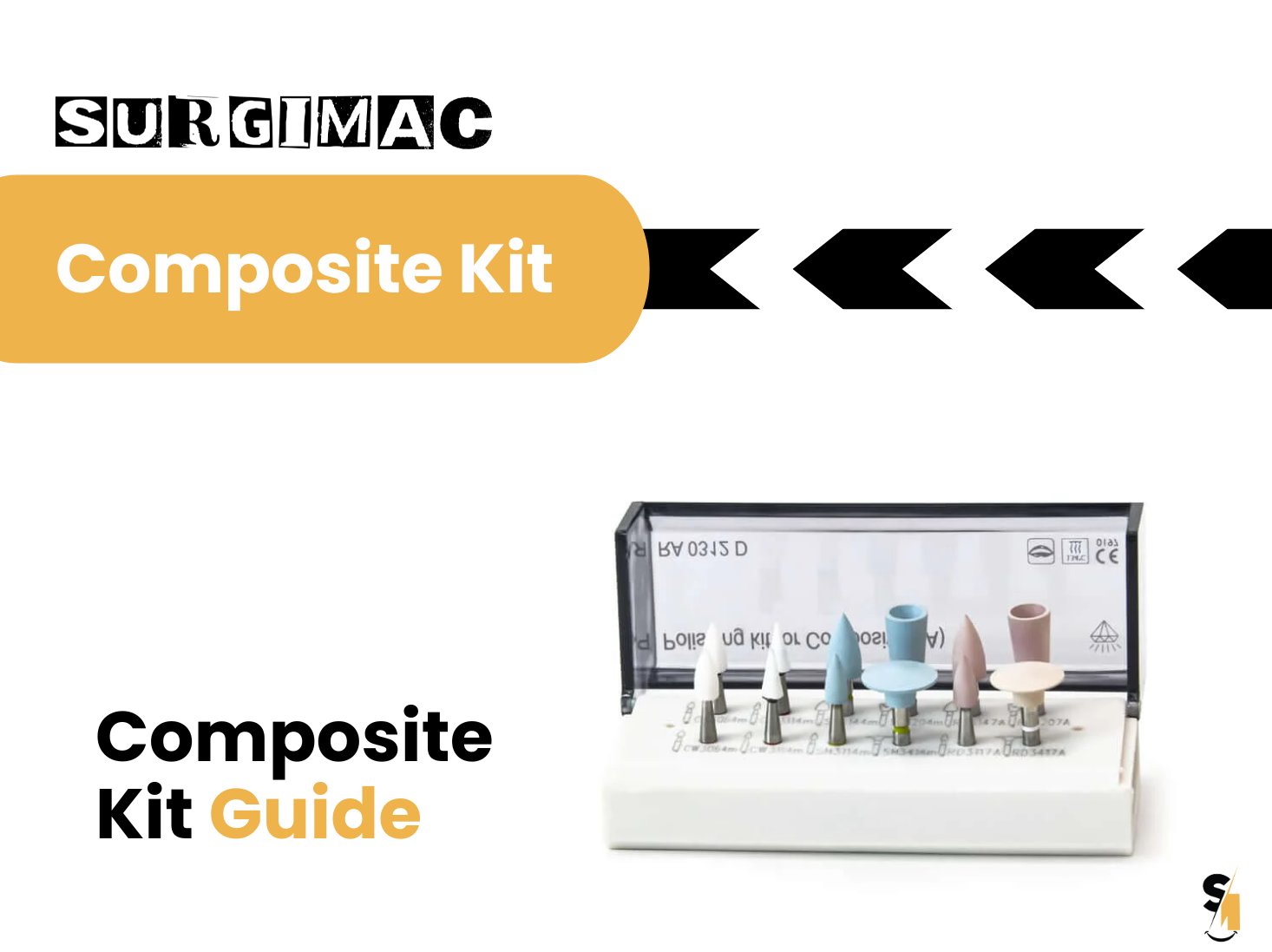
, by SurgiMac A Clinician's Guide to Dental Composite Resin Kits
-
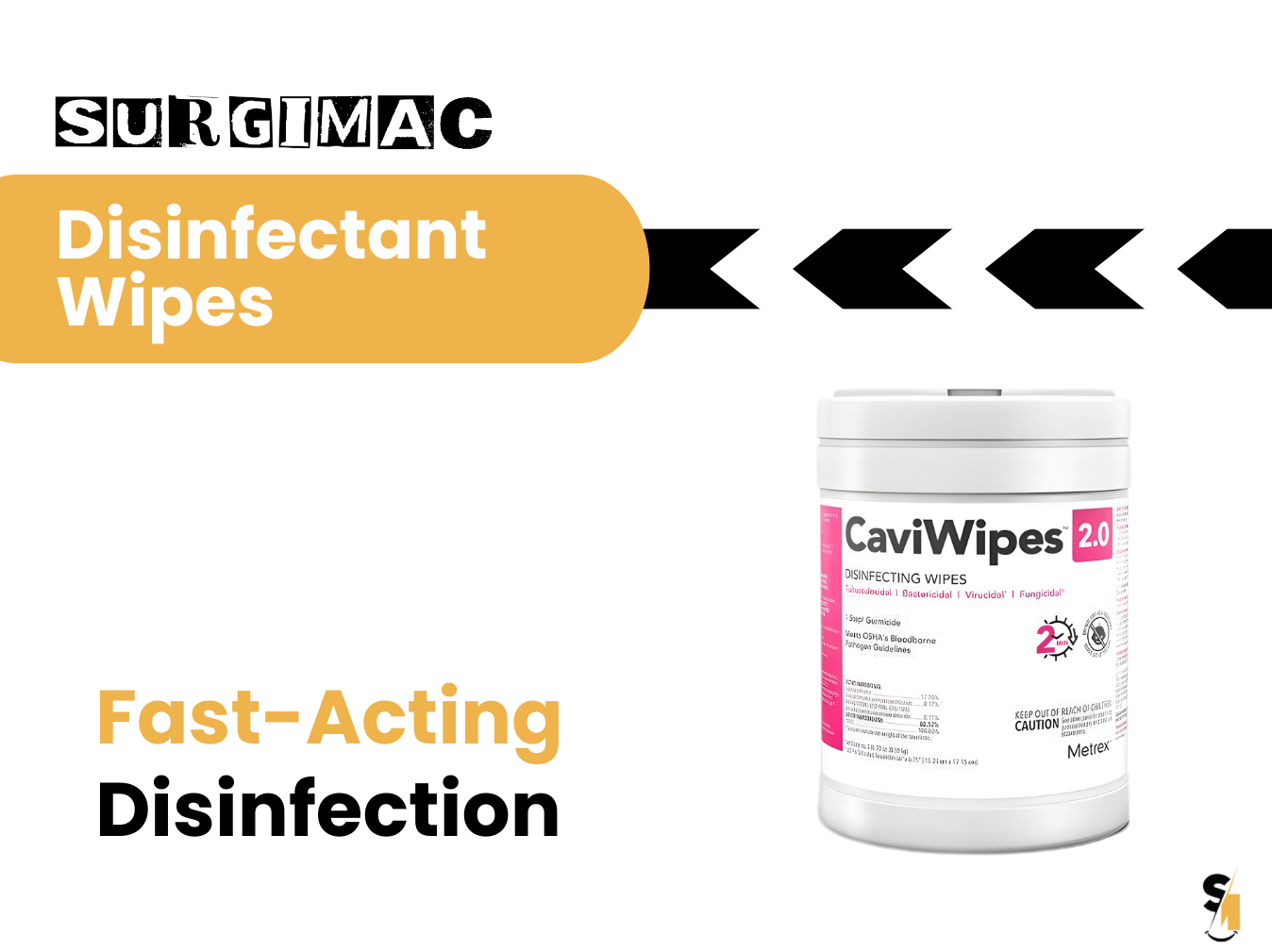
, by SurgiMac How to Disinfect with Metrex CaviWipes Correctly
