

Nitrile Examination Gloves: A Complete Guide
- , by SurgiMac
- 33 min reading time
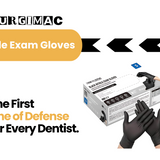
Nitrile Examination Gloves offer reliable protection, comfort, and allergy safety for dental and medical professionals. Learn how to choose the best gloves.
Flipping over a box of gloves reveals a string of acronyms: FDA, ASTM, AQL. What do they actually mean? These aren't just random letters; they are your assurance of safety and performance. Understanding these standards is the key to making an informed choice for your practice. When it comes to Nitrile Examination Gloves, you can't afford to guess. Their reliability is proven by these strict testing protocols. This guide will break down exactly what to look for, ensuring the gloves you wear provide the uncompromising protection you and your patients need.
In this comprehensive overview, we will decode these certifications and explain what they mean for the durability, reliability, and overall quality of your gloves. You'll learn how to identify a superior product with confidence and discover why SurgiMac is a trusted source for high-quality gloves and other essential dental and medical supplies.
Key Takeaways
- Nitrile is the professional standard for a reason: It delivers an unmatched combination of puncture resistance, tactile sensitivity, and allergy safety, offering superior protection for both you and your patients.
- Select the right glove by looking beyond size: Evaluate thickness for durability, texture for a secure grip, and always confirm that the gloves meet medical-grade quality standards to ensure reliable barrier protection.
- Protect your investment and your team: Source your gloves from a trusted supplier to guarantee quality, and store them properly in a cool, dry place to maintain their protective integrity until you're ready to use them.
 What Exactly Are Nitrile Examination Gloves?
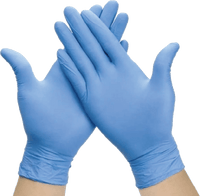
If you work in a clinical setting, you’re likely very familiar with nitrile examination gloves. They’ve become the standard for professionals across medical and dental fields, and for good reason. These gloves offer a reliable barrier between you and potential contaminants, all while providing the comfort and dexterity needed for precise tasks. Unlike other types of disposable gloves, nitrile brings a unique combination of strength, sensitivity, and safety to the table. The gloves you choose are a critical piece of your personal protective equipment, and understanding what makes nitrile a top choice helps ensure you’re getting the best protection for yourself, your staff, and your patients.
What Makes Nitrile Gloves Stand Out?
The standout feature of nitrile gloves is their exceptional durability. They are highly resistant to punctures, tears, and a wide range of chemicals, offering a level of protection that vinyl or latex gloves often can't match. This strength doesn't come at the cost of flexibility, either. Nitrile provides excellent tactile sensitivity, allowing you to feel what you’re doing with precision, which is essential for delicate dental work. The material is also powder-free, reducing the risk of contamination and skin irritation during long procedures. These features combine to create a glove that is both tough and comfortable, providing reliable protection without hindering your performance.
Understanding Nitrile's Material Composition
Nitrile gloves are crafted from a synthetic rubber compound called nitrile butadiene rubber. The most significant advantage of this material is that it is completely free of latex proteins. This makes nitrile gloves the ideal choice for professionals and patients who suffer from latex allergies, eliminating the risk of allergic reactions that can range from mild skin irritation to more severe responses. This synthetic composition is also what gives the gloves their impressive strength and chemical resistance. By choosing nitrile, you’re opting for a safe, hypoallergenic, and high-performing piece of your essential dental equipment and supplies.
The Rise of Nitrile: A Brief History
Nitrile gloves first gained widespread popularity in the 1990s, emerging as a critical solution to a growing problem in healthcare: latex allergies. As more professionals and patients developed sensitivities to natural rubber latex, the demand for a safe, effective alternative skyrocketed. Nitrile stepped in to fill that gap perfectly. While not quite as elastic as latex, it offered far superior strength and resistance to chemicals and punctures. This made it an ideal choice for medical and dental environments where barrier protection is non-negotiable. This shift established nitrile as a cornerstone of modern infection control protocols, ensuring safety for everyone in the clinic.
Key Performance Characteristics of Nitrile
The primary reason nitrile remains the top choice for dental professionals is its exceptional durability. These gloves are highly resistant to punctures and tears, providing a reliable barrier against contaminants. This strength is paired with impressive chemical resistance, protecting your hands from common clinical materials. But toughness doesn't mean sacrificing control. High-quality nitrile gloves, like those in the MacSafe collection, offer excellent tactile sensitivity, allowing you to maintain a precise feel for your instruments during delicate procedures. Being powder-free also minimizes the risk of skin irritation and contamination, making them a comfortable and dependable choice for long, demanding workdays.
Where You'll Find Nitrile Gloves in Action
While nitrile gloves are trusted by a wide range of professionals, from first responders to lab technicians, they are particularly indispensable in medical and dental practices. Their superior barrier protection makes them perfect for environments where there is a risk of exposure to bloodborne pathogens and other infectious materials. In dentistry, they are ideal for nearly every procedure, from routine cleanings to more invasive surgical work. The high level of protection, coupled with their tactile sensitivity, ensures that dental professionals can work safely and effectively. Their reliability has made them a cornerstone of infection control protocols in clinics and hospitals everywhere.
Why Nitrile is the Professional's Choice
When you’re working in a demanding environment like a dental or surgical practice, the gloves you choose are more than just a piece of equipment—they’re your first line of defense. Nitrile has become the go-to material for countless professionals, and for good reason. It strikes an impressive balance between durability, comfort, and safety, making it a reliable choice for tasks that require both precision and protection. Unlike other materials that might force you to compromise on one feature for another, nitrile delivers all-around performance. It’s tough enough to stand up to the rigors of daily use yet flexible enough to allow for the tactile sensitivity you need.
Nitrile vs. Latex: Which Is Better for You?
For years, latex was the industry standard, known for its excellent fit and feel. However, nitrile has emerged as a superior alternative, primarily due to its incredible strength. In fact, nitrile gloves are three to five times more puncture-resistant than latex gloves, offering robust protection against sharp instruments like burs and diamonds. This added durability provides peace of mind without sacrificing much of the tactile sensitivity that makes latex popular. Plus, the rise of latex allergies has made nitrile the safer, more inclusive choice for modern practices, protecting both you and your patients from potential reactions.
Protection Against Pathogens
The most critical job of any glove is to create a reliable barrier between you and potential hazards. Nitrile gloves excel in this role, offering superior protection against bloodborne pathogens and other infectious materials you encounter daily. This makes them an indispensable part of any clinic’s infection control strategy. Because they are made from a synthetic rubber compound, they are completely latex-free, which is a major advantage. This eliminates the risk of allergic reactions for both you and your patients, ensuring a safer environment for everyone. When you choose a high-quality nitrile glove, like those in our MacSafe line, you’re not just protecting your hands—you’re upholding the highest standards of patient care.
Comfort and Flexibility
While protection is paramount, it shouldn't come at the cost of performance. The strength of nitrile doesn't compromise its flexibility or tactile sensitivity, which is essential for the delicate work you perform. This material allows you to feel what you’re doing with precision, whether you're performing a routine cleaning or handling intricate dental instruments. Nitrile gloves conform to the shape of your hand, providing a comfortable fit that reduces hand fatigue during long procedures. This impressive balance of durability and comfort is what makes nitrile such a reliable choice, allowing you to focus on the task at hand with confidence and control.
Nitrile vs. Vinyl: Making the Right Choice
Vinyl gloves are often seen as a budget-friendly option, but they fall short in professional settings where performance is key. They offer a looser fit and are more susceptible to tears and punctures, which can be a significant risk during medical procedures. Nitrile gloves, on the other hand, are strong, comfortable, and provide a much more secure fit that conforms to your hand. They are a cost-effective solution for dental practices because their reliability means you use fewer gloves and have greater protection. This makes them a smarter investment in safety and efficiency for your practice.
Durability and Safety in Clinical Settings
In a dental practice, the last thing you need to worry about is glove failure. Nitrile’s exceptional durability provides the confidence you need to focus on the procedure at hand. These gloves are highly resistant to tears and punctures, a critical feature when working with sharp instruments. In fact, nitrile is three to five times more puncture-resistant than latex, offering a robust shield that minimizes the risk of exposure. This level of reliability is why professionals trust our MacSafe line of nitrile gloves to deliver consistent protection, ensuring that your first line of defense is always a strong one.
Beyond physical strength, nitrile gloves are essential to a comprehensive infection control strategy. Their superior barrier protection is effective against a wide range of chemicals and biohazards, including bloodborne pathogens. A significant advantage is their synthetic, latex-free composition, which eliminates the risk of allergic reactions for both you and your patients. This hypoallergenic property ensures a safer clinical environment for everyone. By providing a dependable barrier that is both strong and safe for sensitive skin, nitrile gloves support the highest standards of patient care and professional safety.
Are Nitrile Gloves a Safe Bet for Allergies?
One of the biggest drivers behind the switch to nitrile is the prevalence of latex allergies, which can cause reactions ranging from mild irritation to severe anaphylaxis. Since nitrile is a synthetic rubber, it provides an excellent alternative for professionals and patients with latex sensitivities. While it's often called "allergy-friendly," it's important to know that a small number of people can still have a reaction to the chemical accelerators used in the manufacturing process. However, these instances are rare, and sourcing high-quality dental equipment and supplies from trusted sources helps minimize this risk.
The Benefit of Protein-Free Material
The primary advantage of nitrile's synthetic composition is that it's completely free from the natural rubber proteins found in latex gloves. These proteins are the trigger for Type I latex allergies, which can affect both clinicians and patients with varying degrees of severity. By choosing a protein-free material, you effectively remove that risk from your practice, creating a safer environment for everyone. This is a simple yet critical step in ensuring patient care isn't compromised by preventable allergic reactions. Our MacSafe line of nitrile gloves provides that reliable, hypoallergenic barrier, allowing you to focus on the procedure at hand without worrying about potential sensitivities.
How Well Do Nitrile Gloves Resist Chemicals?
In any medical or dental environment, you’re exposed to a wide range of substances, from disinfectants to bonding agents. Nitrile gloves offer exceptional resistance to chemicals, oils, and solvents, creating a dependable barrier that other materials can’t match. This high level of resistance protects your hands from potentially hazardous materials and prevents contamination during procedures. Whether you're handling cements and adhesives or cleaning instruments, you can trust nitrile to provide the protection you need to work safely and confidently.
Environmental Considerations of Glove Materials
The Biodegradability Factor: Nitrile vs. Latex
As professionals, we're increasingly aware of our environmental footprint, and the sheer volume of disposables in a dental practice is a significant part of that conversation. Traditional nitrile gloves, while essential for safety, create an environmental challenge. Because they are crafted from a synthetic, petroleum-based rubber, they are not biodegradable. This means they can persist in landfills for hundreds of years, contributing to long-term waste. This reality forces us to carefully consider the lifecycle of all our essential dental disposables and weigh performance against environmental impact in our daily operations.
On the other hand, latex gloves are derived from natural rubber, a renewable resource, making them a biodegradable option. However, their environmental benefit is overshadowed by a major clinical drawback: the risk of latex allergies. This sensitivity can affect both practitioners and patients, making latex an impractical choice for many modern practices where safety is paramount. While the industry continues to innovate toward more sustainable materials, the immediate priority must always be a secure, hypoallergenic barrier. This is precisely why high-quality nitrile gloves, like those in our MacSafe collection, remain the professional standard for reliable infection control.
How to Choose the Right Nitrile Gloves for Your Practice
With so many options available, picking the right nitrile glove can feel overwhelming. But it doesn't have to be. Focusing on a few key factors—like thickness, fit, and texture—will help you find the perfect glove for your needs, ensuring both safety and comfort for you and your patients. Let's walk through exactly what to look for.
How to Match Glove Thickness to Your Needs
The thickness of a glove, measured in mils (one-thousandth of an inch), is a direct indicator of its durability. A thicker glove offers more protection against punctures and tears, but it can also reduce tactile sensitivity. Nitrile gloves are a fantastic option because they're strong, comfortable, and cost-effective, especially in the lower thickness ranges. For most dental check-ups and procedures, a glove between 3 and 5 mils provides a great balance of protection and dexterity. For more demanding tasks that require handling sharp instruments or chemicals, you might consider a glove that’s 6 mils or thicker to ensure maximum safety for your team.
How to Find Your Perfect Glove Size
A poorly fitting glove isn't just uncomfortable, it can be a safety hazard. Gloves that are too tight can cause hand fatigue and restrict movement, while gloves that are too loose can slip and compromise your grip. Always choose a size that fits snugly without being restrictive. It’s also crucial to know when you need sterile gloves. While disposable gloves are fine for general check-ups, you must use sterile gloves for any surgical procedures to prevent infection. Having a variety of sizes and types among your dental equipment and supplies ensures you’re always prepared for any procedure that comes your way.
Why Texture and Grip Are Non-Negotiable
In dental and surgical settings, precision is everything. The texture of your gloves plays a huge role in how well you can handle instruments. Many nitrile gloves feature micro-textured fingertips or a full-hand texture to provide a reliable grip, even in wet conditions. This is essential for maintaining control over delicate tools. The best nitrile gloves are highly resistant to physical damage and chemical products, but that strength is useless without good grip. When you’re working with fine instruments like burs and diamonds, a textured glove can make all the difference in delivering precise, confident care.
Powder-Free or Powdered: Which Should You Choose?
Years ago, powdered gloves were common because the cornstarch powder made them easier to put on. However, the powder can contribute to skin irritation and allergies, so most modern practices have switched to powder-free options. Nitrile gloves often have a polymer coating that makes them easy to don without powder. While nitrile is a great alternative for those with latex allergies, it's a myth that they are 100% allergy-friendly. Though rare, some individuals can still have a reaction to the chemical accelerators used in the manufacturing process. For this reason, sticking with powder-free gloves is the safest bet for both your staff and your patients.
What Does "Medical Grade" Really Mean?
Not all gloves are created equal. To ensure you're getting the protection you need, always look for gloves that are labeled "medical grade" or "exam grade." According to the U.S. Food & Drug Administration (FDA), medical gloves include examination gloves and surgical gloves. These gloves must meet specific performance standards for barrier protection and durability. Choosing gloves from a trusted source for dental and surgical supplies ensures they meet these strict FDA requirements. This guarantees you're using a product that has been tested and approved for use in a clinical environment, giving you peace of mind.
What Do Glove Quality Standards Mean for You?
When you’re choosing gloves, you’re choosing your first line of defense. But with so many acronyms and numbers on the box, how do you know you’re getting the protection you need? Understanding the quality standards and certifications behind nitrile gloves is the key to making a confident choice. These aren't just arbitrary labels; they are assurances of safety, performance, and reliability. Think of them as the glove's resume, detailing its qualifications for the critical work you do. Let's break down what the most important certifications mean for you and your practice, so you can easily identify high-quality gloves that meet the rigorous demands of a medical environment.
What to Look for in FDA-Approved Gloves
First and foremost, nitrile examination gloves are regulated by the U.S. Food and Drug Administration (FDA). They are classified as Class I medical devices, which means they must meet specific federal requirements before they can be sold for medical use. Manufacturers are required to submit a 510(k) premarket notification to the FDA, essentially proving their gloves are as safe and effective as products already on the market. This process ensures the gloves you use have been vetted for performance and that the materials are clearly listed on the packaging. When you see that a glove is FDA-compliant, you can trust it’s suitable for patient examinations and procedures.
How ASTM Standards Impact Performance
The American Society for Testing and Materials (ASTM) sets the technical standards for a huge range of products, including medical gloves. For nitrile exam gloves, the most important standard to look for is ASTM D6319. This standard outlines specific requirements for physical properties like tensile strength, puncture resistance, and elongation (how much they can stretch before breaking). In simple terms, a glove that meets this standard is proven to be strong, durable, and flexible enough to withstand the rigors of a clinical setting without tearing. It’s a direct measure of the glove’s physical integrity and your assurance of reliable barrier protection.
How to Read and Understand AQL Ratings
The Acceptable Quality Level (AQL) is a quality control measure that indicates the percentage of defects allowed in a batch of gloves. It’s determined by testing a random sample for pinholes and other imperfections. For medical gloves, a lower AQL number is always better because it signifies a higher quality product with fewer defects. An AQL of 1.5, for example, is a common standard for examination gloves, meaning that a batch will pass inspection if 1.5% or fewer of the sampled gloves have defects. This rating is crucial because it directly relates to the glove’s barrier effectiveness and your safety.
Why ISO Certification Matters for Your Safety
The International Organization for Standardization (ISO) provides frameworks for quality management. For medical device manufacturers, ISO 13485 is the gold standard. This certification isn't about the glove itself, but about the manufacturer's entire process—from design and development to production and distribution. When a manufacturer is ISO 13485 certified, it shows they have a robust quality management system in place to consistently produce safe and effective medical devices. It’s a powerful indicator of a company’s commitment to quality and reliability, giving you extra confidence in the products you purchase.
Top Professional Settings for Nitrile Gloves
Nitrile gloves are incredibly versatile, making them the go-to choice across a wide range of industries. Their unique combination of strength, flexibility, and chemical resistance means they show up in more places than you might think. From the dental chair to the auto shop, here’s a look at where nitrile gloves really shine.
Essential Protection in Medical and Dental Fields
In medical and dental fields, patient and practitioner safety is paramount. Professionals rely on nitrile gloves because they offer superior protection against chemicals and contaminants while being strong enough for most procedures. Nitrile is a fantastic option because it provides a comfortable, soft fit without sacrificing durability, making it ideal for tasks requiring both sensitivity and strength. Whether you're handling delicate dental equipment or working with cements, you can trust nitrile to provide the barrier protection you need to keep both yourself and your patients safe.
Maintaining Safety in Labs and Research
In a laboratory, safety and precision are everything. Researchers handle sharp instruments and hazardous materials daily, making reliable hand protection essential. Nitrile gloves are an excellent choice for this environment because they are three to five times more puncture-resistant than latex. This provides a much more robust barrier against accidental nicks from scalpels, needles, or broken glass. Their resilience gives you the confidence to focus on your work without worrying about glove failure. This level of protection is critical for maintaining a sterile environment and ensuring personal safety during sensitive experiments and analyses.
Ensuring Hygiene in Food Service
The same gloves trusted in a dental office are also used in professional kitchens. Because nitrile is a synthetic, non-allergenic material, it’s perfectly safe for food handling. Food service professionals choose nitrile for its durability and snug fit, which helps prevent cross-contamination while preparing meals. Unlike latex, they don't contain proteins that can transfer to food and trigger allergies. This makes them a reliable choice for everything from restaurant kitchens to at-home meal prep, ensuring food stays safe and clean from start to finish.
Reliable Hand Protection for Industrial Tasks
Beyond clinical settings, nitrile gloves are tough enough for demanding industrial jobs. Mechanics, painters, and manufacturing workers often turn to nitrile for its exceptional strength. These gloves stand up to physical damage, punctures, and a wide array of chemicals, oils, and solvents that would quickly degrade other gloves. In fact, they can be up to three times more resistant to punctures and chemicals than latex or vinyl. This impressive durability makes them the perfect hand protection for tasks involving rough materials or harsh substances, providing a reliable shield in challenging work environments.
Which Nitrile Glove Brands Do Professionals Trust?
When you’re ready to stock your supply closet, you’ll find plenty of nitrile glove brands to choose from. The right choice often comes down to your specific needs, budget, and the level of protection your tasks require. Let’s walk through some of the most trusted names in the industry so you can make an informed decision for your practice.
Why Professionals Trust SurgiMac's MacSafe Gloves
It’s no surprise that so many medical and dental professionals turn to SurgiMac for their daily needs. The brand is built on a foundation of quality and safety, which is exactly what you want when it comes to protective gear. SurgiMac’s nitrile gloves are specifically designed to offer fantastic tactile sensitivity without sacrificing durability. This means you can perform delicate procedures with confidence, knowing your hands are protected. This commitment to reliable performance is why SurgiMac has become a go-to source for dental equipment and supplies across the country.
Exploring Other Trusted Glove Brands
While SurgiMac is a top choice, it’s always good to know the landscape. The market includes several other reputable brands that are well-regarded for their quality and performance. Names like Curad, Halyard, Skintx, and Microflex consistently pop up in professional settings, each offering gloves with slightly different features. Some might offer enhanced grip, while others focus on flexibility. Exploring these options can help you find a glove that feels custom-made for your hands and your work. The key is to find a brand that aligns with your practice's standards for safety and comfort.
How to Compare Prices Without Sacrificing Quality
Let's be practical—budget is always a factor. Finding a glove that offers excellent protection at a fair price is the ultimate goal. Brands like MedPride, Gloveworks, and Defender are known for providing a great balance of quality and cost-effectiveness, making them solid choices for practices that go through a high volume of gloves. When you’re purchasing essential items like anesthetic products or disposables, getting the best value helps your entire operation run smoothly. Remember, competitive pricing doesn’t have to mean compromising on quality.
A Guide to Popular Nitrile Product Lines
Sometimes, it’s a specific feature that makes a product line stand out. For example, Dealmed’s nitrile gloves are popular because they offer an incredibly comfortable, elastic fit and have beaded cuffs to prevent them from rolling down during use. These small details make a big difference when you’re wearing gloves for extended periods. As you browse, pay attention to these product-specific benefits. Whether you need the precision of high-quality burs and diamonds or the reliability of a well-fitting glove, focusing on the details ensures you get a product that truly works for you.
How to Properly Store and Handle Your Gloves
Getting the best performance and protection from your nitrile gloves goes beyond just choosing the right pair. How you store and handle them is just as important. Proper care ensures your gloves maintain their integrity from the moment they arrive in your office to the moment you dispose of them. Think of it as protecting your investment and, more importantly, protecting yourself and your patients. Following a few simple guidelines for storage and disposal can make a significant difference in safety and reliability, ensuring every pair you pull from the box is ready for the task at hand.
Proper Storage to Maximize Glove Lifespan
To get the most out of your gloves, store them in a cool, dry place, away from direct sunlight and moisture. The ideal temperature is between 50 and 72 degrees Fahrenheit. Take a look at your storage area—is it near a sunny window, a heater, or an AC unit? Significant temperature swings can weaken the nitrile material over time, so it’s best to find a spot with a stable climate. Keeping the original packaging is also a great idea, as the box provides an extra layer of protection against environmental factors like UV rays and dust. This simple step helps ensure your gloves are in perfect condition when you need them.
What Is the Shelf Life of Nitrile Gloves?
While nitrile gloves don't have a strict expiration date like food products, they do have a shelf life. Over time, especially if stored improperly, the material can degrade and lose its protective qualities. The key is to always inspect a pair before you use them. Look for any visible signs of damage, such as brittleness, stickiness, or discoloration. A quick stretch test can also reveal if the material has lost its elasticity. Proper storage is the best way to extend their usability, but a visual check is your final line of defense to ensure you’re always protected.
Tips for Maintaining Glove Integrity
Beyond temperature, humidity is another factor to manage. You’ll want to store your gloves in an environment with a relative humidity of less than 80%. High humidity can introduce moisture that compromises the glove material and its packaging. Essentially, the goal is to create a stable, dark, and dry home for your glove supply. Avoid storing them in places that could experience condensation or dampness. By controlling these environmental factors, you actively preserve the quality and reliability of your gloves, ensuring they perform as expected every single time you reach for a new pair.
How to Dispose of Used Nitrile Gloves Safely
Once you’re finished with your gloves, disposing of them correctly is critical for safety and compliance. If the gloves have been used in a clinical setting and are potentially contaminated, they must be treated as hazardous waste. Place them in a designated, properly labeled biohazard container. For non-contaminated gloves, you can typically dispose of them in the regular trash. However, it’s always best to check your local regulations for medical waste disposal, as guidelines can vary. Following the correct procedure prevents cross-contamination and ensures your practice remains compliant with health and safety standards.
Where Can You Find the Best Nitrile Gloves?
Once you know what to look for in a nitrile glove, the next step is finding a reliable place to purchase them. The right supplier can make all the difference, not just in price but in quality and consistency. For any dental or surgical practice, sourcing is a critical part of the operation. You need a partner who understands the demands of your work and provides products that meet the highest standards. This means looking beyond just the basics and considering factors like brand variety, purchasing options, and quality assurance.
Your practice deserves a steady supply of high-quality gloves you can count on, day in and day out. Let’s walk through how to find a supplier that provides excellent products and value, ensuring you and your team are always protected.
What to Look for in a Glove Supplier
When you’re searching for nitrile gloves, your first step should be to find a supplier that offers a solid selection of trusted brands. Having options is key because it allows you to find the exact glove that fits your team’s needs for protection and comfort. A supplier with a diverse inventory shows they understand that one size doesn't fit all in a professional setting. Look for a source that provides a range of top-tier dental equipment and supplies, as this is often a sign of a well-vetted and reliable partner. A great supplier makes it easy to compare products so you can confidently choose the best fit for your practice.
Should You Buy Your Nitrile Gloves in Bulk?
For any busy practice, buying nitrile gloves in bulk is one of the smartest moves you can make. It not only ensures you have a consistent supply on hand but also leads to significant cost savings over time. Many suppliers offer better pricing on larger orders or even subscription services for regular deliveries. For example, some retailers offer a 10% discount for signing up for recurring shipments. This approach simplifies inventory management and frees up your budget for other essential anesthetic products or equipment. If your practice uses gloves daily, planning your purchases in bulk is a straightforward way to manage costs without sacrificing quality.
Getting the Best Value on Your Glove Purchases
Getting the best value isn’t just about finding the lowest price—it’s also about the policies and guarantees that come with your purchase. A supplier’s return policy can tell you a lot about their confidence in their products. Look for suppliers that offer a straightforward return process, which gives you peace of mind. For instance, some sellers allow you to return gloves for free within 30 days if they are in their original condition. This kind of policy lets you try a new brand or size without the risk of being stuck with something that doesn’t work for your team. It’s a safety net that ensures your investment is protected.
Understanding Pricing and Packaging Options
As you shop for gloves, you'll find that prices can vary significantly. A standard box of 100 gloves might cost around $9, while a larger case of 1000 heavy-duty gloves could be over $130. This difference often reflects factors like thickness, texture, and quality certifications. You'll also find various packaging sizes, from boxes of 100 or 200 to large cases of 1000. Choosing the right option depends on your practice's consumption rate and storage capacity. Opting for larger quantities is a great way to ensure you’re always stocked up while also taking advantage of bulk pricing, which helps manage your budget for all your essential dental disposables.
Using Color-Coding for Clinical Organization
Choosing a glove color can be about more than just aesthetics—it can be a smart organizational strategy for your practice. Implementing a color-coding system is a simple yet effective way to improve workflow and enhance safety protocols. For example, you could assign one color for routine patient exams and another for handling materials in the sterilization area to visually reinforce your infection control procedures. This helps prevent cross-contamination and makes it easy for your team to grab the correct type of glove for a specific task at a glance. Many suppliers offer a variety of colors within their product lines, like the MacSafe line, making it easy to implement a system that works for your clinic.
How to Verify Glove Quality Before You Buy
Above all else, quality assurance is non-negotiable, especially in a medical or dental environment. Before committing to a purchase, it’s crucial to verify that the gloves meet recognized safety and quality standards. Reputable suppliers will be transparent about their product certifications. Look for gloves that comply with international rules, such as ISO 13485:2016 and EU medical device regulations. These certifications aren't just letters and numbers; they are your assurance that the gloves have been rigorously tested and provide the protection you and your patients depend on. Taking a moment to check for these standards is a critical step in making a responsible purchase.
· Frequently Asked Questions
1. Can I still have an allergic reaction to nitrile gloves?
While nitrile is an excellent choice for people with latex allergies, it is possible, though rare, to have a reaction to them. These reactions are typically caused by the chemical accelerators used in the manufacturing process, not the nitrile itself. Choosing high-quality, powder-free gloves from a trusted supplier significantly reduces this risk for both you and your patients.
2. What’s the real difference between "exam grade" and "surgical" gloves?
Think of it in terms of the procedure you're performing. Exam gloves are perfect for non-invasive tasks, like routine check-ups, and must meet specific FDA standards for barrier protection. Surgical gloves, on the other hand, are required for any invasive procedure. They are individually packaged, sterile, and held to even stricter quality standards to ensure there is no risk of infection.
3. Does the color of a nitrile glove actually mean anything?
Glove color is mostly for practical purposes rather than performance. Many practices use different colors to easily distinguish between glove sizes or to designate certain areas for specific tasks, which helps prevent cross-contamination. Some surgeons also prefer double-gloving with two different colors, as it makes a tear or puncture in the outer glove immediately visible.
4. How do I know if a glove is the right fit for my hands?
A properly fitting glove should feel like a second skin. It should be snug across your palm and fingers without feeling tight or restricting your movement. If you notice a lot of loose material at your fingertips or the glove feels like it could slip off, it's too big. If your hand feels fatigued or strained after wearing them for a short time, they're likely too small.
5. Is a thicker glove always the safer or better choice?
Not necessarily. While a thicker glove does offer more resistance to punctures, that extra material can reduce your tactile sensitivity. For delicate dental work where you need to feel precisely what you're doing, a thinner glove is often the better tool for the job. The best choice is always a balance between the level of protection a task requires and the dexterity you need to perform it well.
Read More
- Nitrile vs. Latex Examination Gloves: A Medical Professional Comparison Guide
- Rising Costs and Tariffs: How Nitrile Gloves Are Affected
- The Cutting Edge: Latest in Medical and Dental Glove Technology
Tags
Blog posts
-
, by SurgiMac A Clinician's Guide to Absorbable Suture Material
-
, by SurgiMac A Clinician's Guide to Dental Composite Resin Kits
-
, by SurgiMac How to Disinfect with Metrex CaviWipes Correctly
