

The Essential Guide to Wound Care Supplies
- , by SurgiMac LLC
- 22 min reading time
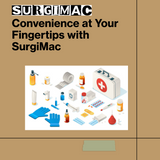
Find reliable wound care supplies for your clinic or home. SurgiMac offers fast delivery, quality products, and convenience for all your wound care needs.
When a patient needs immediate attention, you can't afford to wait for a shipment. Having the right wound care supplies on hand is non-negotiable for effective treatment and optimal healing. Every item, from advanced dressings to precision sutures like our MacSuture line, plays a critical role. But what do you do when your inventory runs low unexpectedly? The frantic search for a "wound care supply store near me" can disrupt your workflow. Let's make sure that never happens. This guide will help you find reliable sources for the essential materials you need, keeping your practice prepared.
Understanding the Fundamentals of Wound Healing
Before we get into the specific supplies, it’s helpful to have a clear picture of the healing process itself. When a patient has an oral wound, whether from an extraction, implant surgery, or periodontal treatment, their body initiates a complex and fascinating biological sequence to repair the tissue. Understanding this process allows you to select the right products to support healing at every stage, ensuring better patient outcomes and comfort. It’s not just about closing a wound; it’s about creating the ideal conditions for the body to do its best work, minimizing complications like infection and scarring, and helping your patients recover smoothly and quickly.
The Four Phases of Wound Healing
Wound healing isn't a single event but a progression through distinct, overlapping stages. It begins with the inflammatory phase, where the body stops bleeding and sends white blood cells to prevent infection. This is followed by the proliferative phase, where new tissue, including granulation tissue and new blood vessels, starts to form, filling the wound. The final stage is the maturation phase, also known as remodeling, where the new tissue strengthens and reorganizes. According to research, wounds heal in three main stages, though some models break it down further. Knowing which phase a wound is in helps you make informed decisions about its care, from the type of dressing to when sutures should be removed.
Why a Moist Healing Environment is Key
The old advice to "let a wound air out" has been replaced by a more effective, evidence-based approach: maintaining a moist healing environment. A moist wound environment promotes faster and more efficient healing by allowing cells to migrate and communicate more easily. This environment supports the growth of new tissue, facilitates the removal of dead tissue (a process called autolytic debridement), and can reduce pain and scarring. By choosing dressings that balance moisture—absorbing excess fluid without drying out the wound bed—you create the optimal conditions for the body's natural repair mechanisms to function at their peak, leading to a quicker and more comfortable recovery for your patient.
Essential Wound Care Supplies for Your Practice
Stocking your practice with the right wound care supplies is fundamental to providing excellent patient care after surgical or invasive procedures. A well-organized inventory ensures you can handle everything from routine extractions to more complex periodontal surgeries with confidence and efficiency. Having a reliable set of cleansers, dressings, sutures, and protective gear on hand prevents delays and allows you to tailor your post-operative care to each patient's specific needs. This preparation not only supports optimal healing but also reinforces your practice's commitment to safety, professionalism, and patient well-being, making every procedure as smooth as possible from start to finish.
Cleansers and Antiseptics
The first step in proper wound care is always gentle and effective cleansing. The goal is to remove debris and reduce the bacterial load without causing further trauma to the delicate, healing tissue. Using the appropriate solution is critical, as harsh chemicals can damage healthy cells and impede the healing process. For most intraoral and extraoral wounds, a gentle approach is best. Stocking your clinic with sterile, non-cytotoxic cleansers ensures that you can prepare the wound bed for dressings or closure in a way that supports, rather than hinders, the body's natural healing cascade.
Choosing the Right Solution: Saline vs. Antiseptics
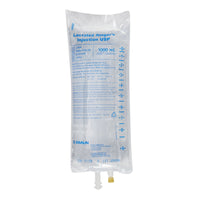
When it comes to cleaning a wound, the simplest solution is often the best. Sterile saline is the gold standard for wound irrigation because it effectively cleanses the area without damaging healthy tissue. It's an isotonic solution, meaning it won't cause cells to swell or shrink, making it incredibly gentle. While antiseptics like hydrogen peroxide or povidone-iodine have their place, they can be cytotoxic and are generally not recommended for cleaning open wounds, as they can hurt the healing process. For routine post-procedural care, sticking with sterile saline ensures you are cleaning the wound safely and effectively.
A Guide to Modern Wound Dressings
Modern wound dressings have evolved far beyond simple gauze pads. Today, clinicians have access to a sophisticated range of materials designed to actively support the healing process. These dressings are engineered to manage moisture, protect against contamination, and create an optimal environment for tissue repair. The right dressing can significantly influence healing speed, patient comfort, and the final aesthetic outcome. Understanding the different categories of dressings—from basic absorbent pads to advanced antimicrobial or moisture-balancing options—allows you to select the perfect product for the specific type, location, and exudate level of your patient's wound, ensuring a more predictable and successful recovery.
Primary Dressings: Gauze and Non-Stick Pads
Gauze remains a staple in every clinical setting for good reason. It is versatile, absorbent, and cost-effective, making it ideal for initial wound coverage, cleaning, and packing. Gauze pads are essential for managing bleeding immediately after a procedure and for providing a basic protective barrier. For wounds that are healing, non-stick pads are often a better choice as a primary dressing. They have a special coating that prevents them from adhering to the wound bed, which makes dressing changes less painful for the patient and avoids disrupting the newly formed tissue.
Moisture-Balancing Dressings: Hydrocolloids and Hydrogels
For wounds that require a moist environment to heal properly, hydrocolloids and hydrogels are excellent choices. Hydrocolloid dressings create a gel-like consistency when they come into contact with wound exudate, locking in moisture while protecting the wound from bacteria. They are particularly useful for wounds with light to moderate drainage and can often be left in place for several days. Hydrogels, on the other hand, are designed to donate moisture to dry wounds, helping to rehydrate the tissue and facilitate debridement. Both types play a crucial role in maintaining the delicate moisture balance that is key to efficient healing.
High-Absorbency Dressings: Foams and Alginates
When dealing with wounds that produce moderate to heavy exudate, you need a dressing that can manage the moisture effectively to prevent maceration of the surrounding tissue. Foam dressings are a popular choice for this purpose. They are highly absorbent, provide a soft cushion over the wound, and help maintain a moist healing environment. Alginate dressings, derived from seaweed, are another excellent option for high-exudate wounds. They form a gel as they absorb fluid, and some even have hemostatic properties, making them useful for wounds that are prone to minor bleeding.
Specialized Dressings: Antimicrobial and Collagen
For wounds at high risk of infection or those already showing signs of bioburden, antimicrobial dressings can be a critical intervention. These dressings are impregnated with agents like silver or iodine, which have broad-spectrum antimicrobial properties to kill bacteria and prevent biofilm formation. Collagen dressings are another specialized option designed to encourage tissue growth. They provide a scaffold for new cells to grow on, which can be particularly beneficial for stalled or chronic wounds, helping to jump-start the healing process by promoting the formation of new granulation tissue.
Sutures for Effective Wound Closure
Proper wound closure is a critical step in any surgical procedure, directly impacting healing time, infection risk, and the final aesthetic result. Sutures are the most common method for bringing tissue edges together, providing the stability needed for the body to begin its repair process. The choice of suture material and technique depends on the location of the wound, the type of tissue involved, and the tension on the wound edges. Selecting the right suture ensures that the wound remains securely closed for the necessary amount of time, promoting primary intention healing and minimizing scarring for your patients.
Absorbable vs. Non-Absorbable Sutures
Sutures are broadly categorized into two main types: absorbable and non-absorbable. Absorbable sutures are made from materials that the body can naturally break down and absorb over time, eliminating the need for a follow-up appointment for removal. This makes them ideal for closing deeper tissue layers or for intraoral use where removal can be difficult. Non-absorbable sutures, made from materials like silk or nylon, maintain their tensile strength for longer and must be manually removed once the wound has healed sufficiently. They are often used for skin closure where a strong, secure closure is needed.
High-Quality Sutures from MacSuture
The reliability of your suture material is non-negotiable. For consistent performance and predictable results, the MacSuture line by SurgiMac offers a comprehensive range of premium sterile sutures. Whether you need absorbable options like Polyglycolic Acid (PGA) and Plain Gut for internal layers or non-absorbable materials like Silk for secure closure, MacSuture provides durable, biocompatible options. Each suture is engineered for excellent handling, knot security, and minimal tissue reaction, ensuring you can close every wound with confidence and support optimal healing for your patients across a variety of dental and surgical procedures.
Securing Materials and Essential Tools
Beyond the primary dressing and closure materials, a set of reliable securing materials and essential tools is crucial for effective wound management. These supporting items ensure that dressings stay in place, procedures are performed hygienically, and supplies are handled with precision. Items like medical tape, protective gloves, and sterile instruments are the unsung heroes of wound care, providing the foundation for a safe and controlled clinical environment. Having high-quality, dependable tools at your fingertips allows you to focus on the patient, confident that your materials will perform as expected every time.
Medical Tapes and Compression Bandages
Once a dressing is in place, it needs to be secured properly to protect the wound and manage exudate. Medical tapes are designed to adhere firmly to the skin without causing irritation or damage upon removal. There are various types available, from gentle paper tape for sensitive skin to more robust cloth or waterproof tapes for added durability. For wounds that require pressure to control swelling or bleeding, compression bandages are essential. They provide consistent pressure to the area, which can help reduce edema and support the underlying tissues as they heal.
Protective Gear and Instruments
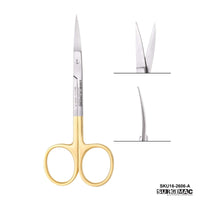
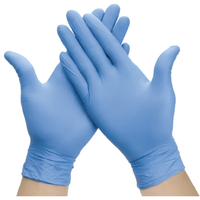
Maintaining a sterile field is paramount in wound care to prevent infection. This starts with wearing appropriate protective gear. High-quality exam gloves are non-negotiable for any procedure involving contact with an open wound. In addition to gloves, having a dedicated set of sterile instruments is essential. Basic tools like sterile scissors and tweezers are necessary for cutting dressings to size, debriding non-viable tissue, or handling sterile supplies without contamination. These instruments ensure you can perform wound care with the precision and cleanliness required for the best patient outcomes.
The Importance of Reliable Exam Gloves from MacSafe
Your choice of exam gloves directly impacts both your safety and your patient's. Gloves are your first line of defense against cross-contamination, and their reliability is crucial for maintaining a hygienic environment. The MacSafe line offers dependable protective supplies, including high-quality nitrile and latex exam gloves designed for maximum safety and tactile sensitivity. These gloves provide a strong barrier without compromising comfort or dexterity, allowing you to handle delicate instruments and perform precise tasks with confidence. Investing in reliable gloves from MacSafe ensures you can protect yourself and your patients effectively during every wound care procedure.
Best Practices for Clinical Wound Management
Effective wound management goes beyond just applying a dressing; it requires a systematic approach to assessment, treatment, and ongoing care. Adopting best practices ensures that you are not just treating the wound but also addressing the underlying factors that could affect healing. This involves a thorough evaluation of the wound and the patient, selecting appropriate treatments based on evidence, and regularly reassessing progress. By integrating a structured framework into your clinical routine, you can provide consistent, high-quality care that anticipates challenges, manages patient comfort, and promotes the most efficient healing possible for every individual.
Assessing Wounds with the TIME Framework
A structured approach to wound assessment is key to developing an effective treatment plan. The TIME framework is a widely used tool that helps clinicians systematically evaluate a wound across four key areas: Tissue, Infection/Inflammation, Moisture, and Edge. This framework provides a simple yet comprehensive way to identify barriers to healing and guide your treatment decisions. By regularly assessing the wound using the TIME principles, you can track progress, identify complications early, and adjust your care plan as needed to keep the healing process on track.
T: Tissue Viability
The first step in the TIME framework is to assess the tissue in the wound bed. Is it viable (healthy, pink, or red granulation tissue) or non-viable (slough or eschar)? Non-viable tissue must be removed through debridement because it can serve as a source of nutrients for bacteria and physically obstruct the healing process. Identifying the type and amount of tissue present helps you determine if debridement is necessary and what method would be most appropriate for the patient.
I: Infection or Inflammation
Next, assess the wound for signs of infection or prolonged inflammation. Look for classic signs like redness, warmth, swelling, pain, and purulent discharge. While a certain amount of inflammation is a normal part of the initial healing phase, excessive or persistent inflammation can signal an underlying infection or other issues that are stalling the healing process. Addressing any bioburden or infection is critical before the wound can progress to the next stage of healing.
M: Moisture Balance
As we've discussed, maintaining the right moisture balance is crucial for wound healing. In this step, you'll assess whether the wound is too wet or too dry. A wound with too much exudate can lead to maceration of the surrounding skin, while a wound that is too dry can slow down cell migration. Your assessment of the moisture level will directly guide your choice of dressing—whether you need one that absorbs excess fluid or one that donates moisture.
E: Edge of Wound
Finally, examine the edges (or margins) of the wound. Are the edges advancing and contracting, indicating that the wound is closing? Or are they stalled, rolled, or undermined? The condition of the wound edge provides important clues about the progress of healing. If the edges are not advancing, it may indicate an underlying issue that needs to be addressed, such as poor circulation, high bioburden, or repetitive trauma to the area.
Identifying Factors That Can Slow Healing
Even with the best wound care, some wounds may be slow to heal. It's important to consider factors that can impede the healing process. These can be divided into local factors and body-wide factors. Local factors are related to the wound itself, such as infection, poor blood supply to the area, or the presence of foreign bodies. Systemic, or body-wide, factors relate to the patient's overall health and include conditions like diabetes, nutritional deficiencies, smoking, and certain medications like steroids. Identifying and managing these factors is a critical part of a holistic wound care plan.
Integrating Pain Management into Care
Wound care can be a painful experience for patients, and managing that pain is a crucial aspect of providing compassionate and effective care. Pain is not just a matter of comfort; it can also be an important clinical indicator. According to clinical guidelines, pain should be checked before, during, and after dressing changes. A sudden increase in pain can signal a developing infection or other complication. By integrating pain assessment into your routine and using techniques to minimize discomfort—such as choosing non-adherent dressings or offering analgesia before a procedure—you can improve the patient experience and build trust.
Searching for a Medical Supply Store Near You?
Imagine a scenario where a medical emergency strikes, and you need immediate access to wound care supplies. Or perhaps you're a healthcare provider in search of a trustworthy supplier for your clinic's needs. The phrases medical supply store near me and surgical supply store near me become the magic words in these situations.
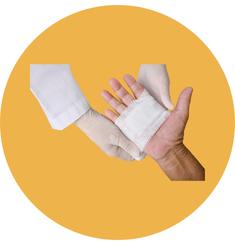
In the digital age, the concept of proximity has evolved. Now, it's not just physical proximity that matters; it's about finding a source that can swiftly meet your requirements. This is where SurgiMac shines. SurgiMac, an environmentally responsible medical and dental products manufacturer and national distributor, stands as a beacon of reliability and convenience.
The Financial Impact of Wound Care
When managing patient care, it's easy to focus on the immediate clinical needs, but the long-term financial burden on the patient is a significant part of the healing process. Chronic wounds, in particular, can require extended attention. According to industry data, many wounds take six to nine months, or even a year, to heal fully, which can translate to an average annual cost of $1,300 for basic dressing supplies alone. This ongoing expense is a critical factor for patients and a key consideration for your practice. Thinking beyond the price of a single dressing is essential; the true cost is tied to the total treatment and the quality of the patient's recovery. Investing in high-quality, reliable supplies can lead to better outcomes, fewer complications, and ultimately, a more cost-effective healing journey for your patients.
Navigating Insurance Coverage for Supplies
Helping your patients understand their options for covering the cost of supplies is a valuable service that builds trust and supports their recovery. Many patients are unaware that their insurance plans, including Medicare, Medicaid, and private insurance, often cover necessary wound care products. You can guide them toward suppliers that work directly with insurance providers, which can significantly reduce their out-of-pocket expenses. For example, some companies specialize in shipping supplies directly to a patient's home and handle the insurance billing for them. Additionally, remind patients that they can often use funds from a Flexible Spending Account (FSA) to purchase these essential items. By partnering with a cost-effective national distributor like SurgiMac for your in-office needs, you can manage your own inventory costs efficiently, helping to keep overall patient care affordable.
Skip the Local Search: Get Supplies Delivered by SurgiMac
Imagine a scenario where you're in urgent need of wound care supplies. You might be wondering, "Is there a wound care supply store near me?" SurgiMac quells those concerns by bringing the store to your fingertips. As an online medical and dental supply store, SurgiMac understands the value of swift access to quality products.
Whether you're a healthcare professional in need of wound care essentials for your practice or an individual requiring supplies for personal care, SurgiMac's extensive catalog has got you covered. From adhesive bandages to advanced wound dressings, SurgiMac offers a wide array of wound care supplies wholesale. This means you can acquire the products you need in bulk, ensuring you're always prepared.

Get Reliable Wound Care Supplies Delivered to Your Practice
In today's fast-paced world, the concept of convenience is synonymous with home delivery. SurgiMac takes this to heart by offering home delivery wound care supplies. Imagine the peace of mind that comes with knowing your essential supplies are just a few clicks away, ready to be delivered to your doorstep.
| Benefits of SurgiMac's Home Delivery |
|---|
| 1. Time-saving convenience |
| 2. Reliable and secure delivery |
| 3. Access to a wide range of products |
Let's consider a real-life example: Jane, a nurse practitioner, relies on SurgiMac for her clinic's wound care supply needs. With SurgiMac's efficient online platform, she can swiftly order supplies, allowing her to focus more on patient care.
In the realm of wound care supplies, accessibility and convenience are of the essence. Whether you're searching for a wound care supply store, a medical supply store, or a surgical supply store, SurgiMac emerges as your virtual ally. With an extensive catalog, the convenience of home delivery, and a commitment to environmental responsibility, SurgiMac stands as the go-to destination for all your wound care supply needs.
So, when it comes to wound care supplies, remember SurgiMac - your partner in quality, accessibility, and convenience.
"Quality wound care supplies, delivered to your doorstep with SurgiMac's signature convenience."
For more information and to explore SurgiMac's range of products, visit SurgiMac's Official Website.
Also must reads include:
- Purell Essentials: The Science and Benefits of Hand Sanitizers, Wipes, and Soaps
- The 5 Dental Supplies Every New Practice Absolutely Needs
- Top 5 Reasons Why SurgiMac is Your One-Stop Shop for Medical and Dental Supplies
Frequently Asked Questions
With so many different types of wound dressings available, what’s the main principle I should follow when choosing one? The most important goal is to maintain a balanced, moist environment for the wound. Think of it as a simple rule: if a wound is dry, use a dressing that provides moisture, like a hydrogel. If a wound has heavy drainage, choose a dressing that absorbs excess fluid, such as a foam or alginate. This approach creates the ideal conditions for the body’s natural healing processes to work efficiently, which can lead to faster recovery and better outcomes for your patient.
Why is sterile saline recommended over common antiseptics for cleaning most wounds? While it might seem like a stronger antiseptic would be better, solutions like hydrogen peroxide can actually be too harsh. They are cytotoxic, meaning they can damage the healthy new cells that are trying to repair the tissue, which can slow down the healing process. Sterile saline is the preferred choice because it effectively cleans the wound of debris without harming delicate tissue, making it a safe and gentle way to prepare the wound bed for closure or dressing.
What's the simplest way to decide between an absorbable and a non-absorbable suture? The decision often comes down to the location of the wound and whether you want to avoid a follow-up visit for removal. Absorbable sutures, like the PGA or Plain Gut options in our MacSuture line, are perfect for closing deeper tissue layers or for intraoral wounds where removal would be difficult. Non-absorbable sutures, such as Silk, are typically used for skin closure where strength is needed for a longer period and the sutures can be easily removed once the wound has healed.
How can I quickly assess a wound during a busy day in the clinic? Using a mental checklist like the TIME framework can be incredibly helpful. Just run through these four points: check the Tissue for viability, look for signs of Infection or inflammation, assess the Moisture balance to see if it's too wet or dry, and examine the wound Edge to see if it's advancing. This quick, systematic check gives you a comprehensive snapshot of the wound's status and helps you make informed decisions about its care without a lengthy evaluation.
Besides having the right supplies, what is one of the most overlooked aspects of successful wound management? Pain management is a critical, yet often underestimated, part of the process. Pain isn't just about patient comfort; a sudden increase in pain can be an early indicator of a complication, like an infection. By assessing your patient's pain level before, during, and after a dressing change and taking steps to minimize discomfort, you not only improve their experience but also gather important clinical information that contributes to a smoother recovery.
Key Takeaways
- Prioritize a Moist Healing Environment: Support the body's natural repair process by selecting dressings that maintain optimal moisture balance. This evidence-based approach accelerates healing, reduces pain, and improves patient outcomes.
- Assess Wounds Systematically with TIME: Use the TIME framework (Tissue, Infection, Moisture, Edge) to consistently evaluate wounds. This simple tool helps you identify barriers and select the right treatment at every stage, leading to more predictable healing.
- Keep Your Practice Prepared: Eliminate the disruption of running out of supplies by partnering with a dependable national distributor. Stocking essential, high-quality products like MacSuture and MacSafe exam gloves ensures you can always provide immediate, effective care.
Related Articles
Tags
Blog posts
-
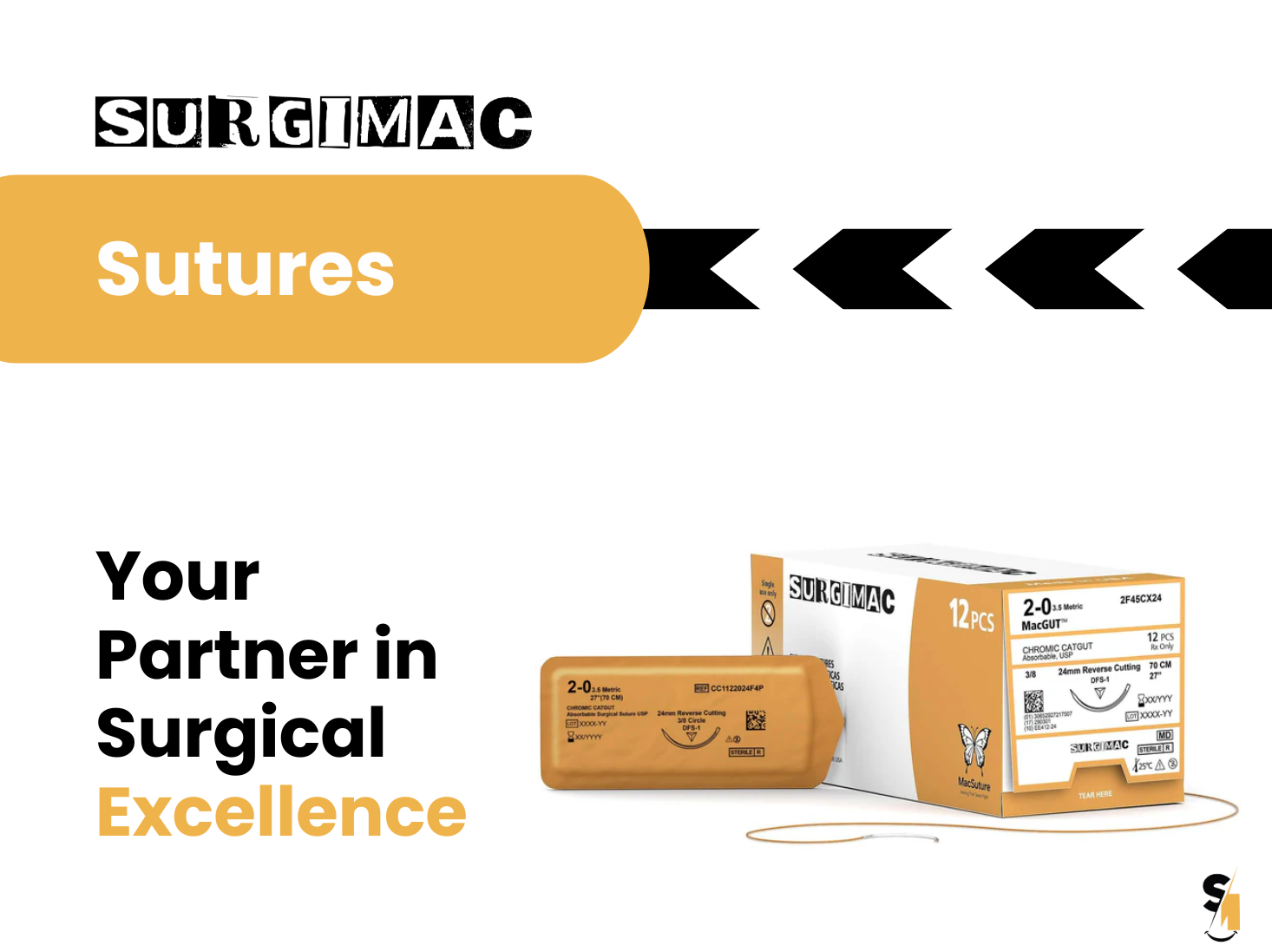
, by SurgiMac A Clinician's Guide to Absorbable Suture Material
-
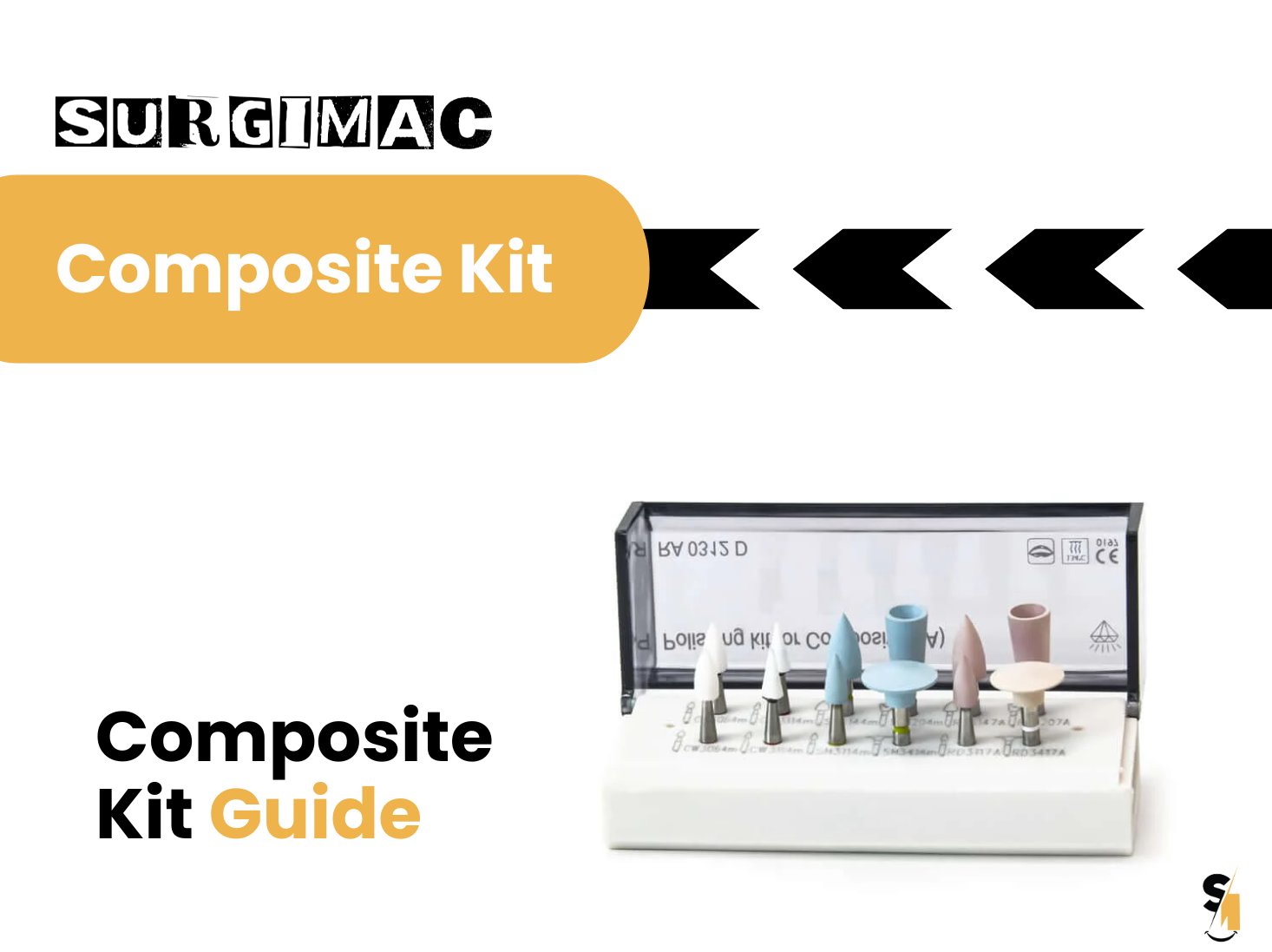
, by SurgiMac A Clinician's Guide to Dental Composite Resin Kits
-
, by SurgiMac How to Disinfect with Metrex CaviWipes Correctly
