


Dental Composite Resin Types: A Professional Guide to Choosing the Right Material
- , by SurgiMac
- 20 min reading time
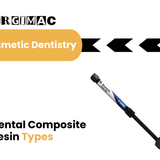
Start comparing dental composite resin types for your practice. Explore microfilled, hybrid, nanofilled, and bulk-fill options for anterior and posterior care.
Successful restorations require a precise balance between high-strength durability and enamel-like esthetic finish. Your choice of resin directly impacts the life of every restorative procedure.
Dental composite resin types fall into four main categories: microfilled, hybrid, nanofilled, and bulk-fill. Each offers distinct advantages for anterior esthetics or posterior strength. Choosing the right material depends on filler particle size, filler load, and the specific clinical demands of each restorative case.
Before picking a material for your next case, you should review the basics of these products. Our guide starts with What Are Dental Composite Resins? to explain how these materials work. This foundation helps you select the best tools for your practice. This guide walks you through each type in detail.
Dental Composite Resin Types: What Are Dental Composite Resins?
Dental composite resins are the most common tools used to fix teeth today. These items blend two main parts: an organic resin base and non-living filler bits. The resin part often uses a plastic-like base called BISGMA or UDMA. To make the tool strong, makers add hard bits like glass or quartz. These bits are coated with a special silane agent. This coating helps the hard fillers stick to the soft resin.
The Chemical Base and Fillers
The resin base is the fluid part of the mix that sets under a special light. This process is called light-curing. Modern tools often use a blend of barium silicate glass, quartz, or zirconium silicate. Most types also add a small amount of colloidal silica. These tiny bits help the mix stay smooth and easy to shape. Research in the National Institutes of Health database shows that the balance of these parts affects how well the filling lasts in the mouth.

Dentists must choose the right mix for each task. Some resins are made to look like natural tooth enamel. Others are made to handle the heavy pressure of chewing. You can find many of these composite filling materials at SurgiMac. Choosing a top-grade brand ensures the filling will bond well and look great for years. The coupling agent is a key part of this bond. It links the resin to the glass bits. Without it, the filling would break apart under the stress of daily use.
Why Filler Size Matters for Work
The size of the filler bits is the best way to group different types of resins. In the past, makers used large bits. These were strong but hard to polish. Today, we use much smaller bits. We group them into microfilled, hybrid, and nanofilled types. The grouping helps dentists know which tool is best for a specific tooth. Small bits make the surface very smooth and shiny. This is vital for front teeth where looks matter most.
Larger bits give the tool more strength for back teeth. Hybrid types try to offer the best of both worlds. They mix different sizes to get strength and a nice look. When you pick a product, the filler size tells you how it will act in the chair. It changes how much the item shrinks when it sets. The goal is to keep the gap between the tooth and the filling as small as possible.
Choosing the Right Type for Clinical Use
The goal of any repair is to act like a natural tooth. Composite resins do this by matching the color and hardness of dentin and enamel. Because they bond directly to the tooth, they need less drilling than metal fillings. This helps keep more of the natural tooth safe from damage. Most modern resins also resist wear and stains quite well. They provide a long-lasting fix for many types of cavities.
In the next sections, we will look at each type in detail. You will learn how microfills, hybrids, and bulk-fill resins work in a clinic. Each one has a specific role in modern dental care. Some are thin and flow into small gaps. Others are thick and can fill a large space at once. Knowing the differences helps you get the best results for your patients. This guide covers the main types you will use in your daily work.
Microfilled Composites
Microfilled composites first came to the dental market in the late 1970s. These materials changed how dentists do anterior work. Unlike older macrofills, microfilled resins contain much smaller filler particles. Most of these particles are under 100 nanometers in size. This small scale allows for a level of surface smoothness that larger particles cannot match. When you use dental composite resin types like these, you can get a high-gloss finish that looks like natural tooth enamel.
Shop SurgiMac's full selection of dental composite resins to find the best fit for your next case.
High Polishability and Esthetics
The main reason to choose microfilled composites is for their looks. Because the fillers are so small, the resin wears at a rate close to the particles. This means the surface stays smooth over time. It does not become rough or dull as the resin ages in the mouth. For many years, these have been the top choice for Class III and Class V fillings where looks are the main goal.
Dentists often select these resins for direct veneers. The way they show light helps them blend in with the nearby tooth parts. This helps you create a seamless repair that patients find pleasing. While newer nanofills also offer good shine, many dentists still find that microfills provide a unique depth of color. This depth is hard to copy with other dental composite resin types.
Limits in High-Stress Areas
While microfills excel in looks, they have clear limits in strength. The low filler load makes them more prone to chipping under heavy loads. They are not strong enough to stand up to the bite force found in the back of the mouth. Because of this, most experts do not suggest them for posterior work or large stress-bearing areas. They work best in the esthetic zone where the force is low.
Common examples of these resins include:
- Heliomolar from Ivoclar Vivadent
- Renamel from Cosmedent
These have been trusted tools in the dental office for decades. If you need a stronger option for molars or premolars, you should look at hybrid or bulk-fill options. SurgiMac carries many dental composite materials that provide the strength needed for posterior use.
Choosing the Right Composite for the Job
When you pick a resin for a case, you must weigh the patient's needs. If the tooth shows when they smile, a microfill might be the best choice. It gives the high shine that patients love. But if the tooth needs to chew tough food, a stronger resin is a must. Modern dental offices usually keep a few different types of composite on hand. This lets the dentist match the resin to the specific site in the mouth.
Using the right tool for each case helps ensure that your work lasts. It also helps keep your patients happy with both the look and the feel of their teeth. By knowing the traits of each resin type, you can make the best clinical choice for every patient you see.
Hybrid and Microhybrid Composites
Dental composite resin types have changed over the years to help dentists do better work. Hybrid and microhybrid materials are a top choice in many clinics. These resins blend the best parts of older tools. They take the high strength of macrofills and mix it with the smooth finish of microfills. By using different part sizes, they create a surface that is both tough and pretty. You can read more about how dental composite resin types affect filling results in recent clinical studies.
A Balanced Mix of Filler Parts
The secret to these tools is the way they mix filler parts. Most hybrids use a blend of glass or ceramic parts. These range from 10 to 50 microns in size. Makers also add tiny 40-nanometer parts to fill the gaps. Because they have more solid material, they are very stiff and do not shrink much when they cure. This helps the filling stay in place for a long time without leaks.
Microhybrids use even smaller parts than standard hybrids. This helps them look even smoother after you polish them. This is a big help for patients who want their dental work to be hard to see. Using a mix of sizes also makes the resin easier to shape. It does not stick to your tools as much. This makes your job faster and easier.
Strength for All Areas of the Mouth
One of the best things about these resins is their use across the whole mouth. They are strong enough for back teeth where the force of chewing is high. At the same time, they look great on front teeth where looks matter. This makes them a universal tool for any dental team. These resins also bond well to the tooth, which reduces the risk of the patient feeling pain after the work is done.
Centrix VersaLite Hybrid Composite
For a high-quality hybrid, we recommend Centrix VersaLite Hybrid Composite. This light-cured resin offers high strength and looks like real teeth. It is easy to shape and does not slump, so you can get the look just right. It comes in 4 VITA shades to help you match any patient. The fast cure time means your patients spend less time in the chair.
Order Centrix VersaLite from SurgiMac today to bring elite strength and looks to your dental work.
VersaLite also uses single-dose tips. These prefilled tips are a great way to keep your clinic clean. They stop germs from moving between patients because you use a new tip every time. They also help you put the resin right where you need it. This reduces waste and makes the task go faster. For busy clinics, these gains in speed add up to more time for patient care.
Innovations in Nanohybrid Resins
Newer nanohybrid resins build on the success of the hybrid model. These use clusters of tiny parts that act like large parts for strength but polish like small parts. Top brands like Tetric EvoCeram and Herculite Ultra are great examples. IPS Empress Direct is another choice for cases that need a perfect look. These resins offer the best wear and shine on the market today. They help you give your patients results that last for years.
Nanofilled and Nanohybrid Composites
Nanocomposites are the newest generation of dental composite resin types. They use very small filler particles to solve the old trade-off between strength and beauty. In the past, dentists had to choose between strong hybrid materials or shiny microfills. Now, nanofilled composites offer the best of both worlds in one product. These materials work well for both front and back teeth because they look great and resist wear.
How Nanoclusters Work
Most modern nanocomposites use particles as small as 20 nanometers. This technology groups these tiny particles into nanoclusters. These clusters act like larger particles during placement to give the material strength. As the filling wears down over time, only the tiny nano-sized particles come off the surface. This keeps the work smooth and shiny for a long time. High-quality options like Filtek Supreme Ultra Universal use this tech to provide lasting results.
Strength and Shrinkage
Nanohybrid composites mix these tiny particles with larger glass or ceramic fillers. This blend creates a dense material that can withstand the heavy forces of chewing.
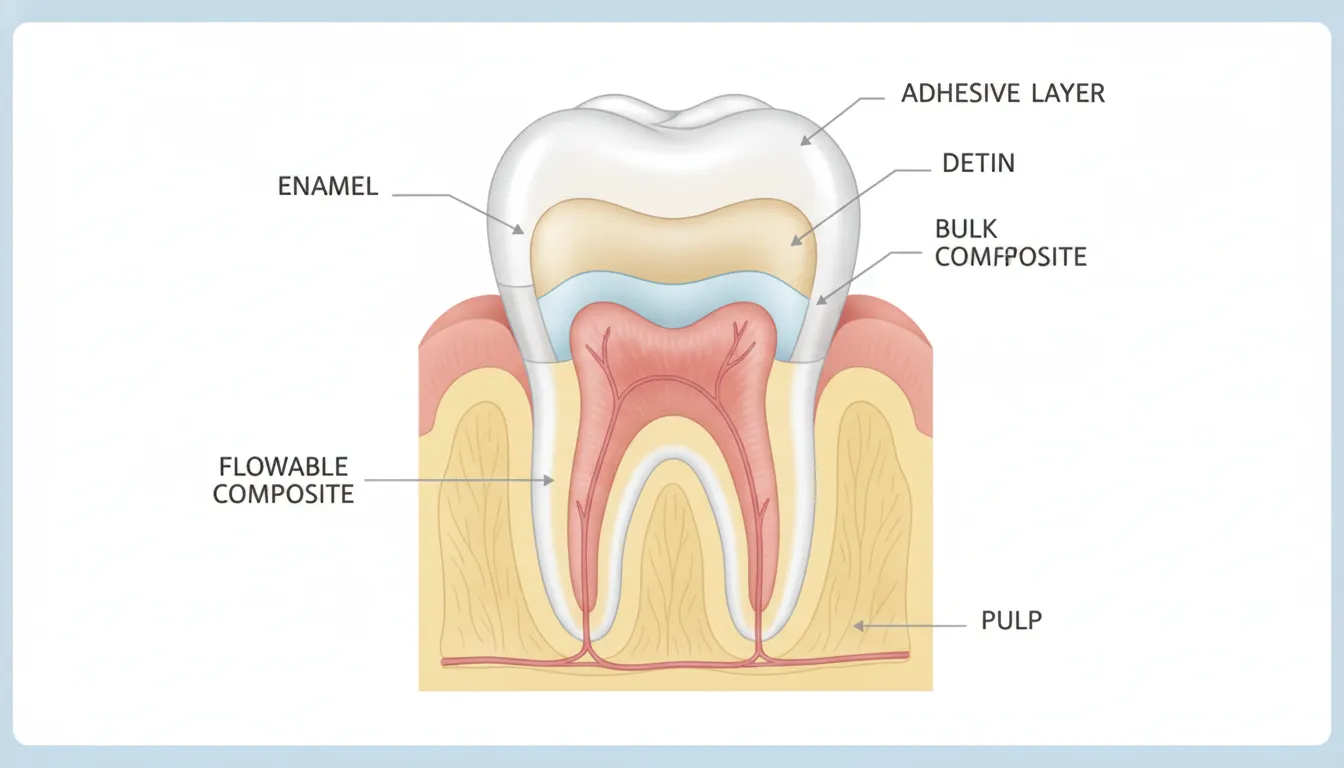
One big benefit is that these materials often have low shrinkage. For example, Meta Biomed Ezfil has a low 1.6% shrinkage rate. This helps prevent gaps at the edges of the filling and reduces tooth pain after the work. Using a material with low shrinkage leads to a better seal and a more durable fix.
Versatile Flowable Options
For small cavities or as a base layer, many dentists use nano-hybrid flowable resins. These materials flow easily into tight spaces but still offer high strength once cured. The Nexcomp Flow is a top choice that comes in 14 different shades. It allows for a good color match even in hard-to-reach areas of the mouth. These flowable types provide a smooth surface and excellent handling for small dental jobs.
Bulk-Fill Composites
Bulk-fill materials are a big change in how dental teams handle back teeth. These types of dental composite resin allow you to place layers that are 4 to 5 mm thick. This cuts the number of steps needed to fill a deep spot. By using these resins, you can save time and make clinical work much faster for your patients.
Deep Curing and Ease of Use
Old types of resin need very thin layers to cure well. Bulk-fill tools use new ways to set through thick parts. The Centrix C-R Hybrid Self-Cure Composite Resin is a great pick for a bulk-fill base. Since it sets on its own, it gives a deep cure in spots that light cannot reach. This makes it a smart choice for deep gaps where a lamp may not work well.
Low Stress and High Strength
Filling a large hole with resin can cause stress as the material sets. C-R Hybrid helps by pulling toward the tooth walls as it cures. This helps to stop gaps from forming at the edges. It has a 221 MPa compressive strength, which gives the tooth a firm base. You can then put a light-set layer like Centrix VersaLite on top to make the tooth look natural and last a long time.
High strength in a base helps teeth stay strong when people chew. Using a solid base is a key part of good care for back teeth. You can get these pro tools in the composite filling materials shop at SurgiMac. You can also read more about best ways to use these tools on the ada.org site.
Flowable Composites and Core Buildup Materials
Flowable composites and core buildup materials are specialized tools in a modern clinic. These dental composite resin types help with tasks that standard pastes cannot handle. Flowable resins have low viscosity, which lets them flow into small gaps and tight spots. In contrast, core buildup materials provide the strong base needed before a clinician places a final crown or bridge.
Low Viscosity Flowable Options
Flowable resins are often injected via a syringe to reach areas that are hard to access. They work well for Class V repairs, liners, bases, and veneer cementation. They are also useful for temporary fixes and sealing pits or fissures. Products like VersaFlo from Centrix provide a light-cured solution with a high filler weight of 76%. This material offers a compressive strength of 242.6 MPa to ensure a lasting bond.
Another versatile choice is Nexcomp Flow by Meta Biomed. This nano-hybrid flowable comes in 14 shades, including opaque and translucent options. Its low viscosity makes it ideal for small cavities where precision is vital. Research in the National Library of Medicine shows that flowable resins reduce voids in the base. This helps improve the seal of the filling.
High Strength Core Buildup Materials
Core buildup materials are made to replace lost tooth structure and support a future crown. These resins must be strong enough to handle biting forces and feel like natural dentin. Centrix SuperCure uses a glass filler that cuts very much like dentin. For cases that need more wear resistance, SuperCure Q is quartz-filled and cuts harder than dentin. Both formulas are non-slumping, which means they stay in place during the build.
Speed is also a key factor during core work. SuperCure can reach a depth of cure of 8.9mm in just 40 seconds. Using prefilled tips means there is no need for mixing and reduces waste. Clinicians often choose these materials because they provide a 235 MPa compressive strength. Professional guides from the American Dental Association show that a good core base is vital for the success of crowns.
Choosing the Right Material at SurgiMac
Choosing the best material depends on the case and the goal of the work. Flowable resins provide the flex and flow needed for liners. Core materials offer the bulk and strength for structural repairs. SurgiMac carries a full range of these composite filling materials to meet the needs of any U.S. dental office. Having the right tools on hand helps ensure better results for every patient.
How to Choose the Right Composite Resin for Your Practice
Key Clinical Factors
Picking the best dental composite resin types for your clinic involves looking at the clinical need of each case. You must find a good balance between the strength of the fill and the beauty of the final shine. Front teeth need a high polish to look like real enamel. Back teeth must be tough to handle the stress of chewing. Most modern resins are a blend of silane-coated glass particles and synthetic resin.
| Composite Type | Particle Size | Strength | Polish | Best Clinical Use | Top Product |
|---|---|---|---|---|---|
| Microfilled | Under 100 nm | Low | Excellent | Front tooth beauty | Heliomolar |
| Hybrid | 0.4-10 microns | High | Good-Very Good | All-purpose use | Centrix VersaLite |
| Nanohybrid | 5-20 nm clusters | Very High | Excellent | All-purpose use | Meta Biomed Ezfil |
| Bulk-Fill | Variable | High | Good | Deep posterior | Centrix C-R Hybrid |
| Flowable | Variable | Moderate | Good | Liners and small cavities | Centrix VersaFlo |
| Core Buildup | Variable | Very High | Moderate | Crown foundations | Centrix SuperCure |
Matching Resin to the Tooth Place
The place of the tooth in the mouth helps you pick the right resin. Microfilled resins offer a great shine but lack the strength for back teeth. Nanohybrid types like Meta Biomed Ezfil are a smart middle ground for any tooth. They are strong enough for molar stress and shiny enough for front teeth. Using an all-purpose resin can save you time and space in your supply room.
Cavity depth also plays a big role in your choice. Deep holes make it hard for light to reach the bottom. In these cases, a bulk-fill resin like Centrix C-R Hybrid is a safe bet. This self-cure tool sets deep in the tooth without needing a lamp. Using the right tool for each job helps ensure your work lasts for years.
Handling and Viscosity Choices
Handling is another vital part of the choice for any dental professional. Some resins are stiff and easy to carve, while others flow like a thick liquid. A non-sticky hybrid resin is great for shaping natural tooth folds. If you need to build up a core before a crown, use a high-fill material like Centrix SuperCure. These choices help you provide the best care for your patients.
Browse the full SurgiMac composite collection to find the best dental resins for your practice.
Frequently Asked Questions
What is the best type of dental composite for posterior teeth?
Hybrid and nanohybrid resins are usually the best choice for posterior teeth because they offer high compressive strength. These materials withstand the heavy pressure from chewing better than microfilled types. For large cavities, a bulk-fill composite like the Centrix C-R Hybrid is a great option. It allows for deep placement in a single step while maintaining a high compressive strength of 221 MPa to ensure the restoration lasts under stress.
What are the benefits of using nano-hybrid composite resins?
Nano-hybrid resins offer a unique blend of strength and beauty by mixing very small nanoparticles with larger glass fillers. This mix helps the material stay strong while allowing for a smooth, shiny polish that looks like natural enamel. According to Meta Biomed, these resins also feature low shrinkage. This is vital for a tight seal around the tooth, which helps prevent future decay and reduces tooth sensitivity after the procedure is finished.
How long do professional dental composite fillings usually last?
Most dental composite fillings last between five and ten years when patients maintain good oral hygiene. The life of a filling depends on its size, where it is in the mouth, and the skill of the dentist. Using high-quality materials and proper curing techniques can help these fillings stay in place for a longer time. Regular checkups are also key to finding small issues before they become big problems, which keeps the tooth healthy and the restoration functional.
What is the difference between flowable and packable composites?
Flowable composites have a thin, liquid feel that makes them easy to inject into small gaps or use as a base layer. They work well for tiny cavities or as a liner under larger fillings. Packable composites are much thicker and hold their shape, which makes them better for building up large surfaces. While flowable types like VersaFlo are versatile, packable types provide the durability needed for the biting surfaces of back teeth.
Ready to find the best resin for your next dental restoration?
Choosing the wrong resin can lead to weak bonds and poor health results which will cost you time. This hurts your patient results over time and makes your work harder than it needs to be. If you wait to update your stock, you might find yourself using old tools that do not work well. Set up your dental office for success by getting the best tools now to give every patient great care. Using the right tools will also help you save money on every case you handle in your practice.
Ready to request? Shop the SurgiMac online store for the best dental composite filling materials to browse SurgiMac's complete selection of composite filling materials.
Tags
Blog posts
-
, by SurgiMac A Clinician's Guide to Absorbable Suture Material
-
, by SurgiMac A Clinician's Guide to Dental Composite Resin Kits
-
, by SurgiMac How to Disinfect with Metrex CaviWipes Correctly
