


Dental Cotton Roll Sizes: A Complete Procedure Selection Guide
- , by SurgiMac
- 12 min reading time
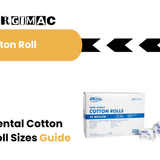
Contact us to stock the right dental cotton roll sizes. Standard #1, #2, and #3 rolls ensure moisture control during restorative and surgical procedures.
Successful moisture control in restorative dentistry directly impacts bond strength and composite restoration survival. Selecting the correct dental cotton roll sizes is vital for achieving reliable oral isolation while keeping patients comfortable during clinical procedures.
Standard dental cotton roll sizes include size #1 (small, 5/16-inch diameter), size #2 (medium, 3/8-inch diameter), and size #3 (large, 1/2-inch diameter), all measuring 1.5 inches in length. Proper size selection prevents saliva contamination and ensures a dry treatment field. Stock the right dental cotton roll sizes for your clinic today and improve your isolation outcomes.
Achieving dry fields requires matching absorbents to the patient and procedure. Understanding how these standard dimensions affect moisture control helps you make the best choice for your clinical workflow. Here is how to choose.
What Are the Standard Dental Cotton Roll Sizes?
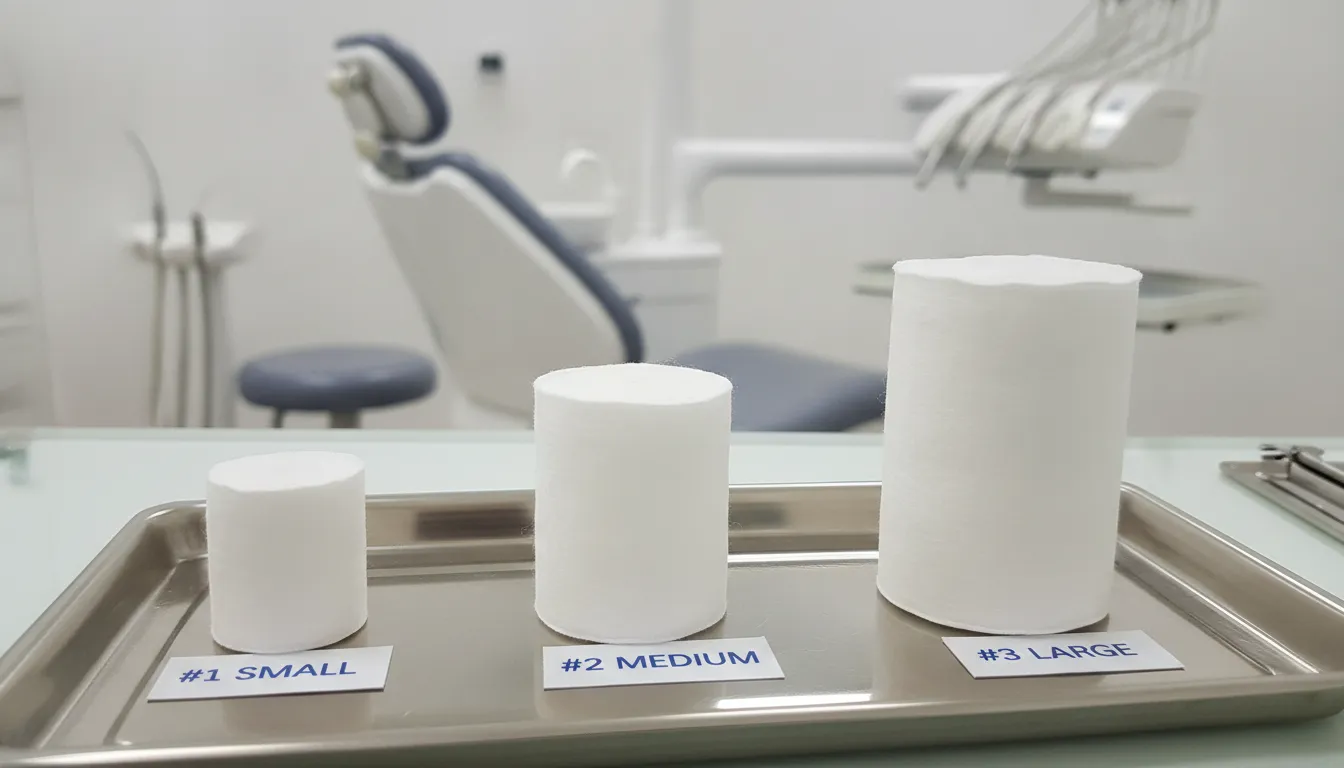
Dental professionals rely on three primary dental cotton roll sizes to manage moisture during routine clinical procedures. Standardizing these dimensions ensures that clinicians can quickly select the right barrier for any patient. The traditional sizing system groups rolls into numbered options defined by their exact physical dimensions.
The Three Primary Sizing Options
The standard sizing system includes three main choices designed to fit different mouth structures. Size #1 is the small option, measuring five-sixteenths of an inch in diameter and one and a half inches in length. This size works best for pediatric patients or tight vestibular spaces. Size #2 is the medium option, measuring three-eighths of an inch in diameter and one and a half inches in length. The medium option is the most common choice for adult patients. Size #3 is the large option, measuring one-half inch in diameter and one and a half inches in length, providing maximum absorption for high-moisture areas.
Extra-Long Rolls and Specialized Dimensions
While the standard length is one and a half inches, some clinical procedures require broader coverage. Extra-long rolls range from four to six inches in length. These longer rolls are useful for surgical applications or full-arch treatments where clinicians need a continuous moisture barrier. Having a range of various dental cotton roll sizes allows dental teams to adapt to different oral shapes and procedural requirements.
Braided versus Non-Braided Cotton Rolls
In addition to physical sizes, the structural design affects roll performance in the mouth. Braided cotton rolls feature an outer yarn wrapping that prevents fibers from sticking to the oral mucosa. This design is durable and does not collapse when wet. Non-braided rolls lack this outer wrap, making them highly flexible so they compress easily to fit the mouth. Clinicians can choose high-quality dental cotton rolls in both styles to balance patient comfort and absorbency. For most adult procedures, a braided #2 roll provides the best mix of stability and moisture control. Browse SurgiMac's DentiCare collection for premium absorbent supplies designed for clinical reliability.
Why Does Cotton Roll Size Matter for Moisture Control?
Selecting from the available dental cotton roll sizes is a vital step in clinical moisture control. An incorrect size often leads to early saturation or a poor seal, which can compromise the treatment area. Proper sizing ensures the roll fits securely in the buccal vestibule or sublingual space without shifting during treatment.
Clinical Isolation and Restoration Survival
Maintaining a dry field is essential for modern restorative dentistry, particularly when placing adhesive materials. Research shows that proper field isolation directly impacts the success and survival rate of composite resin restorations. A study published in the Journal of Clinical and Experimental Dentistry highlights how effective isolation prevents microleakage and supports long-term bond strength of dental composites. When a roll is too small, fluid bypasses the barrier and wets the prepared tooth structure.
Cotton Roll Isolation versus Isolite Systems
While advanced suction systems exist, traditional cotton roll isolation remains highly effective for many routine procedures. A clinical study in the Journal of the American Dental Association evaluated sealant placement and found that cotton roll isolation was equally effective as the Isolite system. This demonstrates that using standard MacSafe dental supplies provides a reliable and cost-effective moisture barrier when clinicians choose the right size for the patient's anatomy.
Absorption Speed and Material Performance
The material design of the roll also influences moisture control alongside its physical dimensions. Braided rolls offer up to thirty percent faster absorption due to their unique wicking action. This rapid intake prevents pooling in high-flow areas of the mouth. Choosing high-quality options like the standard cotton roll dimensions from SurgiMac's DentiCare line ensures both secure placement and excellent fluid management. Upgrade your operatory supplies with DentiCare absorbents for consistent moisture control across every procedure.
How Do You Choose the Right Cotton Roll Size for Each Procedure?
Every dental procedure presents unique moisture challenges. Choosing the right size of dental cotton rolls helps maintain a dry field without compromising working space. Using the wrong size can lead to premature restoration failure or patient discomfort.
Matching Sizes to Clinical Needs
In pediatric sealants or orthodontic bonding, small #1 rolls prevent tissue interference in narrow vestibules. For standard restorative composites and crowns, #2 rolls are the reliable workhorse. When isolating larger surgical extraction sites, the bulk of a #3 roll is necessary to control blood and saliva. Matching the size to the specific oral site helps protect critical clinical steps.
Moisture Control for Restorative Success
Proper isolation is a major factor in the lifespan of composite resin restorations, as noted in dental materials research. When a dry field is lost, bond strength drops rapidly. High-quality isolation with standard cotton roll dimensions ensures the preparation remains dry. Proper sizing lets the clinician focus on precision placement rather than constantly swapping saturated rolls.
| Procedure | Recommended Size | Reason | Notes |
|---|---|---|---|
| Restorative Composites | Size #2 Medium | Balanced fluid retention and oral comfort | Best general choice for posterior isolation |
| Sealant Placement | Size #1 or #2 | Adapts easily to small pediatric arch sizes | Equally effective as physical isolation devices |
| Endodontic Access | Size #2 or Long 4" | Blocks salivary duct flow during therapy | Prevents leak of canal irrigants |
| Orthodontic Bonding | Size #1 Small | Clears facial surfaces of anterior teeth | Reduces bracket bond contamination risk |
| Surgical Extractions | Size #3 Large | High blood and saliva absorbency rate | Excellent for broad alveolar socket compression |
| Crown/Bridge Cementation | Size #2 Medium | Keeps margins dry during luting agent set | Fits the buccal vestibule snugly |
Selecting from various dental cotton roll sizes ensures optimal patient care and dry fields. Keep a steady stock of multiple sizes in your operatory to meet any clinical scenario with confidence.
What Cotton Roll Alternatives and Absorbents Should You Consider?
While standard dental cotton roll sizes provide excellent moisture control for routine procedures, certain clinical scenarios require alternative tools. Selecting the right absorbent ensures optimal field isolation without crowding the oral cavity. Dental professionals rely on a range of specialized materials, including cotton pellets, cellulose wafers, sterile gauze squares, and cotton-tipped applicators, to manage moisture under different spatial constraints.
Cotton Pellets for Endodontic and Micro-Targeted Drying
Cotton pellets are highly compressed fibers designed for precision drying and medicament application in small, confined spaces. In endodontic procedures, dentists use size #2 and size #4 cotton pellets to dry the pulp chamber or to place intracanal medicaments prior to obturation. Unlike cotton rolls, which are too bulky for micro-targeted application, these small pellets absorb moisture instantly without obstructing the clinician's view. Applying pellets with sterile college pliers ensures precise placement and prevents contamination. Clinicians often choose pre-sterilized lines like SurgiMac's DentiCare absorbent collection to maintain strict infection control during root canal treatments.
Cellulose Wafers for Maxillary Posterior Isolation
Cellulose wafers, also known as dry angles, offer a slim profile for moisture control near the parotid gland. These triangular wafers feature a highly absorbent core wrapped in a moisture-resistant backing, protecting the working field from saliva flowing from Stensen's duct. While standard dental cotton rolls can bulk up the buccal vestibule and limit visibility in the maxillary posterior region, a cellulose wafer adheres comfortably to the cheek mucosa. The wafer absorbs fluid while shielding soft tissues from rotating dental instruments, making it ideal for crown preparations and buccal restorations where space is limited.
Gauze Squares and Applicators for Oral Surgery
For broad surgical moisture control and active hemostasis, standard cotton rolls do not offer sufficient surface area. Dental surgeons use 2x2 or 4x4 sterile gauze squares to absorb blood and saliva during extractions and implant placements. Gauze squares can be folded to fit the surgical site and applied with firm pressure to assist in clot formation. Cotton-tipped applicators provide a targeted method for applying topical anesthetics or managing minor bleeding at the gingival margin. Proper moisture isolation is critical to prevent microleakage and support long-term restoration survival.
Best Practices for Storing Dental Cotton Rolls
How you store and handle cotton products in your clinic affects patient safety and product performance. Even the best dental cotton roll sizes can lose their clinical value if they become damp or dirty before use. Following clean protocols keeps your materials dry, fresh, and safe for every treatment.
Key Handling and Storage Guidelines
Clean storage prevents bacteria and dust from contaminating your cotton supplies. Moisture in the air can also degrade the cotton fibers and reduce absorbency. Follow these steps to maintain product integrity.
- Keep storage areas cool and dry: Store cotton rolls in closed cabinets away from sinks, sterilizers, and steam sources. Damp air can ruin the fibers and make rolls less absorbent before they reach a patient's mouth.
- Check packaging before use: Always inspect the wrap or box for rips, holes, or water stains before opening. Discard any damaged packs to protect patient safety.
- Match sterility to the procedure: Use non-sterile rolls for basic exams or sealants. For deep surgical sites or wound care, use sterile cotton rolls to prevent infection. The Centers for Disease Control and Prevention (CDC) offers clear guidelines on sterile device use for oral surgeries.
- Rotate clinic inventory: Use the first-in, first-out method to manage stock. This rotation ensures older boxes are used first, preventing products from sitting on shelves too long.
- Perform a final visual check: Inspect each roll before placing it in the mouth. Look for flat spots, dust, or discoloration. Fresh, high-quality rolls like the DentiCare standard cotton roll dimensions from SurgiMac are pure white and hold their shape well.
Clinical Safety and Infection Control
Contaminated cotton materials can lead to cross-contamination in the dental chair. Keeping supplies in dry, sealed containers blocks germs and maintains cleanliness. These steps ensure your clinical team provides safe, professional care during every visit.
Frequently Asked Questions
What are dental cotton rolls?
Dental cotton rolls are small cylindrical absorbent pads placed in the mouth to soak up saliva and keep the treatment field dry during procedures. They are a standard tool in restorative, endodontic, and orthodontic care for moisture control.
How wide is a dental cotton roll?
Standard dental cotton roll sizes range from 5/16 inch (size #1) to 1/2 inch (size #3) in diameter. The most common size, #2 medium, measures 3/8 inch wide by 1.5 inches long when uncompressed. Rolls compress easily to fit the patient's mouth comfortably for better moisture control.
How do you pick the right dental cotton roll size?
Choose size #1 for pediatric patients or tight vestibular spaces. Size #2 medium works for most adult restorative and sealant procedures. Size #3 large is best for deep surgical sites where more fluid absorption is needed. Refer to the procedure matching table in this guide for detailed recommendations.
Where can I buy dental cotton rolls for my clinic?
You can purchase high-quality dental cotton rolls from SurgiMac through their cotton roll collection page. SurgiMac offers DentiCare brand cotton rolls along with top industry brands to meet your clinic's needs.
Ready To Improve Your Clinical Moisture Control?
Inadequate moisture control during dental restorations can compromise bonding survival and lead to early procedural failures. Choosing the correct dental cotton roll sizes ensures stable field isolation, superior dry fields, and optimal treatment outcomes for your patients. Do not let improper sizing affect your daily clinical success, procedural efficiency, or patient comfort. Equip your clinic with premium DentiCare dental absorbents today to achieve consistent results in every chair.
Ready to improve your clinical moisture control? Visit SurgiMac to browse our full collection, verify wholesale options, and find the right dental cotton roll sizes for your clinical needs.
Tags
Blog posts
-
, by SurgiMac A Clinician's Guide to Absorbable Suture Material
-
, by SurgiMac A Clinician's Guide to Dental Composite Resin Kits
-
, by SurgiMac How to Disinfect with Metrex CaviWipes Correctly
