




What Are Dental Preventives? A Clinical Overview
- , by SurgiMac
- 20 min reading time
Dental preventives are essential for maintaining oral health. Learn about key dental preventives, clinical strategies, and tools for effective patient care.
The scope of our work extends far beyond the oral cavity. We are increasingly aware of the profound connection between a patient's oral health and their overall systemic wellness. When we perform routine preventive care, we aren't just preventing cavities or gingivitis; we are actively helping to reduce our patients' risk for serious conditions like cardiovascular disease and diabetes. This positions the dental team as essential guardians of public health. Fulfilling this vital role requires an unwavering commitment to excellence in every procedure. From meticulous scaling to thorough examinations, the quality of your Dental Preventives matters. This guide reinforces the importance of the oral-systemic link and details the professional tools and supplies necessary to provide care that truly supports whole-body health.
Key Takeaways
- Build a Patient Partnership: Frame preventive care as a collaboration. Your professional services, combined with effective patient education on at-home habits, create a powerful team approach that improves long-term health outcomes and reinforces your clinical value.
- Champion Proactive Intervention: Shift the focus from treating pain to preventing disease. By detecting issues early during routine exams, you save patients from complex procedures, preserve natural dentition, and demonstrate the significant value of consistent care.
- Equip Your Practice for Precision: Your clinical expertise deserves high-performance tools. Reliable instruments for diagnostics and scaling, paired with essential MacSafe infection control supplies, are fundamental to delivering safe and effective preventive services.
 What is Preventive Dental Care?
As clinicians, we know that the best treatment is often no treatment at all. This is the core principle of preventive dental care. It’s a proactive partnership between you and your patient, focused on maintaining oral wellness and stopping disease before it starts. As one source puts it, preventive care involves taking steps "to keep your teeth and mouth healthy. The main goal is to stop oral diseases from starting." This approach shifts the focus from reactive problem-solving to proactive health management, empowering patients to take control of their oral health with your expert guidance.
This partnership involves a two-pronged approach: consistent, high-quality professional care in your office and effective at-home routines for your patients. Every aspect of a preventive appointment, from the initial exam to the final polish, relies on having dependable tools and a sterile environment. Ensuring your practice is stocked with reliable dental instruments and top-tier infection control supplies is the first step in delivering the exceptional preventive care your patients deserve. By establishing this strong foundation, you not only protect your patients' smiles but also reinforce your role as a trusted healthcare provider dedicated to their long-term well-being.
The Oral-Systemic Link: More Than Just a Smile
The conversation around preventive care extends far beyond the oral cavity. We are increasingly aware of the profound connection between oral health and overall systemic health. When we educate patients on the importance of preventing gingivitis or periodontitis, we are also helping them protect their entire body. Research continues to show that good oral health can help reduce the risk for serious systemic issues, including diabetes, cardiovascular disease, and adverse pregnancy outcomes. This knowledge transforms a routine dental visit into a critical health screening, positioning you and your team as essential guardians of your patients' overall wellness.
Why Preventive Care Is Foundational to Patient Health
Preventive dentistry is crucial throughout a patient's life, from their first tooth to their senior years. Its value lies in early detection and intervention. When you identify and address potential issues like incipient caries or early-stage gingivitis, you save your patients from more extensive, invasive, and costly treatments down the road. This proactive approach not only preserves natural tooth structure but also "helps reduce dental problems linked to long-term health conditions." Using precision diagnostic tools, such as those from the SurgiMac Air Series, allows for meticulous examinations, ensuring that even the most subtle signs of disease are caught early. This commitment to early detection is the cornerstone of modern, patient-centered dentistry.
Core Components of Professional Preventive Care
Professional preventive care forms the bedrock of a patient's long-term oral health. While at-home habits are crucial, the procedures performed in your office provide a level of cleaning, examination, and protection that patients simply cannot achieve on their own. These core services are not just routine appointments; they are your first line of defense against oral disease. By systematically performing comprehensive exams, professional cleanings, and targeted treatments like fluoride and sealants, you can intercept problems early, educate your patients, and reinforce the value of consistent dental care. Each component plays a distinct role, but together they create a powerful synergy that preserves natural dentition and supports overall wellness.
Comprehensive Exams and Radiographs
A thorough clinical examination is the starting point for all preventive care. This is your opportunity to perform a detailed assessment of a patient's oral health, identifying signs of caries, periodontal disease, malocclusion, and soft tissue abnormalities, including oral cancer. Using high-quality diagnostic tools is essential for accuracy. Instruments from our Air Series provide exceptional balance and tactile sensitivity, while the non-reflective finish of the Titanium Black Series reduces glare for enhanced visibility. Radiographs complement the visual exam, allowing you to detect interproximal decay, bone loss, and other pathologies that are not visible to the naked eye, ensuring no issue goes unnoticed.
Professional Prophylaxis and Scaling
Professional prophylaxis is a cornerstone of preventive dentistry. This procedure, performed by a skilled dentist or dental hygienist, removes the plaque and hardened calculus that brushing and flossing leave behind. Effective scaling is impossible for patients to do at home, making this in-office service vital for preventing gingivitis and periodontitis. The right instruments make all the difference in providing efficient and comfortable care. SurgiMac’s Pro Series scalers and curettes are crafted from premium-grade stainless steel for lasting sharpness and durability, allowing for precise calculus removal. For more demanding procedures, our Hexa Series instruments offer ergonomic grips to ensure control and reduce hand fatigue.
Fluoride Treatments and Dental Sealants
Topical fluoride applications and dental sealants are powerful tools in the fight against dental caries. Fluoride treatments help to remineralize enamel, making teeth more resistant to acid attacks from plaque bacteria. Sealants provide a physical barrier, protecting the deep pits and fissures of posterior teeth where food and bacteria often accumulate. While often associated with pediatric dentistry, these preventive measures are also highly effective for adults with a high caries risk. Applying these materials requires precision, and having reliable dental disposables on hand ensures a smooth and hygienic workflow for every patient. These simple, non-invasive procedures offer significant long-term benefits for preserving tooth structure.
Guiding Patients on At-Home Preventive Habits
Your clinical expertise is the cornerstone of preventive care, but its success hinges on what happens after the patient leaves your office. Empowering patients with the knowledge and habits to maintain their oral health at home transforms them into active partners in their own care. By translating complex clinical concepts into simple, actionable steps, you reinforce the value of your professional services and set the stage for long-term positive outcomes. This educational role is fundamental to building trust and ensuring the durability of your clinical work, making every appointment an opportunity to foster lifelong health.
Effective Brushing and Flossing Techniques
The foundation of at-home care is surprisingly simple, yet it requires consistent reinforcement. Guide your patients to brush twice a day for a full two minutes using a soft-bristled brush and fluoride toothpaste. Emphasize the importance of technique over force, demonstrating how to clean all tooth surfaces effectively. Complement this by teaching proper flossing, explaining that it’s the only way to remove plaque from between teeth and below the gumline where a toothbrush can't reach. Providing patients with quality dental disposables like a new toothbrush or floss after their appointment is a great way to reinforce these habits immediately.
The Impact of Diet and Lifestyle Choices
Conversations about diet and lifestyle can be delicate, but they are critical to comprehensive preventive care. Frame your advice around the positive impact of a balanced diet rich in vitamins and minerals, which builds strong teeth and healthy gums. Encourage patients to limit sugary and acidic foods that contribute to enamel erosion and decay. It's also essential to discuss the significant risks associated with tobacco use, which extend from staining and gum disease to an increased risk of oral cancer. Approaching these topics with empathy helps patients understand the direct link between their daily choices and their oral health.
The Value of Routine Self-Exams
Encourage your patients to become familiar with their own mouths by performing routine self-exams. Teaching them to look for changes like red or swollen gums, persistent sores, or discoloration empowers them to identify potential issues early. This practice doesn't replace your clinical assessment; it enhances it. Explain that while their self-check is a great first step, your professional examination utilizes precision instruments to detect subtle signs of disease they can't see or feel. Using tools from our ergonomic Air Series allows you to perform thorough, comfortable exams, identifying concerns long before they become significant problems for the patient.
Preventive Strategies for Every Age Group
Preventive care isn't a one-size-fits-all service. As clinicians, we tailor our approach based on a patient's age, risk factors, and unique oral health landscape. From a child’s first dental visit to managing the complex needs of a senior patient, the goal remains the same: to stop oral disease before it starts and maintain health for a lifetime. This requires different strategies, educational focuses, and sometimes, different tools for the job. By adapting our preventive protocols, we can provide the most effective and impactful care at every stage of life, building a foundation of trust and wellness that lasts.
Building a Healthy Foundation in Pediatric Patients
For our youngest patients, preventive care is all about creating a positive foundation. The journey begins when the first tooth erupts. Regular six-month exams allow us to monitor jaw and tooth development, apply protective dental sealants, and provide professional fluoride treatments. These early visits are also crucial for educating parents on proper brushing and flossing techniques, diet, and habits like thumb sucking. Using well-balanced, ergonomic tools is key to making these appointments smooth and comfortable. Instruments from the SurgiMac Slim Series, with their compact design, offer the precision needed for smaller mouths, helping to build a positive dental experience from the very beginning.
Addressing the Needs of Adult and Senior Patients
As patients enter adulthood, the focus of preventive care shifts toward maintenance and managing risk. While routine prophylaxis and exams remain essential, we also screen for early signs of periodontal disease, oral cancer, and structural issues like cracked teeth. For seniors, this vigilance is even more critical. We must address challenges like xerostomia, root caries, and the oral manifestations of systemic diseases. Excellent visibility is non-negotiable. Using instruments like the SurgiMac Titanium Black Series can reduce glare and enhance contrast, allowing for greater precision during examinations and scaling. This commitment to preventive dental care helps adults and seniors maintain their oral health, function, and quality of life for years to come.
Understanding Insurance for Preventive Services
Educating patients on their insurance benefits is a critical, value-added service that builds trust and encourages treatment acceptance. When patients understand what their plan covers, they are more likely to schedule and follow through with necessary preventive care. As a clinician, you can guide these conversations, helping patients see their insurance not as a barrier, but as a tool for maintaining their long-term oral health. This proactive approach reinforces your role as a comprehensive health partner and ensures your practice is equipped to provide seamless care.
What Dental Plans Typically Cover
Most dental plans are designed to prioritize preventive care, recognizing its impact on overall health. When speaking with patients, it’s helpful to explain that their plan’s “diagnostic and preventive services” category is where they’ll find the most value. According to Cigna Healthcare, preventive dentistry coverage typically includes routine cleanings (usually twice a year), bitewing X-rays, and fluoride treatments for children up to a certain age. Performing these services relies on precise diagnostic instruments and strict protocols for infection prevention to ensure patient safety and clinical accuracy, reinforcing the quality of care they receive.
Helping Patients Maximize Their Benefits
A key point to communicate is that many insurance plans cover preventive services at a high rate, often 100%, which means little to no out-of-pocket cost for the patient. This is a powerful motivator. Delta Dental highlights that common covered services include two annual check-ups and cleanings, fluoride treatments, dental sealants, and yearly X-rays. Encourage your patients to consult their plan details and schedule their appointments accordingly. By helping them maximize their benefits, you empower them to take control of their oral health and make consistent preventive care a manageable part of their lives.
Debunking Common Myths About Preventive Care
As clinicians, we know the immense value of preventive dentistry. However, our patients often arrive with preconceived notions that can act as significant barriers to care. Addressing these myths directly and compassionately is a crucial part of patient education and building trust. When patients understand the 'why' behind routine visits, they are more likely to become active partners in their oral health journey. This section will tackle three of the most common misconceptions we hear in the operatory and provide clear, evidence-based points to help you guide your patients toward a lifetime of better health.
These myths often stem from a lack of information, past negative experiences, or financial anxiety. By proactively discussing them, you can demystify the dental visit and reframe it as a positive, essential part of overall wellness. Explaining that the goal of preventive dental care is to stop problems before they start can be a powerful motivator. It shifts the focus from fixing damage to maintaining health. This educational effort not only improves clinical outcomes but also strengthens the patient-provider relationship, which is the cornerstone of a successful practice. When patients see you as a trusted advisor, they are more compliant with treatment plans and home care recommendations, leading to better long-term results for everyone.
Myth: "Go to the dentist only when there's pain."
This is perhaps the most dangerous myth in dentistry. Pain is a late-stage indicator of a problem, signaling that damage has likely already occurred. The primary goal of preventive care is to stop oral diseases from starting, not just to react to them. Regular examinations allow you to detect issues like incipient caries, gingivitis, and even oral cancers at their earliest, most treatable stages. Waiting for a toothache to schedule an appointment often means the difference between a simple filling and a complex, costly root canal or extraction. Educating patients on this proactive approach is key to preserving their natural dentition and overall health.
Myth: "Preventive care is too expensive or not covered."
Financial concerns are a valid and common reason for patients to delay care. However, many don't realize that most dental insurance plans are designed to heavily favor preventive services, often covering them at 100% with little to no out-of-pocket cost. It's helpful to frame preventive care as a long-term investment. The cost of two routine cleanings and exams per year is minimal compared to the expense of major restorative work like crowns, bridges, or implants. By catching problems early, you are not only preserving their health but also protecting their finances. Helping patients understand and maximize their benefits can turn a perceived expense into a valued health investment.
Myth: "Good home care is all I need."
While excellent at-home habits are the foundation of oral health, they are only part of the equation. Even the most diligent brusher cannot remove all plaque, which hardens into calculus over time. This is where professional intervention is essential. Using precision instruments like our Slim Series scalers and curettes, dental professionals can meticulously remove calculus from areas a toothbrush can't reach. As experts point out, preventive dentistry is a partnership between good home care and regular dental visits. Remind patients that you are on the same team, working together to keep their smiles healthy for a lifetime.
The Right Tools for Superior Preventive Dentistry
Delivering exceptional preventive care depends on more than just clinical knowledge; it requires the right tools for the job. High-quality instruments and supplies are fundamental to accurate diagnoses, effective treatments, and patient safety. When your instruments provide superior tactile feedback and your supplies guarantee a sterile environment, you can perform your work with confidence and precision. This not only leads to better patient outcomes but also enhances your efficiency and reduces physical strain throughout the day.
Think of your tools as a direct extension of your clinical skill. A dull scaler or a flimsy mirror can compromise the quality of care, while ergonomic, well-crafted instruments allow you to work seamlessly. From the initial examination to the final polish, every item you use plays a role. That’s why it’s essential to equip your practice with reliable dental equipment and supplies that meet the highest standards of performance. Investing in quality from the start prevents the frustration of dealing with tools that fail under pressure or supplies that don't meet clinical standards. This commitment to quality is twofold, involving both the precision instruments you handle and the essential supplies that ensure a safe practice for everyone.
Precision Instruments for Exams and Cleanings
A thorough examination is the first step in preventive care, and it relies on instruments that offer clarity and precision. Dental mirrors, explorers, and periodontal probes are the cornerstones of a comprehensive assessment, allowing you to detect caries and evaluate periodontal health effectively. For these tasks, you need tools that feel balanced and comfortable in your hand. The SurgiMac Slim Series instruments are designed with ergonomics in mind, featuring a lightweight build that reduces hand fatigue during scaling and probing. Using the proper dental instruments is essential for providing a high standard of care and achieving accurate diagnostic results.
Essential Supplies for Infection Control and Safety
A sterile and safe environment is non-negotiable in any dental practice. Your infection control protocol is your first line of defense against cross-contamination, protecting both your patients and your team. This starts with reliable personal protective equipment (PPE). The MacSafe collection offers high-quality disposable gloves and lab coats designed for safety and comfort. Beyond PPE, effective protocols require EPA-registered disinfectants for surfaces and proper sterilization for all reusable instruments. Following established infection control guidelines is critical, as is the use of single-use items like suction tips and gauze to further minimize risk and streamline your workflow.
Frequently Asked Questions
Q: How can I make preventive appointments more efficient without sacrificing quality?
A: Efficiency often comes down to preparation, workflow, and instrument selection. Keeping your operatory organized and having everything ready before the appointment begins can save valuable time. Ergonomic, lightweight instruments can also help reduce hand fatigue, allowing you to maintain precision and comfort throughout a busy schedule. When clinicians are comfortable and organized, appointments tend to run more smoothly without compromising the quality of care.
Q: What's the best way to explain the oral-systemic link to patients without overwhelming them?
A: Simple explanations are often the most effective. You can tell patients that the mouth is connected to the rest of the body and that healthy gums help protect overall health. When gum disease develops, bacteria and inflammation can affect other systems in the body. Keeping the conversation focused on this basic connection helps patients understand why oral health matters without getting overwhelmed by medical terminology.
Q: My patients often think their at-home care is enough. How do I explain why professional cleanings are still necessary?
A: Start by acknowledging their efforts and reinforcing the importance of daily brushing and flossing. Then explain that while home care removes plaque, it cannot remove hardened calculus once it forms. Professional cleanings are necessary to eliminate these deposits from areas that are difficult or impossible to reach at home. Regular preventive visits help reduce the risk of cavities, gum disease, and other oral health problems.
Q: How can I adapt my preventive approach for senior patients who often have more complex needs?
A: Senior patients often require a more individualized approach. Pay close attention to common concerns such as root caries, dry mouth caused by medications, gum recession, and existing restorations. Thorough examinations, enhanced visibility, and regular monitoring can help identify problems early. Taking the time to discuss medications, medical conditions, and home care challenges can also improve preventive outcomes for older adults.
Q: Patients get stuck on the cost. How can I help them see preventive care as a financial investment?
A: Focus on long-term value rather than immediate cost. Explain that routine preventive care is generally far less expensive than treating advanced problems such as extensive decay, periodontal disease, crowns, root canals, or tooth replacement. Regular cleanings and examinations help identify issues early, often reducing treatment complexity and expense. Framing preventive care as an investment in both health and future savings can help patients better appreciate its importance.
Related Articles
Tags
Blog posts
-
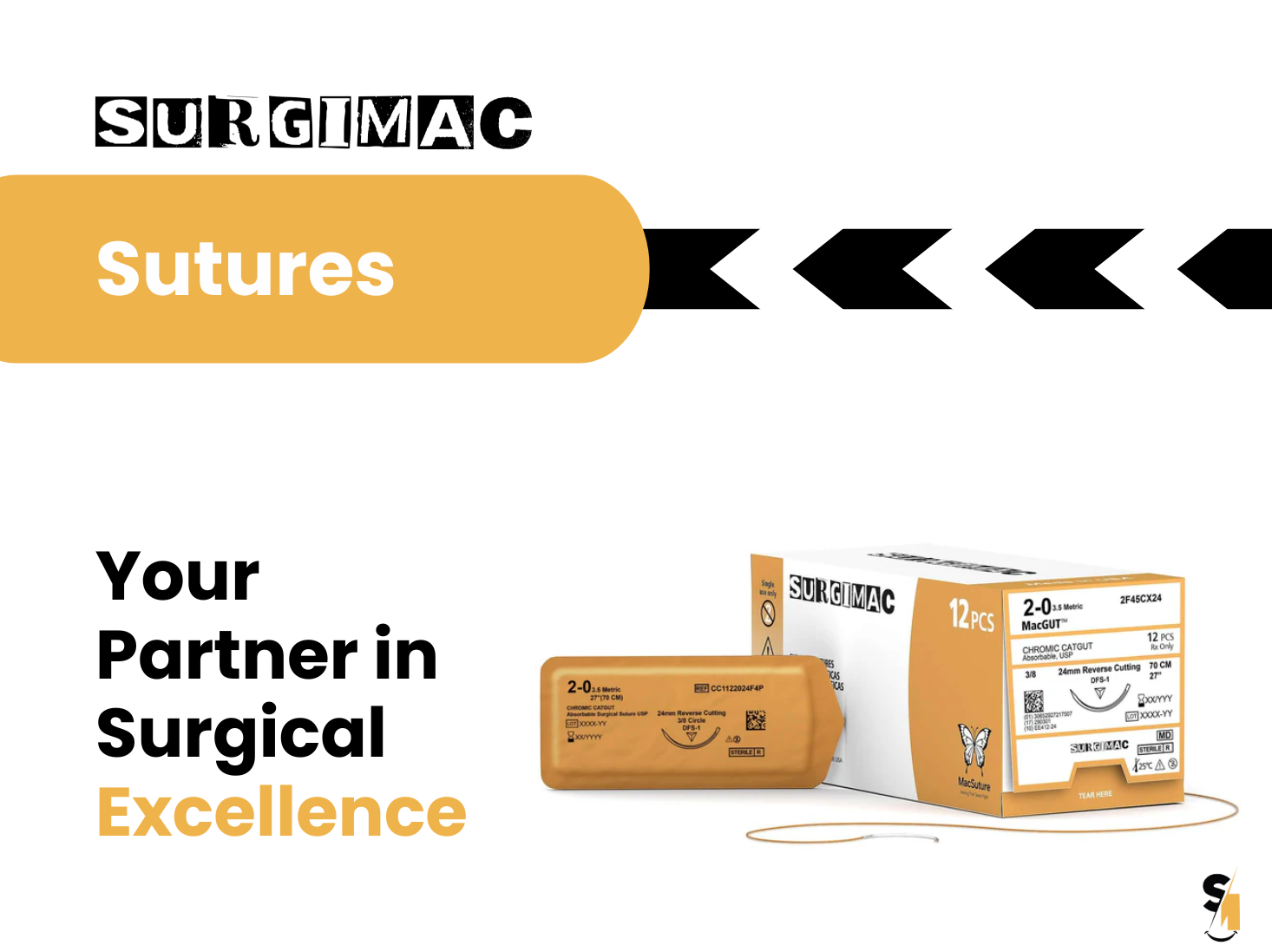
, by SurgiMac A Clinician's Guide to Absorbable Suture Material
-
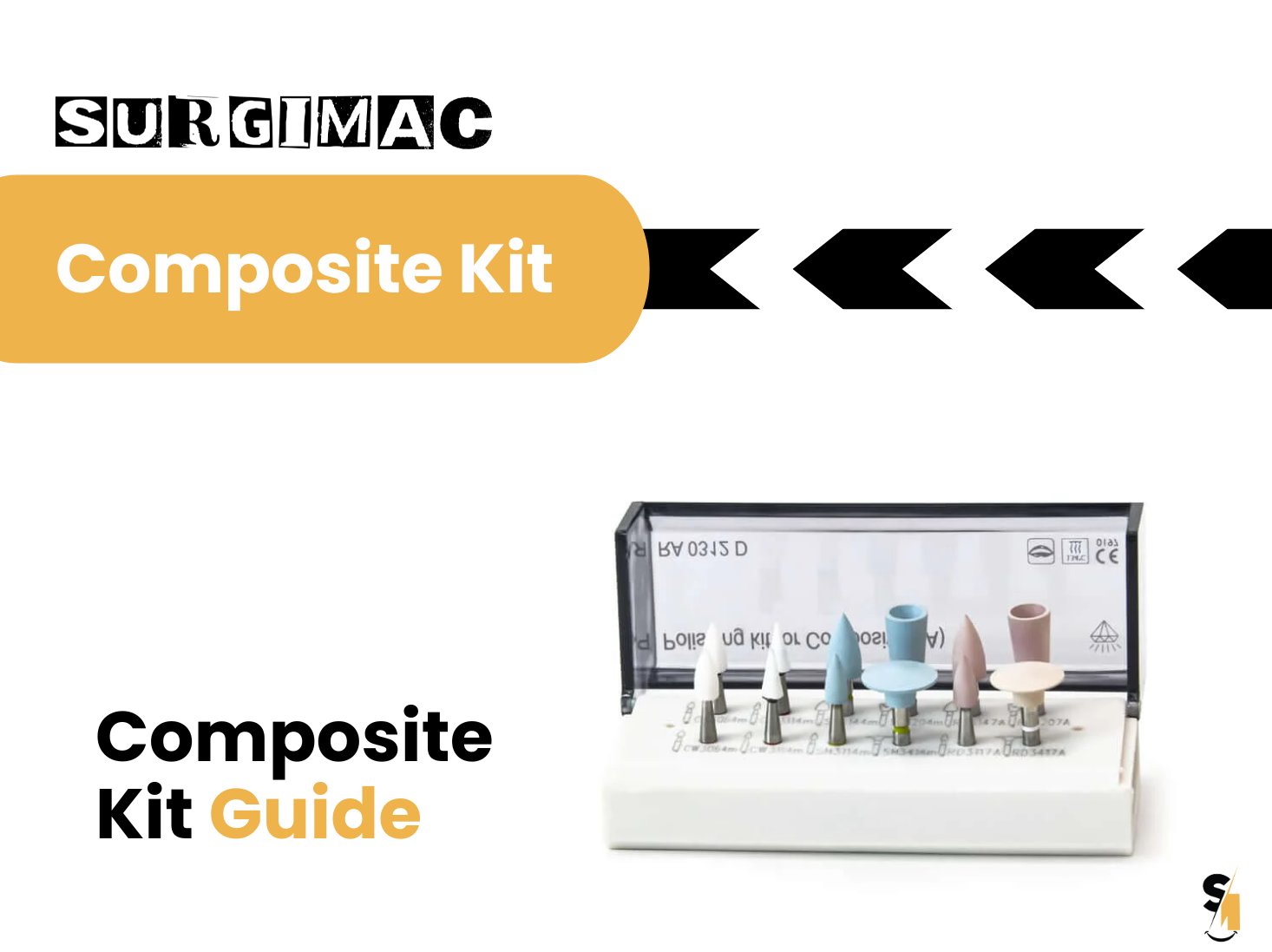
, by SurgiMac A Clinician's Guide to Dental Composite Resin Kits
-
, by SurgiMac How to Disinfect with Metrex CaviWipes Correctly
