
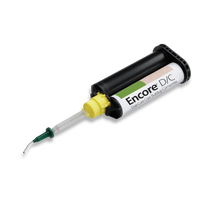
Dental Resin Filling: Pros, Cons & Best Practices
- , by SurgiMac
- 29 min reading time

Get a clear look at dental resin filling pros, cons, and best practices for long-lasting results. Learn how to achieve strong, natural-looking restorations.
The core principle of modern restorative dentistry is to preserve as much healthy tooth structure as possible. The dental resin filling is perfectly aligned with this minimally invasive philosophy. Because composite resin is bonded directly to the enamel and dentin, it eliminates the need for the mechanical retention features required for amalgam restorations. This allows for a more conservative cavity preparation, removing only the carious tissue and maintaining the tooth's inherent strength. This approach not only supports better long-term outcomes but also meets patient demands for less invasive treatments. Here, we’ll explore the clinical advantages of this direct bonding process and how it has redefined the standard of care.
Key Takeaways
- Prioritize Conservative Preparations: Resin composites bond directly to the tooth, allowing you to preserve more healthy structure compared to traditional amalgam. This minimally invasive approach strengthens the remaining tooth and meets patient demands for aesthetic, health-conscious dentistry.
- Technique Dictates Longevity: The success of a composite filling is directly tied to your clinical process. A completely dry field, incremental layering to manage shrinkage, and a thorough light cure for each layer are critical steps to prevent premature failure and ensure a durable restoration.
- Manage Expectations Through Clear Communication: Proactively discuss the benefits and limitations of resin fillings, including their average lifespan, cost, and potential for staining. Educating patients on proper aftercare empowers them to protect their restoration and builds long-term trust in your practice.
What Is a Dental Resin Filling?
Dental resin fillings, known clinically as composite fillings, are a staple in modern restorative dentistry. These fillings are made from a tooth-colored material that blends seamlessly with a patient's natural teeth, making them a highly aesthetic alternative to traditional metal restorations. Unlike amalgam, which stands out visually, composite resin restores a tooth's function and form without compromising its natural appearance. This makes it an excellent choice for repairing caries, fractures, or chips, particularly in the anterior teeth where aesthetics are a primary concern.
The versatility of composite resin also makes it suitable for cosmetic procedures, such as altering tooth color or reshaping teeth for a more harmonious smile. The direct bonding process allows for more conservative tooth preparation, which means you can preserve more of the patient's healthy tooth structure. As patient demand for natural-looking results continues to rise, proficiency in composite resin application is a key skill for any practice dedicated to delivering high-quality, aesthetically driven care.
What Are They Made Of?
At its core, a composite resin filling is a carefully engineered mixture of materials. It is composed of a plastic matrix, typically an acrylic resin, combined with inorganic filler particles like powdered glass, silica, or quartz. This hybrid structure creates a strong, wear-resistant, and durable material that can be sculpted directly onto the tooth. The filler particles provide the necessary strength and reduce thermal expansion, while the resin matrix binds everything together. Precise placement and shaping of this material demand excellent control, which is why clinicians often prefer ergonomic dental instruments like those in our Air Series for restorative work.
Resin vs. Amalgam: What's the Difference?
When deciding between resin and amalgam, clinicians and patients consider several key trade-offs. The most significant difference is aesthetics—composite resin is tooth-colored, whereas amalgam is a visible silver. While amalgam is renowned for its longevity, often lasting 15 years or more, composite fillings generally have a lifespan of 7 to 10 years with proper care. The application process also varies; resin requires a meticulous, multi-layered technique with light curing, which can increase chair time. Amalgam, on the other hand, is packed more directly into the cavity. Finally, cost is a factor, as composite fillings typically have a higher price point than their amalgam counterparts.
How Do Resin Fillings Work?
Unlike amalgam fillings that are packed into a prepared cavity, composite resin fillings function through a sophisticated process of micromechanical and chemical bonding. This direct adhesion to the tooth structure is what makes the procedure so effective and conservative. The process begins by preparing the tooth surface to create a strong foundation, followed by the precise application and hardening of the resin material in layers. This method not only restores the tooth's function and integrity but also ensures a seamless, natural-looking result. The success of the entire restoration hinges on two critical stages: the tooth-bonding process and the light-curing technology that hardens the material. Understanding how these elements work together is key to appreciating the clinical advantages of composite resin.
The Tooth-Bonding Process
The foundation of a successful resin filling is the bond it forms with the enamel and dentin. This process starts after the decay is removed and the tooth is cleaned. First, the tooth surface is treated with a mild acidic solution, a step known as etching. This etchant creates microscopic pores in the tooth structure, increasing the surface area and creating a rough texture perfect for a strong mechanical grip. After rinsing the etchant, a bonding agent is applied. This low-viscosity liquid flows into the tiny pores and acts as an adhesive primer, creating a secure link between the tooth and the composite resin that will be applied next. Using high-quality cements and adhesives is crucial here to ensure a durable seal that prevents microleakage and secures the restoration for the long term.
The Role of Light-Curing Technology
Once the bonding agent is in place, the composite resin is applied in small, incremental layers. This technique is essential for ensuring the material is hardened completely. After each layer is carefully placed and sculpted, a special curing light is used. This device emits a specific wavelength of blue light that penetrates the resin and activates a photo-initiator within the material. This activation triggers a rapid chemical reaction called polymerization, which transforms the soft, pliable resin into a hard, durable solid in a matter of seconds. This incremental approach minimizes shrinkage and ensures a strong, fully cured restoration. The precise placement of each layer requires exceptional control, often achieved with ergonomic instruments like those in the SurgiMac Air Series, which allow for detailed sculpting before the final cure.
The Benefits of Dental Resin Fillings
Resin composite fillings have become a cornerstone of modern restorative dentistry, and for good reason. Their versatility and patient-pleasing results make them an excellent choice for a wide range of applications, from small anterior restorations to moderate-sized posterior fillings. While amalgam once dominated the field due to its durability, advancements in adhesive technology and material science have made resin composites a highly reliable and esthetically superior alternative.
The benefits extend beyond just looking good. The ability of resin to bond directly to tooth structure allows for more conservative preparations, preserving healthy enamel and dentin. This approach not only strengthens the remaining tooth but also aligns with the principles of minimally invasive dentistry. For clinicians, mastering the art of placing composite restorations means providing patients with durable, functional, and beautiful outcomes that can last for years with proper care. Having the right dental equipment and supplies on hand is key to achieving these consistent, high-quality results in your daily practice.
Aesthetic and Natural Appearance
One of the most significant advantages of composite resin fillings is their ability to mimic the appearance of natural teeth. Unlike the metallic look of amalgam, composite materials are available in a wide spectrum of shades, allowing you to precisely match the color and translucency of the patient's existing dentition. This makes them an ideal choice for restorations in the esthetic zone, where they blend seamlessly with the surrounding teeth. Achieving this level of artistry requires not only a good eye for color but also instruments that offer exceptional control and precision. The lightweight, ergonomic design of our Air Series instruments provides the tactile sensitivity needed to sculpt and shape composite for a truly lifelike finish.
Conservative Tooth Preparation
Resin composite fillings allow for a more conservative approach to cavity preparation compared to traditional materials like amalgam. Because composites are chemically bonded directly to the tooth, there’s no need to create undercuts or remove healthy tooth structure for mechanical retention. This minimally invasive technique preserves the maximum amount of the natural tooth, which is always the primary goal in restorative dentistry. By removing only the decayed portion of the tooth, you maintain its inherent strength and integrity. This process starts with high-quality burs and diamonds that cut efficiently and precisely, ensuring you can create the ideal preparation for a strong, long-lasting bond.
Strong, Direct Bond to the Tooth
The adhesive nature of resin composite is a key clinical benefit. The material is bonded directly to the enamel and dentin using a bonding agent, creating a strong, integrated restoration. This direct bond does more than just secure the filling; it also helps to support and strengthen the remaining tooth structure, reducing the risk of fractures over time. Furthermore, this adhesive seal minimizes the microscopic gap between the filling and the tooth, which helps prevent microleakage and reduces the likelihood of recurrent decay at the margins. A successful bond is foundational to the longevity of the restoration, which is why using reliable cements, liners, and adhesives is critical for predictable outcomes.
Single-Visit Convenience
For many common restorations, the entire resin filling procedure can be completed in a single appointment. After preparing the tooth, the composite material is placed in layers, sculpted, and hardened with a special curing light right at the chairside. This efficiency is a major advantage for both the patient and the practice. It eliminates the need for temporary restorations and follow-up visits, saving valuable time and improving the patient experience. Streamlining this process depends on having dependable tools that perform consistently. Our Pro Series instruments are crafted from premium-grade stainless steel to deliver the balance and accuracy you need to work efficiently and confidently through every step.
The Drawbacks of Dental Resin Fillings
While dental resin fillings offer significant aesthetic and conservative benefits, it's essential to consider their limitations to set realistic expectations for both your practice and your patients. Understanding these drawbacks allows you to make fully informed treatment recommendations and guide patients toward the best long-term outcomes. From durability to chair time, each factor plays a role in determining if composite resin is the ideal restorative material for a specific clinical situation.
Durability and Lifespan
One of the primary considerations with composite resin is its lifespan. While material science has come a long way, resin fillings are generally not as durable as amalgam restorations. On average, a composite filling lasts about seven years, though excellent patient care can sometimes extend this to ten years. This is shorter than the 10- to 15-year lifespan often seen with amalgam. The longevity of a resin restoration is also highly dependent on the patient's oral hygiene, diet, and parafunctional habits like bruxism. For large restorations in posterior teeth that endure significant chewing forces, composite resin may be more susceptible to wear and fracture over time, making it a critical point of discussion during treatment planning.
Cost Considerations
From a patient's perspective, the higher cost of composite fillings compared to traditional amalgam is a significant factor. The price difference stems from the higher cost of the material itself and the more complex, technique-sensitive application process. As noted by the American Dental Association, many dental insurance plans may not cover the full cost of a composite filling, especially for posterior teeth, often reimbursing at the lower rate of an amalgam restoration. This can leave the patient with a larger out-of-pocket expense. Clearly communicating the cost-benefit relationship—weighing the superior aesthetics and conservative preparation against the higher initial investment—is key to managing patient expectations.
Longer Application Time
Placing a composite resin filling is a more meticulous and time-consuming process than placing an amalgam filling. The procedure is highly technique-sensitive, requiring the tooth to be kept completely clean and isolated from moisture throughout the application. This demands careful use of rubber dams or other isolation methods. The resin must be applied in thin layers, with each layer being cured with a special light before the next is added. This incremental approach, while crucial for a strong bond and minimal shrinkage, adds to the overall chair time. Having efficient and ergonomic dental instruments can help streamline your workflow, but the fundamental steps still require more time than a comparable amalgam procedure.
Potential for Staining
Unlike porcelain or amalgam, composite resin is porous and can be susceptible to staining over time. Patients who frequently consume dark-colored foods and beverages like coffee, tea, red wine, or berries may notice their fillings discolor or yellow more quickly than their natural teeth. While proper finishing and polishing can create a smooth, stain-resistant surface initially, this is an important long-term consideration to discuss with patients. Advising them on proper oral hygiene and the potential need for future polishing or replacement due to aesthetic changes is a crucial part of the post-operative conversation. This ensures they understand how to best care for their new restoration and maintain its natural appearance.
The Resin Filling Procedure: A Step-by-Step Look
A successful resin composite restoration is a blend of art and science, requiring a meticulous approach from start to finish. Each step builds upon the last to ensure a durable, functional, and aesthetically pleasing outcome for your patient. From initial preparation to the final polish, having reliable instruments and materials is fundamental. This procedure restores the tooth's integrity while seamlessly matching its natural appearance, making it a cornerstone of modern restorative dentistry. Let's walk through the key phases of placing a dental resin filling.
Step 1: Preparation and Anesthesia
The first priority is always patient comfort. The procedure begins with the administration of a local anesthetic to completely numb the tooth and surrounding tissues, ensuring a pain-free experience. You can find a complete range of trusted anesthetic products to meet your clinical needs. Once the area is numb, the tooth is isolated, typically with a rubber dam, to maintain a dry and clean operating field. This step is critical for preventing contamination and achieving a strong, predictable bond between the resin and the tooth structure. Proper preparation sets the stage for a successful and long-lasting restoration.
Step 2: Decay Removal and Cleaning
With the tooth prepared, the next step is to remove all carious tooth structure. Using a high-speed handpiece equipped with precision burs and diamonds, you will carefully excavate the decayed portion of the tooth, leaving only healthy enamel and dentin. The goal is to create a clean cavity preparation that will securely hold the filling. For this delicate work, instruments from the SurgiMac Air Series provide exceptional balance and control, allowing for conservative preparation that preserves as much healthy tooth structure as possible. After removing the decay, the preparation is thoroughly cleaned and disinfected to remove any remaining bacteria or debris.
Step 3: Layering and Curing the Resin
Now, the tooth is ready for bonding. The prepared surface is first treated with an acid etchant to create microscopic pores in the enamel and dentin, which enhances mechanical retention. A bonding agent is then applied and light-cured. The composite resin is placed into the preparation in small increments, typically no more than two millimeters thick. Each layer is carefully sculpted and then hardened, or polymerized, with a special curing light. This incremental layering technique minimizes polymerization shrinkage and ensures the filling is thoroughly cured, resulting in a stronger, more durable restoration.
Step 4: Shaping and Polishing the Final Restoration
Once the final layer of resin is cured, the restoration is shaped to restore the tooth's original anatomy and ensure proper occlusion. Using a series of finishing burs, discs, and points, you will contour the filling to blend seamlessly with the natural tooth. The final step is polishing the restoration to a high-luster finish. This not only creates a natural-looking appearance but also produces a smooth surface that resists staining and plaque accumulation. For this detailed finishing work, the ergonomic design of our Slim Series instruments offers the precision needed to achieve an impeccable final result.
How Long Do Resin Fillings Last?
One of the most common questions patients ask is about the longevity of their new restoration. While composite resin fillings are known for their aesthetic appeal, their durability is a key factor in clinical decision-making. The lifespan of a resin filling isn't set in stone; it’s a dynamic outcome influenced by the material itself, your clinical technique, and the patient's habits. Managing patient expectations starts with a clear conversation about these variables and what they can realistically expect from their tooth-colored restoration over the years. By providing this guidance, you empower patients to become active partners in maintaining their dental work, which ultimately leads to better long-term outcomes for your practice.
Average Lifespan Expectations
On average, you can tell patients that composite resin fillings are expected to last between five and seven years. Of course, many can last much longer with proper care. This lifespan is a significant improvement over earlier generations of composite materials, but it's important to frame this in comparison to other restorative options. While materials like gold or amalgam may offer a longer service life, resin composites provide a superior aesthetic that most patients now demand. The key is to balance the desire for a natural look with a realistic understanding of the material's durability and the importance of consistent oral hygiene practices.
Factors That Influence Durability
Several critical factors determine how long a resin filling will actually last. The size and location of the restoration play a major role; larger fillings on posterior teeth are subjected to greater occlusal forces and tend to wear out faster. Patient habits are equally important. Bruxism or a habit of chewing on hard items like ice or pens can significantly shorten a filling's lifespan. Finally, your own technique is paramount. Achieving a perfect bond and contour requires skill and the right tools. Using precise and ergonomic dental instruments, like those in the Air Series or Slim Series, ensures you can work efficiently without compromising the quality of the final restoration.
Signs It's Time for a Replacement
Educating patients on the warning signs of a failing filling is crucial for preventing more extensive dental issues. Encourage them to schedule an appointment immediately if they experience a fracture in the filling, persistent or severe pain, or facial swelling. These symptoms can indicate a compromised restoration or underlying infection. During routine checkups, you’ll be looking for clinical indicators like marginal staining, leakage, recurrent decay, or visible wear facets. Catching these issues early allows for a simple replacement rather than a more complex procedure. Clear communication about these potential problems helps build trust and ensures patients know when to seek your professional care.
Are Dental Resin Fillings a Safe Option?
As a clinician, your primary commitment is to patient safety and well-being. When it comes to restorative materials, patients often have questions about the safety of what’s being placed in their mouths. Fortunately, you can confidently explain that dental resin composites are widely regarded as a safe, reliable, and biocompatible option for treating carious lesions. For decades, they have served as the primary alternative to traditional amalgam fillings, largely due to concerns over the mercury content in amalgam.
The conversation around filling materials has shifted significantly, with both patients and practitioners preferring options that are not only functional but also aesthetically pleasing and free from controversial components. Resin composites meet these demands, offering a strong clinical track record backed by extensive research. Understanding the material's composition and how to address common patient questions will help you reinforce trust and ensure your patients feel comfortable and informed about their treatment plan. By staying current on the safety profile of modern composites, you can continue to provide the highest standard of care.
Biocompatibility and Safety Profile
Dental composite resins are primarily made from a blend of a resin-based matrix and inorganic filler particles, such as powdered glass or silica. This composition makes them highly biocompatible and safe for intraoral use. One of the most significant safety advantages is that they are completely mercury-free, which directly addresses the health concerns associated with older amalgam fillings. The material is designed to be inert once cured, meaning it doesn't react with the body's tissues or release harmful substances.
While extremely rare, some studies have noted the potential for cytotoxicity from unpolymerized monomers if the material is not cured properly. However, with correct technique and modern, high-quality curing lights, this risk is negligible. Proper infection control protocols, including the use of reliable barrier methods and personal protective equipment like MacSafe gloves, further ensure a safe application process for both you and your patient.
Addressing Common Concerns
Your patients may come to you with questions they’ve found online, and being prepared with clear, evidence-based answers is key. A common concern is the presence of Bisphenol A (BPA) in dental materials. You can reassure patients that most modern, high-quality composite manufacturers have reformulated their products to be BPA-free or to release amounts so minuscule they are well below established safety limits.
Another question might be about the comfort of the procedure itself. Thanks to effective local anesthetic supplies and refined techniques, placing a resin filling is a minimally invasive and virtually painless experience. Openly discussing the materials you use and the steps you take to ensure their safety and comfort will build patient confidence and strengthen the trust they place in your clinical judgment.
After the Procedure: What to Expect
Once the resin filling is perfectly placed and polished, the final step is educating your patient on what to expect during recovery. Providing clear, simple aftercare instructions helps ensure a smooth healing process and a long-lasting restoration. It also builds patient trust and reduces the likelihood of unnecessary follow-up calls. By setting clear expectations for sensitivity, immediate aftercare, and potential complications, you empower patients to be active partners in their own oral health. This proactive communication is a cornerstone of excellent clinical care and contributes significantly to patient satisfaction and the overall success of the procedure. A well-informed patient is less anxious and more likely to adhere to post-operative guidelines, which protects the integrity of the new filling and promotes better long-term outcomes. Taking a few extra minutes to walk them through these points can make all the difference in their experience and perception of your practice.
Managing Post-Procedure Sensitivity
It’s important to let patients know that some mild sensitivity following a resin filling is completely normal. They might notice a temporary reaction to hot, cold, or sweet foods and drinks for a few days or even a few weeks. This occurs as the tooth and surrounding nerve adjust to the new restoration. Reassure them that this sensation typically subsides on its own. You can recommend they use a desensitizing toothpaste during this period and try to avoid any specific foods that trigger discomfort. If the sensitivity is severe or doesn't improve after a couple of weeks, it’s a good idea for them to schedule a follow-up appointment to check the bite and ensure the filling is properly seated.
Immediate Aftercare and Recovery
The first few hours after the procedure are crucial for patient comfort and safety. Because you’ve used effective anesthetic products, their mouth, lips, and tongue will likely remain numb for a while. Advise them to avoid chewing until the numbness has completely worn off to prevent accidentally biting their cheek or tongue. Other than that, most patients can return to their normal daily activities right after their appointment. The exception is for individuals who required sedation, as they will need to arrange for transportation home and rest for the remainder of the day. Clear instructions will help them feel confident and comfortable as they leave your office.
When to Call Your Dentist
While complications are rare, it's essential that patients know when to contact your office. Provide them with a clear list of symptoms that warrant a call. They should reach out if they experience severe pain that isn’t managed with over-the-counter medication, if they feel the filling has cracked or fallen out, or if their bite feels uneven after the numbness subsides. It's also critical to watch for signs of infection, such as fever, chills, or significant swelling in the face or jaw. While every procedure is performed with strict infection control protocols, including the use of MacSafe protective gear, patients should be aware of these warning signs and seek immediate attention if they arise.
How to Care for Your Resin Fillings
Once a resin filling is placed, its longevity depends heavily on patient care and education. Guiding your patients on proper maintenance is key to ensuring the restoration remains functional and esthetic for years to come. A durable filling not only reflects the quality of your clinical work but also contributes to greater patient satisfaction. By providing clear, actionable aftercare instructions, you empower patients to protect their investment and maintain their oral health. This partnership between clinician and patient is fundamental to the success of any composite restoration.
Best Practices for Daily Oral Hygiene
A consistent and thorough oral hygiene routine is the first line of defense for protecting resin fillings. Advise your patients to brush their teeth twice a day with a soft-bristled toothbrush and fluoride toothpaste. It's crucial to emphasize that they should floss regularly to prevent new decay from forming around the filling's margins, a common point of failure. Proper hygiene prevents plaque buildup that can lead to secondary caries and compromise the bond between the resin and the tooth. Reinforcing these habits, alongside maintaining strict infection control standards in your practice, creates a comprehensive approach to oral wellness.
Foods and Habits to Avoid
Patient habits can significantly impact the lifespan of a composite resin filling. It's important to advise them to "avoid chewing on hard things like ice or hard candies," which can cause the material to chip or fracture. Similarly, they should "steer clear of sticky foods that can pull out or crack your fillings." Beyond specific foods, parafunctional habits like nail-biting or using teeth to open packages can place excessive stress on the restoration. Educating patients about these risks helps them make conscious choices to protect their dental work and avoid emergency appointments for repairs.
The Importance of Professional Maintenance
Regular professional evaluations are non-negotiable for maintaining the integrity of resin fillings. Encourage your patients to schedule routine checkups so you can identify any potential issues early. During these appointments, you can use your diagnostic dental instruments to carefully examine the fillings for signs of wear, marginal staining, fractures, or secondary decay. This proactive approach allows for simple repairs or polishing before a minor issue requires a full replacement. As Rehoboth Beach Smiles notes, regular visits allow a dentist to "find any problems with your fillings early," ensuring the restoration's maximum longevity.
Is a Dental Resin Filling Right for You?
Choosing the right restorative material is a critical decision that balances clinical needs with patient expectations. While dental resin composites have become a cornerstone of modern restorative dentistry, they aren't a one-size-fits-all solution. The best choice depends on a careful assessment of the clinical situation—considering the cavity's size and location, the patient's aesthetic goals, and the functional demands placed on the tooth. For example, a small Class III lesion on an anterior tooth presents a very different challenge than a large Class II restoration on a molar in a patient with bruxism. A comprehensive evaluation helps determine if a resin filling will provide a durable, long-lasting, and visually pleasing outcome or if another material would be more appropriate. This thoughtful approach ensures the final restoration not only blends seamlessly but also performs reliably for years, reinforcing patient trust and satisfaction in your practice.
Who Is an Ideal Candidate?
Dental resin fillings are an excellent choice for patients who place a high value on aesthetics. Because the material can be precisely matched to the natural shade of the tooth, it's ideal for restoring anterior teeth or any visible cavities. They are also perfectly suited for small to medium-sized caries, where their ability to bond directly to the enamel and dentin supports a more conservative tooth preparation. This approach preserves healthy tooth structure, which is always a clinical priority. Achieving these seamless results requires meticulous application, where ergonomic and precise instruments from the Air Series collection are essential for contouring and finishing the restoration with flawless control.
When to Consider Alternative Materials
While resin composites are versatile, they aren't always the optimal choice. For large posterior restorations or in patients with heavy occlusal forces, materials like amalgam or ceramic may offer superior strength and longevity. The decision also involves practical considerations. In cases requiring indirect restorations like inlays or onlays, capturing a flawless impression is the first step to success. Using a high-quality VPS material like MacImpress ensures the dimensional accuracy needed for a perfect fit from the lab. Ultimately, discussing the pros and cons of each material with the patient helps align the clinical recommendation with their functional needs and financial circumstances, ensuring a successful long-term outcome.
Related Articles
Frequently Asked Questions
How can I minimize post-operative sensitivity for my patients after placing a resin filling? Post-operative sensitivity is a common concern, but you can take several steps to minimize it. The key is a meticulous technique. Ensure you are not over-etching the dentin, as this can lead to sensitivity. Using a high-quality bonding agent and ensuring it's properly light-cured creates a strong seal that prevents fluid movement within the dentinal tubules. Also, placing the composite in small, two-millimeter increments helps reduce polymerization shrinkage stress on the tooth. Finally, a careful check of the occlusion after placement is critical, as even a slight high spot can cause significant discomfort.
Is it better to repair a chipped resin filling or replace it entirely? This is a common clinical judgment call. For small chips or marginal defects where the rest of the filling is intact and well-sealed, a repair is often a great conservative option. It saves time and preserves healthy tooth structure. To repair, you would roughen the existing composite surface, apply an etchant and bonding agent, and then add new composite material. However, if the filling shows signs of extensive wear, marginal leakage, or recurrent decay, a full replacement is the more predictable and durable solution.
What are the best techniques for preventing marginal staining on composite fillings? Preventing staining starts with creating an exceptionally smooth surface on the final restoration. After shaping the anatomy, use a comprehensive sequence of finishing and polishing burs, discs, and points to achieve a high-luster finish. This makes it much harder for stain-causing particles to adhere to the surface. It's also crucial to achieve a perfect marginal seal during placement to prevent microleakage, which can lead to staining from underneath. Educating your patient on avoiding frequent consumption of dark beverages and maintaining excellent oral hygiene is the final piece of the puzzle.
How much does my choice of instrument really impact the quality of a resin restoration? Your instrument choice has a significant impact on both your efficiency and the final quality of the restoration. A well-designed instrument allows for better control and tactile sensitivity, which is essential for sculpting lifelike anatomy and achieving seamless margins. For example, the lightweight, ergonomic design of instruments in the SurgiMac Air Series reduces hand fatigue during longer procedures and allows for more precise material placement. Non-stick surfaces can also prevent the composite from pulling back, making it easier to shape and adapt each layer perfectly before curing.
Are there specific bonding protocols that work best for deep posterior restorations? Yes, deep posterior restorations present unique challenges due to their proximity to the pulp and the difficulty in achieving proper moisture control. For these cases, many clinicians prefer a selective-etch or self-etch technique to minimize the risk of over-drying the dentin and causing post-operative sensitivity. Using a flowable composite as a liner can also help adapt to the cavity floor and reduce voids. Most importantly, ensure your curing light has sufficient power to polymerize the material at depth, and always place the composite in small, oblique layers to manage shrinkage stress.
Tags
Blog posts
-

, by SurgiMac A Clinician's Guide to Absorbable Suture Material
-
, by SurgiMac A Clinician's Guide to Dental Composite Resin Kits
-
, by SurgiMac How to Disinfect with Metrex CaviWipes Correctly
