
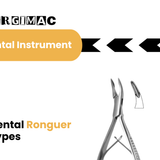
Dental Rongeur Types: An Oral Surgeon Selection Guide
- , by SurgiMac
- 17 min reading time
Request a copy of our surgical instrument catalog today. Find out about key dental rongeur types and how to select the best option for your clinical team.
Great results in oral surgery often depend on the quality and style of your hand tools. Choosing the right dental rongeur types lets you remove bone fast while protecting soft tissue. These strong pliers are vital for tooth removal and bone shaping.
Dental rongeur types are grouped by how their hinges work and how their tips are shaped to handle clear tasks in oral surgery. The two main kinds are single-action and double-action tools that decide how much force you need to cut through hard bone. Trusted styles like the Ruskin, Beyer, and Luer models offer different jaw shapes for removing small root tips or smoothing large bone areas. Research shows 89% of surgeons believe these tools are vital for bone work because they provide the power needed for clean, safe cuts. Using the right tool for each case helps doctors work faster while making sure the patient stays safe and comfortable as they heal. Picking the best model for the job is key to preventing tissue damage and helping the patient get back to their normal life fast.
Good results in the clinic rely on picking the best tool for each case. Understanding the Dental Rongeur: Design and Mechanics helps doctors choose tools that improve speed and patient comfort. The path begins with a look at how these tools work.
Understanding the Dental Rongeur: Design and Mechanics
A dental rongeur is a key tool for bone work. It looks like a pair of pliers but has a more complex build. This tool helps a doctor cut bone in the mouth. It works well for tasks like pulling teeth or fixing a jaw. Choosing expert dental surgery tools keeps the patient safe. One study found that 89% of surgeons need these tools for bone or cartilage work.
Main Parts of a Rongeur
The build of the rongeur has four main parts. These parts work as one to give the doctor control during surgery:
- Handles: These give the user a firm grip and are long to help apply force.
- Hinge: This is the pivot point that lets the tool open and close.
- Spring: This sits between the handles to keep them open when not in use.
- Beaks: These are sharp tips that scoop out bone.
The spring is very helpful. It lets the doctor make many cuts without needing to reset the tool by hand. Picking the right beak shape is also vital for a safe surgery. As noted by the National Institutes of Health, the right tool choice prevents tissue harm and aids safety.
Single-Action vs Double-Action Builds
There are two main dental rongeur types based on how they move. These are single-action and double-action tools. Single-action tools have just one hinge. They are simple and work well for light bone cutting. But the user must press harder to cut through thick bone. This can lead to hand strain during long tasks.
Double-action rongeurs use two hinges. This design gives the user much more power. It makes cutting through hard bone feel much easier. Common double-action models include the Ruskin and Beyer types. The Ruskin type is great for taking out large bits of bone in jaw surgery. These dental oral surgery tools are a top choice for complex cases.
How Rongeurs Are Used
Doctors use rongeurs for many tasks. One common job is alveoloplasty. This is when a doctor smooths the jaw bone after pulling teeth. It creates a good base for new teeth or dentures. Research in PubMed Central shows that rongeurs are vital for shaping bone in these cases.
Care and detail are key in oral surgery. End-cutting rongeurs are best for tight spots. They help widen sinus windows or remove bone where space is low. Using high-quality tools like those in SurgiMac's Surgical Instruments Collection ensures clean cuts. This leads to faster healing and better results for every patient.
Key Dental Rongeur Types and Their Clinical Applications
There are many dental rongeur types used in oral surgery today. Each one has a unique shape and hinge to help with bone work. Picking the right tool is vital to prevent damage and keep patients safe during a case. Surgeons use these tools to cut, trim, and smooth bone. This helps prepare the mouth for healing or for new dental work. Using the wrong size or shape can lead to pain and slow down the healing process.
Friedman and Luer designs
The Friedman rongeur is a common choice for minor bone trimming. It has a small, fine tip that fits well in tight spots. This makes it ideal for tasks like cleaning out a socket after a tooth comes out. For slightly larger tasks, the Luer rongeur is a top pick. It helps smooth sharp bone edges to prevent sores under new dentures. These tools are part of the dental oral surgery tools that every clinic needs. Their single-hinge design makes them easy to clean and handle in a busy office.
Both types are end-cutting tools. This means the jaws open and close at the very tip. This design allows for high precision in small areas. While they lack the power of double-hinge tools, they offer a better feel for the bone. Most dental experts keep both on their trays for routine cases. Choosing the right one depends on the density of the bone and the site's location.
Beyer and Ruskin rongeurs
When you need more power, double-action tools like the Beyer rongeur are best. The extra hinge gives you more leverage. This means you can cut through dense bone with less hand force. This is very helpful during long cases where hand fatigue can be an issue. The Ruskin rongeur is another heavy-duty tool. It is often used to remove large pieces of bone in big surgeries. Both types help surgeons work faster and with more control. This is key for good bone care and long-term healing.
The Beyer is often used for widening the sinus window or for larger bone grafts. Its side-cutting jaws can reach angles that other tools might miss. The Ruskin is built for strength and can handle the toughest bone removal tasks. These tools are made from high-grade steel to last through many uses. Proper care and sharp edges are needed to keep them working well for years.
Blumenthal and Micro types
The Blumenthal rongeur has a curved tip that works well in hard-to-reach areas. Many dentists prefer the 90-degree Blumenthal model for sinus work. It allows for a better angle in the back of the mouth. The curve helps the user reach around other teeth or bone. For very small spaces, the Micro-Friedman is the tool of choice. It has thin jaws for precise bone removal in gum work or root tips.
Micro tools are vital for gum surgery. They allow for bone shaping without damaging nearby soft tissue. This precision leads to better patient comfort and faster healing. Having these expert dental surgery tools on hand ensures you can meet any clinical need. From large grafts to fine gum work, the right rongeur makes every task easier for the team.
Dental Rongeur Comparison Table
Picking the right tools is key for safe and fast bone work. Many dental rongeur types help you trim or remove bone with less stress. You should choose the best tool based on where you are working and the size of the bone. Proper tool choice helps you avoid harm to the mouth and keeps your patients safe.
Action and Hinge Styles
Rongeurs are split by how their hinges work. Single-action tools have a basic build for light tasks. Double-action tools use two hinges to give you more power. This extra force lets you cut through thick, dense bone with less hand effort. Using these double hinges can help you work for a long time without your hands getting tired.
The tip shape of the tool is also a big factor. Side-cutting tools work well for most spots in the oral cavity. End-cutting tools help you reach tight areas or widen a sinus window. Using specialized dental surgery tools helps you get good results every time.
Common Dental Rongeur Types
| Rongeur Type | Action Type | Jaw Style | Jaw Width | Main Use |
|---|---|---|---|---|
| Friedman | Single | Curved or Straight | 2 mm | Delicate bone tasks |
| Blumenthal | Single or Double | 30, 45, or 90 Deg | 3 mm to 4 mm | Bone contouring |
| Beyer | Double | Curved | 3 mm to 4 mm | Sinus window work |
| Luer | Single | Curved or Straight | 3 mm to 5 mm | Bone trimming |
| Ruskin | Double | Curved or Straight | 5 mm | Large bone removal |
Fine care keeps these tools sharp and ready for the next case. You must follow firm surgical safety steps to get the best final results for each patient. Always clean and dry your tools after you use them. This helps the steel stay in top shape for a long time. High-quality tools should last through many heat cycles in the autoclave if you treat them well.
Selection Factors: Choosing the Right Rongeur for Oral Surgery
Picking the right tools is a key part of any oral work. When you look at dental oral surgery instruments, you must think of the task. Choosing the best dental rongeur types helps you work with more care. It also keeps your patients safe and cuts down on risk during bone work. Doctors must pick tools that fit the needs of each case to avoid harm to nearby tissue.
Check the Spot and How to Reach It
The spot of the work is the first thing to check. For areas in the back of the mouth, you may need a tool with a curved tip. This helps you reach tight spots without blocking your view. Small spots often need micro rongeurs. These focused surgical tools allow for fine work in small gaps. If you work on the front of the jaw, a straight tool might be the best choice for a direct path.
The site matters because it sets how much space you have to move. Using the wrong size or shape can cause harm to the gums. The National Institutes of Health says the right tool is vital for patient safety. It helps prevent harm and makes the work go fast for everyone. Always match the tool's tip shape to the bone you need to trim.
Bone Size and Removal Needs
The amount of bone you need to remove changes which tool you should grab. If you do a big job like an alveoloplasty, you need a strong tool. This work often uses tools like the Ruskin or Luer types to smooth the jawbone. These tools help make a good base for false teeth or implants. For small bone chips, a side-cutting tool gives the control you need. It lets you nibble away small bits of bone with great care.
Care is key when you work near nerves or sinus spots. End-cutting tools are great for making sinus windows wider. They let you remove bone in a set way without putting too much force on the area. Doctors must check the bone density against the tool's strength. High-quality tools from the SurgiMac Pro Series offer the strength needed for hard bone. These tools stay sharp and help you work fast without loss of skill.
Pick by Handle and Hinge Style
The style of the handle and hinge changes how much work you do. Single-hinge tools have a simple build. They work well for soft bone and light tasks. But for thick bone, you may want a double-hinge model. These have a second hinge that gives you more power. This means you can cut through hard bone with less hand squeeze. It helps stop hand pain during long cases and gives you a firmer grip.
A good grip is also vital for daily use. The Hexa Series collection has handles made for better control. These tools help surgeons keep a steady hand through every cut. You should also think of the finish of the metal. Dull finishes can be good under bright clinic lights. By picking the right hinge and handle, you make sure that your specialized dental surgery tools work well every time.
- Use double hinges for thick bone to save hand strength.
- Pick curved tips to reach the back of the mouth.
- Choose micro tips for fine work near vital spots.
- Match the tool size to the amount of bone you remove.
Maintenance and Sterilization Protocol for Dental Rongeurs
Proper care of your tools is vital for a safe clinic. Since many dental rongeur types have complex hinge parts, they need careful cleaning to stay sharp. Good maintenance helps prevent rust and keep the tools moving smoothly. Using a set plan ensures your specialized dental surgery tools work well for years. It also keeps the cutting edges from becoming dull too fast.
Initial Cleaning and Inspection
Clean your tools right after use to stop debris from drying on the metal. This step saves the fine edges of the many dental rongeur types you use. Check the hinges for any signs of wear, rust, or stiffness. If you find damage, you must fix it to ensure patient safety during surgery. A small crack in the hinge can lead to a tool failing during a procedure.
The Sterilization Sequence
A clear process helps your team avoid mistakes that lead to corrosion. High-quality tools, like those in the SurgiMac Surgical Instruments Collection, can handle many heat cycles if you treat them right. You must follow each part of the chain to stop the spread of germs and keep the metal strong. Use the following steps to keep your rongeurs in top shape.
- Pre-soak the instruments in a pH-neutral cleaner to break down organic matter and prevent staining.
- Scrub the joints and tips with a soft nylon brush to remove all hidden bits from the double-action hinges.
- Rinse the tools with distilled water to stop mineral buildup that can cause the metal to pit or rust.
- Dry each tool fully with a lint-free cloth or air dryer to prevent water spots before you move to the next phase.
- Apply a water-soluble lubricant to the hinges to keep the action smooth and stop the parts from binding.
- Place the rongeurs in an autoclave pouch and run a full cycle to ensure they are sterile for the next use.
Post-Sterilization Care
Once the cycle ends, let the tools cool down slowly inside the machine. Fast cooling can stress the metal and make it brittle over time. Check the tools one last time for any spots or stiff spots before you store them in a dry place. Proper precision in bone contouring depends on having tools that are clean and sharp every single time. Storing them in a damp area will undo all your hard work.
Conclusion: Elevating Procedural Precision in Oral Surgery
Choosing the correct dental rongeur types is key to achieving excellent clinical outcomes. These specialized tools give oral surgeons the precision and control they need to manage bone tissue safely. By selecting the right size and jaw curvature, clinicians can perform surgeries with greater ease and fewer complications.
Clinical Precision and Outcomes
In oral procedures like alveoloplasty, accurate bone contouring is necessary to prepare the mouth for prosthetics. Research published by the National Institutes of Health (NIH) shows that using proper surgical instruments like rongeurs helps smooth bone irregularities efficiently. This targeted bone management prevents iatrogenic damage and traumatic procedures, which significantly increases patient safety during oral surgery.
Sourcing Reliable Tools
To maintain high standards of patient care, dental practices need to source durable and reliable instruments. Selecting premier tools from reputable distributors ensures that your surgical instruments can withstand repeated autoclaving and daily clinical use. High-quality stainless steel rongeurs provide long-lasting performance and consistent leverage, making them a wise investment for any modern dental clinic looking to optimize procedural efficiency and surgical precision.
Frequently Asked Questions
What are the main types of surgical rongeurs used in dentistry?
Surgical rongeurs come in several designs to handle specific bone-cutting tasks. Common types include the Beyer, Ruskin, Luer, and Friedman rongeurs. According to industry experts, these tools help doctors trim and remove bone well. Each type has a unique tip shape and handle length. This choice allows doctors to reach many parts of the mouth safely and provide the needed cutting force.
What is the difference between single and double action rongeurs?
The main difference is the hinge design and the power it gives the user. Single-action rongeurs have one hinge and need more hand pressure to cut through dense bone. Double-action rongeurs use a second hinge point to increase power. This design makes it easier to cut through hard tissue with less effort. Choosing a double-action tool can help reduce hand stress for the surgeon during long or repeated oral surgeries.
What are end-cutting rongeurs used for in oral surgery?
End-cutting rongeurs have sharp blades at the very tip of the tool rather than on the sides. Dental surgeons typically use these tools to widen sinus windows or remove bone in tight surgical spots. The HuFriedyGroup notes that these tools are ideal for bone removal in parts where side-cutting tools cannot reach. They provide great visibility and control when performing delicate tasks like alveoloplasty or preparation for dental implants.
How do I choose the right rongeur for a specific dental procedure?
Selecting the correct rongeur depends on the location of the surgery and the thickness of the bone. Surgeons must match the tip size and angle to the surgical site to avoid damaging nearby tissues. A report from the National Institutes of Health says that choosing the right instrument is vital for patient safety. Doctors should consider the jaw size, the depth of the site, and whether they need single or double-action power.
Ready to upgrade your surgical instrument kit?
Using old or dull tools for bone removal can lead to slow work and more stress for your dental patients which may hurt your clinic. If you wait to replace your worn rongeurs, you could face more risks and much longer surgery times in your busy clinic each day. You can get better results and save time right now by making sure your team has the best tools for each oral surgery task.
Ready to upgrade your surgical instrument kit? Call (646) 866-7634 to contact our team of dental specialists to equip your clinic with premium tools and ensure the very best patient care.
Tags
Blog posts
-
, by SurgiMac A Clinician's Guide to Absorbable Suture Material
-
, by SurgiMac A Clinician's Guide to Dental Composite Resin Kits
-

, by SurgiMac How to Disinfect with Metrex CaviWipes Correctly
