
How to Use a Luxating Elevator Correctly
- , by SurgiMac
- 39 min reading time
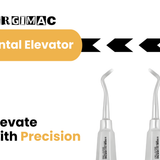
A luxating elevator is essential for atraumatic tooth extractions. Learn how to use a luxating elevator correctly to preserve bone and improve patient outcomes.
Your extraction tray holds familiar tools, but are you using them correctly? A traditional elevator relies on leverage, often leading to unnecessary trauma. The luxating elevator, however, demands a different approach—one of precision over force. This unique instrument isn't for prying. It’s designed to cleanly sever the periodontal ligament and gently expand the alveolar bone. Mastering this technique transforms the procedure, preserving patient anatomy and giving you far greater control. This guide will show you exactly how to use it for smoother, more predictable extractions.
Key Takeaways
- Use as a Cutting Tool, Not a Lever: The primary purpose of a luxating elevator is to cleanly sever the periodontal ligament. This technique minimizes trauma, preserves the alveolar bone for future implants, and leads to better patient outcomes.
- Focus on Proper Angulation and Motion: Insert the blade parallel to the root's long axis and apply gentle apical pressure with a controlled rocking movement. This methodical approach prevents common errors like prying, which can lead to root fractures and damage the extraction site.
- Select High-Quality, Ergonomic Instruments: The right tool makes all the difference. Opt for durable, stainless steel elevators with ergonomic handles, such as those in the Hexa Series, and ensure your toolkit includes a variety of blade shapes and sizes to effectively manage different teeth and root anatomies.

What is a Luxating Elevator?
A luxating elevator is a specialized dental instrument designed for atraumatic tooth extractions. Think of it as a hybrid tool that combines the sharp, cutting action of a luxator with the gentle prying strength of an elevator. Its primary job is to make extractions smoother, more precise, and less invasive for the patient. By carefully severing the periodontal ligament and expanding the alveolar bone, this instrument allows the tooth to be removed with minimal force and trauma. This approach is fundamental to modern extraction techniques, especially when preserving bone for future dental implants is a priority.
Using a luxating elevator requires a different technique than traditional elevators, focusing on finesse rather than force. It’s an essential part of any clinician’s toolkit for performing extractions that prioritize patient comfort and optimal healing outcomes. These versatile dental instruments come in various shapes and sizes to accommodate different teeth and clinical situations, making them a staple for predictable results.
What Does a Luxating Elevator Actually Do?
The unique design of a luxating elevator gives it a powerful dual function. First, it acts as a cutting instrument. Its fine, sharp blade is designed to slide into the periodontal ligament space to cleanly sever the fibers connecting the tooth to the bone. Second, it functions as a wedge. As the blade advances apically, it gently expands the bony socket. This combination of cutting and wedging loosens the tooth efficiently, allowing it to be lifted from the socket with significantly less effort and trauma compared to traditional methods. This dual-action capability is what makes the luxating elevator a superior choice for atraumatic extractions.
How Its Sharp Edge Works on the Periodontal Ligament
The key to a luxating elevator’s effectiveness lies in its thin, sharp blade. Unlike a conventional elevator, which is thicker and used primarily for leverage, the luxating elevator’s blade is engineered to act like a micro-scalpel. Its purpose is to precisely cut the periodontal ligaments that anchor the tooth in its socket. By severing these connections, you effectively release the tooth’s primary retention. This action minimizes damage to the surrounding alveolar bone and soft tissues, which is critical for preserving the integrity of the extraction site. This preservation is especially important for patients who may later receive a dental implant or bridge.
Mastering Apical Pressure with the Thin Tip
Proper technique begins with the instrument's placement. The thin tip is carefully inserted into the gingival margin, parallel to the long axis of the tooth. From there, you apply firm but controlled apical pressure, guiding the instrument down the root surface. Instead of aggressive side-to-side prying, the correct motion is a gentle rocking or rotational movement. This allows the sharp blade to work its way deeper into the periodontal ligament space, severing fibers and gradually expanding the socket. This methodical approach ensures the force is directed along the root, minimizing the risk of root fracture or damage to adjacent structures.
How Are Luxating Elevators Different from Other Extraction Tools?
While your instrument tray may hold several tools for extractions, each is designed for a specific role. Understanding the key differences between luxating elevators and other common instruments like traditional elevators, luxators, and forceps is crucial for performing smooth, atraumatic procedures. The unique design of a luxating elevator allows it to function differently, helping you preserve bone and minimize patient trauma.
Luxating vs. Traditional Elevators: What's the Difference?
The most noticeable difference between these two instruments is their design. Luxating elevators feature a thin, sharp blade designed to slide precisely into the periodontal ligament space. Their primary job is to cut the ligament fibers, not to apply heavy force. In contrast, traditional elevators are thicker and more robust, with a slightly bowed shoulder on the blade. They are built to withstand the leverage and torquing forces needed to expand the alveolar bone and lift the tooth from its socket. Think of the luxating elevator as a precision cutting tool and the traditional elevator as a lever.
Luxating Elevators vs. Luxators: Clearing Up the Confusion
This is a common point of confusion, as the names are so similar. The main distinction comes down to strength and function. A standard luxator has an extremely fine, sharp edge meant exclusively for severing the periodontal ligament; applying any significant leverage can easily break the tip. A luxating elevator, however, is a hybrid instrument. It combines the sharp, cutting ability of a luxator with the added strength to withstand the gentle apical pressure needed to act as a wedge or lever. This dual-purpose design makes it a versatile and indispensable part of modern extraction toolkits.
When to Use a Luxating Elevator Instead of Forceps
Luxating elevators and forceps work together but serve fundamentally different purposes in the extraction sequence. A luxating elevator is often the first instrument used to sever the PDL and gently loosen the tooth, creating initial mobility. It prepares the tooth for removal. Forceps, on the other hand, are designed to firmly grasp the crown of an already mobilized tooth and use mechanical force to lift it from the socket. Attempting to use forceps before the tooth is sufficiently loosened can lead to root fractures or damage to the surrounding bone, which is why proper luxating elevator technique is so important for a successful, atraumatic outcome.
Exploring Other Types of Dental Elevators
While the luxating elevator is a game-changer for atraumatic extractions, your toolkit is incomplete without a few other specialized elevators. Each is designed to tackle specific challenges, from managing multi-rooted molars to delicately handling soft tissue. Understanding their unique roles helps you approach every extraction with confidence and precision.
Coupland's and Cryer Elevators
When you encounter multi-rooted teeth, particularly stubborn lower or third molars, the Coupland elevator becomes an essential instrument. Its design is optimized for controlled elevation, allowing you to separate roots and expand the socket with minimal trauma to surrounding tissues. In contrast, the Cryer elevator is your go-to for managing fractured or curved roots. Its distinctive triangular tip provides excellent leverage to engage and elevate root fragments that are otherwise difficult to access. Having both of these specialized tools, especially those crafted from high-grade stainless steel like the instruments in our Pro Series, ensures you are prepared for complex extraction scenarios and can work efficiently without compromising patient safety.
Periosteal and Root Elevators
Surgical extractions often require careful management of soft tissue, which is where the periosteal elevator shines. Its primary function is to gently detach the periosteum from the bone, creating a clean surgical flap that provides clear visibility and access to the underlying structures. This step is crucial for minimizing tissue damage and promoting faster healing. After the crown is removed, you may still face retained root fragments. This is the moment for a root elevator. With its thin, tapered blade, this instrument is specifically designed to slide into the periodontal ligament space and gently loosen the root, preserving the integrity of the alveolar bone for future restorative work like implants.
Why Should You Use a Luxating Elevator?
Integrating luxating elevators into your extraction workflow offers significant advantages for both you and your patients. Their specialized design isn't just about making the procedure smoother; it's about fundamentally changing the approach to extractions. By prioritizing finesse over force, these instruments help preserve critical anatomy, improve patient comfort, and give you greater control from start to finish. Let's look at the key benefits you can expect when using a luxating elevator.
Perform More Atraumatic Extractions
The primary benefit of a luxating elevator is its ability to facilitate an atraumatic extraction. This specialized instrument combines a sharp, cutting action with elevating strength. This dual function allows you to precisely sever the periodontal ligament fibers holding the tooth in its socket. By cleanly cutting these connections first, you can mobilize the tooth with minimal force, reducing the risk of root fractures or damage to adjacent structures. This technique transforms the extraction into a controlled, surgical procedure, setting the stage for better outcomes with your dental instruments.
Better Preserve Bone and Soft Tissue
Preserving patient anatomy is crucial, especially when planning for future implants. Luxating elevators are designed for bone-preserving extractions. Their thin, sharp blades slide easily into the periodontal ligament space, minimizing expansion and damage to the surrounding alveolar bone. This gentle approach helps maintain the integrity of the socket walls and protects delicate soft tissue. By preserving the natural bone structure, you create an ideal foundation for subsequent restorative work and can often avoid the need for more extensive bone grafting procedures, ensuring a more predictable and successful final restoration.
Reduce Patient Discomfort and Healing Time
A smoother procedure translates directly to a better recovery for your patient. Because luxating elevators minimize tissue trauma, patients typically experience less post-operative pain and swelling. The gentle severing of the PDL, rather than crushing it, leads to a cleaner extraction site that can heal more quickly and with fewer complications. This improved patient experience not only builds trust and satisfaction but also simplifies post-operative care. Offering a more gentle procedure for removing damaged teeth reflects positively on the quality of care your practice provides.
Gain Greater Precision and Control
The design of a luxating elevator gives you superior tactile feedback and control. You can use the instrument to gently push apically along the root surface to sever the PDL, then apply controlled rotational forces to lift the tooth. This precision is difficult to achieve with bulkier instruments. When paired with an ergonomic handle, like those in SurgiMac’s Hexa Series, you can maintain a secure, non-slip grip for maximum control. This enhanced maneuverability allows you to work confidently even in tight spaces or with challenging root anatomy, ensuring a safe and predictable extraction.
How to Choose the Right Luxating Elevator
Choosing the right luxating elevator isn't just about adding another tool to your tray; it's about investing in an instrument that enhances your technique, improves patient outcomes, and stands up to the demands of daily practice. The right design can make the difference between a smooth, atraumatic extraction and a complicated procedure. When evaluating your options, focus on four key features: blade design, material quality, handle ergonomics, and sterilization compatibility. These elements work together to give you the control and confidence needed for successful extractions.
Selecting the Correct Blade Width and Size
The effectiveness of a luxating elevator starts with its blade. You need a variety of sizes and shapes in your toolkit to match the unique anatomy of each tooth and root. Luxating elevators are available in multiple widths, commonly ranging from 2.5mm to 5.0mm, with designs that are straight, curved, or angled. A straight, narrow blade is ideal for anterior teeth, while a curved or angled blade provides better access to posterior teeth. Having a comprehensive set of dental instruments ensures you can select the perfect tip to engage the root surface precisely without damaging adjacent structures.
Why High-Quality Materials and Construction Matter
The material of your luxating elevator directly impacts its performance and longevity. Look for instruments crafted from high-grade surgical stainless steel, which provides the strength needed to sever the periodontal ligament without bending or breaking. A thin yet durable blade is essential for sliding into the tight periodontal space with minimal resistance. SurgiMac’s instrument collections, like the Pro Series, are made from premium materials to ensure a sharp, resilient edge that maintains its integrity through countless procedures. This focus on quality construction means you get a reliable tool that performs consistently every time.
Considering Advanced Coatings and Materials
While high-grade stainless steel forms the foundation of a reliable luxating elevator, modern instrument design goes a step further. Advanced coatings and thoughtful handle construction can significantly enhance an instrument's performance, longevity, and usability. These features aren't just cosmetic; they provide tangible clinical benefits, from maintaining a sharper edge to reducing hand fatigue during complex procedures. When selecting your next set of elevators, considering these advanced material properties will help you find tools that not only meet but exceed the demands of daily practice, giving you greater confidence and control.
Titanium Coatings for Enhanced Durability
Some of the most advanced luxating elevators feature specialized coatings that improve their surface properties. A Titanium Nitride (TiNi) finish, for example, hardens the instrument's steel, making it more durable and resistant to wear and corrosion. This ensures the fine, sharp blade maintains its integrity over time, providing consistent performance. For clinicians seeking both durability and enhanced visibility, the SurgiMac Titanium Black Series offers a unique advantage. The non-reflective black coating minimizes glare from operatory lights, reducing eye strain and improving your view of the surgical site, which is critical for precise and delicate work.
Handle Materials and Color-Coding
The handle is your primary interface with the instrument, making its design crucial for control and comfort. Ergonomic handles are engineered to fit naturally in your hand, reducing muscle strain and fatigue during lengthy or difficult extractions. Look for instruments with textured or non-slip grips, like those found in the Hexa Series, which feature hollow, lightweight handles to ensure a secure hold even when wearing gloves. Additionally, many instrument systems use color-coding to help you quickly identify different blade sizes and shapes on your tray. This simple feature streamlines your workflow, saving valuable time during the procedure.
The Importance of an Ergonomic, Non-Slip Handle
An extraction procedure requires finesse and control, which is why an ergonomic handle is so important. A well-designed handle reduces hand and wrist fatigue, allowing you to work more comfortably and with greater precision. Look for features like a lightweight, balanced design and a non-slip grip. For example, the Hexa Series features hollow, ergonomic handles that provide excellent tactile feedback and a secure grip, even when wearing gloves. This thoughtful design allows you to apply controlled, delicate pressure without straining, making the entire process smoother for both you and your patient.
Prioritizing Sterilization: Is It Autoclavable?
Patient safety is paramount, so any instrument you use must be fully autoclavable. Ensure the luxating elevators you choose are designed to withstand repeated high-temperature sterilization cycles without corroding or dulling. High-quality stainless steel is ideal for this, as it resists rust and degradation. This durability is a critical factor for maintaining a sterile environment and adhering to strict infection control protocols. Investing in instruments that are easy to clean and sterilize not only protects your patients but also ensures your tools have a long and reliable service life in your practice.
Are You Making These Common Luxating Elevator Mistakes?
Luxating elevators are designed for precision, not power. Their effectiveness comes from a delicate touch that preserves surrounding structures for a smoother, less traumatic extraction. However, a few common missteps can turn this finesse instrument into a source of complications, leading to root fractures, bone damage, or patient injury. Understanding these pitfalls is the first step toward mastering your technique and ensuring predictable, successful outcomes for every procedure. Let's look at the most frequent errors and how you can avoid them in your practice.
The Danger of Applying Too Much Force
This is probably the most common mistake. It’s easy to forget that a luxating elevator is a cutting instrument, not a lever. Applying excessive force can lead to a host of problems, from fracturing the delicate tip of the instrument to damaging the surrounding alveolar bone. The goal is to gently sever the periodontal ligament fibers, not to muscle the tooth out of its socket. Think of it as guiding the tooth, not forcing it. As one clinical guide notes, using too much force in the wrong direction can cause significant harm to both the instrument and the patient’s anatomy.
Why the Angle of Application Is Critical
Proper angulation is critical for the luxating elevator to work as intended. The blade should be inserted into the periodontal ligament space parallel to the long axis of the root. A common error, especially among less experienced clinicians, is to angle the instrument incorrectly and try to force the tooth instead of methodically expanding the socket. This improper angle prevents the tip from engaging the PDL effectively and can place undue stress on the crestal bone or the adjacent tooth, risking iatrogenic damage. Always ensure your instrument follows the root's path for a truly atraumatic lift.
Are You Prying Instead of Severing the PDL?
Confusing a luxating elevator with a traditional elevator leads to this critical error. Luxating elevators are designed to cut the periodontal ligament with apical pressure and slight rotation, not to pry or lever the tooth out. Using a prying motion can easily cause root fractures or damage the surrounding bone, defeating the purpose of an atraumatic extraction. The correct technique involves a controlled rocking or wiggling motion that slices through the ligament fibers, creating space and mobilizing the tooth gently. Remember: cut, don't pry. This distinction is key to preserving the integrity of the socket.
The Importance of Correct Tip Engagement
The success of the entire extraction begins with the initial placement of the instrument's tip. The sharp, thin blade must be carefully inserted into the PDL space. If the tip isn't engaged correctly, it can slip and injure the patient's soft tissues or fail to sever the ligament fibers. Furthermore, improper placement between two teeth can cause unintentional damage to the adjacent tooth’s PDL. Take the time to feel for the correct entry point at the gingival margin, ensuring the tip is securely seated in the ligament space before applying any apical pressure. This deliberate approach prevents slippage and maximizes the instrument's efficiency.
Your Step-by-Step Guide to Using a Luxating Elevator
Using a luxating elevator effectively comes down to technique. Unlike traditional elevators that rely on leverage, this instrument is designed for finesse. Its primary function is to precisely sever the periodontal ligament, which requires a different approach to force and movement. Mastering this technique not only leads to a smoother, more predictable extraction but also significantly preserves the surrounding alveolar bone and soft tissue. This preservation is key to better patient outcomes, faster healing, and ideal conditions for future implant placement.
Think of it less as a lever and more as a delicate cutting tool. The goal is to work your way down the root, severing the fibers that hold the tooth in place, rather than trying to pry the tooth out from the start. This subtle but critical distinction is what makes luxating elevators so effective for atraumatic procedures. Let's walk through the correct steps to ensure you get the most out of this essential extraction tool, minimizing trauma and maximizing control from the moment you pick it up. Following these guidelines will help you avoid common errors and achieve clean, efficient results.
Step 1: Insert the Tip at the Gingival Margin
Proper technique begins with precise placement. The fine, sharp tip of the luxating elevator is designed to be inserted into the gingival sulcus, parallel to the long axis of the root. Gently guide the tip into the periodontal ligament space, feeling for the slight give as it engages. The objective is to work the instrument down the length of the root, not to force it. This initial step is crucial for establishing the correct path of insertion and ensuring the blade can effectively sever the PDL fibers without damaging the adjacent bone or tooth structure. A steady hand and a clear view of the operative site are essential for this first move.
Step 2: Apply Apical Pressure with a Controlled Rocking Motion
Once the tip is engaged, the next step is to apply firm but controlled apical pressure, directing the force toward the root apex. This downward pressure is combined with a gentle rocking or rotational motion. This movement allows the sharp blade to advance along the root surface, methodically cutting the periodontal ligament fibers. It’s important to avoid using the instrument as a lever to pry the tooth. Instead, the rocking motion should be subtle, creating space and severing attachments as you progress deeper into the socket. This methodical approach gradually mobilizes the tooth with minimal trauma to the surrounding bone.
Step 3: Know When to Use Other Instruments
A luxating elevator is rarely the only tool you'll use for an extraction; it's the specialist that starts the job. Its purpose is to sever the PDL and create initial mobility. Once the tooth is sufficiently loosened, you can switch to other extraction instruments to complete the removal. Traditional elevators can then be used to apply gentle leverage, or forceps can be used to grasp and lift the tooth from the socket. For difficult extractions, this combination of tools is standard practice. Using the luxating elevator first makes the subsequent steps easier, safer, and far less traumatic for the patient.
Key Techniques and Safety Protocols to Remember
Mastering the use of a luxating elevator means prioritizing safety and control to prevent common complications. Issues like root fractures, instrument slippage, or damage to adjacent bone often stem from improper technique, such as applying excessive force or using the wrong angle. Always maintain a stable finger rest to prevent the instrument from slipping and causing injury to soft tissues. By focusing on the delicate cutting motion and adhering to proper safety protocols, you can avoid these pitfalls. Consistent practice and a focus on finesse over force will help you perform atraumatic extractions with confidence and predictability.
Which Luxating Elevators Are Best for Your Practice?
When it comes to extractions, the quality of your instruments directly impacts the procedure's success and the patient's experience. Selecting the right luxating elevators isn't just about finding a tool that works; it's about investing in instruments that offer precision, control, and long-term reliability. The ideal elevator should feel like a natural extension of your hand, allowing you to work confidently while preserving surrounding bone and tissue. Key factors to consider include the quality of the materials, the instrument's weight and balance, and an ergonomic design that minimizes hand fatigue during complex or lengthy procedures. A well-crafted elevator not only makes the extraction smoother but also contributes to better patient outcomes and faster healing times.
For clinicians seeking a perfect blend of performance and durability, SurgiMac's Hexa Series stands out as a premier choice. These instruments are engineered specifically to meet the demands of modern dental practices, providing the sharpness needed for atraumatic extractions and the strength required for daily clinical use. By prioritizing superior craftsmanship and thoughtful design, the Hexa Series helps you deliver exceptional patient care with every procedure. Choosing the right tools is a foundational step in refining your extraction technique, and these elevators are built to support your commitment to clinical excellence. They represent a smart investment in your practice's efficiency and your ability to perform procedures with the highest standard of care.
Why Choose SurgiMac's Hexa Series
SurgiMac’s Hexa Series was developed with the needs of dental professionals at the forefront. These luxating elevators are specifically engineered to provide optimal performance when severing the periodontal ligament, making extractions smoother and more predictable. Known for their exceptional reliability and effectiveness, they have become a trusted choice for practitioners who refuse to compromise on quality. The series combines sharp, fine tips for precise application with a robust build that you can depend on procedure after procedure. This thoughtful design ensures you can achieve atraumatic results while working efficiently, making the Hexa Series an invaluable addition to your instrument collection.
Crafted from Professional-Grade Stainless Steel
The durability of a dental instrument begins with its materials. Every elevator in the Hexa Series is crafted from professional-grade stainless steel, ensuring it can withstand the demands of a busy practice. This high-quality material provides the necessary strength for controlled force application without bending or breaking. More importantly, it guarantees the longevity of your investment. These dental instruments are built to endure repeated use and rigorous sterilization cycles while maintaining their structural integrity and sharpness. By choosing tools made from superior steel, you ensure your practice is equipped with reliable instruments that perform consistently day in and day out.
Designed with Ergonomic, Non-Slip Handles
Comfort and control are non-negotiable during delicate procedures. The Hexa Series luxating elevators feature ergonomic, non-slip hollow handles designed to reduce hand and wrist fatigue. This thoughtful design provides a secure, comfortable grip, allowing for greater tactile sensitivity and precise control as you work within the oral cavity. The hollow construction makes the instruments lightweight and perfectly balanced, which is crucial for maintaining steady pressure during extended extractions. This focus on ergonomics means you can perform at your best with less strain, ensuring every movement is deliberate and effective, ultimately leading to cleaner, more efficient procedures.
Built for Durability and Corrosion Resistance
Maintaining the integrity of your instruments is essential for patient safety and practice efficiency. SurgiMac’s Hexa Series elevators are corrosion-resistant, a critical feature that protects them from degradation caused by moisture and cleaning agents. This resistance ensures the instruments remain in pristine condition even after countless cycles through your practice’s sterilization protocol. Investing in corrosion-resistant tools means you can trust their performance and appearance over the long term, avoiding the premature replacement and associated costs of lesser-quality instruments. This commitment to durability makes the Hexa Series a reliable and cost-effective choice for any dental practice focused on quality.
Finding the Right Type and Size of Luxating Elevator
Choosing the right luxating elevator is crucial for a successful extraction. These instruments are not one-size-fits-all; they come in a variety of shapes, sizes, and designs, each tailored to specific teeth and clinical situations. Having a selection of different elevators allows you to adapt your technique, ensuring you can work precisely and gently in any area of the mouth. Understanding the available options helps you build a toolkit that supports atraumatic extractions and preserves the surrounding bone structure, which is exactly what you want for your patients.
Straight vs. Curved Blades: Which Do You Need?
The most fundamental difference in luxating elevator design is the blade shape. Straight-bladed elevators are ideal for anterior teeth and other easily accessible areas where a direct line of approach is possible. Their simple design provides excellent control for severing the periodontal ligament along the front of the mouth. In contrast, curved blades are engineered to access posterior teeth, like molars and premolars. The curvature allows the instrument to adapt to the root surface in hard-to-reach areas. You’ll also find angled left and right designs, which provide even better adaptation for specific quadrants, making them essential dental instruments for a complete extraction kit.
Choosing Designs for Anterior vs. Posterior Teeth
Building on the blade shape, manufacturers design luxating elevators with specific dental anatomy in mind. A typical set will include both straight and curved elevators in various widths, such as 3mm and 5mm, to manage different tooth sizes and root structures. For example, a thinner, straight elevator is perfect for delicate lower incisors, while a wider, curved elevator provides the necessary leverage for a maxillary molar. Having a range of these specialized extraction tools ensures you can apply force precisely where it’s needed without damaging adjacent teeth or bone, whether you’re working on the front of the smile or in the posterior region.
Understanding Specialized Tip Designs
The effectiveness of a luxating elevator comes down to its fine, sharp tip. These tips are designed to be incredibly thin so they can slide easily into the periodontal ligament space. They come in various widths, commonly ranging from 2mm to 5mm, allowing you to select the perfect size for the tooth you’re working on. A 3mm tip, for instance, is often considered highly versatile for a wide range of cases. The goal is to use the smallest tip that can effectively engage the root surface, allowing for controlled, apical pressure that severs the ligament fibers with minimal force and trauma to the surrounding tissues.
Beyond Straight and Curved: Specialized Blade Styles
While straight and curved blades form the foundation of any extraction toolkit, some clinical situations demand more specialized designs. Luxating elevators come in various shapes and sizes to accommodate different teeth and clinical situations, making them a staple for predictable results. For complex cases involving challenging root anatomy or limited access, specialized blade styles can make a significant difference. These advanced designs are engineered to provide better adaptation, improved access, and more efficient cutting, ensuring you can perform an atraumatic extraction even in the most demanding scenarios. Understanding these options allows you to select the perfect instrument for every unique clinical challenge.
Compound Curved and Dual-Edge Blades
When working with multi-rooted teeth or those with complex curvatures, a standard curved blade may not provide optimal contact. This is where compound curved blades come in. These instruments feature multiple curves along the blade, allowing them to hug the root surface more closely and navigate difficult anatomies with greater precision. Similarly, dual-edge blades offer another layer of efficiency by providing two cutting surfaces. This design enhances the instrument's ability to sever the periodontal ligament from multiple angles with a single motion, which can be particularly useful in tight interproximal spaces. These specialized dental instruments are designed to give you better access and control during complex extractions.
Bein and OS Style Elevators
Beyond blade curvature, you’ll find specific styles named for their design or function, such as the Bein elevator. The Bein style typically features a slightly curved, spade-shaped tip and is a versatile workhorse for gently loosening a wide variety of teeth before forceps application. Other manufacturers offer unique designs, sometimes referred to as OS Style elevators, which are tailored to meet the demands of specific extraction scenarios. These specialized styles ensure that clinicians have the right tool for every situation, whether it involves a deeply impacted tooth or a root with an unusual shape. Having these options in your armamentarium prepares you for any challenge that comes your way.
Individual Tools vs. Complete Sets: What's Best for You?
When it comes to purchasing luxating elevators, you have two main options: buying them individually or as a complete set. Buying individual instruments is a great choice when you need to replace a single worn-out tool or add a specific size that’s missing from your collection. This approach allows you to customize your toolkit over time. On the other hand, purchasing a complete set is often more economical and ensures you have a comprehensive range of sizes and shapes from the start. Many sets from trusted dental suppliers include a variety of straight and curved elevators, equipping you for nearly any extraction scenario you might encounter.
How to Properly Maintain Your Luxating Elevators
Proper maintenance is key to ensuring your luxating elevators perform reliably and last for years. While high-quality instruments, like those in the SurgiMac Hexa Series, are crafted from corrosion-resistant stainless steel for longevity, a consistent care routine is essential for protecting your investment and ensuring patient safety. Taking the time to clean, sharpen, and properly store your elevators not only preserves their integrity but also supports the precision required for atraumatic extractions. A well-maintained instrument functions as intended, allowing you to sever the periodontal ligament cleanly and efficiently with minimal force. This commitment to instrument care directly translates to better clinical outcomes, reduced procedure time, and enhanced patient comfort. By following a few straightforward protocols, you can keep your luxating elevators in optimal condition, ready for any procedure.
Your Guide to Cleaning and Sterilization
Effective instrument maintenance begins with meticulous cleaning and sterilization after every use. This two-step process is non-negotiable for preventing cross-contamination and ensuring patient safety. Start by manually scrubbing the elevators or using an ultrasonic cleaner to remove all bioburden, paying close attention to the fine tip and blade. Always wear appropriate personal protective equipment, such as MacSafe gloves, during this process. Once the instrument is visibly clean, it must be properly sterilized. Following the manufacturer’s guidelines for autoclaving is crucial to guarantee sterility without compromising the instrument's structural integrity. Consistent adherence to these infection control protocols ensures your tools are always safe and ready for the next patient.
Why Instrument Sharpness Is Non-Negotiable
A sharp luxating elevator is fundamental to its function. The primary purpose of the instrument is to cut, not pry, and a sharp blade allows you to sever the periodontal ligament with precision and minimal force. A dull tip requires more pressure, which increases the risk of root fracture, bone damage, and patient discomfort. While many modern elevators are designed to hold their edge for a long time, regular inspection is necessary. Check the blade for sharpness before each use. If you notice it requires more effort to advance the tip apically, it’s likely time for professional sharpening or replacement. Maintaining a sharp edge on your dental instruments is a simple step that significantly improves procedural efficiency and safety.
Sharpening Your Instruments: Tools and Techniques
While sending instruments out for professional service is always an option, many practices handle routine sharpening in-house. The process is straightforward with the right tools: a quality sharpening stone and lubricating oil. The choice of stone is critical. As one veterinary dental guide notes, the stone's grit determines both the speed of sharpening and the fineness of the final edge. A fine-grit stone, like an Arkansas stone, is excellent for routine touch-ups on instruments that are only slightly dull, while harder diamond stones are highly effective for restoring a more worn edge. Using sharpening oil is also important, as it floats away metal filings and reduces heat from friction, which helps protect the instrument's temper.
The most stable technique involves keeping the stone stationary while moving the instrument across its surface. Place the stone on a flat, secure countertop and apply a drop of oil. Grasp the luxating elevator firmly, maintaining the manufacturer's original bevel angle against the stone. Use smooth, even strokes, moving from the heel of the blade toward the tip. For curved blades, you’ll need to rotate the instrument as you pull it across the stone to maintain its contour. After a few strokes, wipe the blade clean and test its sharpness. A properly sharpened instrument will "bite" into a plastic test stick without slipping, confirming your dental instruments are ready for the next procedure.
Proper Storage and Knowing When to Replace Your Tools
Knowing the lifecycle of your instruments is just as important as daily maintenance. Proper storage in a designated cassette or tray protects the delicate tips from getting bent, chipped, or dulled by contact with other tools. Regularly inspect your luxating elevators for any signs of wear and tear, such as a bent shaft, a damaged tip, or a compromised handle grip. Using a damaged instrument can lead to unpredictable results and potential complications. While investing in durable tools ensures longevity, every instrument has a finite lifespan. When an elevator shows visible signs of wear or can no longer hold a sharp edge, it’s time to replace it to maintain the highest standard of care in your practice.
Where Can You Buy Quality Luxating Elevators?
Once you understand the clinical advantages of luxating elevators, the next step is finding a reliable source for your practice. The quality of your instruments directly impacts procedural outcomes and patient comfort, so it’s important to partner with a supplier who prioritizes precision, durability, and clinical excellence.
Why You Should Partner with a Trusted Supplier
When sourcing precision tools like luxating elevators, your supplier’s reputation is everything. A trusted partner ensures that every instrument meets rigorous quality control standards, providing you with consistent and reliable performance. At SurgiMac, we are committed to equipping dental professionals with premium-grade dental instruments you can depend on. Choosing a reputable supplier means you get more than just a product; you get the assurance that your tools are crafted for optimal clinical results and long-term use in a demanding environment.
Finding Wholesale Pricing and Bulk Options
Managing inventory and controlling costs are essential for any successful practice, from a solo clinic to a large DSO. Look for suppliers that offer competitive pricing and bulk purchasing options without compromising on quality. This allows you to stock your operatories with the high-quality instruments you need while managing your budget effectively. We provide a comprehensive catalog of dental equipment and supplies at pricing that supports the growth and efficiency of your practice, ensuring you always have the necessary tools on hand.
Choosing Between Individual Instruments and Complete Kits
Your clinical needs are specific, and your purchasing options should be just as flexible. Sometimes you only need to replace a single, well-loved instrument. Other times, you may be outfitting a new operatory or standardizing your toolkit and need a complete set. A great supplier offers both. For example, our Hexa Series luxating elevators are available individually or as curated kits, giving you the freedom to build or replenish your instrument collection exactly how you see fit. This flexibility ensures you invest only in what you truly need.
What to Look for in a Luxating Elevator Kit
Think of a comprehensive luxating elevator kit as a direct investment in your extraction workflow. You’ll want a set that offers a variety of blade widths and shapes—including both straight and curved designs—to effectively manage different teeth and root anatomies. The quality of the material is non-negotiable; your instruments should be crafted from high-grade surgical stainless steel for strength and durability. Finally, pay close attention to ergonomics. A well-designed, non-slip handle, like those found in the Hexa Series, reduces hand fatigue and provides the tactile control needed for precise, atraumatic procedures. A great kit equips you for any scenario, ensuring you always have the right tool for the job.
Understanding Guarantees and Return Policies
A supplier's guarantee and return policy speak volumes about their confidence in their products. Before you commit to a purchase, look for a clear warranty that covers manufacturing defects and ensures the instruments perform as expected. A fair return policy is your safety net, giving you the chance to evaluate the tools in your own clinical setting. Reputable suppliers stand behind their craftsmanship because they understand that the reliability of your dental instruments is critical to patient care. These policies aren't just fine print; they're a reflection of the company's commitment to quality and your satisfaction as a clinical partner.
Frequently Asked Questions
What's the main difference between a luxating elevator and a regular luxator?
Although the names are similar, the instruments serve slightly different purposes. A luxator features a very thin, sharp blade designed specifically to sever the periodontal ligament with minimal trauma. It is intended for cutting rather than levering. A luxating elevator has a stronger shaft and blade, allowing it to both sever the periodontal ligament and apply gentle elevating force to begin loosening the tooth. This added strength makes it a more versatile instrument during the early stages of tooth extraction.
Can I use a luxating elevator as my only extraction tool?
In most cases, no. A luxating elevator is primarily used to sever the periodontal ligament and create initial tooth mobility while preserving surrounding bone. Once adequate mobility has been achieved, traditional elevators or extraction forceps are typically used to complete the extraction safely and efficiently. Using a luxating elevator as the first step helps reduce trauma and makes subsequent instrumentation easier.
How do I choose the right size luxating elevator for a specific tooth?
Select a blade that closely matches the size and shape of the tooth's root. The tip should fit comfortably into the periodontal ligament space without requiring excessive force. Choosing a blade that is slightly narrower than the root generally provides the best access and control. Having a range of blade widths and straight or curved designs allows you to adapt to different tooth anatomies and extraction scenarios.
Is it really that bad to use a prying motion with a luxating elevator?
Yes. Luxating elevators are designed to work with controlled apical pressure and gentle wedging motions rather than lateral prying. Applying excessive leverage can bend or fracture the thin blade, damage the surrounding alveolar bone, or fracture the tooth root. Proper technique focuses on gradually severing the periodontal ligament and gently expanding the socket to achieve a more atraumatic extraction.
How can I tell when my luxating elevator needs to be replaced?
Inspect the instrument regularly for signs of wear. A luxating elevator should be replaced if the blade becomes bent, chipped, excessively worn, or unable to maintain a sharp cutting edge after sharpening. A dull or damaged instrument requires greater force during use, increasing the risk of complications and reducing procedural efficiency. Routine inspection and timely replacement help ensure safe, predictable extractions and maintain optimal clinical performance.
Related Articles
Tags
Blog posts
-
, by SurgiMac A Clinician's Guide to Absorbable Suture Material
-
, by SurgiMac A Clinician's Guide to Dental Composite Resin Kits
-
, by SurgiMac How to Disinfect with Metrex CaviWipes Correctly
