

Nitrile Exam Glove 101: A Guide for Dental Pros
- , by SurgiMac
- 27 min reading time
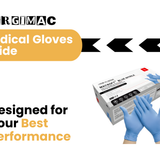
Find out why Nitrile Exam Glove is the top choice for dental pros. Learn about protection, fit, and best practices for safe, comfortable clinical use.
As a dental professional, your work demands incredible precision. The difference between a good outcome and a great one often comes down to your ability to feel subtle details and maintain a steady hand. The wrong glove can feel bulky and clumsy, hindering your dexterity. A quality Nitrile Exam Glove, however, acts like a second skin, providing excellent tactile feedback without sacrificing protection. This allows you to confidently handle fine instruments, from our ultra-light Air Series scalers to delicate restorative tools. We’ll cover how to select a glove that enhances your clinical performance by focusing on fit, texture, and thickness for ultimate control.
Key Takeaways
- Balance Protection with Precision: Nitrile gloves provide superior resistance to punctures and chemicals, offering a reliable barrier during clinical procedures while maintaining the tactile sensitivity needed for detailed work.
- Customize Your Choice for Safety and Comfort: Select gloves based on the specific task, considering factors like thickness, texture, and fit. A latex-free practice is the safest standard, and accelerator-free nitrile options are available for clinicians with sensitive skin.
- Adopt Smart Sourcing and Handling Protocols: Ensure glove integrity by storing them properly and inspecting each pair before use. Partnering with a trusted supplier for bulk orders of quality gloves, like MacSafe, provides consistent performance and better long-term value for your practice.

What Are Nitrile Exam Gloves?
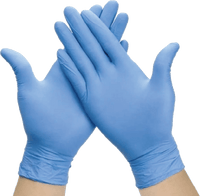
If you work in a dental practice, you’re already familiar with disposable gloves. They are a cornerstone of any effective infection control protocol. Among the options available, nitrile exam gloves have become the go-to choice for many clinicians, and for good reason. They are medical-grade, single-use gloves made from a synthetic rubber, offering a fantastic balance of protection, comfort, and tactile sensitivity without the allergy risks associated with latex.
Think of them as the modern workhorse of clinical hand protection. Whether you're performing a routine exam or handling powerful disinfectants, nitrile provides a reliable barrier. Brands like our own MacSafe line are specifically designed to meet the demands of a busy dental office, ensuring both you and your patients are protected. They offer superior durability and chemical resistance, making them a dependable part of your daily personal protective equipment (PPE).
How Are Nitrile Gloves Made?
Nitrile gloves are produced from a synthetic copolymer called nitrile butadiene rubber (NBR). The manufacturing process begins with ceramic hand-shaped formers, which are cleaned and dipped into a tank of liquid nitrile. After the initial dipping, the gloves are heated in an oven to cure the rubber. This process vulcanizes the material, giving it its characteristic strength and elasticity. Once cured, the gloves may be treated to make them easier to put on, then stripped from the formers, tested for quality, and packaged. This synthetic origin is key, as it means they are completely free of the natural rubber proteins that cause latex allergies, a major reason they were first developed in the 1990s.
Nitrile vs. Latex vs. Vinyl: A Clinical Comparison
Choosing the right glove is critical, so let’s compare the three main players. Nitrile gloves are the gold standard for many practices because they offer excellent puncture and chemical resistance. They provide great tactile sensitivity for detailed work and are the safest option for anyone with a latex allergy. For a reliable, all-around performer, our MacSafe Nitrile Exam Gloves deliver the protection and comfort you need.
Latex gloves, made from natural rubber, are known for their exceptional comfort and snug fit. However, the risk of latex allergies, which can affect both clinicians and patients, has led many practices to phase them out. Vinyl gloves are a budget-friendly alternative made from PVC. While they are also latex-free, they offer a looser fit and are more prone to punctures and tears. Their limited durability makes them less suitable for most clinical dental procedures, where a reliable barrier is non-negotiable.
Why Choose Nitrile Gloves for Your Dental Practice?
When it comes to personal protective equipment, nitrile gloves have become the gold standard in modern dentistry, and for good reason. They offer a superior balance of protection, comfort, and performance that vinyl and even latex gloves often can't match. Choosing the right glove is a critical decision that impacts not only your safety but also your clinical precision and patient care. For any practice dedicated to maintaining the highest standards of infection control, nitrile provides a reliable and professional solution.
The advantages of nitrile extend beyond simple barrier protection. These gloves are engineered to withstand the specific demands of a dental environment, from resisting punctures from sharp instruments to providing the tactile feedback needed for delicate procedures. They also protect your hands from the various chemicals used throughout the day. Furthermore, because they are synthetic and latex-free, they create a safer environment for both your team and your patients by minimizing the risk of allergic reactions. Let’s look at the specific benefits that make nitrile gloves an indispensable tool in your practice.
Unmatched Puncture and Tear Resistance
In a dental setting, your hands are constantly working with sharp and pointed instruments. Nitrile is an incredibly durable material, offering exceptional resistance to punctures and tears. This strength provides a reliable barrier between your skin and potentially contaminated instruments, like scalers or MacCut surgical blades, giving you the confidence to perform procedures without worrying about glove failure. This robust protection is essential for preventing percutaneous injuries and ensuring your safety throughout the day. A high-quality nitrile glove won’t easily snag or rip, making it a dependable choice for everything from routine cleanings to complex surgical work.
Superior Tactile Sensitivity for Precision Work
While durability is crucial, it can't come at the expense of dexterity. Dentistry demands a high level of precision, and nitrile gloves deliver excellent tactile sensitivity, allowing you to feel subtle details and handle instruments with confidence. Many nitrile gloves feature textured fingertips that enhance your grip, even in wet conditions. This feedback is vital when working with fine tools, such as the instruments in our Slim Series, or when performing delicate restorative work. The snug, comfortable fit of nitrile mimics the feeling of a second skin, ensuring your hand movements remain steady and precise for optimal clinical outcomes.
Reliable Chemical Resistance
Your hands are exposed to a wide range of chemicals daily, including disinfectants, bonding agents, and impression materials. Nitrile is known for its robust resistance to many of these substances, offering a more effective chemical barrier than latex or vinyl. This protection is vital for safeguarding your skin from irritation, dermatitis, and potential long-term effects of chemical exposure. Whether you are handling cements and adhesives or disinfecting your operatory, nitrile gloves provide the dependable protection you need to work safely and efficiently. This resistance ensures your gloves maintain their integrity, so you can focus on the task at hand.
The Benefits of a Powder-Free Design
Modern nitrile gloves are overwhelmingly powder-free, which offers significant advantages for both clinicians and patients. The cornstarch powder found in older glove styles can leave a messy residue on your hands and clothing, and more importantly, it can act as a carrier for allergens. By eliminating powder, you reduce the risk of skin irritation and create a cleaner, more professional environment. Our MacSafe nitrile gloves are designed to be powder-free, ensuring a comfortable experience without the mess or potential complications. This clean design is better for your skin and helps maintain the purity of your work area, especially during sensitive bonding procedures.
Are Nitrile Gloves a Good Choice for Sensitive Skin?
Yes, absolutely. For dental professionals with sensitive skin or those who experience contact dermatitis, nitrile gloves are often the best solution. Because they are made from a synthetic rubber, they are completely free of the natural latex proteins that trigger Type I allergic reactions. This simple fact has made them a cornerstone of modern infection control protocols, creating a safer environment for both clinicians and patients who may have latex sensitivities. The shift away from latex has significantly reduced the incidence of allergic reactions in clinical settings, making nitrile the go-to choice for practices prioritizing safety and inclusivity.
However, skin sensitivity is a complex issue. While nitrile eliminates the risk of latex allergies, some individuals may still react to other substances used in the manufacturing process. That’s why it’s important to understand the different factors that can contribute to skin irritation, from chemical accelerators to simple moisture buildup inside the glove. It's not just about avoiding latex; it's about finding a glove that works in harmony with your skin throughout a long day of procedures. By choosing the right type of nitrile glove and adopting a few simple skin care habits, you can protect your hands and focus on what you do best: providing excellent patient care. Our MacSafe line of disposable gloves is designed with this balance of safety and comfort in mind, offering reliable protection you can trust.
Why a Latex-Free Office Is a Safer Office
Transitioning to a completely latex-free practice is one of the most effective steps you can take to protect everyone who walks through your doors. Latex allergies can be severe, and you may not always know if a patient has a sensitivity. By making nitrile gloves your standard, you eliminate that risk entirely. This proactive approach ensures you won't have to worry about causing an allergic reaction in a patient or a team member during a procedure. It simplifies your inventory and standardizes your safety protocols, making your practice a safer space for all.
Understanding Chemical Accelerators
If you or a team member experiences irritation even after switching to nitrile, the cause might be chemical accelerators. These are chemicals used during the manufacturing process to give the glove its elasticity and durability. While they are essential for performance, they can sometimes cause a Type IV allergic reaction (allergic contact dermatitis) in a small percentage of users. The good news is that many manufacturers now offer "accelerator-free" nitrile gloves. These are specifically formulated without common chemical irritants, providing a hypoallergenic option for even the most sensitive skin.
How to Prevent Glove-Related Skin Irritation
Beyond choosing the right glove, a few daily habits can make a world of difference in preventing skin irritation. First, always ensure your hands are completely clean and dry before putting on a new pair of gloves. Trapped moisture is a common cause of skin issues. Second, make it a habit to moisturize your hands at the end of the day to replenish your skin's natural barrier. For extra protection, you can also apply a barrier cream before your first patient. These simple steps help maintain your skin's health, ensuring your hands stay comfortable and protected throughout your demanding workday.
When to Use Nitrile Gloves in Your Practice
Nitrile gloves are incredibly versatile, making them a staple for nearly every task in a modern dental office. From patient-facing procedures to behind-the-scenes lab work, their unique properties provide reliable protection and performance. Understanding when to use them helps you standardize your protocols, protect your team and patients, and ensure you get the most value from your supplies. Let's look at the three primary scenarios where nitrile gloves are the ideal choice for your practice.
For Routine Exams and Cleanings
Nitrile gloves are an excellent choice for routine examinations and hygiene appointments. Because they are latex-free, they protect both you and your patients from potential allergic reactions, creating a safer environment for everyone. Many nitrile gloves, like those in our MacSafe line, offer a comfortable fit with textured fingertips. This design is a huge plus for tactile sensitivity, helping you feel small details and maintain a secure grip on your instruments. Whether you’re performing a diagnostic check with a mirror or using a scaler from the ergonomic Air Series, the enhanced feedback from a quality nitrile glove allows for greater precision and control.
During Surgical and Periodontal Procedures
When it comes to more invasive work, the durability of nitrile gloves is non-negotiable. They are highly resistant to punctures and tears, which is critical when working with sharp instruments like MacCut surgical blades or periodontal probes. This robust barrier protects you from bloodborne pathogens and other biohazards, giving you the confidence to focus on the procedure at hand. The strength of nitrile doesn't come at the cost of dexterity, so you can still perform delicate tasks with precision, from placing MacSuture sutures to handling advanced surgical instruments. This reliability makes them an essential component of your personal protective equipment for any surgical or periodontal treatment.
When Handling Materials and Disinfectants
A dental professional’s hands come into contact with more than just patients. Nitrile gloves provide superior chemical resistance, making them the go-to choice for handling a wide range of dental materials and cleaning agents. They effectively protect your skin from chemicals found in disinfectants, bonding agents, and even some impression materials. This protection is vital for maintaining a safe and compliant infection control protocol. Whether you are mixing dental cement, preparing a tray with MacImpress VPS, or wiping down your operatory, a quality nitrile glove acts as a reliable shield, preventing skin irritation and chemical exposure throughout your day.
How to Choose the Right Nitrile Glove
Selecting the right nitrile glove goes beyond just picking a color. The ideal glove for your practice depends on the procedure, your personal comfort, and the level of protection required. Making a thoughtful choice ensures you have the dexterity, durability, and safety needed to perform at your best. Factors like fit, thickness, texture, and sterility all play a critical role in clinical outcomes and practitioner comfort.
When you’re sourcing supplies, look for gloves that balance protection with performance. For example, the MacSafe line is designed specifically for clinical environments, offering reliable barrier protection without sacrificing tactile sensitivity. By understanding the key features to look for, you can confidently choose a glove that feels like a second skin and provides the safety your team and patients deserve. Let’s break down the essential factors to consider.
Find Your Perfect Fit: A Sizing Guide
An improperly fitting glove isn’t just uncomfortable; it can compromise your dexterity and even lead to hand fatigue over a long day. Gloves that are too tight can restrict movement, while gloves that are too loose can reduce tactile sensitivity and get in the way. Most brands offer sizes from extra-small to extra-large. To find your perfect fit, measure the circumference of your hand around the knuckles. This measurement will correspond to a specific size on the manufacturer’s chart, ensuring you get a snug yet flexible fit for every procedure.
Decode Thickness and Mil Ratings
Glove thickness is measured in mils, where one mil equals one-thousandth of an inch. A higher mil rating generally means a thicker, more durable glove with greater puncture resistance. For routine exams, a standard 3- to 4-mil glove often provides enough protection and excellent tactile feedback. For more demanding tasks, like handling sharp instruments or working with certain chemicals, a thicker glove of 5 to 8 mils might be more appropriate. The key is to match the glove’s thickness to the demands of the clinical task.
Choose Between a Textured or Smooth Finish
Nitrile gloves come in both smooth and textured finishes, and the right choice often comes down to procedural needs and personal preference. Gloves with textured fingertips can significantly enhance your grip, which is a major advantage when handling wet or slippery dental instruments. This added control is crucial for precision work. Smooth gloves, on the other hand, offer a different kind of tactile feedback and can be ideal for tasks where a seamless glide is more important than a firm grip.
Know When to Use Sterile vs. Non-Sterile
Understanding the difference between sterile and non-sterile gloves is fundamental to proper infection control. Sterile gloves are individually packaged and are essential for invasive surgical procedures where maintaining a sterile field is critical to preventing infection. For the vast majority of non-invasive dental work, including routine exams, cleanings, and restorative procedures, non-sterile exam gloves provide adequate barrier protection. They are manufactured to high standards of cleanliness but are not free of microorganisms, making them a practical and cost-effective choice for daily use.
Check for AQL Ratings and FDA Compliance
When evaluating glove quality, look for the AQL, or Acceptable Quality Level. This rating indicates the maximum number of pinhole defects allowed in a batch of gloves, with a lower AQL number signifying higher quality and fewer defects. For medical use, an AQL of 2.5 or lower is the standard. Additionally, always ensure the gloves you purchase are compliant with FDA regulations for medical devices. This confirms they are examination-grade and have been tested for barrier protection, giving you confidence in their safety and performance during patient care.
Common Myths About Nitrile Gloves, Debunked
Nitrile gloves are a staple in modern dentistry, but misconceptions can lead to confusion and compromise safety. Let's clear the air and address some of the most common myths so you can make informed choices for your practice and ensure you're getting the protection you and your patients deserve.
Myth: "All Nitrile Gloves Are the Same"
This is a common misconception. While all nitrile gloves are made from a synthetic rubber that offers excellent durability and chemical resistance, their quality and performance can vary significantly. Factors like thickness (measured in mils), cuff length, and manufacturing standards all play a crucial role in a glove's reliability. A lower-quality glove might be prone to tearing during a procedure, compromising barrier protection. High-quality options, like our MacSafe Nitrile Exam Gloves, are engineered for consistent thickness and strength, providing the dependable performance you need to work with confidence. Choosing a trusted brand ensures you get the protection you and your patients deserve.
Myth: "Nitrile Is Always Hypoallergenic"
While nitrile is an excellent latex-free alternative that eliminates the risk of Type I latex allergies, it's not entirely free from potential skin irritation for everyone. In rare cases, individuals may experience a Type IV sensitivity, which is a reaction to the chemical accelerators used to vulcanize the material and give it elasticity. This is not an allergy to the nitrile itself. If your team members experience redness or irritation, look for accelerator-free nitrile gloves. Sourcing from a reliable supplier allows you to access detailed product specifications for all your disposable gloves and find the perfect solution for even the most sensitive skin.
Myth: "They're Only for Medical Settings"
The fact that nitrile gloves are trusted across various industries is a testament to their versatility and reliability. You’ll find them in automotive shops, laboratories, and food service, where protection from chemicals and contaminants is essential. The very properties that make them indispensable in these fields, such as superior puncture resistance and durability, are precisely why they are the gold standard for infection control in dentistry. Their robust nature ensures a secure barrier during routine exams, surgical procedures, and while handling disinfectants, making them a non-negotiable tool for maintaining a safe clinical environment.
Myth: "They're Too Expensive for Our Practice"
While nitrile gloves may have a higher initial price than vinyl, they often provide better long-term value. Cheaper, lower-quality gloves are more likely to rip or tear, forcing you to use more gloves per procedure and increasing both waste and overall cost. Investing in a durable, high-quality nitrile glove means fewer changes, better protection, and ultimately, more efficient use of your resources. By sourcing your dental supplies from a trusted partner, you can access competitive pricing and bulk purchasing options that make top-tier protection affordable. This ensures you don't have to compromise on safety to manage your budget.
Best Practices for Glove Storage, Inspection, and Disposal
Proper handling of nitrile gloves from the moment they enter your clinic until they are discarded is fundamental to infection control. Following best practices for storage, inspection, and disposal ensures your gloves provide the barrier protection you and your patients rely on. These simple habits protect the integrity of your supplies, prevent cross-contamination, and uphold the highest standards of clinical safety. Think of it as completing the circle of care; it starts with selecting a quality glove and ends with disposing of it responsibly.
How to Properly Store Nitrile Gloves
To maintain their protective qualities, you need to store your nitrile gloves correctly. The key is to keep them in a cool, dry place away from direct sunlight, heat, and ozone-producing equipment like sterilizers or motors. Exposure to UV light and high temperatures can degrade the nitrile material over time, making it brittle and compromising its barrier integrity. The best approach is to keep your disposable gloves in their original dispenser box and store them inside a closed cabinet or supply closet. This simple step ensures that every pair, including our reliable MacSafe gloves, performs exactly as expected when you reach for them.
Inspecting Gloves Before Every Use
Before you begin any procedure, a quick visual inspection of your gloves is a critical safety check. Always start by putting gloves on clean, dry hands to prevent trapping moisture and bacteria. As you don them, check for any visible defects like pinholes, tears, discoloration, or tackiness. A compromised glove offers no protection, so taking a few seconds to ensure its integrity is essential for preventing exposure to pathogens. Remember to change your gloves between patients or if they become torn or contaminated during a procedure. This practice is a non-negotiable part of maintaining a safe and sterile clinical environment.
Safe and Responsible Disposal
Proper disposal is just as important as proper use. Nitrile exam gloves are single-use items and must never be washed or reused for any reason. Once a procedure is complete or a glove has been compromised, it should be removed carefully to avoid skin contact with the contaminated exterior. Used gloves are considered biomedical waste and must be disposed of according to your practice’s infection control protocols and local regulations. Placing them in designated biohazard containers prevents cross-contamination and ensures they are handled safely. Consistently following these disposal rules protects your team, your patients, and the community.
Our Top Nitrile Glove Recommendations
When it comes to selecting the right gloves, having trusted options is key. Your choice impacts safety, comfort, and clinical precision throughout the day. At SurgiMac, we provide high-quality solutions to meet the rigorous demands of a modern dental practice. Whether you prefer our proprietary line or other leading brands, we ensure every product meets our high standards for performance and reliability. Here are a few recommendations to help you find the perfect glove for your needs.
MacSafe Nitrile Exam Gloves: Safety Meets Comfort
For a dependable, high-performance glove designed with dental professionals in mind, we recommend our MacSafe Nitrile Exam Gloves. Made from a synthetic rubber polymer, these medical-grade gloves are completely free of natural rubber latex, eliminating the risk of Type I latex allergies for you and your patients. They offer exceptional puncture resistance and tactile sensitivity, allowing you to feel confident and in control during delicate procedures. The strong, stretchy material and beaded cuff ensure a secure fit and prevent tearing when donning. MacSafe gloves provide the perfect balance of protection, comfort, and dexterity for everyday clinical use.
Explore Other Trusted Brands We Carry
We understand that every clinician has their own preferences, which is why we also stock a curated selection of other leading brands. The disposable gloves we carry are all examination-grade and meet or exceed FDA standards for safety and performance. These gloves are trusted across various professional settings, from medical clinics to laboratories, which speaks to their quality and reliability. Many of these options offer excellent durability and come in different colors, which can be useful for differentiating between tasks or operatories. By offering a diverse range, we make it easy for you to source the specific products that help your practice run smoothly and safely.
How to Source Nitrile Gloves for Your Practice
Finding a reliable source for your nitrile gloves is just as important as choosing the right type. A smart sourcing strategy ensures your clinic never runs out of essential personal protective equipment, keeps your budget in check, and reduces administrative headaches. When you partner with a supplier that understands the demands of a dental practice, you can focus less on inventory management and more on patient care. The key is to find a balance between cost-effectiveness and a dependable supply chain that you can count on, procedure after procedure.
What to Know About Bulk Pricing
One of the most effective ways to manage your supply costs is to purchase gloves in bulk. Buying by the case, which often contains 1,000 gloves or more, significantly lowers your cost per unit. Think of it as an investment in your practice’s efficiency and financial health. When you find a glove that your team loves for its fit and performance, like our popular MacSafe Nitrile Exam Gloves, ordering in larger quantities ensures you have a healthy stock on hand while saving money. This approach minimizes the frequency of reordering and protects your practice from unexpected price increases or shortages, making it a financially sound decision for any clinic looking to streamline its procurement process.
Securing a Consistent and Reliable Supply
Running out of gloves mid-day is a scenario no practice wants to face. To prevent this, it’s crucial to partner with a supplier who maintains a large and consistent inventory. A reliable distributor ensures that the products you depend on are always available when you need them, eliminating the stress of potential backorders. At SurgiMac, we pride ourselves on being a steadfast source for all your infection control needs. By providing fast, dependable shipping across the country, we help you maintain a seamless workflow. A consistent supply chain gives you the peace of mind to operate confidently, knowing your clinic is always prepared and protected.
Frequently Asked Questions
Q: My practice has used latex gloves for years without issues. Is it really necessary to switch to nitrile?
A: Think of switching to nitrile as a proactive step to create a safer environment for everyone. While your team may not have known allergies, you can never be sure about your patients. A latex-free office completely eliminates the risk of causing a potentially severe allergic reaction in a sensitive individual. It simplifies your inventory and standardizes your infection control protocol, ensuring you provide the safest possible care for every person who walks through your door.
Q: I thought nitrile was hypoallergenic, but my hands are still getting irritated. What should I do?
A: This is a common and frustrating issue, but the good news is it's likely not an allergy to the nitrile itself. The irritation often comes from chemical accelerators used in the manufacturing process to give the gloves their elasticity. The solution is to look for accelerator-free nitrile gloves, which are made specifically for sensitive skin. Also, make sure your hands are completely dry before putting gloves on and use a quality moisturizer at the end of the day to help maintain your skin's natural barrier.
Q: Besides the right fit, what's the most important feature to look for in a nitrile glove?
A: After fit, you should focus on thickness and texture. Glove thickness, measured in mils, determines durability. A standard 3 to 4-mil glove offers great tactile sensitivity for routine exams, while a thicker 5 to 8-mil glove provides extra protection for surgical procedures. Texture is also key; textured fingertips give you a better grip on instruments, which is crucial for precision work.
Q: Nitrile gloves seem more expensive than vinyl. How can I justify the higher cost for my practice?
A: It’s helpful to think in terms of value, not just upfront price. Vinyl gloves are more prone to tearing, which means you often end up using multiple pairs for a single procedure. The superior durability of nitrile means fewer rips, less waste, and better protection. When you factor in the reduced consumption and the enhanced safety, the long-term cost of a quality nitrile glove becomes far more competitive. Buying in bulk can also help lower your per-glove cost.
Q: Does it really matter where I store my glove boxes?
A: Yes, it matters a great deal. Storing glove boxes on a counter exposes them to light and heat, which can degrade the nitrile material over time, making it brittle and compromising its protective barrier. To ensure your gloves perform as intended, keep them in their original box and store them in a cool, dry cabinet away from direct sunlight, heat sources, and sterilization equipment. This simple habit helps protect your investment and ensures every glove is safe to use.
Related Articles
Tags
Blog posts
-
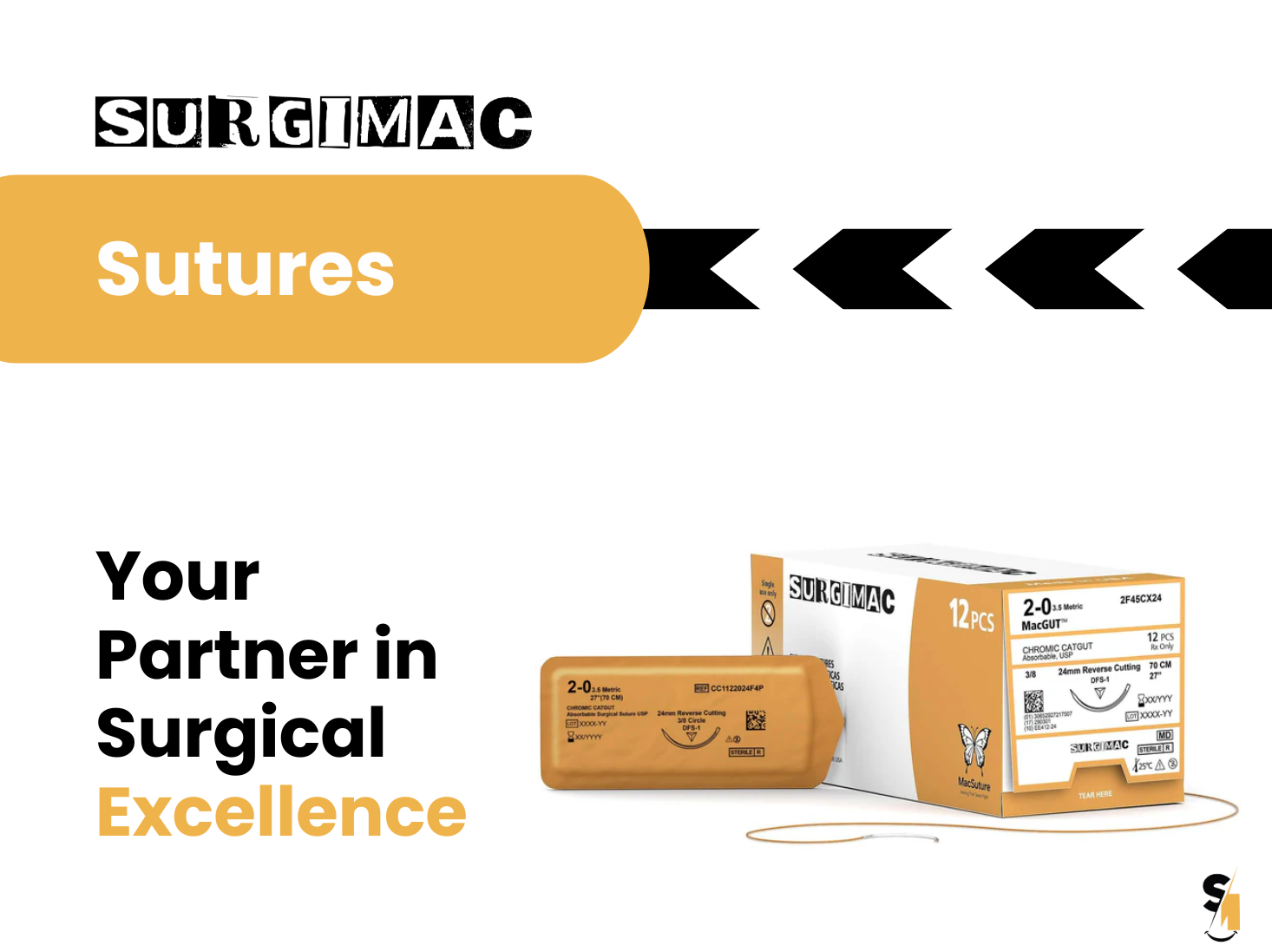
, by SurgiMac A Clinician's Guide to Absorbable Suture Material
-
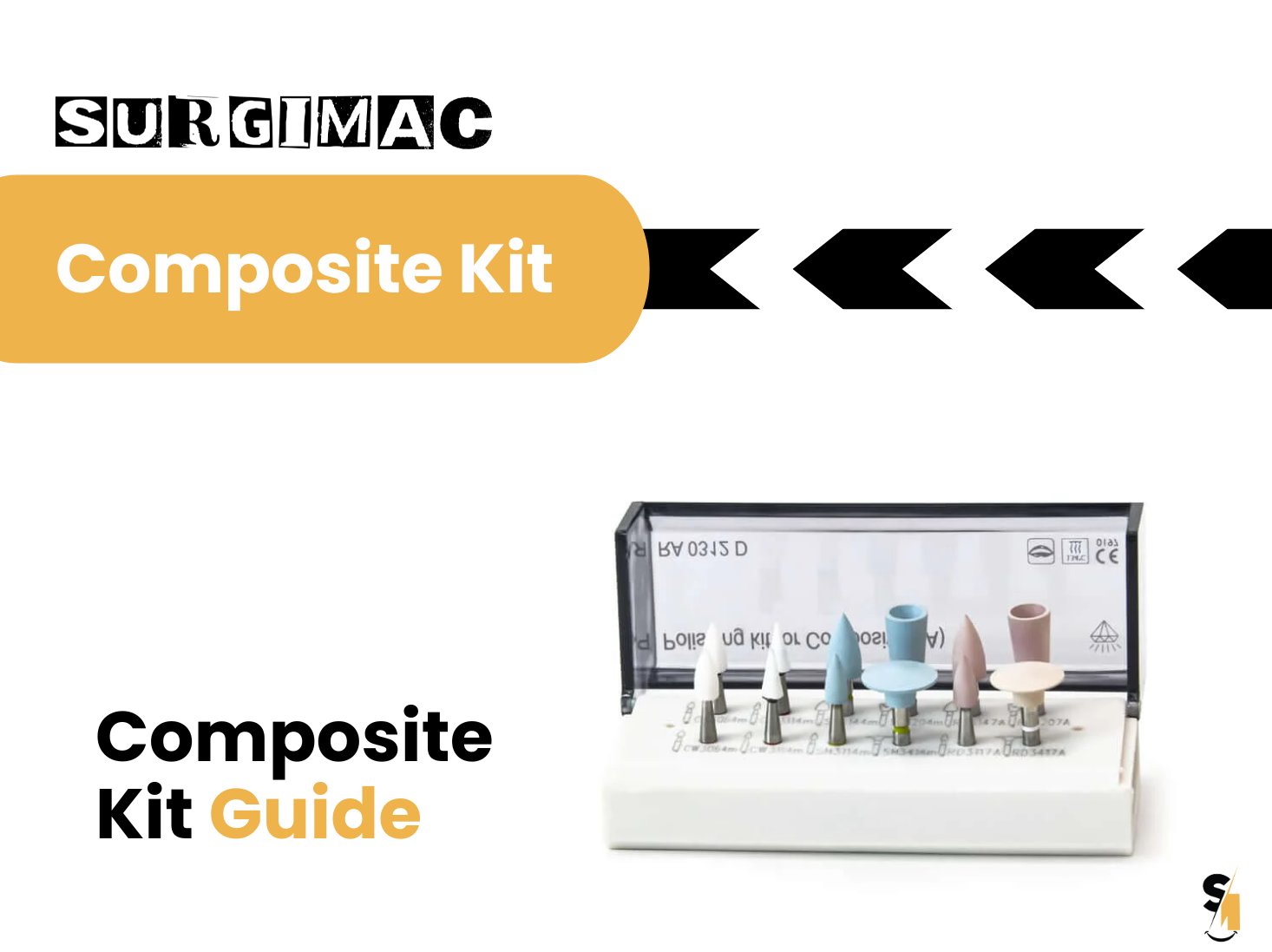
, by SurgiMac A Clinician's Guide to Dental Composite Resin Kits
-
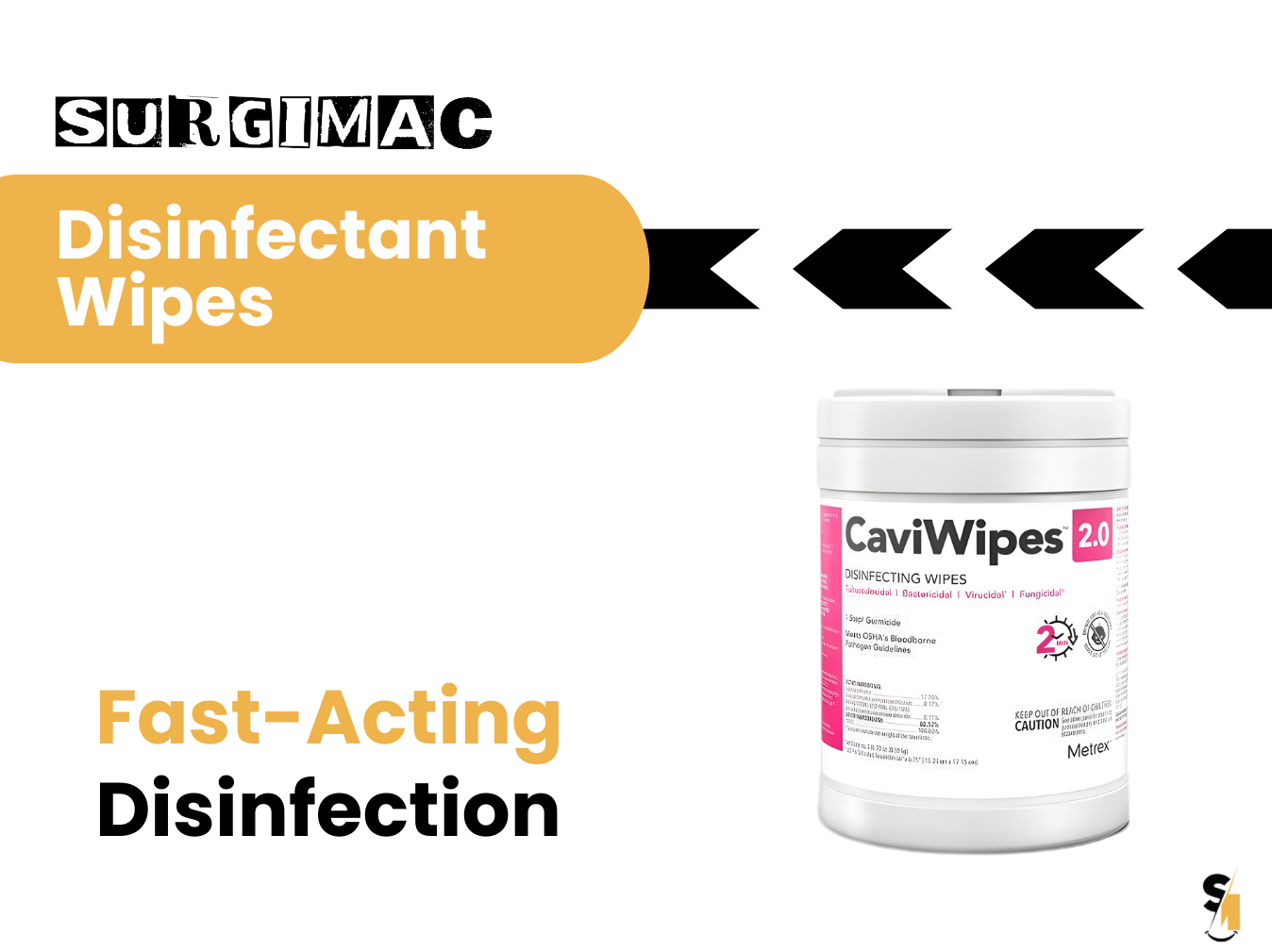
, by SurgiMac How to Disinfect with Metrex CaviWipes Correctly
