MacPrevent 5% Sodium Fluoride Varnish with TC...
SKU 90002-Bx
Find out how to choose the best prophy angle brush for effective polishing, patient comfort, and infection control in your dental practice.
From your patient's perspective, the polishing stage is often the most memorable part of their appointment. The right prophy angle brush can transform this experience, turning a noisy, uncomfortable necessity into a pleasant finishing touch. Modern prophy angles are engineered for smooth, quiet operation. They minimize the vibration and heat that can cause anxiety, while advanced cup designs reduce splatter for a clean procedure. Selecting a tool with patient comfort in mind doesn't just lead to superior clinical results—it builds lasting trust and satisfaction. Choosing the right prophy angle is key to delivering a brilliant polish and a positive patient experience.

A prophy angle is an essential tool in every dental professional's prophylaxis toolkit. It's a small, gear-driven attachment that connects to a low-speed dental handpiece to hold a polishing cup or brush. Used with prophy paste, it effectively removes stains, plaque, and biofilm, leaving patients with that smooth, just-from-the-dentist feeling. Understanding its design is key to delivering excellent patient care and achieving optimal clinical results. From its components to its cleaning action, each element plays a role in the efficiency and comfort of the polishing procedure.
A prophy angle consists of a few key parts working together. The main body houses a gear system that translates rotation from the handpiece to the tip, which holds either a flexible rubber cup or a small bristle brush. These attachments make direct contact with the tooth enamel. The entire unit is designed to be lightweight and ergonomic, allowing you to maintain control and precision throughout the polishing process. As one of the most frequently used dental disposables, quality construction is crucial for reliable performance and patient safety.
Connecting a prophy angle to your low-speed handpiece is a straightforward process that depends on the angle's design. The two most common attachment styles are screw-on and snap-on. Screw-on types are threaded onto the handpiece for a secure fit, while snap-on (or latch-type) angles click directly into place for quick changes. You'll also find both straight and contra-angled designs, which influence your access and visibility in different areas of the mouth. Choosing the right style often comes down to clinical preference and the specific dental equipment and supplies your practice uses.
The effectiveness of a prophy angle lies in its simple mechanical action. Once attached to the handpiece, the internal gears spin the rubber cup or brush at a controlled speed. You then apply a small amount of prophy paste to the attachment. As the cup or brush rotates against the tooth surface, it gently polishes away extrinsic stains and soft deposits. This action not only improves the esthetic appearance of the teeth but also creates an incredibly smooth surface. A smoother enamel surface is less likely to accumulate new plaque, contributing to better long-term oral hygiene for your patients.
A prophy angle is the vehicle, but prophylaxis paste is the fuel that powers a truly effective polishing procedure. This specially formulated paste is what does the heavy lifting, using a blend of fine abrasives to gently scrub away extrinsic stains, plaque, and stubborn biofilm from the tooth surface. The goal is to create a smooth, high-gloss finish that not only looks great but is also more resistant to future plaque accumulation. Many pastes also contain fluoride, which helps to remineralize and strengthen enamel after cleaning. Choosing the right grit and formulation is key to balancing effective cleaning with enamel preservation. At SurgiMac, we offer a wide variety of prophy pastes from trusted brands to complement our high-quality dental disposables, ensuring you have the perfect combination for every patient's needs. The pleasant flavors available also make the experience more enjoyable for patients, which is always a win for encouraging regular hygiene visits.
Prophy angles come in various designs, each tailored to specific clinical needs and practice workflows. Understanding the differences between disposable and reusable models, as well as cup and bristle attachments, allows you to select the perfect tool for every patient. The right choice can make a significant difference in your efficiency, clinical outcomes, and patient comfort. Let's look at the primary types you'll encounter and how to decide which ones to stock in your practice.
The choice between disposable and reusable prophy angles often comes down to convenience and infection control protocols. Disposable angles are a popular choice in modern practices because they offer a simple, hygienic solution for each patient. They eliminate any risk of cross-contamination and save valuable time by removing the need for autoclaving. This aligns perfectly with stringent infection control standards. Reusable angles, on the other hand, are typically made of metal and can be autoclaved for multiple uses. While they may present a lower long-term cost, they demand meticulous cleaning and sterilization procedures to ensure patient safety. Many practices find that the consistent performance and time savings of disposable angles outweigh the long-term investment in reusables.
Prophy angles are most commonly fitted with either a rubber cup or a bristle brush attachment. The rubber cup is the workhorse for routine polishing. Its flexible, webbed design holds prophy paste effectively to remove extrinsic stains and plaque from the broad, smooth surfaces of teeth. For more detailed work, the bristle brush is your go-to tool. It’s designed to clean pits, fissures, and occlusal surfaces where a cup can’t easily reach. Bristle brushes are also excellent for cleaning around orthodontic brackets and other dental appliances. Most clinicians keep a variety of both dental disposables on hand, allowing them to switch between a cup and a brush as needed for a comprehensive cleaning.
Beyond the basic cup or brush design, you’ll find options in material and firmness. High-quality prophy cups and brushes typically feature nylon or silicone components, materials selected for their durability, flexibility, and effective cleaning power. You can also choose from different firmness levels, usually soft, medium, or firm. A soft cup is ideal for general polishing and for patients with sensitive gingiva, as it minimizes tissue irritation. A firmer cup or brush provides more aggressive cleaning action, which is useful for removing heavy, tenacious stains. Selecting the appropriate firmness helps you achieve optimal results while prioritizing patient comfort and protecting the enamel from unnecessary abrasion.
Color-coding systems are a simple yet powerful tool for organizing your practice and streamlining your workflow. In a busy clinical setting, being able to quickly identify the right tool is crucial for both efficiency and patient safety. Many manufacturers use standardized color schemes for their products, like prophy angles, to help dental teams distinguish between different types, such as soft or firm cups. This visual shorthand minimizes the chance of grabbing the wrong item during a procedure and simplifies inventory management. By implementing a consistent color-coding system across your dental disposables, you can create a more organized, efficient, and safer environment for both your staff and your patients. It’s a small change that makes a big difference in day-to-day operations.
Prophy angle brushes are more than just a polishing tool; they are a cornerstone of effective preventive care. Integrating the right prophy angles into your workflow can significantly impact clinical outcomes, patient satisfaction, and overall practice efficiency. From achieving a brilliant polish to preparing teeth for critical treatments, these small but mighty tools offer a range of benefits that support both the clinician and the patient. Let's look at the key advantages you can expect when using high-quality prophy angle brushes in your practice.
This is the primary job of a prophy angle, and a high-quality brush delivers exceptional results. The design is focused on effectively lifting and clearing away extrinsic stains, biofilm, and stubborn plaque from tooth surfaces. Most professional prophy brushes use durable yet flexible nylon bristles that can reach into pits and fissures without damaging the enamel. This mechanical action not only restores the natural luster of the teeth but also contributes to better oral health by removing the bacterial colonies that lead to decay and periodontal disease. A thorough cleaning leaves patients with a smooth, fresh feeling and a visibly brighter smile, reinforcing the value of their professional hygiene appointment.
A comfortable patient is a happy patient, and modern prophy angles are designed with this in mind. Gone are the days of overly aggressive or uncomfortable polishing procedures. Today’s best prophy brushes feature unique angles and specially designed tapered bristles that provide precise cleaning without irritating the gingiva. The smooth, controlled rotation minimizes vibration and heat generation, creating a much more pleasant experience. When patients feel at ease in the chair, they are more likely to be compliant with treatment and consistent with their recall appointments. This focus on comfort is a simple yet powerful way to build trust and improve patient retention for your practice.
In any clinical setting, infection control is paramount. Disposable, single-use prophy angles are the gold standard for ensuring patient safety and preventing cross-contamination. Each angle comes individually wrapped and sterilized, guaranteeing a fresh, hygienic tool for every single patient. This eliminates the time-consuming and less reliable process of sterilizing reusable angles, streamlining your chairside workflow. By incorporating disposables, you simplify your practice’s adherence to infection control guidelines and demonstrate a clear commitment to patient well-being. For comprehensive protection, pairing single-use angles with other MacSafe disposables creates a secure environment for both patients and staff.
A pristine tooth surface is essential for the success of many dental procedures, and prophy brushes are the perfect tool for the job. Before applying sealants, orthodontic brackets, or bonding agents, the enamel must be completely free of plaque and debris. A prophy angle brush efficiently cleans and prepares the tooth, ensuring optimal adhesion for cements and adhesives. This preparation is critical for the longevity and effectiveness of the treatment. By creating an ideal canvas, you reduce the risk of material failure and ensure your restorative and preventive treatments perform as expected, leading to better long-term clinical outcomes for your patients.
While a prophy angle is a powerful tool for preventive care, its application requires careful clinical judgment. The goal is not just to achieve a perfect polish but to do so in a way that is safe, comfortable, and beneficial for the patient. Understanding the patient's perspective and the inherent limitations of polishing is key to delivering responsible and effective care. This involves managing expectations about what the procedure can accomplish and recognizing when it may not be the appropriate course of action for every individual.
A positive patient experience is built on clear communication and comfort. Before you begin, take a moment to explain what the patient can expect during the polishing stage. Describing the sensations and the purpose of the procedure can significantly reduce anxiety and build trust. Modern prophy angles are designed to be smooth and quiet, minimizing the vibration and heat that once made polishing uncomfortable. By prioritizing comfort, you reinforce the value of the hygiene appointment and encourage patients to remain consistent with their preventive care, which is a win for their long-term oral health.
For many patients, the polishing step is the grand finale of their cleaning. You can prepare them by explaining that they will feel a gentle spinning or vibrating sensation from the handpiece. The prophy paste itself has a slightly gritty texture, which is necessary for effectively removing stains. Reassure them that the procedure is typically very comfortable and painless. Afterward, the most noticeable result will be how incredibly smooth their teeth feel. Setting these simple expectations helps demystify the process and ensures the patient leaves the chair feeling confident and satisfied with their clean, polished smile.
Coronal polishing is not a one-size-fits-all procedure. While it’s a common part of a routine cleaning, its use should be based on a patient-specific assessment. The decision to polish should depend on the presence of extrinsic stains and the patient’s individual needs. For example, polishing may be contraindicated for patients with highly sensitive teeth, demineralized enamel, or certain restorative materials that could be damaged by abrasion. Adopting a selective polishing approach ensures you are providing a benefit without causing unnecessary wear or discomfort, reinforcing your role as a discerning clinician.
It's crucial to help patients understand what polishing can and cannot do for the color of their teeth. The mechanical action of a prophy angle is designed to remove extrinsic stains—the surface discoloration caused by things like coffee, tea, and tobacco. However, it does not alter the intrinsic shade of the tooth. Polishing will reveal the tooth's natural brightness by clearing away surface debris, but it is not a whitening treatment. Explaining this distinction manages patient expectations and helps them understand that the primary goal is to create a smooth, clean surface that is less receptive to new plaque accumulation.
While generally safe, tooth polishing carries a risk of causing sensitivity, particularly for patients with gingival recession or thin enamel. The abrasive nature of prophy paste, combined with the friction of the rotating cup, can irritate exposed dentin. Furthermore, excessive or overly aggressive polishing can lead to unnecessary enamel abrasion over time. This is why technique is so important—using light pressure, keeping the handpiece moving, and selecting the appropriate cup firmness are all critical for protecting the tooth structure. Professional judgment dictates when to polish and how to do it safely to maximize benefits while minimizing risks.
Selecting the ideal prophy angle brush isn’t just about grabbing the first one you see. The right choice impacts everything from clinical outcomes and patient comfort to your practice's bottom line. A thoughtful decision considers the unique needs of each patient, the specific clinical task at hand, and the overall efficiency of your workflow. By balancing these factors, you can ensure every polishing procedure is smooth, effective, and comfortable for both you and your patient.
Making an informed choice means looking beyond the basics. You’ll want to think about the angle’s design, the cup or bristle material, and whether a disposable or reusable option fits your practice’s protocols. A well-chosen prophy angle not only removes stains and plaque effectively but also contributes to a positive patient experience, which is key to building trust and loyalty. Let’s break down the key considerations to help you stock your practice with the best tools for the job.
Patient comfort is paramount during any dental procedure, and prophylaxis is no exception. For patients with sensitive gums, a soft, flexible rubber cup can provide a gentle yet thorough cleaning without causing irritation. It’s also important to consider pediatric patients. Smaller, more compact prophy angles are specifically designed to fit comfortably in smaller mouths, helping to make dental cleanings a more positive experience for your youngest patients.
Additionally, always be mindful of potential allergies. Offering latex-free prophy angles is a simple but crucial step to ensure patient safety and accommodate those with sensitivities. By tailoring your tool selection to individual patient needs, you demonstrate a commitment to personalized care and can significantly improve their overall comfort and satisfaction during their visit.
The effectiveness of a polishing procedure often comes down to using the right tool for the specific task. The choice between a straight-body and a contra-angled prophy angle, for instance, often depends on clinician preference and the area being treated. Contra-angles can provide better access and visibility to posterior teeth, while a straight design might feel more familiar or comfortable for some practitioners.
The attachment type is just as important. Soft or firm rubber cups are excellent for polishing smooth facial and lingual surfaces, while tapered or flat bristle brushes are designed to clean occlusal surfaces and deep fissures more effectively. Using the correct attachment ensures you can efficiently remove stains and plaque from every tooth surface, preparing them perfectly for sealants or other treatments.
Routine polishing with a rubber cup works wonders on smooth surfaces, but what about those tricky, hard-to-reach areas? This is where specialized bristle brushes truly shine. For patients with orthodontic appliances, cleaning around brackets and wires is essential for preventing plaque accumulation and white spot lesions. A bristle brush attachment is specifically designed to navigate these complex areas, ensuring a thorough clean that a standard cup simply can't achieve. Similarly, the deep pits and fissures on occlusal surfaces are prime spots for bacteria to hide. A tapered bristle brush can effectively clean these grooves, removing debris and preparing the tooth surface perfectly for sealant application. Having these specialized tools on hand allows you to provide comprehensive care for every patient, no matter their unique dental landscape.
When stocking your practice, balancing clinical quality with cost-effectiveness is always a key goal. The decision between disposable and reusable prophy angles is a perfect example of this. While reusable angles may seem more economical upfront, they require strict sterilization protocols, which adds to staff time and overhead costs.
On the other hand, choosing the right disposable prophy angle ensures you have a clean, reliable tool for every single patient. As single-use items, they are a cornerstone of modern infection control, completely eliminating the risk of cross-contamination. This convenience saves valuable time between appointments and simplifies your inventory management. Buying disposables in bulk from a trusted supplier can also lead to significant cost savings, making them an efficient and safe choice for any busy practice.
When you're evaluating your options, it's easy to focus on the upfront cost, but the true measure of value is the price per unit. This isn't just the sticker price; it's a calculation that includes reliability and efficiency. A low-cost disposable angle that breaks or performs poorly mid-procedure costs you valuable chair time and can frustrate both you and your patient. The 'real' cost of that unit is much higher. Investing in a quality, dependable disposable prophy angle ensures a smooth procedure every time. You can effectively manage this cost by purchasing your prophy angles in bulk, which lowers the price per unit while guaranteeing you have a reliable, high-performance tool ready for every appointment.
When selecting prophy angles for your practice, it’s easy to assume they’re all the same. However, the right tool can significantly impact clinical efficiency, patient comfort, and procedural outcomes. A high-quality prophy angle brush runs smoothly, cleans effectively, and supports your infection control standards without fail. Making an informed choice means looking beyond the price tag and evaluating the key components that define a superior instrument.
Focusing on three core areas will help you source the best prophy angles for your team and your patients: the durability of its materials, its performance during polishing, and its contribution to a safe, sterile environment. By examining these factors, you can ensure every prophylaxis procedure is as smooth and effective as possible.
The longevity and performance of a prophy angle start with its materials. High-quality brushes typically feature bristles made from durable yet flexible nylon or silicone. These materials are engineered to be strong enough to remove tough stains and plaque but gentle enough to avoid damaging enamel or irritating the gingiva. The construction of the angle’s housing is just as important. A well-designed angle feels solid and secure on the handpiece, preventing wobbling or vibration that can cause clinician fatigue and reduce polishing effectiveness. Investing in well-made dental disposables ensures you get consistent, reliable performance with every patient.
A prophy angle’s effectiveness is determined by its design. Leading manufacturers offer a variety of cup and brush options tailored to specific clinical needs. For instance, soft cups are ideal for general polishing on sensitive patients, while firm cups provide more force for heavy stain removal. Specialized designs, like spiral cups, are engineered to reduce splatter and improve interproximal cleaning. Tapered brushes offer excellent access around crowns, bridges, and orthodontic appliances. Choosing an angle with the right features for the task at hand allows you to work more efficiently and achieve a better final polish. This versatility ensures you can deliver optimal results for every unique patient case.
In any clinical setting, preventing cross-contamination is a top priority. Disposable, single-use prophy angles are the industry standard for upholding strict infection control protocols. Because they are used once and then discarded, they eliminate the risk of transferring pathogens between patients. For maximum safety, look for prophy angles that are individually wrapped. This packaging guarantees the angle remains sterile until you are ready to use it. Pairing these disposables with other protective supplies, like high-quality MacSafe exam gloves, reinforces your practice’s commitment to patient and clinician safety during every procedure.
When choosing prophy angles, it's crucial to look for products that meet recognized quality and regulatory standards. Certifications like FDA, CE, and ISO 13485 are more than just acronyms; they are your assurance that a product has been rigorously tested for safety and effectiveness. Reputable manufacturers ensure their products meet these global benchmarks, giving you confidence in the tools you use every day. Sourcing from a trusted supplier guarantees that the prophy angles you purchase adhere to these high standards, ensuring consistent performance and prioritizing patient safety. This commitment to quality is what separates a reliable clinical tool from a potential liability, helping you deliver excellent care without compromise.
When selecting a prophy angle, it’s easy to assume they’re all the same. However, the right tool can make a significant difference in clinical efficiency, clinician comfort, and patient outcomes. High-performance prophy angles are distinguished by thoughtful design elements that address the real-world challenges of daily practice. From the way an angle feels in your hand to the materials used in its cup, these features are engineered to deliver a superior polishing experience. Understanding what to look for helps you choose an angle that not only cleans effectively but also supports your long-term musculoskeletal health and streamlines your workflow. Let’s break down the key features that set premium prophy angles apart.
Long days of back-to-back appointments can take a toll, and hand fatigue is a genuine concern for dental professionals. High-performance prophy angles are designed with ergonomics in mind to minimize strain and maximize control. A well-balanced, lightweight angle reduces the muscle effort needed to maintain a stable grip, allowing for more precise movements. This focus on comfort isn't just about the clinician; it translates directly to a better patient experience. When you can work comfortably and efficiently, you can provide safer, more effective care. This principle of ergonomic excellence is central to many advanced dental instruments, ensuring every procedure is as smooth as possible.
The effectiveness of a prophy angle comes down to its tip. Leading manufacturers use advanced materials and a variety of cup designs to tackle different clinical needs. Most high-quality brushes feature durable yet flexible nylon or silicone bristles that effectively remove stains without damaging enamel. Beyond the material, the shape is critical. Modern prophy angles are available with a wide range of cup options, including soft, firm, spiral, and tapered brush tips. This variety allows you to select the perfect tool for each patient, whether you need to reduce splatter, clean interproximal spaces, or navigate around crowns and orthodontic brackets for a thorough polish.
The design of a prophy cup is far more than just aesthetics; it’s engineered for performance. The most common designs you’ll encounter are webbed and ribbed. A webbed cup, often considered the standard for routine polishing, features internal fins that excel at holding prophy paste. This design minimizes splatter and ensures a consistent layer of paste is applied to the tooth surface, efficiently removing plaque and extrinsic stains from broad surfaces. Ribbed cups, on the other hand, offer a slightly firmer structure that can provide more effective cleaning action on moderate stains while still maintaining flexibility. Many clinicians find that exploring the different cup designs available allows them to tailor their approach to each patient’s specific needs for a more effective and cleaner procedure.
The body and tip angle of a prophy angle directly impacts your access, visibility, and ergonomics during a procedure. The two primary options are straight and contra-angled designs. A straight-body angle offers a direct line of force and may feel more familiar to clinicians who prefer a traditional pen-like grip, making it excellent for anterior teeth. However, a contra-angled design provides superior access to posterior areas, especially the distal surfaces of molars. The bend in the angle allows you to maintain a more neutral wrist position, which improves ergonomics and reduces fatigue during long hygiene schedules. Choosing the right angle often comes down to a combination of the treatment area and your personal working style, ensuring you can work comfortably and effectively in any part of the mouth.
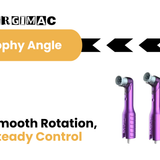
Clinicians choose SurgiMac because our prophy angles are designed for superior performance and reliability. Unlike traditional angles that simply spin, many of our brushes feature an innovative back-and-forth motion. This unique mechanism provides exceptional control and enhances cleaning efficiency, allowing you to remove tough stains with greater ease. Our prophy angles collection is engineered for smooth, quiet operation to improve the patient experience. By combining this advanced design with a commitment to strict infection control standards, we provide a disposable angle that delivers consistent, predictable results you can depend on for every prophylaxis procedure.
When it comes to polishing, the prophy angle you choose can make a significant difference in your clinical results, patient comfort, and overall efficiency. Not all angles are created equal, and understanding how their design features translate to performance is key to making an informed choice for your practice. The effectiveness of a prophy angle can be measured by its ability to remove stains, its capacity to reach challenging areas of the mouth, and its impact on your chairside time. By evaluating these factors, you can select a tool that not only delivers a superior clean but also enhances your workflow and supports a higher standard of patient care. Let's break down the three core areas that determine how well a prophy angle performs during a procedure.
The design of a prophy angle directly influences its cleaning power and splatter control. The choice between a rubber cup and a bristle brush attachment often depends on the specific task. Rubber cups, available in soft or firm varieties, are excellent for general polishing and stain removal on smooth surfaces. Innovative designs like spiral cups can also help reduce splatter. For more textured surfaces or stubborn stains, bristle brushes made from durable nylon are highly effective. The quality of these materials ensures the angle remains flexible yet resilient throughout the procedure, providing consistent results from patient to patient.
A great polish means nothing if you can't reach every surface. The most effective prophy angles are designed to provide excellent access to difficult-to-reach areas, including interproximal and subgingival zones. Look for angles with slim necks and compact heads, as these features improve your line of sight and maneuverability, especially around crowded teeth, orthodontic brackets, or crowns. Tapered brush designs are specifically engineered to navigate tight contacts and clean along the gumline with precision. This enhanced access ensures a more thorough and comprehensive cleaning, leading to better oral hygiene and patient satisfaction.
In a busy practice, every minute counts. Your choice of prophy angle can have a real impact on chairside efficiency. Disposable prophy angles are a popular choice because they eliminate the time and labor associated with autoclaving reusable angles. This ensures you have a sterile, high-performing tool ready for every patient, which is crucial for maintaining strict infection control protocols. Using a reliable, individually packaged angle also minimizes procedural interruptions, allowing you to work smoothly and predictably. This streamlined process not only saves time but also reinforces patient confidence in your practice's commitment to safety and hygiene.
Having the right prophy angle is essential, but your technique is what truly determines the quality of the outcome. Proper application ensures effective stain removal, protects enamel, and keeps patients comfortable. Mastering your technique also improves chairside efficiency and supports better ergonomics, protecting you from strain throughout the day. By focusing on a few key practices, you can refine your polishing skills for consistent, professional results.
Effective polishing begins with a systematic approach. First, select the appropriate prophy angle for the patient’s needs, considering factors like straight versus contra-angled designs and snap-on versus screw-on cups. Use a modified pen grasp to hold the handpiece, as this provides maximum control and tactile sensitivity. Apply a small amount of prophy paste into the cup and spread it over a few teeth before activating the handpiece to minimize splatter. Use light, intermittent pressure to gently flare the cup, allowing it to adapt to the tooth contour and reach just beneath the gingival margin. Work methodically from the gingival third toward the incisal or occlusal surface, ensuring you cover all areas before moving to the next tooth.
Polishing is traditionally the final clinical step in a prophylaxis appointment, performed after scaling and root planing are complete. This sequence is intentional. Scaling removes the hard calculus, and polishing follows to clear away any remaining soft deposits and extrinsic stains, leaving the enamel surface exceptionally smooth. This isn't just for esthetics; a smooth surface is less receptive to new plaque and biofilm accumulation, making polishing a key component of preventive care. It also creates a pristine surface essential for subsequent procedures, such as the application of dental cements or sealants. Ultimately, it’s the step that delivers that signature "fresh from the dentist" feeling, a powerful factor in patient satisfaction.
Patient safety and infection control are paramount during any dental procedure. For clinical efficiency and hygiene, using individually wrapped, sterile disposable prophy angles is an excellent choice. This practice ensures your tools meet all necessary safety standards, protecting both your patients and your practice. Always wear appropriate personal protective equipment, including high-quality gloves from the MacSafe collection and protective eyewear. Position your patient for optimal access and visibility, adjusting the chair as needed. At the same time, maintain a neutral, balanced posture to prevent musculoskeletal fatigue and long-term injury, a principle that applies to all the dental instruments you use.
While many modern practices prefer the convenience of disposable angles, some prophy angles are autoclavable and designed for multiple uses. If your practice uses reusable angles, a strict maintenance protocol is critical. Immediately after each use, thoroughly clean the angle to remove all prophy paste and bioburden. Follow the manufacturer’s specific instructions for lubrication and sterilization, as improper autoclaving can damage the internal mechanisms. Regularly inspect each angle for signs of wear or reduced performance. Deciding between disposable and reusable tools involves weighing convenience against maintenance, and a clear understanding of the required upkeep helps ensure every instrument performs reliably and safely.
Keeping your practice stocked with high-quality disposables is fundamental to a smooth workflow and consistent patient care. Prophy angle brushes are a staple in every hygiene appointment, so establishing a reliable sourcing strategy is key to managing costs and ensuring you never run out. When you’re ready to purchase, it’s important to consider where you buy from, how much you buy at once, and how to get the best value. A smart approach to procurement helps you maintain clinical standards while supporting your practice’s bottom line.
It's tempting to price shop, but sticking with authorized dental suppliers guarantees you receive authentic, clinically approved products. This protects your patients and your practice from the risks of counterfeit or substandard materials. Reputable distributors provide access to a wide range of prophy angles from leading manufacturers, ensuring you can find the exact type your team prefers. At SurgiMac, we carefully vet every product, so you can stock your operatories with confidence, knowing you have reliable tools that meet professional standards and deliver consistent performance for every prophylaxis procedure.
Once you know what you’re looking for, the next step is finding a reliable source. The world of dental supplies is vast, with numerous distributors offering thousands of products. Making sense of supplier catalogs and pricing structures is key to stocking your practice efficiently. It’s not just about finding the lowest price per unit; it’s about finding a partner who offers consistent quality, transparent pricing, and dependable service. Understanding the landscape of major brands versus private labels and how to access professional pricing will help you make smarter purchasing decisions that benefit your clinical workflow and your budget.
Large distributors like Henry Schein and Patterson Dental offer an enormous variety of prophy angles from dozens of different manufacturers. While having access to such a broad selection can be beneficial, it can also be overwhelming to sort through. The sheer volume of options makes it challenging to compare products and determine which one truly offers the best value for your practice. A more curated approach can simplify the process. At SurgiMac, we streamline your search by offering a carefully selected range of high-performance prophy angles, ensuring that every option meets our strict standards for quality and clinical effectiveness, saving you time and effort.
When browsing supplier catalogs, you’ll often find both major, nationally recognized brands and the supplier’s own private label products. Many distributors offer their own brand as a cost-effective alternative, but quality can vary. The key difference with SurgiMac is that we are not just a distributor; we are also a manufacturer. Our in-house product lines are developed with direct input from clinicians to ensure they meet the demands of a modern practice. This gives us complete control over quality, from raw materials to final design. By choosing a SurgiMac brand product, you get the quality of a premium brand without the associated markup, providing exceptional value directly from the source.
Many B2B dental suppliers require you to create an account and log in to view professional pricing. This is a standard industry practice designed to ensure that exclusive pricing is reserved for licensed dental professionals. While it’s an extra step, it allows suppliers to offer competitive rates that aren’t available to the general public. Once your account is set up, you can easily place orders, track shipments, and manage your purchasing history. A user-friendly online portal simplifies reordering your essential dental equipment and supplies, helping you keep your practice running smoothly without interruption. This streamlined process ensures you can quickly restock your inventory with the tools you trust.
For a busy practice, reordering supplies can feel like a constant task. Purchasing prophy angles in bulk is an effective way to streamline this process and unlock significant savings. Buying larger quantities, often in boxes of 100 or more, lowers the cost per unit and reduces shipping fees over time. This strategy also minimizes the administrative work of frequent ordering and ensures your team always has the necessary dental disposables on hand. Planning ahead with bulk orders helps you manage inventory more efficiently and prevent shortages that could disrupt your daily schedule.
When you start shopping for prophy angles, you'll notice they are typically sold in standardized quantities. It's common to find them packaged in boxes of 100, 144, or 200, with larger cases available for high-volume practices. This isn't random; these quantities are designed to simplify inventory management and align with the typical usage rates in a busy dental office. A standard box of 100 or 144 angles can easily supply a hygienist for several weeks, making it simple to track stock and reorder before you run low. For larger clinics or DSOs, purchasing by the case ensures consistency across multiple operatories and reduces the frequency of orders. This standardized packaging makes it easy to manage your supply of essential prophy angles and keep your hygiene schedule running without a hitch.
Getting the best price on your supplies doesn’t mean compromising on quality. Smart sourcing includes looking for promotions that add value to your purchase. Many suppliers offer special deals, seasonal discounts, or bundle offers on high-use items like prophy angles. A great first step is to subscribe to newsletters from trusted distributors like SurgiMac to stay informed about upcoming sales. It’s also wise to regularly check the supplier’s website for banners or dedicated sales sections. These simple habits can lead to substantial savings for your practice without requiring you to switch from the brands you trust.
Q: What's the real difference between snap-on and screw-on prophy angles?
A: The main difference is the connection style and workflow preference. Snap-on (latch-type) angles allow for quick attachment and removal, making them convenient for fast-paced clinical settings. Screw-on angles provide a tighter, more secure fit that some clinicians prefer for added stability and reduced wobble during polishing. Both perform effectively, so the best choice depends on your handpiece compatibility and personal handling preference.
Q: How can I minimize splatter during polishing?
A: Splatter reduction starts with proper technique. Use only a small amount of paste, spread it across the tooth before activating the handpiece, and operate at a controlled low speed with light pressure. Choosing prophy cups with splatter-control designs, such as spiral or webbed cups, can also help contain paste more effectively during rotation.
Q: Are there latex-free options for patients with allergies?
A: Yes. Most modern prophy angles are available in latex-free versions, and many practices use them as their standard option to support patient safety and comfort. Keeping latex-free products readily available is an important part of maintaining comprehensive infection control and allergy-conscious care.
Q: How do I choose between a soft and a firm prophy cup?
A: A soft cup is ideal for routine polishing, sensitive patients, and areas near delicate gingival tissue because it adapts comfortably to tooth contours. A firm cup provides stronger stain removal and is better suited for patients with heavier extrinsic staining. Firm cups should be used carefully to avoid unnecessary enamel abrasion.
Q: What makes the back-and-forth motion of some reciprocating prophy angles different from simple rotation?
A: Reciprocating motion uses a controlled back-and-forth action instead of continuous spinning. This can improve control, reduce heat generation, and help lift stubborn stains more efficiently from pits and fissures. Many clinicians also find it creates a smoother, more comfortable polishing experience for the patient while improving precision in difficult-to-reach areas.