
How to Choose the Best Medical and Dental Gloves
- , by SurgiMac LLC
- 18 min reading time
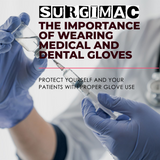
Medical and dental gloves impact your safety, comfort, and precision. Learn how to choose the right gloves for every procedure and protect your hands.
Let's get one thing straight: the gloves you wear are more than just a barrier. They're your frontline defense, but they can also be the source of nagging hand fatigue and irritation after a long day. Choosing the right medical and dental gloves isn't just about protection—it's about performance, precision, and your own comfort. The wrong fit or material can hold you back. This guide will help you find gloves, like our ergonomic MacSafe line, that feel like a second skin and support your hands through every procedure, keeping you at the top of your game.
So, why should you be picky? Simple. Because your hands deserve the best. Whether you're a dentist drilling into molars or a nurse handling delicate newborns, the glove game is one you can't afford to lose. Got it? Good. Let's roll.
Why Your Choice of Medical Gloves Matters
The First Line of Defense in Infection Control
Who Uses Dental Gloves and Why?
In your practice, gloves are the absolute cornerstone of personal protective equipment (PPE). Every member of the clinical team—from dentists and surgeons to hygienists and assistants—relies on them to keep the environment safe for everyone. Their main job is to act as a physical shield, preventing the spread of germs and stopping cross-contamination between you and your patients. This barrier is essential for protection against saliva, blood, and other potentially infectious materials. While high-quality examination gloves are perfect for routine tasks like check-ups, more invasive procedures require sterile surgical gloves. Having a steady supply of reliable disposable gloves is fundamental to daily operations, which is why our MacSafe line offers dependable nitrile and latex options designed for excellent tactile sensitivity and protection.
Beyond the Box: What a Glove Brand Tells You
Here's the thing. Brands aren't just flashy logos and catchy slogans. Oh no, my friends. A top-tier brand is like your grandma's secret recipe—consistent, reliable, and darn good.
Reasons to Stick to Premium Brands:
- Safety Checks: Imagine gloves that can't even keep water out. Scary, right? Trusted brands pass the dunk test and then some.
- Quality Material: Think about it. Your hands are in those gloves all day. Shouldn't they be comfortable?
- Longevity: No one likes gloves that give up before you do. A good brand sticks it out.
- Reputation: When a brand's got a good name, it’s usually for a reason. Don't mess with success.
Still not convinced? Imagine you're in surgery. Your gloves rip. Not the best time for a game of "Oops, my bad," right?
Understanding the Main Types of Dental Gloves
Walking down the supply aisle, you might think a glove is just a glove. But in a clinical setting, that couldn't be further from the truth. The type of glove you choose is dictated by the procedure you're performing, and mixing them up isn't an option. The FDA classifies medical gloves into two main categories—examination and surgical—based on their intended use, and each is held to different standards. Using an exam glove for a surgical procedure compromises the sterile field and puts both you and your patient at risk. Think of it this way: you wouldn't use a polishing bur for a root canal. The same principle of using the right tool for the job applies here. Understanding the fundamental differences between these two types of gloves is the first step in maintaining impeccable infection control protocols and ensuring every procedure is performed safely and effectively.
Examination Gloves for Non-Invasive Procedures
Examination gloves are the undisputed workhorses of any dental practice. These are your go-to for non-invasive procedures like routine check-ups, cleanings, taking impressions, and restorative work. Their primary job is to create a strong barrier, preventing the transfer of microorganisms between you and the patient. Typically non-sterile and packaged in dispenser boxes for easy access, they are designed for single use. You need a glove that offers excellent tactile sensitivity without sacrificing durability. For reliable, everyday protection, our MacSafe line of nitrile and latex exam gloves provides the comfort and barrier integrity you need to handle daily tasks with confidence. They are built to protect you during the vast majority of patient interactions where sterility isn't a requirement.
Surgical Gloves for Sterile Operations
When the procedure is invasive, it’s time to bring in the specialists: surgical gloves. These are mandatory for any operation that involves entering a sterile body cavity, such as tooth extractions, periodontal surgery, or placing dental implants. Unlike exam gloves, surgical gloves are sterile and come individually packaged in pairs to maintain that sterility until the moment of use. They are manufactured to a higher quality standard, with more rigorous testing for defects and a more precise, anatomical fit to allow for maximum dexterity during delicate procedures. Using anything less than a sterile surgical glove for these operations dramatically increases the risk of surgical site infections. Sourcing high-quality surgical instruments and supplies is critical, and that includes the gloves that protect the sterile field.
A Closer Look at MaxSoft Gloves
The Story Behind MaxSoft
Ever heard of MaxSoft? If you haven't, it's about time. This brand is like the Swiss Army knife of gloves. They've got a glove for every hand and a hand for every glove. How's that for poetic?
Why Choose MaxSoft Gloves?
- Comfort Overload: It’s like wearing clouds on your hands. Seriously.
- A+ Quality: No compromises here. Only the best for the best.
- Safety First, Always: A glove that passes all the tests is a glove worth having.
What Dental and Medical Pros Are Saying
Jane, a dental hygienist, says, "MaxSoft gloves are a game-changer. After 8 hours of root canals and cleanings, my hands still felt like they had spent a day at the spa!"
Surgical Gloves: For Unmatched Precision and Safety
Surgical Gloves are not your everyday, run-of-the-mill gloves. Nope. These bad boys are designed for the pros, the perfectionists, the "I won’t settle for less" folks.
When Are Surgical Gloves the Right Choice?
- Flex Masters: These gloves make finger gymnastics look easy.
- Built to Last: Durability? Check. Longevity? Double-check.
- Safety Seals: Sterilized and prepped for action.
Nitrile Gloves: The Durable, Latex-Free Option
Why Are Nitrile Gloves So Popular?
If you're out there sneezing just at the thought of latex, Nitrile Gloves are your new best friends. Say goodbye to allergies and hello to carefree comfort.
Key Advantages of Nitrile Gloves
- Allergy-Free Zone: Absolutely zero latex. Nada.
- Grip It, Don’t Slip It: These gloves could hold onto a wet fish.
- Eco Warriors: They’re good for you and the planet. Win-win!
Where Nitrile Gloves Shine
Nitrile Gloves bagged the "Best Hypoallergenic Gloves" last year. Not too shabby, eh?
SurgiMac's MacSafe Nitrile Gloves
Speaking of nitrile gloves that get the job done, let's talk about SurgiMac's own MacSafe Nitrile Gloves. These aren't your average disposables. They're crafted from a high-quality nitrile material that delivers serious strength and puncture resistance. When you're focused on a procedure, the last thing you need is a glove that gives out on you. MacSafe is designed for that exact peace of mind, giving you a reliable barrier that protects both you and your patient without compromising on tactile sensitivity.
But it's the thoughtful details that really make a difference in a busy practice. MacSafe gloves are ambidextrous, so you can grab one for either hand without a second thought—a small thing that saves time and hassle. They also offer a comfortable fit that reduces hand fatigue during long procedures. Plus, their chemical resistance and food-safe certification mean they're versatile enough to handle everything from patient care to cleaning and disinfection protocols. It’s this combination of durability, comfort, and all-around utility that makes them a solid choice for any clinical setting.
Latex Gloves: The Classic Choice for Fit and Feel
The Enduring Standard of Latex Gloves
Before all the hype about new-age materials, Latex Gloves were the real MVPs. They’re the classic choice, and classics never go out of style.
When Should You Still Choose Latex Gloves?
- Grip for Days: Hold tight; these gloves aren’t letting go.
- Super Stretch: Flexibility level 100.
- Natural Feels: Made from natural rubber latex. Earthy, right?
A Pro Tip for Latex Glove Users
Latex is a natural material, so if you’re an allergy-prone individual, you might want to stick to Nitrile. Just saying.
Exploring Other Glove Materials
While nitrile and latex often take the spotlight, they aren't the only players in the game. Sometimes, the specific demands of a procedure or a clinic's budget call for different materials. Two other excellent options that offer unique benefits are vinyl and chloroprene. Understanding their specific strengths will help you make the most informed choice for your practice, ensuring you have the right tool for every task. Whether you prioritize cost-effectiveness for high-turnover tasks or need a specific feel for delicate work, there’s a glove material designed to meet that need. Let's look at what makes each of these alternatives a worthy contender in your supply closet.
Vinyl Gloves: The Cost-Effective Choice
Think of vinyl gloves as the practical, budget-friendly choice for low-risk, short-term tasks. Made from PVC (polyvinyl chloride), they are completely synthetic, making them a safe option for anyone with latex allergies. Their looser fit provides comfort and makes them easy to don and doff, which is ideal for situations requiring frequent glove changes, like patient examinations or operatory cleanup. While they don't offer the same level of durability or elasticity as nitrile or latex, they provide a reliable barrier against contaminants in low-risk environments. For non-invasive procedures or general clinical tasks, vinyl gloves provide an excellent balance of protection and affordability, helping you manage supply costs without compromising on hygiene.
Chloroprene Gloves: A Latex-Feel Alternative
If you miss the classic comfort and tactile sensitivity of latex but need a synthetic alternative, chloroprene gloves are your answer. Also known as neoprene, this material mimics the fit and feel of natural rubber latex, offering exceptional flexibility and reducing hand fatigue during long procedures. Chloroprene provides a high degree of tactile sensitivity, which is critical for delicate and precise work. Beyond comfort, these gloves offer robust protection, standing up well against a variety of chemicals, oils, and acids. They are a fantastic middle-ground option, combining the superior comfort of latex with the durability and allergy-safe properties of a synthetic material, making them a premium choice for demanding clinical situations.
How to Choose the Right Medical and Dental Gloves
| Factor | Why It Matters |
|---|---|
| Budget | Quality isn’t always costly. |
| Material | Know what you're wearing. |
| Brand Reviews | Words of the wise. |
| Unique Features | The bells and whistles. |
Still confused? Check out SurgiMac's wide range and feel the glove love.
Key Factors to Consider
Choosing the right glove isn’t just about grabbing the first box you see. It’s a calculated decision that impacts your safety, comfort, and clinical performance. Before you commit, you need to think about the specific demands of your job and your own personal needs. Are you performing a delicate procedure that requires maximum tactile sensitivity, or are you handling harsh chemicals during sterilization? Do you have sensitive skin or a known latex allergy? Answering these questions is the first step toward finding a glove that works as hard as you do, providing a reliable barrier without getting in the way of your work.
Task-Specific Needs: Sensitivity vs. Durability
Every procedure in a dental office has different requirements, and your gloves should match them. For intricate work like placing crowns or performing endodontics, you need a glove that offers exceptional tactile sensitivity, allowing you to feel the finest details. On the other hand, when you’re handling sharp instruments or managing infection control protocols, durability is key. Dental gloves are your essential barrier against saliva, blood, and other potentially infectious materials, so they must be tough enough to resist punctures and tears while still allowing for dexterity and control throughout the day.
Allergies and Material Biocompatibility
Latex allergies are a serious concern for many healthcare professionals. If you or a team member experiences skin irritation, redness, or other allergic reactions, it’s time to make a switch. Nitrile gloves are the leading alternative, offering a feel and fit similar to latex without the associated allergens. They provide excellent resistance to punctures and chemicals, making them a versatile choice for nearly any clinical setting. Prioritizing biocompatibility ensures your entire team stays safe and comfortable, which is why our MacSafe line focuses on high-quality, latex-free options designed for professional use.
Decoding Glove Features and Specifications
Once you’ve narrowed down the material, it’s time to look at the finer details. The specifications listed on a glove box aren’t just jargon; they provide crucial information about the glove’s performance, fit, and feel. Understanding these features, from thickness and texture to sizing and powder content, allows you to make a truly informed choice. This ensures you select a glove that not only protects you but also enhances your ability to perform precise, high-quality work without distraction or discomfort. Let’s break down what these specifications really mean for your daily practice.
Glove Thickness (mil) and Puncture Resistance
Glove thickness is measured in mils, where one mil is one-thousandth of an inch. While it might seem like a tiny measurement, it makes a big difference in performance. A thinner glove, typically around 2-4 mils, offers greater tactile sensitivity, which is ideal for delicate tasks. A thicker glove, around 5-8 mils, provides superior durability and puncture resistance, making it better suited for more demanding procedures or handling cleaning agents. The key is to find the right balance that gives you enough protection without sacrificing the dexterity you need to work effectively.
Powdered vs. Powder-Free Options
In the past, many gloves were lightly powdered with cornstarch to make them easier to put on and take off. However, the industry has largely moved away from this practice. The powder can aerosolize, carrying latex proteins and other potential allergens into the air, which can cause respiratory irritation. Furthermore, it can contaminate sterile fields. For these reasons, powder-free gloves are now the standard in most clinical environments. Modern manufacturing techniques have improved the interior finish of these gloves, making them easy to don without the need for powder.
Sizing, Color, and Ergonomics
A poorly fitting glove is more than just an annoyance—it can cause hand fatigue and reduce your precision. Gloves that are too tight can restrict circulation, while gloves that are too loose can bunch up and compromise your grip. Always choose a size that fits snugly without being restrictive, from extra-small to extra-large. Additionally, many practices use color-coded gloves to easily distinguish between latex and non-latex options or to assign different colors to specific procedure types. This simple organizational tool can streamline workflows and enhance safety protocols in a busy clinic.
Advanced Features for Enhanced Comfort and Function
Beyond the basics of material and size, many modern gloves come with advanced features designed to improve your experience. These aren't just marketing gimmicks; they are thoughtful innovations that address the real-world challenges dental professionals face every day. From textured grips that give you better control over your instruments to soothing inner coatings that protect your skin, these features can make a significant difference in your comfort and efficiency over a long day of seeing patients. Investing in a glove with these enhancements is an investment in your own well-being.
Textured Grips for Better Instrument Control
When you’re working in a wet environment, maintaining a secure grip on your instruments is non-negotiable. That’s where textured gloves come in. Many gloves feature a micro-textured finish on the fingertips or the entire palm, which provides extra friction for a more secure hold, even when wet. This feature is especially valuable when you’re handling delicate instruments like those in our Air Series or Slim Series collections. The enhanced grip gives you greater confidence and control, reducing the risk of slippage and allowing you to focus completely on the procedure at hand.
Aloe Coatings for Skin Health
Wearing gloves for hours on end can take a toll on your hands, leading to dryness, chafing, and irritation. To combat this, some gloves are manufactured with an inner coating of aloe vera. This gentle, soothing layer helps to moisturize the skin and prevent the drying effects of frequent hand washing and glove use. For clinicians with sensitive skin, this feature can be a true game-changer, transforming the daily necessity of wearing gloves into a more comfortable and skin-friendly experience. It’s a small detail that demonstrates a brand's commitment to the health and comfort of the professionals who use their products.
Find the Right Gloves for Your Practice
So, you've made it to the end. Give yourself a high-five! 🙌
What's next? Take this wisdom, these nuggets of gold, and make your pick. Your hands will thank you. Ready to take the leap? SurgiMac is just a click away.
Your Move: Don’t hold back. If you've got questions, we’ve got answers. Reach out and let's make glove magic happen!
Frequently Asked Questions
What’s the real difference between examination and surgical gloves? Think of it this way: examination gloves are your daily drivers for non-invasive tasks like check-ups and cleanings. They provide a solid barrier and come in dispenser boxes for convenience. Surgical gloves, however, are for invasive procedures like extractions or implants. They are sterile, individually packaged, and held to a much higher standard for quality and fit to protect the sterile field and prevent infections. Using an exam glove for surgery is a serious safety risk.
My hands get irritated easily. What’s the best glove material for sensitive skin? If you have sensitive skin or a known latex allergy, nitrile gloves are your best bet. They are made from a synthetic rubber that eliminates the risk of latex reactions while still offering excellent durability and puncture resistance. High-quality options, like our MacSafe nitrile gloves, provide reliable protection without compromising comfort, making them a safe choice for your entire team.
Does the thickness of a glove actually make a difference? Absolutely. Glove thickness, measured in mils, directly impacts the balance between tactile sensitivity and durability. A thinner glove allows you to feel fine details, which is perfect for delicate restorative work. A thicker glove offers more robust protection against punctures and chemicals, making it better for more demanding procedures or operatory cleanup. The key is to match the thickness to the specific task you're performing.
Why should I care if my gloves have textured fingertips? Textured fingertips are a small feature with a big impact on your control. That micro-texture provides extra grip, which is incredibly helpful when you're working in a wet environment and handling precise instruments. It gives you a more secure hold, reducing the chance of slippage and allowing you to work with greater confidence and precision.
With so many options, how do I pick the right glove for my practice? Start by considering three key factors: the task, your team's needs, and the fit. First, determine if the procedure requires a sterile surgical glove or a non-sterile exam glove. Second, address any potential allergies by choosing a suitable material like nitrile. Finally, select the right size and thickness to ensure everyone on your team has a glove that is comfortable, durable, and allows for maximum dexterity.
Key Takeaways
- Select the right glove category for the task: Reserve sterile surgical gloves for invasive operations to maintain a sterile field, and rely on high-quality examination gloves, like our MacSafe line, for routine, non-invasive procedures.
- Choose a material based on your clinical needs: Opt for nitrile to get a durable, allergy-free option, select latex for exceptional tactile feedback, or use vinyl for cost-effective protection during low-risk tasks.
- Look beyond the material for better performance: Pay attention to details like glove thickness for durability, textured grips for secure instrument handling, and correct sizing to minimize hand fatigue and improve precision.
Related Articles
Tags
Blog posts
-
, by SurgiMac A Clinician's Guide to Absorbable Suture Material
-

, by SurgiMac A Clinician's Guide to Dental Composite Resin Kits
-
, by SurgiMac How to Disinfect with Metrex CaviWipes Correctly
