MacPrevent 5% Sodium Fluoride Varnish with TC...
SKU 90002-Bx
Learn where dental practices can buy surgical supplies and how to compare product fit, documentation, availability, and ordering workflows.
Knowing where to buy surgical supplies is only the first step for a dental practice. Buyers also need a dependable way to match each item to its clinical use, confirm product details, and keep routine and procedure-specific supplies available. A clear sourcing process helps dentists, hygienists, specialists, and purchasing teams make informed decisions without treating every item as interchangeable.
Call to discuss dental supply needs
Dental practices commonly source surgical and clinical supplies through professional dental and medical supply distributors, manufacturer-authorized sellers, and direct manufacturer channels. The right source depends on the item, the manufacturer's distribution model, the practice's purchasing process, and any product specifications established by the clinician or facility.
A professional distributor can be useful when a practice needs to compare multiple product types in one purchasing workflow. A direct manufacturer channel may be appropriate when a buyer needs manufacturer-specific information or a particular product line. In either case, identify the actual seller, review the product listing carefully, and confirm who can answer questions about the item before ordering.
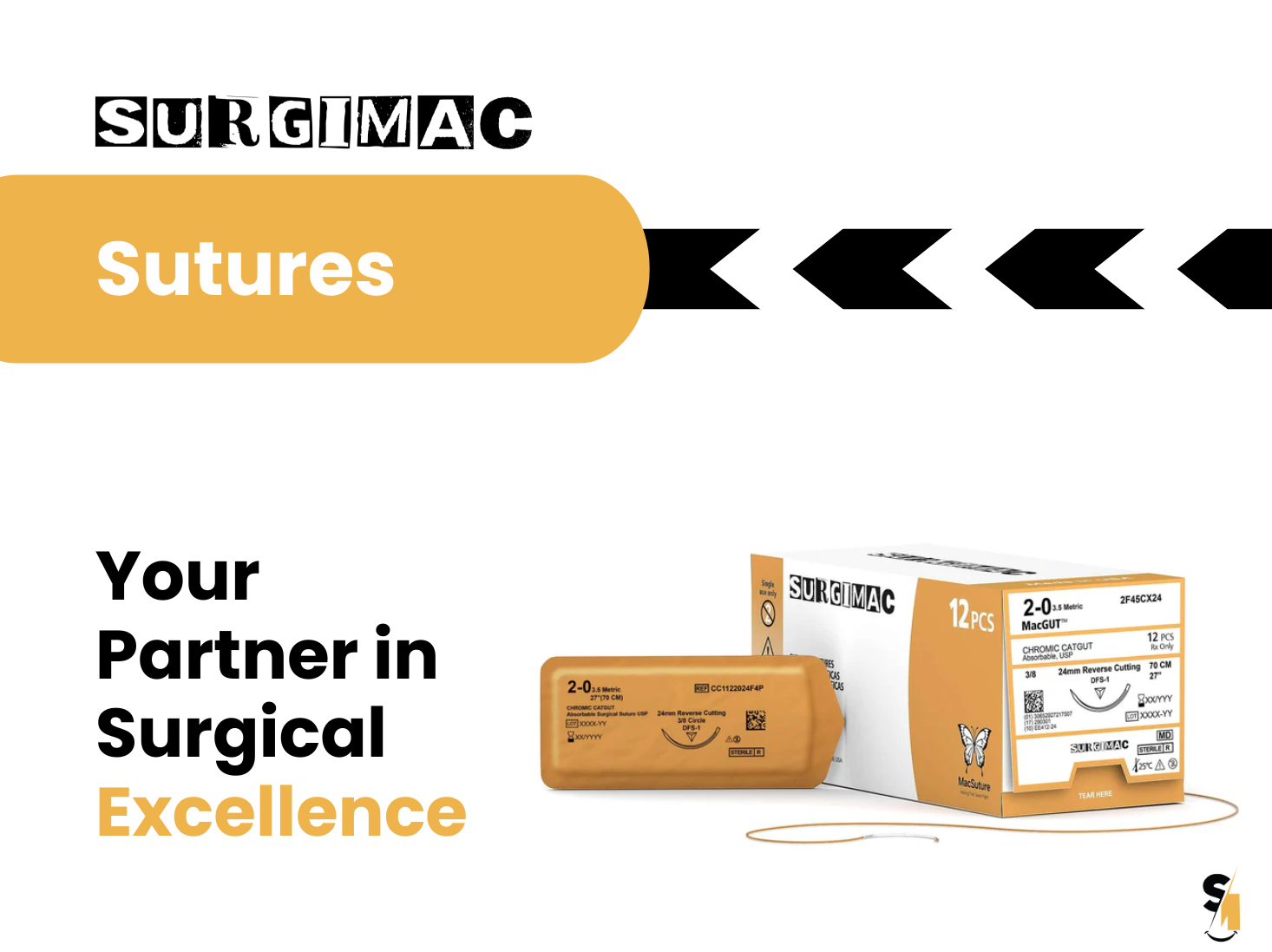
SurgiMac supplies U.S. dental professionals with dental and surgical products. Its catalog includes items such as nitrile exam gloves, surgical blades, and sterilization wrap. Product availability and specifications should be confirmed on the relevant listing at the time of purchase.
Supplier selection is not only a question of price. A useful review starts with the clinical requirement and checks whether the supplier provides enough product information to support a confident purchase. Use the same criteria across suppliers so the team can compare like with like.
For regulated products, buyers should use product-specific information rather than broad assumptions about a supplier or category. The U.S. Food and Drug Administration provides information about medical products and regulatory oversight; consult relevant FDA resources and manufacturer labeling when a product's regulatory status or intended use needs verification. A listing alone should not replace the practice's clinical judgment or its established purchasing requirements.

A simple comparison can separate the source's role from the product's clinical suitability. Use the table as a starting point, then confirm the specific terms and product details directly with the seller or manufacturer. The exact services and terms vary by provider.
| Source type | When it may fit | What to verify | Possible limitation |
|---|---|---|---|
| Professional dental or medical distributor | When a practice wants to review multiple supply categories through one purchasing channel. | Seller identity, product specifications, current availability, documentation, and order terms. | A broad catalog does not mean every item is suitable for every procedure; verify each item individually. |
| Manufacturer or authorized channel | When the buyer needs product-line details, manufacturer instructions, or a specific model. | That the source is the manufacturer or an authorized seller, and that the product matches the required configuration. | The channel may carry a narrower range of brands or categories. |
| General online marketplace | When a buyer is evaluating an item and can independently verify its source and details. | Who fulfills the order, whether the seller is authorized where applicable, product labeling, packaging, and return terms. | Seller and listing details can vary; do not rely on a listing that lacks key specifications or traceable source information. |
| Local or specialty supplier | When a practice needs a specific product category or direct assistance with selection. | Product fit, documentation, availability, delivery arrangements, and support process. | Selection may be limited to the supplier's specialty or local inventory. |
Start with the procedure, the clinician's requirements, and the practice's written protocols. Then translate those needs into product characteristics that can be checked on a listing or in manufacturer information. This avoids selecting a product just because its name sounds familiar or its packaging resembles an item already in use.
For example, when sourcing a blade for a clinical workflow, the buyer should check the required blade type and the product's stated configuration rather than choosing by the word “surgical” alone. A practice comparing a disposable surgical blade listing should verify that the item and package meet the clinician's requirements. Similarly, a practice buying bouffant caps should confirm the product details and intended workflow before adding it to a routine order.
A short, repeatable purchasing process reduces avoidable substitutions and makes it easier for staff to reorder the intended item. It need not be complicated. Practices can begin with a controlled list of frequently used supplies and a clear approval path for changes.
Practices sourcing protective and infection-control products can also review their needs across product types rather than relying on a single label. For instance, compare gloves against the practice's stated requirements and consult the product information for each specific item. SurgiMac's MacSafe line is associated with infection-control and personal-protection products; product details should be checked on the listing before selection. For clinical cutting instruments, MacCut is the relevant SurgiMac brand collection. These brand names do not replace product-specific verification.
Several common purchasing errors are preventable with a short check before checkout and again when the shipment arrives.
Rather than making every order a fresh search, create a shortlist for recurring categories. Begin with the products the practice uses most often, then evaluate suppliers against a consistent checklist:
Keep the shortlist specific to product category. The source that works for everyday protective products may not be the best fit for a specialty instrument or a product requiring detailed clinical review. Revisit the list when product requirements change, a supplier's terms change, or repeated ordering problems arise.
For related supply needs, buyers can review surface disinfecting wipes, sterile ABD pads, and plastic hub dental needles. Check each item's current product information and intended use; these product categories serve different workflows and should not be substituted for one another.
Receiving supplies is part of the sourcing process. A prompt, consistent check helps staff identify an order issue before an item is put into storage or made available for use. Follow the manufacturer's handling instructions and the practice's established procedures throughout receiving and storage.
This check also creates useful feedback for supplier reviews. If the same order problem occurs repeatedly, the purchasing lead can compare the records, clarify product details before the next order, or reassess whether the source fits the practice's needs. Keep the response proportionate to the item and its intended use; a delivery discrepancy is a reason to pause and verify, not to improvise a substitute.
Call to discuss a dental supply order
Start by listing the supplies required for the practice's current procedures and protocols. Compare professional suppliers using product identity, specifications, documentation, availability, and support criteria, then select items only after their details match the clinical requirement.
A buyer may encounter professional products on general marketplaces, but should verify the seller, product source, labeling, specifications, packaging, and return process. If an essential detail cannot be confirmed, use a source that can provide the information or ask the manufacturer before purchasing.
Price is one factor, but it does not establish product suitability. Compare the full package quantity, specifications, source, and ordering terms, and follow the clinician's requirements and practice protocols before considering a lower-priced alternative.
Review it when product requirements or supplier terms change and when the practice sees recurring availability, delivery, or order accuracy problems. A regular review schedule can also help keep item details and purchasing responsibilities current.
The best place to buy surgical supplies is a source that provides products matching the practice's clinical requirements and enough information to verify each purchase. A consistent comparison process, clear item records, and careful receipt checks help dental teams make more dependable sourcing decisions.