
Zirconia Crowns for Dental Practices: Material and Buying Guide
- , by SurgiMac
- 10 min reading time
Compare zirconia crown designs, evaluate lab and material specifications, and plan cementation and inventory decisions for your dental practice.
A zirconia crown can support a durable, tooth-colored restoration, but the material name alone does not tell a practice whether a particular crown is appropriate for a case. Design, translucency, preparation, opposing dentition, esthetic demands, laboratory workflow, and the manufacturer's instructions all matter. This guide gives U.S. dental teams a practical framework for evaluating zirconia options and the related supplies and workflow before ordering.
Shop SurgiMac dental supplies for restorative workflows
What 'zirconia crown' means in practice
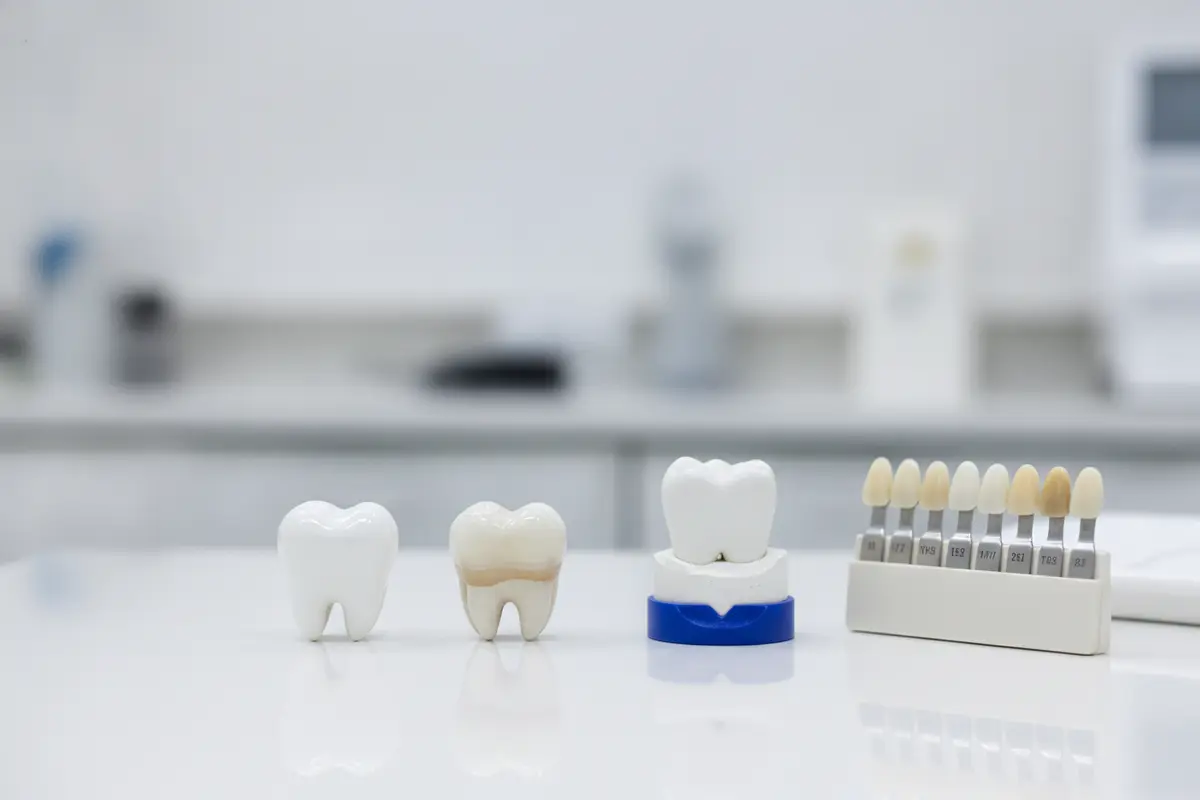
Zirconia is a ceramic material based on zirconium dioxide. In restorative dentistry, zirconia crowns are produced from dental zirconia blanks using a digital or laboratory fabrication workflow, then finished according to the material and restoration design. It is not a single uniform product: formulations and processing affect strength, translucency, and the recommended clinical indications.
Practices will commonly encounter monolithic crowns, made primarily from one zirconia material, and layered designs in which veneering ceramic is added to a zirconia substructure. Some product lines offer more translucent formulations intended to improve optical appearance. These labels are useful starting points, not a substitute for reviewing the specific product documentation and indication. A more translucent option is not automatically the best choice for every tooth or loading condition, and a high-strength option still has to meet the esthetic requirements of the case.
For purchasing decisions, confirm the exact material, product line, and intended indication rather than relying on a generic 'zirconia' description. Ask the dental laboratory or manufacturer what restoration design and processing route are being supplied, and keep the relevant instructions for use (IFU) accessible to the clinical team.
Match the design to the case, not just the material name
Material selection belongs in the broader treatment plan. The prescribing dentist evaluates the clinical situation and patient-specific factors; a purchasing guide cannot replace that judgment. Before specifying a zirconia crown, consider the location of the tooth, occlusal demands, available restorative space, shade and translucency needs, preparation geometry, and whether the restoration is monolithic or layered.
| Option or factor | Potential workflow advantage | Questions to resolve before ordering |
|---|---|---|
| Monolithic zirconia | A single-material restoration design can avoid a separate veneering layer. | Does the specific product meet the case's esthetic needs and indicated use? What finishing and polishing steps does its IFU specify? |
| Layered zirconia | Veneering ceramic can provide a different approach to surface appearance and characterization. | What design does the lab recommend, and what are the product's handling and finishing requirements? |
| Higher-translucency formulation | May be considered when optical appearance is a priority. | What are the manufacturer's stated indications and limitations for this particular formulation? |
| Cementation plan | Planning in advance helps the team prepare the appropriate materials and follow the specified protocol. | What retention, preparation, restoration, and IFU requirements determine the cement and surface-treatment steps? |
The table is a planning aid, not a ranking. Product specifications and clinical indications differ by manufacturer and formulation. Where case demands, design, or instructions are unclear, resolve them with the treating dentist and the laboratory or manufacturer before the restoration is fabricated.
Use a repeatable specification and ordering checklist
A consistent order process reduces avoidable questions between the practice and its laboratory. Before submitting a case, make sure the prescription and communication record clearly identify the following, as applicable:
- Restoration and tooth: identify the tooth, restoration type, and any design details requested by the prescribing clinician.
- Material and design: specify the named zirconia product or agreed material family, and whether the design is monolithic or layered when relevant.
- Shade and characterization: provide the shade information and any laboratory communication needed for the case. Confirm what the specific product and workflow support.
- Preparation and records: send the required scan or impression, opposing and bite records, and preparation details according to the lab's submission requirements.
- Indication and documentation: verify that the selected product is indicated for the intended restoration and retain its current IFU and traceability information.
- Delivery timing and fit review: coordinate the expected return and the practice's clinical evaluation steps without assuming that a material choice guarantees a particular outcome.
Confirm the laboratory's acceptance requirements before a case leaves the practice. Missing or inconsistent shade information, incomplete records, and ambiguity about material design can create additional coordination work. Standardizing the order form and having a designated team member check it can make restorative workflows more predictable.
Prepare for delivery and keep case records complete
Receiving a crown is another point where a clear process helps. The team member receiving the case can compare the accompanying identification and documentation with the prescription, then route any discrepancy to the dentist before the restoration is prepared for placement. Do not infer a material or product line from appearance alone. If the label, laboratory paperwork, or case record does not match the order, pause and ask the laboratory or supplier to clarify.
Keep the records needed to connect the restoration with its case and instructions. Depending on the product and practice process, this may include the laboratory prescription, material identification, relevant IFU, and communication about the design or shade. Maintain records in accordance with applicable practice policies and requirements. When a manufacturer updates its instructions, make sure the team can identify which version applies to the product on hand rather than relying on an old printout or an informal recollection.
Before treatment, the dentist evaluates the restoration clinically and determines whether it is appropriate to proceed. This article does not set clinical acceptance criteria or replace the dentist's assessment. If there is a concern about fit, surface condition, shade, or the supplied material, communicate with the laboratory and resolve the concern under the practice's normal clinical process. A purchasing checklist supports accurate handoffs; it cannot guarantee fit or a patient outcome.
Plan the cementation workflow around the specific restoration
Do not treat zirconia like every other dental ceramic. Its composition and surface behavior differ from silica-based glass ceramics, so a familiar conditioning or bonding sequence may not be appropriate. In particular, do not assume that a hydrofluoric-acid etching protocol used for a glass ceramic applies to zirconia. The correct surface preparation, cleaning, primer or adhesive use, and cementation approach depend on the specific zirconia product, restoration design, preparation, and manufacturer's instructions.
Before the appointment, review the current IFU for both the restoration material and the selected cement or related materials. Follow the labeled steps and applicable professional guidance; do not substitute a generic protocol for product-specific directions. If the clinical team is deciding among cement categories, base the decision on the case's retention and preparation factors and the manufacturers' stated compatibility, not on the assumption that one cement works for every zirconia crown.
For supply planning, SurgiMac's CX-Plus Liquid Dental Cement and GlasIonomer Base Cement Kit are examples of related cement product pages to review against a case's requirements. Their presence here is not a recommendation that either is suitable for every zirconia restoration. Confirm the product's own indications and instructions before use.
Coordinate restorative materials and instruments
A zirconia crown case may involve more than the crown itself. Depending on the clinical plan, the practice may need to review core build-up materials, finishing supplies, and the instruments used during evaluation and adjustment. Keep these choices tied to the dentist's plan and the product instructions. Do not alter a restoration with a bur or polishing system unless the material manufacturer's guidance supports the process.
For related purchasing research, see SurgiMac's dental core build-up powder and CAD/CAM stain kit product information. They address adjacent restorative workflow needs; they do not establish that either product is required for, or compatible with, a particular zirconia crown. Verify intended use and compatibility with the product documentation and the clinician or laboratory responsible for the case.
For a wider overview of how U.S. medical devices are regulated, the U.S. Food and Drug Administration's medical devices resource is a stable starting point. Device requirements and product status depend on the specific product and intended use; consult the applicable manufacturer documentation rather than inferring a crown's regulatory status from the general material category.
Build a sensible practice purchasing process
Dental teams sourcing zirconia crowns should distinguish between purchasing a finished restoration through a laboratory and purchasing materials or supplies that support an in-house workflow. In either model, evaluate the exact product, supplier documentation, availability, and ordering process. Avoid comparing products using a material label alone: product lines can differ in stated indications, processing requirements, translucency, and finishing recommendations.
A useful vendor and lab review can cover:
- Product identification: Can the supplier or laboratory identify the manufacturer and exact product line?
- Documentation: Are current instructions, handling requirements, and any applicable traceability details available?
- Workflow fit: Does the option fit the practice's scanning, laboratory communication, and cementation workflow?
- Case communication: Can the team confirm design, shade, and other prescription details before production?
- Inventory discipline: Are related cements and restorative materials tracked by product and expiration date, with storage and handling consistent with their labeling?
For a clinic or DSO, standardizing a short list of approved product families can simplify training and purchasing, but standardization should not override clinician judgment or the indication for an individual case. Maintain a process for reviewing exceptions, new product documentation, and changes to a manufacturer's instructions. Confirm current availability and commercial terms with the supplier; do not assume that a product page establishes bulk pricing or a specific fulfillment commitment.
Common selection mistakes to avoid
- Choosing by strength language alone: strength is only one dimension. Translucency, indication, design, preparation, and the individual case also matter.
- Assuming all zirconia is interchangeable: verify the exact formulation and IFU, including any limitations or finishing instructions.
- Using a generic cementation recipe: match surface treatment and cement selection to the restoration and product directions.
- Leaving lab details implicit: state the material and design clearly and transmit complete case records.
- Ordering adjacent materials without checking use: a product's presence in a restorative category does not prove compatibility with a specific crown or clinical indication.
These checks help the dental team make a deliberate purchasing and workflow decision while keeping clinical decisions with the licensed professionals responsible for the patient's care.
Explore SurgiMac dental supplies for restorative sourcing
Frequently asked questions
Are all zirconia crowns the same?
No. Zirconia products can differ in formulation, translucency, design, and stated indications. Review the exact manufacturer and product documentation rather than assuming a generic material name describes performance or appropriate use.
Can the same cementation protocol be used for every zirconia crown?
No universal protocol should be assumed. Follow the instructions for the specific restoration and cement, and account for the preparation and retention factors assessed by the treating dentist. Do not apply a glass-ceramic etching sequence to zirconia without explicit product guidance.
What information should a practice confirm before ordering?
Confirm the tooth and restoration, exact material and design, shade and laboratory requirements, completeness of scan or impression records, and availability of current instructions. Clarify any uncertain product indication or workflow detail with the laboratory or manufacturer before fabrication.
Does a more translucent zirconia automatically provide the best esthetic result?
No. Translucency is one consideration, and the appropriate balance depends on the case, product indication, restoration design, and laboratory workflow. The dentist and laboratory should select the specific product based on the clinical and esthetic requirements.
Tags
Blog posts
-
, by SurgiMac A Clinician's Guide to Absorbable Suture Material
-
, by SurgiMac A Clinician's Guide to Dental Composite Resin Kits
-
, by SurgiMac How to Disinfect with Metrex CaviWipes Correctly
