
A Guide to CaviWipes Surface Disinfectant
- , by SurgiMac
- 30 min reading time
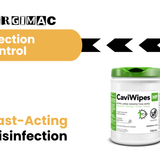
Get expert tips on using CaviWipes surface disinfectant wipes for safe, effective cleaning in dental and medical settings. Learn about contact time and safety.
You know that canister of CaviWipes is a staple for infection control. But are you using them to their full potential? True disinfection is more than a quick wipe-down. It’s about knowing the correct contact time for specific pathogens and which surfaces need a spot test first. This guide covers everything you need to master your technique with CaviWipes surface disinfectant wipes. We'll answer your key questions on material compatibility, kill times, and safety protocols, so you can be confident your clinic is truly protected.
Key Takeaways
- Simplify Your Protocol with a One-Step Solution: CaviWipes are a convenient, EPA-registered cleaner and disinfectant in one, allowing you to effectively kill a broad spectrum of pathogens like TB and SARS-CoV-2 on hard, non-porous surfaces without extra steps.
- Master the Contact Time for Full Effectiveness: For true disinfection, the treated surface must remain visibly wet for the entire contact time specified on the label—typically three minutes. Always allow the surface to air dry completely.
- Handle with Care for Safety and Compliance: Always wear appropriate personal protective equipment, such as MacSafe gloves, and ensure proper ventilation. Keep the canister lid sealed tightly between uses to prevent the wipes from drying out and losing potency.

What Exactly Are CaviWipes?
In any dental practice, maintaining a sterile environment isn't just best practice—it's essential for patient safety and your clinic's reputation. CaviWipes are a cornerstone of modern infection control, offering a simple and effective solution for disinfecting hard, non-porous surfaces. These durable, non-woven towelettes come pre-saturated with CaviCide solution, making them a convenient, one-step cleaner and disinfectant.
Designed for the fast-paced nature of clinical settings, CaviWipes eliminate the need to mix chemicals or use spray bottles, which can create aerosols. Instead, you get a ready-to-use wipe that provides consistent disinfecting power every time. From operatories and sterilization bays to reception counters, CaviWipes help you quickly and confidently turn over rooms between patients. They are formulated to be effective against a broad spectrum of pathogens without damaging sensitive equipment, ensuring your workspace remains both safe and functional.
How Do CaviWipes Destroy Pathogens?
The power of CaviWipes lies in their fast-acting CaviCide solution. This potent disinfectant works by attacking and breaking down the cellular walls of microorganisms, effectively neutralizing them. The formula is designed for broad-spectrum efficacy, proven to eliminate many common pathogens that pose a risk in clinical environments. According to the manufacturer, Metrex, CaviWipes are effective against TB, MRSA, HIV-1, and HCV. They are also proven to kill SARS-CoV-2 on hard, non-porous surfaces. With kill times as fast as three minutes for many common bacteria and viruses, your team can work efficiently while ensuring surfaces are properly disinfected.
Understanding Key Terms: Disinfectant, Antibacterial, and Antiviral
In the world of infection control, using the right terminology is just as important as using the right product. While terms like "disinfectant," "antibacterial," and "antiviral" are often used interchangeably in casual conversation, they have specific meanings that directly impact your clinic's safety protocols. Understanding these distinctions ensures you're selecting and using products like CaviWipes to their full potential. Let's break down what each term means for your practice.
- Disinfectant: This refers to a chemical agent that destroys or inactivates harmful microorganisms on hard, non-porous surfaces. CaviWipes are a prime example of an EPA-registered, broad-spectrum disinfectant. They are formulated to be effective against a wide range of pathogens, including tough-to-kill organisms like TB and MRSA, as well as viruses like HIV-1, HCV, and SARS-CoV-2. A true disinfectant provides a high level of microbial kill, which is essential for clinical infection control.
- Antibacterial: This term specifically means "effective against bacteria." While CaviWipes are certainly antibacterial, this term alone doesn't cover their full capabilities. An antibacterial hand soap, for instance, isn't suitable for disinfecting a dental chair. CaviWipes provide robust antibacterial action with kill times as short as three minutes for many common strains.
- Antiviral: As the name suggests, an antiviral agent is designed to kill viruses. This is a critical feature for any clinical disinfectant, especially given the persistence of viruses on surfaces. CaviWipes are proven effective against numerous viruses, making them an indispensable tool for preventing viral transmission between patients and staff.
What's Inside? Key Ingredients and EPA Approval
Trust and compliance are critical when selecting a disinfectant. CaviWipes are formulated with quaternary ammonium compounds, a class of disinfectants known for their effectiveness and stability. This active ingredient, combined with isopropyl alcohol, allows the CaviCide solution to clean and disinfect simultaneously. CaviWipes are registered with the Environmental Protection Agency (EPA), which means they have undergone rigorous testing to prove their efficacy claims. Furthermore, they meet the criteria for the EPA’s List N, confirming their effectiveness against the virus that causes COVID-19 and giving you peace of mind that you are using a federally approved product.
Active Ingredients Breakdown
The effectiveness of CaviWipes comes down to a powerful duo of active ingredients: quaternary ammonium compounds and isopropyl alcohol. Think of "quats" as the heavy lifters in the formula; they are excellent at breaking down the outer layers of bacteria and viruses, which is how they achieve their disinfectant properties. The isopropyl alcohol complements this action by serving as a rapid-acting cleaning agent that helps dissolve residues and ensures the surface is prepped for disinfection. This combination allows CaviWipes to function as a one-step cleaner and disinfectant, streamlining your infection control protocol and saving valuable time between patient appointments without compromising on efficacy.
Key Product Features: Bleach-Free and Fragrance-Free
One of the most significant advantages of CaviWipes is what they don’t contain: bleach and fragrances. While effective, bleach can be corrosive over time, potentially damaging expensive dental chairs, countertops, and sensitive equipment. CaviWipes provide a powerful alternative that is compatible with a wide range of materials found in a dental operatory. The fragrance-free formulation is another key benefit, as it helps create a more neutral and comfortable environment for both patients and staff who may have sensitivities or allergies. This thoughtful design ensures you can maintain the highest standards of disinfection without introducing harsh odors or risking damage to your valuable assets.
Why Choose a Pre-Saturated, Durable Wipe?
One of the biggest benefits of CaviWipes is their sheer convenience and reliability. Because they are ready to use right out of the canister, you eliminate any chance of human error from improper dilution of concentrated disinfectants. Each towelette is fully saturated to ensure consistent application of the CaviCide solution. The wipes themselves are made from a durable, non-woven material that resists tearing and bunching, allowing you to cover surfaces thoroughly without the wipe falling apart. This design ensures better surface contact and more effective disinfection, making them a dependable choice among your essential dental disposables.
CaviWipes vs. CaviWipes1 vs. CaviWipes 2.0: What's the Difference?
A Guide to Contact Times
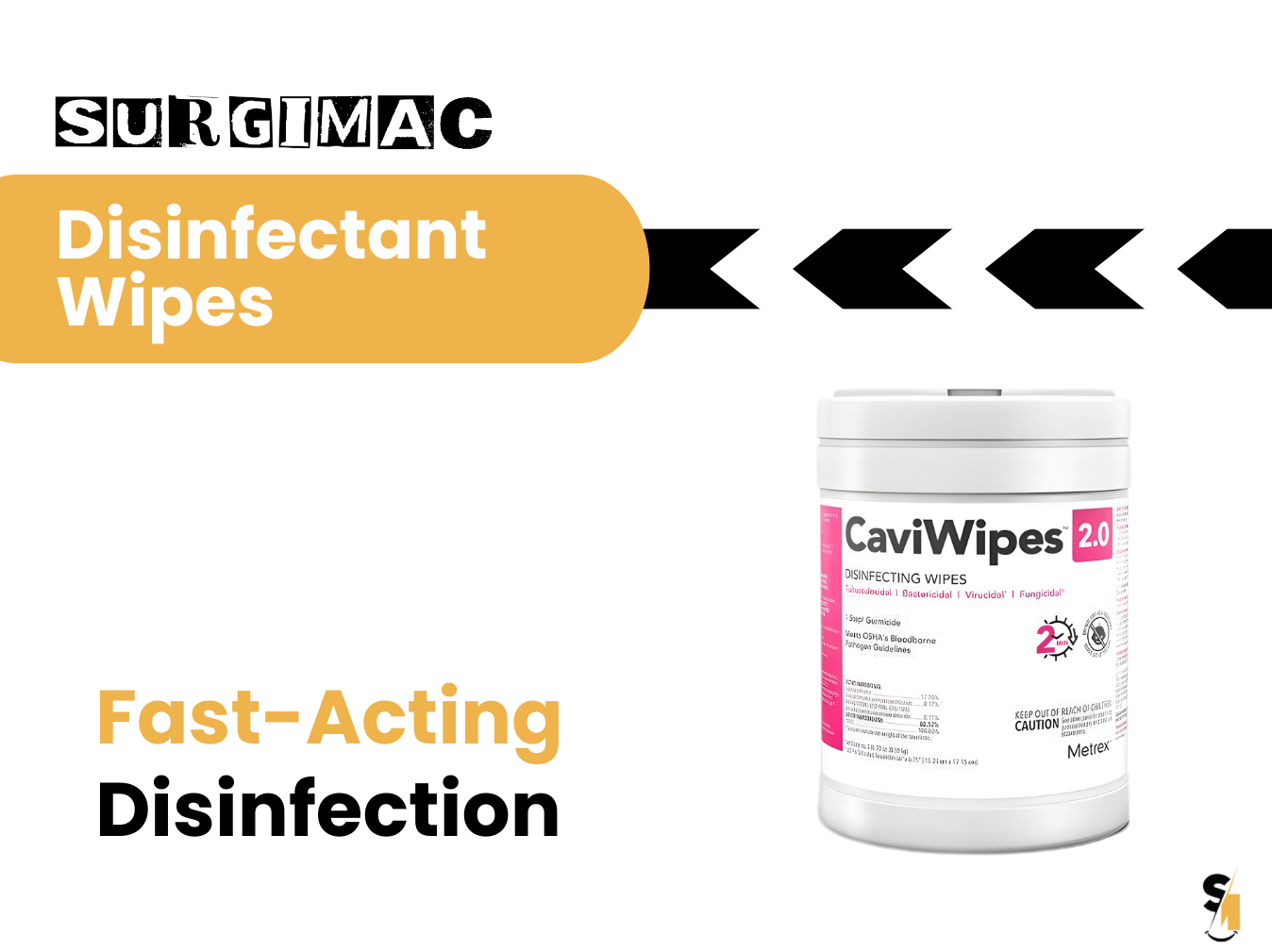
Metrex offers several versions of its popular CaviWipes, and while they all provide excellent disinfection, the primary difference lies in their required contact time. Understanding this distinction is key to selecting the right wipe for your practice's workflow. The standard CaviWipes require a 3-minute contact time to achieve full efficacy against a broad spectrum of pathogens, including TB. For practices prioritizing rapid turnover between patients, CaviWipes1 offers a significant advantage with a 1-minute contact time. Sitting between them is CaviWipes 2.0, which requires a 2-minute contact time, offering a balance of speed and thoroughness. Choosing the appropriate surface disinfectant wipe ensures your infection control protocols are both compliant and efficient, allowing you to meet the demands of a busy schedule without compromise.
What Pathogens Do CaviWipes Eliminate?
A surface disinfectant is only as effective as the pathogens it can kill. In a busy clinical setting, you need confidence that your chosen solution provides broad-spectrum efficacy against the microorganisms that pose the greatest risk to patients and staff. CaviWipes are engineered to eliminate a wide range of bacteria, viruses, and fungi, making them a reliable tool for daily infection control. Their proven formula targets dozens of pathogens, ensuring your treatment areas are disinfected and ready for every procedure.
From TB to MRSA: The Pathogens CaviWipes Target
CaviWipes deliver powerful, one-step cleaning and disinfection against a comprehensive list of clinically relevant microorganisms. Their efficacy extends across bacteria, viruses, and fungi, providing the assurance needed for high-consequence environments. The formula is proven to kill key pathogens including Staphylococcus aureus, Pseudomonas aeruginosa, Salmonella enterica, and Human Coronavirus. Notably, CaviWipes are on the EPA’s List N, confirming their effectiveness against SARS-CoV-2, the virus that causes COVID-19. This broad-spectrum action is essential for a complete infection control protocol, helping you maintain a safe and hygienic practice with a single, convenient product.
Expanded Efficacy Against HBV, Influenza, E. coli, and More
The disinfecting power of CaviWipes extends well beyond the headline pathogens. They are also proven effective against other significant health threats, including Hepatitis B Virus (HBV), Influenza A virus, and bacteria like Escherichia coli (E. coli). This is particularly crucial in a dental environment where the risk of exposure to bloodborne pathogens and respiratory viruses is always present. Having a single product that can reliably neutralize such a diverse range of microorganisms streamlines your sterilization and disinfection protocols. It means you don't need separate solutions for different threats, allowing your team to work more efficiently while maintaining the highest standards of patient and staff safety. This comprehensive protection is what makes CaviWipes a trusted staple in clinics nationwide.
How Fast Do CaviWipes Work? A Guide to Kill Times
For a disinfectant to work, it must remain on a surface for a specific duration known as the contact time. CaviWipes feature fast and clearly defined kill times, which helps streamline operatory turnover without compromising safety. They achieve disinfection against many common pathogens in just two minutes, including Methicillin-resistant Staphylococcus aureus (MRSA), Vancomycin-resistant Enterococcus faecalis (VRE), Hepatitis B Virus (HBV), Hepatitis C Virus (HCV), HIV-1, and SARS-CoV-2. For more resistant organisms like Mycobacterium tuberculosis (TB) and Trichophyton mentagrophytes, the contact time is three minutes. Adhering to these times ensures you achieve the intended level of disinfection every time you wipe down a surface.
The Role of CaviWipes in Preventing HAIs
Healthcare-associated infections (HAIs) pose a significant risk in any clinical setting, and diligent surface disinfection is a primary defense. By effectively killing pathogens on hard, non-porous surfaces, CaviWipes help break the chain of infection from equipment to clinicians and between patients. Integrating CaviWipes into your daily protocols helps reduce the microbial load in your operatories, waiting rooms, and sterilization areas. This commitment to surface hygiene is a cornerstone of a larger safety strategy, working alongside personal protective equipment from the MacSafe line to create a secure environment for everyone in your practice.
The Statistical Impact on Infection Rates
The numbers speak for themselves when it comes to diligent surface disinfection. Research highlights that using the right disinfectants can lower hospital-acquired infections (HAIs) by nearly 30%. This significant reduction underscores the critical role that products like CaviWipes play in daily clinical practice. By effectively neutralizing pathogens on high-touch surfaces, these wipes actively break the chain of transmission between patients, equipment, and your team. Consistently integrating CaviWipes into your turnover and cleaning routines helps diminish the overall microbial load in your operatories, contributing to a safer environment and reinforcing your commitment to the highest standards of patient care.
Where Can You Use CaviWipes Safely?
CaviWipes are designed for the rapid disinfection of hard, non-porous surfaces and are a staple in any clinical setting where infection control is a top priority. Their broad-spectrum efficacy and convenient format make them suitable for a wide range of applications, from the dental operatory to common areas within your practice. Understanding where and how to use them ensures you are maximizing their protective power while safeguarding your equipment and maintaining a safe environment for both patients and staff.
Perfect for the Dental Operatory and Clinical Settings
Inside the operatory, CaviWipes are essential for cleaning and disinfecting surfaces between patient appointments. They are recommended for use on hard, nonporous materials commonly found in dental and medical environments, including stainless steel, glass, plastics, and vinyl. Use them on dental chairs, countertops, light handles, trays, and control panels to effectively break the chain of infection. Integrating CaviWipes into your workflow is a critical step in a comprehensive infection control strategy, complementing the use of personal protective equipment from our MacSafe line to ensure total clinical safety. Their effectiveness in high-stakes environments like surgical centers and hospitals makes them a trusted choice for any dental practice.
Beyond the Clinic: Versatile Uses for CaviWipes
The utility of CaviWipes extends well beyond the treatment room. Think about all the high-touch surfaces in your practice that are contacted by numerous people throughout the day. Reception desks, waiting room chairs, door handles, and staff breakroom surfaces are all potential hotspots for pathogens. Using CaviWipes in these areas helps maintain a hygienic environment for everyone who walks through your doors. This proactive approach to disinfection demonstrates a commitment to patient and staff well-being, reinforcing the trust and professionalism your practice is built on. Their versatility makes them an ideal single-product solution for maintaining cleanliness throughout your entire facility.
Is It Safe for Your Surfaces? Checking Compatibility
A common concern for any clinician is whether a disinfectant will harm expensive equipment. CaviWipes are formulated to be effective without causing damage to most common materials found in a dental practice. Studies have confirmed their material compatibility, giving you confidence when cleaning surfaces where you place your precision instruments. While CaviWipes are safe for most nonporous surfaces, it’s always a best practice to consult your equipment manufacturer’s guidelines for specific cleaning instructions. This ensures the longevity of your valuable tools, from operatory chairs to the trays holding your Air Series instruments.
Surfaces to Avoid and When to Spot Test
While CaviWipes are incredibly versatile, they aren't meant for every surface. You should avoid using them on porous materials like untreated wood, fabrics, or certain sensitive plastics, as these surfaces cannot be guaranteed to be fully disinfected with a wipe. For any new or high-value equipment, especially items with special coatings or delicate finishes, a spot test is a non-negotiable first step. Simply apply a wipe to a small, inconspicuous area and wait to see if there is any discoloration or damage before proceeding with full disinfection. This simple precaution is the best way to protect your investment in valuable dental equipment and ensure you are following best practices for both safety and equipment longevity.
How to Use CaviWipes for Maximum Effectiveness
While CaviWipes are designed for efficiency, their disinfecting power depends entirely on proper technique. Simply swiping a surface isn’t enough to ensure you’ve eliminated harmful pathogens. Achieving true disinfection requires a methodical approach that allows the chemical solution to do its work. Following a consistent, multi-step process ensures that every surface is not just visibly clean but clinically disinfected, which is fundamental to maintaining a safe environment for both patients and staff.
Think of it as a three-part protocol: preparing the surface, ensuring complete coverage, and allowing for the necessary contact time. Each step is critical for breaking the chain of infection and upholding the highest standards of clinical hygiene. By integrating these practices into your daily workflow, you can confidently rely on CaviWipes to provide the powerful surface disinfection your practice needs. For a complete overview of hygiene protocols, explore our full range of infection control solutions.
Step 1: Start with a Clean, Prepared Surface
Before you even open the CaviWipes canister, take a moment to inspect the surface. CaviWipes are formulated to be a one-step cleaner and disinfectant for hard, nonporous surfaces, but this applies to surfaces without a heavy soil load. If you see visible dirt, dust, or organic matter, you must pre-clean the area first. This initial cleaning removes physical debris that can act as a barrier, preventing the disinfectant from reaching and killing the microorganisms underneath. A quick wipe with a disposable towel to remove gross filth ensures the CaviWipes solution can work directly on the pathogens.
Step 2: Ensure Complete Coverage with a Thorough Wipe
Once the surface is prepared, pull a fresh CaviWipe from the container. These durable, non-woven towelettes are fully saturated to provide ample coverage. As you wipe, use firm, deliberate strokes to ensure you cover the entire surface area, paying close attention to corners, seams, and high-touch points. The goal is to leave the surface visibly wet. Don’t be tempted to stretch one wipe too far; if you’re disinfecting a large area like a countertop or patient chair, use as many wipes as needed to ensure complete and uniform wetness. This thorough application is key to achieving consistent disinfection results.
Step 3: Respect the Contact Time (and Avoid These Mistakes)
This is the most critical step in the process. For CaviWipes to be effective, the treated surface must remain visibly wet for the entire contact time specified on the product label—typically three minutes. Do not wipe the surface dry. Allow it to air dry completely. If you notice the surface drying before the contact time is up, you must re-wipe it to ensure it stays wet. A common mistake is overlooking personal safety; always wear appropriate personal protective equipment (PPE), including high-quality disposable gloves from our MacSafe line, to protect your hands during disinfection procedures.
Handling CaviWipes Safely: Key Precautions
While CaviWipes are designed for efficiency and ease of use, following proper safety protocols is essential for protecting your clinical team and patients. Like any professional-grade disinfectant, these wipes contain powerful chemical agents that require mindful handling. Adhering to the manufacturer's safety guidelines ensures you get the full benefit of their disinfecting power without compromising the well-being of your practice. Taking a few simple precautions will help you maintain a safe and compliant environment.
Your PPE Checklist: Using MacSafe Gear with CaviWipes
Proper personal protective equipment is non-negotiable when handling any chemical disinfectant. The safety data sheet for CaviWipes clearly advises users to avoid contact with skin, eyes, and clothing. At a minimum, you should always wear high-quality disposable gloves to prevent direct skin contact and potential irritation. For tasks that could create splashes, wearing appropriate eye protection is also recommended. The MacSafe line offers reliable protective gear designed for clinical environments. After you’ve finished disinfecting surfaces, always remove your gloves properly and wash your hands thoroughly with soap and water to remove any residual chemicals.
Flammability and Ventilation: What You Need to Know
CaviWipes contain isopropyl alcohol, which makes them effective but also flammable. Because of this, they should never be used near open flames, sparks, or high-heat sources. It’s also important to ensure your treatment rooms and sterilization areas are well-ventilated when you are using the wipes. Good airflow helps disperse the chemical vapors, reducing inhalation and minimizing any potential for eye irritation. Proper ventilation is a cornerstone of a comprehensive infection control strategy, creating a safer breathing environment for both staff and patients throughout the day. Always be mindful of your surroundings when using alcohol-based disinfectants.
Best Practices for Storing and Handling CaviWipes
To maintain the efficacy of your CaviWipes and ensure safety, proper storage is key. Keep the container in a cool, dry area away from direct sunlight and heat, as high temperatures can degrade the disinfectant solution. Always make sure the canister lid is sealed tightly after each use. This simple step prevents the wipes from drying out, which would render them ineffective. Before using, it’s also a good practice to check the expiration date on the packaging. Using expired products can compromise your disinfection protocol. Sourcing from a trusted provider of dental supplies ensures you receive products that have been stored correctly and have a viable shelf life.
Understanding Shelf Life and Storage Conditions
To get the most out of every wipe, proper storage is essential. Keep your CaviWipes container in a cool, dry place away from direct sunlight and heat, since high temperatures can weaken the disinfectant solution. After each use, make sure the canister lid is sealed tightly. This is a crucial step to prevent the wipes from drying out and losing their effectiveness. It's also a good habit to check the expiration date on the packaging before you use them, as expired products can compromise your disinfection protocol. Ordering from a trusted provider of dental supplies helps ensure you always receive fresh, properly stored products with a reliable shelf life.
Important Safety Warning: Do Not Use on Skin
CaviWipes are formulated exclusively for hard, non-porous surfaces and should never be used as personal hand sanitizers or skin cleansers. The chemical composition is designed to break down tough pathogens, which makes it far too harsh for direct skin contact and can cause significant irritation or dermatitis. The safety data sheet for CaviWipes clearly advises users to avoid contact with skin, eyes, and clothing. Always wear appropriate personal protective equipment, including high-quality MacSafe disposable gloves, to create a reliable barrier and handle these wipes safely. This simple precaution is a critical part of your practice's safety protocol.
Proper Disposal and Environmental Considerations
Once you’ve finished disinfecting a surface, proper disposal of the used wipe is crucial. The rule is simple: throw used CaviWipes in the trash. Never, under any circumstances, flush them down the toilet. Unlike toilet paper, these wipes are made from a durable, non-woven material that does not break down in water. Flushing them can lead to severe plumbing blockages in your practice and contribute to larger blockages in municipal sewer systems. Responsible disposal of all dental disposables is part of maintaining a professional and environmentally conscious practice. By ensuring every wipe ends up in the trash, you protect your facility’s plumbing and the local water treatment infrastructure.
How Do CaviWipes Compare to Other Disinfectants?
When it comes to surface disinfection, the market offers a variety of options, but not all are created equal. The choice often comes down to pre-saturated wipes versus liquid sprays, and understanding the clinical differences is key to maintaining a safe and efficient practice. While sprays have their place, pre-saturated wipes like CaviWipes offer a unique combination of convenience, consistency, and compliance that makes them a standout choice for busy dental settings.
CaviWipes are specifically engineered to clean and disinfect hard, nonporous surfaces in healthcare environments. Their formulation is designed to be a one-step solution that effectively kills a broad spectrum of pathogens without the extra steps required by other systems. This integrated approach not only simplifies your infection control protocol but also ensures you meet clinical standards with every use. Let's break down how they compare to other common disinfectants.
Disinfectant Wipes vs. Sprays: Which Is Better for Your Practice?
The debate between wipes and sprays often centers on application and safety. Disinfectant sprays can release chemicals into the air, creating aerosols that may be inhaled by you or your patients. They also require a separate towel for application, which introduces another variable into your disinfection process. In contrast, CaviWipes are pre-saturated towelettes that deliver a consistent amount of disinfectant directly to the surface, minimizing airborne particles and ensuring proper saturation. Their formulation is a reliable choice for killing a wide range of pathogens on nonporous clinical surfaces, from countertops to equipment.
A Look at Cost-Effectiveness for Large Areas
When managing a large clinical space, efficiency directly impacts your bottom line. While buying disinfectant concentrate might seem more economical, CaviWipes provide significant value by streamlining your workflow and reducing the potential for human error. Their one-step clean-and-disinfect formula eliminates the need for multiple products and reduces the time staff spend on operatory turnover. This translates to lower labor costs and more time for patient care. The pre-saturated design also ensures a consistent, correct dilution every time, preventing the waste and inconsistent efficacy that can occur with mixing solutions or using sprays. By simplifying your infection control protocol, CaviWipes help you manage resources effectively without compromising on clinical standards, making them a smart investment for the entire practice.
Why Efficiency and Convenience Matter in Disinfection
In a busy practice, every minute counts. CaviWipes are durable, non-woven towelettes that offer significant time-saving convenience. They are ready to use right out of the canister, eliminating the need to mix solutions or search for paper towels. This efficiency is backed by powerful performance; CaviWipes can kill many label-listed organisms in just three minutes. Some formulations even offer a fast, one-minute universal contact time, qualifying them for the EPA's List N. This speed allows for faster room turnover between patients while ensuring your team, protected by MacSafe gloves, can work confidently and effectively.
Which CaviWipes Packaging Is Right for You?
To meet the diverse needs of modern dental practices, CaviWipes are available in several sizes and counts. Standard wipes (6" x 6.75") come in canisters of 160 or 220, perfect for placing in each operatory. For larger surfaces like dental chairs and countertops, the XL Wipes (9" x 12") provide greater coverage and are available in canisters of 65. There are also individually packaged single wipes, which are ideal for mobile carts or situations requiring a fresh, untouched wipe every time. This variety allows you to select the most practical and cost-effective option for every area of your clinic.
Canisters, Tubs, and Flat Packs Explained
Let's break down the packaging formats to help you match the right CaviWipes product to your workflow. The classic canister is the most common choice for operatories, offering a self-dispensing system that keeps wipes moist and ready for quick turnover. For high-volume areas like sterilization bays, larger tubs provide a bulk supply, which can be a more economical option for your practice's overall infection control needs. Flat packs contain individually wrapped wipes, ensuring each one is sterile until opened, making them ideal for mobile carts or any situation where you need guaranteed single-use sterility. Selecting the right mix of these formats ensures you have the most efficient and effective dental disposables on hand for every clinical scenario.
Establishing a Broader Disinfection Strategy
Effective surface disinfection is more than just having the right products on hand; it’s about building a comprehensive strategy that leaves no room for error. Your protocol should be consistent, easy for your team to follow, and powerful enough to handle the daily microbial challenges of a clinical environment. This means selecting a disinfectant that aligns with your practice's needs and implementing a cleaning schedule that ensures every high-touch surface is addressed correctly. By standardizing your approach, you create a reliable system that protects your patients, your staff, and your reputation, making safety a seamless part of your daily operations.
Choosing the Right Disinfectant for Your Practice
Selecting the right disinfectant is a critical decision. You need a product that is both powerful and practical. CaviWipes are an excellent choice because they are a convenient, EPA-registered cleaner and disinfectant in one, simplifying your protocol without sacrificing efficacy. Formulated with quaternary ammonium compounds and isopropyl alcohol, they are engineered to kill a broad spectrum of pathogens, including tough organisms like TB and SARS-CoV-2, on hard, non-porous surfaces. This one-step solution saves valuable time during room turnover and ensures your team can confidently prepare for the next patient, making it a cornerstone of any modern infection control program.
Best Practices for Implementing a Cleaning Schedule
A great disinfectant is only effective when used correctly. The most critical factor for CaviWipes is adhering to the contact time—the surface must remain visibly wet for the entire duration specified on the label, which is typically three minutes. This isn't a suggestion; it's a requirement for achieving true disinfection. Train your team to apply the wipe generously and re-wipe if the surface begins to dry prematurely. Integrating this methodical process into your daily cleaning schedule ensures that every surface is not just visibly clean but clinically disinfected. Always remember to use proper PPE, like MacSafe gloves, to protect your team during these essential tasks.
Ready to Stock Up? Where to Buy CaviWipes
Once you’ve decided that CaviWipes are the right choice for your practice, the next step is finding a reliable place to buy them. Sourcing your infection control products from the right partner is just as important as choosing the product itself. It ensures you receive authentic, effective supplies that meet clinical standards, helping you maintain a safe environment for your patients and team. Let’s walk through what to look for in a supplier and how you can efficiently stock your practice.
Why You Need a Trusted Professional Supplier
When purchasing hospital-grade disinfectants like CaviWipes, it’s essential to work with a supplier that specializes in clinical products. A trusted professional distributor guarantees that the products are authentic and have been stored correctly to maintain their efficacy. Sourcing from a dedicated dental and surgical supplier means you’re partnering with a company that understands the demands of a healthcare environment. They can ensure a consistent supply chain for your most critical items, helping you keep your practice running smoothly without interruptions and upholding your high standards for patient safety.
Save More with Bulk Pricing and Options
For busy dental practices, buying in bulk is both a time-saver and a smart financial decision. CaviWipes are available in various packaging options to suit different needs, including canisters of 160 or 220 wipes, which are typically sold in cases of 12. Purchasing by the case ensures your operatories are always stocked, preventing last-minute shortages of essential supplies. This approach allows your team to focus on patient care instead of inventory management. Planning your orders this way helps manage your budget effectively while ensuring your infection control protocol never misses a beat.
Get Your CaviWipes Directly from SurgiMac
You can find CaviWipes XL Surface Disinfectant Wipes directly at SurgiMac, making it simple to keep your practice compliant and clean. We provide a straightforward ordering process so you can get the supplies you need without any hassle. While you’re stocking up on surface disinfectants, you can also explore our complete range of infection control solutions. Fulfill all your practice’s needs in one place by adding essentials like our MacSafe nitrile gloves and disposable lab coats to your order, ensuring your team is protected from every angle.
Frequently Asked Questions
Q: Are CaviWipes a one-step cleaner and disinfectant?
A: Yes, CaviWipes are designed to both clean and disinfect in a single step, which is a huge time-saver. However, this applies to surfaces that are not heavily soiled. If you see any visible dirt or organic matter, you should perform a quick pre-cleaning to remove the debris first. This ensures the disinfectant solution makes direct contact with the surface to effectively eliminate pathogens.
Q: Do I really need to leave the surface wet for the full contact time?
A: Absolutely. This is the most critical step for ensuring true disinfection. The contact time listed on the label, typically three minutes, is the specific duration the surface must remain visibly wet for the CaviCide solution to kill the listed microorganisms. If you notice the surface starting to air dry before the time is up, you must re-wipe it to maintain wetness.
Q: Will CaviWipes damage my dental equipment or surfaces?
A: CaviWipes are formulated to be compatible with the hard, non-porous materials commonly found in dental practices, including stainless steel, glass, and most plastics. While they are generally safe for clinical equipment, it is always a good practice to consult your equipment manufacturer’s instructions for their recommended cleaning and disinfecting agents to ensure longevity.
Q: What makes CaviWipes a better choice than a disinfectant spray?
A: The primary advantages are safety and consistency. Unlike sprays that can create airborne chemical particles, pre-saturated wipes apply the disinfectant directly to the surface, reducing inhalation risks for you and your patients. This method also ensures a uniform application of the solution every time, eliminating any guesswork or the potential for improper dilution.
Q: What kind of personal protective equipment (PPE) should I wear when using CaviWipes?
A: You should always wear protective gloves to prevent the chemical solution from coming into contact with your skin. High-quality disposable gloves, like those from our MacSafe line, are essential for this task. After you have finished disinfecting, remember to remove your gloves properly and wash your hands thoroughly with soap and water.
More Infection Control Insights
Related Articles
Tags
Blog posts
-
, by SurgiMac A Clinician's Guide to Absorbable Suture Material
-
, by SurgiMac A Clinician's Guide to Dental Composite Resin Kits
-
, by SurgiMac How to Disinfect with Metrex CaviWipes Correctly
