
Dental Disinfectant Wipes: What You Need to Know
- , by SurgiMac
- 37 min reading time
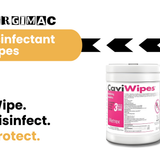
Dental disinfectant wipes are essential for safe, compliant practices. Learn how to choose, use, and train your team for effective infection control.
You can stock the most powerful, EPA-registered dental disinfectant wipes, but their effectiveness hinges on your team's technique. A simple mistake—like wiping a surface dry too soon or using the same wipe on multiple areas—can completely undermine your infection control and lead to cross-contamination. True safety isn't just about the product you choose; it’s about the process you follow. This guide breaks down the most common mistakes made during surface disinfection. We'll give you clear, actionable steps for training your team to execute flawless protocols, ensuring every surface is properly disinfected, every single time.
Key Takeaways
- Master the Disinfection Process: Effective surface disinfection is a two-step process. Always pre-clean to remove physical debris, then use a disinfectant wipe, ensuring the surface stays wet for the full contact time required by the manufacturer.
- Choose Compliant Products from Trusted Partners: Protect your patients and equipment by selecting EPA-registered, healthcare-grade wipes that are compatible with your surfaces. Sourcing from a reliable supplier guarantees product authenticity and quality.
- Turn Protocols into Habits with Consistent Training: Your infection control plan is only as strong as your team's execution. Implement regular, hands-on training to prevent common errors like cross-contamination and ensure safety procedures become second nature.

What's the Science Behind Dental Disinfectant Wipes?
It’s easy to think of a disinfectant wipe as just a convenient cleaning tool, but it’s actually a sophisticated piece of infection control technology. The effectiveness of these wipes isn’t just about wiping down a surface; it hinges on a combination of chemistry, application, and timing. Understanding how they function is the first step to ensuring your practice’s disinfection protocols are truly effective. From the specific chemicals that eliminate pathogens to the critical time they need to work, every detail matters. Let’s break down the science behind what makes these wipes a cornerstone of modern dental safety.
What Active Ingredients Make Them So Effective?
At the heart of every dental disinfectant wipe is a carefully chosen active ingredient designed to destroy a broad spectrum of pathogens. Most professional-grade wipes rely on powerful compounds like quaternary ammonium compounds (often called "quats") or hydrogen peroxide. These chemicals are selected for their ability to break down the cell walls of bacteria, fungi, and the envelopes of viruses, effectively neutralizing them. The formulation is key—it ensures the wipe can tackle everything from common bacteria to more resilient viruses found in a clinical setting. A robust infection control strategy depends on using products with proven, effective ingredients that meet healthcare standards.
Quaternary Ammonium Compounds
Often referred to as "quats," these compounds are a workhorse in many healthcare-grade disinfectants. Quaternary Ammonium Compounds are effective because they target and disrupt the cell membranes of microorganisms. According to research on disinfectants used in stomatology, this disruption is what ultimately neutralizes the pathogen. Think of it as breaking down the outer wall of a germ, causing it to lose its structural integrity. This mechanism makes them highly effective for low-level disinfection of non-critical surfaces in your operatory, such as countertops and equipment exteriors. They are valued for their cleaning ability and broad-spectrum efficacy against common bacteria and viruses.
Accelerated Hydrogen Peroxide
Accelerated Hydrogen Peroxide (AHP) offers a powerful yet safe alternative for surface disinfection. Unlike the hydrogen peroxide you might find in a first-aid kit, AHP is a stabilized formulation that acts much faster. It works through oxidation, essentially "burning" the essential components of germ cells, which makes it effective against a wide range of pathogens. A major advantage of AHP is its safety profile; it breaks down into harmless water and oxygen, making it environmentally friendly and gentle on most surfaces. This makes AHP-based wipes an excellent choice for practices looking for a balance of potent disinfection and material compatibility.
Alcohol-Based Formulations
Alcohols, primarily ethanol and isopropanol, are known for their rapid disinfecting action. They work by denaturing proteins—a process that breaks down the structure of essential proteins within bacteria and viruses, effectively killing them. As noted in studies, alcohols essentially dry out and dismantle these proteins, halting the microbe’s ability to function. While highly effective and fast-acting, it's important to ensure the chosen product is compatible with your equipment, as high concentrations of alcohol can sometimes damage sensitive materials like plastics or upholstery over time. Always check manufacturer guidelines before using alcohol-based disinfectant wipes on specific surfaces.
Other Common Disinfectant Agents
Beyond the most common formulations, other agents like chlorine compounds and iodine also play a role in disinfection. These are powerful oxidizing agents that work by damaging the genetic material of germs, which renders them inactive and unable to replicate. While extremely effective, these chemicals can be more corrosive than other options and often have a stronger odor, so they are typically reserved for specific applications rather than general surface disinfection. Understanding the full spectrum of available agents helps you make informed decisions for every aspect of your infection control plan.
How Disinfectants Work on a Microbial Level
Regardless of the specific active ingredient, all effective disinfectants share a common goal: to destroy pathogens on a microscopic level. As summarized in a study by the National Center for Biotechnology Information, they achieve this by attacking microbes in several ways. Disinfectants can break down the outer layer of bacteria and fungi, alter their essential proteins, or damage their genetic material. This multi-faceted attack ensures that essential cellular activities stop, neutralizing the threat. This is why using a high-quality, EPA-registered disinfectant is non-negotiable for ensuring the safety of both your patients and your team.
Why Contact Time is Critical for True Disinfection
One of the most critical and often overlooked factors in surface disinfection is "contact time," also known as dwell or kill time. This is the specific duration a surface must remain visibly wet with the disinfectant solution for it to successfully eliminate the targeted microorganisms. If a wipe is used and the surface dries before the required contact time is met, complete disinfection cannot be guaranteed. Each manufacturer specifies the contact time on the product label—it can range from 30 seconds to several minutes. Adhering to this instruction is not optional; it’s essential for ensuring your surfaces are truly disinfected and safe for the next patient.
Targeting Specific Pathogens like SARS-CoV-2
In a dental practice, the risk of pathogen transmission is inherently high. Clinicians are in constant, close contact with patient saliva, blood, and aerosols, all of which can be vehicles for infectious agents. This makes rigorous disinfection a non-negotiable foundation of patient and staff safety. The emergence of highly transmissible viruses like SARS-CoV-2 has placed an even greater emphasis on the effectiveness of infection control protocols. According to research, proper disinfection is a basic but critical step to stop infections from spreading in dental environments. It’s not just about cleaning; it’s about systematically eliminating microscopic threats to prevent cross-contamination between every single appointment.
Effective Chemical Agents and Contact Times
The power behind a disinfectant wipe lies in its chemical formulation. Most healthcare-grade wipes utilize active ingredients like oxidizing agents (e.g., hydrogen peroxide), alcohols, or quaternary ammonium compounds (QACs) to effectively destroy microbes. These agents work by breaking down the protective outer layers of bacteria and viruses. However, their success is entirely dependent on correct usage. As noted by industry experts, it's crucial to let the disinfectant stay wet on the surface for the full contact time specified on the label. Wiping the surface dry prematurely stops the chemical reaction, leaving behind viable pathogens and creating a false sense of security.
Virus Viability on Common Dental Surfaces
The urgency for meticulous disinfection is underscored by how long pathogens can survive in a clinical setting. Studies have shown that the SARS-CoV-2 virus can remain infectious on surfaces for anywhere from two hours to nine days, depending on the material and environmental conditions. Think about the high-touch surfaces in your operatory: dental chairs, countertops, light handles, and instrument trays. Each one presents an opportunity for transmission if not properly disinfected between patients. This extended viability window highlights why a consistent, protocol-driven approach to surface cleaning is essential for breaking the chain of infection and ensuring a safe treatment environment.
The Role of Pre-procedural Patient Rinses
Effective infection control extends beyond just wiping down surfaces; it also involves reducing the microbial load at the source. Implementing pre-procedural rinses is a simple yet powerful step to minimize the pathogens in a patient's mouth before treatment even begins. Research suggests having patients rinse with solutions like 0.5-1% hydrogen peroxide or 0.2% povidone-iodine can significantly lower the concentration of microbes in aerosols generated during procedures. This proactive measure adds another layer of protection for the dental team, complementing the surface disinfection protocols already in place and contributing to a safer overall clinical environment.
Are Your Wipes Safe for Your Dental Equipment?
Not all disinfectant wipes are created equal, and they certainly aren’t all safe for every surface in your operatory. Using the wrong wipe can damage expensive equipment, degrade upholstery on dental chairs, or cloud plastics over time. It’s vital to use EPA-registered disinfectants formulated specifically for healthcare environments. Before using a wipe, always confirm its compatibility with the surface you intend to clean. Check both the wipe’s instructions and the equipment manufacturer’s guidelines. Choosing a product line like MacSafe, which is designed for clinical settings, helps ensure you are using solutions that prioritize both safety and material integrity.
The Hidden Cost of Harsh Chemicals on Equipment
While a powerful disinfectant is great for killing germs, it can be tough on your equipment. The same chemicals that neutralize pathogens can also degrade expensive surfaces over time, leading to cracked upholstery, clouded plastics, and dulled finishes. In fact, a significant percentage of handpiece repairs and most upholstery damage are directly caused by using incompatible disinfectants. This isn't just a cosmetic issue; it's a financial one. The cost of reupholstering a dental chair or replacing damaged components far outweighs the price of choosing the right wipe from the start. Always select EPA-registered, healthcare-grade infection control products and verify their compatibility with your equipment manufacturer’s guidelines to protect your investment.
Why a Separate Cleaning Step Can Save Your Chairs
Effective disinfection is always a two-step process: clean, then disinfect. Many practices try to save time by using a single disinfectant wipe to do both, but this can be a costly mistake. First, disinfectants are less effective when they have to work through physical debris and bioburden. Second, scrubbing at surfaces with a potent disinfectant wipe can be too abrasive for sensitive materials like chair upholstery. A better approach is to pre-clean surfaces with a dedicated cleaner or a gentle wipe to remove visible soil. Once the surface is clean, you can apply the disinfectant wipe and let it sit for its full contact time. This method not only ensures true disinfection but also preserves the life and appearance of your valuable dental equipment.
Understanding Disinfection Levels and Instrument Risk
In a dental practice, not all surfaces and instruments carry the same risk of infection. A countertop that only holds paperwork doesn't require the same level of decontamination as a surgical instrument. This is why a one-size-fits-all approach to disinfection is inefficient and can even be unsafe. Understanding the different levels of disinfection and how to classify instruments based on their use is fundamental to a successful infection control program. By matching the method to the risk, you ensure patient safety, protect your equipment, and maintain compliance with established guidelines from organizations like the CDC.
CDC Guidelines for Environmental Surfaces
The Centers for Disease Control and Prevention (CDC) provides a clear framework for disinfecting environmental surfaces in healthcare settings. This framework categorizes surfaces based on their potential for disease transmission. Clinical contact surfaces, like light handles or chairside computers, require more rigorous protocols than housekeeping surfaces, such as floors or walls. Following these guidelines helps standardize your practice's approach, ensuring that every area is treated with the appropriate level of care and that your team isn't wasting time or resources on unnecessary procedures. This structured approach is the backbone of a safe and efficient operatory.
Low and Intermediate-Level Disinfection
Low-level disinfectants are suitable for non-critical surfaces that have minimal contact with patients or are not visibly contaminated with bodily fluids. Think of areas like office countertops or walls. Intermediate-level disinfectants are a step up and are required for clinical contact surfaces that are frequently touched or may become contaminated with blood. These disinfectants must have a tuberculocidal claim, as tuberculosis is a highly resistant benchmark pathogen. Using the correct level of disinfectant ensures that your infection control efforts are both effective and compliant with healthcare standards.
High-Level Disinfection for Heat-Sensitive Items
High-level disinfection is a powerful process that eliminates all microorganisms except for high numbers of bacterial spores. This method is reserved exclusively for heat-sensitive semicritical items that cannot withstand the high temperatures of an autoclave. Because the chemicals used are often potent and potentially toxic, they should never be used for general surface disinfection. For any instruments that can tolerate heat, full sterilization remains the gold standard. High-level disinfection is a specific solution for a specific problem, not a shortcut for routine cleaning.
Instrument Classification: The Spaulding System
Developed by Dr. Earle H. Spaulding, this classification system is the universal standard for determining how medical and dental instruments should be decontaminated. The system categorizes instruments into three classes—critical, semicritical, and noncritical—based on the risk of infection associated with their use. By correctly identifying which category an instrument falls into, you can apply the appropriate protocol, whether it's complete sterilization, high-level disinfection, or intermediate-level disinfection. This systematic approach removes guesswork and ensures every tool is processed correctly before it's used on the next patient.
Critical Instruments: Sterilization is a Must
Critical instruments are those that penetrate soft tissue, contact bone, or enter the bloodstream. Because they present the highest risk of infection transmission, they must be sterilized, typically using a steam autoclave. Examples include surgical instruments, periodontal scalers, and forceps. High-quality, durable tools like those in the Pro Series or Hexa Series are designed to withstand repeated sterilization cycles without compromising performance. Similarly, single-use items like MacCut surgical blades are considered critical and must be disposed of properly after one use.
Semicritical Instruments: High-Level Disinfection or Sterilization
Semicritical instruments are those that come into contact with mucous membranes or non-intact skin but do not penetrate tissue. This category includes items like mouth mirrors, reusable impression trays, and amalgam condensers. The standard protocol for these instruments is sterilization. However, for items that are sensitive to heat, high-level disinfection is an acceptable alternative. When using materials like our MacImpress VPS, the reusable trays must be properly decontaminated between patients to prevent any risk of cross-contamination.
Noncritical Instruments: Disinfection Protocols
Noncritical instruments and equipment only come into contact with intact skin, posing the lowest risk of transmission. This category includes items like X-ray heads, blood pressure cuffs, and curing light units. These items require cleaning followed by low- to intermediate-level disinfection between patients. For many of these surfaces, using a barrier is also a highly effective strategy to minimize contamination. Combining physical barriers from our disposables line with a consistent disinfection schedule ensures these surfaces remain safe for both patients and staff.
Your Checklist for Choosing the Right Dental Wipes
With so many options on the market, selecting the right disinfectant wipe can feel overwhelming. But making an informed choice is crucial for patient safety, equipment longevity, and regulatory compliance. A great disinfectant does more than just clean; it works efficiently within your practice’s workflow and protects your valuable equipment. Think of this as your practical checklist for evaluating and choosing the best surface disinfectant wipes for your clinical environment. By systematically reviewing these four key areas, you can confidently select a product that meets the highest standards of care.
Is Your Wipe EPA-Registered and Healthcare-Grade?
Your first step should always be to verify that the disinfectant wipes are registered with the Environmental Protection Agency (EPA). This isn't just a suggestion—it's a fundamental requirement for any product used in a clinical setting. EPA registration confirms that the product’s chemical formulation has been rigorously tested and proven effective against the pathogens listed on its label. Using an EPA-registered, healthcare-grade disinfectant ensures you are meeting federal standards for safety and efficacy. When you source your infection control supplies, always look for the EPA registration number on the product label to guarantee you’re using a compliant and reliable solution for your practice.
What Do "Kill Claims" on the Label Really Mean?
Every disinfectant has a specific list of microorganisms it can kill, known as "kill claims." It's essential to choose a wipe that is effective against common pathogens in a dental setting, including bacteria, viruses, and fungi. Just as important is the required "contact time" or "dwell time"—the amount of time the surface must remain visibly wet for the disinfectant to work. This can range from 30 seconds to 10 minutes. A shorter contact time is often more practical in a busy practice, as it makes it easier for your team to achieve full compliance between appointments. Always read the label to ensure the wipe’s kill claims and contact time align with your practice’s specific needs.
How to Protect Equipment with Surface-Compatible Wipes
Your dental equipment is a significant investment, and the last thing you want is a disinfectant that causes damage over time. Certain chemicals can degrade upholstery, corrode metals, or cloud plastics. Before committing to a product, confirm that it is compatible with the surfaces in your operatories, from dental chairs and delivery units to countertops and sensitive electronics. Many manufacturers provide compatibility charts or information directly on the label. Choosing a wipe that is both powerful against pathogens and gentle on your dental equipment and supplies will save you from costly repairs and replacements down the road, ensuring your tools and surfaces remain in top condition.
Don't Overlook Packaging and Ease of Use
The best disinfectant protocol is one your team can follow consistently. That’s why usability is so important. Look for packaging that keeps wipes moist and is easy to dispense with a gloved hand, preventing multiple wipes from pulling out at once. Ready-to-use formats like wipes simplify the disinfection process and promote better compliance among staff. Products from trusted lines like MacSafe are designed with clinical workflows in mind, ensuring that safety and efficiency go hand-in-hand. A user-friendly product makes it easier for everyone on your team to perform disinfection tasks correctly every single time, maintaining a safe environment for both patients and staff.
Comparing the Top Dental Disinfectant Wipes
With so many options on the market, it can be tough to decide which disinfectant wipes are best for your practice. The right choice depends on your specific needs, from kill time to surface compatibility. To help you compare, let's look at some of the most trusted and effective solutions available to dental professionals, including our own approach to comprehensive infection control.
Why Pros Trust MacSafe for Infection Control
At SurgiMac, we believe effective infection control is a comprehensive system that protects both your team and your patients. That’s why our MacSafe collection provides the essential personal protective equipment (PPE) you need, including high-quality nitrile gloves and disposable lab coats. While surface disinfectants are a critical component, ensuring your team is properly outfitted with reliable PPE is the first line of defense. Pairing top-tier disinfectant wipes with dependable MacSafe gear creates a robust barrier against contaminants, supporting a truly safe and hygienic practice environment.
CaviWipes by Metrex
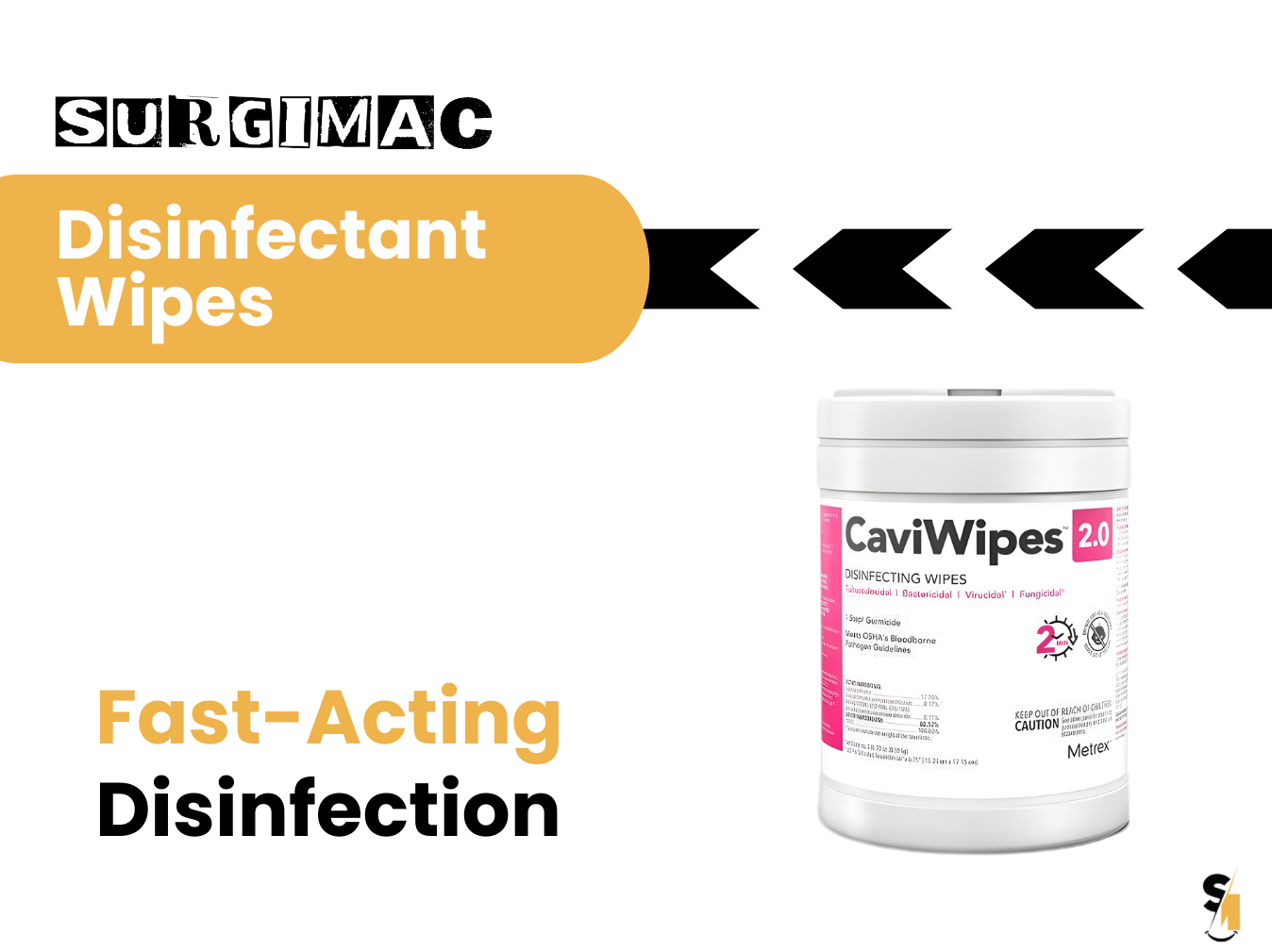
CaviWipes are a household name in dental practices for a reason. These pre-moistened towelettes are known for their powerful, broad-spectrum efficacy, capable of disinfecting surfaces and killing a wide range of pathogens, including TB, viruses, and bacteria, in just a few minutes. Their formula is designed to be compatible with a variety of hard, non-porous surfaces commonly found in operatories, making them a versatile and reliable choice. The convenience of a ready-to-use wipe that cleans and disinfects simultaneously helps streamline your workflow, ensuring you can maintain the highest standards of infection control between patients without missing a beat.
OPTIM 1: The Fast-Acting, Eco-Friendly Choice
When time is of the essence, OPTIM 1 Wipes stand out. Their claim to fame is an exceptionally fast one-minute contact time for virucidal, bactericidal, and tuberculocidal disinfection. This speed is achieved with a patented formula based on hydrogen peroxide, which breaks down into water and oxygen, leaving virtually no active residue behind. This makes them not only fast but also one of the safer and more eco-conscious options for your team and patients. Their compatibility with a wide range of materials, including sensitive equipment, makes them a go-to for practices looking for a disinfectant that balances powerful performance with material gentleness.
Sani-Cloth Products
Sani-Cloth products have earned their place as a staple in healthcare settings far beyond dentistry, which speaks volumes about their reliability. These wipes are trusted for their consistent germicidal performance against a broad array of microorganisms. Available in different formulations—like the popular AF3 (alcohol-free) and Bleach varieties—Sani-Cloth allows you to choose the right level of disinfection for specific surfaces and pathogens. Their durability and ample saturation ensure that you can effectively cover surfaces with a single wipe, making the disinfection process both efficient and thorough. For many clinicians, Sani-Cloth is the dependable workhorse for everyday surface disinfection.
Alcohol vs. Quaternary Ammonium: Which Is Right for You?
Understanding the active ingredients in your wipes is key to making an informed choice. Alcohol-based disinfectants are fast-acting and effective against a wide range of microbes, evaporating quickly without leaving a residue. However, they can sometimes damage sensitive materials over time. On the other hand, wipes using quaternary ammonium compounds (or "quats") are excellent cleaners and effective bactericides, but they often require a longer wet contact time to achieve full disinfection. As you evaluate products, consider these differences. Your decision may come down to balancing the need for speed against material compatibility and specific pathogen concerns in your practice. A deeper dive into surface disinfection strategies can help clarify which formulation best fits your protocols.
Best Practices for Safe Handling and Application
Using the right disinfectant wipe is only half the battle; applying it correctly and safely is what truly protects your team and patients. Proper handling isn't just about following rules—it's about creating a culture of safety where every step, from putting on gloves to the final hand wash, is performed with intention. These best practices are the foundation of an effective infection control program. By mastering these simple yet critical steps, you can ensure that your disinfection efforts are not only effective but also consistently safe for everyone in your practice. Let's walk through the essential protocols for handling and applying disinfectant wipes.
Proper Use of Personal Protective Equipment (PPE)
Before you even open a canister of disinfectant wipes, your first step should be to put on the appropriate Personal Protective Equipment (PPE). Handling chemical disinfectants requires a barrier to protect your skin and respiratory system. At a minimum, always wear protective gloves to prevent chemical irritation and potential absorption. Depending on the product's formulation and your practice's protocols, a mask may also be necessary. Sourcing reliable PPE is fundamental, which is why our MacSafe collection offers high-quality exam gloves and disposable lab coats designed to keep your team protected during every clinical task, including surface disinfection.
The Danger of Mixing Different Disinfectants
It might seem like combining two different cleaners would create a more powerful solution, but in reality, it's a dangerous mistake. Never mix different types of disinfectant wipes or solutions. Doing so can trigger harmful chemical reactions, releasing toxic fumes that pose a serious risk to your team's health. Beyond the immediate safety hazard, mixing chemicals can also neutralize their active ingredients, rendering them completely ineffective against pathogens. Stick to one product at a time and follow its instructions precisely. The integrity of your infection control protocol depends on using disinfectants exactly as they were formulated and tested to be used.
Ensuring Proper Surface Wetness and Air Drying
For a disinfectant to do its job, the surface must remain visibly wet for the entire duration of the "contact time" listed on the label. This is non-negotiable. If you wipe a surface and it dries in 30 seconds, but the product requires a three-minute kill time, disinfection has not been achieved. Resist the urge to wipe the surface dry afterward; this will prematurely remove the active ingredients. Instead, allow the surface to air dry completely. This ensures the disinfectant has had the full amount of time needed to eliminate the targeted pathogens. Proper application is just as critical as the product itself for achieving true environmental infection control.
Hand Hygiene After Disinfection
The final step in the disinfection process is one of the most fundamental: proper hand hygiene. After you’ve finished wiping down all surfaces and have properly disposed of your used wipes and gloves, it is essential to wash your hands thoroughly with soap and water. This simple action removes any residual chemical traces from your skin and prevents the potential transfer of any lingering pathogens. It closes the loop on the infection control process, ensuring that you are not inadvertently carrying contaminants to the next surface, patient, or colleague. Making this a consistent habit is a cornerstone of maintaining a safe clinical environment for everyone.
Are You Making These Common Disinfection Mistakes?
Even the most effective disinfectant wipes can fail if they aren’t used correctly. Proper technique is just as important as product selection when it comes to maintaining a safe clinical environment. A small oversight in your protocol can compromise your entire infection control effort, putting both patients and staff at risk. By understanding and avoiding a few common missteps, you can ensure your disinfection process is both efficient and effective. Let’s walk through the most frequent errors and how to correct them in your practice.
Mistake 1: Skipping the All-Important Pre-Clean
It’s tempting to grab a disinfectant wipe and start wiping down a surface, but if you skip the initial cleaning, you’re not getting a true disinfection. Disinfectants are designed to kill microorganisms on clean surfaces, not to cut through grime. When a surface is contaminated with bioburden—like blood, saliva, or other organic matter—that material can act as a physical barrier, shielding pathogens from the disinfectant. As one expert source notes, "It is essential to clean surfaces that have blood or other body fluids before applying disinfectants." The best practice is to always clean first to remove debris, then follow up with an EPA-registered disinfectant wipe to kill the germs.
Mistake 2: Not Respecting the Required Contact Time
Wiping a surface and immediately drying it is one of the most common—and critical—mistakes in disinfection. Every disinfectant needs a specific amount of time to work its magic. This is known as the "contact time" or "dwell time," and it’s the period the surface must remain visibly wet for the active ingredients to kill the pathogens listed on the label. If you wipe the surface dry before this time is up, you may not achieve full disinfection. Always check the product’s instructions for use (IFU) to find the correct contact time, which can vary from 30 seconds to 10 minutes. Ensure the surface stays wet for the entire duration, reapplying with a fresh wipe if needed.
Mistake 3: Using One Wipe for Too Many Surfaces
Using the same wipe to clean multiple surfaces is a recipe for cross-contamination. A wipe can easily pick up microbes from one area and transfer them to the next, spreading germs instead of eliminating them. Think of a dental chair, a countertop, and a light handle—each should be treated as a separate zone. The rule is simple: one wipe, one surface. Once a wipe has been used, it should be discarded immediately. For larger surfaces, you may need to use several wipes to ensure you have enough disinfectant solution to cover the area and meet the required contact time. Using fresh dental disposables for each step is fundamental to a safe practice.
Mistake 4: Assuming Everyone Knows the Protocol
Your practice’s infection control protocol is only as strong as its weakest link. You can stock the best supplies, but they won’t be effective if your team isn’t trained on how to use them properly. Inconsistent habits, forgotten steps, or a lack of understanding about why protocols exist can lead to significant safety gaps. Regular and consistent training is essential. This includes educating your team on product-specific instructions, proper contact times, and the correct use of personal protective equipment (PPE), such as high-quality MacSafe gloves and lab coats. Make training an ongoing conversation, not a one-time event, to keep everyone aligned and your practice safe.
Beyond Surface Wipes: A Complete Infection Control Strategy
While meticulous surface disinfection is a cornerstone of a safe practice, it’s only one piece of the puzzle. A truly comprehensive infection control strategy addresses every potential pathway for contamination. This means looking beyond countertops and chairs to the instruments you use and even the air you breathe. By expanding your focus to include rigorous instrument sterilization and proactive air quality management, you create a multi-layered defense system that provides the highest level of safety for both your patients and your team.
Instrument Sterilization with Autoclaves
For reusable dental instruments, proper sterilization isn't just a best practice—it's an absolute requirement. Autoclaving remains the gold standard, using steam, high temperature, and pressure to eliminate all microbial life. However, the process starts before the instruments even enter the machine. Thorough pre-cleaning is essential to remove any bioburden, as physical debris can shield pathogens from sterilization. Once cleaned, instruments must be loaded correctly. As sterilization experts advise, avoid overloading the autoclave to ensure steam can circulate freely and reach every surface. Investing in high-quality tools, like SurgiMac's durable Pro Series instruments made from premium-grade stainless steel, ensures they can withstand repeated, rigorous sterilization cycles without compromising performance.
Improving Air Quality in the Operatory
Many common dental procedures generate aerosols, which can suspend pathogens in the air and pose an inhalation risk. Managing the air quality in your operatory is a critical, yet sometimes overlooked, aspect of infection control. Implementing engineering controls like high-volume evacuation (HVE) systems, proper ventilation, and HEPA air filtration can significantly reduce the concentration of airborne contaminants. While these systems clean the environment, personal protective equipment (PPE) protects your team directly. Equipping your staff with high-quality masks, face shields, and disposable gowns from a trusted line like MacSafe provides an essential barrier against aerosolized particles, completing your defense against airborne threats.
How to Smartly Source Wipes for Your Practice
Choosing and using the right disinfectant wipes is only half the battle; sourcing them effectively is just as critical for your practice's operational health. A smart sourcing strategy goes beyond simply finding the lowest price. It involves a thoughtful approach to balancing costs, managing inventory, and partnering with suppliers who prioritize quality and compliance. This ensures your clinic is always stocked with effective, authentic products without straining your budget or compromising patient safety.
How to Balance Cost Without Sacrificing Quality
Finding the right disinfectant wipe for your practice is a balancing act. While cost is always a factor, true value lies in a product's overall performance. The most effective wipe is one that is formulated to kill the specific pathogens relevant to your environment, is compatible with your equipment, and works within a practical timeframe. A less expensive wipe that requires a long contact time or is incompatible with certain surfaces can lead to inefficiency and costly equipment damage. When evaluating your options, consider purchasing in larger quantities from a trusted source to lower the per-unit cost, but only after you’ve confirmed the product meets your clinical needs. Explore a curated selection of infection control solutions to find the perfect fit for your practice’s volume and budget.
Are Your Wipes Expired? A Guide to Shelf Life
Proper inventory management is essential for ensuring your disinfectant wipes remain effective. Always check the expiration dates upon delivery and implement a first-in, first-out (FIFO) system to use older stock first. Storing wipes according to the manufacturer’s instructions—typically in a cool, dry place away from direct sunlight—is crucial for preserving their chemical stability and potency. Using expired wipes can compromise your disinfection protocols, as the active ingredients may have degraded. An organized system for tracking stock levels and shelf life prevents both waste from over-ordering and the risk of running out of essential dental disposables when you need them most.
Why a Reliable Supplier Is a Non-Negotiable
Your supplier should be more than just a place to order products; they should be a partner in maintaining your practice's standard of care. A reliable supplier simplifies the procurement process by offering a well-vetted selection of high-quality, compliant products from trusted brands. This saves you the time and risk of sorting through countless options online. Working with an established distributor like SurgiMac ensures you have access to consistent inventory, transparent pricing, and expert support when you need it. This partnership provides peace of mind, knowing that every product you receive is authentic, effective, and ready for clinical use.
How to Spot Counterfeits and Ensure Quality
In a healthcare setting, product authenticity is non-negotiable. Always use EPA-registered, hospital-grade disinfectants specifically designed for clinical environments. This registration confirms that the product’s efficacy and safety claims have been scientifically validated. Be cautious of purchasing critical supplies from unverified third-party sellers on large online marketplaces, where counterfeit or improperly stored products can pose a significant risk. To guarantee quality, source your supplies from reputable distributors who work directly with manufacturers. Products like our own MacSafe line are developed under strict quality controls, giving you confidence that you are protecting your patients and staff with every wipe.
How to Train Your Team for Flawless Disinfection Protocols
Even the highest-quality disinfectant wipes are only as effective as the protocols your team follows. Consistent, thorough training is the foundation of a safe practice, ensuring every team member understands not just what to do, but why they’re doing it. A well-trained staff minimizes the risk of human error, protects patients, and creates a culture of safety and compliance. Building a robust training program transforms infection control from a checklist item into an ingrained, seamless part of your daily operations.
How to Create a Simple, Repeatable Training Program
The most effective training is straightforward and easy to remember. Start by equipping your team with the right tools for the job. Investing in high-quality PPE and appropriate infection prevention supplies is the first step. Your training program should be a core part of onboarding for new hires and include regular refreshers for the entire staff. The goal is to make proper disinfection second nature. Focus on hands-on demonstrations covering every step, from pre-cleaning surfaces to observing correct contact times. When protocols are simple and practiced often, your team can execute them flawlessly every time.
Why Visual Guides and Checklists Are a Must
Reinforce your training with clear, concise visual aids placed strategically throughout your operatories and sterilization areas. Laminated charts or posters can provide at-a-glance reminders of critical steps. For example, a guide can illustrate the wipe-discard-wipe technique versus the spray-wipe-spray method, ensuring staff use the correct procedure for the products you have. These visual cues are incredibly helpful during busy moments, allowing team members to quickly confirm protocols without breaking their workflow. Include key details like the specific contact time required for your chosen disinfectant wipes to guarantee effective pathogen elimination.
Schedule Regular Refresher Sessions to Stay Current
Infection control is not a static field. Guidelines from organizations like the CDC and OSHA evolve, and new products become available. It’s essential to regularly review and update your disinfection protocols to align with the latest best practices in infection control. Schedule quarterly or bi-annual team huddles to discuss your current procedures. These meetings are a perfect opportunity to address any questions, introduce new products, and ensure your entire team is operating with the most current information. This proactive approach keeps your practice compliant and your team confident in their methods.
Maintaining a Culture of Safety and Compliance
Consistent training directly supports your practice's compliance and safety standards. When your team is confident and well-versed in disinfection protocols, adherence to OSHA and CDC guidelines becomes a natural part of the workflow. Choosing products designed for ease of use, such as ready-to-use wipes, makes it more practical for staff to perform tasks correctly and consistently. By pairing a strong training program with reliable supplies from collections like MacSafe, you create an environment where safety is prioritized and compliance is easily maintained, protecting both your patients and your team.
Frequently Asked Questions
Tags
Blog posts
-
, by SurgiMac A Clinician's Guide to Absorbable Suture Material
-
, by SurgiMac A Clinician's Guide to Dental Composite Resin Kits
-
, by SurgiMac How to Disinfect with Metrex CaviWipes Correctly
