
How to Create a Consistent Patient Experience
- , by Talha Azeem
- 17 min reading time
SurgiMac Brands support clinics in delivering a consistent patient experience with reliable tools like MacSuture, enhancing trust and workflow in every visit.
Why do patients choose to return to your practice? It’s about more than just successful treatment. They come back for the feeling of safety and trust they experience during every visit. This is the foundation of a consistent patient experience: delivering predictable, high-quality care every single time. Every detail matters, from the first greeting to the final follow-up. By standardizing your practice with SurgiMac’s family of brands, you ensure every tool, including our trusted MacSuture products, reinforces that powerful message of quality and professionalism, helping you build lasting patient loyalty.
As a trusted name across the United States, SurgiMac Brands deliver more than just instruments; they empower clinics to maintain brand consistency, enhance workflow, and elevate patient trust. This blog explores how dental professionals can streamline their practice using dependable tools across every procedure.
What is the Patient Experience in a Dental Setting?
The patient experience is much more than the clinical outcome of a procedure. It’s a comprehensive concept that is now recognized as a critical dimension of health-care quality. Think of it as the sum of every interaction a patient has with your practice, from the first phone call to post-treatment follow-up. These interactions are deeply shaped by your clinic's culture and influence how patients perceive the care they receive. It’s not just about fixing a tooth; it’s about how the patient feels throughout their entire journey with you. This holistic view is essential for building a practice that patients trust and recommend to others.
Defining the Patient Journey
The patient journey encompasses every touchpoint, both clinical and non-clinical. It begins when a potential patient finds your website and continues through scheduling, the waiting room experience, the consultation, the procedure itself, and even billing. According to a conceptual framework from the National Center for Biotechnology Information, the patient experience is defined by all interactions that influence patient perceptions across the continuum of care. Each step is an opportunity to build confidence and comfort. A seamless, positive journey requires a coordinated effort from your entire team, ensuring that every interaction reflects the high standard of care you provide in the dental chair.
More Than Just Clinical Outcomes
While excellent clinical work is the foundation of your practice, patients evaluate their experience on a much broader scale. They are simultaneously dealing with their symptoms, anxieties about the procedure, and concerns from their everyday lives. A patient’s perception is shaped by the cleanliness of your office, the friendliness of your front desk staff, the clarity of your communication, and the empathy you show for their concerns. Focusing solely on the technical aspects of dentistry misses the human element that truly defines a positive experience and builds lasting patient loyalty for your practice.
The Four Dimensions of Patient Health
To fully appreciate the patient experience, it's helpful to consider the four main dimensions of a person's health: physical, mental (or psychological), social, and spiritual. A dental issue can impact all of these areas. The physical pain of a toothache is obvious, but the psychological stress of an upcoming procedure, the social embarrassment from a cosmetic issue, or even the spiritual unease of being in a vulnerable state are just as real. A truly patient-centered practice acknowledges and addresses these interconnected dimensions, providing care that supports the whole person, not just their oral health.
How Patient Experience is Measured
In the broader healthcare industry, the patient experience is not just a vague concept; it's a measurable metric of quality. Standardized tools like the HCAHPS (Hospital Consumer Assessment of Healthcare Providers and Systems) survey are used to assess how well services meet patient needs and expectations. These assessments gather data on everything from communication with clinicians to the cleanliness of the environment. While a formal survey might not be necessary for every dental practice, the principle remains the same: actively seeking and listening to patient feedback is crucial for identifying areas of improvement and consistently delivering exceptional care.
The Human Element: Why Communication and Empathy Matter
Beyond the advanced technology and clinical precision in your practice, the human element is what truly transforms a standard dental visit into a positive, memorable experience. Effective communication and genuine empathy are the cornerstones of patient-centered care. These soft skills are not just "nice-to-haves"; they are essential tools for building trust, ensuring patient safety, and fostering long-term relationships. When patients feel heard, understood, and cared for as individuals, their anxiety decreases, their compliance with treatment plans improves, and their overall perception of your practice soars. This focus on the human connection is what sets exceptional dental practices apart.
Building Trust Through Empathetic Care
Trust is the foundation of the dentist-patient relationship, and it is built one empathetic interaction at a time. When you and your team communicate with compassion, you validate the patient's feelings and create a safe space for them to voice their concerns. This involves active listening, explaining procedures in clear, simple terms, and showing genuine concern for their comfort. A patient who trusts you is more likely to accept recommended treatments and remain loyal to your practice for years to come. This trust is earned not just through your clinical skills but through your ability to connect on a human level.
The Link Between Staff Well-being and Patient Care
A positive patient experience begins with a positive team environment. When your staff feels supported, valued, and equipped with the right tools, they are better able to provide consistent, empathetic care. A stressed or burnt-out team will struggle to maintain the high level of patient interaction you expect. One way to reduce daily friction is by standardizing processes and ensuring your team has reliable, high-quality supplies. Using dependable infection control products and instruments from SurgiMac means fewer workflow interruptions, allowing your team to focus their energy on what matters most: the patient.
How Clear Communication Prevents Errors
Good communication is not only vital for the patient experience but is also a critical component of patient safety. Misunderstandings between the clinical team and the patient can lead to preventable errors, from incorrect assumptions about medical history to confusion over post-operative care instructions. Implementing a practice of "teach-back," where you ask patients to explain the treatment plan in their own words, can confirm their understanding. Clear, consistent communication protocols help prevent mistakes and reinforce the patient's confidence that they are in capable and careful hands every step of the way.
Actionable Frameworks for Your Practice
Understanding the importance of the patient experience is the first step; implementing strategies to improve it is the next. Moving from theory to practice requires structured, repeatable systems that your entire team can learn and apply consistently. Fortunately, several proven frameworks exist to help guide your efforts in both communication and operations. By adopting these models, you can create a reliable system for delivering exceptional care, ensuring that every patient receives the same high standard of service, regardless of who they interact with or how busy the clinic is on any given day.
Communication Models for Your Team
Standardizing communication helps ensure every patient interaction is empathetic and effective. Instead of leaving it to chance, you can train your team on specific models designed to build rapport and clarity. These frameworks provide a simple roadmap for conversations, helping staff connect with patients, address their needs, and ensure mutual understanding. Consistent communication reduces patient anxiety and builds a culture of trust and respect throughout your practice, making every team member a confident ambassador for your patient-centered approach.
The 4C Model: Connect, Check, Concerns, Commit
The 4C Model is a straightforward yet powerful tool for structuring patient interactions. First, Connect with the patient on a personal level. Next, Check for their understanding of the situation and the proposed treatment. Then, actively invite and address any Concerns they may have, ensuring they feel heard. Finally, gain their Commitment to the agreed-upon plan. According to Press Ganey, this model helps healthcare workers provide empathetic care consistently, even during the most demanding days, by turning a complex interaction into four simple, actionable steps.
The CARES™ Model for Consistent Communication
The CARES™ model offers another excellent framework for guiding team interactions. It consists of five key behaviors: build Confidence by introducing yourself and your role; Anticipate Needs before the patient has to ask; use Respectful Communication at all times; Engage the patient in their care and the process; and always Say Thank You to show appreciation. Implementing this model helps standardize the positive behaviors that define an outstanding patient experience, ensuring every member of your team contributes to a welcoming and supportive environment.
Operational Frameworks for a Better Experience
Beyond direct communication, the operational side of your practice plays a massive role in shaping the patient journey. How smoothly your clinic runs—from scheduling and wait times to the physical environment and clinical workflows—directly impacts patient satisfaction. An operational framework helps you analyze and optimize every component of your practice to ensure it is aligned with a patient-centered philosophy. This holistic view ensures that the systems supporting your clinical care are just as exceptional as the care itself.
The 4 P's: Physicians, Partners, Places, and Processes
The 4 P's framework provides a comprehensive way to evaluate your practice. It focuses on: Physicians (the dentists), Partners (the entire care team, from hygienists to front desk staff), Places (the physical environment of your clinic), and Processes (the workflows that define the patient journey). Optimizing your processes with reliable systems and supplies, such as having high-quality MacSuture products readily available for procedures, ensures clinical workflows are seamless. By examining and improving each of these four areas, you can create a consistently excellent experience that addresses every aspect of the patient's interaction with your practice.
Is Your Practice Consistent? Here's Why It Should Be
Think about your favorite hotel or coffee shop. Why do you keep going back? It's often because of consistent quality, service, and experience. The same principle applies to dental care. Patients return and refer others when they know they’ll receive reliable, safe, and comfortable care every time.
Instruments are a part of this experience. From surgical procedures to routine cleanings, consistency in the feel, performance, and design of tools affects patient comfort and clinician confidence. If your clinic uses mismatched or unpredictable instruments, it can lead to:
· Increased treatment time
· Higher stress for practitioners
· Reduced patient trust
· Greater risk of errors or discomfort
This is where SurgiMac Brands become essential.
SurgiMac: Your Partner in Building Practice Trust
SurgiMac isn’t just another dental supplier. As a leading and trusted medical and dental supplier in the USA, it has been the go-to partner for over 10,000 clinics and hospitals. SurgiMac’s family of internal brands focuses on one goal: delivering precision tools that create reliable, repeatable outcomes.
Each instrument series from the ergonomic Slim Series to the ultra-light Air Series is designed to meet a specific clinical need while maintaining consistency across usage. When practices choose SurgiMac Brands, they benefit from:
· Uniform performance across all instruments
· Recognizable design and feel for faster procedural flow
· Compatibility with sterilization and infection control protocols
· Fewer tool-related workflow interruptions
Streamline Your Workflow with Standardized Dental Tools
Let’s talk about one of the biggest pain points in any clinic; workflow disruption. Time lost searching for the right instrument or adjusting to unfamiliar tool handling can significantly affect both efficiency and outcomes.
With SurgiMac’s Slim Series, Air Series, and Hexa Series instruments, dental teams experience the same balance, weight, and design language across multiple procedures. This improves team coordination, reduces physical strain, and boosts focus.
Whether it's a hygienist performing a cleaning or a surgeon handling a complex extraction, the predictability of SurgiMac Brands tools makes every step smoother.
How Brand Consistency Creates a Trustworthy Patient Experience
Today’s patients are more informed and more likely to notice the tools you use. When a clinic consistently uses high-quality, recognizable instruments, it sends a subtle but powerful message: We care about your comfort and safety.
SurgiMac’s branded tools are not only engineered for performance but also designed to reinforce a modern, professional clinic image. Their signature finishes, color-coded handles, and non-reflective coatings offer a clean, high-tech aesthetic that patients notice.
This perception adds to overall patient satisfaction and makes first-time visitors more likely to become repeat patients.
Simplify Staff Training with a Standardized Toolkit
Another overlooked pain point in many clinics is onboarding new staff or training existing ones. When you work with generic or inconsistent tools, training becomes harder, and performance varies widely between team members.
By standardizing on SurgiMac Brands across departments, you streamline staff training. Every new hygienist, assistant, or clinician learns using the same core tools, reducing errors and speeding up confidence-building.
Plus, with recognizable brands like MacSuture (for sutures), MacCut (for blades), and MacSafe (for PPE), each tool comes with an intuitive purpose, simplifying ordering, stocking, and daily use.
From MacSuture to Sterilization: Ensuring Quality at Every Step
Nothing compromises patient trust faster than a hygiene lapse. Fortunately, SurgiMac Brands prioritize sterilizability, infection control compliance, and long-term durability. That means less worry about rust, residue buildup, or compromised sterilization.
The Titanium Black Series, for example, features non-reflective, corrosion-resistant instruments that are ideal for high-visibility surgical settings. These tools maintain their integrity even with repeated autoclave cycles—critical for both safety and regulatory compliance.
Creating a Seamless Practice with Unified Instruments
Imagine walking into an operating room where everything is where it should be, the tools feel just right in your hands, and the results are predictable. This isn’t a dream—it’s the reality that SurgiMac Brands aim to deliver.
By integrating SurgiMac Brands into your entire instrument lineup, your clinic can:
· Reduce procedure variability
· Minimize unnecessary tool switching
· Improve overall treatment speed
· Build a reputation for professional consistency
This is brand identity at its most powerful—driven not by logos on walls, but by the tools in your hand and the comfort of your patients.
Ready to Create a More Consistent Patient Experience?
From ergonomic design to infection control, SurgiMac Brands are built for practices that prioritize both patient care and clinic efficiency.
Want to explore the full lineup of instrument series and sub-brands? Visit our full guide about SurgiMac brands
Frequently Asked Questions
My clinical outcomes are excellent. Why should I focus so much on the overall patient experience? Excellent clinical work is the foundation of your practice, but it's only part of what keeps patients loyal. The patient experience covers every interaction they have with your office, from scheduling to follow-up. When patients feel heard, respected, and safe, they build trust in your practice as a whole. This trust is what turns a one-time patient into a lifelong advocate for your clinic, leading to better retention and more referrals.
What's the most practical way to get my team to use a communication model like CARES™ or the 4Cs? The key is to start simple and be consistent. Instead of presenting it as a rigid script, introduce one framework during a team meeting and discuss how it applies to real-life scenarios in your practice. You could focus on one letter of the model per week, like "C for Connect," and encourage everyone to share examples of how they applied it. Making it a collaborative effort rather than a top-down mandate helps ensure the whole team feels invested in creating a better patient environment.
How does using a single brand of instruments actually impact the patient in the chair? While a patient may not know the brand of an instrument, they can feel its effect. When your team uses a standardized set of tools, procedures become smoother and more efficient. This predictability reduces stress for the clinician, which creates a calmer atmosphere for the patient. A consistent, professional toolkit also sends a non-verbal message of quality and attention to detail, reinforcing the patient's confidence that they are receiving the best possible care.
My practice has collected a mix of instruments over the years. What's the real benefit of standardizing? Standardizing your toolkit is primarily about improving workflow and reducing procedural friction. When every instrument has a similar weight, feel, and performance, your team can work more intuitively and efficiently, minimizing delays and errors. This is especially valuable when training new staff, as it creates a consistent learning environment. A unified system from a trusted supplier like SurgiMac ensures every tool meets the same high standard, from routine cleanings to complex surgeries.
Beyond instruments, how does standardizing supplies like sutures improve our practice? Consistency in your supplies creates predictability at every stage of a procedure. When you use a product line like MacSuture, you know you have a reliable, high-quality suture ready for any situation, which eliminates the guesswork and potential delays that come from using varied products. This principle of standardization extends to all your disposables and materials, ensuring every step of the patient journey is supported by dependable quality, which ultimately enhances both safety and efficiency.
Key Takeaways
- Look Beyond the Chair to Build Loyalty: A patient's experience is shaped by every interaction, not just the clinical outcome. Building lasting trust means addressing their concerns with empathy and ensuring every touchpoint, from the front desk to follow-up, reflects a high standard of care.
- Systematize Communication for Consistent Care: Equip your entire team with practical frameworks like the CARES™ or 4C models to standardize empathetic interactions. This ensures every patient feels heard and understood, which reduces their anxiety and strengthens their confidence in your practice.
- Standardize Your Instruments to Reinforce Quality: The tools you use send a powerful message about your commitment to safety and precision. Integrating a consistent instrument system from SurgiMac, including reliable products like MacSuture, streamlines procedures and provides a tangible sign of professionalism that patients notice.
Related Articles
Tags
Blog posts
-
, by SurgiMac A Clinician's Guide to Absorbable Suture Material
-
, by SurgiMac A Clinician's Guide to Dental Composite Resin Kits
-
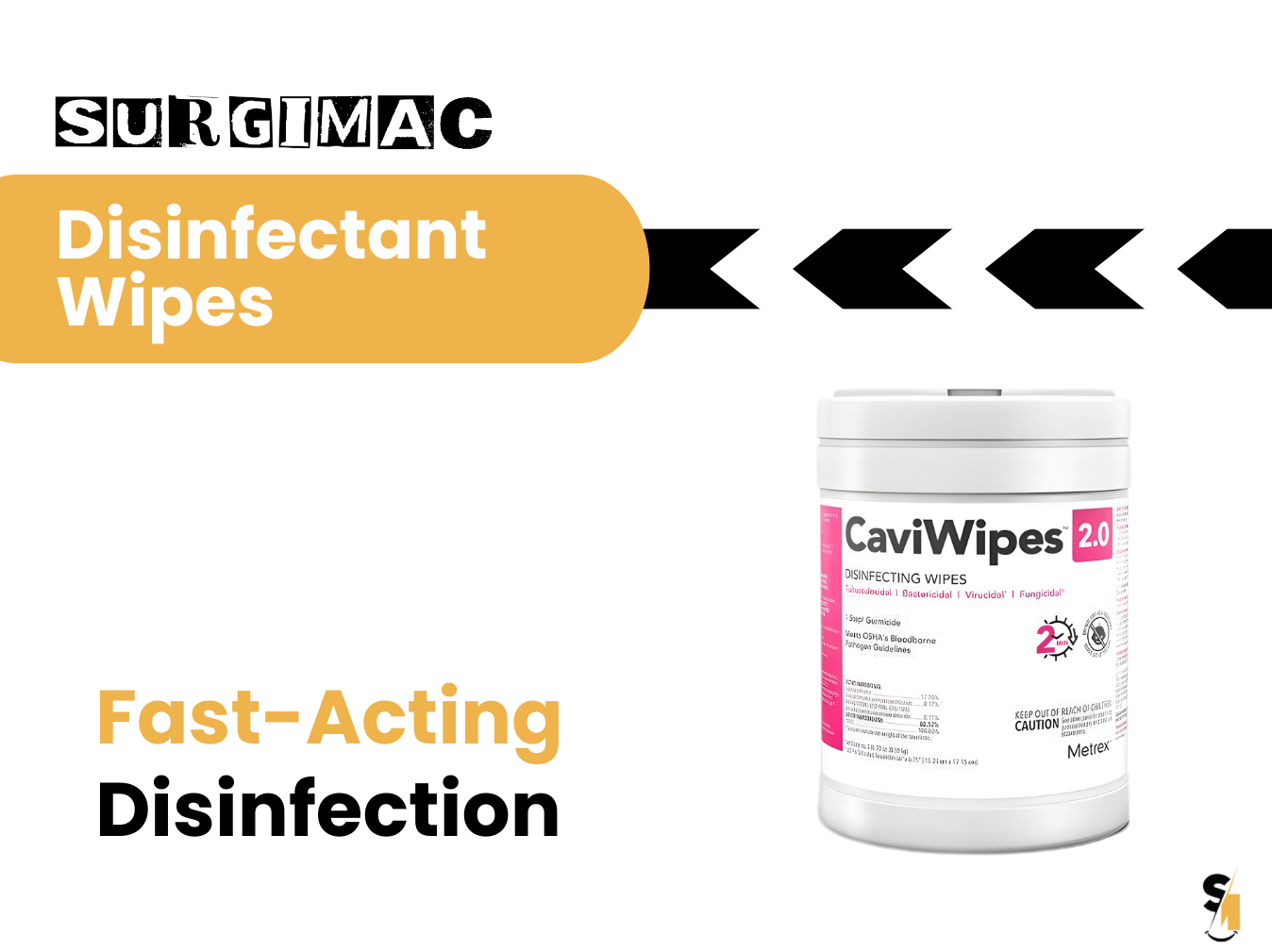
, by SurgiMac How to Disinfect with Metrex CaviWipes Correctly
