MacPrevent 5% Sodium Fluoride Varnish with TC...
SKU 90002-Bx
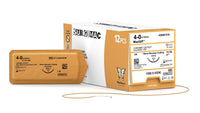
Explore the benefits of color coded dental instruments for tray organization, specialty identification, staff training, and efficient dental workflows.
In a busy dental practice, instrument identification is a workflow task as much as a clinical one. Staff may need to assemble procedure-specific cassettes, confirm that sets are complete, and hand instruments between operatories without relying on visual memory alone. A consistent color system can add a fast visual reference to those steps, provided it is supported by instrument knowledge, sterilization protocols, and clear practice standards.
The benefits of color coded dental instruments include faster set recognition, clearer tray organization, easier inventory checks, and more consistent communication during setup, training, and operatory turnover. Color coding does not replace proper instrument identification or clinical judgment, but it can reduce unnecessary visual searching when the system is defined and used consistently.
To use color effectively, a practice first needs to decide what each color represents and how that meaning will remain clear across cassettes, individual instruments, and specialty workflows.
Review professional dental instruments for your practice
In a dental instrument system, color coding is a visual identification method applied to handles, bands, collars, or organized cassettes. The color does not describe the instrument's clinical function by itself. Instead, it gives the dental team a quick reference that must be matched to a defined set, instrument legend, or practice workflow.
With a color-by-set system, every instrument assigned to a particular cassette or procedure group carries the same color. A periodontal cassette, for example, may use one color, while a restorative or hygiene cassette uses another. This approach helps staff see which instruments belong together during setup, turnover, and inventory checks. It can also make it easier to notice when an instrument is missing from a set. The system works only when the practice applies colors consistently and documents what each color represents.
A color-by-instrument system assigns a specific color to an individual instrument type. The color may identify a particular probe, scaler, or other hand instrument regardless of the cassette where it is stored. This approach can support quick recognition when multiple instrument types are arranged together, but it requires a more detailed legend and reliable staff training.
A technique report in PubMed describes color coding as a way to simplify periodontal instrument identification. It also notes that identifying an instrument during scaling and root planing may require visual refocusing from the patient to the instrument tip, an activity described as inefficient in terms of time and ergonomics. Color can reduce that visual search, but it is not a substitute for knowing instrument design, intended use, processing requirements, or clinical judgment.
For foundational context before building a system, review SurgiMac's guide to basic dental instruments and uses. A written color legend should complement that knowledge, not replace it.
Color coding gives staff a visual reference before an instrument is picked up, placed into a cassette, or returned after a procedure. That reference can reduce uncertainty during routine setup, particularly when several periodontal, restorative, or specialty instruments have similar shapes. The value is operational: staff can identify the intended instrument or set more quickly without relying on color as a substitute for instrument knowledge.
In a cassette-based system, bands or collars on instrument handles can help staff track inventory. When one color identifies the instruments belonging to a particular set, the team can distinguish that set from other cassettes during preparation and breakdown. A quick visual check also helps reveal whether the expected instruments are present before the cassette is processed or moved to the operatory. This supports a more consistent handoff between sterilization, instrument storage, and chairside setup.
Color can also limit unnecessary visual searching. During periodontal instrumentation, identifying a tool may require the operator to shift visual attention from the patient to the instrument tip. A technique report indexed by PubMed describes that activity as inefficient in terms of time and ergonomics, and presents color coding as a way to simplify instrument identification. The report does not establish that color coding alone improves patient outcomes. Instead, it supports using color as a practical visual aid within a defined instrument system.
For a color system to remain useful, the practice should document what each color means and apply the convention consistently. Team members need to know whether a color identifies a complete cassette, a procedure family, or one specific instrument. The legend should be reinforced during onboarding and checked when instruments are replaced, repaired, or reorganized. Used this way, color coding helps the team identify, count, and return instruments with less avoidable searching while preserving the clinical judgment and protocol knowledge required for safe care.
A written color legend can turn tray preparation into a visual inventory check. When instruments in a cassette share a designated color, the dental assistant can confirm that the expected set is together before the procedure begins. The same check helps identify a missing instrument before the cassette reaches the operatory, rather than after the clinician is ready to use it.

Color coding can support procedure-based grouping for periodontal, restorative, surgical, or other practice-defined setups. A cassette color may identify the procedure group, while the instruments inside follow the same documented sequence each time. Staff who know which colors must be present can identify the required instruments more quickly during setup and can flag an incomplete cassette during breakdown or reprocessing.
This approach is most useful when the color system is consistent across the practice. Post the legend where staff assemble and inspect cassettes, and define what each color represents. The legend should distinguish a color assigned to an entire set from a system in which each individual instrument has its own color. Those approaches are not interchangeable, and confusion at that level can undermine the inventory check.
Visibility matters when several covered trays are staged for different procedures. A dental supply workflow article describes color-coded procedure tubs with locking covers as an organization method, while an RDH Magazine article reports that clear locking covers can let practitioners see instruments quickly. These are reported workflow approaches, not a compliance guarantee for every practice. Follow the facility's infection-control plan, applicable regulations, manufacturer instructions for use, and validated transport procedures.
For a broader look at dental operatory organization solutions, review the related guide. The goal is a repeatable visual handoff: assemble the cassette, verify the color and contents, move it safely to the operatory, then reconcile the set during breakdown.
A color system can give a dental practice a shared visual shorthand for organizing instruments by specialty or procedure. For example, a practice might assign one color to a periodontal cassette, another to a restorative set, and a third to an oral surgery set. These categories are practice-defined, so the legend should reflect the procedures each team performs and the instruments included in each cassette.
One approach assigns a single color to every instrument in a particular set. That makes it easier to recognize which instruments belong together during setup, breakdown, and handoff. A second approach assigns a specific color to each instrument, regardless of the set in which it is used. The technique report indexed by PubMed describes both approaches, including the use of color to simplify periodontal instrument identification.
Either model can support communication between the operatory, sterilization area, and instrument-processing team. When auxiliary staff know which colors should be present in a cassette, they can help identify the required instruments before a procedure. A written legend is essential. Without one, a color code remains an informal habit that may be interpreted differently by different team members.
Color can make onboarding more concrete for dental assistants and new clinicians. A trainer can demonstrate that a designated color belongs to a periodontal set, then connect each instrument to its name, design, intended use, and handling requirements. During clinical education, visual identification may also reduce unnecessary disruption. The PubMed report notes that determining whether a student is using the correct instrument may otherwise require removing the instrument from a patient's mouth for inspection.
That convenience has limits. Color does not replace instrument knowledge, manufacturer instructions for use, sterilization protocols, or clinical judgment. New staff still need to identify working ends, understand indications and contraindications, and confirm that the instrument is appropriate for the procedure. Practices should review color recognition alongside hands-on competency, not treat it as proof of competency.
Yes, color coding can improve procedural efficiency when it functions as a visual identification aid within a well-designed tray and cassette system. It can reduce the time staff spend visually searching for the correct instrument, support faster handoffs, and make setup or breakdown more consistent. Those are operational improvements. They should not be presented as proof that color coding alone improves diagnostic accuracy, treatment quality, or patient outcomes.
During periodontal instrumentation, identifying an instrument may require the clinician to shift visual attention from the patient to the working end of the instrument. A PubMed-indexed technique report describes that refocusing as inefficient in terms of time and ergonomics, and explains how color coding can simplify periodontal instrument identification: read the instrument-identification report on PubMed. A consistent band, collar, or set color gives the clinician and assistant an immediate visual cue before the instrument is selected.
That cue is most useful when it is reinforced by a predictable cassette layout. Staff who know which colors belong in a cassette can identify what is needed more readily, while a quick visual check can reveal whether the expected instruments are present. Clear tray covers may also allow practitioners to see instruments quickly, according to a published dental-practice case discussion, although each practice should verify that its storage and transport process follows applicable infection-control requirements.
A color system cannot determine whether an instrument is clinically indicated, whether its working end is intact, or whether it has been processed according to the manufacturer's instructions for use. Clinicians and dental assistants still need instrument knowledge, procedure-specific protocols, proper inspection, and sound clinical judgment. Color can help someone find the expected instrument, but it cannot validate the selection.
For that reason, evaluate results through workflow measures such as setup consistency, missing-instrument checks, handoff interruptions, and staff training time. Keep patient outcomes separate from those measures. A color-coded system may make the process more organized and ergonomically efficient without independently changing the clinical outcome.
A color system works best when it is treated as a controlled practice process, not as decoration on an instrument handle. Begin by deciding whether each color identifies an entire cassette or an individual instrument. Both approaches can support inventory control, but staff must use the same interpretation during setup, treatment, reprocessing, and replacement.
| System | How it works | Best operational use | Primary control |
|---|---|---|---|
| Color by set | One color identifies the instruments assigned to a particular cassette or procedure set. | Fast tray assembly, set completeness checks, and specialty-based organization. | Match the cassette color with a written instrument list. |
| Color by instrument | A specific color identifies a particular instrument across multiple sets. | Recognizing individual instruments when several procedures share a tray. | Use a written legend that names the instrument, working end, and approved location. |
Document every color assignment in a controlled reference. For a color-by-set system, list the cassette name, procedure or specialty, required instruments, and expected quantity. For a color-by-instrument system, list the instrument name and any relevant designations, such as periodontal probe, scaler, explorer, or restorative hand instrument. Color-coded bands or collars are commonly used to track inventory within dental cassettes, and a consistent legend helps staff determine which instruments belong together and whether a set is complete. These uses are described in the instrument-identification report indexed by PubMed.
Introduce the system during onboarding and demonstrate setup with the actual cassettes used in the practice. Ask each team member to identify a set, verify its contents, and report a missing or misplaced instrument. Staff should know which colors must be present before a cassette reaches the operatory. Assign an owner for a brief weekly or monthly audit, depending on procedure volume. Track missing instruments, incorrect substitutions, damaged identifiers, and recurring setup errors. Update the legend only through an approved change process, then retrain affected staff.
Color identification does not replace sterilization procedures, packaging requirements, inspection, or manufacturer instructions for use. Confirm that bands, collars, and other identification components are compatible with the practice's cleaning and sterilization process. Inspect identifiers during instrument inspection and remove any item that is damaged, loose, illegible, or no longer securely associated with the correct instrument. Replacements should match the approved instrument specification and the current legend, rather than being selected by color alone.
At each audit, compare the physical cassette with its written list and confirm that the instrument's identity remains clear. When an instrument is retired or replaced, update the inventory record, legend, and training materials together. Keep the system aligned with applicable manufacturer IFUs and the practice's infection-control policies. The goal is a reliable visual aid that supports disciplined instrument knowledge and clinical judgment, not a shortcut around either one.
A color-coded workflow is only useful when it matches the instruments, cassettes, and procedures already used in the practice. Begin with the clinical tasks the system must support, such as periodontal maintenance, restorative procedures, surgical setups, or general examination. Then define whether colors identify a complete set, a specialty, or an individual instrument. That decision should guide sourcing, rather than selecting instruments because a color appears familiar.
Review the instrument's intended clinical use, working end, handle design, balance, and compatibility with the practice's cleaning, packaging, and sterilization protocols. Color can speed visual identification, but it does not replace knowledge of instrument geometry, manufacturer instructions for use, or inspection for wear and damage. A written legend should identify what each color means and should remain consistent during replacement and expansion.
For a broader review of instrument roles before building or revising a setup, see SurgiMac's guide to essential dental instruments for clinics. This helps teams compare the clinical function of instruments before assigning them to a color-defined workflow.
When comparing professional instrument options, evaluate relevant SurgiMac lines such as Air Series, Slim Series, or Titanium Black Series where their design and handling characteristics fit the intended use. These are instrument lines to assess within the practice's system, not automatic evidence that every product is color coded. Selection should also account for standardization across operatories, staff familiarity, replacement availability, and whether the instruments can be incorporated into existing cassettes and reprocessing routines.
Teams can review the professional dental instruments collection by clinical need, then document the chosen instrument set and its color legend. That process keeps visual organization tied to safe, repeatable sourcing decisions instead of treating color as a substitute for clinical judgment.
Explore SurgiMac's professional dental instruments collection
Color coding gives the dental team a visual identification system for instruments, cassettes, or procedure sets. A practice may assign one color to a complete set or use specific colors for individual instruments. The goal is to support faster recognition, tray organization, inventory checks, and clearer handoffs. It should complement, not replace, instrument knowledge, sterilization protocols, manufacturer instructions for use, or clinical judgment.
Color-coded bands or collars can show which instruments belong in a cassette and help staff confirm that the intended set is complete before sterilization or setup. The system works best when the practice documents a consistent legend, trains every team member to use it, and defines how colors are replaced when handles, bands, or instruments are changed.
There is no single universal four-category system used by every practice. Many teams organize hand instruments by function, such as examination and diagnostic, periodontal, restorative, and surgical or extraction instruments. Specialty practices may use different groupings. Color should identify the categories or sets defined by that practice, while the instrument design and intended use remain the clinical standard.
It can serve as a visual aid, particularly when instruments are grouped by procedure or specialty. A technique report describes color coding as a way to simplify periodontal instrument identification, where visual refocusing from the patient to the instrument tip can be inefficient in time and ergonomics: PubMed. Color alone does not establish correct technique or instrument selection.
A consistent instrument system can support clearer tray organization, faster visual identification, and more predictable handoffs across the dental practice. Review SurgiMac's professional dental instruments collection to evaluate instruments that fit your practice's color-coding approach, procedural needs, and established sterilization protocols. Review the professional dental instruments collection and get started with a system your team can apply consistently.