
Dental Instrument Types and Their Clinical Uses
- , by SurgiMac LLC
- 18 min reading time
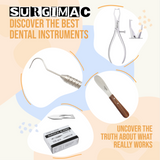
Find out which dental instrument types truly make a difference in clinical practice. Get expert tips on choosing tools for precision, comfort, and reliability.
As dentists, our goal is always top-notch patient care. We know that achieving it depends on more than just our skill—it depends on the tools we use every single day. The right dental instrument isn't just a piece of metal; it's an extension of your hands, directly impacting your precision, efficiency, and even your own comfort. Choosing wisely can make the difference between a good procedure and a great one. We're going to look at some game-changing instruments that are truly transforming how we practice for the better.
Understanding the Core Categories of Dental Instruments
Every procedure in your practice, from a routine check-up to a complex surgery, depends on having the right instrument in hand. Think of your instrument cassette as a specialized toolkit, with each piece designed for a specific task. Understanding these core categories helps streamline your workflow, ensure precision, and ultimately, deliver the best possible care. Let's break down the essential instrument families you'll find in any well-equipped dental practice and see how they contribute to successful patient outcomes. This foundational knowledge is key to selecting tools that not only perform well but also feel like a natural extension of your hands.
Diagnostic and Examination Instruments
Before you can treat, you have to diagnose. This is where your examination instruments come into play. They are your first line of assessment, allowing you to see, feel, and explore the oral environment with precision. These tools are fundamental to creating an accurate picture of a patient's oral health, identifying issues like caries, periodontal pockets, or other abnormalities that aren't visible to the naked eye. A thorough examination relies on the quality and design of these instruments, as they directly impact the accuracy of your diagnosis and the subsequent treatment plan you develop for your patient.
Mirrors, Probes, and Explorers
The trifecta of diagnostics includes mirrors for indirect vision and light reflection, periodontal probes for measuring pocket depths, and explorers for detecting tooth decay and calculus. A high-quality explorer provides critical tactile feedback, helping you identify enamel irregularities that signal the start of a cavity. For tools that require such fine control and sensitivity, ergonomic design is a must. Instrument lines like the SurgiMac Slim Series are crafted for this exact purpose, offering a comfortable grip and excellent balance to reduce hand fatigue during detailed diagnostic procedures, making them a reliable choice for daily use.
Restorative Dentistry Instruments
When it's time to repair and rebuild a patient's smile, restorative instruments are your go-to tools. This broad category includes everything needed to place, condense, carve, and polish restorative materials like composite resin or amalgam. The goal of any restoration is to restore form, function, and aesthetics, and the instruments you choose are critical to achieving a seamless and durable result. From preparing a cavity to perfectly sculpting the final restoration, each tool has a specific role in the process, ensuring the final work is both strong and natural-looking for the patient.
Amalgam Carriers, Burnishers, and Composite Instruments
Amalgam carriers precisely deliver filling material, while burnishers are used to smooth and polish the restoration, ensuring there are no rough margins. Composite instruments, often coated to prevent material from sticking, allow you to shape and contour resin with artistic precision. For these delicate tasks, an instrument that feels balanced and lightweight is essential. The Air Series, for example, is designed to provide flawless control and comfort, making it an excellent choice for clinicians who perform intricate restorative work and value ergonomic performance in their daily practice.
Surgical and Extraction Instruments
Surgical procedures, including extractions, implant placement, and periodontal surgery, demand instruments that are robust, precise, and completely reliable. These tools are built to handle the significant forces required to manipulate hard and soft tissues while ensuring minimal trauma to the patient. The design of surgical instruments focuses on providing maximum leverage and control, allowing you to perform complex procedures with confidence. From forceps that grip teeth securely to elevators that gently luxate them, each instrument is engineered for a specific and critical function within the surgical workflow.
Elevators, Forceps, and Bone Files
Elevators are used to loosen the tooth from the periodontal ligament, while forceps are designed to grip and extract the tooth from its socket. Bone files are then used to smooth any sharp alveolar bone after the extraction. Given the demanding nature of these procedures, you need instruments that can withstand intense pressure without failing. The Hexa Series is specifically engineered for these applications, featuring non-slip grips and corrosion-resistant stainless steel to ensure you have the precision and power needed for extractions and bone shaping.
Periodontal Instruments
Maintaining the health of the gums and supporting bone structure is the focus of periodontics, and this requires a specialized set of instruments. These tools are designed for the diagnosis and treatment of periodontal disease, primarily through the removal of plaque and calculus from both supragingival and subgingival surfaces. The effectiveness of periodontal therapy is directly tied to how thoroughly you can debride the root surfaces, making the design and sharpness of your instruments paramount. A well-crafted scaler or curette can make all the difference in treatment outcomes and patient comfort.
Scalers and Curettes
Scalers are used to remove deposits above the gumline, while curettes are designed for subgingival cleaning and root planing. The fine tips and specific angulations of these instruments allow you to access and effectively clean deep periodontal pockets. Because these procedures can be long and repetitive, using ergonomic tools is key to preventing hand fatigue and maintaining clinical precision. Many clinicians prefer instruments with lightweight handles and a comfortable grip to ensure they can perform at their best throughout the day, making every scaling procedure as effective as possible.
Endodontic and Orthodontic Instruments
Beyond the core categories, specialized fields like endodontics and orthodontics require their own unique toolkits. Endodontic instruments, such as files and reamers, are designed for the intricate work of cleaning and shaping root canals during root canal therapy. Orthodontic instruments, including pliers and cutters, are used for placing, adjusting, and removing braces and other appliances. Both disciplines demand an extremely high level of precision, and their instruments are engineered to meet those specific challenges, ensuring successful outcomes whether you're saving a tooth or perfecting a smile. You can explore a wide range of these specialized dental instruments to find the right tools for your practice's specific needs.
What is a Periosteal Elevator?
Ever heard of the periosteal elevator? If not, let me enlighten you. This is your go-to instrument for separating tissue from tooth or bone. Think of it as the unsung hero in your toolbox, especially when you're dealing with complex extractions. For best results, you might want to check out SurgiMac's MaxCut collection.

When is a Periosteal Elevator Necessary?
- Precision: Gets into those tight spaces like a charm.
- Versatility: Useful for various surgical procedures.
- Efficiency: Speeds up the extraction process.
The Sickle Probe: What Is It and How Is It Used?
Sickle probe—sounds like something out of a horror movie, right? Wrong. It's invaluable for detecting cavities and exploring the pockets between teeth. Pro tip: SurgiMac's Slim Series offers sickle probes that are ergonomically designed for optimum use.
A Guide to Anterior and Lower Molar Forceps
When it comes to extractions, you need forceps that are up to the task. Lower molar forceps are designed for—you guessed it—lower molars. Anterior forceps, on the other hand, are perfect for front teeth. Both are indispensable, and you'll find stellar options in the Pro Series collection.
| Type of Forceps | Ideal For |
|---|---|
| Lower Molar | Molars |
| Anterior | Front Teeth |

Dental Elevator vs. 301: Which One Do You Need?
A bit confused between a standard elevator dental instrument and a 301 dental elevator? Well, the 301 is a specialized type designed for looser teeth and comes with a broader blade. Take a look at the Eco Series for environmentally responsible options.
The Dental Scaler: A Tool for Precision Cleaning
Scaling is the bread and butter of dental hygiene. And for this, a dental pick scaler is your best buddy. Interested in cutting-edge designs? Then don't miss out on the Air Series.
Common Types of Dental Explorers Explained
Explorers are a broad category. From diagnosing cavities to checking the fit of crowns, these tools are versatile. For a range of explorer options, head over to Surgical and Dental Instruments.
Key Explorer Designs and Their Clinical Uses
- Shepherd's Hook: General examination
- Orban-Type: Gingival assessment
- Pigtail: Caries detection

Alright, folks, there you have it—the ins and outs of key dental instruments that can truly revolutionize your practice. Remember, quality tools are an investment in your patient's health. If you're looking to amp up your toolkit, don't forget to browse SurgiMac's extensive Restorative Instruments collection.
Until next time, keep smiling and keep drilling (safely, of course)!
Instrument Design, Materials, and Ergonomics
Beyond identifying the right type of instrument, the specific design, material, and feel of a tool can dramatically influence your clinical efficiency and comfort. When an instrument feels like a natural extension of your hand, you can perform procedures with greater precision and less physical strain. The choice of materials is not just a technical detail; it's a critical factor that determines an instrument's durability, effectiveness, and biocompatibility. Similarly, ergonomic features like handle weight, diameter, and grip texture are designed to reduce the risk of musculoskeletal issues that are all too common in our profession. A well-designed instrument balances strength with tactile sensitivity, allowing you to work confidently and comfortably throughout the day.
Material Matters: From Stainless Steel to Titanium
The material an instrument is made from directly impacts its performance and longevity. Stainless steel is a cornerstone in dentistry because it is exceptionally strong and tough, which minimizes the risk of an instrument breaking under pressure during a procedure. Its corrosion resistance is also vital for withstanding repeated sterilization cycles. For applications requiring superior biocompatibility, such as implants, titanium alloys are often the material of choice. As noted in a 2024 ScienceDirect article, titanium offers an excellent strength-to-weight ratio and corrosion resistance. For enhanced visibility and reduced glare, some instruments feature specialized coatings, like those in the SurgiMac Titanium Black Series, which improve contrast against oral tissues.
Ergonomics in Hand: Handle Design and Grip
Long hours spent holding small instruments can lead to significant hand and wrist fatigue. That's why ergonomic handle design is so important. A handle with an appropriate diameter and a textured, non-slip grip provides better control and reduces the muscle force needed to maintain a secure hold. Hollow handles can make an instrument lighter, improving its balance and reducing overall strain. This thoughtful design allows for more precise movements and greater tactile feedback, which is essential for delicate procedures. Investing in ergonomically designed tools is an investment in your own career longevity and well-being, helping you perform at your best without compromising your physical health.
At SurgiMac, we’ve developed several instrument lines with ergonomics as a top priority. The Air Series features our lightest instruments, crafted for flawless balance and comfort during extended use. For clinicians who prefer a more compact feel, the Slim Series offers smaller, ergonomic designs that reduce fatigue without sacrificing durability. And for procedures requiring maximum control, the Hexa Series provides hollow, hexagonal handles with a non-slip grip, ensuring precision even in demanding surgical conditions.
The Importance of Tip Design, Size, and Grit
The working end of an instrument—the tip—is where precision truly matters. The specific shape, size, and sharpness of the tip are engineered for distinct clinical tasks. For example, the fine, sharp point of a dental explorer is designed to detect subtle surface irregularities and caries, while the blade of a scaler must be angled perfectly to remove calculus without damaging enamel. For surgical procedures, the sharpness and durability of the blade are paramount for making clean, accurate incisions. The MacCut range of surgical blades, for instance, is engineered for exactly this kind of dependable performance, ensuring every cut is precise and efficient.
The Importance of Quality and Industry Standards
In dentistry, there is no room for error. The quality of your instruments has a direct impact on patient safety and clinical outcomes. High-quality instruments are manufactured to meet rigorous industry standards, ensuring they perform consistently and reliably every single time. This means they are made from premium materials, crafted with precision, and designed to withstand the demands of daily clinical use and sterilization. Choosing instruments from a trusted supplier who adheres to these standards protects your patients, your practice, and your professional reputation. It ensures that the tool in your hand will function exactly as you expect, allowing you to focus entirely on the patient and the procedure.
Precision-Crafted for Reliable Performance
When you pick up an instrument, you need to trust that it will perform flawlessly. Precision crafting is the key to that reliability. It means that every curve, edge, and angle of the instrument is manufactured to exact specifications, ensuring consistent performance from one instrument to the next. This level of quality control eliminates variability and guarantees that the tool will provide the tactile sensitivity and control you need. Whether you are performing a routine cleaning or a complex surgical procedure, the reliability of your dental instruments is non-negotiable. High-quality manufacturing translates to better procedural control, improved efficiency, and ultimately, superior patient care.
Essential Accessories and Disposables for Instrument Management
Your high-quality instruments are an investment, and proper management is key to protecting that investment and ensuring patient safety. A systematic approach to instrument handling, from sterilization to storage, is a fundamental part of effective infection control and practice efficiency. Using the right accessories not only prolongs the life of your tools but also streamlines your workflow, saving you valuable time during and between appointments. This includes everything from sterilization pouches and cassettes to the disposable products that complement your procedures, all of which work together to create a safe, organized, and efficient clinical environment.
Sterilization and Organization Systems
An organized and effective sterilization process is the backbone of any dental practice's infection control protocol. Instrument cassettes are invaluable for keeping procedural setups organized, protecting sharp tips from damage, and ensuring safe handling during cleaning and autoclaving. Using high-quality sterilization pouches with clear indicators confirms that instruments have completed the cycle correctly. An organized system not only ensures compliance with safety standards but also improves your team's efficiency. When instruments are properly organized and readily accessible, you can reduce chairside time and create a smoother workflow for every patient appointment.
Complementary Disposable Products
Many procedures rely on a combination of reusable instruments and single-use disposables to achieve the best results. These complementary products are essential for maintaining a hygienic environment and ensuring procedural accuracy. From impression materials to personal protective equipment, having a reliable supply of high-quality disposables is just as important as maintaining your core set of instruments. They support your clinical work by ensuring consistency, preventing cross-contamination, and protecting both you and your patients.
Impression Trays and Materials
Achieving a perfect restoration starts with a flawless impression. The accuracy of your impression materials is critical for creating well-fitting crowns, bridges, and dentures. High-quality vinyl polysiloxane (VPS) materials, like our MacImpress Collection, offer exceptional dimensional stability and tear resistance to capture fine details. For preliminary impressions and study models, a fast-setting and precise alginate like AlgiMac ensures an efficient workflow without compromising on accuracy. These materials, paired with the right impression trays, are fundamental tools for restorative and prosthodontic success.
Personal Protective Equipment
Your safety and the safety of your patients are the top priority in any clinical setting. Personal protective equipment (PPE) is your first line of defense against pathogens and contaminants. This includes everything from gloves and masks to lab coats and face shields. Our MacSafe line provides reliable protective supplies, such as nitrile and latex exam gloves, designed for maximum safety and comfort. Proper use of PPE is a cornerstone of infection control, creating a secure environment that allows you to provide care with confidence.
Frequently Asked Questions
How can I choose instruments that help reduce hand fatigue during long procedures? The key is to focus on ergonomics. Look for instruments with lightweight, hollow handles and a textured, non-slip grip. A well-balanced tool requires less muscle force to control, which makes a huge difference over the course of a busy day. Our Air Series was designed specifically for this, offering exceptional balance and comfort, while the Slim Series provides a more compact, ergonomic option for clinicians who prefer a smaller handle.
With so many instrument series available, how do I know which one is right for my practice? Think about the primary types of procedures you perform. If your focus is on intricate restorative work that demands comfort and control, the lightweight Air Series is an excellent choice. For demanding surgical procedures like extractions or implant preparations, the robust, non-slip grip of the Hexa Series provides the necessary power and precision. If you're looking for a reliable, high-performance workhorse for daily use, the Pro Series offers a great balance of quality and durability.
Why is the material of a dental instrument so important? The material directly affects an instrument's strength, longevity, and performance. High-quality stainless steel is the standard for a reason—it’s strong and resists corrosion through countless sterilization cycles. For certain applications, specialized materials offer unique benefits. For example, instruments in our Titanium Black Series have a coating that reduces glare and improves your visibility when working with bright clinical lighting.
Beyond the instrument itself, what other supplies are essential for managing my toolkit effectively? Proper instrument management is crucial for safety and efficiency. A solid sterilization system, including cassettes and pouches, protects your instruments and ensures they are ready for use. It's also important to have a reliable stock of complementary disposables. This includes personal protective equipment from a trusted line like MacSafe to protect your team, as well as high-quality impression materials like MacImpress to ensure your restorative work is accurate from the start.
Are specialized instrument coatings, like the one on the Titanium Black Series, really worth it? Yes, for many clinicians, they provide a distinct advantage. The non-reflective finish on the Titanium Black Series is designed to absorb light rather than bounce it back, which significantly reduces glare from your overhead lamp. This enhances visual contrast, making it easier to see fine details in the oral cavity and reducing eye strain during long or delicate procedures.
Key Takeaways
- Strategic Selection is Foundational: Choosing the correct instrument for each clinical task—whether diagnostic, restorative, or surgical—is the first step toward procedural excellence. A well-organized toolkit ensures you can work with precision and confidence in any situation.
- Ergonomics Directly Impact Your Performance: The material, weight, and grip of your instruments are not minor details; they are critical for reducing hand fatigue and improving tactile control. Prioritizing ergonomic design is a direct investment in your own comfort and career longevity.
- A Complete System Ensures Safety and Efficiency: High-quality instruments perform best within a well-managed ecosystem. Integrating proper sterilization, organized storage, and reliable disposables protects your tools, ensures patient safety, and streamlines your entire clinical workflow.
Related Articles
Tags
Blog posts
-
, by SurgiMac A Clinician's Guide to Absorbable Suture Material
-
, by SurgiMac A Clinician's Guide to Dental Composite Resin Kits
-

, by SurgiMac How to Disinfect with Metrex CaviWipes Correctly
