

The 4 Types of Sani-Cloth Wipes Explained
- , by SurgiMac
- 28 min reading time
Get a clear overview of the four main types of Sani Cloth wipes, their uses, contact times, and how to choose the right Sani Cloth for your dental practice.
Walk into any dental supply closet, and you’ll likely see canisters with purple, gray, or orange tops. While they all bear the Sani-Cloth name, each color represents a distinct formula designed for specific clinical challenges. Choosing the right wipe is more than a matter of preference; it’s a critical decision that impacts patient safety, equipment longevity, and regulatory compliance. Using an alcohol-based wipe on a sensitive surface could cause damage, while using a standard disinfectant against resilient spores like C. diff would be ineffective. This article will serve as your definitive guide, breaking down the differences between each product so you can confidently select the right tool for every surface in your practice, from the operatory to the front desk.
Key Takeaways
- Select the Right Formula for the Job: Different surfaces and pathogens require specific solutions. Use alcohol-based wipes for rapid operatory turnover, alcohol-free options for delicate equipment, and bleach-based wipes for high-risk contamination zones.
- Respect the Contact Time: A disinfectant's effectiveness depends on how long a surface stays visibly wet. Simply wiping a surface is not enough; you must ensure it remains wet for the entire duration specified on the label to properly eliminate pathogens.
- Prioritize a System-Wide Protocol: Effective infection control is a process, not just a product. Standardize your team’s wiping technique, properly store supplies to maintain their integrity, and always use personal protective equipment like MacSafe gloves to protect your staff.

What Are Sani-Cloth Products and How Do They Work?
If you’ve worked in a clinical setting, you’re likely familiar with Sani-Cloth wipes. They are EPA-registered, germicidal disposable wipes used to clean and disinfect hard, non-porous surfaces in a single step. Formulated to be effective against a broad spectrum of bacteria, viruses, and fungi, these wipes are a staple in maintaining a hygienic environment in dental practices and other healthcare facilities. Their convenience is a major plus, offering a quick and reliable method for surface disinfection between patient appointments.
The core function of Sani-Cloth products is to simplify the complex task of infection control. Instead of juggling separate cleaning sprays and cloths, your team can use one pre-moistened towelette to remove contaminants and kill pathogens. This efficiency is critical in a busy practice where turnover time is limited, but clinical standards cannot be compromised. By providing a consistent concentration of disinfectant in each wipe, they help standardize cleaning protocols and ensure every surface receives the proper treatment. This approach is a key part of a comprehensive strategy to protect both patients and staff from cross-contamination.
Meeting Healthcare Disinfection Standards
Using an EPA-registered disinfectant is non-negotiable in a dental setting, and Sani-Cloth wipes help your practice meet the stringent standards set by organizations like the CDC and OSHA. For example, the popular Super Sani-Cloth® wipes are registered with the EPA (Reg. No. 9480-4) and have been tested against dozens of microorganisms. With a contact time of just two minutes for many common pathogens, they allow for rapid and effective disinfection. This proven efficacy gives you confidence that you are maintaining a compliant and safe environment, which is fundamental to patient trust and your practice's reputation.
Ensuring Surface Safety and Compatibility
A common concern with surface disinfectants is their potential to damage expensive dental equipment over time. Sani-Cloth products are formulated to be compatible with a wide range of materials commonly found in operatories, including stainless steel, plastic, and glass. PDI, the manufacturer, provides extensive compatibility reference guides to help you confirm which wipe is safe for your specific devices and surfaces. Pairing an effective surface disinfectant with the right personal protective equipment, like quality nitrile gloves from the MacSafe line, ensures your team can handle cleaning tasks safely and efficiently without risking damage to valuable assets.
A Guide to Sani-Cloth Wipes: Which One Do You Need?
Sani-Cloth is a name you see everywhere in clinical settings, but not all wipes are created equal. PDI Healthcare offers several formulations, each designed for specific disinfection needs, contact times, and surface compatibilities. Choosing the right one is critical for maintaining a safe and compliant practice, whether you're disinfecting an operatory between patients or performing terminal cleaning. Understanding the differences in their active ingredients and kill times will help you select the most effective product for every surface in your dental office. Let's break down the four main types so you can make an informed decision for your infection control protocol.
Super Sani-Cloth Wipes
These purple-topped canisters contain an intermediate-level disinfectant trusted for its broad efficacy. Super Sani-Cloth wipes use a powerful combination of quaternary ammonium and a high concentration of alcohol (55%) to achieve a rapid kill time. They are effective against a wide range of pathogens, including tough-to-kill organisms like Tuberculosis (TB), MRSA, and viruses like SARS-CoV-2. With a contact time of just two minutes, these wipes are ideal for disinfecting non-porous surfaces and patient care equipment that require a potent, fast-acting solution. They are a go-to choice for daily use on everything from countertops to dental chairs, providing reliable infection control in busy clinical environments.
Sani-Cloth AF3 (Alcohol-Free)
If you work with sensitive equipment that can be damaged by alcohol, Sani-Cloth AF3 is your solution. These gray-topped wipes are formulated with a quaternary ammonium compound, making them completely alcohol-free and fragrance-free. This makes them compatible with a wider range of surfaces, including plastics, rubber, and upholstery, without causing cracking or degradation over time. Despite being alcohol-free, they offer broad-spectrum disinfection, eliminating 44 different microorganisms in just three minutes. They are an excellent choice for disinfecting items like X-ray sensors, keyboards, and other delicate electronics where alcohol-based products are not recommended. Their gentle formulation provides effective disinfection without compromising the integrity of your valuable dental equipment.
Sani-Cloth Prime Germicidal Wipes
When speed is essential, Sani-Cloth Prime delivers. These green-topped wipes feature a next-generation, alcohol-based formula (quaternary ammonium and ethanol) that provides a one-minute contact time for over 55 common microorganisms, including bacteria, viruses, and fungi. This makes them one of the fastest surface disinfectants available, perfect for rapid room turnover between patients. Sani-Cloth Prime is designed as a one-step cleaner and disinfectant, simplifying your workflow without sacrificing efficacy. Its powerful formula is ideal for disinfecting hard, non-porous surfaces in high-traffic areas like operatories and sterilization centers, ensuring your practice remains both efficient and compliant with disinfection standards.
Sani-Cloth Bleach Germicidal Wipes
For the most challenging disinfection tasks, Sani-Cloth Bleach wipes are the gold standard. The orange-topped canisters contain cloths pre-moistened with a 1:10 stabilized bleach solution, making them effective against the most resilient pathogens. These wipes are specifically recommended for killing Clostridioides difficile (C. diff) spores in four minutes, a feat most standard disinfectants cannot achieve. They are also effective against Norovirus and other highly contagious organisms. Due to their potent formula, they are best suited for terminal cleaning, disinfecting high-touch surfaces in isolation rooms, or managing outbreaks. While highly effective, always use appropriate personal protective equipment (PPE), like MacSafe gloves, as bleach can be corrosive and irritating.
How Effective Are Sani-Cloth Wipes Against Pathogens?
When you choose a disinfectant, you need confidence that it can handle the wide range of microorganisms present in a clinical setting. Sani-Cloth wipes are trusted because they deliver broad-spectrum efficacy against bacteria, viruses, and fungi. Their formulations are registered with the EPA and are designed to meet the rigorous demands of healthcare environments, from patient waiting rooms to surgical operatories. A reliable surface disinfectant is a cornerstone of any successful infection control protocol, working alongside proper sterilization and personal protective equipment like the gloves and lab coats in our MacSafe line. The key is understanding which Sani-Cloth product is engineered to eliminate specific pathogens, as each formula targets different microorganisms with varying contact times. This ensures you can select the right tool to protect your patients and your team from healthcare-associated infections (HAIs).
Eliminating Viruses Like SARS-CoV-2
In any dental practice, mitigating the spread of respiratory viruses is a top priority. Sani-Cloth wipes are proven to be effective against many of the most common and concerning viral pathogens. As an intermediate-level disinfectant, they are powerful enough to inactivate tough non-enveloped viruses and lipid-enveloped viruses alike. According to PDI Healthcare, this includes effectiveness against SARS-CoV-2, the virus responsible for COVID-19. This capability makes them an essential tool for disinfecting high-touch surfaces between patient appointments, helping to break the chain of transmission and maintain a safe clinical environment for everyone.
Controlling Bacteria Like MRSA and VRE
Antibiotic-resistant bacteria pose a significant challenge in healthcare settings. Pathogens like Methicillin-resistant Staphylococcus aureus (MRSA) and Vancomycin-resistant Enterococci (VRE) can cause serious infections and are notoriously difficult to treat. Super Sani-Cloth wipes are specifically formulated to combat these threats. With a contact time of just two minutes, these wipes can kill 34 different types of germs, including MRSA and VRE. This rapid action is critical in a busy dental practice, allowing for quick and effective turnover of operatories while ensuring that dangerous, multi-drug resistant organisms are eliminated from clinical surfaces.
Neutralizing C. diff Spores
Clostridioides difficile (C. diff) spores are among the most resilient pathogens found in healthcare environments. They can survive on surfaces for months and are resistant to many standard disinfectants. Eliminating them requires a powerful, sporicidal agent. For this specific challenge, a bleach-based solution is necessary. PDI Healthcare’s Sani-Cloth® Bleach Wipes are formulated to destroy stubborn C. diff spores in four minutes. These wipes are ideal for terminally cleaning surfaces in areas where known contamination has occurred or in high-risk zones, ensuring that even the most durable microbial threats are properly neutralized.
How to Use Sani-Cloth Wipes for Maximum Effectiveness
Using a high-quality disinfectant wipe is only half the battle. To achieve true disinfection and ensure patient safety, your technique matters just as much as the product you choose. Proper application ensures that you eliminate the targeted pathogens without risking cross-contamination or leaving surfaces vulnerable. Following a consistent, evidence-based protocol is the key to getting the most out of every wipe.
From preparing the surface to respecting the required contact time, each step plays a critical role in your practice’s infection control strategy. Let’s walk through the correct way to use Sani-Cloth wipes to keep your operatories and patient areas safe, clean, and compliant. By standardizing your team’s approach, you can create a clinical environment where both patients and staff feel confident and protected.
Preparing Your Surfaces
Before you even reach for a disinfectant wipe, take a moment to assess the surface. Sani-Cloth wipes are designed for disinfection, not for cleaning heavy soil or bioburden. For the disinfectant to work, it needs to make direct contact with the surface. Start by removing any visible debris, blood, or other contaminants using a cleaner or a separate wipe. Once the surface is visibly clean, you can proceed with disinfection. This two-step process is crucial for high-risk areas and equipment. A thorough approach ensures that the active ingredients in the wipe can effectively neutralize pathogens without being inhibited by organic matter.
Understanding Product Contact Times
"Contact time," also known as dwell time, is the period a surface must remain visibly wet for the disinfectant to kill the microorganisms listed on its label. This is arguably the most critical and often overlooked step. For example, Super Sani-Cloth® wipes require a two-minute contact time to be effective against 30 different microorganisms. For tougher pathogens like C. diff spores, Sani-Cloth Bleach wipes need a four-minute contact time. Simply wiping a surface and walking away isn't enough. You must ensure it stays wet for the entire duration specified on the product packaging. If it dries too quickly, you may need to re-wipe the surface to achieve full disinfection.
Common Mistakes to Avoid
One of the most frequent errors in manual disinfection is inconsistent coverage. Studies have shown that routine cleaning can miss up to 50% of surfaces, leaving behind harmful pathogens. To prevent this, use a systematic wiping pattern, like an "S" shape, moving from clean to dirty areas to avoid spreading contaminants. Another common mistake is using a single wipe for too large an area or for multiple surfaces, which leads to cross-contamination. Use one wipe per surface, and never re-use a wipe. Finally, always check that the wipe is sufficiently saturated; a dry wipe offers no disinfectant properties.
Recommended Personal Protective Equipment (PPE)
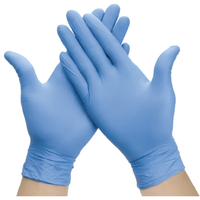
When handling any chemical disinfectant, protecting yourself is a priority. The manufacturer explicitly recommends wearing gloves when using Sani-Cloth products to prevent skin irritation and chemical exposure. High-quality, medical-grade disposable gloves are essential for this task. The SurgiMac MacSafe line offers reliable nitrile and latex options that provide excellent barrier protection and tactile sensitivity. Depending on your clinic’s protocols and the risk of splashes, you may also consider wearing safety glasses. Always follow your practice’s safety guidelines and the product’s safety data sheet (SDS) for complete protection.
Comparing Contact Times and Active Ingredients
Choosing the right disinfectant wipe comes down to the details: how long it takes to work and what’s inside it. The contact time—the period a surface must remain visibly wet to kill pathogens—and the active ingredients are the two most critical factors in ensuring effective disinfection. A wipe that dries too quickly or uses an ingredient incompatible with your equipment won't provide the protection your practice needs. Understanding these differences helps you select the perfect tool for every surface, from sensitive electronics to high-touch operatories, ensuring your infection control protocol is both effective and efficient.
Alcohol-Based vs. Alcohol-Free Formulas
The primary distinction in many disinfectant wipes is the presence of alcohol. Alcohol-based formulas, like Super Sani-Cloth, are known for their rapid action. With 55% isopropyl alcohol, they offer broad-spectrum disinfection with a fast contact time, making them ideal for routine cleaning of non-porous surfaces between patients. On the other hand, alcohol-free formulas like Sani-Cloth AF3 use quaternary ammonium compounds for disinfection. While their contact time is slightly longer, they are a better choice for surfaces and equipment sensitive to alcohol, such as certain plastics, upholstery, and electronics. This makes them a versatile option for practices with a wide range of materials to disinfect.
A Breakdown of Contact Times by Product
Contact time is non-negotiable for proper disinfection. If a surface dries before the required time is met, you must re-wipe it to ensure all pathogens are eliminated. Each Sani-Cloth product has a specific contact time based on its formulation.
- Super Sani-Cloth®: Kills 34 types of microorganisms in just 2 minutes. Its speed makes it a go-to for quick operatory turnover.
- SANI-CLOTH® AF3: Has a 3-minute contact time and is effective against 44 pathogens, offering a balance of efficacy and surface compatibility.
- Sani-Cloth® Bleach: Requires a 4-minute contact time. This wipe is designed for high-risk areas where you need to eliminate difficult-to-kill spores like C. difficile or viruses like Norovirus.
Understanding Active Ingredient Profiles
The active ingredients determine a wipe’s germ-killing power. Super Sani-Cloth wipes combine 55% isopropyl alcohol with quaternary ammonium compounds, creating a powerful, fast-acting formula. Sani-Cloth AF3 relies solely on a quat-based formula, which is effective without the harshness of alcohol. For the toughest jobs, Sani-Cloth Bleach uses sodium hypochlorite (bleach) to destroy resilient spores and viruses. Pairing the right disinfectant with the right personal protective equipment is key. Always wear appropriate MacSafe disposable gloves when handling chemical disinfectants to protect your skin and prevent cross-contamination, ensuring a safe environment for both you and your patients.
How to Choose the Right Sani-Cloth Product for Your Practice
Selecting the right disinfectant wipe isn't just about grabbing the nearest canister. Different areas of your practice have unique needs, from protecting sensitive equipment to neutralizing resilient pathogens in clinical zones. A thoughtful approach ensures you achieve effective disinfection without causing unintended damage or compromising safety. By matching the Sani-Cloth product to the specific task, you can streamline your infection control protocols, protect your investments, and maintain a safe environment for both your team and your patients.
Making an informed choice involves considering factors like equipment material, the level of microbial threat, and the specific environment you're disinfecting. Whether you're wiping down a reception desk or an operatory chair, the right wipe makes all the difference in upholding the highest standards of clinical hygiene.
Checking for Equipment Compatibility
Before you wipe down any surface, it's essential to confirm that your chosen disinfectant won't damage it. Dental equipment is a significant investment, and harsh chemicals can degrade plastics, upholstery, and sensitive electronic components over time. Always review the manufacturer's instructions for your equipment to see which chemical agents are approved for use. According to PDI’s own reference materials, their Sani-Cloth® Wipes Materials Compatibility Reference Guide notes that certain products, like their bleach wipes, can help keep surfaces looking new for longer when used correctly. Taking a moment to verify compatibility protects your valuable dental equipment and supplies and ensures your disinfection efforts are both safe and effective.
Selecting Wipes for Patient Areas vs. Operatories
The disinfection needs of your waiting room are very different from those of a clinical operatory. For non-critical areas like reception counters and patient chairs, a broad-spectrum, intermediate-level disinfectant like Super Sani-Cloth is often sufficient. However, for clinical contact surfaces in operatories, you need a product with proven efficacy against a wider range of pathogens. As one guide to dental disinfectants explains, "disposable disinfectant wipes...are effective for cleaning and disinfecting environmental surfaces in dental settings" when used correctly. The key is choosing the right level of disinfection for the right area to optimize your infection control strategy.
Disinfecting High-Risk Contamination Zones
Certain areas and situations present a higher risk for pathogen transmission, requiring a more powerful disinfectant. This includes surfaces contaminated with blood or other potentially infectious materials, as well as operatories used for patients with known infections. For these high-risk zones, you need a product with sporicidal capabilities. The Sani-Cloth® Bleach Germicidal Disposable Wipe is an excellent choice, as it is "effective against 50 microorganisms in 4 minutes," including tough-to-kill C. diff spores. Using a high-level disinfectant in these scenarios is a critical step in breaking the chain of infection. Remember to always use appropriate PPE, such as MacSafe gloves, when handling these potent formulas.
Common Challenges and How to Solve Them
Even the most effective disinfectant wipes can fall short if they aren't used correctly. Consistent technique and proper safety protocols are key to getting the results you expect and keeping your team protected. Let’s walk through a few common hurdles dental professionals face when using Sani-Cloth wipes and discuss simple, actionable solutions to keep your practice running smoothly and safely. By standardizing your approach, you can ensure every surface is properly disinfected, every time.
Ensuring Consistent Surface Coverage
One of the biggest challenges with manual disinfection is simply missing spots. It’s more common than you might think; some studies show that nearly 50% of surfaces can be missed during routine cleaning. To solve this, adopt a systematic wiping pattern. Instead of wiping in a circular motion, which can redeposit microbes, instruct your team to wipe in an S-shaped pattern from top to bottom, ensuring you don’t pass over the same area twice with a contaminated part of the wipe.
For larger surfaces, use multiple wipes to ensure the entire area remains visibly wet for the full contact time listed on the product label. This "wetness" is crucial for the active ingredients to do their job. A consistent technique is a cornerstone of any effective infection control protocol.
Standardizing Your Team's Technique
Every member of your clinical team should follow the exact same disinfection process to guarantee consistent results and safety. This starts with establishing a clear, written protocol. The manufacturer explicitly recommends wearing gloves when using products like Super Sani-Cloth to protect your skin from the chemical ingredients. This non-negotiable step should be the foundation of your standardized technique.
Equip your team with high-quality personal protective equipment (PPE) from a trusted line like MacSafe, which offers reliable exam gloves and other protective gear. By making sure everyone uses the same products and follows the same steps—from putting on gloves to the final wipe-down—you minimize variability and create a safer environment for both your staff and patients.
How to Prevent Skin Irritation
Frequent exposure to disinfectants can be tough on your hands, leading to dryness, redness, or irritation. The best line of defense is to prevent contact in the first place. Always wear appropriate disposable gloves when handling Sani-Cloth wipes. While you might see informal advice suggesting it's okay to use them bare-handed with thorough handwashing afterward, adhering to manufacturer guidelines is always the safest bet for occupational health.
If accidental contact occurs, wash your hands immediately with soap and water. Follow up with a high-quality, professional-grade moisturizer to restore your skin's natural barrier. Making quality gloves and hand care products readily available encourages compliance and helps protect your team from the cumulative effects of chemical exposure throughout the day.
Finding a Cost-Effective Alternative
Managing practice overhead is a constant balancing act, and supply costs are a significant part of the equation. While Sani-Cloth offers various formulations like the alcohol-free AF3 to suit different clinical needs, these options can sometimes come at a premium price. Many practices are seeking alternatives that provide equivalent disinfecting power without straining the budget.
This is a key advantage of the MacSafe line. SurgiMac offers high-quality disinfectant wipes that provide a cost-effective solution without sacrificing performance. By choosing MacSafe, you can implement a reliable disinfection protocol that aligns with your clinical standards while also supporting your practice's financial health. It allows you to allocate resources to other critical areas, all while maintaining a safe and sterile environment.
Creating a Complementary Infection Control Strategy
Effective disinfection isn't about relying on a single product; it's about building a layered strategy. Research has shown that "approximately 50% of surfaces are missed during manual disinfection," which highlights the need for a comprehensive approach. Integrating different products and protocols ensures all areas are consistently and effectively sanitized.
Instead of viewing it as an "either/or" choice, you can use MacSafe products to complement your existing protocols. For example, you might use a hospital-grade disinfectant in high-contact operatories while using another wipe for less critical surfaces. This strategy can be both effective and economical. Pairing MacSafe wipes with other essential protective gear, like disposable gloves and lab coats from the same line, helps create a holistic and standardized safety system for your entire team.
Where to Purchase Sani-Cloth Products
Once you’ve identified the right Sani-Cloth product for your practice, the next step is sourcing it reliably. Securing a consistent supply of authentic disinfecting wipes is crucial for maintaining your infection control protocols without interruption. Knowing where to look ensures you get genuine products that perform as expected, keeping your clinic safe and compliant. Here are the best ways to purchase Sani-Cloth wipes for your professional needs.
Finding an Authorized Distributor
PDI's Sani-Cloth® products are sold through a network of authorized distributors to ensure healthcare professionals receive genuine, effective solutions. Purchasing from an official partner guarantees that the products meet strict quality standards and have been stored correctly before they reach your clinic. This is the best way to protect your practice from counterfeit or expired products, which can compromise patient safety and your clinic’s compliance. An authorized source provides peace of mind that you’re using authentic wipes designed for clinical environments.
Ordering Online Through SurgiMac
For a streamlined purchasing process, you can order Sani-Cloth products directly from a trusted online supplier. At SurgiMac, we offer a range of Sani-Cloth disinfectant wipes and sprays, making it simple for dental professionals to stock up on essential infection control supplies. Ordering online allows you to manage your inventory efficiently without leaving the office. You can easily browse different product types, compare options, and have your supplies delivered right to your practice. This convenience helps ensure you never run out of the products you rely on to maintain a safe clinical environment.
Tips for Buying in Bulk
Purchasing Sani-Cloth products in bulk is a smart strategy for managing costs and ensuring your practice is always prepared. Many suppliers offer better pricing on larger orders, which can lead to significant savings over time. Buying in bulk also reduces the frequency of ordering, saving you administrative time and preventing supply shortages during busy periods. When planning a bulk purchase, check with your trusted supplier to see what discounts are available. This approach helps maintain a consistent stock of your essential dental disposables and keeps your infection control protocols running smoothly.
How to Properly Store and Handle Your Wipes
Getting the most out of your disinfectant wipes isn’t just about technique—it’s also about proper storage and handling. When you store your wipes correctly, you protect their chemical integrity and ensure they deliver the disinfecting power you rely on for every procedure. Improper handling can lead to dried-out wipes, reduced effectiveness, and even cross-contamination, undermining your entire infection control protocol. Think of it as protecting your investment and, more importantly, protecting your patients and staff. By following a few simple guidelines, you can maintain the quality of your wipes from the first to the last, ensuring your practice remains a safe and compliant environment.
Ideal Storage Conditions and Temperature
To keep your Sani-Cloth wipes effective, store them in a cool, dry area away from direct sunlight and heat sources. High temperatures can degrade the active ingredients, while sunlight can damage the packaging and compromise the formula. Storing them in a designated cabinet or supply closet helps maintain their disinfecting properties and extends their shelf life. This simple step ensures that every wipe you pull from the canister is ready to perform as expected, providing consistent and reliable surface disinfection. Proper storage is a foundational part of your practice's safety standards, preserving the integrity of the products you trust.
Monitoring Shelf Life and Expiration Dates
Just like sterile instruments and materials, disinfectant wipes have an expiration date for a reason. Regularly check the date printed on the Sani-Cloth packaging and rotate your stock to use older products first. Using expired wipes is a significant risk, as their ability to kill pathogens effectively can be greatly reduced, potentially compromising patient safety and leaving your practice non-compliant. Make it a routine task for your team to check inventory dates when restocking operatories. This ensures you always have a supply of potent, effective wipes ready for use and upholds the highest standards of care in your clinic.
Best Practices for Dispensing to Prevent Contamination
How you dispense your wipes is just as important as how you use them. To prevent contamination, always close the canister lid securely after each use. This keeps the remaining wipes from drying out and protects them from airborne contaminants. When retrieving a wipe, it's best practice to wear disposable gloves to avoid touching the other wipes in the container. This simple habit is a core part of the MacSafe approach to hygiene, helping maintain the cleanliness and effectiveness of your entire supply. Following these dispensing protocols ensures every wipe remains ready to provide maximum disinfection.
Frequently Asked Questions
Q: What's the real difference between Super Sani-Cloth (purple top) and Sani-Cloth AF3 (gray top)?
A: The main difference comes down to alcohol content and what you're cleaning. Super Sani-Cloth wipes contain 55% alcohol, making them very effective with a fast, two-minute contact time for disinfecting durable, non-porous surfaces. Sani-Cloth AF3 is alcohol-free, which makes it the ideal choice for more sensitive equipment, such as certain plastics, rubber, or upholstery on dental chairs that could be damaged by alcohol over time.
Q: Do I have to pre-clean surfaces before using a Sani-Cloth wipe?
A: Yes, if there is any visible debris, blood, or saliva on the surface. Sani-Cloth wipes are designed for disinfection, and their chemicals need to make direct contact with the surface to work properly. Heavy soil can act as a barrier, preventing the disinfectant from reaching and killing the pathogens underneath. For best results, always remove visible contamination with a cleaner or a separate wipe first, then follow up with your Sani-Cloth wipe for disinfection.
Q: Why is "contact time" so important, and what happens if the surface dries too fast?
A: Contact time is the specific amount of time a surface must remain visibly wet for the disinfectant to kill all the microorganisms listed on its label. If the surface dries before that time is up, the disinfection process is incomplete, and you can't be sure all the pathogens have been eliminated. If you notice a surface drying too quickly, simply re-wipe it to ensure it stays wet for the entire required duration.
Q: Can I use these wipes on sensitive equipment like X-ray sensors or my dental chair?
A: For sensitive items, you should always choose an alcohol-free formula like Sani-Cloth AF3. Alcohol-based disinfectants can damage delicate electronics, plastics, and upholstery over time, causing cracking or discoloration. While AF3 is a safer choice, it's always a good practice to first check the equipment manufacturer’s instructions to see which disinfectants are approved for use.
Q: When is it necessary to use the Sani-Cloth Bleach wipes?
A: Sani-Cloth Bleach wipes are reserved for the most challenging disinfection tasks. You should use them when dealing with known or suspected contamination from highly resilient pathogens, especially C. diff spores, which standard disinfectants cannot kill. They are also recommended for terminal cleaning of a room or for managing an outbreak of a tough virus like Norovirus. Because bleach is a potent chemical, always wear protective MacSafe gloves when handling these wipes.
Read More
Tags
Blog posts
-
, by SurgiMac A Clinician's Guide to Absorbable Suture Material
-
, by SurgiMac A Clinician's Guide to Dental Composite Resin Kits
-
, by SurgiMac How to Disinfect with Metrex CaviWipes Correctly
