
The Ultimate Guide to Tungsten Carbide Burs in Dentistry
- , by SurgiMac
- 26 min reading time
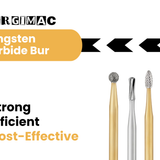
Get expert insights on tungsten carbide burs in dentistry, including benefits, clinical uses, and tips for choosing the right bur for every dental procedure.
Choosing the right dental supplies is as much a business decision as it is a clinical one. While it can be tempting to opt for lower-cost alternatives, the true value of an instrument lies in its performance and longevity. Steel burs may seem economical upfront, but they dull quickly, leading to inefficiency and frequent replacement costs. This is why investing in a premium set of tungsten carbide burs in dentistry is one of the smartest choices you can make for your practice. Their exceptional durability means they maintain their sharpness through countless procedures, saving valuable chair time and reducing your cost-per-use. This guide explains how high-quality burs and diamonds are a long-term investment in your practice’s efficiency and clinical excellence.
Key Takeaways
- Choose Carbide for Cutting, Not Grinding: Tungsten carbide burs use sharp flutes to slice through tooth structure, providing superior control and smoother margins compared to the grinding action of diamond burs. This makes them ideal for precise cavity preparations.
- Match Bur Design to the Clinical Goal: A bur's effectiveness depends on its shape and blade design. Select aggressive, low-flute burs for efficient bulk removal and fine, multi-fluted burs for smooth polishing to achieve predictable and high-quality results.
- Invest in Durability for a Lower Cost-Per-Use: While the initial price is higher than steel, tungsten carbide burs are significantly more durable and retain their sharpness longer. This longevity reduces replacement frequency and delivers a better long-term value for your practice.
What Are Tungsten Carbide Burs?
If you’re looking for precision and efficiency in your dental practice, tungsten carbide burs are essential tools for your collection. Unlike diamond burs that grind away tooth structure, carbide burs are designed to cut. This fundamental difference means they operate with sharp blades that slice through material, resulting in smoother finishes, faster preparation times, and a more comfortable experience for your patients.
Think of them as the scalpels of restorative dentistry. Their cutting action provides exceptional tactile feedback, allowing you to feel exactly what you’re doing. Whether you're preparing a cavity or removing an old restoration, the clean, precise action of a carbide bur helps you preserve healthy tooth structure while efficiently removing the material you need to. This level of control is what makes them a favorite among clinicians for a wide range of procedures.
What Are They Made Of?
Tungsten carbide is an incredibly hard compound created by combining tungsten and carbon atoms. The result is a material that is significantly tougher and more durable than steel. This inherent strength is why tungsten carbide burs maintain their sharp cutting edges for much longer than their steel counterparts. Because they resist wear so effectively, you can count on them for consistent performance, procedure after procedure. This durability not only ensures clinical precision but also makes them a cost-effective choice for your practice over the long term.
Tungsten Carbide vs. Diamond & Steel: What's the Difference?
When selecting the right bur, it helps to understand how tungsten carbide stacks up against other common materials. Steel burs, for instance, dull quickly and are less efficient. Tungsten carbide is about three times stronger than steel, offering superior longevity and cutting power.
The more common comparison is with diamond burs. The key difference lies in their action: carbide burs cut, while diamond burs grind. This makes tungsten carbide an excellent choice for tasks requiring smooth, clean cuts, such as preparing cavities or removing old metal fillings. They also produce less vibration and noise than diamond burs. Diamond burs, on the other hand, excel at removing large amounts of hard tissue like enamel and are ideal for adjusting porcelain or ceramic restorations. Having a full selection of high-quality burs and diamonds ensures you always have the perfect instrument for any clinical situation.
Why Should You Use Tungsten Carbide Burs?
When it comes to selecting the right tools for your practice, performance and reliability are everything. Tungsten carbide burs have become a cornerstone of modern dentistry for good reason. They offer a powerful combination of strength, precision, and longevity that steel and even some diamond burs can't match. Integrating high-quality tungsten carbide burs into your workflow isn't just about having a better tool; it's about achieving cleaner clinical outcomes, improving procedural efficiency, and enhancing patient comfort.
These burs are true workhorses, capable of handling everything from delicate cavity preparations to aggressive crown removal. Their unique material properties allow for incredibly efficient cutting with minimal pressure, which translates to less hand fatigue for you and a better overall experience for your patient. By understanding the distinct advantages they offer, you can make a more informed decision about the burs and diamonds you stock in your operatory, ensuring you have the best instrument for every task. Let's break down the key benefits that make tungsten carbide burs an indispensable part of any dental toolkit.
Experience Unmatched Durability and Cutting Power
Tungsten carbide burs are celebrated for their exceptional strength and sharpness, providing consistent and reliable results for both dentists and dental technicians. Made from a material significantly harder than steel, these burs maintain their cutting edge through multiple procedures. This durability means you can efficiently cut through enamel, dentin, and even tough restorative materials like amalgam or composites with predictable control. The sharp, precision-ground flutes engage the tooth structure cleanly, removing material quickly and reducing the time needed for each procedure. This cutting efficiency not only saves valuable chair time but also minimizes the physical effort required, helping to reduce hand fatigue during long appointments.
Achieve Cleaner Results with Less Vibration
One of the standout features of tungsten carbide burs is their ability to produce clean, exact cuts with minimal vibration. The superior concentricity and blade design reduce the "chatter" often associated with less precise instruments. This stability provides enhanced tactile feedback, allowing you to feel exactly what you're doing and avoid unintentionally removing healthy tooth structure. The result is smoother cavity walls and more defined margins, which are critical for the success of subsequent restorative work. This level of precision gives you greater control and confidence, especially when performing delicate procedures where every millimeter counts.
Make a Smart Investment in Longevity
While the initial cost of tungsten carbide burs may be higher than that of traditional steel burs, their extended lifespan makes them a far more economical choice in the long run. Because they are so hard and wear-resistant, they can be used for many procedures before becoming dull. This impressive longevity means you'll replace them less frequently, which simplifies inventory management and lowers your overall cost per use. Investing in durable, high-performance dental supplies like tungsten carbide burs is a practical business decision that supports both your clinical standards and your practice's bottom line.
Enhance Patient Comfort with Less Heat
An efficient bur is a cooler bur. Because tungsten carbide cuts so effectively, it generates less friction and heat compared to a duller instrument that has to grind away at the tooth structure. While proper water irrigation is always essential during high-speed procedures, a sharp bur minimizes the contact time needed to get the job done. This rapid, clean cutting action significantly reduces the risk of thermal damage to the pulp and contributes to a more comfortable experience for your patient. Proper sterilization and maintenance will also ensure your burs perform optimally, keeping them sharp and effective for every use.
Top Clinical Applications for Tungsten Carbide Burs
Tungsten carbide burs are true workhorses in a dental practice, valued for their versatility across a wide range of procedures. Their unique combination of strength, sharpness, and durability makes them indispensable for everything from routine preparations to complex surgical interventions. Because they cut so efficiently, they help reduce chair time and improve the overall patient experience. Let's explore the four primary clinical applications where these burs truly shine, demonstrating why they are a staple in modern dentistry. Having a well-organized inventory of high-quality burs and diamonds ensures you always have the right tool for the job, allowing you to work with confidence and precision.
Cavity Preparation and Restoration Removal
When it comes to cavity preparation, efficiency is key. Tungsten carbide burs excel at quickly and cleanly removing decayed tooth structure, creating the ideal foundation for a lasting restoration. Their incredible hardness allows them to cut through enamel and dentin with minimal effort. This same strength makes them the go-to instrument for removing old restorations, including tough materials like metal amalgam fillings or porcelain-fused-to-metal (PFM) crowns. The sharp, precise cutting action reduces vibration, which not only enhances your control but also contributes to a more comfortable experience for your patient.
Crown and Bridge Preparation
Achieving a perfect fit for crowns and bridges starts with meticulous preparation, and tungsten carbide burs are essential for this task. Specific shapes, like cylinder or tapered burs, are designed to create the smooth margins and ideal contours necessary for a successful restoration. They allow you to precisely shape tooth structure and existing fillings, ensuring the final prosthesis seats perfectly. Using a high-quality tungsten carbide bur for this application helps you work quickly and reliably, removing old crown materials without damaging the underlying tooth structure and setting the stage for excellent clinical outcomes.
Surgical Procedures and Bone Contouring
In oral surgery, precision and predictability are non-negotiable. Tungsten carbide burs are frequently used for surgical applications like bone contouring or sectioning teeth for extraction. Their design allows for clean, efficient cutting of bone and enamel with significantly less chatter than other materials. When used with a water coolant, they generate less heat, which is critical for minimizing thermal damage to surrounding tissues and promoting better healing. This level of control makes them an invaluable tool for delicate surgical interventions where every millimeter counts.
Finishing and Polishing Applications
The final step of any restorative procedure is just as important as the first. Fine-grit tungsten carbide burs are perfect for finishing and polishing restorations, creating smooth, lustrous surfaces on composites and other materials. A beautifully polished restoration is not only more aesthetic but also more comfortable for the patient, as it reduces the risk of plaque accumulation and soft tissue irritation. Using the right finishing bur ensures your clinical work is both functional and visually seamless, leading to higher patient satisfaction and long-lasting results.
A Guide to Tungsten Carbide Bur Types
Tungsten carbide burs are not a one-size-fits-all tool. Their design is highly specialized to give you precise control and optimal performance for specific clinical tasks. Understanding the differences between cut designs, shapes, and grit patterns is essential for selecting the right instrument for any procedure, from bulk material removal to fine finishing. Choosing the correct bur not only improves the quality of your work but also enhances efficiency and patient comfort.
Think of your bur collection as a specialized toolkit. Just as you wouldn't use a molar extractor for a delicate incisor, you wouldn't use an aggressive cutting bur for fine polishing. Each variation in a bur’s anatomy, from the angle of its blades to the shape of its head, is engineered for a purpose. Let's break down the key characteristics you'll encounter when browsing burs and diamonds so you can confidently equip your practice for any clinical scenario. This knowledge will help you work more effectively and achieve consistently excellent results.
Cross-Cut vs. Plain-Cut Designs
The flutes, or cutting blades, on a tungsten carbide bur head determine its cutting action. The two most common patterns are plain-cut and cross-cut. A plain-cut (or single-cut) bur has straight, parallel flutes, making it ideal for aggressive, rapid removal of tough materials like metal restorations. Its design allows for powerful cutting with minimal clogging.
In contrast, a cross-cut bur features additional cuts across the main flutes. This design breaks down debris into smaller particles, resulting in a smoother cutting action and a finer surface finish. Cross-cut burs are excellent for sectioning teeth and working on enamel and dentin, as they reduce chatter and provide greater control during delicate procedures.
Specialty Shapes and Configurations
The shape of the bur head is directly related to its function. Each configuration is designed to perform a specific task with maximum precision. Some of the most common shapes you’ll use include:
- Round: Perfect for initial tooth entry, creating access points, and removing caries.
- Inverted Cone: Used to create undercuts for retentive fillings and flatten cavity floors.
- Pear-Shaped: Excellent for creating conservative and smooth-walled cavity preparations, especially in Class I restorations.
- Cylinder or Fissure: Ideal for forming straight, parallel walls and smoothing the floor of a cavity preparation.
Having a variety of these shapes on hand ensures you are prepared for any restorative or surgical challenge.
Grit Sizes and Cutting Patterns
For trimming and finishing, the number of flutes on the bur head is critical. Burs with fewer flutes (typically 6-8) are more aggressive and used for bulk material removal. Finishing burs, on the other hand, have a higher number of flutes (from 12 to 30) arranged in a tighter pattern. The more flutes a bur has, the smoother the resulting surface will be.
These finishing burs often come in different coarseness levels, such as fine or extra-fine, allowing you to create a highly polished restoration. This final step is crucial for reducing plaque accumulation and ensuring the longevity of your work. The inherent strength of tungsten carbide ensures these fine flutes remain sharp and effective through repeated use.
Tungsten Carbide Burs: A Head-to-Head Comparison
Choosing the right dental bur is essential for achieving precise clinical outcomes. While diamond and steel burs have their place, tungsten carbide offers a unique combination of strength, efficiency, and control. Understanding how it stacks up against other materials will help you select the best instrument for every procedure, ensuring both you and your patients have a better experience.
Performance Showdown: Tungsten Carbide vs. Diamond
When choosing between tungsten carbide and diamond burs, it helps to think of their actions: carbide burs cut, while diamond burs grind. Tungsten carbide burs have blade-like flutes that shave away tooth structure, making them ideal for tasks requiring precision and a smooth finish. They excel at cavity preparation, removing old metal restorations, and contouring bone because they provide excellent tactile feedback and create clean margins with minimal chipping. Diamond burs, on the other hand, are coated with fine diamond particles and are better suited for grinding through extremely hard materials like enamel or porcelain. While both are top-tier choices, your selection depends on whether the procedure calls for precise cutting or aggressive grinding.
Efficiency Gains: Tungsten Carbide vs. Steel
The difference between tungsten carbide and steel burs is night and day. Tungsten carbide is about three times stronger than steel, a difference you can feel immediately in its cutting efficiency and longevity. While steel burs dull quickly and require frequent replacement, a high-quality tungsten carbide bur maintains its sharp cutting edge through numerous procedures, making it a more cost-effective investment in the long run. This superior durability also means a smoother, faster cut with significantly less chatter and vibration. This not only reduces hand fatigue for you but also enhances patient comfort by minimizing noise and pressure during the procedure. It’s a clear win for clinical efficiency and overall performance.
How to Choose the Right Bur for Any Procedure
Selecting the perfect bur doesn't have to be complicated. Start by defining your clinical objective. Are you removing bulk decay, creating precise margins for a crown, or finishing a composite restoration? Next, match the bur's shank to your handpiece, whether it's a friction grip (FG) for high-speed use or a latch-type (RA) for low-speed applications. The bur's shape is also critical; round burs are great for initial entry, while fissure or pear-shaped burs are designed for shaping and extension. By aligning the bur's material, shape, and size with the specific task, you can ensure optimal outcomes. Exploring a comprehensive catalog of burs and diamonds can help you stock your practice for any procedure.
How to Select the Perfect Tungsten Carbide Bur
Choosing the right tungsten carbide bur is about more than just grabbing one from the drawer. The perfect bur can make a procedure smoother, faster, and more comfortable for your patient. It comes down to understanding three key factors: compatibility with your equipment, the specific demands of the clinical task, and proper maintenance to ensure consistent performance. Let's walk through how to make the best choice every time, so you can work with confidence and precision.
Ensure Handpiece and Shank Compatibility
Before considering shape or size, your first step is ensuring the bur fits your handpiece. Burs have different shanks designed for specific dental drills. For instance, Friction Grip (FG) burs are made for high-speed turbines used to cut tough materials like enamel. Using an incompatible shank can damage your handpiece and pose a safety risk. Always confirm the shank type matches your equipment. A secure fit ensures optimal power transfer and control, which is fundamental for precise dental work. You can explore a wide range of compatible burs and diamonds to find the perfect match for your handpieces.
Match the Bur's Design to the Clinical Task
Once compatibility is confirmed, select a design suited for the job. Tungsten carbide is an incredibly hard material, so these burs stay sharp for efficient cutting. The bur's head design is critical. A single-cut bur is ideal for aggressive material removal, while a cross-cut bur provides a smoother finish with less vibration, making it perfect for refining preparations. Consider the procedure you're performing, whether it's removing an old restoration, preparing a crown, or contouring bone. Each task requires a specific shape and cutting pattern to achieve the best clinical outcome.
Tips for Proper Sterilization and Maintenance
Proper care is essential for extending the life of your burs and ensuring patient safety. After every use, thoroughly clean the burs to remove all debris. Reusable burs must then be sterilized in an autoclave to eliminate microorganisms. Before starting a procedure, inspect the bur for any damage, like chipping or dulling. A dull bur is inefficient, generates excess heat, and can cause patient discomfort. Replacing worn burs promptly makes a big difference in performance and safety. Integrating these habits into your workflow supports effective infection control and keeps your tools in top condition.
Finding a Reliable Source for Your Burs
The quality of your dental burs has a direct impact on your clinical outcomes, procedural efficiency, and patient comfort. With so many options available, it’s essential to partner with a supplier that understands the demands of a modern dental practice. Sourcing your burs from a reliable distributor ensures you receive consistent, high-quality instruments that perform as expected every single time. A trustworthy supplier not only provides superior products but also offers the variety needed to handle any procedure with confidence.
Choosing the right partner for your dental equipment and supplies is a critical decision. It means you can trust that every bur is manufactured to exacting standards, free from defects, and capable of delivering the precise results your patients deserve. This reliability allows you to focus on your clinical work, knowing your instruments won’t fail you. When you have a dependable source, you streamline your inventory management and ensure your practice is always equipped for success.
Discover SurgiMac's Precision-Engineered Burs
At SurgiMac, we offer a comprehensive collection of premium burs and diamonds designed to meet the highest standards of clinical performance. Our tungsten carbide burs are crafted from a superior-grade alloy renowned for its exceptional hardness and durability. Unlike diamond burs that grind away tooth structure, carbide burs are engineered with sharp flutes that cut with remarkable efficiency. This cutting action produces a smoother finish, reduces heat generation, and allows for faster material removal.
This efficiency translates directly into a better clinical experience for both you and your patients. By reducing chair time and minimizing vibration, you can enhance patient comfort while achieving precise and predictable results. Whether you are preparing a cavity, adjusting a crown, or performing a surgical procedure, SurgiMac’s burs provide the control and reliability you need.
Key Features of a High-Performance Bur
When evaluating tungsten carbide burs for your practice, there are a few key features that separate high-performance instruments from the rest. First, look for exceptional durability. Tungsten carbide is significantly harder than steel, which means the cutting edges remain sharp for much longer. This longevity ensures consistent performance and makes them a cost-effective investment for your practice.
Next, consider precision. A high-quality bur delivers clean, exact cuts with minimal chatter or vibration. This stability is crucial for creating smooth margins and intricate preparations, ultimately leading to better restorative outcomes. Finally, versatility is essential. A reliable supplier should offer a wide range of shapes, sizes, and cutting patterns to equip you for nearly any dental procedure, from bulk reduction to fine finishing.
Debunking Common Myths About Tungsten Carbide Burs
Tungsten carbide burs are a staple in modern dentistry, but like any widely used tool, they’re surrounded by a few myths and misconceptions. Clearing up this confusion can help you get the most out of your instruments and make more confident purchasing decisions for your practice. Let's separate fact from fiction and look at what these powerful burs can truly do when used correctly. By understanding their properties, you can refine your technique, improve clinical outcomes, and ensure you’re making a sound investment in your toolkit.
Heat Generation and Cooling Myths
One of the most persistent myths is that tungsten carbide burs generate excessive heat that can harm the tooth's pulp. While it's true that any bur used at high speed produces heat, the material itself isn't the problem; the technique is. The key to preventing thermal damage is proper cooling. When operating a high-speed handpiece, a steady stream of water is essential to dissipate heat at the preparation site. Without adequate irrigation, the friction can indeed raise the temperature to unsafe levels. This principle applies to any type of bur, so focusing on consistent water flow will protect the pulp and ensure patient comfort.
Cost and Durability Assumptions
Another common point of confusion is the cost. Some clinicians hesitate to purchase tungsten carbide burs because their initial price is higher than that of steel burs. However, this view overlooks the total cost of ownership. Tungsten carbide is significantly harder and more durable than steel, meaning these burs retain their sharpness for much longer. This extended lifespan translates to fewer replacements and more consistent cutting efficiency over time. When you factor in their longevity, the long-term cost is often lower than repeatedly buying cheaper, less durable alternatives. Investing in high-quality burs and diamonds is an investment in your practice's efficiency.
Application Limitations and Brittleness Concerns
While tungsten carbide is incredibly strong, it’s not indestructible, which leads to myths about its brittleness. Because it is extremely hard, tungsten carbide is less flexible than steel and can be prone to chipping or fracturing if dropped on a hard surface or used with excessive force. It’s also important to match the bur to the material; for instance, they can struggle with cutting through extremely hard ceramics. Understanding this trade-off is key. By handling your dental instruments with care and selecting the appropriate bur for each specific clinical task, you can easily avoid issues and benefit from their superior cutting performance.
Sourcing Your Tungsten Carbide Burs
Once you know which tungsten carbide burs you need, the next step is finding a reliable source. A consistent and trustworthy supply chain is key to keeping your practice running smoothly and ensuring you always have the right tools for the job. Partnering with the right supplier not only guarantees product quality but also simplifies your inventory management, saving you time and preventing last-minute shortages. Let’s walk through how to establish a smart sourcing strategy for your practice.
Why Choose an Authorized Dental Supplier
Working with an authorized dental supplier is the best way to ensure you receive high-quality, authentic products every time. Reputable suppliers are committed to providing tools that meet strict clinical standards for precision, durability, and performance. When you source from a trusted partner, you can be confident that the burs and diamonds you purchase are genuine and will perform as expected. This eliminates the risks associated with counterfeit or substandard instruments, protecting both your patients and your practice's reputation. An authorized distributor provides peace of mind that every bur is built for professional use.
Streamline Your Inventory with Bulk Purchasing
Managing your inventory effectively is crucial for operational efficiency. Bulk purchasing allows you to maintain a healthy stock of essential supplies like tungsten carbide burs, reducing the need for frequent reorders and minimizing the risk of running out mid-procedure. Many suppliers offer flexible packaging options, from single sterile packs to larger quantities of 25 or 100, allowing you to choose the quantity that best fits your practice’s consumption rate. By ordering in larger volumes, you can often secure better pricing and simplify your procurement process, freeing up valuable time to focus on patient care.
Create a Smart Replacement Schedule
To maintain clinical excellence, it’s important to have a system for replacing your burs. A dull bur is not only inefficient but can also generate excess heat, leading to patient discomfort. Instead of waiting for a bur to fail, create a proactive replacement schedule. A good rule of thumb is to replace burs as soon as you notice a decline in their cutting efficiency. Regularly inspect your burs for signs of wear, chipping, or clogging. Establishing this habit ensures every procedure is performed with a sharp, effective instrument, which ultimately leads to cleaner preparations and better clinical outcomes.
Related Articles
- The Ultimate Guide to Tungsten Carbide Burs
- Sterile Diamond Bur - Flat End Taper - Coarse Grit (10 pcs)
- Sterile Diamond Bur: Flat End Taper - Coarse Grit (10 pcs)
- Sterile Diamond Bur: Round End Cylinder - Coarse Grit (10 pcs)
Frequently Asked Questions
When should I choose a tungsten carbide bur over a diamond bur? Think of it as choosing between a scalpel and a grinding stone. A tungsten carbide bur cuts with sharp blades, making it your best choice for creating clean, smooth cavity walls, removing old metal fillings, and sectioning teeth. A diamond bur grinds with abrasive particles, so it's better suited for removing large amounts of hard enamel or adjusting tough materials like porcelain and ceramic restorations.
How do I know when it's time to replace my tungsten carbide bur? You'll feel the difference before you see it. If you find yourself applying more pressure to get the same result, or if you notice increased chatter and vibration during a procedure, the bur is likely dull. A worn bur is inefficient, generates more heat, and can lead to a rougher preparation. For consistent, high-quality results, it's best to replace it as soon as you notice its performance starting to decline.
What's the practical difference between a plain-cut and a cross-cut bur? The choice comes down to the task at hand. A plain-cut bur has straight flutes and is designed for aggressive, rapid cutting, which makes it perfect for removing tough materials like metal restorations. A cross-cut bur has extra cuts across its blades, which breaks up debris more effectively for a smoother, finer cutting action. This design gives you more control and is ideal for working on enamel and dentin.
Can I use tungsten carbide burs on any restorative material? Tungsten carbide burs are incredibly versatile and perform exceptionally well on enamel, dentin, amalgam, and composite materials. However, for extremely hard ceramics like zirconia, a diamond bur is often the better instrument. While a carbide bur can cut through some ceramics, using it on very hard materials can cause it to wear down quickly or even fracture.
Does the quality of a tungsten carbide bur really make a difference? Absolutely. A high-quality bur is engineered for superior concentricity, meaning it spins perfectly true in your handpiece with minimal wobble. This precision results in cleaner cuts, less vibration, and better tactile feedback. Premium burs also use a higher-grade tungsten carbide that holds a sharp edge longer, giving you more consistent performance and making them a more reliable investment for your practice.
Tags
Blog posts
-
, by SurgiMac A Clinician's Guide to Absorbable Suture Material
-
, by SurgiMac A Clinician's Guide to Dental Composite Resin Kits
-
, by SurgiMac How to Disinfect with Metrex CaviWipes Correctly
