
Tungsten Carbide Burs: Types, Uses & Best Practices
- , by SurgiMac
- 30 min reading time
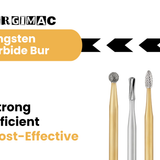
Get expert tips on tungsten carbide burs, including types, clinical uses, and best practices for safe, efficient dental procedures with Surgimac and MacSuture.
The quality of your restorative work begins long before you place the final composite or crown; it starts with the preparation. Achieving clean margins, ideal contours, and a smooth finish is impossible without the right instrument. Tungsten carbide burs are engineered for exactly this kind of precision. Their unique blade geometry and material strength allow for efficient cutting that minimizes thermal stress and vibration. This guide explores the key performance characteristics you should expect from a quality bur, from cutting efficiency to durability. We will cover how to match the right bur shape to the clinical task at hand, ensuring every preparation sets the stage for a successful, long-lasting restoration.
Key Takeaways
- Match the bur to the procedure for optimal results: The shape and size of your bur directly influence cutting efficiency. Using the correct bur for each task, from initial entry to final finishing, ensures cleaner preparations and reduces chair time.
- Master your technique to protect patients and instruments: The longevity of your bur and the health of the pulp depend on your handling. Always use light pressure, the manufacturer's recommended speed, and ample water coolant to prevent thermal damage and premature wear.
- Invest in quality to improve long-term value: While premium burs may have a higher initial cost, their durability and consistent performance lead to fewer replacements and greater efficiency. Sourcing reliable instruments from a trusted supplier like SurgiMac is a smart decision that pays off in better clinical outcomes.

What Are Tungsten Carbide Burs?
As a dental professional, the instruments you choose directly impact the quality of your work and the efficiency of your procedures. Among the most essential tools in your arsenal are dental burs. Tungsten carbide burs, in particular, have become a standard in modern dentistry for their exceptional strength, precision, and durability. They are the workhorses for a wide range of applications, from cavity preparation and crown removal to bone contouring. Understanding their composition, manufacturing process, and how they compare to other options is the first step in selecting the right instrument for every clinical scenario. This knowledge ensures you can work confidently, knowing your tools will perform predictably and effectively, procedure after procedure.
Composition and Clinical Advantages
Tungsten carbide burs are crafted from an incredibly hard and dense ceramic-like material. This composition makes them approximately three times stronger than steel, allowing them to withstand the high temperatures generated during procedures without losing their structural integrity. A key clinical advantage is their ability to maintain a sharp cutting edge for much longer than steel burs. This longevity means fewer replacements and more consistent performance over time. For your practice, this translates to greater efficiency in cutting tooth structure, amalgam, or composites, resulting in smoother preparations and reduced chair time for your patients. Their precision makes them indispensable for creating clean margins and detailed anatomical features.
How They're Made
The superior performance of a tungsten carbide bur begins with its manufacturing. High-quality burs are not simply molded; they are machine-ground from a solid piece of a specially selected grade of tungsten carbide. This precision grinding process is what creates the sharp, efficient blade geometry that defines their cutting action. The meticulous engineering ensures that each bur has consistent dimensions, sharp flutes, and a well-balanced design. This attention to detail in manufacturing is critical, as it minimizes vibration in the handpiece and provides a smoother, more controlled cutting experience. When you choose a well-made bur, you are investing in an instrument designed for optimal performance and reliability.
Tungsten Carbide vs. Other Dental Burs
When comparing tungsten carbide to other common burs and diamonds, the most significant difference lies in their mechanism of action. Unlike diamond burs, which grind away tooth structure through abrasion, tungsten carbide burs use sharp flutes to cut or chip away material. This cutting action often produces a smoother surface finish, which is ideal for cavity preparations. Furthermore, tungsten carbide excels at cutting through metals, such as old amalgam restorations or metal crowns, where a diamond bur might generate excessive heat and quickly become dull. Just as you rely on the consistent performance of MacSuture sutures for predictable wound closure, choosing the right bur ensures procedural success from the start.
Types of Tungsten Carbide Burs and Their Clinical Applications
The effectiveness of a tungsten carbide bur lies in its design. The specific shape of the bur's head is engineered for a particular task, from initial cavity access to fine-tuning a restoration. Understanding the different types and their intended applications is fundamental to achieving precise and efficient clinical outcomes. Let's explore the most common shapes you'll find in your practice and how to best apply them.
Round and Fissure Burs
Round burs are the workhorses of cavity preparation, primarily used for initial entry into carious dentin and creating access points. Their spherical shape is also ideal for excavating decay at slower speeds and preparing retention grooves. Fissure burs, available in straight or tapered designs, are essential for creating precise cuts and refining preparation walls. Their flat-ended or pointed shapes allow you to extend preparations, smooth internal walls, and even section multi-rooted teeth for extraction. The choice between a plain or crosscut fissure bur often depends on whether you need a smooth finish or more aggressive material removal. These two shapes form the foundation of most restorative procedures.
Inverted Cone and Pear-Shaped Burs
For creating mechanical retention, inverted cone burs are indispensable. Their unique shape, with a flat top and sides that taper toward the shank, allows you to produce sharp line angles and undercuts that securely lock in restorative materials. They are also highly effective for flattening pulpal floors. Pear-shaped burs offer a more versatile option, combining the characteristics of a round and a cone bur. This design is excellent for conservative cavity preparations, particularly for composite restorations, as it allows for excavation and shaping in a single step. Their rounded corners help create undercuts and reduce stress within the tooth structure, contributing to the longevity of the restoration.
Flame-Shaped and Specialty Burs
When it comes to detailed finishing work, flame-shaped burs provide exceptional control. Their pointed, curved design is perfect for contouring composite restorations, especially along marginal ridges and in occlusal anatomy. They are also used for shaping soft tissues after surgical procedures. Beyond these common shapes, you'll find a wide array of specialty burs designed for specific tasks. Finishing burs, for example, feature more flutes (typically 12 or 30) to produce an incredibly smooth surface on composites or amalgams. Surgical burs are engineered for bone cutting and tooth sectioning, requiring high strength and efficiency. Selecting the right specialty bur can significantly improve the quality and speed of your trimming and finishing work.
A Look at SurgiMac's Premium Collection
Your instruments are an extension of your clinical skill, which is why sourcing high-quality burs is so important. SurgiMac's premium collection of tungsten carbide burs is engineered for durability, precision, and cutting efficiency across a wide range of dental procedures. Each bur is designed to meet the rigorous demands of a busy practice, ensuring consistent performance from the first use to the last. When you pair reliable instruments like these with other high-quality supplies, such as our MacSuture line for predictable wound closure, you create a clinical environment built for success. Investing in dependable burs not only enhances your procedural outcomes but also provides better value over time by reducing the frequency of replacement.
How to Select the Right Bur for Any Procedure
Selecting the right bur is a foundational step for nearly every dental procedure, directly influencing efficiency, precision, and patient outcomes. Making a deliberate choice, rather than just grabbing what’s convenient, can significantly reduce chair time and improve the quality of your work. The process is straightforward when you break it down into a few key considerations: the head size and shape, the shank type that matches your handpiece, and the optimal speed for the task at hand.
Think of your bur inventory as a specialized toolkit. Each instrument has a specific purpose, and knowing which one to use for cavity preparation versus crown removal or bone shaping is crucial. A systematic approach ensures you’re not only working effectively but also extending the life of your burs and handpiece. Let’s walk through the essential factors to consider so you can confidently select the perfect bur for any clinical scenario you encounter.
Choosing the Right Head Size and Shape
The business end of the bur—the head—comes in a wide array of shapes and sizes, each engineered for a specific clinical task. The shape determines how the bur cuts, grinds, or finishes, so matching it to the procedure is your first step. For example, round burs are perfect for initial entry and caries removal, while pear-shaped burs are designed for creating undercuts in cavity preparations. Cylindrical or fissure burs are ideal for creating flat walls and floors, and flame-shaped burs excel at finishing and contouring.
Having a well-organized selection of burs and diamonds allows you to move seamlessly through a procedure. A smaller head size provides more precise control for detailed work, while a larger head can remove bulk material more quickly. Always consider the material you are working on—enamel, dentin, amalgam, or ceramic—as this will also guide your choice.
Matching Shank Types to Your Handpiece
The shank is the part of the bur that fits into your handpiece, and ensuring compatibility is non-negotiable for safety and performance. There are three primary shank types you’ll encounter in your practice. Friction Grip (FG) shanks are the standard for high-speed handpieces, held in place by friction. Right Angle (RA) shanks, also known as latch-type, are used with low-speed contra-angle handpieces. Finally, Handpiece (HP) shanks are longer and designed for straight low-speed handpieces, often used for lab work or surgical procedures.
Using the wrong shank can damage your handpiece’s chuck mechanism and create a hazardous situation if the bur comes loose during operation. Always confirm that the bur’s shank type matches the handpiece you intend to use before activating it.
Understanding Speed Requirements
Tungsten carbide burs are engineered to perform optimally within specific speed (RPM) ranges. Operating a bur too slowly can cause it to stall or snag, while excessive speed can generate too much heat, leading to thermal damage to the tooth and rapid wear of the bur itself. Many clinicians overlook the importance of adjusting speed settings, but this small step is critical for both cutting efficiency and longevity.
Always refer to the manufacturer’s guidelines for the recommended speed range. This level of precision is just as important as selecting the right suture material, like a product from the MacSuture line, for proper tissue approximation. Taking a moment to set the correct speed ensures the bur performs as intended, giving you a clean, controlled cut every time.
Guidelines for Specific Procedures
Applying these principles to common procedures helps solidify the selection process. For removing old amalgam or composite fillings, a cross-cut fissure bur provides aggressive, efficient removal. When preparing a tooth for a crown, you’ll likely use a sequence of burs, starting with a coarse tapered diamond for bulk reduction and moving to a finer football-shaped bur for smoothing margins. For surgical procedures, such as sectioning a tooth for extraction, specialized surgical-length burs are necessary.
Your choice will also depend on the material you’re cutting. Tungsten carbide burs are exceptionally versatile and can be used on natural tooth structure, acrylics, gold, and silver. Having a clear understanding of your procedural goals will make selecting the right dental instruments and burs second nature.
Best Practices for Safe and Effective Use
Getting the most out of your tungsten carbide burs isn’t just about buying a quality product; it’s about mastering the technique. Proper handling extends the life of your burs and, more importantly, ensures patient safety and superior clinical outcomes. When you're focused on creating the perfect margin or removing decay efficiently, the last thing you need is a tool that underperforms due to improper use. From the speed of your handpiece to your sterilization protocol, every detail matters. Let's walk through the best practices that will help you use these essential tools safely and effectively, ensuring every preparation is as precise as possible and your workflow remains smooth and predictable. By integrating these habits into your daily practice, you not only protect your investment in high-quality burs but also enhance your clinical precision. Think of it like any other critical procedure in your practice—the fundamentals are everything. Just as you meticulously follow steps for placing a crown or performing a root canal, applying a systematic approach to bur usage will yield consistently better results. It minimizes chair time, reduces patient discomfort, and ultimately reflects the high standard of care you provide.
Proper Speed and Pressure Application
Matching your handpiece speed and application pressure to the specific bur and procedure is critical. Using a speed that’s too high or too low can cause chatter, reduce cutting efficiency, and generate excessive heat, potentially damaging both the tooth and the bur. Always check the manufacturer's recommended RPM range for a particular bur. As a rule of thumb, let the bur do the work. Apply light, consistent pressure in a painting-like motion rather than forcing it. This approach improves control, minimizes vibration, and allows the flutes to cut cleanly, preserving the bur's sharpness for longer.
Essential Cooling Techniques
Heat generation is an unavoidable consequence of friction, and managing it is non-negotiable for protecting the dental pulp. Overheating can lead to irreversible pulpitis and post-operative sensitivity. This is why effective cooling, typically through a constant stream of water and air from your handpiece, is essential. The coolant not only prevents thermal damage but also flushes away debris from the cutting surface. This keeps the bur’s flutes from clogging, which maintains cutting efficiency and gives you a clearer field of view. Before starting any procedure, always confirm that your handpiece’s spray ports are clear and functioning correctly.
Infection Control and Bur Safety
Burs are critical instruments that require the same rigorous infection control protocols as any other tool that contacts patient tissue. Always handle burs with gloved hands. After each use, they should be thoroughly cleaned, preferably in an ultrasonic cleaner, to remove all bioburden before sterilization. Following cleaning, package them appropriately and run them through an autoclave cycle according to CDC and manufacturer guidelines. Avoid storing used or even sterilized burs in open-air bur blocks, as these can easily become contaminated. For high-risk procedures, consider single-use sterile burs to eliminate any cross-contamination risk.
Common Mistakes to Avoid
Even experienced clinicians can fall into habits that compromise bur performance. One of the most frequent errors is continuing to use a dull or worn bur. This reduces cutting efficiency and forces you to apply more pressure, generating excess heat. Other common mistakes include keeping the bur static instead of using a light, sweeping motion, and removing the bur from the preparation at a steep angle, which can chip the bur or damage the margin. Achieving a precise outcome depends on your tools performing predictably, just as you rely on high-quality sutures like MacSuture for secure wound closure. Avoiding these simple errors will make a significant difference.
How to Maintain Your Burs for Maximum Longevity
Getting the most out of your tungsten carbide burs isn’t just about saving on supply costs; it’s about ensuring clinical excellence and patient safety. A well-maintained bur cuts efficiently, reduces heat generation, and minimizes the pressure needed during a procedure, which translates to less hand fatigue for you and greater comfort for your patient. By establishing a consistent maintenance protocol, you protect your investment, enhance performance, and uphold the highest standards of care in your practice. A little attention to detail after each use can dramatically extend the life of these essential instruments.
Step-by-Step Cleaning and Sterilization
A meticulous cleaning and sterilization process is the foundation of bur longevity and infection control. Immediately after a procedure, manually scrub the bur with a wire brush or place it in an ultrasonic cleaner with an enzymatic solution to remove all bioburden. Always handle used instruments with heavy-duty disposable gloves to prevent sharps injuries. After cleaning, rinse the burs thoroughly and ensure they are completely dry before packaging them for sterilization. This prevents spotting and potential corrosion. Finally, use a steam autoclave according to the manufacturer’s instructions. Proper sterilization protocols are non-negotiable for maintaining the integrity of your instruments and ensuring patient safety.
Correct Storage Practices
How you store your burs after sterilization is just as important as how you clean them. While convenient, standard bur blocks are not designed for sterile storage and can easily lead to recontamination. Once a bur is sterilized, it should remain in its sterilization pouch or cassette until you are ready to use it for the next procedure. This practice ensures it remains sterile and protected from environmental contaminants and physical damage. Integrating this step into your workflow reinforces your practice’s commitment to impeccable infection control and helps preserve the sharp, precise cutting edges of your burs for their next use.
How to Spot Signs of Wear
Using a worn-out bur is inefficient and can compromise the quality of your work. Regularly inspect your burs under magnification for signs of wear, such as dull or chipped cutting flutes, rounded edges, or visible corrosion. A key indicator is a noticeable decrease in cutting efficiency, forcing you to apply more pressure. This not only generates excess heat but also increases the risk of damaging the tooth structure and causing patient discomfort. Using a fresh, sharp bur for every preparation is as crucial as using a reliable suture, like those from the MacSuture product line, to ensure clean, predictable outcomes. When a bur shows signs of wear, it’s time to retire it.
Monitoring Bur Performance Over Time
Beyond visual inspection, pay close attention to how your burs perform during clinical use. A high-quality bur should cut smoothly with minimal vibration and require very little pressure. If you notice a change in performance—such as increased chatter, a rougher feel, or the need for more force—the bur is likely nearing the end of its effective life. Also, ensure you are operating your handpiece at the correct speed for the specific bur you’re using. Running a bur too fast or too slow can cause premature wear and reduce its effectiveness. Consider implementing a system to track usage to proactively replace burs before their performance degrades.
What to Expect: Key Performance Characteristics
When you select a tungsten carbide bur, you’re choosing a tool known for its specific performance advantages. Understanding these characteristics helps you not only select the right instrument for the procedure but also anticipate how it will handle in your hand. From the initial cut to the final polish, the performance of your bur directly impacts clinical outcomes, procedural efficiency, and patient comfort. The key is to know what to look for. A high-quality bur delivers a consistent and predictable experience every time. Let’s break down the four main performance indicators: cutting efficiency, heat generation, vibration, and durability.
Evaluating Cutting Efficiency
Cutting efficiency is all about how effectively a bur removes material. Tungsten carbide burs are engineered for this, known for being exceptionally precise and efficient at cutting tooth structure or restorative materials. Their sharp, angled flutes slice away material cleanly, which means you can achieve smooth, well-defined margins with less effort and in less time. This precision is critical for everything from cavity preparation to crown adjustments. When your bur cuts efficiently, you reduce the risk of ditching or chattering, leading to a better final restoration and a more comfortable experience for your patient. High-quality burs and diamonds are designed to maintain this cutting edge for longer, ensuring consistent performance.
Managing Heat Generation
Any time you’re cutting at high speeds, heat is a concern. Excessive heat can cause thermal damage to the pulp, leading to patient sensitivity or more serious complications. Tungsten carbide burs have an advantage here, as they tend to generate less heat than diamond burs due to their slicing action versus a grinding action. The material itself is also highly resistant to heat. However, even with the best bur, proper technique is essential. Always use adequate water spray or other cooling methods to dissipate any heat generated at the cutting surface. This protects the tooth and also helps extend the life of your bur by preventing overheating and premature wear.
Minimizing Vibration
Vibration is the enemy of precision. A bur that vibrates excessively can be difficult to control, leading to inaccurate preparations and hand fatigue for you. It’s also a major source of anxiety and discomfort for patients. Premium tungsten carbide burs are manufactured with exceptional balance and concentricity, ensuring they spin true in the handpiece with minimal vibration. This stability gives you superior tactile feedback and control, allowing for more delicate and precise work. When you use a well-balanced bur, you’ll immediately notice the smoother, quieter operation, which contributes to a more relaxed environment for everyone involved and better clinical results.
Factors Affecting Durability
Tungsten carbide is an incredibly hard and durable material—about three times stronger than steel. This inherent strength means your burs can withstand the rigors of daily clinical use and maintain their sharpness through multiple procedures. However, not all carbide burs are created equal. Durability is heavily influenced by the quality of the tungsten carbide used and the precision of the manufacturing process. A bur made from a high-grade carbide and ground to exact specifications will resist chipping and breaking. Proper care, including following correct sterilization protocols, is also crucial for maximizing their lifespan. Investing in quality instruments from a trusted source like SurgiMac ensures you get the longevity you expect.
How to Make a Smart Purchase Decision
Selecting the right tungsten carbide burs is an investment in your practice’s efficiency, clinical outcomes, and patient comfort. While it’s easy to focus on the initial price tag, a smart purchasing decision weighs quality, performance, and longevity to determine the true value. Making an informed choice means understanding what separates a premium bur from a standard one and knowing where to find reliable products that will serve your practice well. By evaluating a few key factors, you can confidently stock your inventory with burs that deliver consistent, high-quality results for every procedure.
Key Indicators of Quality
The quality of a tungsten carbide bur comes down to its material and manufacturing. The best burs are machine-ground from a high-grade tungsten carbide, which ensures both strength and durability. Look for burs with excellent concentricity—meaning they spin perfectly on axis without any wobble. This precision minimizes vibration, reduces handpiece wear, and allows for smoother, more accurate preparations. The blade geometry is another critical factor; well-designed flutes cut efficiently and clear debris effectively, preventing clogging and heat buildup. A truly high-quality bur will maintain its sharp cutting edge through multiple sterilization cycles, offering reliable performance over time.
Performing a Cost-Benefit Analysis
While premium tungsten carbide burs may have a higher upfront cost, they often provide greater long-term value. A durable, efficient bur can reduce chair time, leading to more productive appointments and an improved patient experience. Consider the cost-per-procedure rather than the cost-per-bur. A cheaper bur that dulls quickly will need to be replaced more often, potentially increasing your overall expenses. High-performance burs also contribute to better clinical outcomes by creating cleaner margins and smoother surfaces. Weighing the initial investment against the benefits of procedural efficiency, longevity, and superior results will help you make a financially sound decision for your practice.
A Look at Leading Manufacturers
When selecting burs, it’s wise to consider products from manufacturers with a proven track record for quality and consistency. Established brands often invest heavily in research, development, and stringent quality control measures, from sourcing raw materials to the final grinding process. These companies build their reputations on producing reliable instruments that dental professionals can trust. Reading peer reviews and seeking recommendations from colleagues can provide valuable insight into which manufacturers consistently deliver on their promises. Choosing a brand known for its commitment to excellence helps ensure you’re using a tool that is both safe and effective.
Where to Source Quality Burs
Purchasing your burs from a reputable dental supplier is crucial for guaranteeing product authenticity and quality. Specialized suppliers vet their inventory and partner with trusted manufacturers, so you can be confident you’re receiving genuine, high-performance instruments. Sourcing from a dedicated supplier like SurgiMac gives you access to a curated selection of professional-grade dental equipment and supplies. Consolidating your purchases through one trusted source for everything from burs to disposables and even sutures from the MacSuture line can also streamline your inventory management and procurement process, saving you valuable time.
Understanding Price Ranges by Bur Type
The price of tungsten carbide burs can vary significantly based on several factors. Specialty burs designed for specific, complex tasks like surgical procedures or fine finishing are typically priced higher than standard operative burs used for common preparations. The quantity you purchase also matters; buying in larger packs of 25 or 100 often reduces the cost per bur compared to buying smaller 5-packs. Finally, premium brands may command a higher price due to their superior materials and precision manufacturing. When budgeting, analyze your most common procedures to determine where to invest in high-performance specialty burs and where multi-packs of standard shapes offer the best value.
Key Takeaways for Your Practice
Integrating high-quality tungsten carbide burs into your daily procedures is about more than just having the right tool; it’s about optimizing your workflow, improving clinical outcomes, and making sound financial decisions for your practice. To help you apply what we’ve covered, let’s distill the information into four key areas that will directly impact your work. Think of this as your quick reference guide for making the most of your investment in these essential instruments. From clarifying common terms to understanding long-term value, these takeaways will help you refine your approach to selecting, using, and maintaining your burs. By focusing on these practical points, you can ensure you’re getting maximum performance from your tools while upholding the highest standards of patient care.
Debunking Common Misconceptions
Let's clear up a few things you might hear regarding burs. First, while the terms "bur" and "burr" are often used interchangeably in conversation, "bur" is the standard and correct term in the dental industry. Using precise language helps maintain clear communication among professionals. Another common misconception is that a single type of bur is superior for every task. In reality, the effectiveness of a bur is entirely procedure-dependent. A diamond bur might be ideal for cutting through porcelain, but a tungsten carbide bur offers unparalleled efficiency for excavating dentin. Understanding the specific applications for each type allows you to work more effectively and achieve cleaner, more precise results every time.
Setting Realistic Performance Expectations
Tungsten carbide burs are workhorses in any dental practice, known for their durability and efficient cutting. However, it's important to have a balanced perspective on their performance. Their incredible hardness allows for sharp, long-lasting cutting edges, but it also means they generate significant heat and noise during operation. This is a normal characteristic, not a flaw, and it underscores the importance of using proper cooling techniques to protect the pulp. While they may represent a higher initial investment compared to steel burs, their longevity and efficiency provide excellent value over time. Understanding these traits helps you anticipate their behavior and use them to their full potential while ensuring patient safety and comfort.
Essential Maintenance at a Glance
Proper maintenance is non-negotiable for extending the life of your burs and ensuring patient safety. Following a consistent protocol prevents cross-contamination and keeps your instruments performing at their best. Here are the critical steps to remember:
- Clean immediately: Remove all debris right after the procedure, before it has a chance to harden.
- Follow strict sterilization protocols: Use an autoclave and follow all manufacturer guidelines for sterilization to eliminate all microorganisms.
- Inspect before each use: Check for any signs of wear, dullness, or damage. A worn bur is inefficient and can cause excessive heat and vibration.
- Store properly: Keep burs in a clean, dry, and organized bur block to protect the cutting edges from damage.
The Long-Term Value of Quality Burs
Investing in premium burs is one of the smartest financial decisions you can make for your practice. High-quality burs maintain their sharpness through many procedures, which translates directly into efficiency. You’ll spend less time on preparations, reducing chair time and improving the patient experience. This precision also minimizes the risk of iatrogenic damage and ensures cleaner margins, leading to better restorative outcomes. Just as you rely on dependable sutures like MacSuture for predictable healing, dependable burs provide predictable and efficient cutting. Over time, the durability and consistent performance of quality burs lead to lower replacement costs and a smoother, more productive workflow.
Frequently Asked Questions
Tags
Blog posts
-
, by SurgiMac A Clinician's Guide to Absorbable Suture Material
-
, by SurgiMac A Clinician's Guide to Dental Composite Resin Kits
-
, by SurgiMac How to Disinfect with Metrex CaviWipes Correctly
