
How to Choose a Dental Disinfectant Wipe
- , by Marketing SurgiMac
- 15 min reading time
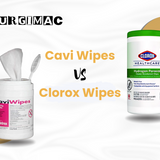
Find out which dental disinfectant wipe is best for your practice as we compare Cavi Wipes and Clorox Wipes for safety, effectiveness, and equipment care.
Your dental equipment is one of the biggest investments in your practice. From the dental chair to digital sensors, these tools are the backbone of your work, and protecting them is crucial. Many professionals don't realize that the wrong chemicals can degrade sensitive surfaces over time, leading to costly repairs or replacements. Choosing the right dental disinfectant wipe is about finding a balance between powerful disinfection and material safety. This guide will help you understand which ingredients to look for and which to avoid, ensuring you can keep your operatories sterile without causing long-term damage to your valuable assets.
In 2025, choosing the right dental disinfectants is no longer just about germ-killing power; it’s about finding a solution that works quickly while staying safe, gentle on surfaces, and fully aligned with modern infection control protocols. As dental technology evolves and operatory equipment becomes more sensitive,
SurgiMac offers dental disinfectant wipes that deliver strong microbial control with dependable material protection, helping practices remain both efficient and compliant.
What are Dental Disinfectant Wipes?
Disinfectant wipes play a critical role in maintaining hygiene by eliminating harmful pathogens such as bacteria and viruses on hard, non-porous surfaces in healthcare settings. CaviWipes and Clorox wipes are well-liked commercial products trusted in clinics, hospitals, and dental offices as surface disinfectants. These wipes contain powerful active ingredients, such as quaternary ammonium compounds or alcohol-based formulations, which are scientifically proven to kill a wide range of microorganisms.
Understanding Disinfectant Levels and Regulations
Not all disinfectant wipes are created equal, and using the wrong one can put your patients and staff at risk. The key is to select products that meet strict healthcare standards. Regulations set by agencies like the CDC and EPA aren't just suggestions; they are guidelines designed to ensure you're using a product that is proven to be effective in a clinical environment. Choosing a compliant wipe means you're not just cleaning a surface, but you're actively breaking the chain of infection with a tool that is up to the task. This ensures your practice adheres to the highest standards of care and safety.
CDC Guidelines and Disinfectant Levels
The Centers for Disease Control and Prevention (CDC) provides clear guidance for infection control in dental settings. For surface disinfection, the recommendation is straightforward: "Always use EPA-registered disinfectants that are made for healthcare settings." These products are categorized based on their germ-killing power, typically falling into low-level, intermediate-level, and high-level disinfection. For most non-critical surfaces in your operatory, like countertops and equipment exteriors, an intermediate-level disinfectant with a tuberculocidal claim is the standard. This ensures the wipe is effective against a broad spectrum of pathogens commonly found in healthcare environments.
The Importance of EPA Registration
When you see an EPA registration number on a disinfectant wipe's label, it’s a mark of trust. This number signifies that the product has undergone rigorous testing to prove its efficacy against the specific pathogens listed on its label. The Environmental Protection Agency (EPA) reviews scientific data to confirm the wipe can kill microorganisms when used as directed. This registration process is crucial because it "ensures that the disinfectant has been tested for efficacy against specific pathogens and is safe for use in healthcare environments." It’s your assurance that the product performs as promised, providing reliable protection for your practice.
Proper Usage for Maximum Efficacy
Even the best disinfectant wipe won't be effective if it isn't used correctly. Proper technique is just as important as product selection. Simply swiping a surface once isn't enough to eliminate harmful microorganisms. Following a systematic process ensures that you first remove physical debris and then apply the disinfectant in a way that allows it to do its job. Adhering to the manufacturer's instructions for use, especially regarding contact time and the cleaning process, is essential for achieving true disinfection and maintaining a safe clinical environment for everyone in your office.
The Two-Step "Wipe-Discard-Wipe" Process
For true disinfection, a two-step process is the gold standard. The first step is cleaning, and the second is disinfecting. Think of it as the "wipe-discard-wipe" method. You should "first, wipe to remove dirt and visible mess." This initial pass gets rid of any bioburden, like dust or fluids, that could prevent the disinfectant from reaching the surface. After discarding that wipe, "use a fresh wipe to disinfect the clean surface." This second, clean wipe ensures the disinfectant solution makes full contact with the surface, allowing it to kill the germs effectively.
Understanding Contact and Dry Time
One of the most critical factors for successful disinfection is contact time, also known as wet time. This is the specific amount of time a surface must remain visibly wet with the disinfectant to kill the targeted pathogens. As one expert notes, "The disinfectant needs to stay wet on the surface for a specific amount of time to kill germs. Don't wipe it off too soon." Each product has a different contact time, which can range from 30 seconds to 10 minutes. Always check the product label and make sure the surface stays wet for the entire required duration.
Common Mistakes to Avoid
Several common mistakes can undermine your disinfection efforts. Reusing a single wipe on multiple surfaces is a major one, as it can spread germs from one area to another instead of eliminating them. Another frequent error is failing to follow the two-step cleaning and disinfecting process, which leaves behind bioburden that can shield pathogens. However, the most common mistake "is not allowing the disinfectant to remain wet on the surface for the required contact time." Cutting this time short means the disinfectant may not have enough time to kill all the targeted microorganisms, leaving your surfaces improperly sanitized.
Essential Safety Protocols for Staff
While disinfectant wipes are designed to kill germs, they are still chemical agents that require careful handling. Protecting your team is a top priority, and that includes establishing clear safety protocols for using these products. From wearing the right personal protective equipment (PPE) to following proper storage and disposal procedures, every step matters. These protocols not only ensure the personal safety of your staff but also contribute to a culture of safety and compliance throughout the practice. Making these procedures a routine part of your daily workflow is key to preventing accidents and ensuring long-term health.
Using Personal Protective Equipment (PPE)
When handling any chemical disinfectant, wearing appropriate Personal Protective Equipment (PPE) is non-negotiable. At a minimum, gloves should be worn to protect your skin from direct contact with the disinfectant solution. As PDI Healthcare advises, "It's a good idea to wear gloves when cleaning in patient areas or if there's blood or bodily fluids." Depending on the specific chemical and the risk of splashing, you might also consider wearing safety glasses. Equipping your team with the right protective gear is a simple but effective way to prevent skin irritation and other potential exposures.
Safe Handling, Storage, and Disposal
Proper handling of disinfectant wipes extends beyond their use. Store the containers in a cool, dry place away from direct sunlight and ensure the lid is always sealed tightly to prevent the wipes from drying out. After use, it's important to "throw away used wipes correctly and wash your hands thoroughly after using them." Follow your facility's guidelines for disposing of contaminated materials. Finally, good hand hygiene after removing gloves is a critical last step to remove any residual chemicals and prevent cross-contamination, ensuring a safe process from start to finish.
A Look at Popular Dental Disinfectant Wipes
With a clear understanding of the guidelines and proper techniques, you can confidently select the right wipes for your practice. Trusted brands like CaviWipes and Clorox Healthcare wipes are popular for a reason—they are EPA-registered, have demonstrated efficacy, and are designed specifically for healthcare settings. These products "help stop germs from spreading and keep both patients and staff healthy." By choosing a reliable supplier like SurgiMac, you can easily stock these top-tier disinfectant wipes and other essential infection control products. Having a single source for everything from surface disinfectants to high-quality sutures, such as our MacSuture line, helps streamline your inventory management and ensures you always have dependable supplies on hand.
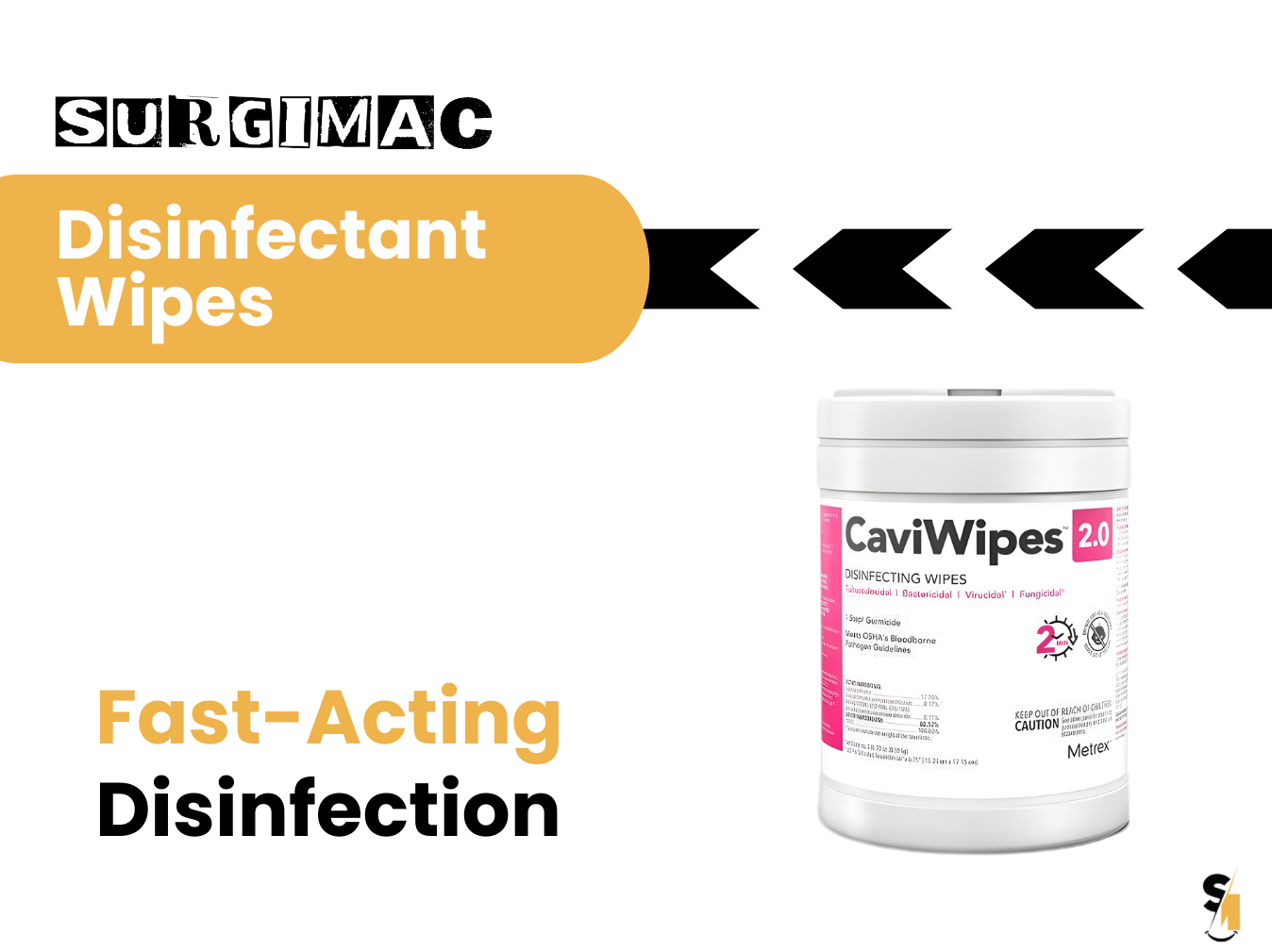
CaviWipes
CaviWipes are professional-grade disinfectant wipes designed specifically for healthcare settings. They are pre-saturated with Cavi Cide solution, which is a powerful cleaner and disinfectant in one. These wipes are widely used in dental and medical practices because they kill a broad range of bacteria, viruses, and fungi without damaging sensitive equipment.
Key Features of CaviWipes
- Designed for healthcare and dental environments
- Effective against TB, HIV-1, HBV, HCV, MRSA, and other pathogens
- Safe on most hard, non-porous surfaces, including dental chairs and instruments
- Require a short contact time (about 3 minutes) for complete disinfection
Clorox Wipes
Clorox Disinfecting Wipes are a household name, trusted not only for everyday cleaning at home but also in public spaces, offices, and even some healthcare settings. These disinfectant travel wipes are convenient to carry on the go, making them ideal for quick cleanups and germ protection outside the home. Infused with a powerful formula that kills 99.9% of common germs.
Clorox hydrogen peroxide wipes are also available in nontoxic disinfectant wipe options, offering a safer choice for families. Many people even rely on them as disinfectant wipes for toilet seats, ensuring hygiene and peace of mind in shared or public restrooms.
Key Features of Clorox Wipes
- Widely available in supermarkets and online stores
- Kills bacteria and viruses like cold, flu, and COVID-19
- Effective on everyday surfaces like countertops, doorknobs, and sinks
- Typically require 4 minutes of surface contact time

Other Leading Brands to Consider
While CaviWipes and Clorox are heavy hitters in the world of disinfection, several other brands offer fantastic, reliable options for dental practices. For instance, the Super Sani-Cloth® Germicidal Disposable Wipe is a top choice in many healthcare settings because of its incredibly fast germicidal action. It's known for killing a wide range of pathogens in just two minutes, which is a huge advantage in a busy office where quick turnover between patients is essential. This efficiency helps your team prepare treatment rooms without cutting corners on safety, ensuring a sterile environment for every patient.
Another excellent option to consider is the line of Henry Schein disinfectant wipes. These are specifically formulated with dental environments in mind, which is a key differentiator. They provide powerful microbial control while also being designed to be gentle on the sensitive surfaces of expensive dental equipment. When you've invested so much in your operatories, from dental chairs to digital sensors, using a wipe that cleans effectively without causing long-term damage is crucial for protecting that investment and ensuring your tools remain in top condition for years to come.
Ultimately, the best disinfectant wipe depends on your practice's specific needs—from contact time requirements to material compatibility. Exploring these different brands allows you to find the perfect match for your infection control protocols. At SurgiMac, we understand that having reliable choices is key, which is why we stock a curated selection of top-tier disinfectants from leading manufacturers. Ensuring your surfaces are properly disinfected is just one part of maintaining a safe environment; it goes hand-in-hand with using sterile, high-quality surgical supplies, like our dependable MacSuture line, for every procedure.
CaviWipes vs. Clorox Wipes: The Comparison
Here’s a quick breakdown of how these two disinfectant giants stack up against each other:
|
Feature |
Cavi Wipes |
Clorox Wipes |
|
Primary Use |
Medical and dental practices |
Household and general use |
|
Active Ingredients |
Isopropanol + Quaternary Ammonium Compounds |
Sodium Hypochlorite (bleach-based) or Quaternary Ammonium (depending on variant) |
|
Germicidal Spectrum |
Broad medical-grade pathogens (TB, HIV, HBV, HCV, MRSA, fungi, etc.) |
Common household bacteria and viruses (E. coli, Salmonella, cold & flu viruses) |
|
Contact Time |
~3 minutes |
~4 minutes |
|
Surface Safety |
Safe on medical equipment, dental chairs, stainless steel, plastics |
Effective on household surfaces but can cause discoloration or damage on sensitive equipment |
|
Smell & Residue |
Low odor, less residue |
Stronger chemical smell, can leave streaks |
|
Availability |
Medical suppliers, dental distributors |
Widely available in retail and online stores |
|
Best For |
Dentists, healthcare professionals |
Home, office, and general cleaning |
Which One Should Dentists Choose?
While both wipes are effective disinfectants, CaviWipes are specifically designed for use in medical and dental environments. Their formulation ensures safety on sensitive dental equipment and effectiveness against healthcare-associated pathogens.
On the other hand, Clorox Wipes are excellent for general cleaning and disinfection in homes and dental offices, but lack the specialized formulation needed for equipment compatibility and health-grade infection Control.
So, if you’re a dentist or a dental hygienist, CaviWipes should be your go-to choice. If you want something for general cleaning at home and dental offices, Clorox Wipes are more convenient and budget-friendly.
Closing Remarks
When it comes to CaviWipes vs. Clorox Wipes, the decision depends on where and how you plan to use them. For medical and dental professionals, CaviWipes are the gold standard. For everyday household cleaning, Clorox Wipes are sufficient.
For optimal results, it is important to remove visible dirt, grime, and food residue before using CaviWipes.
Note: Because of their strong chemical properties, disinfecting wipes are not suitable for use on skin or in food-preparation environments. Unlike regular cleaning wipes, these wipes are designed to release liquid directly onto the surface, ensuring the disinfectant remains in place for the required contact time to effectively inactivate bacteria and viruses.
At SurgiMac, we provide high-quality dental supplies, including dental disinfectant wipes, trusted by professionals across America. Investing in the right disinfectant wipes ensures not only patient safety but also the longevity of your dental equipment.
Frequently Asked Questions about Dental Disinfectant Wipes
Q1: Can I use Clorox Wipes in my dental office?
Clorox Wipes are not recommended for dental settings. CaviWipes are a better choice as they are medical-grade disinfectant wipes designed for dental equipment and clinical surfaces.
Q2: Are CaviWipes safe to use at home?
Yes, but they are stronger than typical household wipes. They’re best suited for clinics and professional use rather than everyday home cleaning.
Q3: Which wipes are effective against the COVID-19 virus?
Both CaviWipes and Clorox Wipes are effective against the SARS-CoV-2 virus that causes COVID-19.
Q4: Where can I buy Clorox Healthcare Wipes?
Clorox Healthcare Wipes, along with other Dental disinfectant wipes, are available for sale at SurgiMac. SurgiMac is a national, family-owned dental dealer committed to empowering DSOs and dentists to deliver the highest quality oral care for your patients. SurgiMac is dedicated to providing dental practices of all sizes, from individual clinics to large buying groups and DSOs, with a comprehensive selection of high-quality dental supplies at competitive prices.
Read More
- Disinfectant Selection in the Dental Space – Are You Choosing the Right One?
- Disinfectant Wipes for Surfaces: Keeping Your Environment Clean and Safe
- Disinfection & Sterilization Guidelines
Key Takeaways
- Protect Your Equipment with the Right Formula: Always opt for EPA-registered, healthcare-grade disinfectant wipes. They are specifically formulated to kill clinical pathogens without degrading the sensitive surfaces of your valuable dental equipment over time.
- Follow the Two-Step Rule for Real Disinfection: Effective cleaning isn't just a quick swipe. First, use a wipe to clean away visible debris, then use a fresh one to disinfect. Most importantly, let the surface stay wet for the entire contact time required by the manufacturer.
- Match the Wipe to the Task: Use medical-grade wipes like CaviWipes for operatories and equipment, and save general-purpose wipes for non-clinical areas. Sourcing all your infection control supplies, from disinfectants to quality MacSuture products, from a trusted supplier like SurgiMac simplifies inventory and ensures compliance.
Related Articles
Tags
Blog posts
-
, by SurgiMac A Clinician's Guide to Absorbable Suture Material
-
, by SurgiMac A Clinician's Guide to Dental Composite Resin Kits
-
, by SurgiMac How to Disinfect with Metrex CaviWipes Correctly
