
Disinfectant Wipes: A Clinical Best Practices Guide
- , by SurgiMac LLC
- 15 min reading time
Disinfectant wipes help maintain a clean, safe environment in your clinic. Learn how to use disinfectant wipes effectively for reliable infection control.
Keeping your practice clean isn't just about looking good—it's about safety. You probably reach for disinfectant wipes multiple times a day for a quick and easy clean. But are they truly effective against the germs, bacteria, and viruses that pose a risk to your patients and staff? These convenient tools are essential for infection control, but only if you're using them correctly. Let's explore the real benefits of using professional-grade surface wipes and how they create a safer environment for everyone who walks through your doors.

The Critical Role of Disinfectant Wipes in Your Practice
Disinfectant wipes are specifically designed to kill germs and bacteria on surfaces. They contain active ingredients that have been scientifically proven to be effective against a wide range of microorganisms. By using these wipes, you can significantly reduce the risk of infection and create a cleaner environment for yourself and those around you.

How Do Disinfectant Wipes Actually Kill Germs?
Disinfectant wipes work by releasing the active ingredients onto the surface when they come into contact with it. These ingredients then target and destroy the cell walls of microorganisms, rendering them unable to survive or reproduce. The wipes also help to physically remove dirt and debris from surfaces, further enhancing their cleaning power.
Common Active Ingredients
The effectiveness of any disinfectant wipe comes down to its active ingredients, which are designed to neutralize harmful pathogens. In clinical-grade wipes, one of the most common ingredients you'll encounter is quaternary ammonium compounds, or "quats." These compounds are highly effective against a broad spectrum of microorganisms, making them a reliable choice for dental operatories. Another key ingredient is alcohol, typically isopropyl alcohol or ethanol. Alcohols work by denaturing the proteins in germs, which effectively destroys bacteria and viruses on contact. To ensure a product is suitable for a professional setting, it must be EPA-registered. This registration confirms the wipe's efficacy and is your assurance that it meets federal standards for disinfecting hard, non-porous surfaces—a non-negotiable requirement for protecting both patients and staff.
Why Choose Wipes? The Advantages for Your Clinic
There are several advantages to using disinfectant wipes for surfaces:
- Convenience: Disinfectant wipes are portable and easy to use. You can carry them with you wherever you go, making it convenient to clean surfaces in public spaces, such as doorknobs, shopping carts, and gym equipment.
- Time-saving: Unlike traditional cleaning methods that require multiple steps, disinfectant wipes offer a quick and efficient solution. With just one swipe, you can effectively disinfect a surface, saving you time and effort.
- Wide applicability: Disinfectant wipes can be used on a variety of surfaces, including countertops, tables, electronics, and more. They are safe to use on most materials and do not leave behind any residue.
- Peace of mind: By regularly using disinfectant wipes, you can have peace of mind knowing that you are taking proactive measures to protect yourself and others from harmful pathogens.

Proper Usage: Maximizing Effectiveness in Your Practice
Using a disinfectant wipe might seem straightforward, but there’s a science to ensuring you achieve true disinfection rather than just a superficial clean. To get the most out of your infection control products, it’s essential to follow proper protocols that account for the differences between cleaning and disinfecting, the necessity of pre-cleaning, and the critical concept of dwell time. Adhering to these best practices ensures that every wipe contributes effectively to a safer clinical environment for both your team and your patients. This systematic approach not only maximizes product efficacy but also upholds the highest standards of patient care in your practice.
Cleaning vs. Disinfecting: Understanding the Difference
It's a common misconception to use the terms "cleaning" and "disinfecting" interchangeably, but they represent two distinct and crucial steps in surface decontamination. Cleaning is the physical act of removing visible dirt, debris, and organic matter from a surface. This process reduces the number of germs but doesn't necessarily kill them. Disinfecting, on the other hand, involves using chemicals to kill pathogens on a surface. For many routine tasks, simple cleaning is sufficient. However, in a clinical setting where the risk of cross-contamination is high, disinfecting is non-negotiable for ensuring patient and staff safety.
The Importance of Pre-Cleaning Surfaces
You can’t effectively disinfect a dirty surface. Organic matter and other residues can create a barrier that prevents the disinfectant from reaching and killing the underlying pathogens. If a surface in your operatory is visibly soiled with bioburden or other contaminants, you must clean it before you disinfect it. Best practice dictates using one wipe to thoroughly clean the area and remove all visible debris, then discarding it. Afterward, use a fresh, new wipe to apply the disinfectant solution, ensuring the chemical agent can work directly on the microorganisms you intend to eliminate.
Mastering Dwell Time for True Disinfection
Dwell time, or contact time, is the period a disinfectant must remain wet on a surface to effectively kill the microorganisms listed on its label. Simply wiping a surface and letting it air dry in seconds is not enough to achieve disinfection. Each product has a specific dwell time—for some wipes, it might be four minutes or longer. It is absolutely critical to read the manufacturer's instructions to know the required contact time for the wipes you use in your practice. During this period, the surface must stay visibly wet, which may require you to reapply with the wipe as needed to ensure compliance and complete germicidal action.
High-Touch Areas to Prioritize in Your Clinic
In any dental practice, certain surfaces are touched frequently throughout the day by multiple people, making them hotspots for cross-contamination. Your infection control protocol should prioritize these high-touch areas for regular and thorough disinfection. Key zones include dental chair controls, operating light handles and switches, bracket tables, and countertops. Don't forget administrative areas, either; items like doorknobs, light switches, keyboards, phones, and reception desks are also major contact points. Consistently disinfecting these surfaces between patient appointments is a cornerstone of a safe and hygienic practice.
Safety Considerations When Using Disinfectant Wipes
While disinfectant wipes are essential for maintaining a sterile environment, they are chemical products that require careful handling. Understanding the active ingredients, their potential risks, and the proper safety protocols is just as important as knowing how to use them effectively. Following safety guidelines protects your clinical team from potential chemical exposure and ensures the longevity of your equipment by preventing unintended damage. Always refer to the product’s Safety Data Sheet (SDS) for comprehensive information and integrate these precautions into your daily workflow to foster a culture of safety in your practice.
Understanding Chemical Components and Potential Risks
The active ingredients in disinfectant wipes are what give them their germ-killing power. Many professional-grade wipes contain quaternary ammonium compounds, or "quats," which are highly effective against a broad spectrum of bacteria and viruses. However, it's important to be aware of the potential health considerations associated with these chemicals. Following manufacturer instructions for use is key to minimizing any risks and ensuring the product performs as intended without compromising the health of your staff or patients.
Quaternary Ammonium Compounds (Quats)
Quaternary ammonium compounds are a class of disinfectants widely used in healthcare settings for their potent antimicrobial properties. While effective, quats can sometimes cause health issues for sensitive individuals, including skin irritation or respiratory effects like asthma, particularly with prolonged exposure in poorly ventilated areas. This is why proper handling, including the use of personal protective equipment, is so important. By understanding the nature of these compounds, you can implement protocols that maximize their benefits while mitigating any potential risks to your team.
Surfaces to Avoid in a Clinical Setting
Disinfectant wipes are formulated for hard, non-porous surfaces, which covers most of the equipment and furniture in a typical dental operatory. However, they are not a one-size-fits-all solution. You should avoid using these wipes on porous materials like unfinished wood, fabrics, or upholstery, as they can damage the material and will not disinfect it effectively. Always check the wipe manufacturer’s guidelines and the equipment instructions to ensure compatibility. Using the wrong product on a sensitive surface can lead to discoloration, degradation, or permanent damage to valuable clinical assets.
Ensuring Proper Ventilation and Personal Safety
When using any chemical disinfectant, proper ventilation is crucial to disperse fumes and reduce inhalation exposure. Ensure your clinic's HVAC system is functioning correctly and consider opening windows or using fans if airflow is limited. Equally important is the use of personal protective equipment (PPE). Team members should always wear disposable gloves, like those from our MacSafe line, to protect their skin from direct contact with the disinfecting solution. Following the instructions on the product label is the best way to ensure you are using the wipes safely and effectively.
Wipes Are Not for Personal Use
It cannot be stressed enough: disinfectant wipes are formulated for hard surfaces only. They should never be used as hand sanitizers or for cleaning skin. The chemicals are too harsh for personal use and can cause significant skin or lung irritation. Make sure to store these products securely and keep them out of the reach of children. For hand hygiene, always use products specifically designed for that purpose, such as alcohol-based hand rubs or soap and water, to ensure both safety and effectiveness.
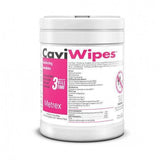
A Closer Look at CaviWipes Disinfectant Wipes
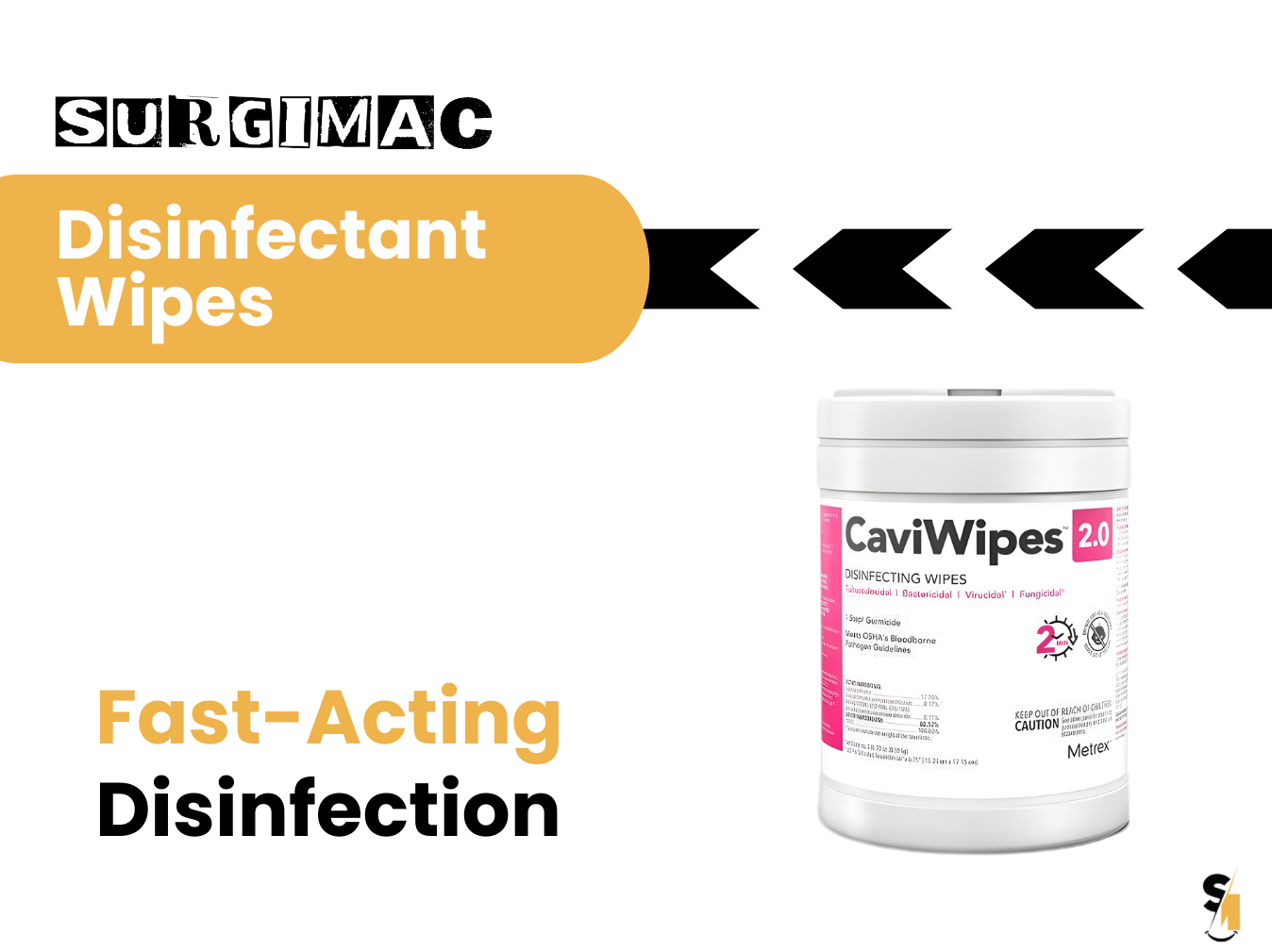
When it comes to choosing a reliable and effective disinfectant wipe, look no further than Cavi Wipes Surface Disinfectant Premoistened Alcohol Wipe. With its powerful formula, these wipes provide superior disinfection and are trusted by professionals in various industries.
Why should you choose Cavi Wipes? These wipes are:
- Highly effective: Cavi Wipes have been proven to kill 99.9% of germs and bacteria, including MRSA, HIV-1, and Influenza A2.
- Gentle on surfaces: Despite their strong disinfecting power, Cavi Wipes are gentle on surfaces and do not cause any damage or discoloration.
- Convenient: Each wipe is premoistened and ready to use, eliminating the need for additional cleaning solutions or water.

Ready to experience the superior disinfection of Cavi Wipes? Click here to purchase your Cavi Wipes Surface Disinfectant Premoistened Alcohol Wipe now and take the first step towards a cleaner and safer environment.
Choosing the Right Wipes and Managing Your Supply
Selecting the right disinfectant wipe is just the first step; managing your inventory effectively is what ensures your practice remains compliant and prepared. A smart approach to sourcing and storing these essential supplies can protect your patients, your staff, and your budget. It’s about creating a system that guarantees you have effective, ready-to-use wipes on hand at all times, without overspending or wasting products due to expiration or improper storage. Let's walk through how to make informed choices and manage your supply chain like a pro.
Exploring Different Types of Wipes
Not all disinfectant wipes are created equal, and the best choice for your practice depends on your specific needs. Factors like kill time, surface compatibility, and active ingredients play a huge role. For example, alcohol-based wipes like CaviWipes are a go-to for many clinics due to their broad-spectrum efficacy and fast-acting formula. It's crucial to choose wipes that are safe for your equipment and surfaces, from dental chairs to countertops, ensuring they disinfect effectively without leaving behind damaging residue. When you browse infection control supplies, always check the product specifications to confirm they align with your clinic’s protocols and the surfaces you need to treat.
Botanical and Eco-Friendly Alternatives
For practices leaning toward sustainability, botanical disinfectants are becoming a popular alternative. Brands like Benefect use plant-based active ingredients, offering an effective solution for clinics that prioritize natural products. While these options can sometimes come at a higher price point, they meet the demand for greener infection control. This commitment to sustainability can extend beyond disposables. For instance, practices invested in eco-conscious operations might also choose long-lasting, high-quality instruments from collections like SurgiMac’s Eco Series, which are crafted from recyclable stainless steel. It’s all part of a holistic approach to running a responsible and modern dental practice.
The Benefits of Buying in Bulk
For any busy dental office, buying disinfectant wipes in bulk is a strategic move. The most obvious advantage is the cost savings; the per-unit price is almost always lower when you purchase larger quantities, which directly benefits your practice's bottom line. But beyond the budget, bulk purchasing streamlines your inventory management. It reduces the frequency of ordering, freeing up valuable administrative time for other tasks. More importantly, having a healthy stock of supplies ensures you never run out during critical moments, keeping your disposables well-stocked and your infection control protocols uninterrupted. This foresight is key to maintaining a consistently safe environment for both patients and staff.
Proper Storage and Shelf Life
To ensure your disinfectant wipes remain effective, proper storage is non-negotiable. Always keep them in a cool, dry place away from direct sunlight, as heat and UV exposure can degrade the chemical compounds and reduce their potency. It's equally important to ensure the package or canister lid is sealed tightly after each use. An improper seal allows the wipes to dry out, rendering them useless for disinfection. A dried-out wipe cannot achieve the necessary surface wetness or "dwell time" required to kill pathogens, which compromises your entire cleaning process.
Understanding shelf life is also critical for managing your inventory. Typically, unopened disinfectant wipes are stable for one to two years, but once opened, they should be used within about six months to guarantee effectiveness. To avoid waste, implement a "first-in, first-out" (FIFO) system for all your sterilization and disinfection supplies. This simple practice ensures you use your older stock first, protecting your investment and making sure every wipe you pull from the container delivers the full disinfectant power your practice relies on.
Frequently Asked Questions
Is just wiping a surface down enough to disinfect it? Not quite. The most critical step, and the one most often missed, is adhering to the product's "dwell time." This is the amount of time the surface must remain visibly wet for the disinfectant to effectively kill all the pathogens listed on its label. Simply swiping and letting it dry immediately won't do the job. You have to ensure the surface stays wet for the entire recommended period, which could be several minutes.
Can I use one disinfectant wipe for my entire operatory? It's best to use a fresh wipe for each large surface or piece of equipment. Using the same wipe from your dental chair to your countertop and then to your light handle can spread germs from one area to another instead of eliminating them. The goal is to prevent cross-contamination, so think of it as one wipe, one surface area, then discard.
Why do I need to clean a surface before I disinfect it? Think of dirt, dust, and other organic matter as a shield that protects germs. If you apply a disinfectant directly to a soiled surface, the chemical can't reach the pathogens underneath. Pre-cleaning with one wipe removes that physical barrier, allowing your second, fresh wipe to make direct contact with the microorganisms and kill them effectively.
What are the most important safety steps when using chemical wipes? Safety is straightforward but essential. First, always ensure your treatment area is well-ventilated to help disperse any chemical fumes. Second, protect yourself with the right personal protective equipment (PPE). This always includes wearing high-quality disposable gloves, like those from our MacSafe line, to prevent the disinfecting solution from irritating your skin.
With so many options, how do I choose the best disinfectant wipe for my clinic's equipment? The best choice depends on two key factors: the wipe's active ingredients and your equipment's material. Always check the equipment manufacturer's guidelines to see which disinfectants are approved for use, as some chemicals can damage sensitive surfaces or upholstery. Then, select an EPA-registered wipe with a kill claim that covers the specific pathogens relevant to a dental setting.
Key Takeaways
- Master the wipe-discard-wipe method: For true disinfection, use one wipe to clean away visible debris, discard it, then use a fresh wipe to apply the disinfectant. The surface must stay wet for the entire contact time specified on the label to kill pathogens effectively.
- Handle chemical disinfectants with care: These wipes are formulated for hard surfaces, not skin. Protect your team by ensuring proper ventilation and using personal protective equipment, like MacSafe gloves, to prevent irritation and chemical exposure.
- Store your wipes correctly to maintain potency: Keep containers tightly sealed and stored in a cool, dry place away from sunlight. This prevents the wipes from drying out and losing their effectiveness, ensuring every wipe you use is ready to do its job.
Related Articles
- Disinfectant Wipes - Light Almond Scent
Tags
Blog posts
-
, by SurgiMac A Clinician's Guide to Absorbable Suture Material
-
, by SurgiMac A Clinician's Guide to Dental Composite Resin Kits
-
, by SurgiMac How to Disinfect with Metrex CaviWipes Correctly
