


A Clinician's Guide to the Stainless Steel Crown
- , by SurgiMac
- 43 min reading time
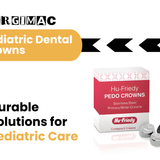
Learn when to recommend a stainless steel crown for children, how to address parent concerns, and best practices for placement in pediatric dentistry.
Recommending a stainless steel crown often starts a tough conversation with parents about safety, aesthetics, and necessity. Your ability to clearly address these concerns is crucial for building trust and gaining treatment acceptance. This guide provides the clinical talking points you need. We'll cover the evidence behind the functional benefits, long-term durability, and proven safety of stainless steel crowns in pediatric dentistry. Explaining the "why" behind your recommendation helps parents feel confident in your care plan—a confidence reinforced by using professional restorative materials and quality supplies like MacSuture.
Key Takeaways
- Choose Durability for Primary Molars: When restoring primary molars with extensive decay or after pulp therapy, stainless steel crowns offer unmatched strength and longevity, making them the most reliable clinical choice for preserving the tooth until natural exfoliation.
- Refine Your Placement Protocol: A successful outcome relies on a systematic workflow, from minimal tooth preparation and accurate fitting to securing the crown with a high-quality dental cement and managing any soft tissue needs with reliable sutures like those from the MacSuture line.
- Guide Parent Conversations with Confidence: Proactively address common questions about safety and aesthetics by focusing on the functional benefits of SSCs. Providing clear aftercare instructions turns parents into effective partners in maintaining the restoration's long-term success.

What is a Stainless Steel Crown? A Clinician's Guide
Stainless steel crowns (SSCs) are a fundamental component of pediatric restorative dentistry, offering a durable and reliable solution for compromised primary teeth. As prefabricated restorations, they provide full coronal coverage, protecting the remaining tooth structure from further damage and occlusal forces. While other materials have emerged, the clinical track record of SSCs makes them an essential tool in any pediatric practice. Their primary function is to restore form and function to a severely decayed or damaged tooth, preserving it until its natural exfoliation. This not only maintains the integrity of the primary dentition but also acts as a crucial space maintainer for the developing permanent teeth. Understanding their composition, advantages, and clinical applications is key to achieving predictable and successful patient outcomes.
A Brief History of SSCs in Dentistry
Stainless steel crowns have been a cornerstone of pediatric dentistry since their introduction in the 1940s. Initially developed as a practical solution for managing severe decay in primary teeth, they have since become a standard of care supported by decades of clinical evidence. Their long-standing success isn't just a matter of history; it's a testament to their unmatched durability, cost-effectiveness, and reliability in preserving tooth structure until natural exfoliation. This extensive clinical track record is why SSCs remain an essential tool for clinicians focused on predictable outcomes. For any pediatric practice, having a reliable stock of high-quality prefabricated crowns is fundamental to providing effective and efficient restorative care for young patients.
The Unique Anatomy of Primary Teeth
The case for stainless steel crowns becomes even clearer when you consider the unique anatomy of primary teeth. Compared to their permanent successors, primary teeth have significantly thinner enamel and dentin layers. Furthermore, their pulp chambers are proportionally larger and closer to the outer surface, meaning caries can progress to pulpal exposure with alarming speed. A simple multi-surface restoration often isn't enough to withstand occlusal forces or prevent microleakage in these cases. This is where the full-coverage protection of an SSC becomes invaluable, especially for posterior teeth. It effectively shields the vulnerable tooth from further breakdown, providing a durable solution that lasts until the tooth is ready to exfoliate naturally. Placing these crowns requires precision, and having ergonomic instruments from collections like the Slim Series can make the process smoother and more comfortable for everyone involved.
What Makes a Crown "Stainless Steel"?
In clinical terms, a stainless steel crown is a pre-formed metal cap designed to be fitted over a primary tooth. They are most commonly used to restore primary molars that have extensive carious lesions, have undergone pulp therapy, or present with developmental defects. Unlike custom-cast crowns, SSCs are manufactured in various sizes and shapes that can be adapted to fit the prepared tooth. The goal is to completely cover and protect the tooth from the oral environment, preventing further decay and restoring its function within the arch. Think of them as the most practical and durable full-coverage restoration for primary teeth that need to withstand the forces of mastication for several years. You can find a complete range of crowns, bands, and shells to suit any clinical situation.
Understanding SSC Composition and Biocompatibility
SSCs have a long history of safe and effective use, backed by decades of clinical research. They are typically composed of a stainless steel alloy containing iron, carbon, chromium, and nickel. The chromium content is key, as it creates a passive oxide layer that resists corrosion and ensures excellent biocompatibility within the oral cavity. While nickel allergies are a consideration, the incidence of allergic reactions to SSCs is extremely low. The medical-grade stainless steel used is highly stable and non-toxic, making it a safe choice for pediatric patients. Proper contouring and placement with precise dental instruments are essential to ensure a good marginal fit, which prevents gingival irritation and promotes tissue health around the crown.
Why Choose SSCs for Pediatric Patients?
The primary advantage of SSCs is their exceptional durability and strength. They can withstand masticatory forces far better than many other restorative materials, leading to a higher long-term success rate, especially on primary molars. This longevity makes them a cost-effective option, as they are less likely to require replacement. Furthermore, the clinical procedure is relatively straightforward and can often be completed in a single appointment, which is a significant benefit when treating young or anxious children. By preserving a primary tooth until it exfoliates naturally, an SSC effectively serves as a space maintainer, preventing mesial drift and preserving arch length for the erupting permanent tooth. Securing the crown with a high-quality dental cement from a trusted brand like SurgiMac ensures a lasting bond and marginal seal.
How SSCs Act as Natural Space Maintainers
One of the most critical, yet sometimes overlooked, functions of a stainless steel crown is its role as a natural space maintainer. When a primary molar is lost prematurely, the resulting space can lead to mesial drift of adjacent teeth, causing a loss of arch length and potential impaction or malocclusion of the succedaneous tooth. By restoring the tooth with a durable SSC, you preserve its presence in the arch until its natural exfoliation. This simple act effectively maintains the necessary space for the permanent tooth to erupt into its correct position, often preventing the need for a separate space-maintaining appliance and reducing the likelihood of future orthodontic complications. Explaining this long-term benefit to parents helps frame the procedure not just as a repair, but as a proactive step in guiding their child’s dental development. Having access to a full range of high-quality prefabricated crowns ensures you can achieve a precise fit for any clinical scenario.
When Should You Use a Stainless Steel Crown?
Deciding on the right restorative material is a critical part of any treatment plan, especially in pediatric dentistry, where longevity and durability are paramount. Stainless steel crowns (SSCs) have long been a reliable workhorse for challenging clinical situations involving primary teeth. While other options exist, the specific indications for SSCs are rooted in their ability to provide full-coverage protection and restore function in cases where other materials might fail. Understanding when to place an SSC is key to ensuring successful outcomes, preserving the primary dentition until natural exfoliation, and preventing more complex issues down the road. From extensive decay to developmental defects, SSCs offer a predictable and effective solution for some of the most common and difficult pediatric restorative challenges you’ll face in your practice.
For Primary Teeth with Extensive Caries
When you encounter a primary molar with extensive, multi-surface caries, a traditional filling often isn't a viable long-term solution. The remaining tooth structure is simply too compromised to support a large restoration, making it highly susceptible to fracture. This is the classic indication for a stainless steel crown. An SSC provides complete coronal coverage, acting as a protective helmet that shields the weakened tooth from occlusal forces and prevents further breakdown. By choosing an SSC, you create a durable restoration that will last until the tooth exfoliates naturally, avoiding the cycle of failed fillings and repeat appointments. Securing these crowns with a high-quality dental cement ensures a strong seal and long-term stability.
After a Pulpotomy or Pulpectomy
Primary teeth that have undergone endodontic treatment, such as a pulpotomy or pulpectomy, become significantly more brittle and prone to fracture. Leaving such a tooth unrestored or with only a simple filling is a clinical risk. An SSC is the standard of care for restoring these teeth because it provides the necessary reinforcement to withstand chewing forces. The full-coverage design protects the remaining tooth structure and the coronal seal, which is crucial for the long-term success of the endodontic therapy. This approach ensures the tooth can continue to function as a natural space maintainer, guiding the eruption of the permanent successor without complication.
For Teeth with Developmental Enamel Defects
For young patients with developmental conditions like amelogenesis imperfecta, dentinogenesis imperfecta, or severe enamel hypoplasia, the tooth structure is inherently weak and prone to rapid wear and decay. These teeth can be extremely sensitive and difficult to restore conventionally. Stainless steel crowns offer an excellent solution by providing durable, full-coverage protection that can withstand the oral environment. Placing SSCs on affected teeth early on can prevent significant breakdown, manage sensitivity, and maintain the vertical dimension of occlusion. This proactive treatment helps preserve tooth function and improves the child's quality of life until a more permanent solution can be considered.
Restoring Fractured Primary Molars
Traumatic injuries can lead to significant fractures in primary molars, compromising the tooth's structure and vitality. In cases of coronal fracture where a simple restoration is insufficient, an SSC is an ideal choice to restore form and function. The crown effectively holds the fractured tooth together, protecting the pulp and preventing bacteria from infiltrating the fracture lines. This is especially important for maintaining proper spacing for the developing permanent dentition. In situations involving trauma, associated soft tissue injuries can be managed with reliable sutures from the MacSuture product line, allowing you to provide comprehensive care for your patient.
As an Abutment for Space Maintainers
In cases of premature primary tooth loss, a stainless steel crown can play a dual role. Beyond restoring a compromised tooth, it can serve as a robust abutment for a space maintainer. When a neighboring primary tooth is lost early, placing a band-and-loop or a distal shoe requires a solid anchor to prevent mesial drift of the permanent first molar. A tooth restored with an SSC provides the ideal foundation, offering the strength and stability needed to hold the appliance firmly in place. By preserving a primary tooth with an SSC, you not only save the tooth itself but also ensure it can support the necessary orthodontic hardware to maintain proper arch length and guide the eruption of the permanent dentition.
For Patients Unable to Accommodate Multiple Visits
One of the most practical benefits of SSCs is the efficiency of the procedure. In most cases, tooth preparation and crown placement can be completed in a single appointment. This is a significant advantage for any pediatric practice, but it's especially valuable for patients who face barriers to care. For children with high anxiety, those with special healthcare needs, or families who travel a long distance to your clinic, minimizing the number of visits is crucial. A single-visit restoration reduces patient stress and improves the likelihood of treatment completion. Having a streamlined workflow with reliable dental supplies and instruments makes this efficient process predictable and successful.
When Not to Use an SSC: Key Contraindications
While stainless steel crowns are a versatile and durable solution for many clinical scenarios, they are not a universal fix. Proper case selection is fundamental to achieving successful long-term outcomes, and there are specific situations where an SSC is not the appropriate choice. A thorough clinical and radiographic evaluation is essential to identify contraindications before beginning treatment. Factors such as the tooth's remaining lifespan, its periodontal health, and the patient's ability to cooperate can all influence your decision. Recognizing these limitations ensures you are providing the most appropriate and effective care for each individual patient, avoiding unnecessary procedures and potential complications.
Teeth with Advanced Root Resorption
A key factor in determining the suitability of an SSC is the condition of the tooth's roots. A radiographic assessment is critical here. If you observe that more than half of the primary tooth's root has already resorbed, the tooth lacks the necessary support to anchor a crown effectively. Placing an SSC in this situation is not recommended because the tooth is already well on its way to natural exfoliation. The restoration would have a very limited lifespan, making the procedure clinically and financially unjustifiable for the patient. Instead, monitoring the tooth or considering extraction might be a more prudent course of action.
Teeth Nearing Natural Exfoliation
Timing is everything in pediatric dentistry. If a primary tooth is expected to exfoliate naturally within the next 6 to 12 months, placing a stainless steel crown is generally considered overtreatment. The primary goal of an SSC is to preserve a tooth for the long term, allowing it to function until its permanent successor is ready to erupt. When exfoliation is imminent, the tooth will be lost before the clinical benefits of a crown can be fully realized. In these cases, a less invasive interim restoration or simply monitoring the tooth may be the most appropriate clinical decision, saving time, resources, and unnecessary intervention for the child.
When a Child Cannot Cooperate for Safe Placement
The success of an SSC placement depends not only on clinical factors but also on patient behavior. The procedure requires the child to remain relatively still for tooth preparation, fitting, and cementation. If a child's anxiety, fear, or inability to cooperate makes it impossible to perform these steps safely and effectively, an SSC may not be a viable option at that moment. Forcing treatment can be traumatic and may result in a poorly fitted crown. In these situations, you must consider alternative behavior management techniques, sedation, or a different treatment plan altogether. Using ergonomic and efficient instruments, like those in the Slim Series, can help make the process quicker, which may aid in managing a restless patient.
Are SSCs a Cost-Effective Solution?
From a practice management perspective, SSCs offer a significant long-term value. While a large composite restoration might seem like a less invasive option initially, its failure rate in high-stress situations is considerably higher. The subsequent need for replacement or retreatment leads to more chair time, increased material costs, and additional appointments for the family. The superior durability of an SSC means you are placing a restoration that is highly likely to last the entire life of the primary tooth. This predictability makes it a more cost-effective treatment over time, reducing the clinical and financial burden of failed restorations for both your practice and your patients' families.
Placing a Stainless Steel Crown: A Step-by-Step Guide
A successful stainless steel crown placement relies on a systematic and precise clinical workflow. From the initial evaluation to providing post-operative instructions, each step is critical for ensuring the restoration's longevity and the patient's comfort. Following a clear protocol not only improves clinical outcomes but also builds confidence with parents, making the entire experience smoother for everyone involved. Here’s a breakdown of the essential steps for placing SSCs in your pediatric patients.
Step 1: Pre-Treatment Evaluation and Planning
Your pre-treatment evaluation sets the foundation for the entire procedure. Start by selecting an appropriately sized crown based on the mesiodistal width of the tooth. Once you have the right fit, administering local anesthesia is crucial for patient comfort. Using high-quality anesthetic products ensures profound numbing and a more positive experience for the child. Isolation with a rubber dam is a standard of care; it protects the airway, prevents the child from swallowing the crown, and maintains a dry field, which is essential for proper cementation. This initial phase is all about careful preparation and creating a controlled environment for the work ahead.
Step 2: Tooth Preparation and Crown Fitting
With the patient properly anesthetized and the area isolated, you can begin tooth preparation. This involves adequate occlusal reduction to allow for crown thickness, followed by breaking the proximal contacts. The goal is to create a passive fit without any ledges. After preparation, the selected crown is trimmed and contoured with pliers to achieve a snug fit at the gingival margin. A bitewing radiograph can confirm complete seating. If the SSC placement follows a pulpotomy where soft tissue management was required, ensuring proper closure with quality materials like the MacSuture line is vital before proceeding. Finally, the crown is cemented into place using a durable dental cement, such as a glass ionomer, which offers the added benefit of fluoride release.
Step 3: Anesthesia and Patient Comfort
Managing a child’s comfort is paramount. Effective local anesthesia is the first line of defense against pain during the procedure. For particularly anxious children, sedation may be a necessary adjunct to ensure their safety and cooperation. Your communication style also plays a significant role; a calm and reassuring demeanor can greatly reduce a child's anxiety. For post-operative discomfort, advise parents on the appropriate use of over-the-counter analgesics like acetaminophen or ibuprofen. Clearly explaining that some minor gum irritation is normal for a few days can also help manage parental concerns and prevent unnecessary follow-up calls.
Step 4: Crown Adaptation and Cementation
The final steps of crown placement are where precision and attention to detail truly pay off. Proper adaptation and cementation are what transform a well-prepared tooth into a durable, long-lasting restoration. This phase is all about creating a seamless transition between the crown and the tooth, ensuring a strong marginal seal that will protect the underlying structure for years to come. It requires a steady hand and the right materials to ensure the crown is perfectly seated, the margins are smooth, and any excess material is meticulously removed. This careful finishing work is essential for promoting gingival health and preventing future complications.
Polishing Edges for Gingival Health
Once the crown is properly seated, the final contouring and polishing of the margins are critical. A smooth, well-adapted margin is essential for preventing plaque accumulation and minimizing gingival irritation. Any rough or overhanging edges can act as a trap for bacteria, leading to inflammation and compromising the long-term health of the surrounding tissues. Using finely crafted instruments, such as those in the Slim Series, allows for the precision needed to create a seamless margin that blends perfectly with the tooth structure. This meticulous step ensures the restoration is not only functional but also biocompatible with the soft tissues, supporting a healthy periodontium for the life of the crown.
Removing Excess Dental Cement
After cementing the crown, thoroughly removing any excess dental cement is a non-negotiable step for ensuring a clean and healthy marginal seal. Before the cement fully sets, use an explorer or scaler to carefully clear away any extruded material from the gingival sulcus and interproximal areas. Leaving behind even small remnants of cement can lead to significant gingival inflammation, plaque retention, and patient discomfort. A clean, well-defined margin is easier for the patient to maintain and is crucial for the long-term success of the restoration. Taking the extra minute to ensure all excess is removed protects the soft tissues and contributes to a predictable, positive outcome.
The Hall Technique: A Non-Invasive Alternative
For certain clinical scenarios, particularly with young or anxious patients, the Hall Technique offers a compelling, non-invasive alternative to traditional SSC placement. This evidence-based method involves seating a stainless steel crown over a carious primary molar without any local anesthesia, caries removal, or tooth preparation. The crown is simply filled with a glass ionomer cement and seated with firm pressure. The underlying principle is that by sealing the carious lesion from the oral environment, the bacteria are deprived of their nutritional substrate, effectively arresting the decay process. This technique can be a game-changer for managing caries in children who may not tolerate conventional treatment, turning a potentially challenging appointment into a quick and stress-free experience.
Managing Potential Complications
Even with the most careful technique, potential complications can arise during or after the placement of a stainless steel crown. Being prepared to manage these situations is part of providing comprehensive care. The most critical issues involve patient safety, such as preventing aspiration of the crown, and managing post-operative effects, like gingival irritation. Proactive measures and clear communication with parents are your best tools for navigating these challenges successfully. By anticipating potential issues and having a clear plan to address them, you can ensure a smooth procedure and a positive outcome for your young patients, reinforcing their family's trust in your clinical judgment.
Preventing Aspiration and Ingestion
Patient safety is the absolute top priority during any procedure, and placing an SSC is no exception. The risk of a child aspirating or ingesting the crown, though low, must be actively managed. The standard of care is to use a rubber dam for isolation. This not only provides a clear, dry field for cementation but, more importantly, it creates a secure barrier that protects the patient's airway. In addition to a rubber dam, some clinicians will thread a piece of floss through a buccal hole in the crown as a "lifeline" during try-in. Having reliable dental disposables on hand is essential for implementing these safety protocols consistently in your practice.
Addressing Post-Operative Gingival Irritation
It is common for the gingival tissues to appear blanched or slightly irritated immediately following SSC placement. This is a normal response to the crown seating into the sulcus and typically resolves within a few days. Proactively managing parental expectations is key. Before they leave, explain that they may notice some minor gum soreness or bleeding, especially during brushing for the first day or two. Reassure them that this is temporary and that gentle but thorough brushing is important to keep the area clean and promote healing. This clear communication helps prevent unnecessary anxiety and follow-up calls, empowering parents to be confident partners in their child's post-operative care.
Step 4: Giving Clear Post-Op Instructions to Parents
Clear communication with parents is just as important as the clinical procedure itself. Provide them with straightforward post-operative instructions. Advise them to prevent their child from eating until the anesthetic wears off to avoid accidental biting of the tongue, cheek, or lip. Emphasize the importance of maintaining good oral hygiene, instructing them to brush and floss around the crown just as they would a natural tooth. You can also provide them with a small take-home kit including gauze and other helpful disposables. Setting these expectations clearly helps ensure proper aftercare and supports the long-term success of the restoration.
Explaining the Recovery Timeline
Parents often have questions about what to expect long-term. Reassure them that the stainless steel crown is designed to remain in place until the primary tooth exfoliates naturally, at which point the crown will come out with it. Explain that the gums may be slightly red or irritated for a few days following the procedure, but this should resolve quickly with proper oral hygiene. Stress the importance of maintaining their regular six-month check-up schedule. These follow-up appointments allow you to monitor the crown's integrity, check the surrounding tissues, and ensure the overall oral health of your pediatric patient remains on track.
How to Address Common Parent Questions
When you recommend a stainless steel crown, parents will naturally have questions. Their concerns often center on safety, appearance, and the long-term effects on their child’s oral health. Being prepared with clear, confident, and empathetic answers is crucial for building trust and gaining treatment acceptance. Your ability to explain the "why" behind the "what" transforms a clinical recommendation into a collaborative care decision. The following sections provide talking points to help you guide these important conversations and address the most common questions parents ask about SSCs.
Answering the "Are They Safe?" Question
One of the first questions parents often ask is, "Is it safe?" You can confidently reassure them by explaining that stainless steel crowns have a long and proven track record in pediatric dentistry. Emphasize that they are made from a medical-grade alloy that is biocompatible, meaning it is designed to exist in harmony with the body's tissues without causing harm. You can explain it simply: "These crowns have been used safely on children for decades. The material is the same type of stainless steel used in other medical applications and is completely safe for your child." This direct and factual approach helps demystify the material and builds confidence in your treatment plan.
"But It's a Silver Tooth!"—Talking Aesthetics vs. Function
The silver appearance of an SSC is a frequent point of discussion. It’s best to address this proactively by framing the conversation around functionality. Acknowledge the aesthetic concern, but quickly pivot to the clinical benefits. You might say, "I understand you might be concerned about the silver color. For primary molars, our main goal is to save the tooth with a durable restoration that will last until the permanent tooth is ready. These crowns are incredibly strong, protect the tooth from further decay, and can be placed in a single visit, which is a huge benefit for children." This approach validates their concern while highlighting why an SSC is the most practical and effective restorative choice for their child’s health.
Answering "How Long Will the Crown Last?"
Parents need to know that an SSC is a long-term solution for a temporary tooth. Explain that the crown is designed to protect the primary tooth until it exfoliates naturally. Be transparent about its characteristics: "A stainless steel crown is very durable and should last for the entire life of the baby tooth. It's thinner than other crown types, which is great for preserving as much of the natural tooth as possible, but it can show some wear over time." You can also add that the longevity of the restoration depends on using high-quality materials, from the crown itself to the professional dental cement used to secure it in place.
Will It Affect the Permanent Tooth?
A common fear is that the crown will somehow impede the growth of the permanent tooth. Dispel this worry with a clear and simple explanation. You can state confidently, "The stainless steel crown will not affect the permanent tooth underneath. It is attached only to the primary tooth, and when that tooth is ready to fall out, the crown will come out with it. The process is completely natural." This reassurance is often all a parent needs to hear. For those who appreciate more detail, you can mention that studies confirm the use of SSCs on primary molars does not negatively impact the eruption of their permanent successors.
Clearing Up Common Myths About SSCs
Beyond specific questions, some parents may hold general misconceptions that SSCs are an outdated or inferior option. It's helpful to position them as a standard of care for specific clinical situations. You can explain, "While there are other options, in cases of extensive decay on a primary molar, the stainless steel crown is often considered the gold standard by pediatric dentists." Ensuring a smooth procedure relies on trusted materials. Just as you depend on high-quality sutures from the MacSuture line for surgical procedures, using premium crowns and cements is key to a successful restoration and parental peace of mind. This reinforces that your recommendation is based on proven, reliable clinical evidence.
SSCs vs. The Alternatives: A Clinical Comparison
While stainless steel crowns are a cornerstone of pediatric restorative dentistry, they aren't the only option available. The best choice for your patient depends on a careful evaluation of clinical needs, aesthetic demands, and long-term functional requirements. Understanding the pros and cons of each alternative allows you to have a more informed discussion with parents and tailor your treatment plan to the specific case. Let's walk through the most common alternatives to SSCs and see how they stack up in terms of durability, placement, and cost.
Zirconia Crowns: Pros and Cons
Zirconia crowns have become a popular choice for parents who prioritize aesthetics. Their main advantage is their tooth-colored appearance, which allows them to blend seamlessly with the natural dentition, especially in the anterior region. However, this aesthetic benefit comes with clinical trade-offs. Zirconia is more brittle than stainless steel and can be more prone to fracture under the heavy occlusal forces experienced by posterior molars. They also typically require more tooth reduction than SSCs and can be more abrasive to opposing teeth. While beautiful, they may not offer the same level of long-term durability as their stainless steel counterparts for primary molars.
Composite Strip Crowns: When to Use Them
Composite strip crowns are another esthetic option, primarily indicated for anterior primary teeth with moderate decay. They are essentially a clear celluloid crown form that is filled with composite resin, placed over the prepared tooth, and light-cured, after which the form is removed. This technique allows you to create a very natural-looking restoration. The main limitation is their durability; they are not strong enough to withstand posterior chewing forces and are best reserved for Class III, IV, and V restorations on incisors. They are also not suitable for teeth with extensive damage, such as those requiring a pulpotomy, where a full-coverage crown provides better protection.
A Look at Other Esthetic Pediatric Crowns
Beyond zirconia and composite strip crowns, you may also encounter resin-veneered stainless steel crowns. These options attempt to offer the best of both worlds: the strength of a stainless steel substructure with a tooth-colored resin facing for improved aesthetics. While they are stronger than all-resin options, the resin facing can be prone to chipping or staining over time, eventually exposing the metal underneath. This can lead to parent dissatisfaction and may require repair or replacement. When considering any of these options, the quality of your dental cements and adhesives is critical to ensuring a strong bond and preventing premature failure of the restoration.
Comparing Cost, Durability, and Chair Time
When you compare these options side-by-side, SSCs present a strong clinical case, especially for posterior teeth. They are significantly more cost-effective than zirconia crowns, making them a more accessible option for many families. In terms of durability, SSCs are unmatched in their ability to withstand masticatory forces, offering a predictable and long-lasting solution. The placement procedure is also more efficient, typically completed in a single visit with a straightforward technique. This efficiency is a major advantage when working with young or anxious patients. Having a well-organized tray with reliable dental instruments makes the process even smoother for both you and the child.
Cost Breakdown: SSCs vs. Esthetic Alternatives
When discussing treatment options with parents, cost is always a factor. Stainless steel crowns are a highly cost-effective solution, with a typical price range falling between $400 and $900 per crown. This is often significantly lower than the upfront cost of aesthetic alternatives like zirconia. You can explain that the real financial benefit of an SSC lies in its long-term value. While a composite or even a zirconia crown might fail under heavy occlusal forces, requiring costly retreatment, a well-placed SSC is designed to last the entire life of the primary tooth. This durability prevents the cycle of failed restorations, saving families from additional expenses and chair time down the road. By choosing from a reliable selection of crowns, bands, and shells, you provide a predictable, affordable, and clinically superior outcome for posterior primary teeth.
How to Choose the Right Restoration for Your Patient
Ultimately, your treatment recommendation should be guided by a comprehensive clinical assessment. The American Academy of Pediatric Dentistry recommends SSCs for restoring primary teeth with extensive caries, after pulpotomy or pulpectomy procedures, or for teeth with developmental defects. For posterior teeth requiring full coverage, the superior durability and cost-effectiveness of an SSC often make it the most prudent clinical choice. When discussing options with parents, framing the conversation around long-term function and preventing future dental issues can help them understand the recommendation. For any procedure that may involve soft tissue management, having high-quality sutures like MacSuture on hand ensures you are prepared for any contingency.
Potential Downsides and Clinical Considerations
While stainless steel crowns are a highly effective and durable solution, a comprehensive clinical approach involves understanding their potential downsides. Being prepared to discuss these considerations with parents not only strengthens informed consent but also demonstrates your thoroughness as a practitioner. Addressing these points proactively allows you to manage expectations, mitigate potential issues through meticulous technique, and reinforce the trust your patients' families place in you. From material properties to long-term monitoring, a balanced perspective is key to clinical excellence.
Risk of Masking Secondary Caries
One of the most significant clinical considerations with any opaque, full-coverage restoration is its potential to mask underlying issues. Because SSCs are radiopaque, they can conceal secondary caries developing at the margin, which can go undetected until the decay is extensive. This makes your initial technique absolutely critical. Ensuring complete caries removal before placement and achieving a perfect marginal seal are non-negotiable. Using a high-quality, moisture-tolerant dental cement is your best defense, as it creates a durable barrier against microleakage. Regular bitewing radiographs are also essential for monitoring the margins and the underlying tooth structure over time, allowing you to catch any problems early.
Managing Temperature Sensitivity
Parents should be advised that some temporary temperature sensitivity is possible following SSC placement. The metal in the crown is an efficient thermal conductor, meaning it can transmit hot and cold sensations to the underlying tooth more readily than natural enamel. You can explain to parents that this is a normal, temporary response that typically subsides as the pulp acclimates. Using a glass ionomer cement can provide some thermal insulation, helping to minimize this effect. Reassuring parents that this sensitivity is not usually a sign of a problem and providing clear expectations for the first few days post-op can prevent unnecessary anxiety and follow-up calls.
Potential for MRI Interference
A less common but important consideration is the potential for SSCs to interfere with magnetic resonance imaging (MRI). The metals in the crown, particularly nickel, can create artifacts on MRI scans of the head and neck, potentially obscuring diagnostic details. While this is a rare event, it's a crucial part of the informed consent discussion, especially for children with complex medical histories who may require future MRIs. You can explain it as a precaution: "It's important to know that the metal in this crown could interfere with certain types of medical scans, like an MRI. It's a rare issue, but one we always mention so you're fully informed." This conversation demonstrates diligence and comprehensive patient care.
Addressing Gum Discoloration
Occasionally, parents may notice a dark line or discoloration around the gumline of a crowned tooth. This is often due to the metal margin of the crown showing through the thin gingival tissue and is not typically a sign of a problem. However, poor marginal fit can lead to chronic gingival inflammation. This is where precise technique is paramount. Proper trimming, crimping, and polishing of the crown margins using high-quality instruments, such as those in our Pro Series line, create a smooth, well-adapted interface that promotes gingival health. It's also wise to screen for nickel allergies in your patient's medical history, although true allergic reactions to SSCs are exceedingly rare.
Post-Placement Care for Long-Term Crown Success
Placing a stainless steel crown is a significant clinical achievement, but its long-term success hinges on what happens after the patient leaves your office. The durability of the restoration is a shared responsibility between your clinical team and the child’s caregivers. Effectively communicating post-operative instructions and the importance of ongoing maintenance is just as critical as the placement procedure itself. By empowering parents with clear, actionable guidance, you set the stage for a healthy, functional restoration that lasts until natural exfoliation. This partnership in care ensures the child’s comfort, protects the integrity of the crown, and supports their overall oral health for years to come.
The First 24 Hours: Key Aftercare Instructions
Your post-procedure conversation with parents is the first step toward a successful outcome. Start by clearly explaining that they should prevent their child from eating until the local anesthetic has completely worn off. This simple instruction helps avoid accidental biting of the tongue, lips, or cheeks, which can be quite traumatic for a young patient. It’s also wise to mention that some post-sedation drowsiness is normal and to advise them on appropriate over-the-counter pain relief if the child experiences any discomfort as the anesthetic subsides. Reassure them that minor soreness or slight bleeding around the gums during brushing for the first few days is expected and a sign of healing.
Teaching Proper Oral Hygiene Techniques
Consistent and correct oral hygiene is the most critical factor in maintaining an SSC. Coach parents on the importance of brushing twice a day and flossing daily, emphasizing that the crowned tooth needs just as much attention as the others. You can demonstrate how to gently but thoroughly clean along the gumline of the crown to prevent plaque accumulation and gingivitis. It's also essential to advise parents to discourage habits that could damage the restoration, such as chewing on ice, pens, or very hard, sticky candies. Reinforce that a well-maintained crown, placed with high-quality dental instruments, is key to preventing future complications and protecting the underlying tooth.
Why Regular Follow-Up Appointments Matter
Regular follow-up appointments are non-negotiable for monitoring the health and stability of an SSC. Explain to parents that routine six-month check-ups allow you to assess the crown’s integrity, check for proper fit, and ensure the surrounding gingival tissues are healthy. These visits are also a perfect opportunity to monitor the eruption pattern of the succedaneous tooth and address any concerns before they become significant issues. Framing these appointments as a collaborative effort in their child’s oral health journey helps reinforce their value. Consistent care, supported by reliable professional dental supplies, ensures that the restoration continues to function as intended.
What to Tell Parents to Watch For
Empower parents to be your eyes and ears between visits by giving them a specific list of signs to watch for. Instruct them to contact your office immediately if they notice the crown is loose, if the child complains of persistent pain, or if they see any unusual wear on the crown’s surface. Any changes in their child’s bite or discomfort while chewing should also be reported promptly. This proactive monitoring helps catch potential problems early, often allowing for a simpler intervention. When parents understand their role in the process, they become more engaged and confident partners in their child’s dental care.
What Affects the Lifespan of a Stainless Steel Crown?
Finally, help parents understand the factors that contribute to the crown's lifespan. While SSCs are incredibly durable, their longevity is directly influenced by the child’s oral hygiene, diet, and any parafunctional habits like bruxism. A diet low in sugar and sticky foods will reduce the risk of secondary caries on other teeth and protect the crown’s margins. The quality of the initial placement, secured with a high-grade dental cement, provides a strong foundation. In procedures that require soft tissue management, using dependable sutures from a line like MacSuture ensures optimal healing, which further supports the restoration. Ultimately, an SSC is designed to last until the primary tooth falls out naturally, and with proper care, it will do its job perfectly.
Fine-Tuning Your Approach to Stainless Steel Crowns
Moving beyond the fundamentals of placement, mastering the use of stainless steel crowns involves a more nuanced approach to treatment planning and patient management. By refining your clinical judgment and incorporating best practices, you can ensure that every SSC procedure is not only successful but also contributes to a positive overall patient experience. These advanced considerations help bridge the gap between simply performing a procedure and achieving clinical excellence in pediatric restorative dentistry.
Refining Your Patient Selection Criteria
Optimal outcomes begin with precise patient selection. While SSCs are the standard for extensive decay, they are also the superior choice when a large filling would be insufficient or likely to fail, or when a primary tooth’s structural integrity is severely compromised. Consider SSCs for young patients with high caries risk or those who require general anesthesia for other dental work, as the durability of the crown minimizes the need for future interventions. Evaluating the tooth’s restorability and the patient’s overall oral health environment is key to determining when an SSC is not just an option, but the most effective long-term solution.
Integrating SSCs into Your Treatment Plans
Effectively incorporating SSCs into your practice workflow enhances efficiency and patient care. Because they are pre-fabricated, stainless steel crowns allow for treatment of extensive decay in a single visit, a significant advantage in pediatric dentistry. This reduces chair time and minimizes patient anxiety. To streamline the process, maintain a well-organized inventory of crowns and bands in various sizes. Ensure your clinical team is confident in the protocol, from tooth preparation to final cementation, making the procedure a predictable and routine part of your restorative services.
Bridging the Gap: General vs. Pediatric Dentist Perspectives
When recommending a stainless steel crown, the clinical perspectives of general and pediatric dentists can sometimes differ, largely due to their training and daily focus. Pediatric dentists undergo specialized training centered on the unique anatomical, physiological, and psychological needs of children. This deep focus means they often prioritize the long-term functional role of primary teeth as essential placeholders for the permanent dentition. As a result, they frequently advocate for SSCs in cases of extensive decay or post-pulp therapy, valuing their superior durability and proven ability to protect a compromised tooth until it exfoliates naturally. Their recommendation is rooted in a philosophy of proactive preservation to prevent future complications.
General dentists, who treat patients of all ages, bring a broader perspective to restorative decisions. While fully capable of placing SSCs, they may also weigh aesthetic alternatives more heavily, especially if a parent expresses concern about the silver appearance. However, the clinical reality remains that primary molars must endure significant masticatory forces, a challenge where SSCs excel. The key for any practitioner is to communicate why the functional benefits of an SSC often outweigh the aesthetic considerations for posterior teeth. A successful placement, regardless of who performs it, relies on quality materials, from the crowns themselves to the dental cement used to secure them.
A Quick Checklist for Quality Control
Technical precision is non-negotiable for the longevity of an SSC. One of the main advantages of stainless steel crowns is that they require less tooth reduction than other crown types, preserving more of the natural tooth structure. However, achieving a proper fit and a tight marginal seal is critical to prevent microleakage and recurrent decay. Use high-quality dental cements for durable adhesion. Always verify the final fit with a post-placement radiograph to confirm complete seating and proper contour, ensuring the restoration will stand the test of time.
Tips for Managing Pediatric Patient Behavior
A successful clinical outcome is inseparable from a positive patient experience. The established safety profile of medical-grade stainless steel crowns is a powerful tool for alleviating parental concerns. Use this to build trust. Explain that SSCs have been the gold standard for decades, ensuring their child’s tooth is protected. Your confidence in your materials and technique, from reliable SurgiMac instruments to proven restorative products, translates to a calmer chairside manner. This confidence, paired with tell-show-do and positive reinforcement, helps create a supportive environment where young patients feel safe and cooperative.
Frequently Asked Questions
1. How should I manage a patient with a known or suspected nickel allergy?
A thorough medical history is your first and most important tool. While true allergic reactions to the nickel in stainless steel crowns are extremely rare, it's a valid concern. If a parent reports a confirmed nickel allergy, it is best to consider alternative restorations like zirconia crowns. If an allergy is only suspected, you can explain the low incidence of reaction but should still present other options to ensure the parent can make an informed decision they are comfortable with.
2. What is the most common clinical error to avoid when placing an SSC?
The most frequent issue that compromises the fit and longevity of an SSC is inadequate tooth reduction. It's easy to be too conservative, but insufficient occlusal reduction will leave the crown high in occlusion, while under-prepped proximal surfaces will prevent the crown from seating completely. This leads to a poor marginal seal and gingival irritation. Always ensure you have created enough space to allow the crown to fit passively and seat fully for a successful outcome.
3. Can a stainless steel crown be used as an interim restoration on a young permanent molar?
Absolutely. For a young permanent first molar that is severely decayed or has developmental defects like hypoplasia, an SSC can be an excellent long-term interim restoration. It protects the compromised tooth structure from further breakdown and maintains its position in the arch until the patient is old enough for a definitive cast restoration like a gold or porcelain crown. This is a practical and tooth-preserving strategy in complex pediatric cases.
4. What are the best practices for trimming and crimping a crown to achieve a perfect fit?
The goal is to achieve a snug, "snap" fit at the gingival margin. After selecting the correct size, seat the crown to assess its length. Use crown and bridge scissors to trim the excess material so the margin sits approximately 1mm below the free gingival margin. After trimming, use contouring and crimping pliers to roll the margins inward, creating a tight seal around the tooth's circumference. This mechanical retention is critical for the crown's stability and the health of the surrounding tissue.
5. Besides glass ionomer, what other dental cements are effective for securing SSCs?
While glass ionomer is a popular choice due to its fluoride release and chemical bond to dentin, it's not the only option. Resin-modified glass ionomers (RMGIs) offer increased strength and lower solubility, making them an excellent choice. Polycarboxylate cement is another classic option that is known to be kind to the pulp and provides reliable adhesion. The choice often comes down to clinical preference and handling characteristics, but ensuring a strong seal is as fundamental as using a reliable suture from the MacSuture line for soft tissue closure.
Tags
Blog posts
-
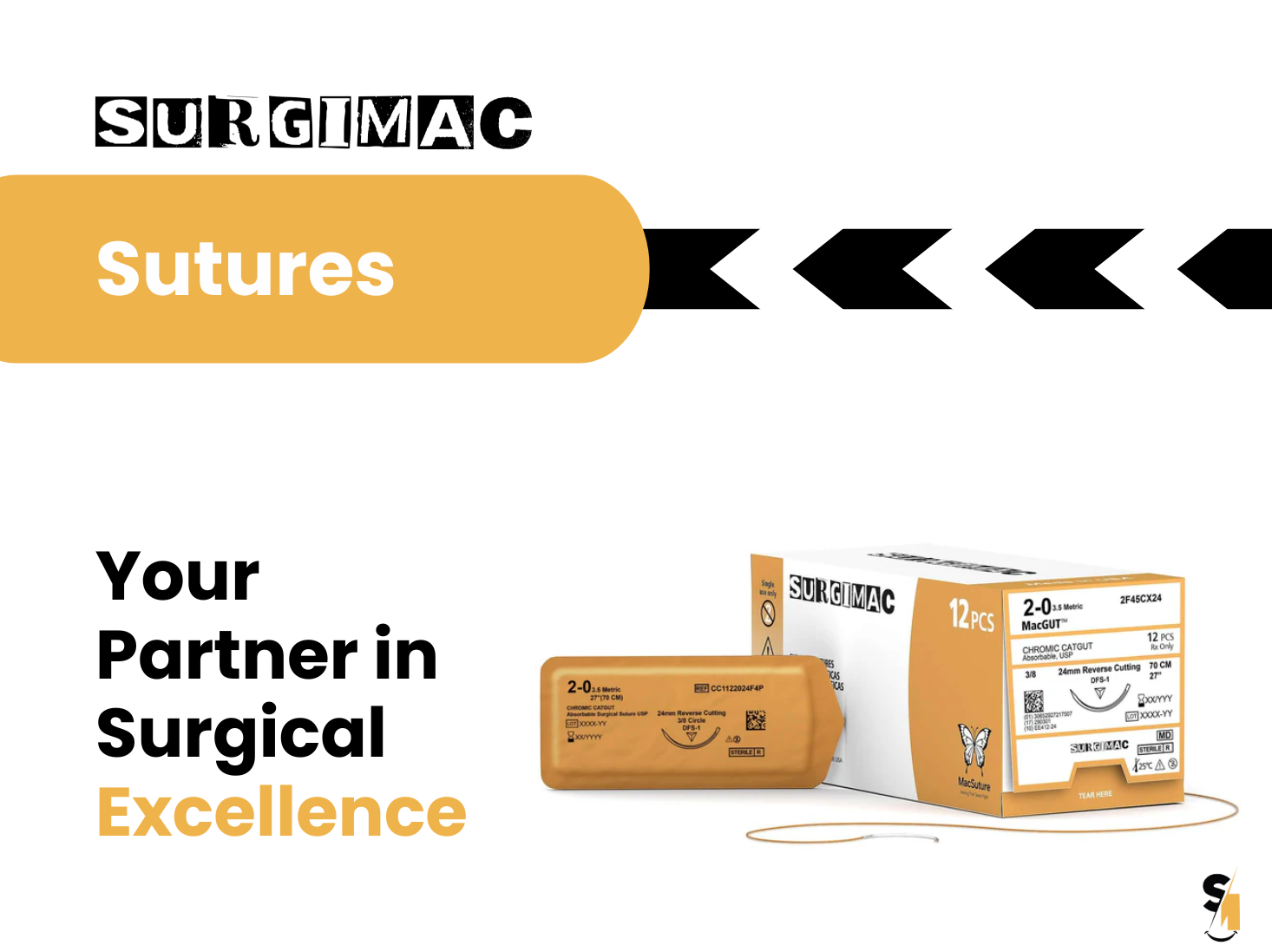
, by SurgiMac A Clinician's Guide to Absorbable Suture Material
-
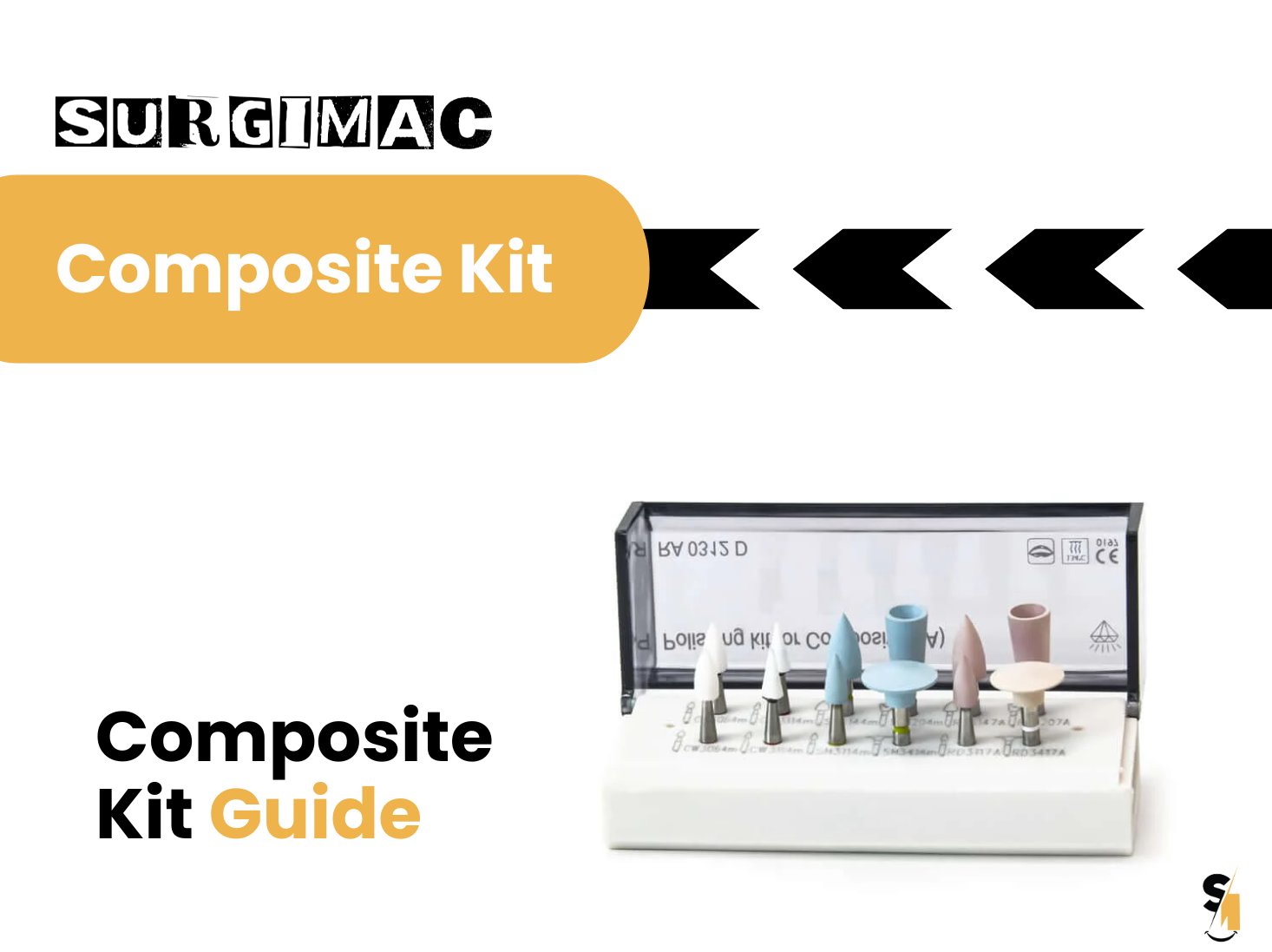
, by SurgiMac A Clinician's Guide to Dental Composite Resin Kits
-
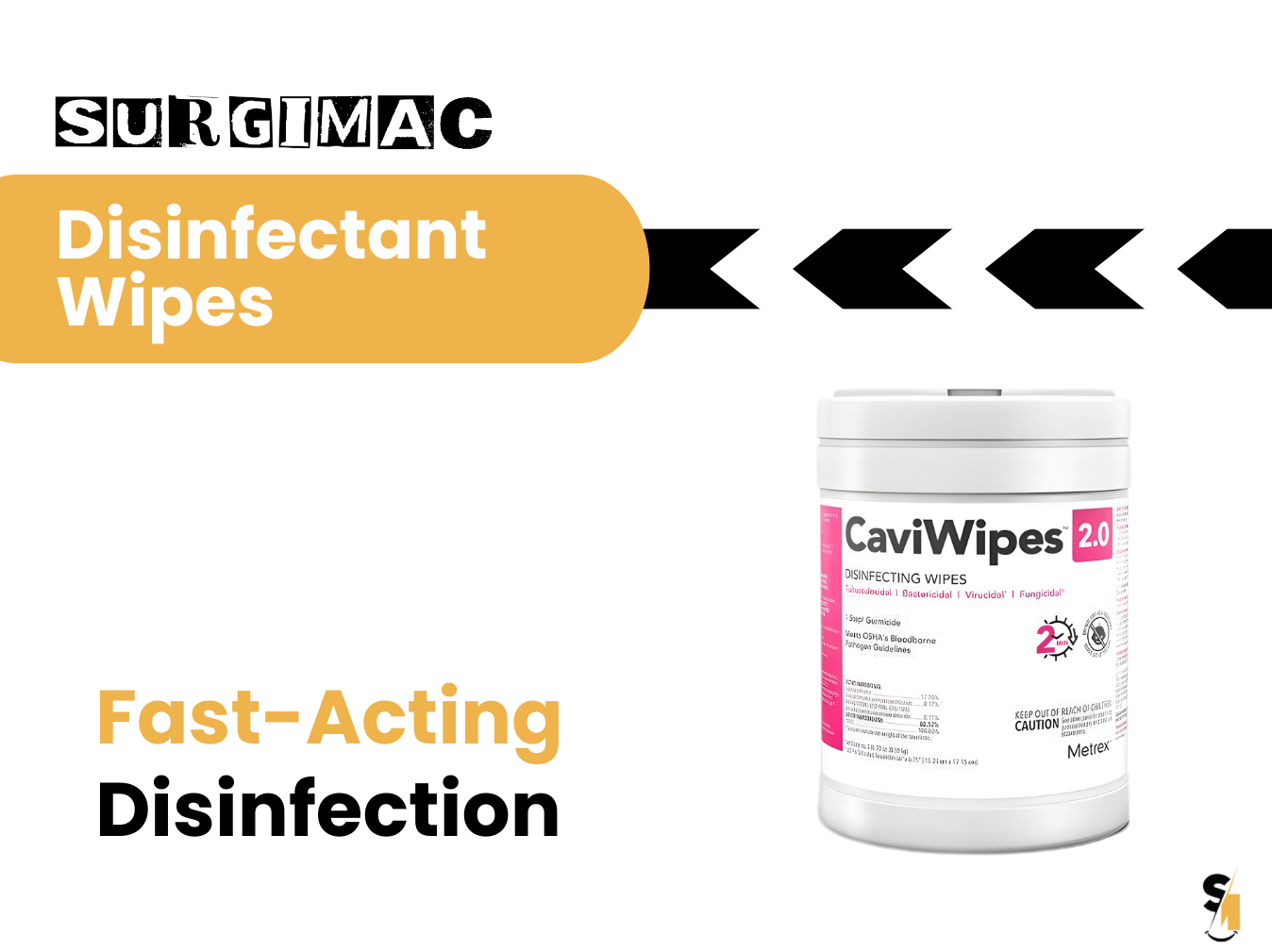
, by SurgiMac How to Disinfect with Metrex CaviWipes Correctly
