
Surgical Blades in Dentistry: The Definitive Guide
- , by SurgiMac LLC
- 21 min reading time
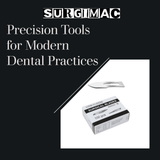
Find out how surgical blades in dentistry support clean incisions, predictable outcomes, and safe handling. Compare blade types, materials, and trusted brands.
Every cut you make demands absolute precision. The right surgical blades in dentistry are essential for achieving clean incisions and predictable outcomes. But not all blades are created equal. Understanding the differences in types, materials, and their specific uses is key to mastering your technique. This guide will walk you through the essentials, from common blade shapes to their ideal applications in various procedures. We'll also highlight trusted brands, including our precision-engineered MacCut line, to help you equip your practice with the best tools for the job.
Which Surgical Blade Do You Need?
Surgical blades in dentistry are available in different shapes and sizes, each designed to perform specific functions.
Understanding Blade Numbers and Shapes
Here's a snapshot of popular blades used in dental surgeries:
- No. 11: Ideal for precise cuts and incisions.
- No. 15: Favored for gingivectomy and other delicate procedures.
- No. 12: Often used in removing soft tissues.
Find your perfect blade at SurgiMac's extensive collection of scalpel blades.

The #10 Blade
The #10 blade is a true workhorse in many surgical settings, easily recognized by its large, curved cutting edge. This design is engineered for making initial incisions and managing tissue with confidence and control. Primarily used for creating incisions in the skin and separating tissues, its larger size facilitates the deeper, linear cuts essential for various oral surgery procedures. Whether you're developing a flap for a complex extraction or need to access underlying bone structure, the #10 blade provides the strength and surface area needed for a clean start. For clinicians who require a reliable blade for these foundational steps, the MacCut collection offers sterile, sharp, and durable options that ensure performance when it matters most.
The #11 Blade
When your procedure demands absolute pinpoint accuracy, the #11 blade is the instrument you reach for. Characterized by its long, triangular shape that culminates in a sharp, pointed tip, this blade is built for precision. It is ideal for making quick, sharp stab incisions, such as those required for draining an abscess or creating a precise entry point for other instruments. The #11 blade is also particularly useful for tasks that require meticulous detail, like trimming excess restorative material or cutting sutures with exactness. Its unique shape allows for an exceptional degree of control, making it an essential component in any dental surgical kit where fine, deliberate cuts are critical for a successful outcome.
The #12 Blade
The #12 blade stands out with its small, crescent-shaped design, which is sharpened along the inside edge of its curve. This unique configuration makes it exceptionally well-suited for delicate tasks in hard-to-reach areas of the oral cavity. It is frequently used for removing soft tissues, particularly in posterior regions or along the curvature of a tooth during mucogingival surgery. The hooked shape allows it to function as an effective suture cutter and is perfect for cleanly dissecting tissue without disturbing adjacent structures. For procedures that require navigating tight spaces and curved surfaces, the #12 blade offers a specialized solution that standard blades simply cannot match.
The #15 Blade
Often considered one of the most popular blades in periodontal and oral surgery, the #15 blade offers incredible versatility. You can think of it as a smaller, more refined version of the #10 blade. Its small, curved cutting edge is favored for its use in delicate procedures, such as performing a gingivectomy or creating precise sulcular incisions. The smaller size allows for more refined control during surgical interventions, making it the go-to choice for creating intricate flaps or contouring gingival tissues. When a procedure demands fine motor control and the ability to make short, accurate cuts, the #15 blade is one of the most indispensable surgical instruments in a clinician's toolkit.
Matching Blades to the Correct Handle
| Handle No. | Compatible Blade No. | Description |
|---|---|---|
| No. 3 | No. 10, 11, 12, 15 | Common for incisions, available here. |
| No. 4 | No. 20, 21, 22, 23, 26 | Large blades, longer version available. |
| No. 7 | No. 10, 11, 12, 15 | Slender for deep incisions. |
The Anatomy of a Surgical Blade
Understanding the components of a surgical blade is the first step toward selecting the right tool for any given procedure. The effectiveness of a scalpel isn't just about its sharpness; it's a combination of the blade's material, its coating, and the design of the handle it's paired with. These elements work together to provide the control, durability, and precision required in dental surgery. A well-chosen blade feels like an extension of your hand, allowing for clean incisions that support optimal healing. Conversely, a blade made from inferior material can dull quickly, leading to tissue damage and procedural complications. Let's break down the key materials and design features that define a high-quality surgical blade and handle.
Blade Materials and Coatings
The material of a surgical blade directly influences its sharpness, edge retention, and resistance to corrosion. While several materials are used in manufacturing, the choice often comes down to balancing performance with procedural needs. For most dental applications, carbon steel and stainless steel are the go-to options, each offering distinct advantages. However, advancements in material science have introduced specialty options like titanium and ceramic, which provide unique benefits for specific clinical scenarios. Understanding these differences allows you to select a blade that not only performs reliably but also enhances procedural outcomes by ensuring clean, precise cuts every time.
Carbon Steel vs. Stainless Steel
Carbon steel is renowned for its exceptional hardness, which allows it to be honed to an incredibly sharp edge. This makes it a favorite for procedures requiring the utmost precision and minimal tissue trauma. However, carbon steel is more susceptible to corrosion and requires careful handling to prevent rust. Stainless steel, an alloy of steel and chromium, offers superior corrosion resistance, making it a durable and low-maintenance choice for a busy practice. While traditionally not considered as sharp as carbon steel, modern manufacturing techniques have significantly narrowed the gap. The MacCut surgical blades, for example, are crafted to provide reliable sharpness and durability, ensuring consistent performance for a wide range of dental procedures.
Specialty Materials: Ceramic, Titanium, and Obsidian
Beyond the standard steels, specialty materials offer unique properties for advanced or specific surgical needs. Ceramic blades are extremely hard and non-magnetic, retaining their edge longer than steel. Titanium is lightweight, strong, and highly biocompatible, often used as a coating to reduce friction and improve durability. This same principle of advanced materials is seen in instruments like our Titanium Black Series, where coatings reduce glare and enhance visibility. Obsidian blades, made from volcanic glass, can be crafted to a microscopic edge, creating the finest possible incisions. While less common in routine dentistry, these materials highlight the innovation driving surgical precision forward.
Handle Composition and Design
The scalpel handle is just as critical as the blade itself, serving as the primary interface between the clinician and the patient. A well-designed handle provides balance, grip, and ergonomic comfort, which are essential for maintaining control during delicate and lengthy procedures. Handles are typically made from stainless steel for durability and ease of sterilization. The design, whether flat or rounded, textured or smooth, can significantly impact handling and reduce muscle fatigue. An ergonomic handle allows for precise manipulation, which is crucial when performing procedures like soft tissue debridement or intricate incisions, ensuring that every movement is deliberate and controlled for the best possible patient outcome.
Common Types of Scalpels and Handles
Scalpels are generally categorized into two main types: reusable and disposable. The choice between them often depends on practice workflow, cost considerations, and infection control protocols. Reusable scalpels consist of a durable metal handle that can be sterilized, paired with single-use, sterile blades that are replaced for each patient. Disposable scalpels, on the other hand, are single-piece units with a plastic handle and an integrated blade, designed to be discarded entirely after one use. Both types have their place in a modern dental practice, and understanding their respective benefits can help you streamline your inventory and clinical processes effectively.
Reusable vs. Disposable Scalpels
Reusable scalpel handles are an economical and environmentally conscious choice for many practices. They offer a sturdy, weighted feel that many clinicians prefer for tactile feedback and control. However, they require a rigorous sterilization process between uses to ensure patient safety and compliance with infection control standards. Disposable scalpels offer unmatched convenience and eliminate the risk of cross-contamination associated with improper reprocessing. They are always sharp, sterile, and ready to use, which can save valuable time during procedures. While the cost per unit may be higher, they remove the overhead and labor associated with cleaning and sterilizing reusable handles.
Specialized Blades and Ergonomic Handles
For specialized dental procedures, having the right combination of blade and handle is non-negotiable. Certain blades are designed for specific tasks, like the curved No. 12 blade for posterior incisions or the small No. 15c for fine periodontal work. Pairing these with an ergonomic handle can make a world of difference in both comfort and clinical outcome. Ergonomically designed dental instruments, like those in our Air and Slim Series, are built to reduce hand fatigue and improve maneuverability. This principle extends to scalpels, where a comfortable, non-slip grip ensures you can perform with precision and confidence, no matter how demanding the procedure.
How to Handle Surgical Blades with Precision
Using the right technique for the right blade ensures precision.
- Palm Grip: For forceful cuts.
- Pencil Grip: Controlled, delicate cuts.
- Finger Grip: Often utilized in dental surgeries.
Pre-Incision Best Practices
A successful surgical outcome begins long before the first incision is made. Proper patient preparation is fundamental to minimizing risks and ensuring a smooth procedure. It’s crucial to provide clear pre-operative instructions, advising patients on maintaining good oral hygiene leading up to their appointment. You should also instruct them to avoid alcohol and smoking for at least 24 hours beforehand, as these can impair healing. On your end, establishing a sterile field is non-negotiable. This involves not only sterilizing instruments but also using the right personal protective equipment. High-quality disposable gloves and lab coats from a reliable source like the MacSafe line are essential for maintaining a safe and hygienic environment for both you and your patient.
Proper Incision Technique
Once the patient and environment are prepared, the focus shifts to your technique. The quality of an incision directly impacts healing and the overall success of the procedure. Mastering different grips allows you to adapt to the specific demands of each cut. The pencil grip offers exceptional control for delicate, precise incisions, such as those made during periodontal surgery. For more forceful cuts where stability is key, the palm grip is more appropriate. The choice of blade is equally important. A sharp, reliable blade, like those in our MacCut collection, ensures a clean incision with minimal tissue trauma. Pairing these blades with an ergonomic, well-balanced handle from a line like the Pro Series further enhances tactile sensitivity and control, allowing for confident and accurate surgical work.
Why Professionals Choose MacCut Surgical Blades
SurgiMac offers a wide variety of brands to cater to every dental professional's needs. Here's a peek at some of the brands available:
- SurgiMac: The house brand, a best quality and great value.
- Ansell: Known for quality.
- Dynarex: Affordable and reliable.
- McKesson: A trusted name in healthcare.
- Myco: Specialty blades for specific procedures.
Whether it's for a simple incision or a complex surgery, the right blade is waiting at SurgiMac.
The MacCut Advantage: Premium Materials and Sharpness
When it comes to procedural outcomes, the quality of your surgical blade is non-negotiable. That's where the MacCut collection stands out. Our blades are crafted from high-grade carbon steel, a material renowned for its exceptional sharpness and durability. This construction ensures you can make clean, precise incisions with minimal force and less tissue distortion, which is critical for delicate oral surgeries. For your patients, this translates directly to reduced discomfort and a smoother, faster healing process. A superior blade allows for greater control and accuracy, helping you achieve the best possible clinical results in every procedure, from simple gingivectomies to more complex interventions.
Your Guide to Safe Blade Handling and Disposal
Handling surgical blades with care is paramount.
- Safe Storage: Storing blades securely minimizes risks.
- Proper Disposal: Following guidelines ensures safety and compliance.
Engineered Safety Controls: Safety Scalpels and Blade Removers
Beyond technique, the tools themselves are your first line of defense against sharps injuries. Engineered safety controls are designed to minimize risk at the source. Safety scalpels, for instance, incorporate features like a retractable blade that slides back into the handle or a protective sheath that covers the blade when not in use. These mechanisms prevent accidental contact during and after the procedure. Similarly, single-use blade removers allow you to detach a used blade from its handle without ever touching it, containing the sharp immediately. Integrating these devices into your practice is a critical step in building a comprehensive infection control protocol and protecting your entire team from preventable harm.
Procedural Safety: The Hands-Free Neutral Zone
One of the most effective ways to reduce scalpel injuries is to adopt a hands-free passing technique. This involves establishing a "neutral zone"—a designated area like a tray or magnetic mat where instruments are placed and retrieved. Instead of passing a sharp instrument directly from hand to hand, the surgeon places it in the neutral zone, and the assistant picks it up from there. This simple procedural change eliminates the risk of accidental contact during instrument transfers, a common cause of injury. Implementing a neutral zone policy requires clear communication and coordination among the surgical team but is a proven method for enhancing workplace safety in a clinical environment.
Understanding the Risks of Sharps Injuries
While we often focus on needlesticks, scalpel-related injuries are a significant concern in any clinical setting. In fact, studies have shown that scalpel injuries are the second most common type of sharps injury, accounting for roughly 7% to 8% of all reported incidents. Each injury carries the risk of exposure to bloodborne pathogens, leading to serious health consequences and significant professional stress. This is why a multi-faceted approach to safety is so important. It combines proper handling techniques, engineered safety controls, and high-quality personal protective equipment. Wearing durable, well-fitting gloves from a trusted line like MacSafe provides a crucial barrier and should be standard practice in every procedure.
A Brief History of the Surgical Blade
The concept of using a sharp tool for medical procedures is as old as medicine itself. Long before the sterile, precision-engineered blades we use today, early practitioners relied on naturally sharp materials to make life-saving incisions. Archaeological evidence, including skulls showing signs of ancient brain surgery, suggests that the earliest scalpels were crafted from obsidian, a volcanic glass capable of holding an incredibly fine edge. These primitive tools mark the beginning of a long journey of innovation, driven by the constant pursuit of greater precision, safety, and better patient outcomes. The evolution from a sharpened rock to a modern surgical instrument reflects the broader advancement of medical and dental science over millennia.
From Ancient Obsidian to Modern Steel
The materials used for surgical blades have evolved dramatically over time. While obsidian was the tool of choice in 2100 BC, other materials like silver were later favored for their properties. However, the modern era of surgery demanded materials that were not only sharp but also strong, corrosion-resistant, and capable of being sterilized. This led to the adoption of high-grade carbon steel and stainless steel, which remain the industry standards today. These metals can be honed to an exceptionally sharp edge and maintain their integrity through rigorous use and sterilization. Today, brands like MacCut continue this legacy, offering blades crafted from premium steel to ensure consistent sharpness and reliability for every incision.
Innovations in Surgical Cutting Technology
A pivotal moment in the history of the scalpel came in 1915, when Charles Russell Bard and Morgan Parker patented the two-part scalpel. This design, featuring a reusable handle and a replaceable, disposable blade, revolutionized surgical practice. It addressed two major challenges at once: maintaining a sharp edge and ensuring sterility. Their system also included a method for sterilizing the blades without dulling them, a significant technical achievement. This innovation made surgery safer and more efficient, paving the way for the modern, single-use blades that are fundamental to today's sterilization and infection control standards. It shifted the focus from resharpening old tools to using a perfect, sterile blade for every patient.
Beyond the Scalpel: Related Tools and Alternatives
While the steel scalpel remains a cornerstone of dental surgery, it is no longer the only option for making precise incisions. Technological advancements have introduced a range of alternative cutting tools that offer unique benefits for specific procedures. These modern instruments leverage different forms of energy, such as electricity and light, to cut, coagulate, and shape soft tissue with remarkable control. For dental professionals, understanding these alternatives is key to selecting the best tool for the task at hand, whether it's achieving hemostasis in a highly vascular area or performing delicate aesthetic gingival contouring. Equipping a practice with a variety of dental equipment and supplies ensures you can provide the highest standard of care across a wide spectrum of clinical situations.
Alternative Terminology: Bistoury and Lancet
In your research or when reading historical texts, you might encounter terms like "bistoury" or "lancet" used interchangeably with "scalpel." While they all refer to sharp-bladed instruments for cutting tissue, there are subtle distinctions. A bistoury often refers to a long, narrow knife, sometimes with a curved blade, historically used for opening abscesses or making larger incisions. A lancet is typically a double-edged blade pointed at one end, famously used for bloodletting but also for making small, precise punctures. In contemporary dental and medical practice, "scalpel" has become the universal term for a surgical knife, but knowing these alternative names provides a richer understanding of the tool's heritage.
Electrosurgery and Lasers in Modern Dentistry
Two of the most significant alternatives to the traditional scalpel are electrosurgery and laser technology. Electrosurgery units use high-frequency electrical currents to cut tissue while simultaneously coagulating blood vessels, providing excellent hemostasis and a clear surgical field. This is particularly useful in procedures like gingivectomies or troughing around crown preparations. Lasers, on the other hand, use focused light energy to vaporize tissue with exceptional precision and minimal damage to surrounding areas. They often result in less postoperative pain and faster healing. Both technologies represent a major leap forward, offering clinicians advanced tools to perform soft tissue surgery with greater control and improved patient comfort.
Equip Your Practice for Surgical Excellence
Surgical blades may seem simple, but they are essential tools in the dental office. With various types, techniques, and top-tier brands like Ansell, Dynarex, McKesson, Myco, and SurgiMac available at SurgiMac's online store, finding the right blade has never been easier.
Also, must read articles include - Evolution of Surgical Blades: From Ancient Origins to Modern Precision. Refer to SurgiMac's Newsroom for details.
Frequently Asked Questions
I'm stocking my new practice. Which surgical blades are the most essential to have on hand? For a well-rounded surgical kit, you'll want to start with a few key players. The #15 blade is the versatile workhorse for most periodontal and oral surgery procedures due to its small, curved edge that allows for precise control. The #12 blade, with its unique crescent shape, is indispensable for working in hard-to-reach posterior areas or for cutting sutures. Finally, the #11 blade is essential for any procedure requiring a quick, pointed incision, such as draining an abscess. Covering these bases ensures you're prepared for the majority of common surgical tasks.
What's the real-world difference between carbon steel and stainless steel blades? The choice often comes down to a trade-off between initial sharpness and durability. Carbon steel can be honed to an exceptionally fine edge, making it ideal for procedures where the most delicate and clean incision is required to minimize tissue trauma. However, it is more prone to corrosion. Stainless steel offers excellent corrosion resistance, making it a reliable and low-maintenance option for a busy practice. High-quality modern blades, like those in our MacCut collection, are engineered to provide dependable sharpness and performance, regardless of the material you choose.
Are disposable scalpels a better choice for my practice than reusable ones? This really depends on your practice's workflow and priorities. Reusable handles offer a substantial, weighted feel that many clinicians prefer for better tactile feedback, and they can be more economical over time. Their downside is the need for rigorous sterilization between every use. Disposable scalpels provide unmatched convenience and completely eliminate the risk of cross-contamination from improper reprocessing. They are sterile, sharp, and ready to go, which can be a significant time-saver in a fast-paced environment.
Besides choosing the right blade, what's the single most effective way to prevent scalpel injuries? Implementing a hands-free passing technique is one of the most impactful changes you can make. This involves creating a "neutral zone," such as a designated tray or mat, where all sharp instruments are placed and retrieved by your surgical team. Instead of passing a scalpel directly from hand to hand, you place it in the zone for your assistant to pick up. This simple procedural shift eliminates the primary moment where accidental contact and injury can occur, protecting everyone in the room.
How do I know when to use a traditional scalpel versus an alternative like electrosurgery? The decision depends on the specific goal of your procedure. A traditional steel scalpel, like a MacCut blade, provides the cleanest incision with no thermal damage, which is ideal for promoting optimal healing in many surgical situations. You should consider electrosurgery when you need to cut tissue and achieve hemostasis at the same time, as it coagulates blood vessels upon contact. This is especially useful in highly vascular areas where maintaining a clear field of vision is critical.
Key Takeaways
- Select the Right Blade for the Incision: Master your technique by matching the blade to the procedure. Use a #15 for precise gingival work and a #10 for initial flaps to ensure optimal control and clean outcomes.
- Invest in Quality for Better Performance: The sharpness and material of your blade directly impact healing. Pairing a premium MacCut blade with an ergonomic handle, like those found in the Pro Series, reduces tissue trauma and operator fatigue.
- Prioritize Sharps Safety Beyond Technique: A solid safety protocol is non-negotiable. Implement a hands-free neutral zone, utilize safety scalpels, and ensure your team is protected with dependable PPE from the MacSafe line.
Related Articles
Tags
Blog posts
-
, by SurgiMac A Clinician's Guide to Absorbable Suture Material
-
, by SurgiMac A Clinician's Guide to Dental Composite Resin Kits
-
, by SurgiMac How to Disinfect with Metrex CaviWipes Correctly
