
What Is a Potts Elevator & When Should You Use It?
- , by SurgiMac
- 34 min reading time
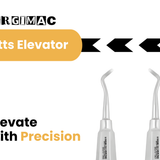
A Potts elevator is essential for atraumatic extractions. Learn how to select, use, and maintain Potts elevators for safe, efficient dental procedures.
A routine extraction can turn complex in an instant. A root tip fractures, or you're facing a deeply impacted wisdom tooth where access is tight. In these moments, your standard straight elevator often falls short, unable to get the right angle or apply the necessary leverage. This is precisely the challenge the Potts elevator was designed to solve. With its T-bar handle and angled working end, it transforms a simple wrist rotation into powerful, controlled force, allowing you to confidently engage stubborn roots with maximum efficiency and minimal effort.
Key Takeaways
- Leverage its design for specific challenges: The Potts elevator's T-bar handle and angled blade are engineered for rotational force, making it the go-to instrument for impacted third molars and fractured root tips where direct access is limited.
- Prioritize controlled technique over force: Successful extractions rely on finesse, not pressure. Use steady, rotational movements to sever the periodontal ligament and expand the socket, which minimizes the risk of bone fracture and protects surrounding tissues.
- Select instruments for performance and longevity: A quality elevator is an investment in your practice. Prioritize features like ergonomic handles, found in the SurgiMac Air Series, and premium stainless steel to ensure clinical precision, reduce hand fatigue, and guarantee long-term reliability.

What Is a Potts Elevator and How Do You Use It?
A Potts elevator is a specialized dental instrument designed to assist in extractions, particularly those involving impacted wisdom teeth or stubborn root fragments. Unlike straight elevators, its unique design provides specific advantages for accessing and luxating teeth in difficult-to-reach areas of the mouth. The primary function of a Potts elevator is to sever the periodontal ligament and expand the alveolar bone, making the tooth mobile enough for a clean, atraumatic removal with forceps.
Understanding the mechanics of this tool is essential for using it effectively and safely in your practice. The instrument works by applying controlled leverage between the tooth root and the surrounding bone. When used correctly, it minimizes the risk of root fracture and damage to adjacent structures, leading to better patient outcomes. Its design allows clinicians to translate gentle rotational force from their hand into precise, effective pressure at the instrument's tip. This makes it an indispensable part of any surgical extraction toolkit, offering a blend of power and precision that simplifies complex procedures.
A Closer Look at the Potts Elevator's Design
The design of a Potts elevator is what sets it apart. It typically features a thin, angled working end, or blade, connected to a sturdy shank. This angulation is crucial for gaining access to the posterior regions of the mouth and engaging the tooth below the cementoenamel junction (CEJ). The handle is often a distinct T-bar shape, which allows the clinician to apply controlled rotational force with a simple turn of the wrist. This ergonomic design provides excellent grip and leverage, translating minimal effort into maximal luxating force. High-quality dental instruments are crafted from surgical-grade stainless steel to ensure durability and proper sterilization.
When Should You Use a Potts Elevator?
Potts elevators are reliable and effective tools for a variety of dental extractions. They are specially designed to help remove impacted wisdom teeth (third molars) and retained root fragments that are otherwise difficult to access. The angled blade can be precisely inserted into the periodontal ligament space to initiate luxation, even when the tooth is fully or partially covered by bone or soft tissue. This makes the Potts elevator particularly valuable in surgical extractions where creating a purchase point is challenging. Its ability to safely and efficiently elevate broken root tips also helps prevent more invasive surgical interventions, preserving bone and improving healing.
Ideal Scenarios: Impacted Upper Third Molars
Extracting an impacted upper third molar is a classic clinical challenge due to poor visibility and awkward angles. This is precisely where a Potts elevator shines. Its specialized design, featuring an angled blade, allows you to precisely insert the instrument into the periodontal ligament space to initiate luxation, even when the tooth is partially covered by bone or soft tissue. Unlike straight elevators that require a direct line of force, the Potts elevator's T-bar handle translates gentle rotational movements into effective, controlled pressure at the tip. This mechanical advantage is crucial for severing the periodontal ligament and expanding the alveolar bone without excessive force, which helps protect the delicate maxillary sinus floor. For these demanding procedures, having a reliable instrument from a collection like the Pro Series ensures you have the balance and accuracy needed for a successful, atraumatic extraction.
Severing the Periodontal Ligament: A Step-by-Step Guide
The proper technique is fundamental to a successful extraction. To begin, the clinician carefully inserts the tip of the Potts elevator into the periodontal ligament space between the tooth root and the alveolar bone. With the blade properly seated, a gentle rotating or flicking motion of the wrist is used to apply leverage. This action expands the socket and systematically breaks down the ligament fibers holding the tooth in place. The goal is not to pry the tooth out with force, but to effectively "lift" it from its socket, making the final removal with extraction forceps much smoother and less traumatic for the patient.
Mastering the "Flick of the Wrist" Motion
The effectiveness of a Potts elevator hinges on a specific, controlled movement: the "flick of the wrist." This technique is about finesse, not force. When you insert the blade into the periodontal ligament space, the goal is to apply gentle, rotational leverage to expand the alveolar bone and sever the ligament fibers. The instrument's T-bar handle is ergonomically designed to translate this simple wrist motion into precise, effective pressure at the tip, and using a well-balanced tool from a collection like the SurgiMac Air Series can make this movement feel even more controlled. By focusing on this controlled rotation, you systematically make the tooth mobile for a clean, atraumatic removal with forceps. Mastering this motion minimizes the risk of complications like root fractures or damage to adjacent structures, ensuring a smoother procedure and better patient outcomes.
How to Apply Leverage for Root Fragment Removal
When dealing with root fragments, controlled leverage is paramount. The T-bar handle of the Potts elevator is ideal for this, as it facilitates a precise rotational force that gently widens the socket around the fragment. It’s critical to remember that using too much apical pressure can fracture the root or the surrounding alveolar bone. Instead, the force should be directed along the long axis of the root. Selecting an elevator with the appropriate tip width and angulation for the specific tooth is also essential for success. This ensures the force is distributed correctly, protecting the patient and making the procedure more predictable.
Enhancing Patient Comfort and Healing
A successful extraction isn't just about removing a tooth; it's about managing the patient's experience and setting them up for a smooth recovery. The Potts elevator is instrumental in achieving an atraumatic extraction. Its design allows you to apply precise, controlled leverage that works with the patient's anatomy, not against it. By using a gentle rotational motion, you can effectively sever the periodontal ligament and expand the socket without resorting to excessive force. This technique significantly minimizes the risk of fracturing the root or damaging adjacent bone and soft tissue. A cleaner, less invasive procedure leads directly to reduced post-operative pain, less swelling, and a faster healing process for your patient. Instruments designed for ergonomic control, like those in the SurgiMac Air Series, further support this goal by reducing clinician fatigue and enabling the delicate movements required for these procedures.
What Are the Different Types of Potts Elevators?
While all Potts elevators share the same fundamental T-bar design, they aren't a one-size-fits-all solution. Variations in blade size, angle, handle design, and material allow you to select an instrument that feels like a natural extension of your hand, tailored to the specific clinical situation you're facing. These subtle differences can have a major impact on your efficiency, control, and the patient's outcome. Understanding these variations is the first step in choosing the right tool for your extractions, ensuring you can work with confidence and precision.
From accessing tight posterior spaces to managing delicate root fragments, having a selection of Potts elevators gives you the versatility needed for complex cases. Let's break down the key features that differentiate these essential instruments.
Common Models and Specifications to Know
Choosing the right Potts elevator involves more than just recognizing its T-bar handle; it requires a deeper understanding of the specific models and their design features. Manufacturers use model numbers and specifications to denote subtle but critical differences in blade curvature, size, and angulation. These details are not arbitrary—they are engineered to address distinct clinical challenges, from accessing a mesially impacted third molar to retrieving a fractured distal root. Familiarizing yourself with these common configurations will allow you to select an instrument with the precise geometry needed for the task, ensuring a more predictable and efficient extraction. This knowledge helps you build a versatile surgical toolkit that prepares you for any scenario you might encounter.
Decoding Model Numbers: Potts-2, E6X, and More
Model numbers like "Potts-2" or "E6X" serve as a shorthand for an instrument's specific design and intended application. For instance, different numbers often correspond to left- or right-sided instruments or those designed for mesial versus distal access, ensuring the blade’s curve perfectly adapts to the tooth's contour. The E6X model, for example, is widely recognized for its T-bar handle and angled blade, which provides exceptional leverage for luxating impacted teeth. When selecting your instruments, it's essential to look for tools that meet these industry standards for performance and reliability. High-quality elevators, such as those found in the SurgiMac Pro Series, are crafted to precise specifications, giving you the confidence that you have the right tool for the job.
Key Design Details: Blade Sizes and Instrument Length
Beyond model numbers, the physical dimensions of a Potts elevator—specifically its blade size and overall length—are critical factors in its effectiveness. A narrower blade is ideal for engaging small root fragments or navigating tight interproximal spaces without disturbing adjacent teeth. Conversely, a wider blade offers a broader surface area for applying gentle, effective pressure to a larger root mass. The instrument's length and handle design also play a significant role in ergonomics and control. For clinicians who prioritize comfort and precision, instrument lines like the SurgiMac Air Series offer lightweight, hollow handles that reduce hand fatigue and improve tactile sensitivity, allowing for greater finesse during delicate procedures.
How to Select the Right Blade Size and Angle
The working end of a Potts elevator—the blade—is where precision matters most. The size and angle of the blade directly influence how effectively you can engage the tooth and apply leverage. A blade that’s too large can damage adjacent structures, while one that’s too small may not provide enough surface area to elevate the root. As you know, choosing the wrong configuration can result in surgical difficulty and potential injury for the patient.
Potts elevators are typically available in left- and right-angled designs, allowing you to achieve the perfect approach depending on the quadrant. For example, the Potts Elevator 7 is specifically designed with a blade that allows for effective loosening of teeth and root fragments in hard-to-reach areas. Selecting the correct angulation ensures your force is directed exactly where it needs to be, making the extraction smoother and more predictable.
Why Handle Design is Crucial for Control
An instrument’s performance is only as good as your ability to control it. The handle of a Potts elevator is critical for providing a secure, comfortable grip, which translates directly to safer and more effective procedures. An ergonomic handle reduces hand fatigue during lengthy extractions and allows for more nuanced force application. This improved handling enhances safety, as Potts dental elevators are designed to let you apply more force with less pressure.
At SurgiMac, we offer several instrument lines with distinct handle designs to match your preference. Our Air Series instruments, for example, are crafted for flawless balance and comfort. For clinicians who prioritize a non-slip grip, the Hexa Series features ergonomic hollow handles that ensure maximum control, even under demanding surgical conditions. A well-designed handle helps you perform a wide range of tooth extraction procedures with greater confidence and less strain.
Beyond the T-Bar: Exploring Round and Hollow Handles
While the T-bar is the signature feature of a Potts elevator, the principles of ergonomic design extend to all types of dental elevators. Many clinicians supplement their kits with instruments featuring round or hollow handles, which offer different tactile feedback and control for various extraction scenarios. A traditional round handle provides a familiar, solid grip that’s excellent for applying direct, controlled force with confidence. The choice often comes down to what feels most balanced and secure in your hand, as a comfortable instrument is key to reducing fatigue and maintaining the precision required during a long day of procedures.
Hollow handles, in contrast, offer a distinct advantage by reducing the instrument's overall weight. This seemingly minor adjustment significantly minimizes hand and wrist fatigue, which supports greater endurance and finer motor control. For example, the SurgiMac Hexa Series was designed with this in mind, featuring ergonomic hollow handles that feel lighter while providing a confident, non-slip grip. This construction ensures you can maintain maximum control and tactile sensitivity, even in demanding surgical situations. Ultimately, whether you prefer a solid or hollow design, selecting a handle that complements your technique is crucial for achieving predictable and successful outcomes.
Does the Instrument's Material Really Matter?
The material of your Potts elevator determines its longevity, durability, and performance over time. The industry standard is high-grade stainless steel, and for good reason. It offers excellent resistance to corrosion from sterilization processes and is strong enough to withstand the significant forces required for extractions without bending or breaking. Crafted from high-quality stainless steel, SurgiMac’s dental instruments ensure long-lasting performance and reliability.
For procedures where visibility is a challenge, advanced coatings can make a significant difference. The SurgiMac Titanium Black Series features instruments with a specialized coating that reduces glare from overhead lights, enhancing your view of the surgical site. Investing in instruments made from premium materials means you can trust their performance for years to come. Each instrument is meticulously crafted to surpass industry standards, giving you peace of mind during every procedure.
How Do Potts Elevators Compare to Other Instruments?
Choosing the right instrument is fundamental to a successful, atraumatic extraction. While many dental elevators are designed for luxation, their specific geometries make them suitable for different clinical scenarios. Understanding the key differences between a Potts elevator and other common instruments helps you select the most efficient tool for the job. A comprehensive surgical setup includes a variety of dental instruments to address any challenge that may arise during a procedure.
Potts vs. Straight Elevators: What's the Difference?
The primary distinction between these two instruments is their design and intended application. Potts elevators are engineered to precisely loosen teeth from the periodontal ligament, especially in tight or hard-to-reach areas. In contrast, straight elevators are general-purpose instruments, ideal for applying initial luxating force where direct access is straightforward. While a straight elevator provides powerful leverage, the angled blade and T-bar handle of a Potts elevator allow for more controlled, rotational forces. This makes it indispensable for posterior teeth or when navigating around adjacent structures, acting as a precision specialist compared to the straight elevator's workhorse role.
Potts vs. Cryer Elevators: Which One Should You Use?
The most significant difference here is the blade design. A Cryer elevator features a sharp, pointed blade set at a right angle to the shank, making it highly effective for engaging and removing fractured roots from a multi-rooted molar socket. The Potts elevator, however, has a thin, flat, and angled blade designed for gently severing the periodontal ligament with minimal trauma. While the Cryer excels at hooking and elevating root fragments, the Potts is superior for delicate luxation in confined spaces, preserving alveolar bone. Instruments from the SurgiMac Air Series exemplify this focus on ergonomic, atraumatic design.
Potts vs. Miller and Crane Pick Elevators
While both Potts and Miller elevators feature an angled shank, their functional advantages differ significantly. The Miller elevator is effective for general elevation, but the Potts elevator’s T-bar handle is its defining feature, engineered specifically to convert a simple wrist turn into powerful, controlled rotational force. This design makes it exceptionally effective for luxating teeth in tight posterior spaces where direct leverage is difficult. The Crane Pick, on the other hand, is designed with a sharp point to engage purchase points in fractured roots, making it a specialist for root retrieval rather than initial luxation. The Potts elevator fills the gap between these instruments, providing the precise rotational leverage needed to safely mobilize a tooth before extraction with forceps.
Potts vs. Coupland, Warwick, and Apexo Elevators
Coupland elevators, often used like a chisel, are excellent for expanding the alveolar bone but lack the specific rotational mechanics of a Potts elevator. Similarly, Apexo and Warwick elevators are designed for apical root fragment removal, with the Apexo featuring a characteristic groove in its blade for better grip. However, none of these instruments offer the unique combination of an angled blade and a T-bar handle found in a Potts elevator. This design provides superior control and efficiency for luxating impacted or awkwardly positioned teeth. Having a variety of elevators is essential, but the Potts remains the instrument of choice for applying precise, rotational force in challenging extractions, minimizing trauma and improving clinical outcomes.
When to Choose a Potts Elevator Over Other Tools
A Potts elevator is your instrument of choice for specific, challenging extractions. It is particularly effective for removing impacted or partially erupted wisdom teeth (third molars), where access and the angle of approach are critical. The instrument’s design allows you to navigate the distal aspect of second molars to properly engage the tooth. Potts elevators are also invaluable for retrieving root fragments fractured below the alveolar crest. When a straight elevator cannot gain an adequate purchase point, the fine blade of a Potts can be worked into the PDL space to gently elevate the fragment. For these demanding procedures, a reliable instrument from the Pro Series ensures you have the necessary strength and precision.
How to Use a Potts Elevator Safely and Effectively
A Potts elevator is a powerful instrument, but its effectiveness is directly tied to your technique. Mastering its use isn't just about efficiency; it's about ensuring patient safety and preserving surrounding structures. By focusing on controlled application and proper instrument selection, you can confidently handle even complex extractions while minimizing the risk of complications. These best practices will help you refine your approach and achieve predictable, successful outcomes.
Mastering Controlled Force Application
The design of a Potts elevator provides a significant mechanical advantage, allowing you to apply substantial force with minimal pressure. The key is to use this advantage with control and precision. Instead of applying abrupt, heavy-handed force, think of the motion as a steady, deliberate levering action. Your force should be directed along the long axis of the root, using the instrument to gently wedge and expand the socket. Establish a stable fulcrum on solid alveolar bone, and use your index finger as a guard to prevent the instrument from slipping and causing iatrogenic injury. A well-crafted instrument with good tactile sensitivity, like those in the SurgiMac Pro Series, can make it easier to feel the tooth’s movement and apply appropriate, measured force.
How to Prevent Alveolar Bone Fractures
One of the most common risks during extractions is fracturing the alveolar bone, which often happens when excessive force is applied. To prevent this, always select an elevator with a tip width and angulation that matches the root anatomy. The blade should fit securely in the periodontal ligament space without being forced. Use a gentle, rotational motion to sever the ligamentous attachments and gradually widen the socket. If you encounter strong resistance, stop and reassess. Applying more force is rarely the right answer. Instead, consider removing a small amount of crestal bone with a bur to create a better purchase point for the elevator. This controlled approach protects the bone and makes the extraction smoother.
Choosing the Right Elevator for Every Scenario
Choosing the correct Potts elevator for each specific case is critical for both safety and success. Using the wrong instrument configuration can lead to surgical difficulty and potential patient injury. A blade that is too wide for the space can damage the adjacent tooth or fracture the buccal plate, while a blade that is too narrow will fail to engage the root surface effectively, leading to slippage. Your clinical setup should include a variety of Potts elevators with different blade sizes and curvatures. Having a versatile and reliable set of dental instruments on hand ensures you can select the perfect tool for any situation, from removing a fine root tip to elevating a molar.
Solving Common Challenges with Your Technique
Even minor mistakes with dental elevators can lead to significant complications, but these are almost always avoidable with the right preparation and mindset. The foundation of safe elevator use is a combination of proper training, keen situational awareness, and high-quality tools. Continuously refining your technique through continuing education and case reviews is essential. During a procedure, remain focused on the tactile feedback from the instrument and be prepared to change your approach if you aren't making progress. Ultimately, pairing your clinical skill with dependable, well-maintained instruments gives you the control and confidence needed to manage any extraction challenge effectively.
What Makes a High-Quality Potts Elevator?
Choosing the right Potts elevator is about more than just function; it’s about investing in an instrument that delivers consistent, reliable performance for years to come. The quality of your elevator directly impacts your control, efficiency, and patient outcomes during extractions. A well-crafted instrument feels balanced in your hand, holds its edge, and withstands the rigors of daily use and sterilization. When you’re ready to find a dependable Potts elevator for your practice, focus on the manufacturer’s reputation, the materials used, and the precision of the design. These factors are the hallmarks of a tool you can trust for even the most delicate procedures.
Why Clinicians Trust SurgiMac's Air and Pro Series
When you need an instrument that combines ergonomic design with clinical-grade strength, SurgiMac’s instrument collections are an excellent place to start. The Air Series, for example, features the #7 Potts Elevator, crafted from high-quality stainless steel for exceptional longevity and corrosion resistance. This series is known for its lightweight, hollow handles that reduce hand fatigue without sacrificing control. For clinicians who prefer a more traditional, solid feel, the Pro Series offers instruments built to the highest standards of clinical excellence. Both series provide the reliability and precision necessary for predictable results in every extraction.
Why Premium Stainless Steel Matters
The material of your Potts elevator is fundamental to its performance and lifespan. Premium stainless steel is the gold standard for a reason—it ensures your instrument can withstand repeated sterilization cycles without degrading and provides the strength needed to apply controlled force without bending or breaking. Instruments made from high-quality materials are designed to surpass industry standards, giving you peace of mind during every procedure. Investing in superior dental instruments made from medical-grade stainless steel means you’re choosing tools that are not only durable and reliable but also safe for your patients.
The Significance of German Stainless Steel and Handcrafting
The distinction of "German stainless steel" signifies a commitment to superior quality and meticulous craftsmanship. This material is renowned for its precise metallurgical composition, which provides exceptional hardness, flexibility, and resistance to corrosion through countless sterilization cycles. When an instrument is handcrafted from this steel, it results in a tool that is not only durable but also perfectly balanced and finished. This level of detail ensures the working ends are sharp, precise, and hold their edge over time. For a clinician, this translates to better tactile feedback and more predictable performance, allowing you to work with confidence knowing your high-quality dental instruments will not fail under pressure.
What to Look for in a Manufacturer
When selecting any new instrument, it’s wise to choose a manufacturer that prioritizes quality and precision. A reputable supplier will be transparent about their materials and manufacturing processes. Look for instruments that are precisely engineered and crafted from high-quality stainless steel, as these are key indicators of durability and clinical reliability. A trusted manufacturer like SurgiMac understands the demands of a busy dental practice and designs tools that deliver consistent performance. Choosing a brand with a strong commitment to quality ensures your investment is sound and your instruments are ready when you need them.
Evaluating Warranties and Support Resources
A high-quality Potts elevator is a long-term investment in your practice, and like any significant purchase, it should be protected. Beyond the initial feel and performance, consider the long-term reliability and the support available if an issue arises. A comprehensive warranty is more than just a policy; it’s a manufacturer’s statement of confidence in their own craftsmanship and materials. When you choose equipment from reputable manufacturers, you're selecting instruments designed to withstand the demands of daily clinical use, backed by a guarantee that protects your investment and provides peace of mind for years to come.
However, a warranty is only as valuable as the support behind it. The true test of a supplier is how they respond when you need assistance. Before committing, evaluate the accessibility and responsiveness of the customer service team. A trusted supplier like SurgiMac understands that in a busy practice, you can't afford downtime. Having a straightforward process for addressing instrument issues ensures that a minor problem doesn’t disrupt your workflow. Investing in instruments from a company with a proven track record for reliable support means you’re not just buying a tool—you’re gaining a partner dedicated to your practice’s success.
Your Pre-Purchase Checklist for a Potts Elevator
Investing in a new Potts elevator isn't just about adding another tool to your tray; it's about choosing an instrument that enhances your technique, ensures patient safety, and provides lasting value. A well-chosen elevator becomes a reliable extension of your hands, while a poor one can lead to procedural difficulties and complications. Before making a purchase, it’s essential to evaluate a few key factors that separate a workhorse instrument from one that will only cause frustration. Let’s walk through the four most important considerations: size, handle design, material quality, and overall value.
How to Match the Elevator Size to Your Clinical Needs
The effectiveness of a Potts elevator hinges on having the right blade size and angle for the specific tooth and clinical situation. A blade that is too large or improperly angled can make it difficult to access the periodontal ligament space, while one that is too small may not provide adequate leverage. Choosing the wrong configuration can result in surgical difficulty and potential injury for the patient. Before you buy, consider the types of extractions you perform most often. A versatile set with various sizes and left/right angulations will equip you to handle everything from maxillary third molars to fractured mandibular roots with greater precision and control.
Does the Handle Design Fit Your Hand?
A secure, comfortable grip is non-negotiable for maintaining control during an extraction. An ergonomic handle allows you to apply significant force with less pressure, reducing hand fatigue and improving tactile feedback. Look for instruments with thoughtfully designed handles that fit naturally in your palm. For example, SurgiMac’s Air Series instruments feature lightweight, hollow handles that provide excellent balance and reduce strain during lengthy procedures. A well-designed handle not only improves performance but also enhances safety for both you and your patient, ensuring every movement is deliberate and controlled.
Assessing Material Quality and Sterilization Compatibility
Your dental instruments must be durable enough to withstand the rigors of daily use and repeated sterilization cycles. High-quality, surgical-grade stainless steel is the gold standard, offering excellent resistance to corrosion and wear. Instruments crafted from premium materials maintain their sharp edges longer and are less likely to bend or break under pressure. When selecting a Potts elevator, verify that it is made from materials that meet or exceed industry standards. This ensures your tool will perform reliably for years and can be properly sterilized in an autoclave without compromising its integrity, protecting your patients and your practice.
How to Balance Initial Cost with Long-Term Value
While it can be tempting to opt for the most affordable option, a cheap instrument often costs more in the long run. A low-quality elevator can fail mid-procedure, potentially leading to complications that require more chair time and resources to resolve. Think of a quality Potts elevator as an investment in your practice and your clinical outcomes. Premium dental instruments from a trusted manufacturer are designed for longevity, precision, and reliability. By prioritizing long-term value over short-term savings, you equip yourself with tools that support predictable, successful outcomes.
Understanding Real-World Price Points
When you start looking at prices, you'll find that a single Potts elevator can range from around $60 to over $80, depending on the manufacturer and specific model. For example, some suppliers list specific models like the Potts Elevator 7 for about $65, while others price their instruments closer to $78. This cost isn't just for a piece of metal; it's an investment in a durable, long-lasting tool designed for precision and safety. The price reflects the quality of the surgical-grade stainless steel, the ergonomic design, and the engineering required to create a reliable instrument that will perform consistently for years. At SurgiMac, we focus on providing this exact balance, offering professional-grade dental elevators that deliver exceptional performance and longevity, ensuring you get the best possible return on your investment.
Facing Challenges? Here’s How to Solve Them
Even with the right technique, extractions can present unique challenges. From navigating tight spaces to managing patient safety, every procedure requires focus and precision. Small mistakes with dental elevators can lead to big complications—but with the right training, awareness, and tools, you can avoid them all. Understanding these common hurdles and knowing how to address them will help you perform extractions more confidently and efficiently, ensuring better outcomes for your patients and a smoother workflow for your practice.
How to Handle Procedures with Limited Visibility
Working in the posterior region of the mouth often means dealing with limited space and poor sightlines. The unique T-bar handle and angled blade of a Potts elevator are designed specifically for these situations, but success still hinges on instrument selection. As experts note, choosing the wrong configuration will result in surgical difficulty and potential injury for the patient. To avoid this, carefully assess the tooth’s position and select a Potts elevator with the appropriate blade size and angle to gain effective purchase on the root without damaging adjacent structures. A well-chosen instrument acts as an extension of your hands, allowing for precise movements even when you can’t see directly.
Protecting Soft Tissue: Tips for Managing Force
One of the greatest risks during an extraction is causing iatrogenic damage to surrounding tissues. It’s critical to remember that an elevator’s primary function is to sever the periodontal ligament, not to apply brute force. Using too much force can fracture the alveolar bone or harm the soft tissue. The key is to use controlled, steady pressure, allowing the sharp edge of the instrument to do the work. High-quality elevators, like those in the SurgiMac Pro Series, provide superior tactile feedback, helping you feel the ligament release and apply just the right amount of pressure to luxate the tooth safely and effectively.
Tired Hands? How to Reduce Fatigue During Extractions
Lengthy or difficult extractions can lead to significant hand and wrist fatigue, which can compromise your control and precision. Ergonomics are not a luxury; they are essential for clinical excellence and career longevity. Opting for instruments that are lightweight, well-balanced, and feature comfortable grips can make a world of difference. The hollow-handled instruments in the SurgiMac Air Series are engineered to reduce strain, allowing you to maintain fine motor control throughout the procedure. This minimizes fatigue and helps prevent the small errors that can lead to larger complications, ensuring you finish the day as strong as you started.
How to Care for Your Potts Elevator for Lasting Performance
A premium Potts elevator is an investment in your practice, and like any investment, it requires proper care to deliver consistent returns. Each instrument is meticulously crafted to surpass industry standards, giving you peace of mind during every dental procedure. To maintain this level of performance, always follow strict cleaning and sterilization protocols. Clean your elevators immediately after use to prevent bioburden from drying, and inspect the tips regularly for any signs of dullness or damage. A sharp, well-maintained instrument works more efficiently, requires less force, and is ultimately safer for your patients.
Ready to Invest? Where to Buy Your Potts Elevators
Once you’ve decided to add Potts elevators to your toolkit, the next step is sourcing them from a provider you can count on. The quality of your instruments directly impacts your clinical work, so it’s crucial to choose a supplier that prioritizes precision, durability, and performance. This ensures you get reliable tools that support excellent patient outcomes and stand the test of time.
What to Look for in a Trusted Dental Supplier
When purchasing any dental instrument, partnering with a reliable supplier is essential. Reputable companies not only offer quality assurance but also provide the support you need to feel confident in your purchase. For example, established brands like HuFriedyGroup offer specialized instruments like the 6 Potts Elevator E6X and recommend working through their official dealers. Other suppliers, such as Carnegie Surgical LLC, focus on providing durable and reusable high-quality surgical instruments built for longevity. A trusted supplier ensures that the instruments you receive are authentic, properly manufactured, and meet rigorous clinical standards, protecting both your practice and your patients.
Why a Quality Elevator is a Smart Investment
Investing in premium Potts elevators is a decision that pays off in procedural efficiency and clinical effectiveness. At SurgiMac, we craft our instruments to provide peace of mind during demanding dental surgeries. The SurgiMac Potts Elevators Set is made from high-grade stainless steel designed to exceed industry standards for performance and reliability. Our innovative Air Series technology offers a uniquely lightweight yet robust construction, reducing hand fatigue without compromising strength or control. By choosing well-crafted dental instruments from a trusted source, you equip your practice for success and ensure you have the right tools for predictable, successful outcomes.
Frequently Asked Questions
When should I choose a Potts elevator over a straight or Cryer elevator?
Think of it this way: a straight elevator is your go-to for initial luxation when you have direct, easy access. A Cryer elevator is a specialist for hooking and removing fractured roots from an already empty socket. The Potts elevator shines in situations requiring finesse in tight spaces, such as severing the periodontal ligament of an impacted third molar or gently elevating a delicate root tip without damaging the surrounding bone.
What’s the most common mistake clinicians make when using a Potts elevator?
The biggest error is using it like a pry bar instead of a precision wedge. The goal is not brute force, but a controlled, rotational wrist motion that gently severs the periodontal ligament and expands the socket. Using it as a lever can easily fracture the buccal plate or damage adjacent teeth.
How do I choose between different handle designs like the Air Series or Hexa Series?
This comes down to personal preference and procedural demands. For long or complex extractions, the lightweight, hollow handles of the Air Series help reduce hand fatigue. If you need a firm, non-slip grip for maximum control in challenging surgical cases, the Hexa Series offers excellent stability and confidence.
Can a Potts elevator be used for both maxillary and mandibular teeth?
Yes, it’s a versatile instrument for both arches. The key is having both left- and right-angled blades so you can achieve the correct angle of approach, whether working on a maxillary third molar or a fractured mandibular root.
How can I tell when it’s time to replace my Potts elevator?
Regularly inspect the working end. If the blade becomes dull, rounded, or nicked, it won’t engage the root effectively and will require more force, increasing the risk of slippage and injury. Even with durable Pro Series instruments, visible wear at the tip is a clear sign it’s time for replacement.
Read More
- The Ultimate Guide to Dental Extraction Forceps - SurgiMac Dental Supply
- The Truth About Dental Instruments: What Really Works! - SurgiMac Dental Supply
Related Articles
Tags
Blog posts
-
, by SurgiMac A Clinician's Guide to Absorbable Suture Material
-
, by SurgiMac A Clinician's Guide to Dental Composite Resin Kits
-

, by SurgiMac How to Disinfect with Metrex CaviWipes Correctly
