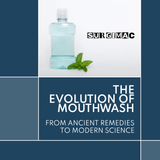
Trace the evolution mouthwash ancient remedies to today’s science-backed formulas and learn how modern oral care products support dental health.
It’s a surprising piece of trivia that the Romans once used urine as a mouth rinse, banking on its ammonia content for whitening. While startling, this fact is part of a long and fascinating history of humanity’s quest for better oral hygiene. The evolution mouthwash ancient civilizations pursued reveals a persistent effort to solve dental problems, from simply masking bad breath with herbs to developing early antiseptic solutions. Understanding this journey gives us a deeper appreciation for the sophisticated, safe, and effective oral care tools we have at our disposal in modern practice.
What Was the First Ancient Mouthwash?
Oral hygiene was a concern even in ancient cultures like those of the Ancient Egyptians. They crafted early forms of mouthwash using a mixture of various substances, including herbs and wine. These preparations aimed to preserve breath-freshening and teeth cleaning, although evidence regarding their effectiveness remains scarce. Explore more about ancient oral care products and dental supplies at SurgiMac.

Early Oral Hygiene in Ancient Civilizations
The desire for a clean mouth and fresh breath is far from a modern concern. Long before the advent of clinical dentistry, ancient civilizations were already developing their own methods for oral care. The Ancient Egyptians, for example, created early mouth rinses from mixtures of herbs, spices, and wine. While the clinical effectiveness of these concoctions is unknown, their goal was clear: to clean teeth and freshen breath. These early practices show a foundational understanding that oral health was an important part of overall well-being, a principle that still guides the oral care methods we use today.
Oral Rinses in Ancient Greece and Rome
The Greeks and Romans continued to build upon these early oral hygiene practices, though with some unique approaches. The ancient Greeks often used a mixture of salt and wine to address bad breath and what they perceived as gum problems. The Romans, however, took a more unconventional route, famously using urine as a mouth rinse. While startling to us today, their logic was based on the ammonia content in urine, which has natural whitening properties. This practice highlights an early, albeit rudimentary, attempt to use chemical properties for cosmetic dental improvements.
Oral Care Practices in the Middle Ages
During the Middle Ages, the focus on oral hygiene saw a noticeable decline. Comprehensive cleaning practices were less common, and the primary concern shifted from cleaning to simply masking halitosis. Instead of using rinses, many people would chew on aromatic herbs like mint or parsley to cover up unpleasant odors. This period represents a step back from the more active cleaning methods of earlier civilizations and underscores a limited understanding of the connection between oral bacteria and overall health, setting the stage for the scientific advancements that would later revolutionize infection control in dentistry.
The Evolution of Modern Mouthwash
The mass-produced invention of mouthwash began in the late 1800s. Initially, most formulations contained alcohol, leading to the creation of alcohol-free mouthwash alternatives like cetylpyridinium chloride (CPC). In 1976, the plaque-fighting benefits of chlorhexidine mouthwash were discovered. The 1990s saw the introduction of alcohol-free mouthwash and natural mouthwash options, catering to sensitive mouths and those who preferred a gentler approach. Learn more about the vast variety of oral care products at SurgiMac.
The Scientific Leap: Identifying Oral Bacteria
The journey toward modern mouthwash truly began in the 1700s with Anton van Leeuwenhoek, often called the "father of modern microbiology." Using his early microscopes, he was the first to observe bacteria in dental plaque. As noted by Dentistry Just For Kids, he discovered that substances like ammonia and alcohol could effectively kill these microorganisms. This foundational insight explained why alcohol became a primary ingredient in early mouthwash formulations, setting the stage for a more scientific approach to oral hygiene and the development of products designed for effective infection control.
Dr. Joseph Lister and the Dawn of Antiseptics
The next major breakthrough came from the world of surgery. In 1865, surgeon Joseph Lister revolutionized medicine by demonstrating that using antiseptics during surgical procedures dramatically reduced infections. According to Dr. Ginger's, this principle directly inspired the creation of Listerine in 1879. Initially developed as a surgical antiseptic, its purpose was to kill germs in a clinical setting, a concept that remains central to modern sterilization practices. Lister's work created the critical link between germ theory and practical applications, paving the way for antiseptic solutions to move from the operating room into daily oral care routines.
The Story of Listerine: From Surgical Antiseptic to Household Staple
Created in 1879, Listerine was formulated with a mix of essential oils and originally intended for surgical use. However, its path to becoming a household name was not straightforward. A PubMed article highlights that for a time, its creators were unsure how to market it, promoting it for everything from bad breath to a floor cleaner. It wasn't until the 1920s that it was successfully marketed as a solution for halitosis, transforming it from a general antiseptic into a staple of personal hygiene. This shift marked a pivotal moment in the commercialization of oral care products, demonstrating the power of targeted marketing in shaping public health habits.
Beyond Fresh Breath: Therapeutic Mouthwashes Explained
Modern science has allowed for the development of specialized mouthwashes, targeting specific needs like receding gums, braces, and plaque buildup. Whether you need toothpaste or toothbrushes, SurgiMac's shop offers various products. Mouthwashes containing fluoride formulas are essential for tooth decay prevention and may be particularly beneficial for diabetics. Explore these needs further with the vast collection of oral care items available on SurgiMac's dental collection.

Specialized Formulas for Modern Needs
The one-size-fits-all approach to mouthwash is a thing of the past. Today’s formulations are highly specialized, addressing specific clinical needs with targeted active ingredients. For patients managing gingivitis, a rinse containing chlorhexidine gluconate can provide effective antimicrobial action. Those with a high caries risk benefit greatly from fluoride rinses that aid in remineralization and strengthen enamel. Other formulas with cetylpyridinium chloride (CPC) are excellent for reducing plaque and controlling malodor. As a dental professional, you can guide patients toward the right product, whether they need support during orthodontic treatment, relief from xerostomia, or a solution for dentin hypersensitivity. Having a variety of these specialized oral rinses on hand allows you to provide tailored recommendations that support your clinical treatments and improve patient outcomes.
The Return to Natural Ingredients
Alongside scientific advancements, there's a growing patient interest in oral care products with natural ingredients. This trend revisits ancient concepts like oil pulling but packages them in convenient, modern formulations. Many patients are actively seeking mouthwashes that are free from alcohol, artificial dyes, and harsh chemicals, often due to sensitivity or personal preference. Ingredients like coconut oil, xylitol, tea tree oil, and various essential oils are popular for their natural antimicrobial and anti-inflammatory properties. For example, some products now incorporate coconut oil to leverage its natural germ-fighting power in a ready-to-use rinse. Understanding this preference helps you connect with patients and recommend effective products that align with their lifestyle choices while still promoting excellent oral hygiene.
The Growing Importance of Oral Antiseptics in Systemic Health
The conversation around oral hygiene has expanded beyond just teeth and gums, placing a greater emphasis on the oral-systemic link. We now have a deeper understanding of how oral bacteria can impact overall health. Research suggests that reducing the oral bacterial load with an antiseptic mouthwash can play a significant role in minimizing transient bacteremia that occurs from daily activities like chewing and brushing. As experts note, local antimicrobial methods, such as using an antiseptic rinse like Listerine, are important for managing plaque biofilm. By recommending effective antiseptic mouthwashes, you’re not only helping patients maintain a healthy mouth but also contributing to their broader systemic well-being, reinforcing the critical role of dental care in overall health.
The Role of Mouthwash in Your Oral Care Routine
Mouthwash is not a replacement for a regular oral care routine but a supplemental tool. Maintaining dental health requires proper brushing, flossing, and using dental floss as part of your regimen. Leading brands like Oral-B, extensively used by dentists worldwide, can be found in SurgiMac's oral care collection.
By understanding the evolution of mouthwash and selecting the right products, you can ensure a holistic approach to dental health. Whether you're concerned about diabetes and oral care or looking for fluoride rinses, the SurgiMac store offers a wide range of options. Discover more about SurgiMac's commitment to quality on their about page and why many professionals choose SurgiMac by visiting their why SurgiMac page.
Guiding Patients on Product Selection
With countless mouthwash options lining store shelves, patients often look to you for clear, reliable advice. Helping them choose the right product is a key part of comprehensive care. The most straightforward guidance you can offer is to look for products that have earned the American Dental Association (ADA) seal. As you know, this seal isn't just a marketing gimmick; it confirms that a product has been thoroughly evaluated for both safety and effectiveness. When you recommend that patients look for products with the ADA seal, you're empowering them to make an informed decision based on scientific evidence rather than flashy packaging. This simple tip helps them cut through the noise and select an oral rinse that genuinely supports their dental health.
The Significance of the ADA Seal of Approval
Explaining the weight behind the ADA Seal of Acceptance can further build patient trust and compliance. It’s more than just a logo; it’s a guarantee. The ADA Seal of Acceptance is a symbol of quality and safety, assuring both you and your patients that the mouthwash has passed rigorous, unbiased scientific testing. For a product to earn this seal, manufacturers must provide clinical data proving its claims, whether it's for fighting gingivitis, preventing cavities, or reducing plaque. By educating patients on this standard, you reinforce your role as a trusted health advisor and ensure they are using products that are not only safe but also proven to work as part of their complete oral care routine.
Frequently Asked Questions
What were some of the earliest ingredients used in mouth rinses? Ancient civilizations were quite resourceful, using what they had available to freshen breath and clean their mouths. The Egyptians often used a base of wine mixed with herbs and spices. The Greeks preferred a simple solution of salt and wine. Perhaps most famously, the Romans used urine for its ammonia content, which they believed had whitening and disinfecting properties. These early attempts show a long-standing desire for oral hygiene, even if the methods were unconventional by today's standards.
What was the scientific breakthrough that led to modern antiseptic mouthwash? The major turning point was the discovery of oral bacteria. When Anton van Leeuwenhoek first observed microorganisms in dental plaque in the 1700s, it laid the groundwork for a scientific approach to oral care. Later, in the 1860s, Joseph Lister’s work with surgical antiseptics proved that killing germs could prevent infection. This principle was directly applied to create the first antiseptic mouthwashes, shifting the goal from simply masking bad breath to actively reducing the bacterial load in the mouth.
Can mouthwash ever replace the need for brushing and flossing? Absolutely not. It's crucial to remind patients that mouthwash is a supplement to their routine, not a substitute for mechanical cleaning. Brushing and flossing are essential for physically removing plaque biofilm and food debris from tooth surfaces and below the gumline. While an antiseptic rinse is excellent for reducing bacteria in the entire mouth, it can't dislodge the sticky plaque that requires the friction of a toothbrush and floss to be removed effectively.
With so many specialized formulas, what key ingredients should I look for when recommending a therapeutic mouthwash? When you're recommending a mouthwash to address a specific clinical issue, the active ingredient is everything. For patients with a high caries risk, a fluoride rinse is the gold standard for strengthening enamel. For managing gingivitis, a rinse containing chlorhexidine gluconate offers powerful antimicrobial action. If the primary goal is reducing plaque and malodor, look for formulas with cetylpyridinium chloride (CPC). Tailoring your recommendation from the available oral care options based on these ingredients ensures your patients get targeted therapeutic benefits.
How do I address patient interest in 'natural' mouthwashes? It's a great opportunity to educate them. Acknowledge their preference for natural ingredients and explain that many modern products incorporate elements like essential oils, xylitol, or coconut oil for their antimicrobial properties. You can guide them toward effective, alcohol-free options that align with their preferences while still meeting clinical standards. The key is to help them choose a product that is both safe and backed by evidence, ensuring their choice supports their overall oral health goals without compromising on efficacy.
Key Takeaways
-
Oral hygiene is a timeless pursuit: The historical journey from ancient herbal rinses to modern antiseptics shows a consistent effort to improve oral health, providing valuable context for the evidence-based products used in clinical practice today.
-
Science transformed mouthwash into a clinical tool: Key breakthroughs, like identifying oral bacteria and applying antiseptic principles, shifted the function of mouthwash from simply masking bad breath to actively managing the oral microbiome.
-
Modern mouthwash is a targeted therapeutic supplement: Today’s rinses address specific clinical needs, from caries prevention to gingivitis control, highlighting the professional's role in recommending the right formula to complement a patient's core routine of brushing and flossing.