
A Clinician's Guide to Types of Absorbable Sutures
- , by SurgiMac
- 35 min reading time
Get a clear overview of the main types of absorbable sutures, their properties, and how to choose the right suture for optimal dental and surgical outcomes.
Your choice of suture can make or break a procedure's outcome. For simple wounds, you want a material that disappears quickly. For deeper closures, you need strength that endures for weeks. Mastering the different types of absorbable sutures is key to controlling the healing process. Each material has distinct properties—tensile strength, absorption rate, and handling—that dictate its best use. This guide gives you a clear overview of absorbable sutures, empowering you to choose the right one, every time, for predictable and successful patient outcomes.
Key Takeaways
- Prioritize predictable healing by opting for synthetic sutures: Materials like Polyglycolic Acid (PGA) are absorbed through hydrolysis, which causes minimal tissue reaction and provides a more controlled absorption timeline compared to the enzymatic breakdown of natural gut sutures.
- Align the suture’s lifespan with the tissue’s healing needs: Use short-term absorbable sutures for fast-healing extraction sites, and select long-term options to provide extended support for slower-healing tissues involved in bone grafting or implant procedures.
- Recognize when non-absorbable sutures are the superior choice: For wounds under high tension or those requiring guaranteed long-term stability, the consistent tensile strength of a non-absorbable suture provides the control and security that absorbable materials cannot.

What Are Absorbable Sutures and How Do They Work?
Absorbable sutures are advanced wound closure materials designed to be broken down and absorbed by the body over time. Unlike non-absorbable sutures that require a follow-up appointment for removal, these stitches dissolve naturally. This makes them an excellent choice for closing internal tissues or for patients where a return visit is inconvenient. This biological process eliminates the need for manual removal, streamlining the healing phase for both the clinician and the patient.
The primary function of an absorbable suture is to provide temporary but reliable tissue approximation, holding wound edges together until the tissue has healed enough to withstand normal stress on its own. The rate of absorption is predictable and varies depending on the material, allowing you to select a suture that matches the healing timeline of the specific tissue—from rapidly healing mucosal tissue to slower-healing deeper layers. This precision is critical for ensuring optimal outcomes in procedures ranging from simple extractions to complex periodontal surgeries. For dental professionals seeking dependable performance, the MacSuture line offers a range of sterile absorbable sutures designed for optimal handling, knot security, and biocompatibility in various oral surgery applications.
How Does Your Body Dissolve Sutures?
The body breaks down absorbable suture materials through two main biological processes: enzymatic degradation and hydrolysis. Natural sutures, such as surgical gut, are typically broken down by enzymatic reactions where the body’s enzymes digest the foreign material. This process can sometimes provoke a more significant inflammatory response as the body works to break down the protein-based material.
In contrast, most modern synthetic absorbable sutures, like those made from Polyglycolic Acid (PGA), are absorbed through hydrolysis. In this process, water molecules in the body penetrate the suture filaments and slowly break them down into smaller, absorbable components. Hydrolysis is generally a more predictable and less inflammatory process, providing consistent tensile strength loss and absorption rates. This controlled degradation is a key reason why synthetic absorbable suture materials are widely used in modern dentistry.
Why Choose Self-Dissolving Sutures?
Using absorbable sutures offers significant advantages that contribute to better clinical outcomes and an improved patient experience. One of the most immediate benefits is the elimination of a suture removal appointment, which saves valuable chair time and reduces patient anxiety. This is particularly beneficial in pediatric dentistry or for patients with mobility challenges.
From a clinical standpoint, these sutures promote excellent wound healing by providing secure closure that minimizes the risk of infection and supports proper tissue alignment. As the suture dissolves, it reduces the potential for long-term tissue irritation or suture-related complications. This leads to enhanced healing, less patient discomfort, and more predictable postoperative results, making absorbable sutures a cornerstone of effective wound closure in countless dental procedures.
Characteristics of an Ideal Suture
Choosing the right suture goes beyond its material; it’s about selecting a tool with the ideal combination of properties for predictable healing. An ideal suture offers excellent tensile strength to secure wound edges during the critical healing phase, followed by a predictable loss of strength as the tissue regains its own. It must also be highly biocompatible, causing minimal tissue reaction—a key advantage of synthetic materials that absorb via hydrolysis rather than more inflammatory enzymatic processes. Furthermore, superior handling characteristics, such as flexibility and low memory, are essential for precise placement and reliable knot security. Ultimately, the goal is a sterile, dependable material that supports the body’s natural healing process, which is why clinicians trust the consistent performance of professional suture lines designed for dental surgery.
What Are the Main Types of Absorbable Sutures?
When selecting an absorbable suture, the first major decision is choosing between natural and synthetic materials. Each category offers distinct properties that influence handling, tissue reaction, and absorption profile. The right choice depends entirely on the specific clinical situation, including the type of tissue you're working with, the tension on the wound, and the required healing time. Understanding the fundamental differences between these two groups is the first step toward ensuring predictable and successful wound closure for your patients.
Both natural and synthetic sutures are designed to be broken down by the body, eliminating the need for a follow-up removal appointment. However, the way they achieve this differs significantly. Natural sutures are typically broken down by the body’s enzymes, while synthetic sutures dissolve through hydrolysis, a process where water molecules break down the polymer chains. This difference in absorption mechanism directly impacts their performance, strength, and biocompatibility, making one type more suitable than the other for certain oral surgery procedures.
What Are Natural Absorbable Sutures?
Natural absorbable sutures are derived from purified animal tissues, most commonly the collagen from bovine or ovine intestines. The classic example is surgical gut, often called "catgut." These sutures are broken down through enzymatic degradation, a process that can sometimes provoke a more significant inflammatory response in the surrounding tissue. Because the rate of absorption can vary depending on the patient and the presence of enzymes, their performance can be less predictable than synthetic alternatives. They are typically used in tissues that heal quickly and don't require long-term wound support. While historically significant, many clinicians now prefer synthetic options due to their improved predictability and lower reactivity.
Plain Gut vs. Chromic Gut
Within the category of natural sutures, there are two primary options: plain gut and chromic gut. Plain surgical gut is collagen in its most natural state. It offers the fastest absorption profile, typically losing its tensile strength within 7 to 10 days as the body’s enzymes quickly break it down. This rapid absorption makes it suitable for superficial wounds in fast-healing tissues, like oral mucosa, where long-term support is unnecessary. However, this rapid enzymatic breakdown can also trigger a more pronounced inflammatory response.
Chromic gut, on the other hand, is treated with a chromium salt solution. This treatment cross-links the collagen fibers, reinforcing the suture’s structure. As a result, chromic gut is more resistant to enzymatic degradation, extending its tensile strength for up to 14 to 21 days and slowing its absorption. This process also reduces the material’s antigenicity, leading to a milder tissue reaction compared to plain gut. For procedures requiring slightly longer wound support, such as socket preservation or minor soft tissue closures, chromic gut provides a more durable and less reactive option. SurgiMac’s MacSuture line includes high-quality Plain Gut Sutures for clinicians who need reliable, short-term wound closure.
Clinical Considerations for Gut Sutures
While gut sutures are valued for their excellent handling and smooth knot-tying capabilities, their use requires careful clinical consideration. The primary factor is the potential for a significant inflammatory response. Because gut sutures are foreign proteins, the body’s enzymatic process to break them down is inherently more reactive than the hydrolysis that dissolves synthetic sutures. This can sometimes delay healing or cause excess tissue irritation, particularly in sensitive areas or compromised patients. The absorption rate can also be unpredictable, accelerating in the presence of infection or high levels of enzymes in oral fluids.
For these reasons, while gut sutures remain a viable choice for specific applications, many clinicians now prefer synthetic absorbable sutures like Polyglycolic Acid (PGA). Synthetic materials offer a highly predictable absorption profile and minimal tissue reaction, ensuring a smoother, more controlled healing environment. When deciding on a suture, weigh the need for short-term support against the potential for inflammation. For predictable outcomes in most dental surgeries, a synthetic option from a trusted line of dental sutures often provides greater peace of mind.
What Are Synthetic Absorbable Sutures?
Synthetic absorbable sutures are crafted from man-made polymers and are the go-to choice for most modern dental procedures. These materials, such as Polyglycolic Acid (PGA) and Polyglactin 910, are broken down through hydrolysis, a gentle process that minimizes tissue inflammation and ensures a highly predictable absorption rate. This reliability gives you greater control over the healing timeline. Synthetic sutures also tend to retain their tensile strength for a more consistent period before absorption begins. Our MacSuture collection includes sterile PGA sutures, which offer excellent handling, secure knotting, and predictable performance for reliable wound closure and optimal patient healing.
Natural vs. Synthetic Sutures: Which Is Better?
Choosing the right suture involves weighing the benefits of natural versus synthetic materials. Natural sutures, derived from biological sources, are broken down by the body’s enzymatic processes. This can sometimes lead to a more pronounced inflammatory response. Synthetic sutures, on the other hand, are absorbed through hydrolysis, a more predictable process that typically causes less tissue reaction. This difference in absorption mechanism is a key factor in clinical decision-making, as it directly impacts healing time, wound security, and patient comfort.
The decision ultimately comes down to the specific clinical scenario, including the required healing time, tissue type, and desired handling characteristics. While natural sutures have a long history of use, modern synthetic materials offer greater consistency and are engineered for specific performance outcomes. Understanding the properties of each type allows you to select the ideal material to support optimal healing for every procedure. Let's break down some of the most common absorbable materials used in dental and oral surgery.
Plain Gut vs. Chromic Gut: What's the Difference?
Plain gut and chromic gut are natural absorbable sutures derived from the purified collagen of sheep or cattle intestines. Plain gut is absorbed relatively quickly by enzymatic degradation, typically within 7 to 10 days, making it suitable for mucosal tissues that heal fast. Chromic gut is treated with chromium salts, which cross-links the collagen fibers to slow down the absorption process to around 10 to 21 days. This provides extended wound support for tissues that require more time to heal. While historically important, many clinicians now prefer synthetic options from collections like MacSuture for their predictable absorption rates and lower potential for tissue reaction.
When to Use Polyglycolic Acid (PGA) Sutures
Polyglycolic Acid (PGA) is a synthetic, braided suture that offers excellent tensile strength and predictable absorption. Unlike natural gut sutures that are broken down by enzymes, PGA is absorbed through hydrolysis, a process where water molecules break down the polymer chains. This leads to a more controlled and less inflammatory healing environment. PGA sutures typically maintain their strength for several weeks and are fully absorbed within 90 days. Their reliable performance and good handling make them a versatile choice for a wide range of dental procedures, from extractions to soft tissue repairs, ensuring dependable wound closure.
The Clinical Advantages of Polyglactin 910 (Vicryl)
Polyglactin 910, commonly known by the brand name Vicryl, is another popular synthetic, braided suture. It is absorbed by hydrolysis and is known for its smooth handling and excellent knot security. This material retains approximately 50% of its tensile strength at two to three weeks post-implantation and is completely absorbed within 60 to 90 days. A key advantage of Polyglactin 910 is its minimal tissue reactivity, which helps support a smooth and uncomplicated healing process. These features make it a go-to choice for many types of oral surgery where reliable, mid-term wound support is essential.
Poliglecaprone 25 (Monocryl): Ideal for Soft Tissue Closure
Poliglecaprone 25, or Monocryl, is a synthetic monofilament suture designed for soft tissue approximation where short-term wound support is needed. As a monofilament, it passes through tissue with minimal drag and reduces the risk of bacterial wicking. It is absorbed via hydrolysis, losing most of its tensile strength within 7 to 14 days and being fully absorbed in 90 to 120 days. Its pliable feel and excellent handling characteristics make it an ideal choice for closing mucosal layers and other delicate tissues that heal quickly, ensuring patient comfort without compromising wound security.
When to Use Polydioxanone (PDS)
When a procedure demands long-term wound support, Polydioxanone (PDS) is an excellent option. This synthetic monofilament suture provides extended tensile strength, retaining significant integrity for up to six weeks. Its absorption, which occurs through slow hydrolysis, is completed over approximately 180 days. This prolonged support is crucial for slow-healing tissues or in procedures like guided bone regeneration, certain implant placements, or complex soft tissue grafting where maintaining tissue position is critical for a successful outcome. PDS is a vital tool in a clinician’s arsenal of dental equipment and supplies.
Polyglyconate (Maxon) and Glycomer 631 (Biosyn)
Beyond the most common materials, the synthetic suture landscape includes other specialized polymers like Polyglyconate (Maxon) and Glycomer 631 (Biosyn). Polyglyconate offers long-term wound support comparable to PDS, making it another reliable choice for procedures that involve slow-healing tissues. Glycomer 631 is known for its excellent handling characteristics and predictable absorption profile, providing clinicians with another dependable option for soft tissue approximation. Familiarizing yourself with these alternatives expands your toolkit, allowing for even more tailored wound closure strategies based on the unique demands of each surgical case and your personal handling preferences.
Specialty Features: Dyes and Antibacterial Coatings
Modern synthetic sutures often incorporate features designed to enhance surgical precision and patient safety. Many are available with a violet dye, which significantly improves visibility against the backdrop of tissue, ensuring more accurate needle placement and easier knot tying. Another critical innovation is the addition of antibacterial coatings. These coatings, such as triclosan, help create a zone of inhibition around the suture line, reducing the risk of bacterial colonization and subsequent surgical site infections. These advancements are key components of a comprehensive infection control protocol, supporting better outcomes by proactively addressing potential complications before they arise.
Barbed Sutures: A Knotless Alternative
A significant innovation in wound closure is the development of barbed sutures, which offer a knotless approach to tissue approximation. These sutures feature small, precisely engineered barbs along their length that grip the tissue from within as the suture is passed through. This mechanism anchors the suture securely in place, distributing tension evenly along the entire length of the wound without the need for tying knots. The primary advantage is increased efficiency, as it can significantly reduce closure time. Furthermore, by eliminating knots—which can sometimes act as points of irritation or niduses for infection—barbed sutures can contribute to a more streamlined and secure healing process for certain types of procedures.
How Long Do Absorbable Sutures Last?
The absorption profile of a suture is one of the most critical factors in selecting the right material for a procedure. The duration a suture maintains its tensile strength and remains in the tissue directly impacts wound healing and patient outcomes. Absorbable sutures are broken down into three main categories based on how long they last, ensuring you can match the material to the tissue’s specific healing needs. At SurgiMac, our MacSuture collection includes options across these timelines to support every type of oral surgery. Understanding these timeframes helps you provide secure wound closure for the precise amount of time your patient needs.
Fast-Absorbing Sutures (Under 2 Weeks)
Short-term absorbable sutures are designed for wounds that heal quickly and require minimal support. These sutures typically lose the majority of their tensile strength within 7 to 14 days. They are ideal for superficial soft tissue closure, such as closing small incisions or securing skin grafts where the underlying tissues mend rapidly. Materials like Plain Gut fall into this category. Because they dissolve so quickly, they eliminate the need for a follow-up removal appointment, which is a great benefit for both the clinician and the patient. Choosing a rapidly absorbing suture prevents unnecessary foreign material from lingering in the body once the wound has gained enough strength to close on its own.
Mid-Term Absorbing Sutures (2–8 Weeks)
For many dental procedures, mid-term absorption provides the perfect balance of support and dissolution. These sutures maintain their strength for several weeks, supporting the wound through the most critical phase of healing before gradually being absorbed. Materials like Polyglycolic Acid (PGA) and Polyglactin 910 are common choices here. For example, Polyglactin 910 typically loses about 50% of its strength in the first week but can take months to disappear completely. This makes them excellent for wisdom tooth extractions, periodontal flap surgery, and other procedures where tissues need reliable approximation for more than just a few days. These dissolvable dental stitches are true workhorses in daily practice.
Long-Term Absorbing Sutures (6+ Months)
When you’re working with slow-healing tissues or need extended wound support, long-term absorbable sutures are the answer. These materials are engineered to retain their strength for six weeks or more, with complete absorption taking up to six months or longer. Polydioxanone (PDS) is a prime example of a long-term absorbable suture. It’s an ideal choice for dental implant procedures, bone grafting, and major maxillofacial surgeries where the tissues require prolonged stabilization to heal properly. Using a long-lasting suture in these cases helps reduce the risk of infection and wound dehiscence, ensuring a more predictable and successful outcome for complex cases.
Factors Influencing Absorption Rate
While suture material is the primary driver of the absorption timeline, the process is not entirely static. Several patient-specific and environmental factors can influence how quickly a suture breaks down in the body. A clinician's understanding of these variables is crucial for anticipating how a suture will perform in a real-world clinical setting. Factors such as the patient's overall health, the specific location of the wound, and the presence of infection can all alter the predicted absorption profile. This is why selecting a high-quality, reliable suture is only part of the equation; you must also consider the biological environment in which it will function to ensure the wound receives support for the appropriate amount of time.
How Body Environment Affects Dissolving Speed
The condition of the wound site plays a significant role in how sutures dissolve. For natural materials like surgical gut, which break down via enzymatic degradation, the process can be accelerated in the presence of infection or inflammation as the body’s enzymatic activity increases. In contrast, synthetic sutures like those in the MacSuture line are broken down by hydrolysis, a chemical reaction with water. This process can be slowed in areas with poor blood supply or in patients with compromised health conditions. Therefore, maintaining a clean wound environment through proper infection control is essential not only for preventing complications but also for ensuring the suture absorption rate remains predictable and aligned with the tissue’s healing needs.
How to Choose the Right Absorbable Suture
Selecting the right absorbable suture is a critical decision that directly influences wound healing, patient comfort, and the overall success of a dental procedure. It’s not about finding a single "best" suture, but rather about matching the material's properties to the specific clinical situation. The ideal choice provides adequate support during the critical healing phase and then dissolves predictably, eliminating the need for a follow-up removal appointment. This decision requires a careful evaluation of several interconnected factors: how the material interacts with the body's tissues, how strong it needs to be, how quickly it should be absorbed, and the unique health profile of your patient.
By thoughtfully considering these elements, you can ensure the wound closure is secure, inflammation is minimized, and the healing environment is optimized. A well-chosen suture supports the body’s natural recovery process, leading to better clinical outcomes and a more positive patient experience. For every procedure, from a simple extraction to complex periodontal surgery, the suture is a fundamental tool that helps bridge the gap between the surgical intervention and a complete, healthy recovery. Making an informed choice is the first step toward achieving that goal.
Suture Sizing and Needles: The Complete Picture
Beyond the material itself, the physical characteristics of the suture and needle are just as crucial for procedural success. The right diameter ensures adequate strength without causing unnecessary tissue trauma, while the needle's design dictates how smoothly and precisely you can place each stitch. A poorly matched size or needle type can compromise wound closure and complicate the healing process. Mastering these details allows you to work with greater efficiency and confidence, ensuring every closure is as clean and atraumatic as possible.
Navigating the USP Suture Sizing System
The diameter of a suture is standardized by the United States Pharmacopeia (USP), using a numeric scale where a higher number followed by a zero indicates a finer thread. For example, a 5-0 suture is thinner than a 4-0 suture. In dental surgery, selecting the appropriate size is a balancing act. The suture must be strong enough to hold the tissue edges together without breaking, but fine enough to minimize tissue trauma and scarring. For delicate mucosal closures or periodontal procedures, a 5-0 or 6-0 suture might be ideal, whereas a 3-0 or 4-0 suture provides the necessary strength for deeper tissues or areas under higher tension, like extraction sites.
Anatomy of a Surgical Needle
A surgical needle is more than just a sharp point; it's a precision instrument designed for optimal performance. It consists of three main parts: the swage, the body, and the point. The swage is the end that connects to the suture, creating a seamless, single-strand unit that minimizes trauma as it passes through tissue. The body, or shaft, is the needle's midsection and comes in various curvatures, such as 3/8 or 1/2 circle, to accommodate different surgical sites and angles within the oral cavity. The point is the sharp tip responsible for piercing the tissue. As you select the ideal material to support healing, understanding the needle's anatomy is equally important for precise placement.
Choosing Between Tapered and Cutting Needles
Surgical needles are broadly categorized by their points: tapered or cutting. Tapered needles have a round body that tapers to a sharp point, allowing them to pierce and spread tissue with minimal trauma. They are best suited for delicate, easily penetrated tissues like mucosa. Cutting needles, on the other hand, have at least two sharp edges and are designed for tougher, more fibrous tissues like the periosteum. A reverse cutting needle, with its cutting edge on the outer curvature, is often preferred in dentistry because it reduces the risk of the suture pulling through the tissue edge, a phenomenon known as "cut-out."
Handling Properties and Knot Security
The performance of a suture during a procedure is defined by its handling properties. Characteristics like flexibility, memory, and tissue drag directly influence how easily you can manipulate the suture and tie secure knots. An ideal suture feels smooth and pliable in your hands, passes through tissue with minimal friction, and holds a knot without slipping. These qualities not only improve your efficiency but also contribute to better clinical outcomes by ensuring the wound remains securely closed throughout the initial healing phase.
Understanding Suture Memory and Tissue Drag
Suture memory refers to the material's tendency to retain its packaged shape. High memory can make a suture stiff and difficult to handle, leading to less secure knots. Monofilament sutures generally have more memory than braided ones. Tissue drag is the amount of friction created as the suture is pulled through tissue. Braided sutures, with their textured surface, tend to have more drag, while smooth monofilaments glide through more easily. High-quality sutures, like those in the MacSuture line, are engineered to have low memory and minimal drag, ensuring a smooth passage and reducing tissue trauma during placement.
Techniques for Secure Knot Tying
Even the most advanced suture material is only as effective as the knot used to secure it. Proper knot-tying technique is fundamental to successful wound closure. The goal is to create a knot that is strong enough to hold the tissue edges together but not so tight that it constricts blood flow, which can lead to tissue necrosis and delayed healing. A surgeon's knot is a common and reliable choice in dental procedures. It’s also essential to use the appropriate number of throws for the specific material—braided sutures often require fewer throws than monofilaments with higher memory. Ultimately, your technique is the final step in ensuring the suture fulfills its purpose and supports optimal healing.
How Biocompatible Is the Suture Material?
The ideal suture should cause minimal tissue reaction to allow for clean, uncomplicated healing. Biocompatibility refers to how well a material coexists with living tissue without causing an adverse immune response. Natural sutures, like plain or chromic gut, tend to provoke a more significant inflammatory response as the body breaks them down enzymatically. In contrast, synthetic polymers are absorbed through hydrolysis, a gentler process that typically results in less tissue reaction. The choice depends on the procedure and patient; a minimal reaction is almost always preferred to reduce inflammation, discomfort, and the risk of infection.
Matching Tensile Strength to Your Procedure
Tensile strength is the amount of force a suture can withstand before it breaks. The suture you choose must be strong enough to hold the wound edges together securely against the natural tensions of the surrounding tissue, especially in mobile areas like the cheeks or tongue. The key is to find the perfect balance of strength, flexibility, and longevity for the specific surgical site. For example, a high-tension area may require a suture with a longer-lasting tensile strength profile, while a simple soft tissue closure may not. Our MacSuture line offers reliable options to meet various procedural demands.
What Absorption Rate Does the Tissue Require?
The absorption rate of a suture must align with the healing rate of the tissue it’s supporting. The suture should maintain adequate tensile strength throughout the critical wound healing period and then dissolve. If it absorbs too quickly, the wound may dehisce. If it remains too long, it can act as a foreign body, potentially causing irritation or becoming a nidus for infection. For tissues that heal quickly, a rapidly absorbing suture like Polyglycolic Acid (PGA) is suitable. For slower-healing tissues, such as in guided bone regeneration, a long-lasting suture like Polydioxanone (PDS) is a better choice.
Considering Patient Health and History
Every patient is different, and their individual health status can significantly impact wound healing and suture choice. Factors such as age, nutritional status, immune function, and conditions like diabetes can delay recovery. For patients with compromised healing or poor oral hygiene, using a synthetic monofilament suture can help reduce the risk of bacterial wicking. Absorbable sutures are particularly beneficial for these patients, as they enhance comfort and eliminate the need for a removal appointment, which also supports better infection control and reduces chair time. A personalized approach ensures the best possible outcome for each individual.
Choosing the Right Suture for Dental Procedures
Choosing the right suture is a critical decision that directly impacts wound healing, patient comfort, and the overall success of a procedure. There’s no single suture that fits every clinical scenario; the ideal choice depends on the tissue type, the tension on the wound, the expected healing timeline, and specific patient factors. For instance, a suture that works perfectly for a simple extraction might not provide adequate support for a complex periodontal flap. Understanding how different absorbable sutures perform in various applications allows you to tailor your approach for optimal outcomes.
Matching the suture’s properties—like tensile strength and absorption rate—to the demands of the procedure is key. A rapidly healing site, such as a wisdom tooth socket, benefits from a suture that dissolves quickly, while a site requiring extended support, like a bone graft, needs a suture that maintains its strength for several weeks. Below, we’ll walk through some of the most common dental procedures and discuss which absorbable sutures are typically the best fit for the job, helping you select the right materials with confidence.
Best Sutures for Wisdom Tooth Extractions
For routine procedures like most wisdom tooth extractions, absorbable sutures are often the go-to choice. The gum tissue in these areas tends to heal relatively quickly, making a second appointment just for suture removal an unnecessary step for both you and your patient. Using a self-dissolving suture streamlines the postoperative process and enhances patient convenience. A fast-absorbing material, such as plain gut or a rapid Polyglycolic Acid (PGA) suture, provides sufficient wound approximation for the initial healing period before dissolving away. The MacSuture line includes reliable absorbable options perfect for these common cases.
Suture Selection for Periodontal and Grafting Procedures
Periodontal and grafting procedures require a more nuanced approach. These delicate surgeries often involve repositioning tissue flaps or securing grafts where precise and stable closure is essential for success. The choice of suture depends on factors like the location of the wound, the required duration of support, and the expected healing time. A mid-term absorbable suture like Polyglycolic Acid (PGA) is often an excellent choice here. It offers predictable strength for several weeks, securing the tissue during the critical phase of revascularization and integration before it begins to break down, minimizing tissue irritation during the later stages of healing.
What Sutures Work Best for Dental Implants?
Dental implant surgery often involves a two-stage process where wound closure must be secure to protect the underlying site. While a clinician might choose a non-absorbable suture to secure a gum graft or close an incision over a large implant, absorbable sutures are frequently used for primary closure over the implant site. A longer-lasting absorbable suture, such as Polydioxanone (PDS), can be ideal. It provides durable support for four to six weeks, ensuring the tissue remains closed and stable while osseointegration begins. This extended support helps prevent dehiscence and protects the implant from the oral environment without requiring a removal appointment.
Your Go-To Sutures for General Oral Surgery
In general oral surgery, patient-specific factors can heavily influence suture selection. Absorbable sutures are particularly beneficial for patients who may have difficulty returning for a follow-up visit, such as those with transportation challenges or compromised immune systems. Using a suture that dissolves on its own reduces the risk of infection that can be associated with suture wicking and eliminates a potential barrier to care. This makes them a practical and safe choice for a wide range of patients, ensuring wound closure is maintained without adding logistical burdens. This approach aligns with a broader strategy of infection control to promote smooth and uncomplicated healing.
Absorbable Sutures: The Pros and Cons
Choosing the right suture material is a critical decision that directly impacts healing outcomes and patient satisfaction. Absorbable sutures offer significant advantages in many dental procedures, but they also come with limitations that make them unsuitable for certain clinical situations. Understanding this balance helps you select the best option for every case, ensuring optimal wound closure and recovery. This section breaks down the key benefits and potential drawbacks to guide your decision-making process.
The Upside: Better Healing and Patient Comfort
The primary advantage of absorbable sutures is the improved patient experience. Since the material dissolves on its own, there’s no need for a follow-up removal appointment, which saves chair time and adds convenience for your patients. This feature is particularly beneficial for individuals with limited access to follow-up care or those with dental anxiety. Biologically, these sutures are designed to break down while minimizing tissue reaction as the wound heals. High-quality MacSuture products are engineered for biocompatibility, reducing the risk of inflammation and supporting a smooth recovery, especially for patients with compromised immune systems.
The Downside: Potential Limitations to Consider
Despite their benefits, absorbable sutures are not a one-size-fits-all solution. Their main limitation is a variable absorption rate, which can be influenced by patient-specific factors like metabolism, oral pH, infection, and overall health. This unpredictability means they may dissolve faster or slower than anticipated. Additionally, the tensile strength of absorbable sutures naturally decreases as the material degrades. This makes them unsuitable for procedures that require prolonged tissue support or are under significant tension. For wounds in high-mobility areas or those needing extended healing time, an absorbable suture might not provide the durable closure required for optimal outcomes.
When to Choose a Non-Absorbable Suture Instead
Non-absorbable sutures are the material of choice when predictable, long-term wound support is non-negotiable. Their stable tensile strength ensures wound edges remain securely approximated for as long as needed, which is critical in complex surgical cases. You should opt for a non-absorbable material for procedures like extensive gum grafts, securing membranes in guided bone regeneration, or closing incisions over large dental implants. In these scenarios, using a non-absorbable option like MacSuture’s Silk sutures gives you complete control over the duration of support, as you determine the precise moment of removal based on clinical evaluation of the healing site.
Comparing Common Non-Absorbable Materials
Once you’ve decided that a non-absorbable suture is the right call, the next step is to select the best material for the job. Each option has unique handling properties and levels of tissue reactivity. Silk is a braided, natural suture prized for its excellent handling and knot security, making it a dependable choice for many procedures; you can find high-quality silk options in our MacSuture collection. However, its braided nature can sometimes wick bacteria. Synthetic monofilaments like Nylon and Polypropylene offer high tensile strength and minimal tissue reaction, though they can be stiffer and require more precise knotting techniques. For the most delicate procedures, such as guided bone regeneration or work around implants, Polytetrafluoroethylene (PTFE) sutures are often considered the gold standard. PTFE is exceptionally soft, biologically inert, and resists bacterial adhesion, which supports optimal healing in sensitive surgical sites.
Why Clinicians Trust MacSuture
Committed to Quality, Designed for Performance
At SurgiMac, we know that your choice of suture directly impacts patient healing and overall outcomes. Absorbable sutures offer a clear advantage in many dental procedures because they eliminate the need for a follow-up removal appointment, which enhances patient comfort and simplifies post-operative care. This is why our MacSuture line was developed with both the clinician and patient in mind. We are committed to providing high-quality, reliable wound closure solutions that support predictable healing and reduce the risk of complications. By designing sutures that dissolve naturally, we help you streamline the recovery process for your patients, ensuring they receive the best possible care from procedure to full recovery.
Find the Right MacSuture for Your Practice
Our line of MacSuture absorbable sutures is crafted from advanced biodegradable materials designed for optimal performance and biocompatibility. As clinical resources show, using high-quality resorbable materials can lead to enhanced healing and better overall outcomes. We offer a range of options, including Polyglycolic Acid (PGA) and Plain Gut Sutures, allowing you to select the ideal material based on the required tensile strength and absorption rate for each procedure. Every suture in our collection is manufactured to meet rigorous quality standards, giving you the confidence you need for secure and dependable wound closure. Trust MacSuture to provide the consistency and performance your practice demands.
Related Articles
Frequently Asked Questions
How does the body actually break down synthetic versus natural sutures?
The body uses two different methods. Natural sutures, like surgical gut, are broken down by your body's enzymes, which is essentially a digestive process that can sometimes cause more inflammation. Synthetic sutures, such as the Polyglycolic Acid (PGA) found in our MacSuture line, are broken down by hydrolysis. This means water molecules slowly and gently break the suture material apart, which is a more predictable process and typically results in less tissue reaction.
What patient factors might affect how quickly a suture dissolves?
A patient's individual health plays a big role. Factors like a high fever, infection at the surgical site, or poor nutritional status can speed up the absorption process, especially for natural gut sutures. Even the pH of the oral environment can have an impact. For patients with compromised healing, choosing a reliable synthetic suture can provide a more predictable timeline for wound support.
Can a patient have an allergic reaction to an absorbable suture?
While rare, allergic reactions can occur. Natural sutures derived from animal collagen, like surgical gut, carry a slightly higher risk of causing an inflammatory or allergic response. Synthetic sutures are generally considered more biocompatible and are less likely to cause a reaction, making them a safer choice for patients with known sensitivities or a history of allergies.
What should I tell patients if their absorbable suture falls out earlier than expected?
It's important to reassure them that this can happen and isn't always a cause for alarm. Advise them to contact your office immediately so you can assess the situation. In many cases, if the wound has already closed sufficiently, no further action is needed. However, if the site appears open or there are signs of infection, you'll need to evaluate it clinically to determine if any intervention is necessary.
Are there any major differences in handling synthetic braided sutures compared to natural ones?
Yes, there are a few things to keep in mind. Synthetic braided sutures, like PGA, often have excellent knot security and are very strong. However, they can sometimes have more “memory” than natural sutures. It's important to use proper knot-tying techniques to ensure the knot is seated securely. They also tend to have a smoother passage through tissue, which can be an advantage during placement.
Related Clinical Guides
Tags
Blog posts
-
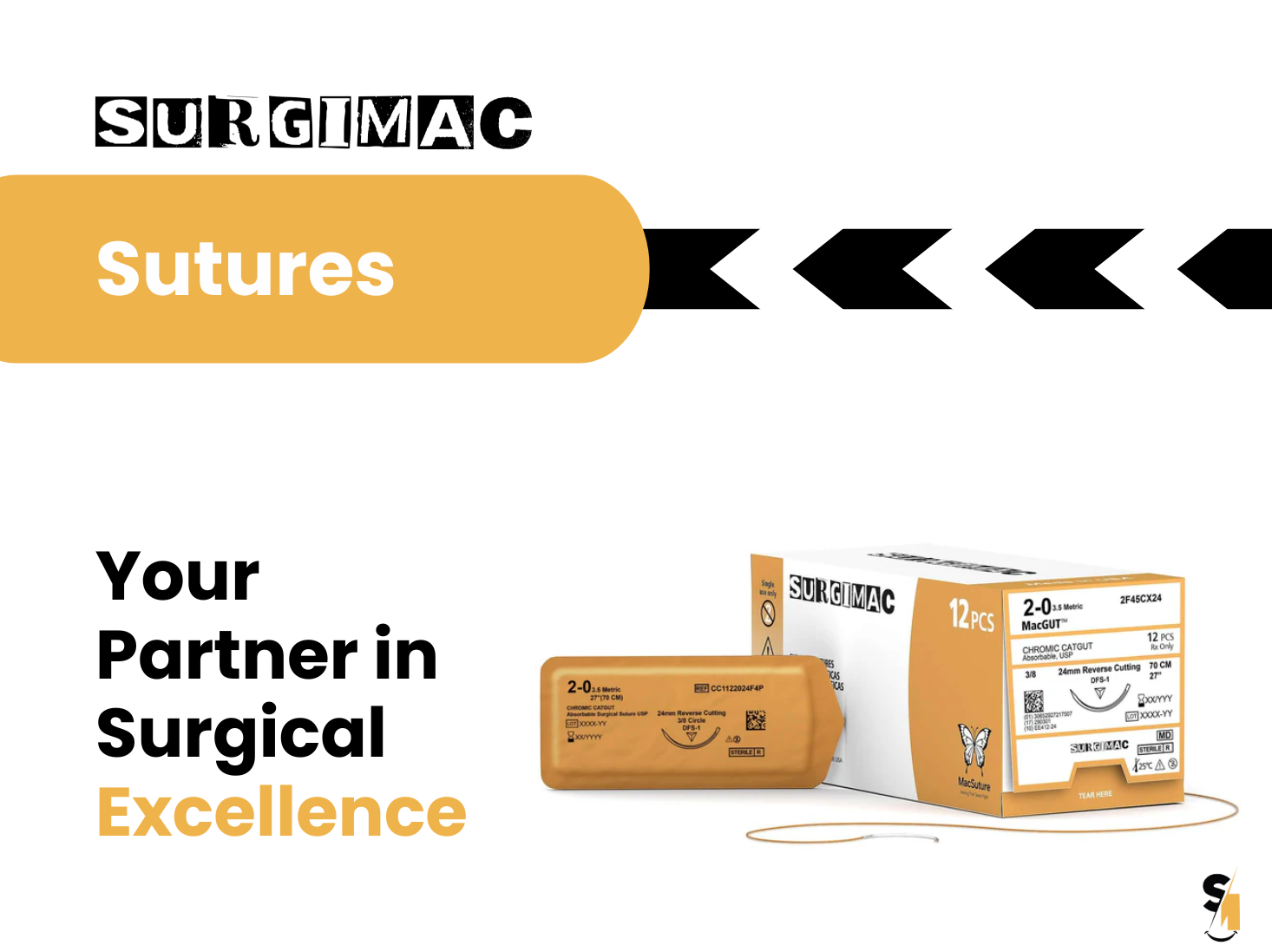
, by SurgiMac A Clinician's Guide to Absorbable Suture Material
-
, by SurgiMac A Clinician's Guide to Dental Composite Resin Kits
-
, by SurgiMac How to Disinfect with Metrex CaviWipes Correctly
