
Cone Socket Mirror Head: A Complete Buyer's Guide
- , by SurgiMac
- 28 min reading time
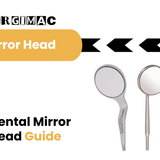
Find out how to choose the best cone socket mirror head for your dental practice with tips on size, material, compatibility, and clinical performance.
It’s a frustratingly common mistake: ordering dental mirror heads that don’t fit the handle. This leaves you with a drawer of unusable supplies and a wasted budget. The problem is that a cone socket mirror head is part of a specific system—it simply won't fit a simple stem handle. This guide is here to clear up the confusion. We'll explain exactly what the cone socket design is, why it’s a superior choice for clinical reliability, and how to make informed purchasing decisions for all your dental instruments.
Key Takeaways
- Reduce long-term costs with the cone socket system: Its modular design lets you replace only the mirror head, not the entire instrument, minimizing waste and making it a smart financial choice for your practice.
- Choose front surface mirrors for a distortion-free view: This design eliminates the ghost images found in back surface mirrors, providing the clinical accuracy needed for precise diagnostics. Pairing them with durable stainless steel instruments from the Pro Series ensures long-term reliability.
- Stock extra mirror heads to maintain procedural efficiency: Treat mirror heads as semi-consumable items. Having backups ready for quick chairside replacement prevents delays and ensures you always have a perfectly clear view.
 What Is a Cone Socket Mirror Head?
A cone socket mirror head is a fundamental tool for clear intraoral visualization, named for its tapered, cone-shaped socket that screws onto a compatible handle. This design uses a standardized UNF 4-48 thread to create a secure, wobble-free connection. Unlike simple stem mirrors, the cone socket system is built for durability and interchangeability. You can easily replace a damaged mirror head without discarding the entire instrument, making it a staple in clinics that prioritize efficiency and reliable performance in their daily procedures.
Their Essential Role in Daily Procedures
In your daily workflow, the cone socket mirror is indispensable. Its primary role is providing indirect vision, allowing you to see tooth surfaces hidden from direct view. It’s also essential for retracting the tongue and cheeks to create a clear field of operation. Additionally, the mirror surface reflects light to improve illumination. The secure attachment of a cone socket design ensures the mirror remains stable during these delicate tasks, making it a dependable choice for high-volume practices where reliable dental instruments are critical.
Why Choose a Cone Socket Design?
The main advantage of a cone socket design is its cost-effectiveness. Because the mirror heads are detachable, you can easily replace them when they become worn or damaged instead of purchasing an entirely new instrument. This modular approach reduces waste and lowers long-term supply costs. Cone socket mirrors are designed for repeated use and are fully autoclavable, aligning with modern infection control protocols. When you invest in high-quality, reusable instruments like those in our Pro Series, a cone socket system ensures you get maximum value from your mirror handles.
Choosing the Right Handle for a Secure Fit
While the cone socket thread is standardized, pairing mirror heads with the correct handle is crucial. A cone socket head will not properly fit a simple stem handle, and vice versa—mixing systems can damage the threads and create an unstable instrument. However, the standard thread means you can often mix and match cone socket heads and handles from different manufacturers. For optimal performance, consider pairing your mirror heads with ergonomic handles, like those in our lightweight Air Series, to help reduce hand fatigue during lengthy procedures.
Your Checklist for Selecting the Right Mirror Head
Selecting the right cone socket mirror head isn't just about grabbing the first one you see. The right mirror is a critical diagnostic tool that directly impacts your visibility, accuracy, and even patient comfort. A clear, distortion-free view allows you to identify subtle issues, perform precise procedures, and work more efficiently. When you’re evaluating your options, several key factors come into play, including the mirror’s size, the type of reflective surface, the material it’s made from, and its overall durability.
Think of your dental mirror as an extension of your clinical vision. A subpar mirror can lead to misdiagnosis or procedural errors, while a high-quality one enhances your skills. Cone socket designs, in particular, offer a practical advantage by allowing for quick and easy replacement of the mirror head, which reduces long-term costs since you don't have to replace the entire instrument. Let's break down the essential features to look for to ensure you choose a mirror head that meets the demands of your practice and supports the best possible patient outcomes.
How to Select the Perfect Mirror Size
Dental mirror heads come in several standard sizes, with #4 and #5 being the most common in clinical practice. The size you choose often depends on the specific procedure and the patient's oral anatomy. A #4 mirror offers a slightly smaller diameter, making it ideal for reaching tight posterior areas or for patients with a limited opening. A #5 mirror provides a broader field of view, which is excellent for general examinations and retraction. Because cone socket heads are so easy to swap out, many clinicians keep multiple sizes on hand. This versatility ensures you always have the right tool for the job, enhancing both diagnostic precision and procedural workflow.
Front Surface vs. Back Surface: What's the Difference?
The type of reflective surface is one of the most critical factors for ensuring clinical accuracy. Front surface mirrors have the reflective coating on the top of the glass, producing a single, crisp, and perfectly clear reflection. This eliminates image distortion and ghosting, which is essential for detailed work. In contrast, back surface mirrors have the coating on the bottom of the glass. This can create a faint double image, or "ghost image," as light reflects off both the front glass and the back coating. While often less expensive, the potential for distortion makes them less ideal for precision diagnostics. For the clearest possible view, a front surface mirror is always the superior choice.
Advanced Features for Enhanced Performance
Beyond the fundamentals of size and surface type, modern dental mirrors incorporate advanced features designed to significantly improve clinical performance. These innovations aren't just minor upgrades; they are engineered to enhance visibility, streamline your workflow, and even reduce physical strain during long procedures. High-definition coatings, for example, offer unparalleled clarity, while double-sided designs provide greater versatility without forcing you to switch instruments mid-examination. Investing in mirrors with these features means you’re not just buying a tool for reflection, but a piece of equipment that actively supports more accurate diagnostics and efficient patient care. When paired with expertly crafted handles, like those in our ergonomic Slim Series, these advanced mirror heads create a perfectly balanced and highly effective instrument.
Double-Sided Mirrors for Versatility
Efficiency is key in any busy dental practice, and double-sided mirrors are a simple yet brilliant feature that supports a smoother workflow. Having a reflective surface on both sides of the mirror head allows you to quickly switch views and angles without removing the instrument from the patient's mouth. This versatility is incredibly useful for comprehensive examinations, allowing you to perform multiple tasks like retraction and indirect vision simultaneously. As noted by leading manufacturers, this design enhances clinical efficiency, saving valuable time during appointments and allowing you to maintain focus on the procedure at hand. It’s a small feature that makes a big difference in the rhythm of your daily practice.
High-Definition Coatings for Superior Clarity
High-definition (HD) coatings represent a major leap forward in mirror technology, providing exceptional brilliance and color accuracy that standard mirrors simply can't match. These specialized coatings are designed to reflect more light and produce a sharper, clearer image, allowing you to see fine details with incredible precision. This is crucial for accurate diagnostics, from detecting incipient caries to evaluating the margins of a restoration. The enhanced visibility also helps in procedures requiring meticulous work. For clinicians who prioritize precision, pairing an HD mirror with instruments from the Titanium Black Series can be a game-changer, as both are designed to reduce glare and improve visual acuity during delicate tasks.
How Brighter Mirrors Reduce Eye Strain
Spending hours focused on the small, intricate details of the oral cavity can lead to significant eye strain and fatigue. Brighter mirror heads are specifically designed to combat this issue. Technologies like Crystal HD®, for instance, produce a reflection that is significantly brighter and clearer than traditional rhodium-coated mirrors. According to research from suppliers like Zirc Dental Products, this increased brightness helps illuminate the working area more effectively, reducing the need for your eyes to constantly readjust and strain. Over the course of a long day, this can make a substantial difference in your comfort and focus, allowing you to perform at your best without the physical toll of visual fatigue.
The Clinical Advantages of Stainless Steel
The material of your mirror head matters for both longevity and patient safety. High-quality stainless steel is the industry standard for a reason. It’s exceptionally durable, corrosion-resistant, and capable of withstanding repeated high-heat sterilization cycles in an autoclave without degrading. This ensures your instruments remain hygienic and reliable over time. Instrument collections like our Pro Series are crafted from premium-grade stainless steel to guarantee this level of performance. Choosing stainless steel means you’re investing in a tool that not only performs well but also upholds the rigorous infection control standards of your practice.
Finding Mirrors That Withstand Sterilization
While stainless steel provides excellent durability, it’s important to view mirror heads as semi-consumable. Over time, even the best mirrors can become scratched from contact with other instruments during procedures or cleaning. These fine scratches can compromise visibility and create areas where debris can accumulate. To avoid any disruption during patient care, it’s a smart practice to keep extra mirror heads in your inventory for quick chairside replacement. Proper handling and adherence to a strict sterilization protocol will maximize the lifespan of your mirrors, but having backups ready ensures your diagnostic clarity is never compromised.
Which Cone Socket Mirror Head Brand is Right for You?
When you're ready to purchase, you'll find several reputable brands offering high-quality cone socket mirror heads. While many share similar features, their design philosophies and areas of focus can differ. Understanding these distinctions helps you choose a mirror that aligns perfectly with your clinical preferences and procedural needs. Some brands prioritize universal compatibility, while others focus on specialized materials or ergonomic pairings. Let's look at a few of the top names in the industry to see how they stack up and what makes each one a solid choice for your practice. This comparison will give you the clarity needed to invest in a tool that not only performs well but also enhances your workflow and patient care.
SurgiMac: Engineered for Precision and Clarity
SurgiMac places a strong emphasis on how precision tools directly impact clinical outcomes. The brand understands that a mirror head is more than just a reflective surface; it's a critical component for diagnosis and treatment. Their designs focus on providing exceptional clarity and compatibility to ensure you can perform procedures with confidence. By prioritizing a seamless fit between the mirror head and handle, SurgiMac helps eliminate the minor frustrations that can disrupt your focus. Pairing their mirror heads with ergonomic handles from collections like the Air Series further enhances control and comfort, allowing for meticulous work with less fatigue.
A.Titan Instruments: What You Need to Know
A.Titan Instruments is known for providing practical, detailed guidance to help clinicians make informed purchasing decisions. Their approach is centered on the cost-effectiveness and convenience of the cone socket design, highlighting its ease of replacement as a key benefit for busy practices. They offer comprehensive buyer's guides that break down the essential features to look for, ensuring you select a mirror head that meets your specific procedural requirements. For dental professionals who value straightforward information and reliable performance, A.Titan offers a solid foundation for building out their toolkit with instruments that are both durable and economical over the long term.
Hu-Friedy: The Professional Standard
For decades, Hu-Friedy has been a trusted name in dental instrumentation, and their cone socket mirrors are no exception. Often considered a professional standard, their products are recognized for their consistent quality and reliability. Hu-Friedy is particularly known for its universal cone socket design, which enhances compatibility across a wide range of handles and simplifies inventory management. Clinicians often choose Hu-Friedy for the peace of mind that comes with using a brand with a long-standing reputation for excellence. Their mirrors are built to withstand the demands of daily use and rigorous sterilization, making them a dependable choice for any practice.
DentalEZ: What Sets Them Apart?
DentalEZ focuses on the practical features that make a real difference in a clinical setting. The brand emphasizes the universality of the cone socket style, which helps streamline the ordering process and guarantees compatibility with their instrument systems. Their educational resources guide dental professionals in selecting the right mirror by focusing on key usability factors. This practical approach ensures that you get a tool that not only works well but also integrates smoothly into your existing workflow. For practices that prioritize efficiency and straightforward functionality, DentalEZ provides reliable options that get the job done without unnecessary complexity.
Considering Distributor and Private Brands
While established brands offer proven reliability, it's smart to also consider high-quality distributor and private brands for your cone socket mirror heads. These alternatives often provide the same level of clinical performance and durability at a more competitive price point, helping you manage supply costs without sacrificing quality. As a direct supplier, we develop our own lines of dental instruments based on feedback from professionals like you. This allows us to offer tools that meet rigorous clinical standards for clarity and longevity, giving your practice a dependable and cost-effective option for essential supplies.
A Smart Purchasing Guide for Mirror Heads
Making smart purchasing decisions is key to running an efficient and profitable practice. When it comes to essential tools like cone socket mirror heads, balancing cost with clinical quality ensures you can provide excellent patient care without overspending. Understanding pricing structures, the benefits of bulk purchasing, and where to source your supplies will help you equip your team with reliable instruments that support your daily workflow. This guide breaks down how to approach buying mirror heads to get the best value for your practice.
When Does Buying a Single Unit Make Sense?
Cone socket mirror heads are typically sold in multi-packs, often by the dozen. For example, you might find a dozen #5 cone socket mirror heads priced around $70. While this might seem straightforward, it’s helpful to calculate the cost per mirror to accurately compare offers from different suppliers. This per-unit price allows you to budget more effectively for your high-use dental disposables. While some suppliers may offer single mirrors, purchasing this way is almost always less economical. Analyzing the per-unit cost helps you see the financial benefits of buying in larger quantities.
How Buying in Bulk Saves Your Practice Money
Purchasing mirror heads in bulk is one of the easiest ways to reduce your cost per unit and streamline inventory management. Buying a dozen or more at a time ensures your clinic is always stocked, preventing workflow interruptions caused by running out of essential supplies. For a busy practice, having a reliable inventory of dental instruments is critical for maintaining efficiency. The cone socket design is dependable and allows for quick replacement, making it an ideal choice for high-volume environments where bulk purchasing offers the most significant advantages in both cost and convenience.
Understanding Package Sizes and Pricing
When you're sourcing cone socket mirror heads, you'll find they are typically sold in multi-packs, most often by the dozen. While a supplier might list a 12-pack of #5 mirror heads for around $70, the key to smart purchasing is to look beyond the sticker price. To accurately compare offers from different suppliers, take a moment to calculate the cost per individual mirror. This simple step provides a clear, standardized metric that reveals the true value of each option. Thinking in terms of per-unit cost is essential for managing your inventory of high-use dental disposables and ensures you can make budget-conscious decisions without sacrificing quality.
Navigating Supplier Channels: Direct vs. Dealer
Once you know what to look for, the next step is deciding where to buy. You generally have two options: purchasing through a dental dealer or buying directly from the manufacturer. Many brands, like Zirc, operate exclusively through a dealer network, meaning you’ll place your order with a third-party distributor who carries their products. This can be convenient if you’re already ordering other supplies from that dealer. On the other hand, some manufacturers, including SurgiMac, offer the ability to purchase directly from them. This direct-to-practice model can simplify your supply chain, often providing a more straightforward purchasing experience and a direct line of communication for product support.
Checking for Availability and Support Materials
Before finalizing your order, always check the product’s availability. A reliable supplier’s website will clearly indicate if an item is in stock or backordered, which means it will ship once it becomes available again. This helps you plan your inventory and avoid unexpected delays. Also, look for easily accessible support materials. Reputable suppliers provide downloadable resources like product brochures, instructions for use, and warranty information directly on their product pages. These documents are essential for understanding product specifications and ensuring your team uses and maintains the instruments correctly, ultimately protecting your investment and upholding your standard of care.
Where to Find the Best Deals on Quality Mirrors
Because the cone socket design is a standard thread type, you can often mix and match mirror heads and handles from different manufacturers. This flexibility allows you to shop for the best value without being locked into a single system. Look for trusted distributors that offer a wide selection of dental equipment and supplies from various brands. Consolidating your orders with one supplier can also lead to savings on shipping and simplify your procurement process. By sourcing your mirrors, handles, and other necessities like sterilization products from a single, reliable source, you can optimize both your budget and your time.
4 Common Myths About Cone Socket Mirrors, Busted
When it comes to foundational tools like dental mirrors, it’s easy to assume they’re all created equal. But a few common misconceptions can lead to frustration, wasted money, and compromised clinical views. Let’s clear the air and debunk some of the most persistent myths about cone socket mirrors so you can equip your practice with confidence. By understanding the facts, you can ensure every instrument you purchase is a perfect fit for your workflow, your team, and your patients.
Myth: All Mirror Heads Are Interchangeable
One of the most frequent mix-ups in dental supply orders is assuming any mirror head will fit any handle. In reality, cone socket and simple stem systems are designed differently and are not cross-compatible. A cone socket head uses a tapered, friction-grip design to lock into a matching handle, while a simple stem head screws in. Trying to fit a cone socket head onto a simple stem handle will result in a loose, wobbly mirror that’s unusable chairside. Before you place an order, always confirm that you’re matching the head to the correct handle type to ensure a secure and reliable fit for all your dental instruments.
Myth: A Higher Price Always Means Higher Durability
While it’s tempting to associate a higher price tag with better quality, it isn’t always a reliable indicator of durability. When it comes to cone socket mirrors, longevity is determined by the quality of the materials and the precision of the manufacturing, not the cost. A mirror head made from high-grade stainless steel with a flawless rhodium-plated surface will offer superior performance and withstand repeated sterilization cycles, regardless of its price. At SurgiMac, our Pro Series instruments are engineered for clinical excellence and reliability, providing exceptional value without an inflated price tag. Focus on the material specs and construction over the cost.
Myth: Standard Cleaning Is Always Enough
Proper cleaning and sterilization are non-negotiable, but even the most rigorous protocols can’t make a mirror last forever. It’s best to think of mirror heads as semi-consumable. Over time, the cumulative effects of autoclaving can cause microscopic scratches or degradation of the reflective coating, leading to a cloudy or distorted view. This can impact your diagnostic accuracy and procedural precision. To maintain optimal visibility and efficiency, it’s a smart practice to keep extra mirror heads on hand for quick and easy chairside replacements. This ensures you’re never caught with a worn-out mirror when you need a clear view the most.
Myth: All Stainless Steel Is Created Equal
The term "stainless steel" covers a wide range of metal alloys, and not all are suited for the demands of a dental practice. The quality of the stainless steel used in your mirror heads and handles directly impacts their resistance to corrosion, staining, and warping during sterilization. Premium-grade, autoclavable stainless steel ensures your instruments remain durable and hygienic through countless procedures. SurgiMac’s commitment to quality is reflected across our instrument lines, from the recyclable, high-performance steel in our Eco Series to the robust materials used in all our tools. Investing in instruments made from superior steel is an investment in longevity and safety.
How to Properly Maintain and Sterilize Your Mirror Heads
Properly caring for your cone socket mirror heads is about more than just keeping them clean—it’s a critical component of patient safety and instrument longevity. A consistent maintenance routine prevents cross-contamination and ensures you get a clear, accurate view during every procedure. By following the right steps for cleaning, sterilization, and storage, you protect your investment and maintain the highest standards of care in your practice. This process also preserves the integrity of the mirror surface, preventing scratches and wear that can compromise diagnostic quality.
Your Step-by-Step Autoclave Guide
Autoclaving with steam is one of the most reliable methods for sterilizing dental instruments, including your mirror heads. Before you begin, always separate the mirror head from the handle to ensure the steam reaches every surface, including the threads of the cone socket. After a thorough pre-cleaning, place the mirror heads in a sterilization pouch or cassette. Load them into the autoclave according to the manufacturer’s guidelines, making sure not to overload the chamber. Running a complete cycle at the recommended temperature and pressure will effectively eliminate all microorganisms, ensuring the instrument is safe for the next patient. Proper sterilization is a non-negotiable step in modern dental practice.
A Daily Cleaning Checklist for Your Team
Effective sterilization starts with meticulous cleaning. Immediately after use, you should remove any visible debris to prevent bioburden from drying on the surface. Your daily cleaning protocol should include pre-washing the mirror head under running water to rinse away saliva and blood. Afterward, immerse it in an enzymatic detergent or ultrasonic cleaner to break down any remaining organic material. This step is crucial because debris can shield microorganisms from the steam during autoclaving, rendering the process ineffective. Following a consistent cleaning checklist is the foundation of your practice’s infection control strategy.
How to Store Mirrors to Prevent Scratches and Damage
How you store your mirror heads after sterilization is just as important as how you clean them. Storing them in the sealed sterilization pouches they were autoclaved in is the best way to maintain sterility until you’re ready to use them. This also protects the delicate mirror surface from scratches, chips, and other damage that can occur if they are stored loose in a drawer. Proper storage not only prevents re-contamination but also preserves the lifespan and diagnostic clarity of your instruments. Keeping your dental instruments organized in cassettes or pouches also improves chairside efficiency.
Simple Tips to Extend Your Mirror's Lifespan
Think of your mirror heads as semi-consumable items. While high-quality mirrors are built to last, they will eventually show signs of wear. To maximize their lifespan, always handle them with care and avoid using abrasive cleaners that could damage the reflective coating. It’s a good practice to keep extra mirror heads on hand for quick and easy chairside replacement. This ensures your workflow is never interrupted by a worn-out or damaged mirror. Regularly inspecting your mirrors for scratches or dullness will help you know when it’s time for a replacement, ensuring you always have the best possible visibility for every procedure.
Your Go-To Checklist for Choosing the Right Mirrors
Making the final decision on which cone socket mirrors to stock in your practice comes down to a few key considerations. To simplify the process, I’ve put together a final checklist to help you select the right tools that will serve your team and patients well. Think of this as your go-to guide for making a confident and informed purchase.
Match the Mirror Head to the Procedure
The best dental mirror is one that feels like a natural extension of your hand. When selecting a mirror handle, always consider the ergonomic fit. A comfortable, well-balanced handle reduces hand fatigue and allows for greater precision during delicate procedures. For instruments designed with comfort and control in mind, exploring options like SurgiMac’s Air Series can make a significant difference in your daily practice. The cone socket design is particularly practical for high-volume clinics, as it allows for secure attachment and quick, easy replacement of mirror heads, keeping your workflow smooth and uninterrupted.
Specialized Mirrors for Endodontic Procedures
When you're performing endodontic procedures, every millimeter of visibility counts. This is where high-definition, front-surface mirrors become essential tools rather than just accessories. They provide a significantly brighter and clearer view than standard rhodium mirrors, completely eliminating the ghosting and distortion that can obscure your view of a canal orifice. This level of precision is critical for successful root canal treatments, allowing you to work with greater accuracy and confidence. Pairing a high-quality front-surface cone socket mirror with an instrument designed for delicate work, like one from our Titanium Black Series, can further enhance your control by reducing glare and improving tactile sensitivity. Ultimately, using the right mirror isn't just about seeing better—it's about working more efficiently during your most complex treatments.
How to Spot a High-Quality Mirror Head
High-quality dental instruments are an investment in your practice. When evaluating cone socket mirrors, pay close attention to the material, handle design, and mirror head size. These factors directly impact performance and longevity. It's also critical to ensure compatibility between your mirror heads and handles. A Cone Socket head uses a specific tapered locking system and will not fit properly on a Simple Stem handle, and vice versa. To guarantee reliability, look for instruments made from premium-grade materials, like the stainless steel used in our Pro Series, which ensures durability and consistent performance.
Our Top Purchasing Tips for Your Practice
To keep your practice running efficiently, it’s always a good idea to order extra mirror heads for quick and easy chairside replacements. This simple step prevents delays and ensures you always have a clear, unscratched mirror ready to go. From a cost perspective, the cone socket system is a smart choice because you can replace just the mirror head instead of the entire instrument, reducing costs over time. Consider purchasing in bulk to secure better pricing and ensure your clinic is always well-stocked with essential dental instruments. Planning ahead helps you maintain a seamless workflow and manage inventory effectively.
Frequently Asked Questions
Tags
Blog posts
-
, by SurgiMac A Clinician's Guide to Absorbable Suture Material
-
, by SurgiMac A Clinician's Guide to Dental Composite Resin Kits
-

, by SurgiMac How to Disinfect with Metrex CaviWipes Correctly
