

How an Ultrasonic Scaler Works: A Clinician's Guide
- , by SurgiMac
- 30 min reading time
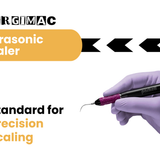
Learn how an ultrasonic scaler works, its benefits for dental cleanings, and how to choose the right tools for safer, more comfortable patient care.
For many patients, the thought of a dental cleaning brings to mind the scraping sensation of manual instruments. An ultrasonic scaler offers a more comfortable and efficient alternative, making it a key tool for improving the patient experience. It uses high-frequency vibrations and a gentle water spray to dislodge stubborn calculus with minimal pressure. Understanding exactly how an ultrasonic scaler works helps you master the technology and explain the process to your patients, which builds trust and reduces their anxiety. This guide covers everything you need to know, from the science to effective communication strategies.
Key Takeaways
- Choose the Right Technology for the Task: Magnetostrictive scalers use an elliptical motion ideal for fracturing heavy calculus, while piezoelectric units offer a linear vibration for precise subgingival debridement. Matching the technology to the clinical need ensures more efficient and effective outcomes.
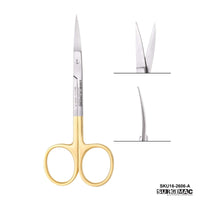
- Adopt a Hybrid Scaling Approach: Use an ultrasonic scaler for rapid, bulk removal of deposits to reduce chair time and physical strain. Follow up with precision hand instruments, like those in the Slim Series, to gain the tactile feedback needed for fine-scaling and ensure a perfectly smooth root surface.
- Master Your Technique for Safety and Efficacy: Proper ultrasonic scaling requires a light, sweeping touch—let the tip's vibration and cavitation do the work, not pressure. Using ergonomic instruments like the Air Series helps maintain the delicate control needed to prevent iatrogenic damage and improve patient comfort.

What Is an Ultrasonic Scaler?
An ultrasonic scaler is a cornerstone of modern dental care, designed to efficiently remove calculus, plaque, and stains from tooth surfaces. This powered instrument has become an indispensable tool for dental hygienists and dentists, offering a powerful alternative and complement to manual scaling. By using high-frequency vibrations, it performs debridement with a level of speed and precision that can significantly enhance clinical workflows and patient outcomes. Unlike traditional hand scalers that rely on manual force, ultrasonic devices use sophisticated technology to break apart hardened deposits with minimal pressure, reducing operator fatigue and often improving the patient experience.
The technology is versatile, with applications ranging from routine prophylaxis to complex periodontal therapy. Its ability to effectively debride both supragingival and subgingival areas makes it a go-to instrument for treating gingivitis and periodontitis. For any practice dedicated to providing comprehensive care, mastering the use of an ultrasonic scaler is essential. It not only streamlines the cleaning process but also contributes to better long-term oral health for your patients by thoroughly disrupting the bacterial biofilms that lead to disease. This makes it a fundamental component of any modern dental instrument inventory.
A Brief History of Ultrasonic Scaling
Ultrasonic scaling first emerged in the mid-1950s, introducing a revolutionary approach to dental debridement. Before this, clinicians relied solely on manual instruments for calculus removal. The new technology harnessed high-frequency vibrations, typically between 25,000 and 45,000 cycles per second, transmitted through a small tip. When combined with a continuous water spray, these vibrations create a phenomenon called cavitation—the formation and collapse of microscopic bubbles. The resulting shockwaves effectively fracture and dislodge stubborn calculus and disrupt bacterial biofilm without damaging the tooth structure. This innovation marked a significant turning point in periodontal therapy, offering a less physically demanding and more efficient method for achieving a clean and healthy oral environment.
Its Role in Modern Dental Hygiene
In modern dental hygiene, the ultrasonic scaler is critical for both preventative care and therapeutic treatments. Its primary function is to remove supragingival and subgingival calculus—hardened plaque that manual instruments can struggle with. The fine, vibrating tip accesses and cleans challenging areas like deep periodontal pockets and furcations with remarkable efficiency. This thorough debridement helps reduce inflammation, halt disease progression, and create a smooth tooth surface that resists new plaque accumulation. By integrating ultrasonic technology, clinicians can perform scaling and root planing procedures more effectively and often with greater patient comfort, solidifying its place as a standard of care in periodontal therapy.
How an Ultrasonic Scaler Works: The Science of Vibration
The power of an ultrasonic scaler comes from two scientific principles: high-frequency vibration and cavitation. Inside the handpiece, a transducer converts electrical energy into mechanical vibrations, causing the scaler tip to oscillate up to 50,000 times per second. These micro-vibrations physically fracture and dislodge stubborn calculus from the tooth surface. At the same time, a continuous stream of water flows over the tip to prevent overheating and flush away debris. This water flow also creates cavitation—the formation and collapse of microscopic bubbles. This action releases a shockwave of energy that disrupts bacterial biofilms and provides a powerful, deep-cleaning effect in the treatment area.
The Power of Cavitation and Acoustic Streaming
Beyond the mechanical vibration of the tip, an ultrasonic scaler’s true cleaning power comes from two related hydrodynamic phenomena: cavitation and acoustic streaming. As the scaler tip vibrates at high frequency within the water coolant, it creates and collapses microscopic bubbles in a process called cavitation. The implosion of these bubbles releases a significant shockwave of energy that is lethal to bacteria, effectively rupturing their cell walls and disrupting the biofilm matrix. This action allows for antimicrobial debridement even in areas the tip doesn't physically touch. Complementing this is acoustic streaming, where the vibration generates a powerful, swirling current in the fluid. This turbulence forcefully flushes out debris, toxins, and bacteria from deep within periodontal pockets, ensuring a comprehensive clean.
The Role of Lavage in Debridement
The continuous water spray, or lavage, is an integral part of ultrasonic scaling and serves several critical functions. Its primary role is to cool the instrument tip, which generates considerable heat from its high-frequency vibrations, thereby preventing thermal damage to the tooth and surrounding soft tissues. Secondly, the lavage flushes away the calculus and biofilm that have been dislodged by the tip’s vibration and cavitation. This constant irrigation keeps the treatment site clear, improving visibility for the clinician and removing pathogens from the periodontal pocket. This process is a key component of maintaining a clean working field and supports your practice's overall infection control protocols by minimizing the presence of contaminated aerosols and debris.
A Look Inside: The Parts of an Ultrasonic Scaler
An ultrasonic scaler isn’t a single tool but a sophisticated system where each component plays a critical role in achieving efficient and effective calculus removal. Think of it as a high-performance team: the generator creates the power, the handpiece delivers it, the tip does the detailed work, and the water system keeps everything running smoothly and cleanly. Understanding how these parts work together is key to maximizing the clinical benefits for both you and your patients. From the ergonomic feel of the handpiece to the specific geometry of the insert, every detail is designed for precision and performance.
To truly appreciate what these devices can do, it helps to look under the hood. The synergy between the electronic generator, the transducer in the handpiece, the specialized tip, and the cooling lavage is what allows for the removal of stubborn deposits with minimal pressure. This not only improves clinical efficiency but also enhances patient comfort compared to manual scaling alone. Each part is engineered with a specific purpose, and when they all function correctly, the result is a cleaner, healthier oral environment achieved in less time. Let's break down the core components to see how they contribute to the overall function and help you deliver exceptional care.
The Power Duo: Handpiece and Generator
The generator is the powerhouse of the ultrasonic scaler. This unit creates the high-frequency electrical energy that drives the entire process. The handpiece, which you hold, takes this electrical energy and converts it into microscopic, rapid vibrations. This is where ergonomic design becomes so important. A well-balanced, lightweight handpiece reduces strain and fatigue, allowing for greater control and precision during lengthy procedures. This principle of comfort-driven performance is the same philosophy behind our Air Series instruments, which are crafted to feel like a natural extension of your hand. The handpiece channels these powerful vibrations directly to the scaler tip, which then does the work of dislodging calculus from the tooth surface.
The Business End: Scaler Tips and Inserts
The scaler tip, or insert, is the part of the device that makes direct contact with the tooth. The design of the tip determines how the vibrational energy is applied. There are two primary types of ultrasonic technologies, and they use different tips. Magnetostrictive units use inserts where all surfaces of the tip are active, vibrating in an elliptical pattern. In contrast, piezoelectric units use tips where only the lateral sides are active, moving in a more linear back-and-forth motion. Choosing the right tip from a range of dental instruments is essential for targeting specific types of deposits and accessing different areas of the mouth, from broad surfaces to tight interproximal spaces.
Keeping Things Cool: The Water Delivery System
The water spray, or lavage, that accompanies ultrasonic scaling serves two vital functions. First and foremost, it cools the vibrating tip. The rapid movement generates significant heat, and the constant water flow prevents thermal damage to the tooth’s pulp. Second, the water plays an active role in the cleaning process through a phenomenon called cavitation. As the water flows over the vibrating tip, it creates microscopic bubbles that implode upon contact with the tooth surface. This action helps disrupt and destroy bacterial biofilms and efficiently flushes away the dislodged calculus and debris, contributing to a cleaner and more hygienic treatment environment. This focus on cleanliness is a core part of effective infection control.
Magnetostrictive vs. Piezoelectric: What's the Difference?
When selecting an ultrasonic scaler, the first major decision is choosing between the two primary technologies available: magnetostrictive and piezoelectric. Both are designed to remove calculus and biofilm efficiently, but they achieve this through different mechanical actions, which influences their performance, feel, and ideal clinical applications. Understanding these differences is key to equipping your practice with the right tools for optimal patient care and operator comfort.
Magnetostrictive units generate vibrations using a stack of metal strips, while piezoelectric units use ceramic crystals. This fundamental difference in their mechanism creates distinct vibration patterns at the scaler tip. A magnetostrictive tip moves in an elliptical or figure-eight pattern, meaning all sides of the tip are active. In contrast, a piezoelectric tip moves in a linear, back-and-forth motion, making its lateral sides the most active surfaces. This distinction directly impacts how you approach scaling in different areas of the mouth and for various types of deposits. Neither technology is inherently superior; instead, the best choice often comes down to the specific needs of your procedures, your personal ergonomic preferences, and the patient population you serve. Many practices find value in having both technologies available to handle a full spectrum of clinical challenges.
How Do They Compare in Performance?
The core difference between these two technologies lies in their vibration patterns and operating frequencies. Magnetostrictive scalers use metal stacks that vibrate in an elliptical motion, operating at frequencies between 25,000 to 45,000 cycles per second. This multi-directional movement makes all sides of the tip active, which is highly effective for fracturing and removing heavy, tenacious calculus. In contrast, piezoelectric scalers use electrical energy to activate crystals, creating a linear, back-and-forth vibration. Operating at a slightly higher frequency of 30,000 to 50,000 cycles per second, this controlled motion is excellent for debriding root surfaces and removing finer deposits with precision.
Which Technology Is Right for Your Practice?
Your decision should align with your practice’s primary clinical needs. Magnetostrictive scalers are often considered the workhorses for practices that handle a high volume of patients with significant calculus buildup, as their elliptical motion can quickly debride large areas. Piezoelectric scalers, with their precise linear movement, are frequently preferred for more delicate work, such as periodontal debridement and procedures requiring fine control around sensitive anatomy. Regardless of the unit you choose, pairing it with high-quality dental instruments is essential for thorough treatment. The ergonomic design of our Slim Series scalers makes them perfect for detailed finishing after ultrasonic scaling.
Ultrasonic vs. Manual Scaling: Which Comes Out on Top?
The debate between ultrasonic and manual scaling isn't about choosing a single winner; it's about understanding the distinct advantages of each method to deliver comprehensive patient care. While traditional manual scaling relies on the clinician's skill and tactile sensitivity, ultrasonic technology introduces powerful vibrations to dislodge calculus with remarkable efficiency. Many dental hygienists find that a blended approach—using an ultrasonic scaler for bulk debridement and finishing with precision hand instruments—provides the most thorough clinical outcome.
Manual scalers, such as the meticulously crafted tools in our Slim Series, offer unparalleled control and tactile feedback, allowing you to feel every contour of the tooth surface. This is essential for detecting and removing fine, residual deposits. On the other hand, ultrasonic scalers can significantly reduce chair time and physical strain on the clinician. The key is to equip your practice with high-quality options for both, allowing you to tailor each prophy appointment to the patient's specific needs, from periodontal status to personal comfort.
Achieve Better Results in Less Time
When it comes to removing heavy plaque and calculus, ultrasonic scalers are a clear frontrunner in efficiency. Using high-frequency vibrations, these devices quickly break apart stubborn deposits, including those below the gumline. Research confirms that ultrasonic scalers are just as effective as manual instruments in shallow pockets and even better at cleaning deeper pockets of 4mm or more, which can be difficult to reach with hand tools alone. This leads to a more thorough debridement and better periodontal outcomes.
While ultrasonic technology is excellent for bulk removal, the precision of a manual scaler is often required for fine-tuning and ensuring a perfectly smooth root surface. The combination of both techniques allows you to work faster without compromising the quality of care, ultimately supporting better long-term oral health for your patients.
Creating a Better Patient Experience
For many patients, the dental experience is directly tied to their comfort in the chair. Ultrasonic scaling can make a significant difference here, as it often takes about one-third less time than a manual cleaning. Less time in the chair is an immediate win for anxious or sensitive patients. The process itself can also be more pleasant; instead of the scraping sound associated with manual scalers, patients experience a gentle vibration and water spray.
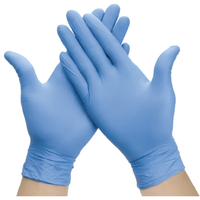
The non-sharp tips and continuous water lavage make the procedure feel less invasive. Of course, managing aerosols is a critical safety consideration. Using high-volume evacuation and proper personal protective equipment, such as MacSafe gloves and face shields, is essential for maintaining a safe environment for both you and your patient. By combining efficiency with comfort, you create a positive experience that encourages patients to return for regular care.
Cosmetic Benefits of Ultrasonic Cleaning
Beyond its therapeutic benefits, ultrasonic scaling offers immediate cosmetic improvements that patients truly appreciate. The powerful combination of high-frequency vibrations and cavitation is exceptionally effective at removing stubborn extrinsic stains from coffee, tea, and tobacco, often revealing a visibly brighter smile in just one appointment. This thorough debridement results in a remarkably smooth tooth surface, which not only resists new plaque accumulation but also reflects light more effectively, enhancing the natural luster of the enamel. Furthermore, by reducing gingival inflammation, the treatment helps create a healthy, pink frame for the teeth, completing the picture of a clean and vibrant smile. This makes it a valuable tool in your arsenal of dental equipment and supplies for delivering results that go beyond just clinical health.
How to Talk to Patients About Ultrasonic Scaling
Helping your patients understand what to expect during a procedure is fundamental to building trust and reducing their anxiety. When it comes to ultrasonic scaling, a clear explanation can demystify the technology and transform a patient’s apprehension into confidence. By walking them through the process, sensations, and benefits, you empower them to feel more in control and comfortable in your chair.
Think of this conversation as part of the service you provide. A few moments spent explaining the "how" and "why" can significantly improve the patient experience, making them more likely to adhere to their treatment plan and feel positive about their visit. It’s an opportunity to reinforce your expertise and your commitment to their comfort and oral health.
Explaining the Process and What They'll Feel
When introducing the ultrasonic scaler, use simple, reassuring language. You could say something like, “This tool helps us give your teeth a very deep and gentle clean. It uses high-frequency vibrations to break apart hardened plaque and calculus.” You can explain that the tip vibrates incredibly fast—up to 45,000 times per second—to effectively shatter deposits without harming tooth enamel.
Next, explain the constant water spray, or lavage. Let them know, “You’ll feel a steady stream of water, which keeps the tip cool and comfortable while flushing away any debris.” You can also mention that the water and vibrations create microscopic bubbles that further disrupt bacteria. Your own comfort and control are key, and using an ergonomic handpiece, like those in the SurgiMac Air Series, ensures you can work with precision, which translates directly to a better patient experience.
Answering Your Patient's Top Questions
Patients often worry about discomfort, so it’s best to address this concern proactively. You can reassure them by explaining that many people find ultrasonic scaling feels gentler than traditional hand instruments. For those with known sensitivity, you can say, “If you have sensitive teeth, you might feel some vibrations. Please let me know, because I can easily lower the power setting to make it much more comfortable for you.”
It’s also helpful to frame the technology as a benefit, especially for certain conditions. Mention that ultrasonic scalers are highly effective for managing gum disease and are often less harsh on teeth than manual scaling. Finally, reinforcing your commitment to safety by mentioning your strict sterilization and hygiene protocols can provide an extra layer of reassurance, letting patients know their well-being is your top priority.
Addressing Post-Treatment Sensations
It's just as important to prepare patients for what they might feel after they leave the office. Proactively explaining that some temporary sensitivity to hot or cold is normal can prevent post-appointment anxiety. You can set expectations by saying, “Now that we’ve removed the calculus that was insulating your teeth, they might feel a bit sensitive for a few days. This is a normal part of the healing process.” Advise them to use a desensitizing toothpaste and to brush gently with a soft-bristled brush. This careful home care is crucial for proper healing and maintaining a clean environment, which is the foundation of good oral hygiene. Reassuring them that this sensation is temporary and a sign of a successful, thorough cleaning reinforces the value of the procedure and builds their confidence in your care.
Is Ultrasonic Scaling Always the Best Option?
While ultrasonic scalers are a cornerstone of modern periodontal therapy, their safe and effective use depends on a thorough understanding of patient-specific contraindications and a commitment to proper clinical technique. These powerful instruments are not universally applicable, and overlooking key precautions can compromise patient safety and treatment outcomes. A careful approach begins with a comprehensive patient evaluation and continues with meticulous, well-trained application during every procedure. By prioritizing these foundational safety measures, you ensure that the benefits of ultrasonic scaling—efficiency, efficacy, and patient comfort—are fully realized without introducing unnecessary risk.
Identifying Patients Who Need Extra Care
Before beginning any ultrasonic scaling procedure, a detailed review of the patient's medical history is non-negotiable. Certain conditions require special precautions or may contraindicate the use of this technology. Patients with cardiac pacemakers, particularly older, unshielded models, should not be treated with magnetostrictive scalers due to the risk of electromagnetic interference. It's also critical to identify patients with communicable diseases that can be transmitted through aerosols. Proper infection control protocols, including high-volume evacuation and the use of personal protective equipment from lines like MacSafe, are essential. Additionally, exercise caution around demineralized enamel, porcelain crowns, or composite restorations, as the vibrations can cause iatrogenic damage.
Considerations for Sensitive Teeth and Implants
For patients with dentinal hypersensitivity, the idea of vibrations can be a major concern. Address this proactively by explaining that you can adjust the power settings to a more comfortable level. Reassure them by saying, “Many people find this gentler than hand scaling, but if you feel any sensitivity, just let me know. I can easily lower the power to make it more comfortable for you.” When treating patients with dental implants, it is critical to use specialized tips made from materials like plastic or carbon composite. Standard metal tips can scratch and damage the titanium surface of the implant abutment, creating a rough texture that encourages plaque and biofilm accumulation. A gentle, controlled technique is paramount in these situations, which is why using well-balanced, ergonomic instruments is so important for maintaining precision.
Potential Discomforts and Risks
The primary risks associated with ultrasonic scaling are aerosol production and potential iatrogenic damage. The high-speed vibrations and water lavage create a significant aerosol plume, which can transmit pathogens. To mitigate this, the use of high-volume evacuation (HVE) is standard protocol. Additionally, comprehensive personal protective equipment is non-negotiable. Equipping your team with high-quality supplies from our MacSafe line, including masks, face shields, and gloves, ensures a safe environment for both clinicians and patients. Another risk is damage to restorative materials like porcelain crowns or composite fillings, or to areas of demineralized enamel. This can be avoided by using a light, sweeping touch, avoiding direct pressure, and selecting the appropriate power setting for the task at hand.
Why Proper Technique is Non-Negotiable
Mastering the correct technique is fundamental to preventing iatrogenic damage and ensuring patient comfort. Unlike manual scaling, ultrasonic instrumentation relies on the tip's high-frequency vibrations, not heavy pressure. Applying direct force dampens these vibrations, rendering the tool ineffective and potentially causing discomfort or damage to the tooth structure. The key is to use a light, exploratory touch, allowing the cavitational effect to dislodge calculus. Clinicians must also follow the manufacturer's guidelines for power settings and water flow for each specific tip. Using well-designed, ergonomic instruments, such as those in the Air Series, can also reduce operator fatigue, which helps maintain the delicate control needed for precise and safe application.
The Importance of Professional Training
Ultrasonic scalers are not intuitive tools; their effective use is a learned skill that requires dedicated professional training. Unlike manual instruments where tactile feedback guides pressure, ultrasonic scaling demands a completely different approach. The goal is to let the instrument's high-frequency vibrations and the resulting cavitation do the work. Comprehensive training teaches clinicians how to select the appropriate power settings, choose the correct tip for the task, and use a feather-light touch. Without this foundational knowledge, it's easy to apply too much pressure, which negates the tip's vibration, reduces efficacy, and can lead to patient discomfort or iatrogenic damage. Ongoing education ensures you stay current with best practices and can leverage this technology to its full potential, safely and effectively.
Best Practices for Pressure and Heat Management
Proper ultrasonic technique hinges on two critical factors: pressure and heat. The correct approach involves a light, sweeping grasp, allowing the tip to glide over the tooth surface. Applying force is counterproductive—it dampens the vibrations and can scratch enamel or restorations. To maintain this delicate control, especially during longer procedures, using ergonomic instruments is key. The balanced, lightweight design of our Air Series instruments, for example, helps reduce hand fatigue and supports the precise movements needed for effective scaling. Equally important is managing the heat generated by the vibrating tip. The water lavage must be constant and sufficient to cool the tip, preventing thermal damage to the pulp while also flushing away debris for better visibility.
How to Choose the Right Ultrasonic Scaler Tips
Choosing the right ultrasonic scaler tip is just as critical as selecting the scaler unit itself. The tip is where the technology meets the tooth, and your choice directly influences the efficiency of calculus removal, the preservation of tooth structure, and the overall patient experience. A well-stocked and thoughtfully selected inventory of tips allows you to adapt your approach to each patient's unique clinical needs, moving seamlessly from tenacious supragingival calculus to delicate subgingival debridement. Think of your tips not as interchangeable parts, but as specialized tools, each designed to perform a specific task with maximum precision and safety.
Matching the Right Tip to the Right Job
The first rule of tip selection is to match the instrument to the deposit. As any comprehensive review on ultrasonic scaling will confirm, different tips are engineered for varying levels of calculus. For moderate to heavy, tenacious deposits, a standard or thicker tip provides the necessary power to fracture the calculus efficiently. Using a delicate, thin tip on heavy calculus will be ineffective and can lead to premature wear. Conversely, for light calculus and biofilm disruption, a thin periodontal tip is the superior choice. These slimmer profiles allow for better access to interproximal areas and subgingival pockets with minimal tissue distension, ensuring a thorough cleaning without causing unnecessary discomfort or damage to the root surface.
Understanding Tip Frequencies: 25K vs. 30K
The numbers 25K and 30K refer to the operating frequency of the ultrasonic unit, measured in thousands of cycles per second (kilohertz). This frequency dictates the speed at which the tip vibrates. A 25K unit operates at 25,000 cycles per second, resulting in a longer stroke length, which can feel more powerful and is often effective for removing heavy, tenacious calculus. In contrast, a 30K unit operates at 30,000 cycles per second, creating a shorter, more rapid stroke. This can translate to a gentler patient experience and is excellent for fine debridement and biofilm disruption. It's crucial to remember that these inserts are not interchangeable; a 25K insert will only fit a 25K handpiece, and the same goes for 30K. Many modern ultrasonic scalers and air polishers operate at 30K, but the choice often comes down to clinical preference and the specific needs of your patient population.
Universal vs. Specific Inserts: When to Use Each
While "universal" tips are excellent workhorses for routine supragingival scaling, their utility has limits. True periodontal debridement requires a more specialized approach. When treating periodontal pockets 4mm or deeper, navigating furcations, or adapting to complex root anatomy, procedure-specific inserts are essential. These often come in right- and left-curved designs that allow you to adapt the instrument precisely to curved root surfaces that a straight tip simply cannot reach. Relying solely on a universal tip in these scenarios can leave behind residual deposits, compromising treatment outcomes. Building a collection of specialized dental instruments ensures you are prepared for any clinical challenge and can deliver the highest standard of care.
Why Professional Scaling Is Still the Gold Standard
While patients may be curious about at-home solutions, nothing replaces the safety and efficacy of a professional dental cleaning. Ultrasonic scalers are incredibly effective at removing calculus, soft plaque, and extrinsic stains from tooth surfaces. A key advantage is their ability to clean thoroughly without causing damage, even on sensitive root surfaces. This precision is fundamental in preventing and managing periodontal disease, as it allows clinicians to debride areas that are impossible for patients to reach with brushing and flossing alone. The controlled vibrations and cavitation effectively disrupt biofilm with minimal pressure, making the experience more comfortable for the patient and more efficient for the hygienist.
The procedure’s success relies on a combination of advanced technology and clinical skill. After the bulk of deposits are removed with an ultrasonic scaler, clinicians often use hand instruments for fine-scaling and root planing to ensure a perfectly smooth surface. Instruments from our Slim Series are designed for this exact purpose, offering the ergonomic control and precision needed to complete the task flawlessly. This comprehensive approach, combining powerful technology with meticulous hand-scaling, is why professional treatment delivers consistently superior results for maintaining long-term oral health. It’s a standard of care that simply cannot be replicated outside of a clinical setting.
The Dangers of At-Home Ultrasonic Devices
The rise of direct-to-consumer dental devices has led many patients to ask about at-home ultrasonic scalers. While marketed as a convenient alternative, these tools pose significant risks. Without proper training, a user can easily damage or loosen existing dental work, such as fillings or crowns, leading to costly and complex restorative procedures. Furthermore, ultrasonic scaling generates aerosols—tiny airborne particles that can carry bacteria. In a professional setting, clinicians use high-volume evacuation and adhere to strict infection control protocols, including personal protective equipment from our MacSafe line, to manage this risk. A home environment lacks these essential safeguards, potentially exposing the user and others to harmful pathogens.
Ensuring Superior Long-Term Oral Health
Regular professional cleanings are the cornerstone of preventive dental care. The primary goal is to remove the harmful bacteria, plaque, and calculus that cause inflammation and lead to periodontal disease. This process is essential for keeping teeth and gums healthy over a lifetime. Ultrasonic scalers are especially beneficial for patients with active gum disease or for older adults who may have more delicate oral tissues, as the technology is often gentler than extensive manual scaling. By providing a thorough yet minimally invasive cleaning, you not only address current issues but also help prevent future complications, ensuring your patients enjoy the benefits of superior oral health for years to come.
Frequently Asked Questions
Related Articles
Tags
Blog posts
-
, by SurgiMac A Clinician's Guide to Absorbable Suture Material
-
, by SurgiMac A Clinician's Guide to Dental Composite Resin Kits
-
, by SurgiMac How to Disinfect with Metrex CaviWipes Correctly
