
Dental Instruments Buying Guide for Practices
- , by SurgiMac
- 22 min reading time
Compare dental instruments by material, ergonomics, workflow fit, and maintenance, then shop professional options for your practice.
High-grade dental instruments support precise clinical work, reliable workflows, and staff comfort. Selecting durable, ergonomic tools helps a practice standardize trays and manage long-term purchasing costs.
Shop professional dental instruments from SurgiMac.
Dental instruments are the most critical investments for any dental setting because they directly influence work speed and staff comfort. Choosing high-quality tools requires a focus on ergonomic standards like handle diameter and total weight. Research shows that the best diameter for these items is at least 10 mm to ensure a secure grip and reduce muscle strain (PubMed). Beyond comfort, professional buyers should prioritize stainless steel builds and specialized coatings that withstand daily sterilization cycles. Reliable tools help dental teams perform at their peak without the physical burden of poorly made gear. By selecting supplies that meet these clinical goals, a practice can lower its long-term costs and improve patient care. Every pick-up and placement of a tool matters in a busy office.
Selecting the right supplies for your office involves more than just looking at the price tag. You need a plan that weighs durability, brand name, and clinical needs. Our guide on How to choose dental instruments for your practice covers the basic steps for building a reliable stock. The path begins with
How to choose dental instruments for your practice
Picking the right dental instruments is a key task for any modern clinic. You need tools that work well, feel good in the hand, and last for many years. This choice affects both how fast you work and how well you care for your patients. A smart plan for buying tools can help your practice grow and keep your team happy. It also ensures that every clinical move is precise and safe.
Focus on clinical ergonomics
Good tool design helps prevent hand pain and long-term strain. Research shows that ergonomic changes can help stop muscle and bone issues for dental workers. Look for handles with a diameter of at least 10 mm to improve your grip. A wide handle reduces the force you need to hold the tool during a long day. You should also pick tools that weigh 15 grams or less to reduce hand fatigue. Some tools use soft padding to lower muscle work. This makes the work much more pleasant for the user and the patient alike.
Material and build quality
Most high-end tools use surgical grade stainless steel for a long life. This metal resists rust and stays strong through many uses. High-quality build is key for fine work and clear clinical results. Check if the tool has parts like tungsten carbide for a better grip on needles or crowns. Using essential dental instruments with a solid build ensures you do not have to buy new ones too soon. Look for smooth joints and sharp edges that can hold up to heavy daily wear and tear.
Sterilization and safety needs
Your tools must handle heat and strong chemicals every day. Proper sterilization workflows keep patients safe and make tools last longer. Choose tools that fit well in your current cleaning and heat machines. Using metal cassettes can help protect sharp tips during the wash and steam cycle. You should also check tools for wear or rust each time you clean them. This helps you find damage like small cracks or broken tips before they cause a real problem in a procedure. Clean tools are the base of a safe practice.
Standardize your stock
Having the same tools in every room makes work easier for your staff. When you use the same types of tools, it is simpler to track and clean them. It also helps your team move from one room to the next without a break in their flow. Talk to your staff to find out which tools they like most. Their feedback can help you pick the best sets for your clinic. This choice can lower costs over time because you buy fewer types of tools and parts.
Follow these steps to find the best tools for your team:
- List the clinical procedures your office performs most often each week.
- Select a few dental instrument types to test for hand feel.
- Check that the tools meet clinical standards for handle size and weight.
- Confirm that the materials can handle your specific heat and wash cycles.
- Order a small set first to see how they perform in a real clinic setting.
- Ask for feedback from your staff on how the new tools feel during use.
Which dental instrument materials fit each workflow?
In brief, stainless steel suits routine cutting, scaling, and diagnostic work, while lightweight titanium can support precision restorative or surgical tasks. Match the material to the procedure and reprocessing protocol.
Choosing the right metal for your dental instruments is a core part of any clinic workflow. Most tools use stainless steel or titanium alloys. Each material offers different traits for strength, weight, and how they handle high heat. Picking the best one helps your team work faster and keeps tools in use for longer.
The role of stainless steel
Stainless steel is the top choice for most dental instrument types because it is very tough. It resists rust well and can stand up to many cleaning cycles. High-grade steel is ideal for tools that need a sharp edge, like scalers or knives. Research shows that while steel is strong, ergonomic design features like handle size are key to reducing hand strain during use.
One trade-off with steel is its weight. Some steel tools can be heavy, which may lead to hand fatigue after a long day. To help with this, look for tools with hollow handles or those that weigh 15 grams or less. Keeping tool weight low and handle diameter at 10 mm or more can help you work with less pain and more control.
Titanium for special needs
Titanium is lighter and more flexible than steel. This makes it a great fit for delicate work, such as placing implants or doing microsurgery. Titanium does not stick to resin or composite as much as other metals do. This trait makes it very helpful for restorative tasks. It also resists rust even better than steel, which can save money on tool replacements over time.
Because titanium is non-magnetic, it is safe to use near some imaging machines. But it is a softer metal, so it may lose its edge faster than steel. Most clinics keep a mix of both metals. They use steel for heavy cutting and titanium for precision tasks or when a lighter tool is needed to reduce hand strain.
| Feature | Stainless Steel | Titanium Alloy |
|---|---|---|
| Best Use | Cutting and scaling | Implants and resin work |
| Weight | Heavier (may exceed 15g) | Very light (often under 15g) |
| Durability | High edge retention | High rust resistance |
| Flexibility | Rigid and strong | Flexible and springy |
Matching tools to your team
Your workflow should guide your buying choices. If your team does many cleanings, dental scaling instruments made of high-quality steel will give them the best edges. For long surgeries, titanium tools can help reduce the load on the wrist. Mixing these materials based on the task ensures your clinic stays efficient while keeping your staff comfortable.
Ergonomics, balance, and handle design
In brief, ergonomic dental instruments combine a secure grip, low weight, practical handle diameter, and balanced working ends. Practices should let clinicians test handle styles before standardizing a tray.
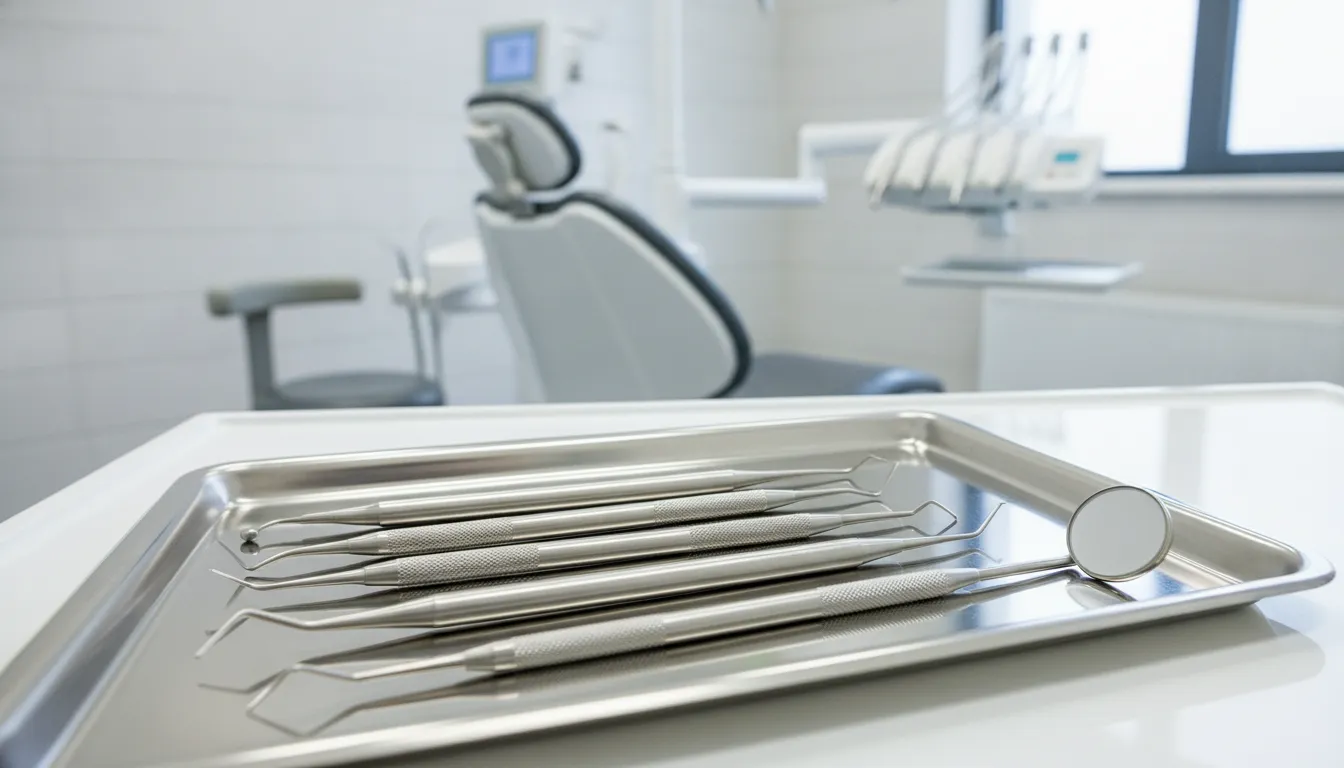
The design of your dental instruments plays a big role in your hand health. Choosing tools with the right width can help stop pain in your fingers and wrists. Research shows that the best diameter for dental instruments is at least 10 mm. A wider handle lets you use less force when you grip the tool. This helps reduce hand strain during long tasks.
Weight is also key for comfort. The best weight for a hand tool is 15 grams or less. Light tools, like the SurgiMac Air Series, help lower the stress on your muscles. If a tool is too heavy, your hand will tire out much faster. Using light and wide tools can help you avoid long-term muscle and joint issues.
Handle width and weight
When you pick new tools, look at the handle size first. Larger handles reduce the pinch force needed to hold the tool. This means you do not have to squeeze as hard to keep control. Many pros find that a 10 mm handle is the sweet spot for comfort. The SurgiMac Eco Series provides options that focus on these ergonomic goals. By using a wider grip, you protect the small nerves and tendons in your hand.
You should also feel the weight of each tool. Heavy instruments can lead to chronic pains in your wrist. Lightweight lines, such as the Air Series, are built to reduce this risk. They give you the strength of steel without the heavy feel. Reducing the load on your wrist allows for more fluid moves during dental work. This leads to better results for your patients and less pain for you.
Grip texture and slip resistance
A good grip is vital for safe and precise work. If a tool slips, it can cause errors or hand fatigue. Many dental instrument types now feature textured handles to prevent slipping. For example, the SurgiMac Hexa Series uses a unique shape to give you a steady hold. This allows for better control without needing to squeeze too hard. A slip-resistant grip is even more important when working in wet spots.
Padding is another great feature for comfort. Soft surfaces on the handle can lower muscle activity in your hand. This makes the tool feel better during use. The SurgiMac Titanium Black Series offers a sleek finish that still provides a firm grip. These design choices help you work with more skill while keeping your hands relaxed. A secure grip means you can focus on the task instead of worrying about the tool moving.
Why balance matters for fatigue
The way a tool's weight is spread out is called its balance. A well-balanced tool feels light in your hand and is easy to move. Good balance helps reduce strain on your thumb and palm. When a tool is too heavy on one end, you have to work harder to keep it steady. This extra work leads to faster fatigue. Look for tools that feel like a natural part of your hand.
You should test a range of handles to find what fits you best. The SurgiMac Pro Series and Slim Series offer multiple handle options for professional workflows. Some may prefer the thin feel of the Slim Series, while others need the larger grip of the Eco Series. Finding the right match for your hand size is a key step in stopping work pain. Proper ergonomics will help you stay focused on your patients all day long.
Match dental instruments to clinical workflows
In brief, build procedure-specific trays around the instruments clinicians use at each step. Standardized restorative, hygiene, and surgical setups reduce searching, simplify training, and support consistent reprocessing.
Good dental work starts with the right tools for each job. You must match your tools to the task at hand. This helps your team work fast and stay safe. It also makes sure your patients get the best care. Choosing the right dental instrument types means looking at each step of your day. From the first check to the final fill, your tools should help you, not slow you down.
Restorative work and tray setups
Restorative tasks need tools that are easy to use. Most trays will start with a basic set. This includes a mirror, a probe, and pliers. You'll also need tools to place and shape fillings. Top-grade steel is a must so your tools don't rust after many washings. When you pick your tools, think about how they feel. A handle width of at least 10 mm helps you grip better and keeps your hand from hurting. This allows you to work for hours with less strain.
Good tray setups save time between patients. You can use color tags to sort tools by task. This helps your staff set up rooms fast. It also cuts down on mistakes during a busy day. Consider these items for your tray:
- Mouth mirrors with rhodium coating for a clear view.
- Explorers with thin tips to find small holes or cracks.
- Spoon excavators to remove soft decay from a tooth.
- Condensers to pack filling material into place.
Hygiene and gum health tasks
Cleaning and gum work need tools with very sharp edges. You need a full set of tools to reach all parts of the mouth. Some tools work best for the front teeth, while others are for the back. Using the right tool for each spot protects the gums. Light tools are best for these long tasks. Tools that weigh 15 grams or less help reduce hand fatigue as you work. This keeps your touch light and precise.
Keep your scaling tools sharp for the best results. Dull tools take more force and can hurt the patient. Many clinics now use box systems to hold their tool sets. This keeps the tools safe during cleaning and makes them easy to grab. It also helps your office follow strict safety rules for every patient.
Surgical and root canal needs
Surgery and root canals need tools that are strong and reach deep. For root canals, you'll need thin files to find and clean out small canals. These tools must be tough so they do not break inside a tooth. Proper cleaning and care workflows are vital for these tools to stay safe and work well. For extractions, you need tools that grip the tooth tight but do not crush it. Root screws can help you pull out broken pieces with less harm to the bone.
Surgical tools should have a good grip even when wet. Look for tools with textured handles or special coatings. Some needle holders use hard metal inserts to hold small needles firm. This helps you close wounds fast and clean. Each tool in your surgical kit should have a clear use to keep your tray simple. Pick the right tools for each part of your work. This helps you build a practice that is fast, safe, and kind to patients.
Compare SurgiMac dental instruments for restorative, hygiene, and surgical trays.
How should practices maintain dental instruments?
In brief, practices should clean instruments promptly, inspect them after every cycle, follow each manufacturer's validated reprocessing instructions, and remove damaged tools from service.
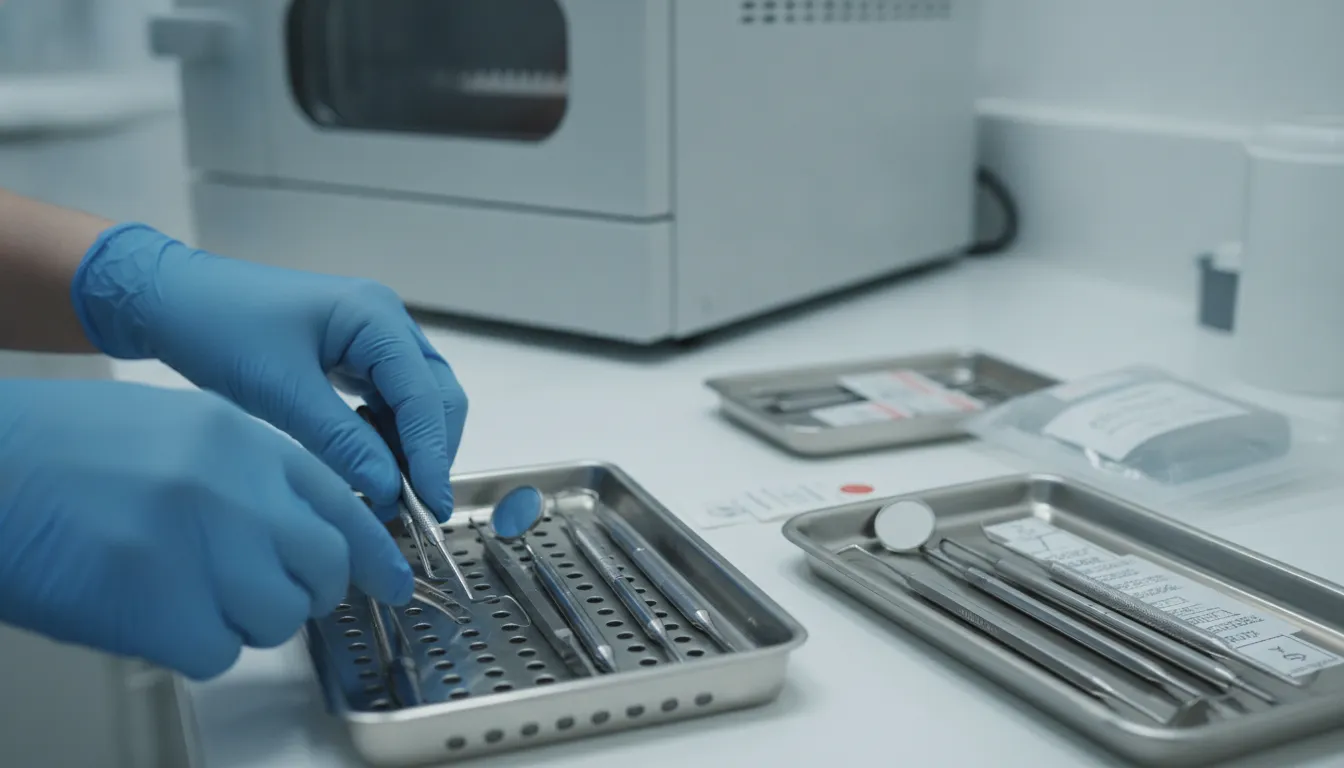
Keeping dental instruments in top shape is a must for any clinic. Good care helps tools last longer and keeps patients safe. It also ensures that the tools work the way they should during a task. A smooth sterilization workflow is vital for the life of your tools and the safety of your office. By following a set routine, you can prevent damage and keep your tools ready for every patient.
Daily cleaning and routine checks
Clinics should start with a clear plan for cleaning. After use, dental instruments need a deep clean to remove debris. Many offices use ultrasonic cleaners or wash machines. These methods are often safer than washing by hand. They reduce the risk of cuts or pokes to the staff. It is vital to use the right cleaning soaps to avoid pits or stains on the metal. Using harsh soaps can lead to rust over time.
While cleaning, teams should look at each tool for signs of wear. Check for dull edges on scalers or rust on hinges. Small issues can lead to big problems if you ignore them. For example, a dull blade can make a task take longer. It can also cause more stress on the hands of the dentist. Using high-quality essential dental instruments makes this easier. These tools often resist rust better than cheap ones. Regular checks also help you find when it is time to get a new tool before it fails.
Sharpening and rust prevention
Many tools need regular sharpening to work right. Scalers and curettes lose their edge with use. A dull tool needs more force, which can hurt the patient and the user. Training staff to sharpen tools in the office can save time and money. You should also check for rust every day. Rust often starts in the joints of tools like forceps or scissors. Using a good oil can help keep these parts moving well.
Proper sterilization and storage
Sterilization is the next big step. Most tools are made of stainless steel so they can handle high heat. You must follow the rules from the maker for each tool. This ensures the tool is clean without getting damaged. Using dental instrument types that are built for high-heat cycles will save money over time. Make sure the tools are fully dry before you put them in the heat. Trapped water is a common cause of rust in a steam cleaner.
Sorting tools in cassettes is a smart move. Cassettes protect the sharp tips of the tools during the cleaning cycle. They also help keep sets together. This makes it faster to set up for the next patient. Once tools are dry and clean, store them in a clean, dry place. Proper storage keeps them ready for use and stops new germs from growing on them.
- Clean tools right after use to stop debris from drying.
- Inspect hinges and joints for smooth movement.
- Use only distilled water in your steam cleaner.
- Sharpen scalers and curettes to keep them working well.
- Replace tools that show deep pits or heavy rust.
Build a reliable instrument purchasing standard
In brief, a purchasing standard should define approved materials, handle styles, procedure trays, inspection criteria, and replacement triggers. Standardization makes inventory and staff training easier.
A smart dental clinic runs on clear rules for buying tools. Without a plan, your stock becomes a mix of many brands and sizes. This mess slows down your staff and makes training hard. By setting a firm plan for your dental instruments, you ensure every room works the same way. This helps your team move fast and gives a better experience for every patient.
Match your tray layout
The first step in a buying plan is to make your trays match. When every room has the same setup, your staff can work anywhere without hunting for tools. You should stock each tray with essential dental instruments like mirrors and probes. Sameness reduces the mental load on your staff and lets them focus on the patient.
Consider choosing one brand for your sets to keep things simple. For example, using the SurgiMac Air Series for all tools ensures every handle feels the same. If your clinic does many operations, you might match your blades with a brand like MacCut. This level of sameness makes stock checks much easier. You will know exactly what to buy because every room follows the same list.
Clear rules for quality
Your buying rules must say what quality means for your clinic. Ergonomics should be a top goal to protect your team from hand strain. Research shows that the best handle size for dental instrument types is 10 mm or more. This size helps your grip and reduces muscle pain during long shifts. Choosing tools with the right shape can prevent health issues for your team.
Weight is also a big factor in your rules. Experts say that instruments should weigh 15.0 grams or less to reduce hand strain. Tools made from high-grade steel are common because they are tough and last long. You should check that any new tool meets these rules before you add it to your room. Citing clear studies, such as those on PubMed, can help you explain these choices.
Long-term costs of tools
Low prices can be tempting, but they often lead to high costs later. Cheap tools might break, rust, or lose their edge after a few cleaning cycles. A good buying plan looks at the cost of every item over its life. You should buy tools that stay sharp and safe for a long time. Buying high-grade steel ensures your tools stay steady and safe for your patients.
Before you buy from a new brand, ask about their tests and return rules. Ask how their tools hold up under heat and steam. A steady partner will give you data on how long their tools last. By focusing on how long tools last, you reduce the need to buy more. This way saves your clinic money and keeps your work the same every day.
Frequently Asked Questions
How often should a practice replace its dental instruments?
Dental offices should check their tools often for signs of wear or damage. According to clinical guidelines, you should look for blunted tips or rust before every use. While some stainless steel tools can last for years with good care, others may need to be replaced sooner if they lose their edge. Sharp tools are key for patient comfort and work speed. Regular checks help ensure that every tool in the kit stays in top shape.
What are the benefits of buying dental instrument kits?
Buying essential dental instruments in pre-made kits can save time and money for a clinic. These sets often come with a storage tray that makes cleaning and organizing much easier. Using standard kits helps staff stay consistent and ensures they always have the right tools for a specific task. Sets like a ten-piece hygienist kit help manage stock and improve the flow of a busy dental practice.
How can a dental clinic get technical support for tool procurement?
Many large suppliers offer expert help to clinics that are looking to buy new tools. For instance, the team at SurgiMac dental instrument collection has a technical support line to help with online orders and tool choices. Practitioners can call these experts to ask about tool features or to get help with the checkout process. This kind of support ensures that a clinic gets the exact tools it needs to serve its patients well.
Are specialized instruments needed for minimally invasive surgery?
Yes, modern dental surgery often requires very precise and specialized tools. For example, tunneling kits include thin instruments that are built for high accuracy in small areas. These tools are often made from high-grade steel to ensure they do not flex during use. Using the right dental instrument types for these procedures helps a doctor work with more care. This focus on precision can lead to better outcomes and faster healing for the patient.
Ready to shop professional dental instruments?
Delaying your practice upgrades can lead to higher long-term costs and reduced clinical speed. Choosing poor tools often results in more waste and less comfort for your team. Investing in high-quality tools today ensures your team has the precision they need for every procedure. Starting now allows you to stay ahead of equipment wear while maintaining the best possible patient outcomes. By getting the right supplies now, you save time and keep your practice running at its peak performance for years to come. Do not wait for your current tools to fail before looking for a better way to work.
Ready to shop professional dental instruments and get the tools your practice needs? Check out our wide range of essential dental instruments to find the best fit for your clinical goals and talk to a specialist if you need more help.
Tags
Blog posts
-
, by SurgiMac A Clinician's Guide to Absorbable Suture Material
-
, by SurgiMac A Clinician's Guide to Dental Composite Resin Kits
-

, by SurgiMac How to Disinfect with Metrex CaviWipes Correctly
