
Essential Dental Instruments for Every Practice
- , by Talha Azeem
- 22 min reading time
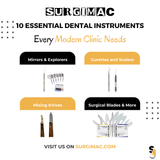
Find out which dental instrument is essential for every modern clinic. Get expert tips on building a reliable toolkit with Surgimac and MacSuture products.
A dental professional’s day is anything but predictable. You might start with a standard cleaning and end with an emergency extraction that requires precision and immediate action. This variability demands a toolkit that is both comprehensive and reliable, ensuring you are prepared for whatever walks through the door. Being ready means having every necessary dental instrument within arm's reach, eliminating delays and reducing stress for both you and your patient. This article outlines the core instruments that form the backbone of a versatile and responsive practice. We’ll explore the must-haves for diagnostics, hygiene, restorative work, and surgical procedures, including critical supplies like the MacSuture line from SurgiMac, so you can handle any situation with confidence.
Every successful dental clinic relies on a foundation of trusted instruments. Whether it’s a general exam or a surgical procedure, having the right tools on hand means better efficiency, safety, and care.

This guide covers 10 must-have dental instruments that help modern practices stay organized, compliant, and ready for daily patient needs. Each item is carefully selected from trusted SurgiMac collections used by dental professionals nationwide.
Start with a Clear View: Dental Mirrors & Explorers
Collection: Mouth mirrors
Mirrors and explorers are the core of every oral exam. These tools help dentists view hard-to-see areas and detect decay or plaque during routine checkups.
Anti-fog mirrors for visibility
Stainless steel explorers for accurate detection
Achieve a Perfect Clean with Curettes and Scalers
Collection: Curettes and Hand Scalers
These are essential for hygiene appointments and periodontal treatments. Scalers remove deposits above the gumline, while curettes are designed for deeper cleaning.
Ergonomic grips
Sharp edges for efficient scaling
Periodontal Probes for Accurate Diagnosis
Periodontal probes are fundamental tools for diagnosing and managing gum disease. Their primary job is to measure the depth of gum pockets, giving you a clear picture of a patient's periodontal health. These precise measurements are critical for early detection, allowing you to identify potential issues before they become more serious. By providing accurate data, these probes help you create effective treatment plans tailored to each patient's specific needs, ensuring better outcomes and preventing further complications down the road.
Using high-quality instruments correctly not only improves diagnostic accuracy but also enhances the overall patient experience. When your tools are reliable, procedures become more efficient and comfortable for everyone involved. At SurgiMac, we understand that precision is non-negotiable, which is why we provide a comprehensive range of dependable dental equipment and supplies. From initial exams to complex procedures requiring our MacSuture line, having trusted tools on hand is the key to delivering exceptional care.
Aligning Smiles: Your Essential Orthodontic Tools
Collection: Orthodontic Instruments
Clinics that offer orthodontic care need specialized pliers, cutters, and bracket tools for adjustments and wire handling.
Suitable for brackets, arch wires, and ligatures
Rust-resistant stainless steel
Restorative Workhorses: Carriers, Condensers, and Burnishers
When it comes to restorative work, precision and control are everything. This is where carriers, condensers, and burnishers become the stars of the show. These instruments are fundamental for placing and shaping fillings after decay has been removed, ensuring a durable and natural-looking result for your patients. An amalgam carrier is designed to pick up and deliver filling material into the prepared tooth cavity with accuracy. Once the material is placed, a condenser comes in to firmly pack it, eliminating any air bubbles and creating a dense, strong restoration. This step is crucial for the longevity of the filling and preventing future issues.
After the filling material is packed, a burnisher is used to smooth and polish the surface. This not only gives the restoration a natural finish that blends with the tooth but also helps seal the margins to prevent leakage. Having a reliable set of these restorative instruments ensures that every step of the process is seamless, from placement to the final polish. High-quality tools provide the tactile feedback needed to feel confident in your work, leading to better outcomes and happier patients who trust your practice for their care.
The Tools of Endodontics: Files, Reamers, and Pluggers
Root canal treatments require a specialized set of tools designed to work deep inside the tooth with incredible precision. Endodontic procedures are delicate, and success often depends on the quality of the instruments used. The process typically begins with an endodontic explorer, which helps locate the small, often hard-to-find root canal openings. Once accessed, endodontic files and reamers are used to meticulously clean and shape the interior of the canals, removing infected pulp and debris. This step is vital for preparing the tooth for filling and sealing, preventing reinfection and saving the natural tooth structure.
After the canals are thoroughly cleaned and shaped, they must be filled to seal them off completely. This is where pluggers and spreaders come into play. These instruments are used to compact the filling material, typically gutta-percha, into the prepared canals, ensuring a tight, void-free seal. A well-executed root canal can last a lifetime, and having dependable endodontic instruments is non-negotiable. From files that resist breaking to pluggers that provide excellent control, equipping your practice with top-tier tools supports your ability to perform these complex procedures effectively and with confidence.
Precision Shaping: Hand Cutting Instruments
While modern dentistry is filled with advanced technology, the value of manual, precision tools can't be overstated. Hand cutting instruments are the classic tools of the trade for detailed and delicate work. They allow for a level of tactile control that powered instruments sometimes can't match, making them indispensable for refining preparations and removing decay with pinpoint accuracy. These instruments are essential for carefully shaping cavity walls, smoothing margins, and ensuring that a restoration will fit perfectly. Their design allows dentists to work in tight spaces and on intricate tooth surfaces where larger instruments wouldn't be effective.
Enamel Hatchets, Chisels, and Margin Trimmers
Among the most important hand cutting tools are enamel hatchets, chisels, and gingival margin trimmers. Each serves a specific purpose in preparing a tooth for a filling. Enamel hatchets and chisels are used to break down and cleave away weakened or unsupported enamel, creating clean, strong walls for the restoration. Gingival margin trimmers are used to bevel the gingival margin of a cavity preparation, which helps create a better seal and fit for the filling material. Using high-quality cutting instruments ensures that you can perform these precise tasks efficiently, setting the stage for a successful and long-lasting restoration.
Powered Up: Rotary and Ultrasonic Instruments
For efficiency and power, rotary and ultrasonic instruments are the go-to tools in any modern dental practice. These powered devices make quick work of tasks that would be time-consuming or impossible with hand instruments alone. They are central to a wide range of procedures, from routine cleanings to complex restorative and surgical work. Rotary instruments, like dental handpieces, are used for cutting, grinding, and polishing, while ultrasonic instruments use high-frequency vibrations to break down tough deposits or assist in specialized procedures. Their speed and power help reduce chair time for patients and minimize operator fatigue.
High-Speed Handpieces and Scalers
High-speed handpieces are true workhorses, using fast-spinning burs and diamonds to cut through tough enamel and dentin during cavity preparations or crown adjustments. Their efficiency is unmatched for bulk removal of tooth structure. On the hygiene side, ultrasonic scalers have revolutionized dental cleanings. They use high-frequency vibrations to effectively remove stubborn plaque and calculus from tooth surfaces, often more comfortably for the patient than manual scaling alone. Investing in reliable handpieces and scalers is a direct investment in your practice's productivity and the quality of care you provide.
The Supporting Cast: Auxiliary Dental Instruments
While some instruments take center stage during a procedure, a host of auxiliary tools work behind the scenes to ensure everything runs smoothly. These supporting instruments are essential for material handling, mixing, and making final adjustments. Though they may seem minor, their role is critical for organization, infection control, and procedural efficiency. From ensuring materials are mixed to the perfect consistency to transferring sterile items without contamination, these tools are the unsung heroes of the dental operatory. A well-stocked and organized tray with these essentials is a hallmark of a prepared and professional practice.
Spatulas, Dappen Dishes, and Articulating Paper Holders
This category includes a variety of indispensable tools. Cotton pliers are used to safely transfer materials like cotton rolls or gauze to and from the mouth. Dappen dishes and spatulas are fundamental for mixing dental materials like cements, liners, or bonding agents to the correct consistency. After a filling or crown is placed, an articulating paper holder is used to check the patient's bite, ensuring the new restoration fits comfortably and functions correctly. Having a full suite of reliable supplies, from these auxiliary tools to high-quality MacSuture products, ensures you're ready for any procedure that comes your way.
Perfecting Your Mix: The Importance of Dental Knives
Collection: Dental Mixing Knives
Used for mixing cements, composites, or impression materials, these knives offer control and consistency during preparation.
Flexible blades
Comfortable handle for smooth application
Precision in Every Cut: Surgical Blades and Scalpels
Collection: Scalpels & Blades
Scalpels are essential for incisions in soft tissue procedures. They’re used in extractions, biopsies, and minor surgeries.
Available in multiple blade sizes
Compatible with standard handles
Ensuring Proper Healing with MacSuture Wound Closure
Collection: Wound Closure Sutures
Sutures are critical for healing after oral surgery. They help close incisions and reduce the risk of infection or complications.
Absorbable and non-absorbable options
Secure knotting with minimal tissue reaction
Your First Line of Defense: Disposable Exam Gloves
Collection: Disposable Gloves
Gloves are necessary for infection control. Every dental procedure, from a cleaning to surgery, requires a fresh pair.
Latex-free and nitrile options
Powder-free for patient and staff safety
Safety First: Choosing the Right Protective Face Masks
Collection: Protective Masks
Face masks are essential for both patient safety and staff protection. They're a part of daily PPE in every operatory.
3-ply, ear-loop, and KN95 styles available
Meets filtration and breathability standards
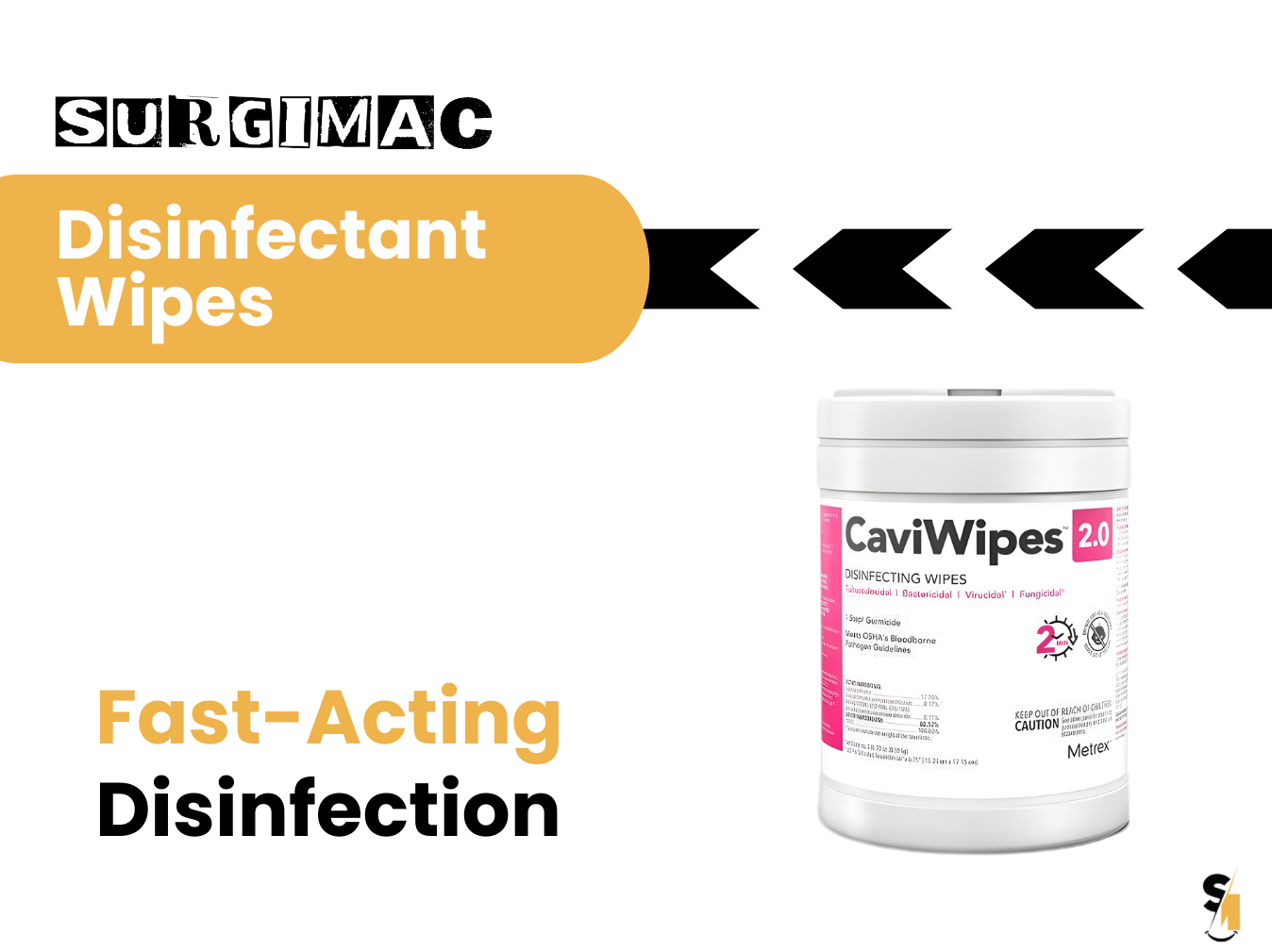
Keeping Your Practice Safe with Surface Disinfectant Wipes
Collection: Disinfecting Wipes
Between each patient, surfaces should be wiped down with EPA-registered disinfectant wipes to maintain infection control.
Kills viruses and bacteria within minutes
Safe for use on dental chairs and counters
Instrument Safety and Patient Guidance
While quality instruments are vital in your hands, patient education is just as important for maintaining oral health between visits. Many patients are curious about the tools you use and may even be tempted by at-home versions they see online. Guiding them on proper at-home care versus professional treatment is a key part of your role. This helps them understand the value of your expertise and prevents them from accidentally causing harm. By clearly explaining what they can and should do at home, you empower them to be active partners in their dental health, ensuring better long-term outcomes and reinforcing the importance of regular professional cleanings.
The Dangers of At-Home Dental Tool Use
It’s crucial to advise patients to avoid using dental tools at home. With the rise of online marketplaces, "plaque scrapers" and "tartar removers" are easily accessible, but they are extremely dangerous for untrained individuals. You can explain that dental instruments are designed for professionals who have spent years learning the precise angles and pressure needed to use them safely. In inexperienced hands, these sharp tools can easily damage delicate gum tissue, scratch tooth enamel, or push tartar deeper below the gumline, leading to infection or abscesses. Remind them that their safety is the top priority and that certain procedures should only be performed in a clinical setting.
Explaining Plaque vs. Tartar to Patients
A simple way to illustrate the need for professional care is to explain the difference between plaque and tartar. Let your patients know that they can and should remove dental plaque at home. Plaque is the soft, sticky film of bacteria that constantly forms on teeth, and it can be effectively managed with correct brushing and flossing. However, once plaque hardens, it becomes tartar, also known as calculus. You can clarify that they cannot remove tartar at home. It bonds strongly to tooth enamel and can only be removed safely and effectively by a dental professional using specialized instruments like scalers and curettes.
Advising on Safe At-Home Oral Hygiene
After explaining what not to do, provide patients with clear, actionable steps for excellent at-home oral hygiene. Recommend they brush twice a day with a soft-bristled toothbrush and fluoride toothpaste. Emphasize the importance of flossing every night to clean between teeth where a toothbrush can't reach. For many, an electric toothbrush can be more effective at removing plaque. You might also suggest an antiseptic mouthwash to help reduce bacteria. Offering a quick demonstration of proper brushing and flossing techniques during their appointment can make a significant difference in their daily routine and overall oral health.
Anatomy of an Instrument: Design and Materials
Every dental instrument is meticulously designed for a specific function, and understanding its anatomy can deepen your appreciation for the tools you use daily. The effectiveness of an instrument comes down to a combination of its design and the materials used to create it. From the grip of the handle to the sharpness of the working end, each element is engineered for balance, control, and durability. This thoughtful construction ensures that you can perform procedures with confidence and precision, whether it's a routine exam or a complex surgical procedure requiring the highest quality tools, like our reliable MacSuture products.
The Three Core Components: Handle, Shank, and Working End
Most hand instruments are composed of three main parts: the handle, the shank, and the working end. The handle is what you grip, and its design—whether smooth, serrated, or padded—affects your comfort and control. The shank connects the handle to the working end and is designed with specific angles and lengths to provide access to different areas of the mouth. Finally, the working end is the part that performs the instrument's specific function, such as a scaler's blade or an explorer's sharp point. The relationship between these three parts determines how the instrument functions and how efficiently you can work.
Choosing the Right Material: From Stainless Steel to DLC Coated
The material an instrument is made from directly impacts its performance, longevity, and sterilization capabilities. Most dental instruments are crafted from high-grade stainless steel, which is known for its strength and resistance to corrosion. Other materials include titanium, often used for implants and instruments due to its biocompatibility and light weight, and carbon steel, which offers a harder cutting edge but requires more care to prevent rust. Some instruments feature advanced coatings, like Diamond-Like Carbon (DLC), to enhance durability and reduce friction. Choosing instruments made from premium materials ensures they will withstand daily use and rigorous sterilization cycles while maintaining their precision.
Sterilization Done Right: Instrument Reprocessing Solutions
Collection: Instrument Reprocessing
Reusable dental tools need proper cleaning before sterilization. These solutions help remove debris and prepare instruments for autoclaving.
Compatible with ultrasonic cleaners
Effective on scalers, forceps, mirrors, and more
Following Manufacturer Guidelines for Cleaning
Proper instrument care isn't a one-size-fits-all routine. Each tool comes with specific cleaning protocols from the manufacturer, often called Instructions for Use (IFU). Following these guidelines is non-negotiable for patient safety and preserving the lifespan of your equipment. For example, some instruments may only require a simple wipe-down with a disinfectant, while others must be processed in an ultrasonic cleaner or a washer-disinfector to be considered safe for the next step. Adhering to the correct cleaning protocol ensures that every instrument, from a basic explorer to a specialized surgical tool, is handled correctly, preventing damage and ensuring it functions as intended for years to come.
Key Sterilization Methods: Autoclaves and Ultrasonic Cleaners
After manual cleaning, most reusable instruments head to an ultrasonic cleaner. This device uses high-frequency sound waves to create microscopic bubbles that dislodge stubborn debris from joints, hinges, and other hard-to-reach surfaces. It’s the deep clean before the final sterilization. The next and final step is the autoclave, which uses steam under pressure to kill all microorganisms, rendering the instruments sterile and ready for patient use. Properly sterilizing every tool, especially surgical instruments like needle holders used with MacSuture products, is fundamental to preventing cross-contamination and ensuring positive patient outcomes. This two-step process is the gold standard for infection control in any modern dental practice.
Get Your Practice Ready with Surgimac
Stocking the right dental instruments means smoother appointments, safer treatments, and better results for your patients. From mirrors and scalers to surgical tools and infection control supplies, these 10 essentials cover the daily needs of a modern dental clinic.
If you’re unsure whether your practice is equipped with the right tools, it's time to check out our Dental Instruments Guide to run a high-performance practice to optimize your workflow and enhance patient care.
How to Choose the Right Dental Supply Vendor
Selecting a dental supply vendor is about more than just finding the lowest price; it's about building a partnership that supports your practice's success. The right supplier ensures you have reliable, high-quality tools when you need them, which directly impacts patient care and office efficiency. When evaluating potential vendors, it’s crucial to look beyond the catalog and consider the complete picture. Think about their reputation for product quality, the efficiency of their shipping, and how responsive their customer service team is. A great vendor acts as an extension of your own team, helping you solve problems and keep your operations running smoothly.
Key Considerations: Quality, Service, and Warranties
When you're ready to choose a supplier, focus on three core areas. First, product quality is non-negotiable. Your instruments, from basic explorers to specialized surgical tools like MacSuture sutures, must be dependable. Second, evaluate their service. How easy is it to place an order, and how quickly does it arrive? Check their customer service policies and ask about warranties or after-sales support. A vendor that stands behind its products provides peace of mind. Finally, consider specialization. A company like SurgiMac, which focuses on providing premium dental and surgical supplies at an exceptional value, can offer specialized expertise and a curated selection that meets the specific needs of your practice without overwhelming you with unrelated products.
Understanding the Dental Equipment Market
The dental industry is constantly evolving, and the market for equipment and supplies reflects that. With a projected annual growth of over 12%, the global dental equipment market is expanding rapidly, bringing new technologies and products to the forefront. This growth means more options for dental professionals, but it also makes choosing the right partner more complex. Large distributors have historically dominated the space, offering vast inventories that cover nearly every aspect of dental care. While they provide a one-stop-shop solution, it's important to know that other specialized suppliers are also making a significant impact by offering focused expertise and competitive value.
Top Companies and Industry Growth Statistics
Major players like Patterson Dental and Henry Schein have long been staples in the industry, serving a massive number of customers with extensive product lines that range from dental chairs to practice management software. Their scale is impressive, but it doesn't always translate to the best fit for every clinic. In a growing market, specialized suppliers offer a compelling alternative by focusing on specific categories like anesthetic products or restorative materials. This allows them to provide deep product knowledge and often, more competitive pricing on the essential supplies your practice uses every day. By understanding the different types of vendors available, you can make a more informed decision that aligns with your clinic’s budget and patient care philosophy.
Frequently Asked Questions
Beyond the basics, what should I prioritize when investing in new dental instruments for my practice? When you're ready to expand your toolkit, focus on ergonomics and material quality. An instrument's weight, balance, and grip design can significantly reduce hand fatigue during long procedures. Also, pay close attention to the material. High-grade stainless steel or instruments with specialized coatings not only perform better but also withstand the demands of daily sterilization, making them a smarter long-term investment for your practice.
What's the biggest mistake practices make when it comes to instrument care? One of the most common oversights is not strictly following the manufacturer's specific cleaning and sterilization guidelines for each instrument. It’s easy to fall into a one-size-fits-all routine, but different materials and complex designs require unique care. Ignoring these protocols can shorten an instrument's lifespan or compromise its integrity. Taking a moment to confirm the correct process protects your tools and ensures patient safety.
How can I explain the importance of professional tools to patients without sounding like I'm lecturing them? I find that a simple, relatable analogy works wonders. You can compare it to using professional kitchen knives versus a standard butter knife—both can cut, but you need the right tool for precision and safety. Frame the conversation around their well-being, explaining that your instruments are designed to work safely on delicate oral tissues, whereas at-home scrapers can easily cause irreversible damage. This approach educates them while reinforcing your role as a trusted expert.
My practice is just starting out. Do I really need separate, specialized kits for procedures like endodontics right away? While it’s tempting to build your inventory slowly, investing in core specialty kits from the beginning is a move you won't regret. Using instruments designed specifically for a procedure, like endodontic files for a root canal, dramatically improves your efficiency and the quality of the outcome. You don't need every tool on day one, but having the foundational instruments for the services you offer ensures you can work confidently and effectively.
When it comes to surgical procedures, how do I choose the right sutures for different situations? Selecting the right suture depends entirely on the procedure, the location in the mouth, and the type of tissue involved. The main consideration is whether you need an absorbable suture that dissolves over time or a non-absorbable one that requires removal. Beyond that, think about handling characteristics and tensile strength. Having a reliable range of options, like those in the SurgiMac MacSuture line, allows you to match the right material to each patient’s specific healing needs.
Key Takeaways
- Build a Foundational Toolkit for Every Procedure: A practice runs most efficiently when it's equipped for any situation. Stocking a core set of reliable instruments for diagnostics, hygiene, and surgery—including essentials like MacSuture supplies—ensures you can handle both routine and urgent patient needs with confidence.
- Champion Safety Through Sterilization and Education: Patient safety is a two-part responsibility. It starts with strictly following instrument sterilization protocols in your office and extends to educating patients on effective at-home hygiene and the dangers of using professional dental tools themselves.
- Recognize that Instrument Quality Dictates Clinical Success: The material, design, and maintenance of your tools directly influence your precision and patient outcomes. Investing in high-grade instruments and caring for them properly is a direct investment in the quality of your work and the reputation of your practice.
Related Articles
Tags
Blog posts
-
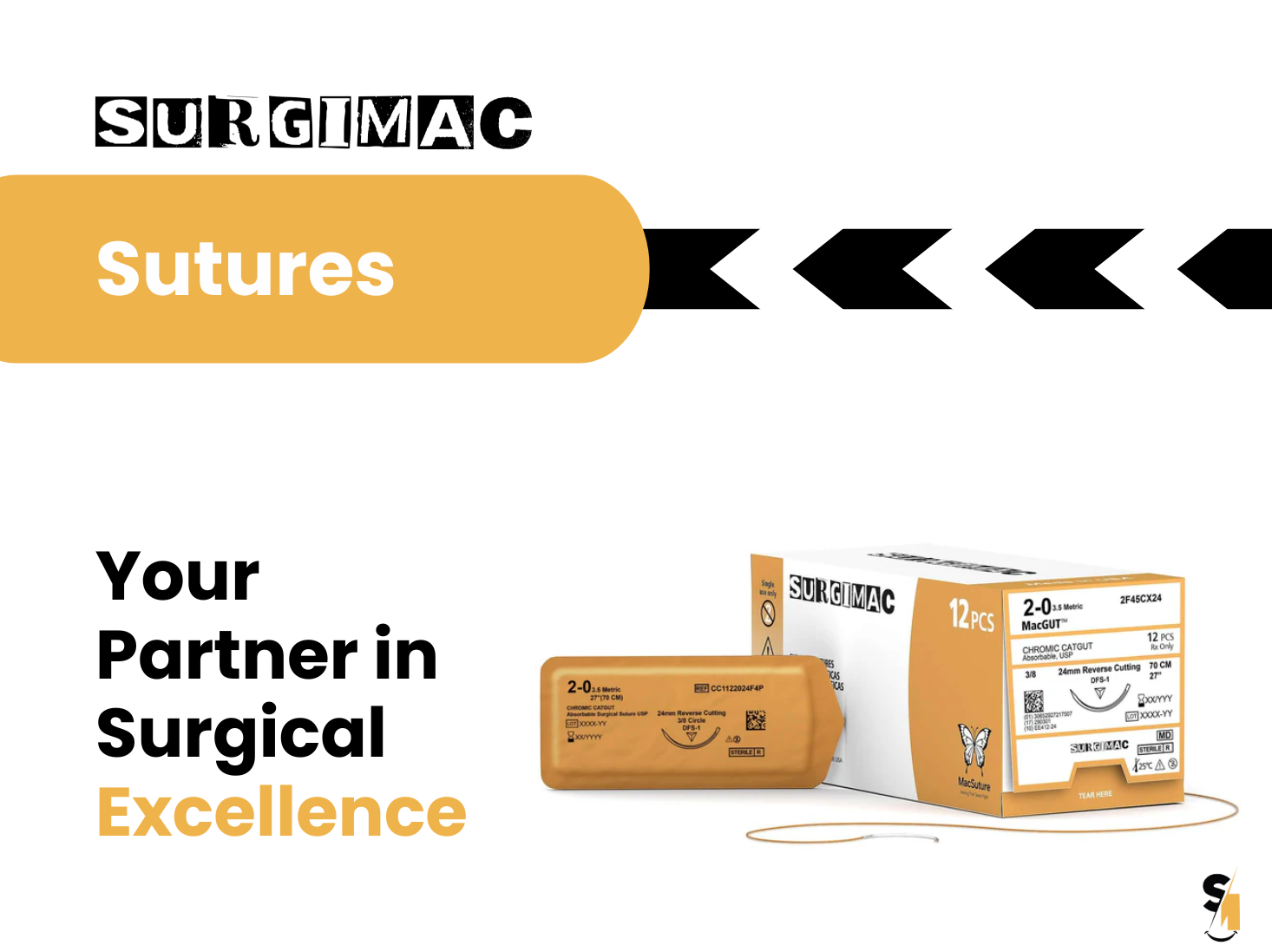
, by SurgiMac A Clinician's Guide to Absorbable Suture Material
-
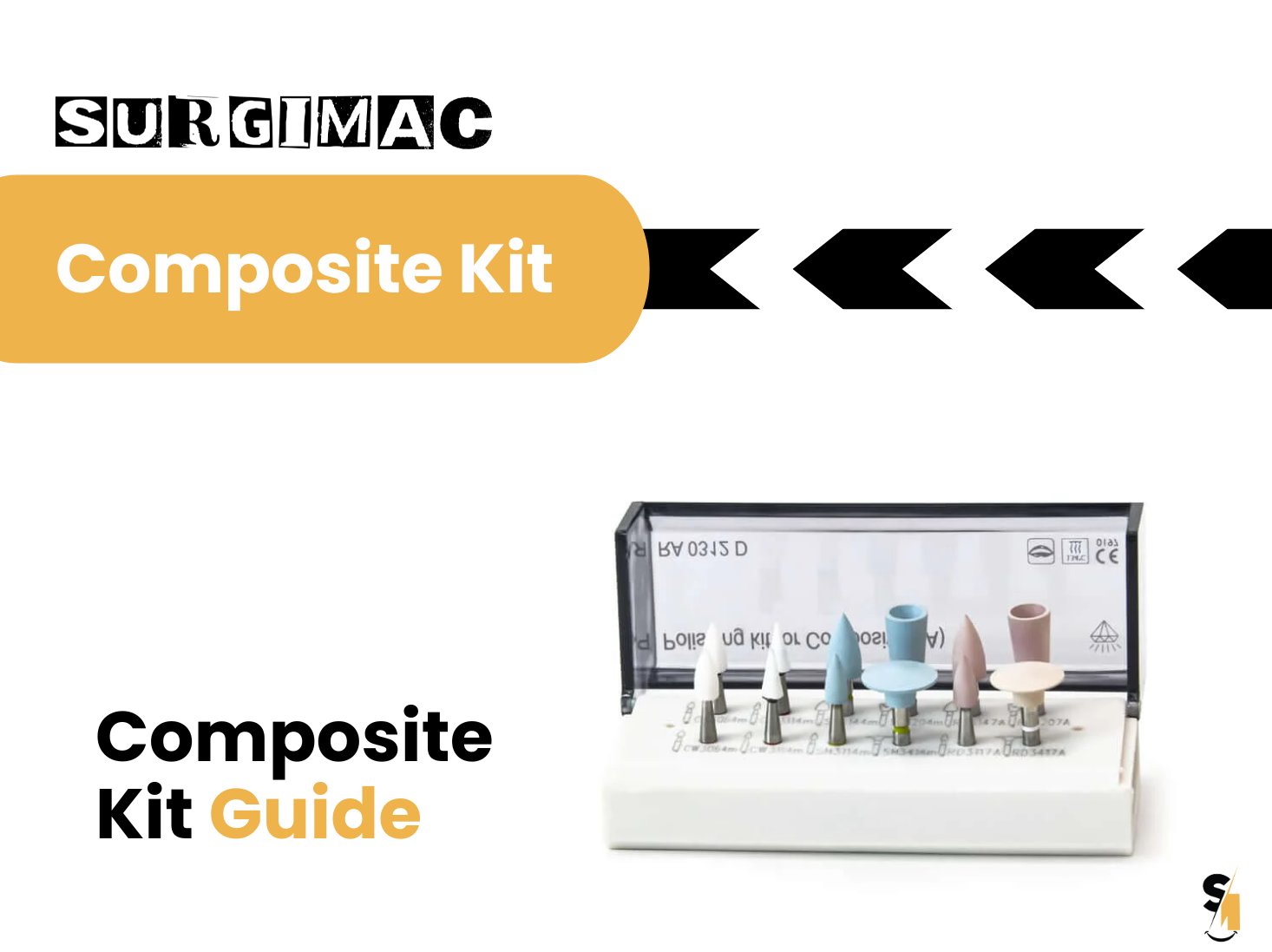
, by SurgiMac A Clinician's Guide to Dental Composite Resin Kits
-
, by SurgiMac How to Disinfect with Metrex CaviWipes Correctly
