MacPrevent 5% Sodium Fluoride Varnish with TC...
SKU 90002-Bx
Get expert tips on using addition silicone impression material for accurate dental impressions. Learn clinical techniques and best practices from Surgimac.
We’ve all experienced the frustration of removing an impression tray only to find a critical flaw—a void at the margin, a slight pull, or an unset patch. These errors disrupt your workflow, waste valuable chair time, and can compromise the integrity of the final restoration. The key to preventing these issues lies in a deep understanding of your materials and a meticulous, repeatable technique. This article is your complete clinical guide to the addition silicone impression material system. We will cover the essential properties that make it the superior choice, how to select the right viscosity for any procedure, and the step-by-step techniques for a perfect result. By mastering this process, you ensure every case, from a single crown to a complex bridge, starts on a foundation of absolute precision.

When your practice depends on precision for restorative and prosthetic cases, the impression material you choose is one of the most critical decisions you'll make. Addition silicone, also known as polyvinyl siloxane (PVS) or vinyl polysiloxane (VPS), has become a cornerstone material for good reason. It offers a combination of accuracy, stability, and ease of use that makes it a reliable choice for everything from single crowns to complex full-arch reconstructions. At SurgiMac, we know that consistent, high-quality dental supplies are non-negotiable for achieving excellent clinical results, and PVS materials are a perfect example of this principle in action. Understanding the chemistry and handling properties of addition silicone is the first step toward capturing flawless impressions every time.
Addition silicone is a type of elastomeric impression material celebrated for its remarkable physical properties. Chemically, it’s a polyvinyl siloxane that sets into a flexible, rubber-like solid. This composition is responsible for its high tear strength and excellent elastic recovery, which allows the impression to be removed from undercuts without distortion. More importantly, PVS is known for its exceptional ability to capture fine surface details, a critical factor for fabricating precisely fitting restorations. Its inherent hydrophilicity (in modified versions) helps it perform well in the moist oral environment, reducing the risk of voids or inaccuracies caused by saliva.
The name "addition silicone" comes from its setting mechanism: an addition polymerization reaction. Unlike condensation silicones, which release alcohol as a by-product during setting, the PVS reaction produces no secondary molecules. This is the key to its outstanding dimensional stability. Because nothing leaches out of the material as it cures, there is minimal shrinkage, and the impression remains accurate for an extended period. The typical setting time is between five and nine minutes, which provides a generous and controllable working time. This allows you to properly syringe the material and seat the tray without feeling rushed, ensuring a more accurate and stress-free procedure.
Addition silicone materials offer several distinct advantages over older materials like alginates or condensation silicones. Their superior dimensional accuracy and stability mean you can wait longer to pour the model without fear of distortion. In fact, a single PVS impression can often be used to produce multiple, highly accurate stone models. This is particularly beneficial for complex cases or when a duplicate model is needed for a lab technician or for records. Their high detail reproduction makes them the preferred choice for procedures that demand the utmost precision, such as fabricating crowns, bridges, and implant-supported prosthetics. When you need a reliable outcome, PVS consistently delivers.
Selecting the right viscosity is one of the most critical decisions you'll make when taking an impression. The flow characteristics of your addition silicone material directly impact its ability to capture fine details, displace soft tissue, and provide the necessary support within the impression tray. Using the wrong viscosity can lead to inaccuracies that compromise the final restoration, resulting in lost chair time and additional lab costs.
Think of the different viscosities as specialized tools in your kit, each designed for a specific task. From the free-flowing light body that captures every minute detail of a prepared margin to the firm putty that creates a stable base, understanding how to combine them is key. The goal is to create a dimensionally stable and highly accurate negative of the patient's dentition. Let's break down the common viscosities and their primary clinical applications.
Light body materials have the lowest viscosity, giving them a fluid, syringeable consistency. This high flowability is exactly what you need to capture the finest details with exceptional precision. It’s the ideal material for recording the intricate anatomy of crown preparations, especially subgingival margins, and the occlusal surfaces of teeth. Typically, you’ll apply it directly onto the prepared tooth and surrounding tissues using an intraoral syringe. It works in tandem with a higher viscosity material in the tray, which provides the structural support. For any procedure requiring pinpoint accuracy, from single crowns to complex bridge work, a light body material is an indispensable part of your impression-taking protocol.
As the name suggests, medium body materials offer a balanced viscosity that sits between light and heavy body options. This makes them incredibly versatile for a range of clinical situations. You can use them as a single-material (monophase) impression for cases like diagnostic models, partial dentures, or opposing arch impressions where extreme detail isn't the primary concern. Their consistency provides a good balance of flow to capture necessary anatomy without being overly runny, while also having enough body to remain stable in the tray. Some clinicians also prefer a medium body as the "wash" material over a heavy body for certain techniques, finding it slightly easier to manage than a light body.
Heavy body materials have a thick consistency and are designed to function as the primary tray material. Their high viscosity provides the bulk and stability needed to support the lower-viscosity wash material, preventing distortion when you remove the impression from the mouth. When seated, a heavy body material effectively displaces the light body wash, forcing it into all the critical areas like the sulcus and around the preparation margins. This ensures you capture all the necessary details while maintaining the overall structural integrity of the impression. It’s a foundational component for any two-step or simultaneous impression technique, creating the rigid backbone for a perfect impression.
Putty is the highest viscosity impression material available, with a dense, dough-like consistency that you typically mix by hand. Its primary use is in the two-stage putty-wash technique. In the first stage, you take a preliminary impression with the putty to create a custom-fit "tray" within the stock tray. After it sets, you relieve some space and then use it to carry a light body wash for the final, highly detailed impression. Putty provides excellent dimensional stability and effectively compresses the wash material into the finest details. This technique is renowned for its accuracy and is a preferred method for many fixed prosthodontic cases.
Ultimately, your choice of viscosity depends entirely on the clinical task at hand. A successful impression for a single crown might involve a heavy body tray material paired with a light body wash to capture the margin. For a full-arch denture, a medium body might suffice. The key is to match the material's properties to your procedural goals and preferred technique. Consistently achieving accurate results also means relying on high-quality dental equipment and supplies. Just as you trust SurgiMac for reliable instruments and post-procedural supplies like our MacSuture line, choosing a dependable impression material system ensures your work is precise from the very first step.
Choosing the right addition silicone isn't just about picking a product off the shelf; it's about matching the material's properties to your clinical needs and personal technique. The ideal material will feel like an extension of your own hands, capturing every detail with precision and reliability. With so many options available, focusing on a few key characteristics will help you narrow down the field and find the perfect fit for your practice.
Addition silicones have truly changed the game in fixed prosthodontics because of their incredible dimensional stability, high tear strength, and excellent detail reproduction. These three pillars are the foundation of a perfect impression. A material that excels in these areas gives you the confidence that what you see in the patient's mouth is exactly what the lab will see on the model. This accuracy is non-negotiable for creating restorations that fit perfectly, require minimal adjustments, and stand the test of time. When you’re ready to stock your practice, sourcing from a trusted provider of dental equipment and supplies ensures you get the quality you depend on.
When evaluating an addition silicone, your primary concerns should be its performance under clinical conditions. Think about tear strength—will the material tear upon removal, especially in thin areas around the sulcus or in interproximal spaces? Consider its hydrophilicity—how well does it perform in the moist environment of the oral cavity? And finally, assess its working and setting times. You need a material that gives you enough time to work but sets efficiently to keep appointments on schedule and improve patient comfort. Balancing these factors will lead you to a material that consistently delivers predictable, high-quality results.
For complex restorative work like crowns, bridges, and implants, capturing the finest details is critical. The success of the final restoration hinges on the impression's ability to replicate marginal details with pinpoint accuracy. Addition silicone is the leading choice for this type of advanced work precisely because it excels at detail reproduction. Its flow characteristics allow it to capture subgingival margins and subtle tooth anatomy without slumping or distortion. This precision minimizes the need for chairside adjustments, saving you valuable time and ensuring a better outcome for your patient.
One of the most significant advantages of addition silicone is its exceptional dimensional stability. Research consistently shows that addition silicone impression materials are superior in accuracy and stability when compared to condensation silicones. This means the impression will not shrink or distort between the time it's taken and the time it's poured at the lab. This stability offers incredible flexibility; you don’t have to rush to pour the model, and you can even pour a second model from the same impression with confidence. This reliability is a cornerstone of an efficient practice workflow.
Ultimately, the best impression material is one that works for you. Whether you use a one-stage or two-stage technique, your comfort and skill are the most important factors in achieving a successful impression. The material should complement your established workflow, not complicate it. Find a product line that offers a range of viscosities, allowing you to customize your approach for any clinical scenario. Having reliable materials for every step, from the initial impression to placing the final MacSuture sutures, creates a seamless and predictable process for both you and your patient.
Achieving a flawless impression is less about luck and more about a meticulous, repeatable technique. From selecting the right tray to holding it perfectly still, every step contributes to the final accuracy of your restoration. Refining your process will not only improve clinical outcomes but also save valuable chair time by minimizing the need for retakes. The following steps break down the critical phases of the impression-taking process, providing actionable advice to help you capture every detail with precision.
The foundation of an accurate impression begins with your tray selection. For the highest degree of precision, custom trays are the superior choice. They are fabricated specifically for the patient’s arch, which ensures a uniform, thin layer of impression material (around 2mm). This controlled thickness minimizes polymerization shrinkage and reduces the risk of distortion. If you are using a stock tray, ensure it provides adequate clearance without being too bulky. Always apply a tray adhesive evenly and allow it to dry completely according to the manufacturer's instructions. This step is critical for preventing the material from separating from the tray upon removal, which would render the impression useless.
Even with modern hydrophilic silicone materials, moisture remains a primary obstacle to a perfect impression. Saliva and sulcular fluid can cause voids, bubbles, and a loss of surface detail, especially at the margin line. Achieving a dry field is non-negotiable. Use effective isolation techniques such as cotton rolls, a high-volume evacuator, and properly placed gingival retraction cords. For subgingival margins, a double-cord technique is often necessary to manage crevicular fluid and provide clear access. Taking a few extra moments to ensure the preparation and surrounding tissues are completely dry will pay dividends in the final quality of your impression.
A smooth workflow starts with having everything ready before you begin. Check the expiration dates on your impression material cartridges and ensure they have been stored at the recommended room temperature. Cold material can have a delayed setting time, while overly warm material may set too quickly. Lay out all your necessary dental instruments, the impression gun, mixing tips, and the prepared tray. Using an auto-mixing system is highly recommended over hand-mixing, as it produces a homogenous, bubble-free mix with a consistent ratio every time. This preparation minimizes stress and allows you to focus entirely on the patient once you start.
Your mixing technique directly impacts the integrity of the impression material. As mentioned, auto-mixing systems are the clinical standard for a reason. They significantly reduce the chances of human error, leading to fewer bubbles, less material waste, and a more predictable working time. When you dispense the material, be sure to bleed the cartridge before attaching the mixing tip to ensure an even flow from both base and catalyst chambers. If you must hand-mix putty, use your fingertips—not your palms—and wear vinyl gloves, as latex can inhibit the setting reaction of PVS materials. Work quickly and fold the material into itself to avoid trapping air.
With your material mixed, the final steps are all about careful placement and stability. Load the light-body material into an intraoral syringe and apply it directly around the preparation, starting at the margin, keeping the tip submerged in the material to prevent bubbles. Simultaneously, have your assistant load the tray with the heavy-body material. Seat the tray with firm, even pressure, ensuring it is centered correctly over the arch. Once seated, hold it absolutely still until the material has fully set. Even the slightest movement during polymerization can introduce significant distortions. A seamless procedure relies on having every detail planned, from the impression itself to any subsequent steps requiring products like our reliable MacSuture line.
Even with the best materials, technique is everything. A flawless impression is the foundation for a perfect restoration, but small errors can lead to significant chairside adjustments or costly remakes. We've all been there: you remove an impression tray only to find a void right at the margin or a soft, unset patch of material. It’s a frustrating setback that disrupts your workflow and uses up valuable chair time. Understanding the common pitfalls and how to prevent them is key to achieving consistent, predictable results. From subtle contamination that inhibits the setting reaction to managing moisture in a challenging environment, mastering the troubleshooting process is a clinical skill that pays dividends. It will save you time, reduce material waste, and, most importantly, lead to better patient outcomes with restorations that fit perfectly from the start. In this section, we'll cover the most frequent issues—material contamination, moisture control, dimensional stability, and error identification—and provide the straightforward solutions to keep your impressions pristine every time.
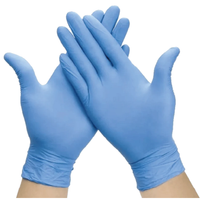
One of the most common culprits behind a failed impression is material contamination, which can inhibit the setting reaction of addition silicones. The primary offender is sulfur, often found in latex gloves. When the material comes into contact with latex, the polymerization process can be compromised, resulting in a soft, unset surface. To avoid this, always use non-latex gloves such as vinyl or nitrile when handling addition silicone putty or syringing light body material. Be mindful of other potential sources of contamination as well, including some retraction solutions or rubber dams. Establishing a clean, controlled workflow is your best defense against setting failures and ensures your material performs exactly as expected.
Moisture is the natural enemy of a perfect impression. While many modern addition silicones are hydrophilic, meaning they have a better tolerance for moisture, achieving an accurate result still requires a dry field. Saliva and sulcular fluid can introduce bubbles and voids, particularly at the critical margin areas, obscuring the fine details needed for a precise restoration. Effective moisture control is non-negotiable. Use high-volume evacuation, cotton rolls, and isolation systems to keep the preparation dry. Gently drying the tooth and surrounding tissues with an air syringe just before syringing the material will help you capture every detail without distortion, ensuring a void-free impression.
The primary reason addition silicone is a preferred material is its exceptional dimensional stability. This means the impression maintains its size and shape accurately from the moment it's removed from the mouth until the model is poured. This stability is due to its unique setting reaction, which occurs without producing any volatile byproducts like alcohol or gas. As a result, addition silicone exhibits minimal shrinkage upon setting, a critical factor for creating well-fitting crowns, bridges, and implants. This reliable dimensional accuracy allows you to pour models when it fits your workflow, without the immediate rush required by less stable materials like condensation silicones.
A critical final step is to meticulously inspect every impression immediately after removal. Hold it up to a good light source and check for common flaws: unmixed streaks indicating an improper ratio, bubbles or voids in critical areas, folds from premature movement, or material that has pulled away from the tray. If you find significant errors, especially at the margins, the only solution is to retake the impression. Don't be tempted to proceed with a compromised impression, as it will only lead to problems later. Ensuring a clean, well-prepared site, sometimes requiring precise tissue management with products like our MacSuture line, is fundamental to preventing these errors from occurring in the first place.
Achieving a perfect impression goes beyond technique—it starts with the material itself. How you store and handle your addition silicone can directly impact its performance, accuracy, and reliability. Improper handling can compromise the material's integrity before it even reaches the patient, leading to frustrating and costly remakes. By establishing clear protocols for storage, inventory management, and infection control, you can protect your materials, ensure predictable outcomes, and maintain the highest standard of care in your practice. These simple but critical steps are fundamental to safeguarding both your clinical results and your patient's safety.
The chemical stability of addition silicone is sensitive to its environment. To ensure your materials perform as expected, store them in a cool, dry place away from direct sunlight and sources of extreme heat, like sterilization equipment. Temperature fluctuations can alter the material's viscosity and working time, while UV exposure can degrade its components over time. Following the manufacturer's storage instructions is essential to maintain their properties and effectiveness. Designating a specific cabinet or closet for impression materials helps create a consistent, controlled environment, ensuring every impression you take is with a product that is stable and reliable.
Using expired materials is a risk that can compromise the quality of your dental work and lead to inaccurate restorations. It's crucial to monitor the expiration dates on all your addition silicone products. Expired materials may not set properly, can exhibit poor dimensional stability, and ultimately result in a faulty impression that requires a complete retake. To prevent this, implement a "first-in, first-out" (FIFO) inventory system. When you receive a new shipment, place it behind your existing stock. This simple organizational habit ensures you always use your oldest materials first, reducing waste and guaranteeing you’re working with products at their peak performance.
Strict infection control standards are non-negotiable when handling any material that comes into contact with a patient. For impression materials, this involves wearing appropriate personal protective equipment (PPE), including high-quality gloves, and thoroughly disinfecting the impression after removing it from the patient's mouth and before sending it to the dental lab. SurgiMac offers a comprehensive line of infection prevention supplies to support your practice's protocols. Following these procedures diligently prevents cross-contamination and protects both your patients and your team from potential pathogens, upholding a safe clinical environment for everyone.
Contamination can completely ruin an otherwise perfect impression. One of the most common culprits is latex, as the sulfur compounds in many latex gloves can inhibit the polymerization (setting) of PVS materials. To avoid contamination, always use nitrile or vinyl gloves when handling addition silicone putty. Be mindful of other potential contaminants as well, such as residue from acrylics or certain hemostatic agents. Ensuring your hands and instruments are clean before mixing is a simple step that prevents interference with the setting reaction and preserves the material's dimensional stability and detail reproduction.
The field of dental materials is anything but static. As technology evolves and patient expectations grow, the materials we rely on every day are also advancing. Addition silicones continue to be a cornerstone of restorative dentistry, but their role is adapting within the modern practice. The future isn't about replacing these reliable materials, but rather enhancing how they perform and integrate with new technologies and clinical demands. Understanding these trends will help you make informed decisions for your practice, ensuring you continue to deliver precise and predictable results for your patients.
Even as intraoral scanners become more common, traditional impression materials maintain a vital role. Addition silicones are particularly well-suited for hybrid workflows that combine the best of physical and digital techniques. Their exceptional dimensional stability means an impression can be poured multiple times or scanned in a lab long after the patient has left the chair, without any loss of accuracy. This makes them a reliable foundation for complex cases or for practices that are gradually incorporating digital dental equipment. Think of them not as an alternative to digital scanning, but as a complementary tool that ensures you always have a perfect physical record to work from.
Manufacturers are constantly refining addition silicone formulas to improve their clinical performance. Recent advancements have focused on enhancing hydrophilicity for better detail capture in moist environments and improving tear strength to prevent distortion upon removal. We're also seeing materials with more flexible working and setting times, giving you greater control during the procedure. These innovations mean that today’s materials are more forgiving and produce more reliable results than ever before. This commitment to progress ensures that addition silicones remain superior in accuracy and stability, providing a trustworthy foundation for your finest restorative work, from crowns to complex prosthetics.
The demand for high-quality dental prosthetics and orthodontic treatments is growing, and with it, the market for reliable impression materials. Industry analysis shows that addition silicones are not only dominating the market but are also projected for significant growth. This trend confirms that investing in high-quality silicone materials is a sound choice for any practice. Just as practices rely on the precision of our MacSuture line for surgical procedures, they can count on the continued innovation of essential restorative supplies. As the industry also moves toward greater environmental consciousness, we can expect to see manufacturers explore more sustainable packaging and production methods for these indispensable products.
1. My addition silicone impression didn't set correctly. What's the most likely cause?
The most common reason for an addition silicone impression failing to set is contamination from sulfur, which is present in latex gloves. This contact inhibits the polymerization reaction, leaving you with a soft, unusable surface. To prevent this, always use nitrile or vinyl gloves when handling PVS putty or syringing the material. Also, be mindful of certain hemostatic agents or acrylic residues that can cause similar issues. A clean, latex-free workflow is the best way to guarantee a predictable set every time.
2. Is it really necessary to use a custom tray for every case?
While a custom tray provides the highest level of accuracy by ensuring a uniform material thickness and minimizing distortion, it isn't always practical for every procedure. For diagnostic models or opposing arch impressions, a well-fitting stock tray can be perfectly adequate. However, for complex fixed prosthodontics like multi-unit bridges or implant cases where precision is paramount, the investment in a custom tray is well worth it to avoid inaccuracies that lead to costly remakes and lost chair time.
3. How long can I wait before pouring a model from an addition silicone impression?
This is one of the greatest advantages of addition silicone. Thanks to its exceptional dimensional stability and the absence of by-products during its setting reaction, you can wait up to a week or even longer to pour the model without any significant distortion. This gives you and your lab incredible flexibility. It also means you can confidently pour a second model from the same impression if needed, which is a major benefit over less stable materials.
4. What's the main difference between a one-stage and two-stage putty-wash technique?
In a one-stage (simultaneous) technique, you load the tray with heavy body or putty material while simultaneously syringing a light body wash around the preparation, and then seat the tray. In a two-stage technique, you first take a preliminary impression with putty, create space for the wash material, and then take a second, final impression using that putty-lined tray to carry the light body wash. The two-stage technique is often considered more accurate for capturing fine marginal detail because it creates a custom-fit tray and provides more hydraulic pressure to force the wash material into the sulcus.
5. With the rise of intraoral scanners, is there still a place for PVS impressions?
Absolutely. While digital scanning is a fantastic technology, traditional impressions remain essential in many clinical situations. They are invaluable for cases with deep subgingival margins, for full-arch reconstructions where capturing a passive fit is critical, or simply as a reliable backup in a hybrid workflow. A perfect physical impression provides a tangible record that can be scanned later, ensuring accuracy from start to finish. Just as a well-placed MacSuture suture is a mark of surgical precision, a flawless PVS impression is a cornerstone of restorative excellence.