
How to Choose a Dental Anesthesia Syringe
- , by SurgiMac
- 40 min reading time
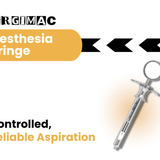
Find out which dental anesthesia syringe is right for your practice. Learn about the four main types, key features, and tips for safe, comfortable injections.
Your hands are your most valuable asset in the clinic. But repetitive procedures can lead to serious hand fatigue, and the tool you use most—the dental anesthesia syringe—is often the main culprit. An instrument with poor ergonomics causes unnecessary strain, while a well-designed one gives you better control and reduces fatigue. This article breaks down the features that matter most, from lightweight, balanced designs like our Air Series instruments to ergonomic grips that provide stability. We’ll show you how choosing the right syringe can improve your workflow and protect your hands for years to come.
Key Takeaways
- Aspiration is a non-negotiable safety step: Always use an aspirating syringe to perform this critical check before injection. This simple action is the most effective way to prevent intravascular complications and ensure patient safety.
- Ergonomics directly impact your control and comfort: Choose a syringe that fits your hand and workflow to reduce fatigue and improve precision. A well-balanced instrument, like those in the Air Series, allows for steadier, more controlled injections throughout the day.
- Proper maintenance and sourcing protect your investment: A consistent protocol for cleaning, sterilization, and storage is essential for instrument longevity and safety. Partnering with a reliable supplier ensures you always have access to high-quality, dependable tools for your practice.

What is a Dental Anesthesia Syringe?
A dental anesthesia syringe is a fundamental instrument in any clinical practice, designed specifically to deliver local anesthetics into a patient's oral tissues. Its primary role is to numb a targeted area of the mouth, effectively preventing pain during procedures ranging from routine fillings to complex extractions. By enabling precise and controlled administration of anesthetic agents, these syringes are indispensable for ensuring patient comfort and allowing you to perform treatments with focus and accuracy.
Think of the syringe as the critical link between the anesthetic solution and the patient. A well-designed syringe provides tactile feedback, allows for safe aspiration, and ensures the anesthetic is delivered exactly where it's needed. This level of control is vital for achieving profound anesthesia while minimizing patient discomfort and potential complications. Whether you're using a standard reusable syringe or a single-use safety model, having reliable anesthetic products and delivery systems is non-negotiable for maintaining high standards of care and procedural efficiency in your practice.
Anatomy of a Dental Syringe
Every dental syringe is an assembly of precise parts working together to ensure safe and effective anesthetic delivery. Understanding these components helps you appreciate the mechanics behind a smooth injection. The main parts include the barrel, which holds the anesthetic cartridge, and the thumb ring, which gives you control over the instrument. Inside, the piston rod features a harpoon, a sharp tip that engages the rubber stopper of the cartridge. When you apply pressure to the thumb ring, the piston rod advances, pushing the anesthetic through the attached needle. Each component is crucial for the syringe's function, from loading the cartridge to administering the dose.
Why Metal Construction is Standard
The use of metal, specifically surgical-grade stainless steel, in dental syringes is a deliberate choice rooted in durability, precision, and safety. Unlike plastic, metal provides the rigidity necessary for superior tactile feedback, allowing you to feel subtle changes in tissue resistance for more accurate needle placement. This sturdiness also ensures the instrument can withstand the repeated high-pressure, high-temperature cycles of autoclaving, a critical step for maintaining proper sterilization and preventing cross-contamination. A well-crafted metal syringe is also designed for optimal ergonomics; its balanced weight and thoughtful construction reduce hand fatigue during long procedures. For example, instruments in our Air Series are engineered to provide this exact combination of lightweight comfort and unwavering control, making them a reliable choice for daily clinical practice.
How Does a Dental Syringe Deliver Anesthesia?
The process of delivering local anesthesia is a delicate and skilled procedure. After loading the syringe with an anesthetic cartridge and attaching a sterile needle, you carefully position the needle tip at the target site in the patient's soft tissue, near the nerve you intend to block. The next step is aspiration—gently pulling back on the thumb ring to ensure the needle is not in a blood vessel. Once you've confirmed a safe position, you slowly depress the piston rod to administer the solution. This controlled, gradual injection minimizes discomfort and allows the anesthetic to diffuse properly, ensuring the area is fully numb before you begin any treatment.
Common Local Anesthetics Used in Dentistry
In any dental practice, the choice of local anesthetic is fundamental to patient comfort and procedural success. Two of the most reliable agents you'll find in any clinic's inventory are Lidocaine and Articaine. Lidocaine is a true workhorse, known for its rapid onset and providing effective numbing for about one to two hours, making it a go-to for a wide range of procedures. Articaine, on the other hand, offers a longer duration of action, typically lasting two to three hours. Its unique chemical structure allows for excellent diffusion through bone and soft tissue, which is a significant advantage for achieving profound anesthesia. As noted by the Mayo Clinic, both are frequently combined with epinephrine to extend their effects and help control bleeding at the surgical site. Having a reliable supply of these essential anesthetic products is key to managing your workflow and ensuring optimal patient outcomes.
A Guide to Dental Anesthesia Syringe Types
Choosing the right dental syringe is a critical decision that directly impacts patient safety, procedural efficiency, and clinician comfort. While all syringes are designed to deliver local anesthetic, they are not created equal. The market offers a variety of designs, each tailored to specific clinical needs and practice workflows. Understanding the differences between these types is the first step toward refining your technique and improving patient outcomes.
The primary categories of dental syringes include aspirating and non-aspirating, disposable and reusable, and safety-engineered models. More recently, computer-controlled systems have introduced a new level of precision to anesthetic delivery. Each type presents distinct advantages, from the enhanced safety of an aspirating syringe that prevents intravascular injection to the convenience of a single-use disposable model. Your choice will ultimately depend on the procedure, your patient’s needs, and your personal preference for control and ergonomics. For example, a complex surgical extraction may call for a different syringe than a simple restorative procedure. As you explore these options, consider how each design aligns with your practice’s commitment to providing safe and effective anesthetic products and care. Making an informed choice ensures you have the right tool for every situation, supporting predictable results and a positive patient experience.
Aspirating vs. Non-Aspirating: What's the Difference?
The key distinction between aspirating and non-aspirating syringes lies in a crucial safety feature. An aspirating syringe is designed with a harpoon or a self-aspirating mechanism that allows you to gently pull back the plunger after needle placement. This action creates negative pressure to check for blood entry into the anesthetic cartridge, confirming that the needle tip is not inside a blood vessel. This simple step is the standard of care for preventing toxic reactions from intravascular injections.
Non-aspirating syringes lack this mechanism, making it impossible to verify needle placement before administering the anesthetic. While they may be used in specific, low-risk situations, aspirating syringes are overwhelmingly preferred in modern dentistry for their superior safety profile during routine procedures.
Understanding Suction and False Positives
When you perform an aspiration, the negative pressure created by the syringe is what draws fluid back into the cartridge. However, the intensity of this suction can sometimes lead to a "false positive." This happens when the strong pull from a harpoon-style aspirating syringe ruptures tiny capillaries in the injection area, drawing a small amount of blood into the cartridge even if the needle isn't inside a larger vessel. To properly interpret what you see, observe the blood's appearance. A flash of bright red, fast-flowing blood is a clear indicator that you've entered an artery, requiring immediate repositioning. In contrast, a slower ooze of darker red blood typically signifies venous placement. Understanding this distinction is key to making an accurate assessment and ensuring a safe, effective injection every time.
Disposable vs. Reusable: Choosing Your Workflow
Your practice’s workflow and infection control protocols will heavily influence whether you choose disposable or reusable syringes. Reusable syringes, typically made from durable stainless steel, are a cost-effective and environmentally conscious choice. They are designed to be cleaned and sterilized between uses, making them a reliable staple in many practices.
On the other hand, disposable syringes offer unmatched convenience and eliminate the risk of cross-contamination. They arrive pre-sterilized and are discarded after a single use, streamlining your workflow and simplifying your infection control process. While the per-unit cost is higher, the time saved on sterilization and the guaranteed sterility can make them an efficient and safe option for any busy dental office.
How Safety Syringes Prevent Needlesticks
Needlestick injuries are a significant occupational hazard in dentistry. Safety syringes are engineered specifically to mitigate this risk. These devices incorporate features like protective sheaths that lock over the needle after use or a mechanism that automatically retracts the needle into the barrel. By creating a physical barrier between the clinician and the contaminated needle, these syringes provide an essential layer of protection.
Using safety syringes not only protects your team but also helps your practice comply with OSHA guidelines for sharps safety. Integrating these tools is a proactive step toward creating a safer clinical environment. For comprehensive protection, always pair safety syringes with high-quality personal protective equipment, such as the gloves and lab coats available in the MacSafe collection.
The Future of Anesthesia: Computer-Controlled Systems
The next evolution in anesthetic delivery is here with Computer-Controlled Local Anesthetic Delivery (C-CLAD) systems. These advanced devices manage the flow rate and pressure of the anesthetic with unparalleled precision, making the injection process more comfortable and predictable for the patient. By delivering the solution at a slow, consistent rate below the patient’s pain threshold, C-CLAD systems can significantly reduce the anxiety and discomfort often associated with dental injections.
As technology continues to advance, the market for electronic dental anesthesia syringes is projected to grow. These systems represent a significant investment in patient experience and clinical excellence, positioning a practice at the forefront of modern dental care and advanced dental equipment and supplies.
What to Look for When Choosing a Dental Syringe
Choosing the right dental syringe goes beyond simple preference; it directly impacts your clinical workflow, patient safety, and personal comfort. While many syringes perform the same basic function, certain design features distinguish a standard tool from an exceptional one. When evaluating your options, focus on the key characteristics that ensure reliability, precision, and ease of use. A well-designed syringe not only delivers anesthetic effectively but also reduces hand fatigue and minimizes risks, allowing you to perform procedures with greater confidence and control. From the aspiration mechanism to the ergonomic feel, every detail matters in selecting a tool that will become a dependable part of your daily practice.
Why is Reliable Aspiration So Important?
Aspiration is a non-negotiable safety step in local anesthesia. The primary purpose of an aspirating syringe is to allow you to verify that the needle tip is not within a blood vessel before injecting the anesthetic solution. A reliable syringe will have a sharp, well-designed harpoon that securely engages the silicone stopper of the anesthetic cartridge. This secure engagement is crucial for performing an effective aspiration test with gentle negative pressure. A positive aspiration—where blood enters the cartridge—signals the need to reposition the needle, preventing an intravascular injection and potential systemic complications. Ensuring your syringe provides consistent and clear aspiration feedback is fundamental to patient safety.
Finding an Ergonomic Design for Better Control
Anesthesia administration is a repetitive task, and a poorly designed syringe can lead to significant hand and wrist fatigue over time. Look for ergonomic features like comfortable thumb rings and well-placed finger rests that provide a secure, non-slip grip. The overall weight and balance of the syringe are also critical. A lightweight, well-balanced instrument allows for greater tactile sensitivity and control during injections. This design philosophy is central to our Air Series and Slim Series instruments, which are crafted to reduce strain and improve maneuverability, allowing you to work comfortably and efficiently throughout the day.
Materials Beyond Stainless Steel
While stainless steel is the gold standard for reusable dental instruments due to its durability and ability to withstand repeated sterilization, the quality of the material itself can vary. High-grade stainless steel offers superior corrosion resistance and maintains its integrity over countless cycles, ensuring your syringe remains reliable for years. This commitment to premium materials is why our Pro Series instruments are crafted from top-tier stainless steel, providing the balance and longevity you expect. For disposable options, medical-grade plastics are used to guarantee sterility and prevent cross-contamination, offering a convenient and safe alternative for specific clinical situations or workflows that prioritize single-use tools.
Syringes Sized for Your Hand
The concept of "one size fits all" simply doesn't apply to instruments you use all day, every day. The size and shape of a syringe should complement your hand, not work against it. A syringe that is too large or bulky for your grip can compromise your control and lead to unnecessary muscle strain in your fingers and wrist. When selecting a syringe, consider models with different grip diameters and thumb ring sizes. For clinicians who prefer a more compact and nimble feel, instruments like those in our Slim Series are designed specifically for enhanced comfort and precision, proving that the right fit can make a significant difference in your daily practice.
Ensuring Needle and Cartridge Compatibility
Standardization is key for efficiency in any dental practice. The syringe you choose must be compatible with standard pre-filled 1.8 mL dental anesthetic cartridges and disposable dental needles. While most manufacturers adhere to universal design standards, it’s always wise to confirm a secure fit. The syringe should hold the cartridge firmly with no wobble, and the needle should thread on smoothly and securely to prevent leakage at the hub. Having a reliable system ensures that you can use your preferred brands of anesthetic products and needles without any compatibility issues, streamlining your inventory and procedural setup.
Compatibility with 1.7 ml and 1.8 ml Cartridges
When selecting an aspirating syringe, it's essential to confirm its compatibility with the anesthetic cartridges you use daily. The good news is that most dental syringes are manufactured to accommodate both 1.7 ml and 1.8 ml cartridges, the two most common sizes in U.S. practices. This versatility is a standard feature in many popular models, from the Waldent Precision Aspirating Syringe to ergonomic designs offered by Patterson Dental. This standardization simplifies your inventory and ensures a seamless workflow, regardless of which brand of anesthetic you prefer. By choosing a syringe that reliably fits these standard cartridges, you guarantee consistent and safe anesthetic delivery, which is fundamental to predictable patient outcomes and procedural efficiency.
How an Efficient Loading System Saves Time
The process of loading and unloading an anesthetic cartridge should be quick, simple, and intuitive. Most reusable dental syringes are breech-loading, meaning the cartridge is inserted from the side. A high-quality syringe will have a smooth retraction mechanism that allows you to insert the cartridge with minimal effort and ensures the harpoon engages the stopper correctly on the first try. An efficient loading system saves valuable chairside time and reduces the frustration of fumbling with components during a procedure. This seamless operation contributes to a more professional and stress-free experience for both you and your patient.
Properly Engaging the Harpoon
The harpoon is the small, sharp tip on the end of the piston rod, and its job is simple but critical: to securely embed into the silicone stopper of the anesthetic cartridge. This connection is what allows you to perform a reliable aspiration test. When you pull back on the thumb ring, a properly engaged harpoon creates the necessary negative pressure to check for blood. If the harpoon isn't firmly seated, it can slip or dislodge the stopper, leading to a failed or false aspiration. A sharp, well-designed harpoon on a quality aspirating syringe ensures this engagement is consistent, providing the clear feedback you need to prevent intravascular injections and protect your patient.
Achieving Precision for Accurate Dosing
Delivering local anesthetic is a delicate procedure that demands absolute precision. A superior syringe provides excellent tactile feedback, allowing you to administer the solution at a slow, controlled rate that maximizes patient comfort and effectiveness. The construction of the syringe, from the plunger to the barrel, should facilitate a smooth, steady flow without sticking or jerking. This level of control is essential for achieving profound anesthesia while using the minimum necessary volume of solution. Precise dosing not only enhances patient safety but is also the hallmark of a skilled and careful clinician.
Durability and Design Features
A dental syringe is more than just a delivery device; it's a long-term investment in your practice. Its durability directly affects both cost-effectiveness and clinical reliability. Reusable syringes, typically made from durable stainless steel, are the workhorses of modern dentistry because they are designed to withstand the rigors of daily use, including repeated cleaning and sterilization cycles. The quality of construction is paramount. As an assembly of precise parts working together, a well-made syringe ensures that every component, from the thumb ring to the piston, functions flawlessly over time. This reliability is essential for delivering safe and effective anesthetic, ensuring you can perform your work with confidence in your tools.
Single-Piece Construction
One of the most significant design elements contributing to a syringe's longevity and performance is single-piece construction. Instruments milled from a solid piece of stainless steel, or with minimal joined parts, inherently have fewer weak points. This design minimizes the risk of components loosening, bending, or breaking under the stress of daily use. Furthermore, a seamless construction simplifies your sterilization protocol by eliminating the tiny crevices where bacteria and debris can accumulate, supporting superior infection control. This robust build ensures the instrument maintains its integrity and balance for years, providing a consistent and dependable feel every time you pick it up.
Beyond durability, single-piece construction enhances the tactile feedback essential for a controlled injection. A solid instrument transmits subtle pressure changes from the needle tip directly to your fingertips, allowing you to administer the solution at a slow, steady rate that maximizes patient comfort. This improved sensitivity helps you navigate tissue with greater precision and confidence. The solid feel also contributes to a more efficient workflow, as the instrument feels balanced and secure in your hand, making the process of loading and unloading cartridges feel intuitive and seamless. This commitment to superior design is reflected across our high-performance dental instruments.
Top Brands for Dental Anesthesia Syringes
Selecting the right dental syringe is about more than just function—it’s about finding a brand you can trust for consistent performance, patient safety, and clinical efficiency. The market is filled with excellent options, but a few names consistently stand out for their quality, innovation, and reliability. Whether you prioritize ergonomic design, cutting-edge technology, or proven durability, these leading brands offer solutions that meet the demands of modern dental practices. Understanding what each brand brings to the table will help you equip your practice with tools that support your best work.
SurgiMac: Your Source for Quality Anesthetic Supplies
SurgiMac is committed to providing high-quality, reliable, and affordable anesthetic products and supplies that clinicians can depend on. As the demand for effective anesthetic delivery systems grows, having a trusted source for these essential tools is critical. The global market for dental syringes is projected to expand significantly, reflecting a clear need for dependable equipment. According to market research, "The global market for Dental Syringes estimated at US$155.8 Million in the year 2024, is expected to reach US$223.3 Million by 2030." This growth underscores the importance of choosing suppliers who prioritize quality and performance to meet rising clinical standards.
Hu-Friedy: A Legacy of Precision
For decades, Hu-Friedy has built a reputation for manufacturing dental instruments with exceptional precision and craftsmanship. Their aspirating syringes are a staple in many practices, known for their balance, durability, and reliable performance. This legacy of quality has made them a top choice among dental professionals and a featured brand among major distributors. As noted by Henry Schein Dental, a leading supplier, they offer "the highest quality aspirating syringes from leading manufacturers such as Hu-Friedy, Septodont, Integra Miltex, and more." This endorsement highlights Hu-Friedy's established position as a leader in creating instruments that deliver consistent and predictable results.
Septodont: Innovating Injection Systems
Septodont is widely recognized for its innovative contributions to dental anesthesia, from local anesthetic formulations to advanced delivery systems. The company has been a key player in the development of modern dental syringes, including reusable models that offer both economic and environmental benefits. This forward-thinking approach aligns with current trends in the dental industry. As one market analysis points out, "Dental professionals increasingly opt for reusable dental syringes to administer anesthesia because they are more affordable and can be reused." Septodont continues to meet this demand with injection systems designed for safety, efficiency, and sustainability in the clinical setting.
Integra Miltex: Performance You Can Trust
Integra Miltex is another brand synonymous with high-performance dental instruments, including a range of reliable and durable syringes. Professionals trust Integra Miltex for tools that withstand the rigors of daily use while providing the precision needed for successful anesthesia. The brand's strong standing in the market is reflected in the industry's overall growth and the trust clinicians place in established manufacturers. Projections from Mordor Intelligence show that "the Dental Syringes Market is expected to reach USD 160.61 million in 2025 and grow at a CAGR of 5.55% to reach USD 210.43 million by 2030," signaling a continued reliance on trusted brands like Integra Miltex to equip modern practices.
Comparing Syringe Prices: What to Expect
Navigating the costs of dental supplies is a crucial part of managing a successful practice. Dental anesthesia syringes come in a wide range of prices, influenced by their design, materials, and features. Understanding this landscape helps you make informed decisions that balance your clinical needs with your budget, ensuring you have the right tools for every procedure without overspending. From basic, reliable models to advanced safety syringes, there’s a solution for every practice. Let’s break down what you can expect to find at different price points.
Professional, Budget-Friendly Options
Finding high-quality, affordable tools is essential for any practice. When it comes to budget-friendly options, you don't have to sacrifice performance. For the anesthetic itself, "a single 1.8 mL cartridge typically costs between $1.50 and $4.00 USD at wholesale levels," making it an accessible component of your daily operations. Syringes in this category are often standard, reusable aspirating models made from durable stainless steel. They are designed to be reliable workhorses for routine procedures. Sourcing dependable and affordable anesthetic products allows you to manage inventory costs effectively while still providing excellent patient care. These options are perfect for high-volume clinics or practices looking to optimize their supply budget.
Mid-Range Syringes for Everyday Practice
For most daily procedures, a mid-range syringe offers the perfect blend of functionality, durability, and price. You can find quality dental anesthesia syringes and needles "ranging from $25 to $45," a price point that accommodates the needs of most general practices. These syringes often feature improved ergonomics and balance compared to the most basic models, helping reduce hand fatigue during a busy day. Instruments in this category, like those in our Pro Series, are built from high-grade materials to withstand repeated sterilization cycles while maintaining their precision. Investing in this range ensures you have reliable, comfortable, and effective tools for the majority of your anesthetic delivery needs.
A Real-World Price Example
When you invest in premium instruments, you're paying for advanced features that enhance comfort and precision. For instance, the PDT Aspirating Anesthetic Syringe is priced at $68.30. This higher cost reflects its specialized ergonomic design, featuring a comfortable thumb ring and finger rest engineered to reduce hand fatigue and improve control during injections. This principle of investing in superior design for better clinical outcomes is something we value deeply. It’s why our own specialized instrument lines, like the Titanium Black Series, incorporate advanced features such as glare-reducing coatings and enhanced tactile sensitivity. For many clinicians, the added cost is a worthwhile investment in their long-term comfort and procedural accuracy.
Investing in Premium and Safety Syringes
When your focus is on advanced features, enhanced ergonomics, or superior patient safety, investing in premium syringes is a wise choice. As you might expect, "the price of dental syringes varies widely based on several interrelated factors," including specialized materials and innovative safety mechanisms. Premium models may feature unique designs that improve visibility, like the glare-reducing finish on our Titanium Black Series, or ultralight construction for maximum comfort, like our Air Series instruments. Safety syringes with protective sheaths or self-capping needles also fall into this category, providing an essential layer of protection against needlestick injuries. While the initial cost is higher, the long-term benefits of improved safety and clinician comfort often justify the investment.
What Factors Influence Syringe Cost?
Understanding the variables that affect syringe pricing can help you make the best purchasing decisions for your practice. Beyond the initial sticker price, several "key factors influence the cost of dental anesthesia syringes," including overall cost-effectiveness, price per unit, available bulk discounts, and the long-term value of the instrument. A durable, well-made syringe may cost more upfront but will outlast cheaper alternatives, saving you money over time. When sourcing your dental supplies, consider partnering with a supplier that offers volume pricing and a wide selection. This allows you to choose the right instrument for every procedure while managing your budget strategically.
Solving Common Anesthesia Delivery Challenges
Delivering local anesthesia is a foundational part of daily practice, but it isn't without its challenges. From managing patient anxiety to ensuring your own physical comfort during long procedures, the right equipment can make all the difference. A well-designed dental syringe is more than just a tool for delivery; it’s an extension of your clinical skill, helping you provide care that is safe, effective, and as comfortable as possible for everyone involved.
Addressing these common hurdles head-on starts with understanding the role your syringe plays in each scenario. Whether it's achieving a perfect aspiration, delivering a precise dose, or simply getting through a busy day without hand strain, the features of your chosen syringe directly impact your workflow and patient outcomes. Let's look at some of the most frequent challenges and how the right instrument helps you solve them, ensuring every injection is smooth, controlled, and confident.
Tips for Ensuring Patient Comfort
For many patients, the sight of a needle is a primary source of dental anxiety. As research confirms, this fear can discourage people from seeking necessary care. While your technique is paramount, your tools play a crucial supporting role. Modern anesthetic products and syringes are designed with patient comfort in mind, often utilizing ultra-fine needles to make the initial injection less painful. A syringe that feels balanced and steady in your hand allows you to perform injections with minimal movement and maximum control, which translates to a more comfortable experience for the patient. Your confidence in your equipment helps create a calmer environment, easing patient fears from the moment they sit in your chair.
The Importance of a Slow Injection Rate
One of the most effective techniques for minimizing injection discomfort is administering the anesthetic at a slow, controlled rate. This gradual delivery allows the solution to diffuse gently into the soft tissues, preventing the rapid pressure buildup that causes a stinging sensation. While this is a matter of clinical skill, your syringe is your most important partner in the process. A high-quality instrument with a smooth plunger action provides the tactile feedback needed to maintain a steady, unhurried flow. This is why ergonomic design is so important; a well-balanced syringe gives you the control to deliver anesthetic solutions precisely, ensuring a more comfortable experience and profound numbness for your patient.
How to Ensure Accurate Dosage and Safe Aspiration
Precision is non-negotiable in anesthesia. The goal is to deliver the exact amount of anesthetic needed for effective pain control without administering an excessive dose. High-quality dental syringes are engineered for this purpose, with plungers that allow for meticulous control over the flow of medication. Equally important is the ability to aspirate reliably to prevent intravascular injection. A well-crafted aspirating syringe provides clear feedback, allowing you to perform this critical safety check with confidence before every injection. This ensures the anesthetic is delivered safely and effectively to the target area, safeguarding patient health and ensuring the success of the procedure.
Mastering the Aspiration Technique
Mastering the aspiration technique is a fundamental skill that hinges on both proper procedure and reliable equipment. After positioning the needle at the target site, stabilize your grip and apply gentle negative pressure by pulling back slightly on the thumb ring. A high-quality aspirating syringe is designed with a sharp harpoon that securely engages the cartridge's silicone stopper, allowing this test to be performed smoothly. This secure connection is what enables you to create the necessary vacuum to check for blood. The entire action takes only a second but is a non-negotiable step for confirming you are not in a blood vessel before you begin the injection.
Interpreting Aspiration Results
The feedback from your aspiration test will be either negative or positive, and knowing how to respond is critical. A negative aspiration, where no blood is visible in the cartridge, confirms it is safe to proceed with the injection. However, a positive aspiration—indicated by a flash of blood entering the cartridge—is a clear signal that the needle tip is inside a blood vessel. In this case, you must not inject. Instead, withdraw the needle slightly, reposition it, and perform the aspiration test again. A syringe that provides clear and consistent feedback is essential for accurately interpreting these results and preventing an intravascular injection and its potential systemic complications.
Reducing Hand Fatigue with Ergonomic Tools
Repetitive motions and sustained grips can lead to significant hand fatigue over the course of a day, week, and career. An ergonomic syringe is essential for your own longevity and well-being in the practice. Look for instruments that are lightweight and well-balanced, with features like comfortable thumb rings and finger rests. SurgiMac’s Air Series instruments, for example, are crafted to feel like a natural extension of your hand, reducing the strain required to maintain control. Similarly, the Slim Series offers a compact, ergonomic design that promotes efficiency and comfort, allowing you to focus on the procedure, not on hand discomfort.
Preventing Needlestick Injuries in Your Practice
Needlestick injuries are a serious occupational hazard in any clinical setting. Implementing a comprehensive infection control protocol is key, and your choice of syringe is a major part of that strategy. Many modern syringes are available with safety features, such as protective shields or needles that retract after use, to minimize the risk of accidental pokes during cleanup and disposal. Pairing these safer devices with proper handling techniques and personal protective equipment, like the durable nitrile and latex gloves found in the MacSafe collection, creates multiple layers of protection for you and your team, fostering a safer practice environment for everyone.
Understanding the Risks of Intravascular Injection
When you administer local anesthetic, your target is the nerve tissue, not the bloodstream. An intravascular injection occurs when the needle tip accidentally enters a blood vessel, delivering the solution directly into the patient's circulatory system. This can lead to a range of systemic complications, from facial blanching and temporary vision problems to more severe toxic reactions. The most effective way to prevent this is through aspiration, a non-negotiable safety step that is the standard of care in modern dentistry. A reliable aspirating syringe is designed for this check, using a harpoon to engage the cartridge's stopper. This allows you to create negative pressure and check for blood. A positive aspiration—where blood enters the cartridge—is a clear signal to reposition the needle before injecting any of your anesthetic products. Mastering this simple action is fundamental to patient safety.
How to Maintain and Sterilize Your Syringes
Proper maintenance of your dental anesthesia syringes is fundamental to patient safety and the longevity of your instruments. A well-cared-for syringe delivers anesthetic smoothly and reliably, while a poorly maintained one can lead to operational failures and compromise infection control standards. Establishing a consistent, repeatable process for cleaning, sterilizing, and storing your syringes protects your patients, your team, and your practice. It ensures every instrument is in optimal condition for each procedure, from routine cleanings to complex surgeries.
Think of this process as an extension of the clinical care you provide. Just as you rely on precise techniques during treatment, your instrument reprocessing requires the same level of attention to detail. Following these protocols not only meets regulatory requirements but also reinforces a culture of safety and excellence within your practice. By integrating these steps into your daily workflow, you ensure your anesthetic products and delivery systems perform exactly as they should, every single time.
Your Step-by-Step Cleaning Protocol
Effective sterilization starts with meticulous cleaning. Immediately after each use, the syringe should be disassembled and cleaned to remove any bioburden before it dries. Begin by placing the components in warm, soapy water or an appropriate enzymatic cleaner. For the barrel, draw the cleaning solution in and out several times to flush the interior thoroughly. Use soft brushes to gently scrub all surfaces, paying close attention to threads and joints where debris can accumulate. This initial step is critical because sterilization cannot be effective if visible contaminants are still present. A proper cleaning protocol is the foundation of your entire infection control strategy and prevents cross-contamination between patients.
What Are the Requirements for Sterilization?
Once your syringes are clean and dry, they are ready for sterilization. Reusable metal syringes must be heat-sterilized, typically using an autoclave, to eliminate all microbial life. It’s essential to follow the manufacturer’s instructions for your specific autoclave model and the guidelines set by the CDC for dental instrument reprocessing. Place the disassembled syringe components into sterilization pouches to maintain sterility after the cycle is complete. Using appropriate sterilization supplies, like chemical indicator strips, helps verify that the proper conditions for sterilization were met, providing peace of mind and a verifiable record of compliance for your practice. This ensures every instrument is safe for patient use.
Best Practices for Storage and Handling
Proper storage is the final step in protecting your instruments and maintaining their sterility. After sterilization, syringes should be kept in their sealed pouches and stored in a clean, dry, and designated area away from potential contaminants. When preparing for a procedure, handle sterile instruments only after performing hand hygiene and while wearing appropriate personal protective equipment. Using high-quality, reliable gloves, like MacSafe disposable gloves, is crucial for maintaining an aseptic environment. Before loading a cartridge, take a moment to inspect the syringe for any signs of wear, damage, or corrosion. Regular checks ensure the instrument functions correctly and upholds the high standard of care your patients deserve.
Inspecting for Wear and Tear
Regular inspection of your reusable syringes is a non-negotiable part of your maintenance routine. Over time and with repeated sterilization cycles, even the most durable instruments can show signs of wear. Before each use, take a moment to visually inspect the entire syringe. Look for any signs of corrosion, cracks, or bending, particularly around the barrel and thumb ring. Operate the plunger to ensure it moves smoothly and without resistance. A sticky or jerky plunger can compromise your ability to deliver anesthetic at a slow, controlled rate. Catching these issues early prevents instrument failure during a procedure and ensures you are always working with tools that meet the highest standards of safety and performance, like the reliable instruments in our Pro Series.
When to Sharpen or Replace the Harpoon
The harpoon is the single most critical component for a successful aspiration. If this small, sharp tip becomes dull or bent, it may fail to securely engage the rubber stopper of the anesthetic cartridge. This can cause the harpoon to slip during the aspiration test, potentially leading to a false negative result and an unsafe injection. If you notice the harpoon is having trouble sticking, it may be possible to clean or carefully sharpen it. However, given the critical safety function it performs, the best and safest course of action is often to replace the syringe entirely. This eliminates any uncertainty and guarantees that your aspiration check is reliable every single time.
Beyond Anesthesia: Other Clinical and At-Home Uses
While the dental syringe is synonymous with delivering local anesthesia, its utility extends beyond this primary function. This simple and effective tool has several other important applications, both within the clinical setting and as a take-home instrument for patient care. Its ability to deliver a controlled stream of liquid makes it invaluable for irrigation, a key step in post-operative healing and site-specific cleaning. By understanding these additional uses, you can leverage the full potential of this versatile instrument to improve patient outcomes and support their recovery process long after they’ve left your chair.
Post-Extraction Irrigation for Patients
One of the most common and effective at-home uses for a syringe is for post-extraction irrigation. After a tooth is removed, keeping the surgical site clean is crucial for preventing infection and complications like dry socket. Many clinicians provide patients with a simple, needle-less syringe to gently flush the extraction site with warm salt water starting a day or two after the procedure. This gentle stream helps to dislodge food particles that can become trapped in the socket, promoting a clean environment for healing. Providing patients with these simple tools empowers them to take an active role in their recovery and demonstrates your practice's commitment to comprehensive care, supported by a full range of dental disposables for every procedural need.
Where to Source Your Dental Anesthesia Syringes
Finding a reliable source for your dental anesthesia syringes is just as important as selecting the right type. Your supplier impacts product quality, inventory consistency, and your practice's bottom line. A great supply partner ensures you have the tools you need for effective pain management, exactly when you need them. The right sourcing strategy streamlines your procurement process, giving you more time to focus on patient care.
Why You Should Partner with Authorized Suppliers
Working with authorized dental suppliers is the best way to guarantee you receive authentic, high-quality products that meet clinical standards. Reputable distributors provide access to a wide range of tools, including the specialized dental aspirating syringes essential for administering local anesthetics safely. As a trusted national provider, SurgiMac offers a comprehensive catalog of anesthetic products and supplies designed for performance and reliability. Partnering with an established supplier ensures every syringe and needle in your practice is dependable, compliant, and ready for any procedure.
The Benefits of Ordering Online and in Bulk
Modern dental practices run on efficiency, and online ordering has transformed how clinicians manage their inventory. Platforms allow dental professionals to easily browse and purchase anesthetic needles and syringes, simplifying the reordering process. The ability to order in bulk is a major advantage, as it ensures your clinic maintains a consistent stock of essential supplies, preventing delays in patient treatment. At SurgiMac, our streamlined online store makes it simple to procure everything from syringes to other critical dental disposables, helping you keep your practice running smoothly.
How to Get Professional Discounts and Volume Pricing
Managing overhead is a key part of running a successful practice, and your supply costs are a significant factor. Many suppliers offer programs to help you save, such as professional memberships that provide sitewide discounts or special pricing for bulk purchases. Taking advantage of volume pricing not only lowers the cost per unit but also reduces the frequency of ordering, saving you both time and money. By sourcing directly from a provider like SurgiMac, you can access competitive pricing on high-quality instruments and supplies without compromising on performance. Building a strong relationship with your supplier often leads to better long-term value for your practice.
Frequently Asked Questions
Related Articles
Tags
Blog posts
-
, by SurgiMac A Clinician's Guide to Absorbable Suture Material
-
, by SurgiMac A Clinician's Guide to Dental Composite Resin Kits
-
, by SurgiMac How to Disinfect with Metrex CaviWipes Correctly
