



How to Apply Fluoride Varnish: A Clinical Guide
- , by SurgiMac
- 28 min reading time
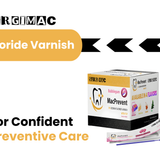
Learn how often to apply fluoride varnish with ADA guidelines, plus tips for risk-based schedules and best practices for effective preventive dental care.
Every patient in your chair has a unique story, and so does their risk for dental caries. This is why a one-size-fits-all prevention strategy falls short. The critical decision comes down to how often to apply fluoride varnish. Is a standard six-month interval enough, or do clinical signs point to a more intensive three-month schedule? Mastering this risk-based approach is key. We'll cover the specific factors that justify more frequent applications, helping you tailor your recommendations with confidence. This ensures your preventive care is both highly effective and reinforces your patients' trust in your expertise.
Key Takeaways
- Base Application Frequency on Individual Risk: Use a thorough caries risk assessment to create a personalized schedule. While guidelines suggest a 3- to 6-month interval for high-risk patients, your clinical evaluation of their diet, medical history, and oral health should determine the final treatment plan.
- Position Varnish Within a Complete Preventive Plan: Treat fluoride varnish as a key component of a larger strategy, not a standalone solution. Combine its application with other interventions like dental sealants, nutritional counseling, and professional cleanings for a more effective, multi-faceted defense against caries.
- Ensure Treatment Success with Clear Patient Guidance: The varnish's effectiveness depends on patient compliance. Provide simple, direct post-treatment instructions and use the appointment to reinforce proper at-home oral hygiene, turning patients into active participants in their own preventive care.
 What is Fluoride Varnish and Why Does It Matter?
As a dental professional, you know that preventive care is the cornerstone of lifelong oral health. Fluoride varnish is one of the most effective tools in your arsenal for caries prevention. It’s a highly concentrated topical fluoride treatment that you paint directly onto a patient's teeth, where it delivers powerful, long-lasting protection. Unlike foams or gels, its sticky consistency allows it to adhere to the tooth surface for several hours, continuously releasing fluoride to strengthen enamel.
This simple, in-office procedure is essential for stopping new cavities from forming and even halting the progression of existing tooth decay. By incorporating fluoride varnish into your standard of care, you provide patients with a significant defense against the demineralization process. It’s a fast, safe, and evidence-based intervention that protects teeth for months, making it a vital component of any modern preventive care plan. Understanding its mechanism and benefits helps you communicate its value to patients and establish a treatment schedule that truly supports their oral health goals.
How Does Fluoride Varnish Protect Teeth?
The science behind fluoride varnish is straightforward yet powerful. When applied, the varnish delivers a high concentration of fluoride ions directly to the tooth enamel. This process facilitates remineralization, helping the enamel regain lost minerals like calcium and phosphate that are stripped away by acids from plaque and sugars. Essentially, it helps rebuild weakened tooth structure.
More importantly, the fluoride integrates into the enamel’s crystalline structure, forming fluorapatite, which is significantly more resistant to acid attacks than the natural hydroxyapatite. This makes the teeth less susceptible to future decay. The varnish’s adhesive nature ensures this process continues for hours after application, maximizing fluoride uptake. Proper application with quality dental disposables ensures even coverage and optimal results.
What Are the Clinical Benefits for Your Patients?
The clinical evidence supporting fluoride varnish is overwhelming. Numerous studies have demonstrated its effectiveness in preventing caries in both primary and permanent teeth, with some reviews showing a reduction in cavities by as much as 43% compared to no treatment. For your patients, this means fewer fillings, less invasive procedures, and better long-term oral health.
Regular applications create stronger, more resilient teeth that are less vulnerable to decay. This is especially critical for high-risk patients, including children with poor dietary habits, individuals with dry mouth, or those with orthodontic appliances. By making fluoride varnish a routine part of their care, you’re not just treating teeth—you’re investing in their overall health and well-being, one application at a time.
Other Uses for Fluoride Varnish
Treating Tooth Sensitivity
Beyond its primary role in caries prevention, fluoride varnish is an excellent tool for managing dentin hypersensitivity. For patients who experience sharp discomfort from hot, cold, or sweet stimuli, this treatment can offer significant relief. Clinical trials have demonstrated that a 5% sodium fluoride varnish can effectively reduce sensitivity, particularly in cases involving exposed dentin from gum recession or enamel erosion. By occluding the dentinal tubules, the varnish acts as a protective barrier, blocking external triggers from reaching the nerve and providing immediate comfort.
The benefits of using fluoride varnish for sensitivity extend beyond a single appointment. Regular applications can provide sustained, long-lasting relief from chronic discomfort. Research suggests that applying varnish on a quarterly basis can help curb daily sensitivity symptoms, making it a practical and effective component of a long-term management plan. This consistent approach not only addresses the immediate issue but also contributes to the overall resilience of the tooth structure by promoting remineralization.
Integrating fluoride varnish into your treatment protocol for sensitive patients can substantially improve their quality of life. When patients are free from the fear of pain associated with eating, drinking, or brushing, they are more likely to maintain proper oral hygiene and dietary habits. Offering this simple, non-invasive solution enhances the patient experience and reinforces your commitment to their comprehensive oral health and comfort.
A Step-by-Step Guide to Applying Fluoride Varnish
Applying fluoride varnish is a quick and minimally invasive procedure that fits seamlessly into almost any dental appointment. The process begins with ensuring the teeth are relatively clean and free of plaque. While a full prophylaxis isn't required, you should remove any heavy debris. Next, you’ll dry the teeth with gauze or a gentle stream of air to ensure the varnish adheres properly.
Using a small applicator brush, you paint a thin layer of the varnish onto all tooth surfaces. The procedure is comfortable for the patient and takes only a minute or two. It’s crucial to maintain a safe and hygienic environment by using proper infection control protocols, including wearing MacSafe gloves. For patients at an elevated risk of caries, the American Dental Association (ADA) recommends an application at least every three to six months.
Supplies Needed for Application
To ensure the application process is efficient and hygienic, it’s best to have all your materials ready before the patient is seated. You will need a few basic but essential items for a successful treatment. Start by gathering your personal protective equipment, including a fresh pair of high-quality disposable gloves to maintain infection control standards. You will also need sterile gauze pads for drying the teeth and managing moisture. Finally, have the single-dose fluoride varnish package, which typically includes the pre-measured varnish and a small applicator brush. Having everything organized and within reach allows you to work quickly and keep the patient comfortable throughout the brief procedure.
The Application Process
With your supplies ready, the application itself is straightforward. First, prepare the tooth surfaces by using gauze to gently wipe away any significant plaque or debris; a full prophylaxis is not necessary. Next, thoroughly dry the teeth with either gauze or a gentle stream of air, as the varnish adheres best to a dry surface. Open the varnish package and dip the applicator brush, picking up a small amount of material. Paint a thin, even layer across all tooth surfaces, focusing on areas most susceptible to caries. The entire process takes only a couple of minutes, making it an easy addition to routine appointments.
Positioning for Infants and Toddlers
Treating your youngest patients requires a specific approach to ensure they feel secure and you have clear access. The "knee-to-knee" position is the most effective method for infants and toddlers. To set this up, have the parent or caregiver sit on a chair facing you, with their knees touching yours. The child sits on the parent's lap, facing them, and then gently lies back so their head rests comfortably in your lap. This position allows the parent to hold the child’s hands and provide comfort, while you have a stable and unobstructed view of the oral cavity, making the application quick and stress-free for everyone involved.
How Often Should You Apply Fluoride Varnish?
Determining the right frequency for fluoride varnish application is a cornerstone of effective preventive care. While there isn't a single, universal schedule, the decision should always be guided by evidence-based guidelines and a thorough assessment of your patient's individual needs. The American Dental Association (ADA) and the American Academy of Pediatric Dentistry (AAPD) provide clear recommendations based on age and caries risk, helping you create a treatment plan that offers the best protection.
The goal is to move beyond a one-size-fits-all approach and tailor the application interval to each patient’s unique situation. Factors like age, diet, oral hygiene habits, and medical history all play a role in determining their risk level. By following established clinical guidelines, you can confidently recommend a schedule that maximizes the preventive benefits of fluoride varnish. This proactive approach not only helps prevent decay but also reinforces your role as a trusted partner in your patients' long-term oral health. Ensuring your practice is stocked with the necessary dental disposables and protective gear from our MacSafe line helps make these routine applications smooth and efficient for both you and your patient, allowing you to focus entirely on delivering excellent care.
Application Frequency for Young Children (Under 6)
Early childhood is a critical window for establishing a foundation of oral health. For this reason, professional fluoride varnish application should begin as soon as the first tooth emerges, or by 12 months of age at the latest. According to guidelines highlighted by the Minnesota Department of Health, children should receive fluoride varnish at every clinical visit until they turn five. This protocol allows for application up to four times a year, providing consistent protection against early childhood caries during these formative years. Early and regular application is one of the most effective strategies for safeguarding primary teeth and setting the stage for a lifetime of healthy smiles.
Recommended Schedule for Children and Adolescents
As children grow, their risk factors for dental caries can change due to shifting dietary habits, increased independence in oral hygiene, and orthodontic treatments. The American Academy of Pediatric Dentistry (AAPD) recommends that children and adolescents who are at an elevated risk for cavities receive a professional fluoride varnish treatment at least every six months. This biannual application helps reinforce enamel that is vulnerable to acid attacks from sugary foods and drinks. For patients with braces or other appliances that make cleaning more difficult, consistent fluoride varnish treatments are an essential part of a comprehensive preventive strategy to keep their teeth strong and healthy.
Determining the Right Interval for Adults
The need for caries prevention doesn't end in childhood. Many adults face an increased risk of decay due to factors like gingival recession, dry mouth (xerostomia) from medications, or a history of extensive restorative work. The ADA specifically recommends that adults, particularly those with root caries, should receive a 2.26% fluoride varnish application every three to six months. This targeted approach helps protect exposed root surfaces, which are softer and more susceptible to decay than enamel. Integrating regular fluoride varnish applications into adult prophy appointments is a simple yet powerful way to address these evolving risk factors and preserve your patients' oral health.
What Do the ADA and AAPD Guidelines Recommend?
When you synthesize the recommendations from leading dental authorities, a clear principle emerges: application frequency should be directly tied to caries risk. For any patient—child, teen, or adult—who presents with a higher risk of developing cavities, guidelines support the application of fluoride varnish every three to six months. It's important to note that current ADA recommendations do not distinguish between moderate and high-risk patients, grouping them together in this treatment interval. This simplifies the decision-making process and reinforces the importance of using your clinical judgment to place patients on a 3- or 6-month recall based on their specific needs.
What Factors Determine Application Frequency?
While professional guidelines provide a solid framework, the optimal frequency for fluoride varnish application isn't one-size-fits-all. A patient's unique oral health profile, lifestyle, and medical history all play a crucial role in determining the right interval. A personalized approach begins with a thorough assessment of several key factors. By looking at the complete picture, you can move beyond a standard schedule and create a preventive strategy that truly meets each patient's needs, ensuring the best possible protection against caries. This tailored approach not only improves clinical outcomes but also reinforces patient trust in your expertise.
Start by Assessing Individual Caries Risk
The foundation of any fluoride varnish schedule is a comprehensive caries risk assessment. For children, the American Academy of Pediatric Dentistry recommends applications every three to six months for those at an elevated risk of developing caries. This assessment should consider factors like past decay, visible plaque, and enamel defects. By systematically evaluating these elements, you can categorize patients into low, moderate, or high-risk groups, which directly informs the treatment frequency. A high-risk patient will naturally require more frequent applications than a patient with minimal risk factors, making this initial assessment a critical step in their preventive care plan.
How to Evaluate a Patient's Current Oral Health
A visual and tactile examination provides immediate feedback on a patient's current oral health status. Look for tell-tale signs of early demineralization, such as white spot lesions, which indicate that more frequent intervention may be necessary. The presence of heavy plaque, gingival inflammation, or poorly sealed restorations also points to a higher risk environment. Using quality diagnostic tools from our Pro Series can help you identify these subtle changes with precision. Documenting these clinical findings at each visit allows you to track the patient's progress and adjust the frequency of fluoride varnish application in response to their changing oral health needs.
Why Patient Medical History Is Crucial
A patient's overall health is intrinsically linked to their oral health. A thorough review of their medical history can uncover conditions or treatments that increase caries risk. For example, medications that cause xerostomia (dry mouth) reduce saliva's natural protective effects, leaving teeth more vulnerable to acid attacks. Patients undergoing orthodontic treatment or those with physical or developmental challenges that impede effective oral hygiene also fall into a higher-risk category. Identifying these systemic factors is essential for determining if a more aggressive preventive schedule, such as applications every three months, is clinically justified to counteract the increased risk.
Don't Forget to Consider Dietary Habits
What a patient eats and drinks has a direct impact on their susceptibility to cavities. During your consultation, ask about their dietary habits, paying close attention to the frequency of consuming sugary or acidic foods and beverages. As HealthyChildren.org notes, the likelihood of getting a cavity is a key factor in determining treatment frequency. A diet high in fermentable carbohydrates creates a perfect environment for cariogenic bacteria to thrive. Educating patients on healthy eating habits is a crucial part of your role, but for those who struggle with their diet, more frequent fluoride varnish applications can provide an essential layer of defense.
Safety and Side Effects of Fluoride Varnish
Fluoride varnish is recognized as a safe and effective preventive treatment, but like any clinical procedure, it requires a clear understanding of its limitations and potential effects. Ensuring patient safety starts with knowing when the treatment is appropriate and what to watch for after application. While adverse reactions are uncommon, being prepared to address contraindications and manage any side effects is essential for maintaining patient trust and delivering the highest standard of care. This knowledge allows you to apply fluoride varnish confidently, knowing you are fully equipped to protect your patients' health and well-being throughout the entire process.
Contraindications: When Not to Use Fluoride Varnish
While fluoride varnish is beneficial for most patients, there are specific situations where its application is not recommended. The primary contraindication is a known allergy to fluoride or any other ingredient in the varnish, such as colophony (rosin). It's also crucial to avoid applying it to patients with ulcerative gingivitis or stomatitis, as the varnish can aggravate the inflamed and sensitive tissues. Similarly, you should not apply it over large, open carious lesions or sores in the mouth. A thorough review of the patient's medical history and a careful oral examination before every application are non-negotiable steps to identify these contraindications and ensure the procedure is both safe and effective.
Potential Side Effects and How to Manage Them
Serious side effects from professionally applied fluoride varnish are extremely rare. The most common issue patients might notice is a temporary yellow tint on their teeth, which resolves once they brush. The most discussed side effect of fluoride, dental fluorosis, is a cosmetic condition caused by chronic over-ingestion of fluoride during tooth development, not by topical applications. In the rare event of an allergic reaction, symptoms could include swelling or difficulty breathing. It's also important to be aware of the signs of acute fluoride toxicity, such as nausea or vomiting, though this is highly unlikely with varnish. Proper application technique, using high-quality MacSafe gloves and disposables, helps ensure you deliver the correct dosage and maintain a safe clinical environment for every patient.
Interaction with Other Fluoride Products
A key part of your role is to consider the patient's total fluoride exposure from all sources. This includes prescription supplements, fluoride toothpaste, and mouth rinses they may be using at home. Before applying varnish, have a conversation with your patient or their guardian about their current fluoride regimen. While a single varnish application is safe, you should advise them to skip any at-home fluoride products (like rinses or gels) for the rest of the day of their treatment to avoid excessive intake. This simple piece of guidance helps prevent any potential for overexposure and reinforces a comprehensive, well-managed approach to their preventive care, ensuring all fluoride products work together safely.
How to Create a Personalized Varnish Schedule
A one-size-fits-all approach to fluoride varnish doesn’t deliver the best outcomes. The most effective preventive strategies are dynamic and tailored to each patient's specific circumstances. Creating a personalized treatment schedule allows you to provide proactive care that addresses individual risk factors head-on, improving clinical outcomes and strengthening patient trust. This customized approach demonstrates a deep understanding of your patient's needs and reinforces your role as a dedicated partner in their long-term oral health.
Developing Your Risk-Based Application Protocol
Establishing clear, risk-based protocols is the foundation of a personalized schedule. The American Academy of Pediatric Dentistry recommends that fluoride varnish should be applied every 3–6 months for high-risk young children. A thorough assessment using quality dental instruments is essential to categorize patients based on their caries history, diet, and enamel defects. This ensures your recommendations are always evidence-based and tailored to prevent decay before it starts, providing the highest standard of care.
Knowing When to Increase Application Frequency
Your treatment plan must be responsive to changes in a patient's oral health. Increase application frequency when you observe clinical signs like new white spot lesions or enamel demineralization. It's key to watch for weak teeth or white spots that signal a need for more intensive care. Other triggers include new medications causing xerostomia or a decline in at-home hygiene. Early intervention is crucial for preventing lesion progression and maintaining oral health, so be prepared to adjust the schedule as your patient's needs evolve.
Explaining the Treatment Plan to Your Patients
Patient buy-in is critical for any preventive plan to succeed. Clearly explain your rationale for the recommended schedule, connecting it to their specific risk factors. Explain that while fluoride varnish can be applied 2 to 4 times per year, their child’s diet or enamel condition may warrant a more frequent application. This educational approach empowers patients and parents, turning them into active participants in their care. Clear communication builds trust and improves adherence to your professional recommendations.
How to Track and Adjust the Treatment Plan
A personalized treatment schedule requires continuous monitoring. At each appointment, document changes in caries activity, the status of existing lesions, and oral hygiene habits. Regular applications are proven to enhance the strength of teeth, and your records will show this progress. If you aren't seeing the expected results, it’s time to reassess the frequency or investigate other contributing factors. This data-driven approach keeps your preventive strategy optimized for each patient, ensuring the best possible long-term results.
Getting the Best Results from Fluoride Varnish
Applying fluoride varnish is a quick and effective preventive treatment, but its success hinges on more than just the application itself. To ensure your patients receive the full protective benefits, it’s essential to combine proper technique with clear communication and a comprehensive care strategy. By optimizing every step of the process—from the moment the patient is in your chair to the at-home care they perform—you can significantly enhance the varnish's efficacy and support long-term oral health. This approach not only improves clinical outcomes but also reinforces your role as a trusted partner in your patients' preventive care journey.
Best Practices for a Flawless Application
Proper application is the foundation of an effective fluoride varnish treatment. To ensure maximum fluoride uptake and enamel protection, start by isolating the teeth and gently drying them with gauze or a cotton roll. While a completely desiccated surface isn't necessary, reducing excess saliva helps the varnish adhere properly. Using high-quality dental disposables like micro-applicators allows you to apply a thin, even layer across all tooth surfaces. Focus on covering areas most susceptible to caries. Remember to always follow the specific instructions provided by the varnish manufacturer and maintain strict infection control protocols throughout the procedure to ensure patient safety and clinical excellence.
Giving Patients Clear Post-Application Instructions
Once the varnish is applied, patient compliance is crucial for its success. The instructions you provide can make all the difference. Clearly explain to your patient or their caregiver what to expect and what to do for the next several hours. Advise them to stick to soft foods and avoid hot beverages or alcohol for at least four to six hours. They should also refrain from brushing or flossing until the next morning to allow for maximum fluoride absorption. Providing these instructions in a simple, take-home format can help prevent confusion and ensure the treatment works as intended. This clarity empowers patients to take an active role in their own care.
Immediate Post-Application Care
The effectiveness of the treatment hinges on what happens in the first few hours after the patient leaves your office. It's essential to provide clear, simple instructions. Let them know that the varnish will feel a bit sticky on their teeth and may have a temporary yellow tint—this is normal and will disappear after brushing. The most critical instruction is to avoid disturbing the varnish. This means no brushing, flossing, or using mouthwash until the next morning. This waiting period allows the fluoride ample time to be absorbed by the enamel, maximizing the remineralization process and strengthening the teeth against decay.
Extended Dietary Restrictions
Dietary choices in the hours following application play a significant role in the varnish's effectiveness. Advise your patients to stick to a soft food diet for the remainder of the day. Items like yogurt, smoothies, soup, and mashed potatoes are excellent choices. They should avoid anything hard, crunchy, or sticky that could scrape the varnish off the teeth. It's also crucial to steer clear of hot beverages like coffee or tea, as well as alcohol, for at least four to six hours, as the heat can make the varnish less effective. Reminding them that these temporary adjustments ensure they get the full protective benefit from the treatment is key to compliance.
Connecting Varnish Treatment to At-Home Care
Fluoride varnish is a powerful preventive tool, but it works best as part of a consistent oral hygiene routine. Use the appointment as an opportunity to educate patients on the importance of their daily habits. Reinforce proper brushing and flossing techniques and recommend an appropriate fluoride toothpaste. Explain that while the varnish provides a significant protective layer, its long-term impact is amplified by diligent at-home care. Regular applications can lead to stronger, healthier teeth, but this benefit is sustained when patients are committed to removing plaque and limiting sugar intake between visits. This collaborative approach helps build lasting healthy habits.
Making Varnish Part of a Comprehensive Preventive Strategy
For the best results, fluoride varnish shouldn't be a standalone treatment. Instead, it should be a key component of a comprehensive and personalized preventive care plan. Based on your patient's individual caries risk assessment, integrate varnish applications with other proactive measures like dental sealants, nutritional counseling, and routine professional cleanings. For high-risk patients, the American Academy of Pediatric Dentistry (AAPD) recommends applications every three to six months. By creating a holistic strategy, you address all contributing factors to dental decay, providing a multi-faceted defense that delivers superior long-term outcomes and reinforces the value of preventive dentistry.
Frequently Asked Questions
Do I need to perform a full prophy before applying fluoride varnish?
Not necessarily. While the teeth should be clean and free of heavy plaque for the varnish to adhere properly, a full prophylaxis isn’t required. The goal is a “toothbrush clean” surface. You can simply use a toothbrush or gauze to remove any significant debris before drying the teeth and proceeding with the application. This flexibility makes it easy to incorporate into nearly any appointment, including routine check-ups.
What should I tell patients about how the varnish will feel and look on their teeth?
Setting expectations is key for patient comfort. Let them know that after the application, their teeth will feel a bit sticky or fuzzy for a few hours. You can also mention that the varnish may leave a temporary, faint yellow tint on their teeth, which will disappear the next morning after they brush. Reassuring them that these effects are normal and short-lived helps ensure a positive experience.
Is it safe to apply fluoride varnish on teeth with crowns or fillings?
Yes, it is completely safe to apply fluoride varnish to teeth with existing restorative work like crowns, veneers, or fillings. The varnish will not damage these materials. While its primary function is to protect and remineralize natural enamel and exposed root surfaces, applying it over the entire dentition ensures all vulnerable areas receive protection without any risk to previous dental work.
How is fluoride varnish different from the fluoride foams or gels I’ve used in the past?
The main advantage of fluoride varnish lies in its delivery method and prolonged contact time. Unlike foams or gels that require trays and are only in contact with the teeth for a few minutes, varnish is painted directly onto the tooth surface and adheres for several hours. This allows for a much greater fluoride uptake into the enamel. It’s also a more comfortable and faster application, especially for young children or patients with a strong gag reflex.
What are the most critical post-application instructions I need to give my patients?
To ensure the treatment is as effective as possible, your instructions should be simple and clear. Advise patients to eat only soft foods for the rest of the day and to avoid hot drinks or alcohol for at least four to six hours. Most importantly, they should not brush or floss until the next morning. This allows the varnish to remain on the teeth as long as possible, maximizing its protective benefits.
Read More
- Prophy Dental Meaning: Types, Benefits, and Procedures
- The Definitive Guide to Prophy Paste for Dental Pros
- Daily Oral Care Made Easy with P&G Dental Products Recommended by Professionals
Fluoride Varnish in the Broader Context of Care
Fluoride varnish is a powerful tool, but its true potential is realized when it's integrated into a broader, collaborative healthcare framework. Preventing caries, especially in young children, is a team effort that extends beyond the walls of your dental practice. It involves pediatricians, nurses, and other medical professionals who often see children more frequently in their early years. Understanding the roles these providers play, the importance of standardized training, and the central concept of a "dental home" allows you to position your services as the cornerstone of a comprehensive oral health strategy. This holistic view ensures that every child receives consistent, high-quality preventive care at every touchpoint in their healthcare journey.
Who Can Apply Fluoride Varnish?
The responsibility for applying fluoride varnish isn't exclusive to dental professionals. Recognizing the critical need for early intervention, many healthcare systems now empower a wider range of providers to perform this preventive service. According to the Illinois Department of Public Health, trained medical providers—including doctors, nurses, and medical assistants—can apply fluoride varnish to children from birth up to age six. This is a significant step forward in public health, as it allows for preventive care during routine well-child visits. This collaborative approach helps bridge the gap for children who may not have established a dental home yet, ensuring they receive crucial protection against early childhood caries.
Expert Recommendations and Provider Training
While expanding access is important, maintaining a high standard of care is paramount. Professional bodies like the American Academy of Pediatric Dentistry (AAPD) provide clear guidelines, recommending that high-risk children receive fluoride varnish every three to six months. This recommendation is based on a thorough caries risk assessment, which requires a detailed clinical evaluation. A precise assessment depends on using quality dental instruments to accurately identify caries history, enamel defects, and dietary impacts. Furthermore, any provider who applies varnish must complete specialized training to ensure they are proficient in the technique and understand the underlying principles of caries prevention, guaranteeing that every application is both safe and effective.
The Importance of a Dental Home
While medical providers play a vital role in early prevention, their application of fluoride varnish is a supplement to, not a replacement for, comprehensive dental care. This is where the concept of a "dental home" becomes essential. The AAPD urges parents to establish a dental home for their child by their first birthday. This provides a centralized base for all their oral health needs, from full examinations and professional cleanings to personalized risk assessments and dietary counseling. The dental home ensures continuity of care and allows you to build a long-term relationship with the patient and their family, creating a foundation for a lifetime of optimal oral health.
Related Articles
Tags
Blog posts
-

, by SurgiMac A Clinician's Guide to Absorbable Suture Material
-
, by SurgiMac A Clinician's Guide to Dental Composite Resin Kits
-
, by SurgiMac How to Disinfect with Metrex CaviWipes Correctly
