


Stainless Steel Crown Preparation: A Clinical Guide
- , by SurgiMac
- 39 min reading time
Stainless steel crown preparation made simple—get step-by-step tips, common mistakes to avoid, and essential tools for a perfect, long-lasting fit.
A stainless steel crown that rocks, refuses to seat, or sits too high in occlusion is a frustrating setback. These issues aren't random failures; they almost always point back to a subtle error in the preparation phase. Achieving that perfect, passive fit isn't luck—it's the result of a precise and methodical stainless steel crown preparation. This guide breaks down the common pitfalls, from inadequate reduction to unintentional ledges, and gives you a clear, step-by-step process to avoid them. With the right technique and reliable instruments like our Pro Series, you can make every crown placement a predictable success.
Key Takeaways
- Master the Prep to Avoid Common Failures: The success of an SSC comes down to the details. Achieve 1 to 1.5 mm of occlusal reduction and create smooth, tapered walls with a feather-edge margin to prevent high bites, rocking, and poor seating.
- Equip Yourself for Efficiency and Control: A streamlined procedure relies on having the right tools ready. High-quality burs ensure clean cuts, while ergonomic instruments like the SurgiMac Air Series provide the balance and tactile feedback needed for precise adjustments and reduced hand fatigue.
- Finalize the Fit with a Proven Sequence: Secure your restoration by following a clear sequence. Select the smallest crown that gives you a distinct "snap," use a quality dental cement in a moisture-free field, and always verify the occlusion before the patient leaves the chair.

When Are Stainless Steel Crowns the Right Choice?
Stainless steel crowns (SSCs) are prefabricated metal caps used to restore and protect teeth that are significantly decayed or damaged. While they are most frequently associated with pediatric dentistry, their application isn't strictly limited to primary teeth. Think of them as a durable, full-coverage solution that provides a predictable outcome for challenging restorative cases. They are designed to cover the entire visible portion of a tooth, shielding it from further damage and restoring its function and form until a permanent tooth erupts or a more permanent restoration is viable.
The decision to use an SSC is based on a thorough clinical assessment of the tooth's condition, the patient's age, and their overall caries risk. Unlike fillings, which only restore a portion of the tooth, an SSC encases the tooth, providing superior strength and preventing fracture in weakened structures. This makes them an invaluable tool in your restorative toolkit, especially when dealing with compromised primary molars that are essential for chewing, speech development, and maintaining proper spacing for the permanent dentition. Having the right dental instruments on hand is critical for preparing the tooth efficiently and ensuring a successful fit.
Why SSCs Are a Pediatric Dentistry Staple
In pediatric dentistry, SSCs are often the standard of care for restoring primary molars with extensive decay. Their use is indicated in several key situations. You should consider an SSC for a primary tooth after performing pulp therapy, such as a pulpotomy, as the procedure can leave the tooth brittle and prone to fracture. They are also the ideal choice for teeth with multi-surface caries, where a large filling would be likely to fail. For young patients with a high caries risk or poor oral hygiene, an SSC provides a durable barrier against recurrent decay. Additionally, they are effective for restoring teeth with developmental defects or those that have been damaged by trauma or severe wear.
The Role of SSCs in Managing Widespread Pediatric Caries
When you're faced with a young patient presenting with rampant or multi-surface caries, a simple filling often feels like a temporary fix. This is where stainless steel crowns truly shine as a definitive restorative option. For children with high caries risk or challenges with oral hygiene, an SSC provides a robust, full-coverage solution that seals the tooth from further bacterial assault. Unlike fillings that only patch a portion of the tooth, an SSC encases the entire structure, offering superior strength and preventing the fractures that are common in teeth weakened by extensive decay. This makes them the standard of care for restoring primary molars, ensuring the tooth remains functional and protected until exfoliation. Having reliable crowns and bands ready is essential for managing these complex cases efficiently.
SSCs vs. Other Restorations: Making the Clinical Call
When compared to other restorative materials like amalgam or composite, SSCs offer clear advantages in specific clinical scenarios. Their primary benefit is exceptional durability. An SSC can withstand masticatory forces and is highly resistant to wear, often lasting until the primary tooth exfoliates naturally. This longevity makes them a more reliable and cost-effective long-term solution than large fillings that may need replacement. Furthermore, the tooth preparation for an SSC is relatively conservative, preserving more of the natural tooth structure. The full-coverage design protects the remaining tooth from fracture and seals it from microleakage, providing a definitive restoration that requires the proper dental cement for a secure bond.
When Not to Use Stainless Steel Crowns
While stainless steel crowns are a reliable workhorse, they aren’t the right call for every clinical situation. A key part of successful treatment planning is knowing when to choose an alternative. You should avoid placing an SSC if the primary tooth is nearing natural exfoliation, typically indicated when more than half of the root has resorbed or the tooth is already quite loose. Placing a crown on a tooth that will fall out within a few months is an unnecessary procedure. Furthermore, a known nickel allergy is a direct contraindication, as this metal is a component of the alloy. Finally, the patient's ability to cooperate is a major factor; if a child cannot tolerate the procedure, alternative treatments or management strategies may be required to ensure a safe and positive outcome.
Understanding SSCs: Composition and Considerations
To make the best clinical decisions, it’s helpful to understand what stainless steel crowns are made of and how their composition influences their performance. These crowns are not custom-fabricated in a lab; they are prefabricated shells made from a durable, medical-grade stainless steel alloy. This alloy typically consists of iron, chromium, and nickel, a combination that provides excellent strength and corrosion resistance in the oral environment. This composition is precisely what makes them so resilient against the heavy masticatory forces that children often exert, ensuring they can protect a compromised tooth until it's ready to exfoliate naturally. This inherent durability is why they remain a staple in pediatric restorative dentistry.
However, the very properties that make SSCs strong also introduce specific clinical considerations. Their prefabricated nature means that achieving a perfect passive fit depends entirely on the precision of your tooth preparation. The metallic composition, while durable, can lead to potential allergic reactions in sensitive patients and presents aesthetic challenges that parents may question. By understanding these inherent characteristics, you can better anticipate potential issues, manage patient expectations, and select the appropriate crowns and bands for each unique case. This foresight helps ensure a predictable and successful outcome every time you reach for an SSC.
Material Composition and Potential Allergies
The stainless steel alloy used for SSCs is chosen for its biocompatibility and strength, but it’s essential to be aware of its components, particularly nickel. While allergic reactions are rare, nickel is one of the more common contact allergens, and a sensitivity can cause localized inflammation or discomfort. This makes a thorough review of the patient’s medical history a non-negotiable first step before treatment. Asking parents specifically about known metal allergies can prevent adverse reactions and ensure patient safety. If a nickel sensitivity is reported, you must select an alternative restorative material to avoid complications and ensure a positive treatment experience for the child.
Aesthetic and Functional Drawbacks
Beyond clinical indications, the most common concern raised by parents is aesthetics. The metallic, silver appearance of an SSC stands out sharply against natural teeth, which can be a significant issue, especially if the crown is placed on a more visible tooth. It's important to discuss this with parents beforehand to manage their expectations. Functionally, because SSCs are prefabricated, they may not perfectly replicate the natural contours of the tooth. This can sometimes require careful chairside adjustments to ensure proper occlusion and prevent interference. Using precise and well-balanced instruments, like those in our Air Series, gives you the control needed to crimp, contour, and polish the crown for an optimal fit.
Essential Instruments for Stainless Steel Crown Preparation
A successful stainless steel crown preparation starts long before you touch the tooth. It begins with having a well-organized tray with every essential instrument and material ready to go. The right tools not only make the procedure smoother and more efficient but also directly impact the quality of the final restoration. From high-speed handpieces that handle the heavy lifting to precision instruments that perfect the details, your toolkit is the foundation of a predictable and durable outcome. Let’s walk through the core components you’ll need to prepare a tooth for a stainless steel crown with confidence and precision.
Selecting the Right Handpieces and Burs
Efficiently reducing tooth structure is the first major step in crown preparation, and for that, a reliable high-speed handpiece is non-negotiable. Paired with the right burs, it allows for quick, controlled, and precise shaping. For stainless steel crowns, specific burs and diamonds are particularly effective. A 169 tapered fissure bur is excellent for creating the necessary contours, while a diamond football bur helps in shaping and finishing the occlusal surface. Selecting high-quality burs ensures clean cuts, minimizes heat generation, and ultimately contributes to a smoother preparation, setting the stage for a perfectly fitted crown.
Achieving Precision with SurgiMac's Air & Slim Series Instruments
Once the bulk reduction is complete, precision is key. This is where high-quality hand instruments make all the difference. The SurgiMac Pro Series offers a range of premium-grade stainless steel instruments designed for exceptional reliability and balance. Using these tools helps you accurately refine margins, smooth surfaces, and ensure the preparation is free of undercuts that could interfere with crown placement. For clinicians who prioritize ergonomics and reduced hand fatigue during longer procedures, our Air Series instruments provide flawless balance and control. The right instrument not only improves the quality of your work but also streamlines your workflow.
Your Checklist for Isolation and Safety
Maintaining a clean, dry working field is critical for successful cementation. Saliva and moisture can easily compromise the bond, leading to premature crown failure. Using a rubber dam or other isolation tools is essential to keep the prepared tooth completely free from contamination. Just as important is protecting yourself and your patient. Proper personal protective equipment is a must for any procedure. High-quality MacSafe exam gloves, protective eyewear, and masks are fundamental to maintaining a safe and compliant clinical environment. Stocking up on these essentials ensures every procedure adheres to the highest standards of infection control.
Key Measurements for a Perfect Crown Fit
Precision is the foundation of a successful stainless steel crown placement. Unlike other restorations that might offer some forgiveness, an SSC requires specific, accurate reductions to ensure a passive fit, proper function, and long-term stability. Getting the measurements right from the start prevents chairside frustrations like a crown that won't seat, rocks, or interferes with the patient's bite. It’s about creating the ideal canvas for the crown to sit on.
Think of it as tailoring a suit—if the initial measurements are off, no amount of adjustment will make it fit perfectly. The same principle applies here. Inadequate reduction can lead to occlusal high spots and patient discomfort, while over-reduction can compromise the tooth's structural integrity and the crown's retention. By following established guidelines for occlusal, proximal, and marginal preparation, you set yourself up for a smooth, predictable, and successful procedure every time. Using reliable burs and diamonds is critical for achieving these exact dimensions with control and efficiency. Let's break down the specific measurements you need to achieve for an ideal prep.
Preparing Primary vs. Permanent Molars
While the fundamental principles of an SSC preparation are consistent, the approach for primary molars is distinctly more conservative than for their permanent counterparts. Primary teeth have thinner enamel and larger pulp chambers that are closer to the surface, which means less tooth reduction is required to avoid iatrogenic pulp exposure. This anatomical difference demands a delicate touch and precise control during preparation. The goal is to achieve adequate clearance for the crown while preserving as much healthy tooth structure as possible. For permanent molars, the thicker enamel allows for a slightly more substantial reduction when necessary, but the core principles of creating smooth, tapered walls and a clear margin remain the same. Using ergonomic instruments, like those in our Slim Series, can provide the tactile feedback needed for such precise work on smaller teeth.
How Much Occlusal Reduction Is Enough?
The first step is to create adequate space for the crown on the chewing surface. For a stainless steel crown, you should aim for an occlusal reduction of 1 to 1.5 millimeters. This clearance is essential to prevent the final restoration from being too high, which would interfere with the opposing teeth and create bite issues for the patient. This reduction ensures the crown has enough material thickness to withstand masticatory forces without wearing through, while also restoring the tooth to its proper function within the dental arch. A football-shaped or round diamond bur is often the tool of choice for this task, allowing you to follow the natural contours of the tooth.
Breaking Down Proximal and Lingual Reduction
Once the occlusal surface is prepared, you’ll turn your attention to the sides of the tooth. The proximal surfaces—the sides that contact adjacent teeth—require a reduction of approximately 1 millimeter. This step is crucial for breaking contact with neighboring teeth, which allows the crown to slide into place without being obstructed. A common mistake is under-reducing these areas, which makes seating the crown impossible. Using a thin, tapered diamond bur will help you slice through the contact points cleanly. This precise reduction creates the space needed for a passive fit, ensuring the crown seats fully and doesn't place unwanted pressure on adjacent teeth.
The Importance of Preserving Buccal and Lingual Surfaces
While the occlusal and proximal surfaces require significant reduction, the buccal and lingual surfaces are all about preservation. These surfaces are your allies in achieving a retentive, stable fit. The goal here is minimal reduction—just enough to remove sharp angles and create a smooth path for the crown to seat. You want to maintain the natural convexity, or bulge, of the tooth, especially in the cervical third. This natural undercut is what allows the stainless steel crown to “snap” securely into place, providing the mechanical retention that is critical for its success. According to clinical guidelines from the American Academy of Pediatric Dentistry (AAPD), this mechanical grip is fundamental. Over-reducing these surfaces eliminates this undercut, leading to a crown that rocks or lacks stability. A slight bevel at the occlusal third, created with precise dental instruments, is all that's needed to guide the crown home without creating ledges, ensuring a passive and secure fit.
How to Prepare the Perfect Margin
The final shape of your preparation is just as important as the reductions. To ensure the crown seats completely and adapts well to the tooth, all sharp corners and line angles must be rounded. Sharp edges can create stress points and prevent the crown from sliding down smoothly. The margin itself should be a feather edge, not a ledge or chamfer. This subtle, tapered finish near the gumline allows the crown to blend seamlessly with the tooth structure. High-quality instruments, like those in the SurgiMac Pro Series, provide the control needed to create these smooth, rounded contours for a perfect fit.
A Step-by-Step Guide to Stainless Steel Crown Preparation
A successful stainless steel crown (SSC) placement is built on a foundation of meticulous preparation. Each step, from the initial assessment to the final adjustments, plays a critical role in ensuring the crown’s longevity, function, and biocompatibility. Following a systematic approach not only improves clinical outcomes but also streamlines your workflow, making the procedure more efficient for both you and your patient. This guide breaks down the process into four clear, actionable steps to help you achieve a predictable and durable restoration every time. By focusing on precision at each stage, you can confidently place crowns that fit perfectly and stand the test of time. We'll cover everything from achieving the correct tooth reduction to selecting the ideal crown size and making those final, critical adjustments. Mastering this sequence ensures that you can handle even challenging cases with confidence, delivering reliable results that protect the primary tooth until exfoliation. This structured method minimizes chair time and reduces the likelihood of needing rework, which is a win for your practice and your patients.
Step 1: Initial Assessment and Anesthesia
Before you begin any preparation, a comprehensive clinical and radiographic evaluation is essential. Assess the extent of the caries, check the tooth’s pulpal health, and examine the surrounding periodontal tissues to confirm that an SSC is the appropriate treatment. Once you have a clear plan, administering local anesthesia is the next step to ensure your patient remains comfortable throughout the procedure. This is also the time to establish a sterile field and ensure proper infection control protocols are in place, starting with high-quality examination gloves from the MacSafe collection. A thorough initial assessment prevents surprises and sets the stage for a smooth and successful procedure.
Step 2: Removing Caries and Reducing the Tooth
With the patient properly anesthetized, begin by removing all carious tissue using your preferred burs. Next, you’ll reduce the tooth structure to create space for the crown. Aim for an occlusal reduction of 1.0 to 1.5 mm, ensuring you follow the tooth’s natural anatomy. Then, reduce the proximal surfaces, breaking contact with the adjacent teeth. The goal is to create a taper that allows the crown to seat without resistance. Be sure to round all sharp line angles and corners to prevent the crown from getting caught during placement. Using precise instruments, like those from our Pro Series, provides the control needed to achieve these exact dimensions efficiently.
Step 3: Selecting and Trial-Fitting the Crown
Choosing the right size crown is key to a successful fit. Select a crown that re-establishes the original mesiodistal width of the tooth and seats snugly over the preparation. During the trial fitting, seat the crown from the lingual or palatal side first, then apply firm pressure to snap it over the buccal or facial aspect. You should feel a distinct "snap" as it seats, indicating good retention. The crown margin should extend approximately 1 mm below the free gingival margin without causing excessive blanching of the tissues. Use a fine explorer, like one from the lightweight Air Series, to carefully check the margins for a seamless fit.
Step 4: Final Adjustments and Surface Polishing
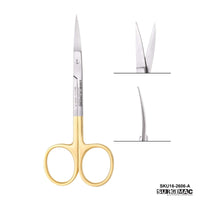
Even with careful selection, minor adjustments are often necessary. If the crown is too long, trim the margins with crown and bridge scissors. After trimming, use crimping pliers to contour the cervical margin inward, ensuring a tight adaptation to the tooth. This step is crucial for preventing microleakage and maintaining periodontal health. Once you’re satisfied with the fit, smooth any rough edges with a finishing stone or bur to prevent gingival irritation. A well-adapted and polished crown is now ready for cementation. Having a full set of reliable dental instruments on hand makes these final, critical adjustments straightforward and precise.
Techniques for Placing Adjacent Crowns
Placing two stainless steel crowns next to each other requires treating them as a single functional unit. The key is to prepare and fit both crowns simultaneously, ensuring you create adequate space and prevent a fit that is too tight or misaligned. Meticulous proximal reduction is non-negotiable; you must break the contact decisively to allow both crowns to seat passively. Once prepared, trial-fit the crowns together to assess interproximal contact and occlusion. If a crown is too long, use crown and bridge scissors for adjustments. Fine-tuning these details with high-quality instruments, like those in the SurgiMac Pro Series, provides the control needed for a precise outcome, ensuring both crowns seat with a definitive "snap."
How Do You Select the Right Crown Size?
Selecting the right stainless steel crown is a critical step that directly impacts the restoration's success. A poorly fitting crown can lead to gingival irritation, plaque accumulation, and premature failure. The goal is to find a size that restores proper form and function without compromising the health of the surrounding tissues. This process involves careful measurement, trial fitting, and precise adjustments to achieve a passive, stable fit. Getting this right ensures the longevity of the restoration and the comfort of your patient. By mastering these techniques, you can confidently choose from a range of high-quality crowns and bands to meet the specific needs of each case.
How to Accurately Measure for Crown Sizing
The key to an ideal fit is to choose the smallest crown that seats completely and restores mesiodistal contact. Start by measuring the mesiodistal width of the tooth and consulting a sizing chart to find a starting point. When you begin the trial fit, seat the lingual side first, then apply firm pressure to the buccal side until it slides over the tooth’s height of contour. You should feel a distinct "snap" or noticeable friction as it seats. The crown’s margin should extend approximately 1 millimeter below the free gingival margin without causing the tissue to blanch. If a crown seems to fit well, always try the next size smaller to confirm you’ve selected the tightest possible option that doesn't compromise seating.
Understanding Common Crown Sizes
Stainless steel crowns are typically available in a standardized range of sizes, usually numbered from 1 to 7 for each primary molar. This system provides a predictable starting point, with size 1 being the smallest and size 7 the largest. While every patient's anatomy is unique, sizes 4 and 5 are often the most frequently used for first and second primary molars, making them a reliable starting point for your trial fit. However, these numbers are just a guide. The ultimate goal is to restore the tooth's original mesiodistal width and achieve a snug, passive fit. Having a full range of high-quality crowns and bands in your inventory is essential for efficiently finding the perfect match without having to compromise or reschedule.
Perfecting the Fit: Trial and Adjustment Techniques
Once you have a well-fitting crown, you may still need to make minor modifications for a perfect result. If the crown is too long, use crown and band scissors to trim the excess material. Next, use crimping pliers to gently roll the cervical margin inward, ensuring a snug fit around the tooth’s circumference. Contouring pliers can then be used to smooth out any sharp edges and re-establish the crown’s natural shape. High-quality dental instruments are essential for making these fine adjustments with precision. Finally, remove the rubber dam to check the occlusion. Have the patient bite down gently to ensure there is adequate clearance and the crown does not interfere with the opposing dentition.
How to Properly Cement a Stainless Steel Crown
You’ve done the hard work of preparing the tooth and selecting the perfect crown. Now it’s time for the final, critical step: cementation. A flawless cementation process ensures the stainless steel crown remains secure, comfortable, and functional for years to come. This phase is all about precision, from choosing the right cement to making final occlusal adjustments. Getting these details right not only guarantees the restoration's longevity but also contributes significantly to a positive patient experience. Let’s walk through the key steps to ensure your crown placement is a success every time.
Choosing and Mixing the Right Dental Cement
Choosing the right luting agent is fundamental to a successful restoration. Glass ionomer or resin-modified glass ionomer cements are often the go-to choices for stainless steel crowns due to their fluoride release and strong adhesion to dentin. Before you begin, always "rinse and dry the crown before cementation" to create a clean surface for optimal bonding. When you’re ready to mix, follow the manufacturer’s instructions precisely to achieve the ideal viscosity. A common best practice is to "fill about two-thirds of the crown with cement, making sure all inside surfaces are covered." This ensures complete coverage without causing excessive overflow when the crown is seated. You can find a reliable selection of professional cements, liners, and adhesives to suit any clinical need.
Comparing Dental Cements: Stiffness and Stress Distribution
The dental cement you choose does more than just hold the crown in place; it acts as a critical interface that manages and distributes chewing forces between the restoration and the tooth. The stiffness of the cement plays a significant role in this dynamic. According to a finite element study on SSC cementation, using a stiffer cement, such as zinc phosphate, reduces stress on the stainless steel crown itself, helping it maintain its shape and integrity under load. However, this stiffness transfers more stress directly to the underlying tooth structure. This trade-off is a key consideration in your material selection, as the goal is to protect both the crown and the remaining tooth from fracture over the long term.
Properties of Glass Ionomer vs. Zinc Phosphate Cements
When it comes to luting agents for SSCs, glass ionomer (GI) and zinc phosphate cements are two of the most reliable options, each with distinct advantages. Glass ionomer and resin-modified glass ionomer (RMGI) cements are favored for their ability to chemically bond to dentin and enamel, creating a strong seal. A major benefit, especially in pediatric dentistry, is their sustained fluoride release, which helps inhibit recurrent caries at the margin. In contrast, zinc phosphate is a traditional cement known for its high compressive strength and rigidity. While it doesn't offer a chemical bond or fluoride release, its stiffness provides excellent support to the crown, making it a durable choice for ensuring the restoration’s stability.
The Pre-Cementation Bite Check
Before you permanently cement the crown, there is one final, non-negotiable step: the pre-cementation bite check. This is your last chance to catch any occlusal discrepancies that could cause discomfort or bite problems for the patient. After you are satisfied with the marginal fit of the crown, carefully remove the rubber dam and any other isolation materials. Hand the patient a mirror and ask them to bite down gently and naturally. Use articulating paper to check for high spots, ensuring the marks are evenly distributed and consistent with the patient's normal occlusion. This simple verification prevents post-operative issues and ensures the restoration functions harmoniously with the opposing dentition.
If the bite check reveals a high spot, now is the time to make adjustments. A slightly high crown can often be corrected by having the patient bite firmly on a cotton roll, which helps fully seat the crown. If the interference persists, you may need to remove the crown and make subtle adjustments to your preparation or the crown itself. Using precise instruments, like the balanced tools in the SurgiMac Air Series, allows for controlled modifications without compromising the fit. Taking a few extra moments for this crucial check confirms that the crown is perfectly seated, comfortable, and ready for final cementation, ensuring a successful outcome and a happy patient.
Step-by-Step Cementation for a Secure Fit
With your crown filled, it’s time for placement. Work quickly and confidently to position the crown over the prepared tooth. Using your gloved fingers—we recommend comfortable and durable MacSafe nitrile gloves—"press the crown firmly onto the tooth, then have the patient bite down to fully seat it." A cotton roll or bite stick can help the patient apply steady pressure. Once seated, your next task is cleanup. It’s crucial to "wipe away extra cement, floss between the teeth, rinse well, and check the bite and gums before the patient leaves." Using fine-tipped instruments from the Slim Series can help you precisely remove excess cement from the gingival margin without causing irritation.
Final Checks: Verifying the Bite and Occlusion
The final check is arguably one of the most important for patient comfort and the restoration's long-term success. You must "always check the patient's bite to ensure that the crown does not interfere with the normal bite." Use articulating paper to identify any high spots where the crown makes premature contact. If the occlusion is off, adjustments are necessary. You can "selectively grinding down the occlusal surface" using a fine-finishing bur to achieve a perfect fit. Having a quality set of burs and diamonds on hand is essential for this task. Taking the time to perfect the occlusion prevents future issues like patient discomfort, chipping, or TMJ problems.
Common Crown Preparation Mistakes to Avoid
A successful stainless steel crown placement hinges on meticulous preparation. While the procedure is straightforward, a few common missteps can compromise the final fit, function, and longevity of the restoration. The good news is that these errors are entirely preventable with a bit of foresight and attention to detail. Focusing on a clean, precise technique from the start ensures a smooth workflow and a durable, comfortable result for your patient. Let’s walk through the most frequent pitfalls and how you can sidestep them in your practice. By mastering these fundamentals, you can make every SSC placement a predictable success.
Avoiding Inadequate Occlusal Reduction
One of the most common errors in SSC preparation is failing to remove enough tooth structure from the occlusal surface. The goal is a uniform reduction of 1 to 1.5 mm across the entire chewing surface. Anything less, and the crown will sit too high, creating occlusal interferences that can cause patient discomfort, difficulty chewing, and even TMJ issues. An improperly seated crown is also more prone to being worn down or dislodged. To ensure you achieve the correct depth consistently, use high-quality, reliable burs and diamonds that cut efficiently and predictably. Verifying the clearance with the opposing dentition before moving on is a critical checkpoint for success.
Avoiding Ledges and Undercuts During Prep
The path of insertion for a stainless steel crown must be completely free of obstructions. That’s why creating ledges or undercuts on the axial walls is a critical mistake. The ideal preparation features smooth, slightly tapered walls that converge toward the occlusal surface, with all sharp line angles rounded. A ledge or chamfered margin will prevent the crown from seating fully and passively, creating a gap that invites plaque accumulation and potential failure. Using instruments that provide excellent tactile feedback, like those in our Pro Series, allows you to feel for and smooth out any imperfections, ensuring a seamless fit and optimal retention for the final restoration.
Preventing Margin Errors and Ensuring Moisture Control
The margin of your preparation should be a delicate feather edge, not a defined ledge. This design allows the thin, flexible edge of the stainless steel crown to adapt closely to the tooth, creating a superior seal at the gingival margin. A heavy margin can prevent the crown from seating properly and compromise its integrity. Equally important is maintaining a dry, clean field. Saliva contamination is a leading cause of cement failure. Using a rubber dam and other dental disposables for isolation is non-negotiable for achieving a strong, durable bond with your chosen dental cement. A moisture-free environment ensures the cement can work as intended, securing the restoration for the long term.
Troubleshooting Common Crown Preparation Challenges
Even the most routine procedures can present challenges, and stainless steel crown preparations are no exception. From managing an anxious pediatric patient to refining your own technical skills, handling these hurdles is part of daily practice. The key is to approach each situation with a clear strategy and the right tools. By anticipating common issues, you can ensure the procedure is smooth for both you and your patient, leading to predictable, durable restorations that stand the test of time. Let's walk through some of the most frequent challenges and discuss practical ways to handle them effectively.
Tips for Managing Anxious or Uncooperative Patients
Working with pediatric patients requires a unique blend of clinical skill and compassionate communication. Treating caries in primary teeth is essential, but it often involves significant behavior management. To create a positive experience, start by explaining the procedure in simple, non-threatening terms. Distraction techniques, such as allowing the child to watch a show or listen to music, can also be incredibly effective. Ensuring the patient is comfortable and feels safe is paramount. Using a rubber dam not only keeps the area dry but also prevents the child from accidentally swallowing the crown. High-quality, comfortable protective gear from the MacSafe collection can further help establish a secure and professional environment.
How to Streamline Your Crown Prep Workflow
In a busy clinic, every minute counts. While some clinicians believe SSCs are time-consuming, they can actually be placed more efficiently than many multi-surface restorations, offering superior long-term outcomes. The secret to efficiency lies in a streamlined workflow and reliable instrumentation. Having a well-organized kit with pre-selected burs, crowns, and instruments ready to go minimizes downtime. Using high-performance tools, like the precisely engineered instruments in the SurgiMac Pro Series, allows for confident, accurate tooth reduction and shaping. This reduces the need for repeat adjustments, saving valuable chair time and allowing you to stay on schedule without compromising the quality of your work.
Practice and Precision: Honing Your Prep Technique
Mastering SSC preparation is a skill refined through practice and attention to detail. The goal is to be conservative, removing just enough tooth structure to allow the crown to fit passively. This approach preserves the tooth's natural strength, which is especially important for protecting young permanent teeth that are weak or have undergone pulp therapy. Focus on creating smooth, tapered axial walls and achieving adequate occlusal clearance without creating sharp angles or undercuts. For this delicate work, ergonomic instruments from the Air Series can provide exceptional balance and tactile sensitivity, reducing hand fatigue and allowing for greater precision. Consistently using a rubber dam will also improve visibility and moisture control, setting you up for a successful cementation.
Advanced Techniques for Stainless Steel Crowns
While traditional methods for stainless steel crown preparation are tried and true, the field is always advancing. Modern techniques are emerging that prioritize minimally invasive approaches, patient comfort, and clinical efficiency. For pediatric patients, in particular, these new methods can transform the dental experience, reducing anxiety and chair time.
Integrating advanced techniques like the Hall Technique or embracing digital workflows can streamline your procedures and improve outcomes. These approaches often require less tooth reduction and can simplify the overall process from preparation to final placement. By staying informed about these developments, you can offer your patients the most current and comfortable care options available, setting your practice apart. Let’s look at two significant advancements that are changing how clinicians approach crown placements.
A Closer Look at the Hall Technique
The Hall Technique is a game-changer in pediatric dentistry, offering a non-invasive way to place stainless steel crowns. This method is particularly effective for managing carious primary molars, especially in anxious children. The key difference? There’s no need for local anesthetic, caries removal, or traditional tooth preparation. Instead, the crown is carefully selected and then cemented directly over the unprepared, decayed tooth.
This approach works by sealing the caries from the oral environment, which arrests the lesion's progression. The success of the Hall Technique hinges on an excellent seal, making your choice of dental cement absolutely critical for long-term stability. By eliminating drilling and injections, you can significantly reduce patient fear and create a more positive dental visit.
Can Digital Workflows Improve Your SSC Placements?
Digital dentistry is revolutionizing restorative procedures, and crown placements are no exception. Technologies like CAD/CAM systems allow for the design, milling, and placement of crowns in a single visit. While more common with ceramic crowns, the principles of digital impressions and design are influencing all areas of restorative dentistry. A precise digital workflow begins with a flawless scan, which relies on an exceptionally accurate initial impression.
Using a high-quality material like MacImpress Vinyl Polysiloxane ensures the dimensional stability needed for a perfect digital model. This technology enhances accuracy, reduces turnaround time, and improves the overall patient experience. Even when minimal prep is needed, using finely crafted instruments from the Air Series ensures the precision required to complement these high-tech workflows.
Patient Education: Post-Placement Care Instructions
Effective patient communication doesn't end when the procedure is over. Clear, simple post-operative instructions are crucial for ensuring a smooth recovery, minimizing discomfort, and protecting the longevity of the new stainless steel crown. When parents and caregivers understand what to expect and how to manage care at home, they are better equipped to support the healing process. This final step in the appointment reinforces the quality of care you provide and builds lasting trust with the families in your practice.
Providing a printed handout summarizing these key points can prevent confusion and reduce follow-up calls. This sheet should cover pain management, dietary restrictions, oral hygiene specifics, and signs to watch for that might require a call back to the office. You can also include a small post-op kit with items like sterile gauze from your stock of dental disposables in case of minor gum irritation. By preparing families for the post-placement period, you empower them to feel confident in managing their child's care, which contributes to better clinical outcomes and a more positive overall experience.
Advising Patients on Managing Post-Op Discomfort
It’s completely normal for a patient to feel some minor soreness or pressure around the newly placed crown for a few days. As noted by Asheville Pediatric Dentistry, this discomfort is a common part of the healing process. You can advise parents to manage this by administering an appropriate dose of an over-the-counter pain reliever like children's Tylenol or Motrin. Reassuring them that the tenderness is temporary and should subside within a few days helps set clear expectations. This simple step empowers parents to keep their child comfortable while the surrounding gum tissue adjusts to the new restoration.
Essential Oral Hygiene and Diet Tips for Patients
Proper home care is essential for the success of a stainless steel crown. Advise parents to continue with their child's regular brushing routine, but to use a soft-bristled brush with gentle pressure around the treated tooth to avoid irritation. If the area is particularly sensitive, North Penn Pediatric Dentistry suggests avoiding the crown for a day or two and using mouthwash to help keep it clean. It's also wise to recommend a soft diet for the remainder of the day and to avoid sticky or hard foods that could dislodge the crown. Finally, encourage rest and hydration, and advise against rough play immediately following the appointment to allow the local anesthetic to wear off completely.
Frequently Asked Questions
Related Articles
Tags
Blog posts
-
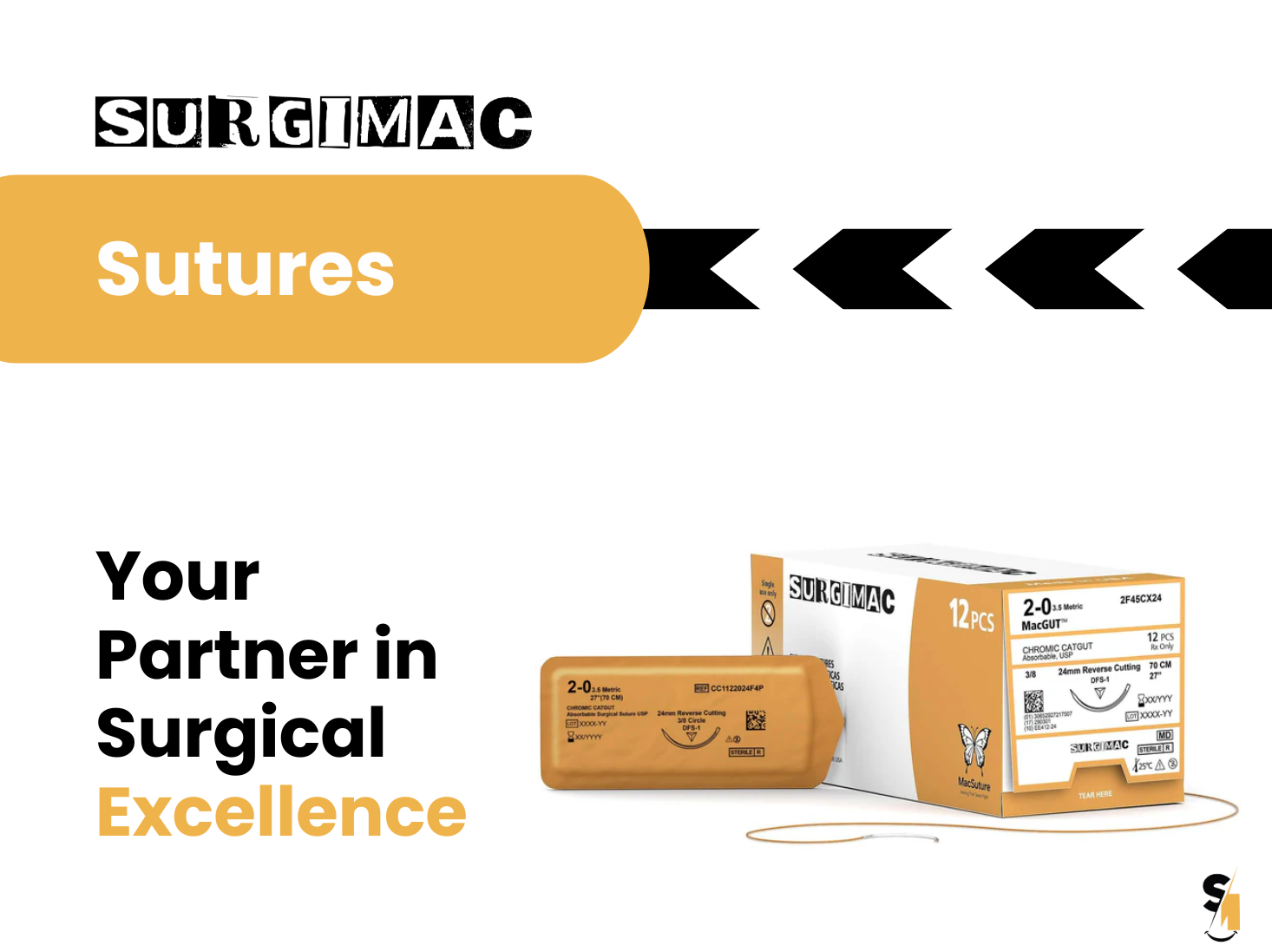
, by SurgiMac A Clinician's Guide to Absorbable Suture Material
-
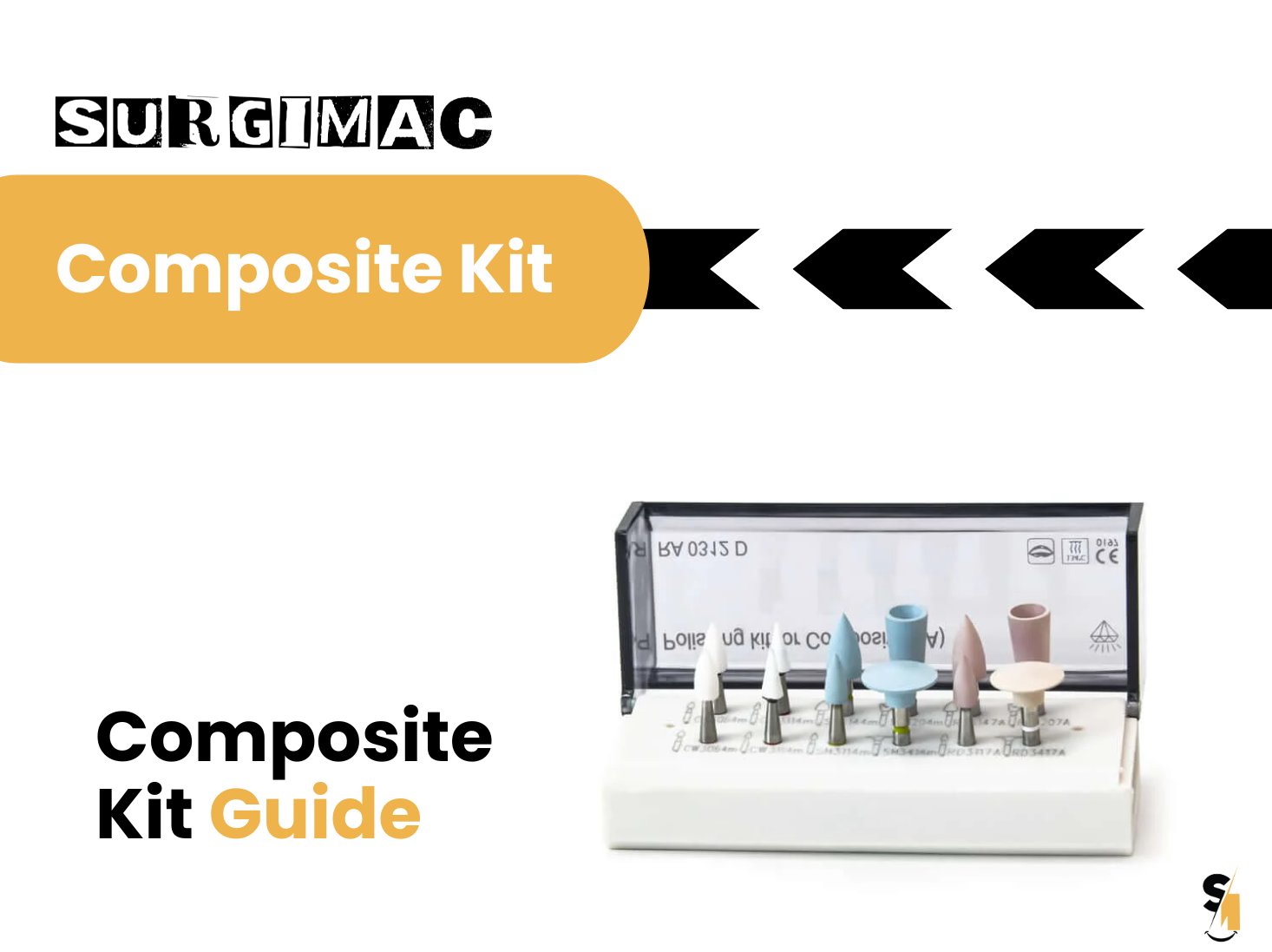
, by SurgiMac A Clinician's Guide to Dental Composite Resin Kits
-
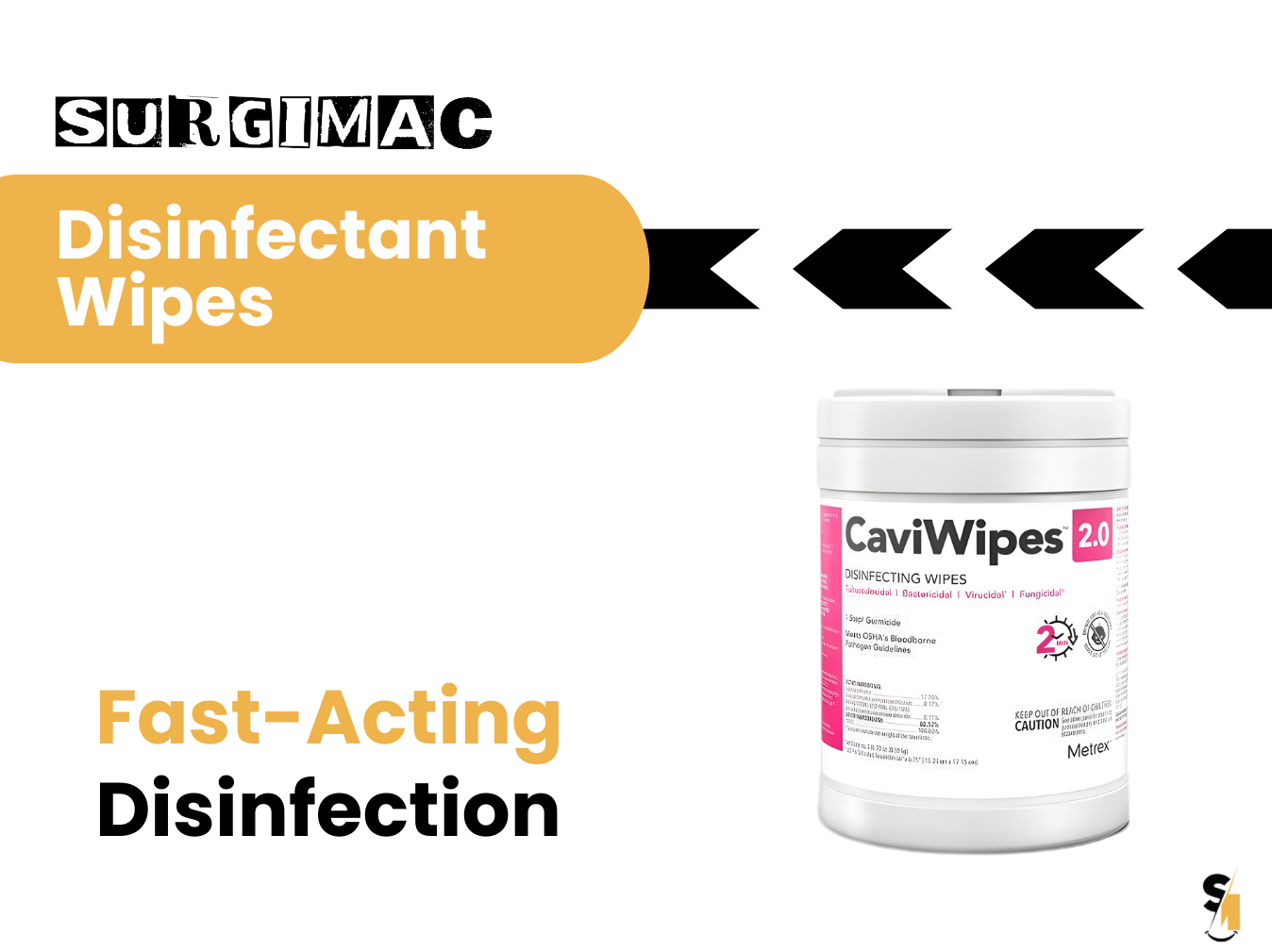
, by SurgiMac How to Disinfect with Metrex CaviWipes Correctly
