
A Clinician's Guide to Fluoride Varnish Composition
- , by SurgiMac
- 35 min reading time
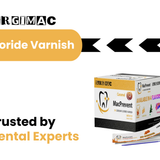
Get a clear, practical guide to fluoride varnish composition—learn how each ingredient supports caries prevention, enamel strength, and patient comfort.
You apply fluoride varnish multiple times a day, but how often do you think about what's really inside that single-dose package? It's far more than a sticky coating; it's a sophisticated delivery system designed for targeted, sustained fluoride release. Understanding the science behind the fluoride varnish composition does more than satisfy curiosity. It empowers you to explain the treatment to patients with confidence, manage their expectations, and reinforce why this quick application provides such lasting protection. Knowing how its key ingredients strengthen enamel and occlude dentinal tubules is key to mastering its use.
Key Takeaways
- Adhesion is the key to effectiveness: Fluoride varnish excels because its resin base adheres to enamel for hours, creating a sustained release of fluoride that continuously drives the remineralization process long after the appointment ends.
- Evaluate the entire formula, not just the fluoride: When choosing a varnish, look beyond the standard 5% sodium fluoride. The base material, setting time, and added bioactive ingredients like calcium and phosphate directly impact handling, patient comfort, and clinical results.
- Treatment success depends on post-application care: A flawless application is only half the battle. Providing clear, simple instructions for patients—like avoiding hard foods and brushing for at least 4-6 hours—is critical for maximizing the varnish's therapeutic benefits.
 What Exactly Is Fluoride Varnish?
If you're looking for a reliable, effective tool for caries prevention and sensitivity management, fluoride varnish is likely already a staple in your practice. This highly concentrated topical fluoride treatment offers a simple yet powerful way to protect your patients' oral health. Unlike foams or gels that require trays and extended chair time, varnish is painted directly onto the teeth, where it adheres for several hours to deliver its therapeutic benefits. Let's break down its function, applications, and the different formulations you'll encounter.
How It Protects Your Patients' Teeth
At its core, fluoride varnish is a professional dental treatment designed to deliver a high dose of fluoride directly to the tooth surface. Its primary purpose is to aid in the prevention of dental caries. The varnish works by strengthening tooth enamel through a process called remineralization, making it more resistant to acid attacks from plaque bacteria. It also serves as an effective treatment for dentin hypersensitivity by occluding dentinal tubules. Because it remains on the teeth for several hours after application, it provides a sustained release of fluoride ions, offering long-lasting protection that you can't get from patient-applied products.
When Should You Apply Fluoride Varnish?
While fluoride varnish has been a standard for caries prevention in Europe and Canada for decades, its journey in the United States has been slightly different. The FDA has cleared fluoride varnish for use as a desensitizing agent to treat tooth sensitivity. However, its off-label application for caries prevention is widely recognized as the standard of care by organizations like the ADA. It's a go-to treatment in pediatric dentistry for protecting newly erupted teeth but is equally valuable for adult patients with a high caries risk, xerostomia, or exposed root surfaces. Its ease of application makes it an efficient part of routine preventative care appointments.
What Are the Different Varnish Formulations?
Most professional fluoride varnishes on the market share a common active ingredient: 5% sodium fluoride (22,600 ppm fluoride). This potent concentration is suspended in a fast-drying, resin-based solution that ensures it adheres properly to the enamel. Where formulations begin to differ is in their supporting ingredients. Some brands incorporate xylitol for improved taste and potential anti-caries benefits, while others add bioactive components like calcium and phosphate to further support the remineralization process. These variations can affect everything from the varnish's viscosity and setting time to its flavor, so it's important to select a product from a range of trusted dental supplies that aligns with your clinical preferences and patient needs.
A Brief History of Fluoride Varnish
Initial Development and FDA Approval
Fluoride varnish isn't a recent breakthrough; its development dates back to 1964 in Europe. The goal was to create a delivery system that could prolong the contact time between fluoride and tooth enamel, maximizing its therapeutic potential. The sticky, resinous base was designed to adhere directly to the tooth, allowing for a slow, sustained release of fluoride ions to support remineralization. It took a few decades for the treatment to gain traction in the United States, with the FDA officially approving it in 1994. Interestingly, its initial approval was for use as a cavity liner and as a treatment for dentin hypersensitivity. Its widespread application for caries prevention is technically an "off-label" use, but one that is supported by substantial evidence and is now considered the standard of care in modern dentistry.
The Composition of Fluoride Varnish: What's Inside?
To truly appreciate how fluoride varnish works, it helps to understand what’s inside that small, single-dose package. The formulation is a carefully balanced blend of ingredients, each with a specific role in delivering fluoride effectively, ensuring it adheres to the tooth, and making the treatment tolerable for the patient. From the powerhouse active ingredient to the carrier resins and flavoring agents, every component is chosen to maximize clinical efficacy and patient acceptance. Let's take a closer look at the key players in a typical fluoride varnish composition.
Why 5% Sodium Fluoride Is the Gold Standard
The star of the show in nearly every fluoride varnish is 5% sodium fluoride (NaF), equivalent to 22,600 ppm fluoride. This high concentration is the clinical standard for a reason. When applied, the NaF reacts with the calcium ions in saliva and on the tooth surface to form a temporary layer of calcium fluoride (CaF₂). This layer acts as a slow-release reservoir, continuously bathing the enamel in fluoride ions. This process enhances remineralization by promoting the formation of fluorapatite, a more acid-resistant mineral than the natural hydroxyapatite in enamel. This potent dose provides robust protection against caries, making it a cornerstone of modern preventive dentistry.
Resins and Adhesives: Making It Stick
For the fluoride to do its job, it needs to stay in contact with the tooth. That’s where the foundation of resins and adhesives comes in. Most varnishes use a natural resin, such as colophony, or a synthetic polymer as the carrier. This resinous base gives the varnish its characteristic sticky texture, allowing it to adhere to the enamel surface even in a moist environment. To further improve this bond, formulations often include adhesion-promoting agents like organo phosphoric acid. This ensures the varnish creates a durable film that resists being washed away by saliva, maximizing the contact time for fluoride uptake and providing therapeutic benefits for several hours after application.
The Role of Adhesion-Promoting Agents
While the resin base provides the initial stickiness, adhesion-promoting agents are what truly lock the varnish onto the tooth surface for the long haul. Think of them as the primer that ensures a strong, lasting bond. Formulations often include compounds like organophosphoric acid to enhance this connection, creating a durable film that won’t easily wash away with saliva. This resilience is critical because it maximizes the contact time between the fluoride and the enamel. The longer the varnish stays put, the more time the fluoride ions have to be absorbed, driving the remineralization process and delivering therapeutic benefits for hours after the patient leaves your chair. This sustained delivery is what makes fluoride varnish such a powerful preventative tool.
Understanding Varnish Viscosity and Its Impact on Application
Viscosity—or how thick or thin the varnish is—directly impacts your application experience and patient comfort. A lower-viscosity varnish flows easily, allowing you to paint on a very thin, smooth layer that feels less noticeable to the patient. On the other hand, a higher-viscosity formula might feel more substantial, offering a greater sense of complete coverage but potentially being more difficult to spread evenly. The viscosity is often influenced by supporting ingredients like xylitol or added minerals. Ultimately, the ideal consistency comes down to your clinical preference. Choosing a product that handles well in your hands ensures an efficient, effective application every time, so it's wise to explore different dental disposables to find the one that best fits your technique.
Solvents and Stabilizers for Optimal Consistency
To achieve the ideal consistency for a smooth and thin application, fluoride varnishes rely on solvents and stabilizers. A solvent, typically a safe-for-oral-use alcohol like ethanol, keeps the resin and sodium fluoride suspended in a uniform, liquid state. When you paint the varnish onto a tooth, the solvent quickly evaporates, leaving behind the adherent film of resin and fluoride. Stabilizers are also included to maintain the chemical integrity of the formula, ensuring the product has a reliable shelf life and performs consistently. Proper handling during this process, including using quality disposable gloves from our MacSafe line, is essential for both safety and efficacy.
Flavoring Agents for a Better Patient Experience
Let’s be honest: clinical efficacy is only part of the equation. Patient acceptance, especially with pediatric patients, is crucial for a successful treatment. That’s why manufacturers add flavoring agents and non-cariogenic sweeteners to their formulas. With options ranging from bubble gum and caramel to cool mint and berry, a pleasant taste can transform the patient experience from a clinical procedure into a simple, comfortable treatment. This small detail significantly improves patient compliance, reduces anxiety, and encourages them to follow post-application instructions, ensuring the varnish remains undisturbed long enough to deliver its full protective benefits. It’s a simple addition that makes a world of difference in the chair.
From Application to Remineralization: How It Works
Once applied to the tooth surface, fluoride varnish isn't just a passive coating. Its ingredients initiate a dynamic, multi-stage process designed to deliver fluoride exactly where it's needed most. The formula’s success hinges on its ability to adhere to enamel, release fluoride ions in a controlled manner, and actively drive the tooth’s natural repair mechanisms. Understanding this sequence reveals why varnish is such a powerful tool in caries prevention. From the moment it touches the tooth, every component has a specific job to do, working together to strengthen and protect the enamel for hours after the patient leaves your office.
How Does Fluoride Varnish Adhere to Teeth?
The first and most critical step is ensuring the varnish stays put. This is achieved through a carrier, typically a natural resin, combined with an adhesion-promoting agent like an alkyl phosphoric acid. This combination creates a sticky, moisture-tolerant film that tenaciously bonds to the enamel. Unlike rinses or gels that are quickly washed away by saliva, this durable layer holds the active fluoride ingredient in close contact with the tooth surface for several hours. Maximizing this contact time is essential for effective fluoride uptake, which is why starting with a clean, dry surface prepared with quality dental disposables is a key step in the application process.
The Science Behind Sustained Fluoride Release
With the varnish securely adhered, the next phase begins: the controlled release of fluoride ions. The resin matrix acts as a reservoir, slowly dissolving to release its payload of sodium fluoride over an extended period. This sustained-release mechanism is the primary advantage of fluoride varnish. It ensures that the enamel is bathed in a high concentration of fluoride for hours, allowing for maximum absorption. This process creates a rich fluoride environment in the saliva and plaque fluid surrounding the tooth, making the ions readily available to participate in the remineralization process long after the initial application.
Formation of a Calcium Fluoride Reservoir
The effectiveness of fluoride varnish hinges on its ability to create a calcium fluoride reservoir on the tooth surface. As soon as the varnish is applied, the active ingredient, 5% sodium fluoride, interacts with calcium ions naturally present in saliva and on the enamel. This reaction forms a temporary layer of calcium fluoride (CaF₂), which adheres to the tooth. This layer is the key to the varnish's long-lasting effects, acting as a slow-release mechanism that continuously bathes the enamel in fluoride ions for hours. This sustained delivery is essential for driving the remineralization process, as it encourages the formation of fluorapatite—a mineral that is far more resistant to acid than the tooth's natural hydroxyapatite. This dynamic process strengthens the enamel and provides durable protection against dental caries.
How Varnish Promotes Tooth Remineralization
This is where the therapeutic action truly happens. The released fluoride ions interact with the calcium and phosphate naturally present in saliva. This interaction facilitates the remineralization of demineralized enamel by forming fluorapatite, a stronger and more acid-resistant mineral than the tooth’s natural hydroxyapatite. This new crystalline structure effectively hardens the enamel, making it less susceptible to future acid attacks from cariogenic bacteria. In fact, studies show that fluoride varnish can reduce the amount of bacteria that cause cavities by more than tenfold, halting lesion progression and even reversing incipient caries.
Do Bioactive Components Make a Difference?
Many advanced fluoride varnish formulations now include additional bioactive ingredients to further support the remineralization cycle. Components such as calcium, phosphate, and even nano-hydroxyapatite are added to the varnish. These ingredients act as mineral building blocks, working synergistically with fluoride to accelerate enamel repair. By providing a direct source of the minerals lost during demineralization, these enhanced formulas can create a more robust and efficient remineralization process. This is particularly beneficial for high-risk patients or those with active demineralization, as it helps ensure all the necessary components for enamel repair are present right at the tooth surface.
Fluoride Varnish vs. Other Preventive Treatments
Fluoride varnish is a cornerstone of modern preventive dentistry, but it’s one of several powerful tools at your disposal. When developing a comprehensive care plan, it’s essential to weigh the benefits of different treatments to decide which is best suited for your patient’s unique needs. One of the most common comparisons is between fluoride varnish and dental sealants. Both are highly effective at preventing caries, particularly on occlusal surfaces, but they achieve this goal through entirely different mechanisms. Understanding these differences is key to making the right clinical recommendation and maximizing protective outcomes for every patient who sits in your chair.
Comparison with Dental Sealants
The choice between fluoride varnish and dental sealants often comes down to their fundamental mechanisms. Fluoride varnish provides chemical protection; it strengthens the tooth’s natural structure by promoting remineralization and forming a more acid-resistant fluorapatite. In contrast, a sealant acts as a physical barrier, flowing into the deep pits and fissures of molars and premolars to block out plaque and food debris. While both treatments are excellent for preventing occlusal caries, studies have not conclusively shown that one is superior to the other for this purpose. Instead, their effectiveness often depends on the specific clinical situation and patient risk profile.
Application and patient factors also play a significant role. Applying varnish is a quick, simple process that doesn't require a completely dry field, making it ideal for young children or patients with behavioral challenges. It protects all tooth surfaces, not just occlusal ones. Sealants, however, are more technique-sensitive, requiring meticulous isolation and a multi-step process involving etching and curing with specific dental instruments. While more involved, a well-placed sealant offers durable, targeted protection for the most vulnerable surfaces. Ultimately, these treatments aren't mutually exclusive; they can be used together to create a comprehensive preventive strategy that addresses a patient's overall caries risk from every angle.
Comparing Fluoride Varnish Brands: What to Look For
While most fluoride varnishes are built around the same core ingredient, their formulations can vary significantly. These differences in composition affect everything from handling and application to patient acceptance and clinical efficacy. When choosing a varnish for your practice, it’s helpful to look beyond the brand name and compare the specific properties of each product. Key differentiators often lie in the base materials used, the inclusion of additional bioactive ingredients, and the varnish's setting characteristics. Understanding these nuances will help you select a product that not only delivers excellent clinical results but also fits seamlessly into your workflow and meets the needs of your diverse patient population. By evaluating these factors, you can make an informed decision that aligns with your practice’s standards for care and efficiency.
Does Fluoride Concentration Vary By Brand?
When you look at the active ingredient in professional fluoride varnishes, you’ll find a consistent industry standard. The vast majority of products, including well-known brands like Colgate® PreviDent® and Ultradent Enamelast, contain 5% sodium fluoride (NaF). This concentration is equivalent to 22,600 parts per million (ppm) of fluoride, a level that has been extensively studied and proven effective for caries prevention and enamel remineralization. This standardization means you can be confident that you are delivering a therapeutic dose of fluoride, regardless of the brand you choose. While other formulation aspects differ, the concentration of the primary active ingredient remains a reliable constant across the market, providing a solid foundation for effective treatment.
A Look at Different Varnish Base Materials
The base, or carrier, of a fluoride varnish dictates its texture, adhesion, and how it feels to the patient. Historically, many varnishes used a natural tree resin called colophony (rosin) as the base, which provided good adhesion but could occasionally cause allergic reactions. Today, many modern formulations have moved toward synthetic resins, shellacs, or silicone-based gels. These advanced bases are often smoother, clearer, and formulated to be hypoallergenic. They are designed to flow easily and set quickly upon contact with saliva, ensuring a thin, even layer. The choice of base material is a critical factor in patient comfort and the varnish’s ability to adhere to tooth surfaces, which is essential for effective fluoride release. The application of these materials is made easier with the right dental disposables.
Are There Other Active Ingredients to Consider?
To enhance the therapeutic effects of fluoride, many manufacturers enrich their varnish formulas with additional bioactive components. It’s common to find ingredients like calcium and phosphate—sometimes in the form of amorphous calcium phosphate (ACP) or tri-calcium phosphate (TCP)—which provide the necessary building blocks for remineralization. Some formulas also include xylitol, a sugar alcohol known to inhibit the growth of cariogenic bacteria. Conversely, what a formula lacks can also be a key feature. Many brands now offer varnishes free from common allergens like rosin, gluten, or certain dyes, making them a safer choice for patients with known sensitivities. These additions and subtractions allow you to tailor your treatment to specific patient needs.
How Setting Time Impacts Your Workflow
A varnish’s performance is heavily dependent on its setting properties. An ideal formula should set rapidly in the moist oral environment, minimizing the time the patient needs to keep their mouth open and reducing the risk of the material washing away. This is especially important when treating pediatric patients or individuals with a strong gag reflex. The varnish must also adhere firmly to the enamel for several hours to ensure a sustained and effective fluoride release. A product with superior adhesion and durability will provide a longer therapeutic window, maximizing the potential for fluoride uptake and enamel repair. During application, always ensure you are using proper protective equipment, such as MacSafe exam gloves, to maintain a safe and hygienic environment.
Application and Storage: Getting the Best Results
Applying fluoride varnish correctly and storing it properly are just as important as choosing the right formula. To ensure you get the maximum clinical benefit from every application, it’s essential to follow established protocols for handling, patient communication, and storage. These steps help guarantee the material’s stability, efficacy, and safety from the supply closet to the chair.
Your Step-by-Step Guide to Flawless Application
A flawless application begins with a properly prepared surface. While fluoride varnish adheres well in the presence of saliva, starting with teeth that are reasonably clean and dry will always yield the best results. Gently dry the teeth with a gauze square before you begin. Most varnishes come in unit-dose packaging or a two-syringe system that requires mixing to ensure the fluoride is evenly distributed. Once mixed, use a soft micro-applicator brush to paint a thin, even layer onto all desired tooth surfaces. The goal is complete coverage without clumping. Throughout the process, be sure to follow standard infection control protocols, including wearing high-quality MacSafe gloves.
Application Frequency and Professional Guidelines
Determining how often to apply fluoride varnish isn’t a one-size-fits-all decision; it’s a clinical judgment call based on each patient's unique needs. The goal is to move beyond a routine schedule and create a personalized preventive strategy. This approach is guided by a thorough caries risk assessment, which considers factors like diet, oral hygiene habits, and past dental history. By tailoring the application frequency, you can provide targeted protection that is most effective for patients at moderate to high risk of developing cavities. Following the guidelines set by leading dental organizations ensures you are providing the standard of care and maximizing the preventive impact of each treatment.
Recommendations from the ADA and AAPD
When it comes to professional standards, both the American Dental Association (ADA) and the American Academy of Pediatric Dentistry (AAPD) are in agreement. They both recommend fluoride varnish as a key tool in caries prevention. For children and adults identified as having a moderate to high risk for cavities, the recommended application frequency is typically between two and four times per year. This schedule ensures a consistent therapeutic level of fluoride is available to support remineralization and strengthen enamel against acid attacks. Ultimately, your professional assessment of the patient's individual cavity risk should always guide the final treatment plan, allowing you to adjust the frequency as their oral health needs change over time.
What to Tell Patients After Application
Your work isn’t finished once the varnish is applied. Clear patient instructions are critical for the treatment’s success. Advise your patients to avoid hard, crunchy, or sticky foods for the remainder of the day to allow the varnish to remain on the teeth for as long as possible. They should also refrain from brushing or flossing for at least 4-6 hours, or ideally, until the next morning. It’s also important to instruct them to avoid other high-concentration fluoride products, such as prescription rinses or gels, for the rest of the day. Providing these simple guidelines ensures the fluoride has adequate time to interact with the enamel for optimal caries prevention.
How to Store Fluoride Varnish Correctly
Like many dental disposables, fluoride varnish is sensitive to its environment. Improper storage can degrade the ingredients and reduce the product's effectiveness. Always store fluoride varnish in a cool, dry place away from direct sunlight and sources of heat, as high temperatures can compromise the stability of the formula. It’s also best practice to keep the product in its original, sealed packaging until you are ready to use it. This protects it from contamination and exposure to air, which can affect the consistency and performance of the varnish.
Maximizing Shelf Life and Potency
Every clinical product has a shelf life, and fluoride varnish is no exception. Most varnishes have a shelf life of about 24 months from their manufacture date, but this is only guaranteed with proper storage. Before opening any package, make it a habit to check the expiration date printed on the box or individual dose. Using an expired product is never recommended, as its efficacy cannot be assured. The fluoride may not be as active, or the varnish may not adhere to the teeth correctly, ultimately compromising the protective benefits for your patient.
Weighing the Clinical Benefits and Risks
Fluoride varnish has become a cornerstone of preventive dentistry, and for good reason. Its unique formulation delivers targeted fluoride application with impressive clinical results and a high degree of patient acceptance. Understanding its benefits and limitations is key to integrating it effectively into your practice and providing the best possible care. From a significant return on investment in caries prevention to its straightforward application, fluoride varnish offers advantages for both the clinician and the patient. It allows for prolonged fluoride exposure right where it's needed most, supporting enamel health long after the patient leaves the chair. Before we get into application techniques, let's explore the specific clinical benefits you can expect and the key factors to consider before treatment.
Proven Effectiveness in Caries Prevention
When it comes to preventing cavities, fluoride varnish is one of the most effective tools in our arsenal. Its high concentration of sodium fluoride and adherent properties allow it to remain on the tooth surface for hours, continuously releasing fluoride ions. This prolonged contact time is crucial for maximizing its anticariogenic effect. In fact, studies show that fluoride varnish is not just clinically effective—it's also cost-effective. For every dollar a practice spends on varnish, it can see an estimated $1.80 in benefits from averted treatment costs, making it a smarter investment than alternatives like fluoride rinses. This makes it an excellent choice for high-risk patients and public health programs where preventing cavities efficiently is a top priority.
Key Statistics on Caries Reduction
The clinical data supporting fluoride varnish is compelling. Its ability to adhere to enamel and create a sustained-release fluoride reservoir directly impacts the oral microbiome. Studies show that a single application can reduce cariogenic bacteria by more than tenfold. This significant bacterial reduction is key to its therapeutic success, as it not only prevents new lesions from forming but also actively works to halt the progression of existing ones. For patients with incipient caries, this intervention can be the difference between simple remineralization and future restorative work. This makes varnish an indispensable tool for managing caries risk, especially in pediatric and high-risk adult populations where proactive, non-invasive care is paramount.
Cost-Effectiveness in Clinical Practice
Beyond its clinical efficacy, fluoride varnish offers a significant financial advantage for both the patient and the practice. It represents a shift toward a more sustainable, prevention-focused care model. The numbers speak for themselves: for every dollar a practice invests in fluoride varnish, it can yield an estimated $1.80 in benefits from averted treatment costs. This return on investment comes from reducing the need for more complex and costly restorative procedures down the line. When compared to alternatives like fluoride rinses or gels, the efficiency and long-lasting protection of varnish make it a smarter financial decision. By incorporating this simple preventive measure, you not only improve patient outcomes but also build a more efficient and profitable practice.
How It Strengthens and Protects Tooth Enamel
Beyond just preventing new lesions, fluoride varnish plays a vital role in repairing and strengthening existing enamel. The treatment actively remineralizes tooth surfaces that have been weakened by acid attacks, effectively reversing the earliest stages of tooth decay. This process makes the enamel more resistant to future demineralization. Additionally, fluoride varnish is highly effective for treating dentin hypersensitivity. By occluding dentinal tubules, it provides patients with significant relief from the discomfort caused by hot, cold, or sweet stimuli. This dual-action capability makes it an invaluable tool for comprehensive patient care, supporting both preventive and restorative treatment plans.
Why Clinicians Prefer Its Simple Application
One of the most practical benefits of fluoride varnish is how simple it is to apply. The procedure is easy and quick, requiring minimal chair time and no complex equipment. After isolating and drying the teeth, you simply paint a thin layer onto the tooth surfaces. The varnish sets rapidly upon contact with saliva, which means patients can leave almost immediately after the application. This efficiency is a major advantage in a busy practice, especially when treating children or patients with special needs. Ensuring a smooth and hygienic process is simple when using quality dental disposables and protective gear like MacSafe exam gloves.
When to Avoid Fluoride Varnish: Contraindications
While highly effective, fluoride varnish isn't the right choice for every patient or situation. It's important to be aware of its limitations. For instance, some formulations can cause a temporary yellow tint on the teeth, so it's crucial to inform patients of this beforehand. The varnish should not be applied to patients with open cavities or ulcerative gingivitis, as it can cause irritation. Furthermore, for patients who are at a low risk for cavities and already have access to fluoridated water, the additional benefit of a varnish application may be minimal. A thorough patient assessment is essential to determine if fluoride varnish is the most appropriate preventive measure for their specific clinical needs.
Patient Safety and Potential Side Effects
While fluoride varnish is overwhelmingly safe and effective, a comprehensive understanding of its clinical use includes being aware of potential side effects and patient sensitivities. Responsible application involves not only mastering the technique but also managing patient expectations and recognizing situations where an alternative treatment might be more appropriate. By communicating clearly and screening for contraindications, you can ensure a positive and safe experience for every patient, reinforcing their trust in your care and maximizing the therapeutic benefits of the treatment.
Minimizing the Risk of Fluorosis
A common concern, particularly among parents of young children, is the risk of dental fluorosis from fluoride treatments. Fortunately, this is one area where fluoride varnish truly excels in safety. Because the varnish is painted on in a very thin layer and adheres directly to the teeth, very little fluoride is swallowed during or after the procedure. This minimal ingestion makes the risk of developing fluorosis from a professional varnish application extremely low, even for children under the age of six. This high safety profile is a key reason why organizations like the American Academy of Pediatrics recommend it as a primary preventive treatment for young patients.
Managing Common Side Effects and Allergens
The most frequent side effect of fluoride varnish is a temporary change in tooth color, often a yellowish tint, which disappears after the patient brushes their teeth the next morning. It's essential to communicate this to patients beforehand to prevent any surprise or concern. Clinically, you should avoid applying varnish on patients with ulcerative gingivitis or open oral sores, as it can cause irritation. Additionally, some older formulations contain colophony (rosin), which can be an allergen for a small percentage of the population. Many modern varnishes are now rosin-free, so it's always wise to check the composition if you have a patient with known sensitivities.
Fluoride Varnish in Public Health Programs
Beyond the walls of the dental practice, fluoride varnish has become a powerful tool in public health initiatives aimed at reducing oral health disparities. Its low cost, ease of application, and high efficacy make it an ideal intervention for community-based programs that serve large and diverse populations. By enabling preventive care to be delivered in non-traditional settings, fluoride varnish helps bridge the gap for individuals who face barriers to accessing regular dental services. This simple treatment has a profound impact, bringing essential caries prevention to at-risk children and adults who might otherwise go without, ultimately improving the overall oral health of the entire community.
Expanding Access Beyond the Dental Office
One of the greatest strengths of fluoride varnish is its versatility. The application process is so straightforward that it doesn't require a full dental operatory. As a result, trained medical professionals like pediatricians, nurses, and physician assistants can apply it in a variety of settings. According to the American Public Health Association, this allows for effective caries prevention programs in medical clinics, schools, daycares, and community health centers. This expansion of care is critical for reaching children during their routine well-child visits and other individuals who may not see a dentist regularly, making preventive oral care a more integrated part of their overall healthcare.
Addressing Caries in At-Risk Populations
Untreated dental caries remains a significant public health issue, disproportionately affecting low-income families, young children, and communities with limited access to dental professionals. Fluoride varnish is a frontline defense in combating this problem. Because it is a quick, non-invasive, and cost-effective treatment, it is perfectly suited for public health programs targeting these vulnerable groups. By delivering a high concentration of fluoride directly to the teeth, it effectively halts the progression of early lesions and strengthens enamel against future decay. This simple "paint-on" application provides a crucial layer of protection, helping to reduce the incidence of cavities and the need for more extensive and costly restorative treatments down the road.
Choosing the Right Fluoride Varnish for Your Practice
Selecting the right fluoride varnish goes beyond just looking at the price tag. The ideal product should deliver reliable clinical results, ensure patient comfort, and fit seamlessly into your practice's workflow. With so many options available, focusing on a few key criteria can help you make a confident choice that benefits both your patients and your team. Let's walk through the four most important factors to consider when stocking your practice.
Verifying Quality and Safety Standards
First and foremost, ensure the varnish you choose is manufactured to high quality and safety standards. While fluoride varnish has been a staple for caries prevention in Europe and Canada since the 1980s, the FDA in the United States has cleared it for treating dentin hypersensitivity. Its use for caries prevention is considered an accepted off-label application. Because of this, it's crucial to source your products from trusted dental suppliers who stand behind their inventory. Look for brands that provide transparent information about their manufacturing processes and can offer clinical data to support their product’s safety and efficacy.
Why Patient Comfort and Taste Matter
A positive patient experience is key to compliance, and that often starts with taste and texture. If a patient finds the varnish unpleasant, they may be less likely to follow post-application instructions, which can compromise the treatment's effectiveness. Many modern fluoride varnishes are formulated with patient comfort in mind, offering a variety of appealing flavors. Look for options with a smooth, non-gritty feel that won't leave a thick, clumpy residue. Some formulas also dry to a clear or tooth-colored finish, which patients appreciate for aesthetic reasons. A comfortable patient is a happy patient, and that makes every appointment run more smoothly.
How to Evaluate Clinical Performance
A varnish is only as good as its ability to deliver fluoride to the tooth surface. When evaluating different brands, look for data on fluoride release and uptake. For example, some studies show top-performing varnishes can release over 25% of their fluoride within the first 24 hours. A high, sustained release is critical for driving the remineralization process and providing maximum protection against caries. Also, consider formulas that include additional beneficial ingredients like Xylitol, which helps inhibit bacterial growth, or Calcium and Phosphate, which can further enhance remineralization. Always ask for clinical studies or white papers to verify a product's performance claims.
Does It Fit Your Clinical Workflow?
In a busy practice, every minute counts. The best fluoride varnish is one that is simple and quick to apply. Look for a formula with a smooth consistency that spreads easily without clumping, allowing you to cover even hard-to-reach interproximal areas. Unit-dose packaging is another essential feature, as it ensures proper dosage and supports your infection control protocols. A varnish that sets quickly, especially in the presence of saliva, can significantly reduce chair time and improve the overall treatment experience for you and your patient. Choosing a product designed for an efficient workflow helps keep your schedule on track.
Frequently Asked Questions
Why is fluoride varnish used for caries prevention if the FDA cleared it for sensitivity?
This is a great question that comes up often. While the FDA’s official clearance is for treating dentin hypersensitivity, the use of fluoride varnish for caries prevention is considered the standard of care by major dental organizations like the ADA. This is what’s known as an “off-label” application—a common and accepted practice in medicine and dentistry when extensive clinical evidence supports a product’s effectiveness for another purpose. The dental community widely recognizes its powerful anti-caries benefits, making it a primary tool in preventive care.
How clean do the teeth really need to be before I apply the varnish?
While a full prophylaxis isn’t necessary right before application, you’ll get the best results by starting with a reasonably clean surface. The main goal is to remove any significant plaque or debris that would prevent the varnish from directly contacting the enamel. A simple cleaning with a gauze square or a toothbrush is usually sufficient. The key is ensuring the varnish can adhere properly to the tooth structure to maximize fluoride uptake.
What should I tell patients who are concerned about the temporary color change after application?
Patient communication is key here. It’s best to be upfront and explain that some varnishes may leave a temporary, faint yellowish tint on their teeth. You can reassure them that this is completely normal and simply reflects the color of the resin carrier. Let them know it’s a sign the treatment is in place and working, and that the color will disappear the next time they brush their teeth—typically the following morning.
How does fluoride varnish compare to older fluoride treatments like foams and gels?
Fluoride varnish offers several distinct advantages over traditional foams and gels. The biggest difference lies in the application and contact time. Varnishes are painted directly onto the teeth and adhere for several hours, providing a sustained release of fluoride without the need for trays. This makes the process much faster, more comfortable for the patient, and significantly reduces the risk of ingestion—especially beneficial for young children or patients with a sensitive gag reflex.
Are there any patients who are not good candidates for fluoride varnish?
Yes, careful patient assessment is always important. You should avoid applying fluoride varnish on patients with ulcerative gingivitis or stomatitis, as the resin can irritate open sores. It’s also crucial to check for known allergies—particularly to colophony (rosin)—if the varnish contains that ingredient. For patients with very low caries risk who already have consistent exposure to fluoridated water, the additional benefit may be minimal, so professional judgment should guide your recommendation.
Read More
- How Often to Apply Fluoride Varnish: ADA Guidelines
- Prophy Dental Meaning: Types, Benefits, and Procedures
- Prophy Paste: A Complete Guide for Clinicians
Related Articles
Tags
Blog posts
-
, by SurgiMac A Clinician's Guide to Absorbable Suture Material
-
, by SurgiMac A Clinician's Guide to Dental Composite Resin Kits
-
, by SurgiMac How to Disinfect with Metrex CaviWipes Correctly
