
The Ultimate Guide to the Dental Prophy Angle
- , by SurgiMac
- 32 min reading time
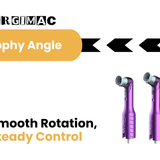
Get expert tips on choosing the right dental prophy angle for your practice, with advice on sterility, ergonomics, and patient comfort.
It's easy to think all disposable prophy angles are the same. But treating them as a simple commodity overlooks crucial differences in quality, performance, and—most importantly—sterility. Using a non-sterile instrument can compromise the rigorous infection control protocols you work so hard to maintain. This guide separates fact from fiction. We'll explore the science of effective polishing, debunk the myth that reusables always save money, and show why the quality of your dental prophy angle directly impacts clinical outcomes. The goal is to equip you with the knowledge to make confident, evidence-based purchasing decisions for your practice.
Key Takeaways
- Tailor Your Tool to the Task: Match the prophy cup firmness to your patient's specific needs—using soft cups for sensitive cases and firmer ones for tenacious stains—to ensure both comfort and an effective polish.
- Prioritize Guaranteed Sterility for Patient Safety: Always choose single-use, sterile-packaged prophy angles to eliminate cross-contamination risks and bypass the hidden labor and supply costs of reprocessing reusable instruments.
- Combine Quality Instruments with Proper Technique: Achieve consistently smooth results by pairing a compatible, well-designed angle with a slow-speed, light-pressure polishing method that reduces heat and maximizes patient comfort.

What is a Dental Prophy Angle?
A dental prophy angle is a fundamental tool in every hygienist's toolkit, designed for the final, critical step of a professional cleaning: polishing. This small but mighty device attaches to a low-speed handpiece to help remove stains, plaque, and biofilm from tooth surfaces. While patients might just see it as the tool that makes their teeth feel smooth and look shiny, clinicians know it plays a vital role in preventive care. Understanding its components, types, and proper application is key to achieving optimal clinical outcomes and ensuring patient satisfaction.
Anatomy of a Dental Prophy Angle
At its core, a prophy angle is a simple yet effective piece of equipment. It consists of a small, cup-shaped head—typically made of soft, flexible rubber—attached to a shank and gearing mechanism. This entire assembly fits securely into a low-speed dental handpiece, which provides the rotational power. The design allows you to apply prophylaxis paste evenly across tooth surfaces, including interproximal and subgingival areas. As one of the most frequently used dental instruments, its reliability and ergonomic feel are essential for efficient and comfortable use throughout the day.
Types of Prophy Angles and When to Use Them
Prophy angles come in various designs to suit different clinical needs and preferences. You can find angles with soft, firm, or flexible cups, as well as specialized features like articulating heads or splatter-reducing guards. The vast majority used in modern practices are single-use, disposable angles. This shift toward disposables has become the standard of care, as it eliminates the need for sterilization and significantly reduces the risk of cross-contamination between patients. Choosing the right disposable prophy angle ensures you have a clean, reliable tool for every single patient.
Specialized Designs for Improved Access
While a standard prophy cup is a workhorse, some clinical situations demand a more specialized approach. That's where design variations come into play. Prophy angles are available with different cup characteristics—from soft and flexible for sensitive gingiva to firm for tackling tenacious stains. Beyond texture, you'll find innovative designs like articulating heads that improve maneuverability around line angles and in tight posterior spaces. Some angles even incorporate splatter-reducing guards, which is a small feature that makes a big difference in maintaining a clean working field and improving the patient experience. Having a variety of these specialized prophy angles on hand allows you to customize your polishing technique for each patient’s unique anatomy and needs, ensuring no surface is missed.
Versatile and Combination Angles
Efficiency is everything in a busy practice, and some prophy angles are designed with that in mind. Combination angles, for instance, integrate both a polishing cup and a pointed tip into a single disposable head. This "2-in-1" design is incredibly practical, allowing you to seamlessly switch from polishing broad facial and lingual surfaces with the cup to cleaning interproximal areas and around orthodontic brackets with the tip. This eliminates the need to pause and change attachments, saving valuable chair time. For clinicians who prioritize a smooth workflow, these versatile tools are a fantastic option for reaching every part of the mouth quickly and effectively, making them a valuable part of your dental supplies inventory.
Pediatric Prophy Angles
Working with children requires a unique set of tools and a gentle touch. Pediatric prophy angles are specifically designed to make dental cleanings a more positive experience for your youngest patients. These angles often feature smaller heads to comfortably fit in a child's mouth and are typically equipped with ultra-soft, webbed cups. The softer material is less abrasive on delicate primary teeth and sensitive gingival tissues, reducing potential discomfort. Using an angle designed for children not only improves clinical access but also helps build trust and cooperation, turning a potentially intimidating procedure into a more pleasant one. It’s a simple switch that can make a significant impact on pediatric patient care and comfort.
Why Prophy Angles are Essential for Dental Hygiene
The primary function of a prophy angle is to perform coronal polishing. When used with a quality prophylaxis paste, it effectively removes extrinsic stains caused by coffee, tea, and tobacco, restoring the teeth's natural luster. More importantly, it removes residual plaque biofilm that may remain after scaling. This process leaves the tooth surfaces incredibly smooth, making it more difficult for new plaque to adhere and contributing to better overall oral health. It’s a finishing touch that not only enhances aesthetics but also supports your comprehensive infection control protocols and preventive care goals.
What to Look for in a Dental Prophy Angle
Selecting the right prophy angle goes beyond basic function; it’s about choosing a tool that enhances clinical efficiency, patient comfort, and your own physical well-being. A high-quality angle can make a routine procedure feel seamless, while a poorly designed one can create unnecessary challenges. When evaluating your options, focus on four critical features: the cup design, ergonomic handling, splatter control, and handpiece compatibility. These elements directly impact performance and can significantly improve the polishing experience for both you and your patients.
Soft, Firm, or Ribbed? Selecting Prophy Cup Firmness
A one-size-fits-all approach rarely works in dentistry, and prophy cups are no exception. The ability to personalize the cleaning process starts with choosing the right cup firmness for each patient’s unique clinical needs. Prophy cups are typically available in four firmness levels: ultra-soft, soft, medium, and firm. An ultra-soft or soft cup is ideal for patients with sensitive gingiva or exposed root surfaces, providing gentle yet effective cleaning. For removing moderate plaque and stains, a medium cup offers a great balance of flexibility and polishing power. A firm cup is best reserved for tenacious stains on patients with healthy, resilient tissue. Having a variety of dental disposables with different cup types allows you to tailor every prophylaxis procedure for optimal results and patient comfort.
Exploring Different Polishing Tips and Cups
Beyond firmness, the internal architecture of the prophy cup significantly influences its performance. Designs featuring internal webbing or ribs are engineered to hold prophylaxis paste more effectively, which helps reduce splatter and ensures an even application across the tooth surface. A well-designed cup flexes to adapt to tooth contours, allowing you to reach interproximal areas and the gingival margin without causing irritation. The goal is to find a design that not only removes stains efficiently but also feels balanced and smooth during operation. Having a variety of prophy angles with different cup styles on hand allows you to select the perfect tool for each patient’s unique anatomy and polishing needs, ensuring a consistently excellent result.
Webbed, Turbine, and Tapered Brush Designs
Among the most common designs are webbed cups, which feature internal partitions that act like small reservoirs for prophy paste. This classic design is a reliable choice for routine polishing, as it minimizes splatter and provides a steady, controlled application. For more challenging cases with moderate to heavy staining, a turbine or ribbed cup may be more effective. These cups have fins that create a vortex-like action, helping to lift and remove tenacious stains more efficiently. For precision work, a tapered brush is indispensable. It’s perfect for cleaning around orthodontic brackets, in deep occlusal pits and fissures, and on implant surfaces where a standard cup can’t reach. Stocking these different dental disposables ensures you’re prepared for any clinical scenario.
Why Ergonomics Matter for Clinicians
As a dental professional, your hands are your most valuable asset, and protecting them is essential for a long and healthy career. The ergonomics of your tools play a huge role in preventing musculoskeletal strain. Standard right-angled prophy angles can force your wrist into continuous, unnatural flexion to reach all tooth surfaces. Over time, this can lead to fatigue and injury. Look for contra-angled designs that allow you to maintain a more neutral, relaxed wrist position. This philosophy of clinician-centric design is at the heart of our own instrument collections, including the feather-light Air Series, which is engineered to reduce hand fatigue and improve tactile sensitivity during delicate procedures.
Do You Need a Prophy Angle with a Splash Guard?
Maintaining a clean and safe operatory is a top priority. Prophy paste splatter is not only messy but also poses an infection control risk by aerosolizing saliva and debris. Many modern prophy angles are designed with features specifically to combat this issue. Look for angles with built-in splash guards or uniquely shaped cups that contain the prophy paste during rotation. Some designs can reduce splatter by up to 95%, keeping your work area cleaner and minimizing cross-contamination risks. This small feature makes a big difference in upholding rigorous infection control standards and creating a more pleasant experience for everyone.
Understanding Splatter Reduction Performance
The performance of splatter-reducing features comes down to smart engineering. These are not just simple add-ons; they are integrated design elements like flexible outer rings, internal blades, or precisely angled flanges that actively contain prophy paste within the cup during rotation. This design prevents the centrifugal force from flinging paste and aerosolized saliva across the operatory. The result is a significantly cleaner and safer environment, with some designs proven to reduce splatter by up to 95%. This directly supports your infection control protocols by minimizing contaminated aerosols and also improves visibility by keeping the treatment area clear. Investing in high-performance prophy angles with these features creates a more professional and comfortable experience for the patient while making cleanup more efficient for you.
Will This Prophy Angle Fit Your Handpiece?
A prophy angle is only effective if it works seamlessly with your existing equipment. Before stocking up on a new brand, it’s crucial to confirm its compatibility with your dental handpieces. An angle that doesn’t fit securely can vibrate excessively, wobble during use, or fail to rotate properly, leading to inefficient polishing and potential discomfort for the patient. Always verify that the prophy angle is designed to fit your specific handpiece model, whether it’s a standard Doriot-style or another connection type. Ensuring a proper fit is a simple but critical step in integrating new dental equipment and supplies into your practice smoothly and effectively.
Material and Patient Safety Considerations
The Importance of Latex-Free Options
When it comes to single-use products, the materials they are made from are just as important as their function. Patient safety is always the top priority, and that includes protecting them from potential allergens. This is why choosing latex-free prophy angles is an absolute must for any modern dental practice. Latex allergies can cause reactions ranging from mild skin irritation to severe anaphylaxis, and you may not always know a patient's sensitivity beforehand. By exclusively using prophy angles not made with natural rubber latex, you eliminate this risk entirely. This commitment to safety aligns with the standards you uphold across all your clinical supplies, from your choice of prophy angles to your selection of protective gear like our MacSafe nitrile exam gloves.
Technical Features and Packaging
Gear-less Design for Patient Comfort
The internal mechanics of a prophy angle can have a surprising impact on the patient experience. Traditional gear-driven angles can sometimes produce a noticeable whirring sound and vibration, which can heighten anxiety for sensitive patients. To address this, many manufacturers now offer gear-less or vibration-free designs. These angles operate with a smoother, quieter motion, creating a more peaceful and comfortable environment during polishing. While it may seem like a minor detail, this reduction in noise and vibration can make a significant difference in patient perception, helping them feel more at ease in the chair. It’s a thoughtful feature that demonstrates a commitment to providing the most pleasant experience possible.
Color-Coding and Bulk Packaging
Efficiency is key to a productive dental practice, and the right packaging and design features can help streamline your workflow. Many prophy angle brands use a color-coded system to distinguish between different cup firmness levels, allowing you to quickly grab the exact tool you need for each patient without a second thought. This simple visual cue saves time and reduces the chance of error. Furthermore, prophy angles are typically available in bulk quantities—such as boxes of 100, 144, or 500—which simplifies inventory management and ensures you are always well-stocked. Thoughtful packaging for your dental disposables makes it easier to keep your practice running smoothly and cost-effectively.
Disposable vs. Reusable: Which Prophy Angle is Better?
Choosing between disposable and reusable prophy angles is a decision that directly impacts your practice's efficiency, infection control protocols, and bottom line. While single-use angles have become the standard in most modern dental settings, it’s important to understand the full picture to make the best choice for your team and your patients. The debate isn't just about convenience; it involves a careful balance of patient safety, operational costs, staff time, and even environmental considerations.
This decision shapes your daily workflow. Do you prioritize the grab-and-go simplicity of a disposable angle, or do you have the robust systems in place to properly manage reusable instruments? Each option comes with its own set of responsibilities and benefits. Let's break down the key factors to consider, from the undeniable hygiene advantages of single-use products to the true cost of ownership for reusable alternatives. This will help you confidently select the prophy angles that align with your practice’s clinical standards and business goals.
The Benefits of Single-Use Prophy Angles
Disposable prophy angles are the go-to choice for most practices today, and for good reason. Their primary advantage is superior infection control. Because they are designed for single-patient use, they eliminate the risk of cross-contamination, providing peace of mind for both you and your patients. This convenience translates directly into workflow efficiency. You can forget the time-consuming process of scrubbing, bagging, and autoclaving, which frees up your team to focus on patient care. Each disposable angle also delivers consistent, out-of-the-box performance, so you never have to worry about the gradual wear and tear that affects reusable instruments after repeated sterilization cycles.
When to Consider Reusable Options
While less common, reusable prophy angles still have a place in some clinical settings. These instruments are typically made from durable metal that can withstand repeated cleaning and heat sterilization in an autoclave. The main argument for reusable options often centers on reducing environmental waste from single-use plastics. For practices with a strong commitment to sustainability and the rigorous sterilization protocols to support them, they can be a viable choice. However, managing them properly requires meticulous attention to detail, dedicated equipment, and consistent staff training to ensure they are always safe and effective for patient use.
Calculating the Cost: Which Option Saves You More?
When comparing costs, it’s easy to see the per-item price of disposable angles and assume they are more expensive. However, a true cost-benefit analysis reveals a more complex picture. Reusable angles carry significant "hidden" costs beyond their initial purchase price. You must factor in the expense of sterilization supplies, the energy consumption of your autoclave, and—most importantly—the value of your staff's time spent on cleaning and processing. When you calculate the true cost per use, the convenience and guaranteed sterility of high-quality disposable angles often present a more compelling financial value for a busy practice.
Find Your Perfect Fit with SurgiMac Prophy Angles
At SurgiMac, we understand the need for clinical tools that deliver both performance and peace of mind. That's why we offer a comprehensive selection of high-quality, reliable disposable prophy angles engineered for today's dental professionals. Our collection features latex-free cups in soft and firm varieties, ensuring you have the right tool for every patient's needs. With smooth-running, ergonomic designs, our prophy angles help reduce hand fatigue while providing an excellent polish. Choosing SurgiMac means equipping your practice with dependable solutions that support the highest standards of hygiene and clinical efficiency.
How to Select the Best Prophy Angle for Your Practice
Choosing the right prophy angle isn’t just about restocking a supply closet; it’s a clinical decision that impacts your efficiency, your patient’s comfort, and your practice’s bottom line. With so many options available, the key is to find an angle that aligns perfectly with your specific operational needs and clinical standards. A thoughtful selection process ensures every prophylaxis procedure is smooth, effective, and comfortable for both you and your patient. By evaluating a few key factors, you can confidently select a prophy angle that becomes a reliable tool in your daily workflow.
Consider Your Patient Volume and Workflow
Before you place an order, take a moment to evaluate your practice’s unique demands. A high-volume clinic performing dozens of cleanings a day will have different priorities than a smaller, specialized practice. Consider your typical patient demographic—are you primarily treating adults with heavy staining, or children who require a gentler touch? The answer will guide your choice between soft, flexible cups for sensitive mouths and firmer cups for more robust polishing. Documenting your weekly patient load and the most common types of prophylaxis procedures you perform will give you a clear blueprint for selecting the most effective and efficient dental disposables for your team.
Making Patient Comfort a Priority
A positive patient experience is paramount, and the prophy angle you use plays a significant role in that. A loud, vibrating angle can create unnecessary anxiety, while a smooth, quiet-running one promotes a sense of calm and professionalism. Look for designs with features that minimize splatter, as this directly enhances comfort and reduces cleanup time. The right cup design can contain prophy paste effectively, ensuring the patient leaves feeling clean and refreshed, not messy. A comfortable patient is more likely to be compliant during treatment and, more importantly, to return for their next appointment.
Match the Angle to Your Existing Equipment
This may seem obvious, but it’s a critical step that’s sometimes overlooked. Not all prophy angles are compatible with all low-speed handpieces. Before committing to a new brand or model, confirm that the angle’s connection type matches your existing dental equipment and supplies. Most disposable angles use a standard Doriot-style connection, but it’s always wise to double-check the manufacturer’s specifications. Ensuring compatibility from the start prevents the frustration of unusable stock and the operational delays that come with it. A quick check can save you significant time and money down the line.
Finding a Prophy Angle That Fits Your Budget
While cost is always a consideration, it’s important to look at the bigger picture. The cheapest option isn’t always the most cost-effective. A poorly designed angle might run inefficiently, break mid-procedure, or create excessive splatter, costing you valuable time in cleanup and changeovers. When evaluating price, consider the total value. Does a particular angle offer superior ergonomics that reduce clinician fatigue? Does it contribute to a better patient experience? Investing in quality tools is an investment in your practice’s reputation and efficiency. Balancing upfront cost with performance and reliability will help you make a financially sound decision for your infection control and procedural needs.
Your Guide to Prophy Angle Safety Protocols
In any dental practice, maintaining a sterile environment isn't just a best practice—it's a fundamental commitment to patient and clinician safety. Prophylaxis procedures, while routine, require strict adherence to infection control protocols to prevent the transmission of pathogens. Using prophy angles correctly is a critical piece of this puzzle. From the moment you open the package to the final disposal, every step matters in upholding the highest standards of care and ensuring a safe clinical environment for everyone.
How to Prevent Cross-Contamination
The most effective way to prevent cross-contamination when using prophy angles is to embrace their single-use design. As industry guidelines confirm, disposable prophy angles should be discarded immediately after use on a single patient. This simple act eliminates the risk of transferring microorganisms between appointments. To support this protocol, ensure your team is equipped with high-quality personal protective equipment. A comprehensive infection control strategy includes wearing fresh MacSafe gloves for every patient and maintaining a clean, organized operatory. By treating each prophy angle as a single-use instrument, you create a reliable barrier against cross-contamination and demonstrate a clear commitment to patient safety.
Are You Using Your Prophy Angle Correctly?
Proper technique is just as important as using a sterile instrument. For optimal results and patient comfort, prophy angles should always be used with a professional dental prophylaxis paste. Applying the correct amount of pressure and maintaining a consistent, low speed on your handpiece is essential for effective stain removal without causing thermal sensitivity or discomfort. Always follow the manufacturer's instructions for use to ensure you are operating within the recommended parameters. Adhering to these protocols not only enhances clinical outcomes but also reinforces a safe and positive patient experience. Using the right dental disposables for each step of the procedure further supports a seamless and hygienic workflow.
What Are the Sterilization Requirements?
One of the key safety advantages of disposable prophy angles is that they arrive ready for immediate clinical use. Most single-use angles are Gamma-irradiated and guaranteed sterile in their sealed packaging, eliminating the need for in-office processing. This removes the risks associated with improper cleaning or incomplete sterilization, which can be a concern with reusable instruments. By using pre-sterilized disposables, you save valuable time and resources that would otherwise be spent on complex sterilization procedures. This allows your team to focus more on patient care, confident that the instruments they are using meet the highest standards of sterility right out of the box.
How to Safely Dispose of Prophy Angles
The final step in the lifecycle of a disposable prophy angle is its proper disposal. Because they are single-use items, prophy angles must be thrown away after one patient to stop germs from spreading. These instruments should be discarded in accordance with your practice's protocols for contaminated waste and in compliance with local and OSHA regulations. This crucial step completes the chain of infection control for the procedure. Ensuring your team consistently wears appropriate PPE, such as MacSafe disposable gloves, during both the procedure and cleanup is essential for personal protection. Safe disposal is a non-negotiable part of a responsible and compliant dental practice.
Prophy Angle Myths vs. Facts
When it comes to dental prophy angles, it’s easy for assumptions to become standard practice. But not all common beliefs hold up under scrutiny. Let's clear up some of the most persistent myths and replace them with facts to help you make informed decisions for your practice and your patients. Understanding these distinctions is key to optimizing both your clinical outcomes and your operational efficiency.
Myth: All Disposable Angles Are the Same
It’s a common misconception that one disposable prophy angle is just like any other. In reality, they vary significantly in design, material, and, most critically, sterility. The terms "disposable" and "sterile" are not interchangeable. Many disposable angles are simply clean-packaged, not sterilized, which can create a false sense of security. As one industry report notes, "The concepts of decontamination, disinfection, and sterilization are often interchanged and misinformation ensues." True infection control demands a sterile instrument for every patient to eliminate the risk of cross-contamination. Relying on a non-sterile disposable angle undermines the very safety protocols you work so hard to maintain.
Fact: Quality Impacts Performance and Safety
The quality of your prophy angle directly influences clinical performance and patient safety. A superior angle is engineered for smooth, consistent rotation without overheating, which translates to a more effective polish and a more comfortable patient experience. High-quality angles are often sterilized after packaging using methods like gamma irradiation to guarantee sterility from the moment you open them. Poorly made angles can chatter, leak, or even break during a procedure, compromising the quality of care and potentially harming the patient. Investing in high-quality, sterile dental disposables is an investment in clinical excellence and risk management for your practice.
Myth: Reusable Angles Always Save Money
At first glance, reusable prophy angles seem like the more economical choice. You buy them once and use them repeatedly. However, this view overlooks the significant hidden costs associated with reprocessing. "Cost-effectiveness and efficient sterilization remain crucial factors influencing product selection," and the costs of sterilization add up quickly. You have to account for your team’s labor for cleaning and bagging, the wear and tear on your autoclave, and the cost of sterilization supplies like pouches and chemical indicators. These ongoing expenses, combined with the initial purchase price, can make reusable angles far more expensive over their lifespan than you might think.
Fact: Calculating the True Cost of Ownership
To get a clear financial picture, you need to calculate the total cost of ownership. For reusable angles, this includes the purchase price plus all recurring costs for sterilization and maintenance. For disposables, the cost is a straightforward, predictable per-procedure expense. As the demand for efficient and safe dental procedures grows, practices are finding that the time saved by eliminating reprocessing is invaluable. This allows your team to focus more on patient care and less on instrument management. High-quality disposable angles offer a reliable, sterile, and ultimately cost-effective solution that supports a modern, efficient practice workflow.
Getting the Best Results from Your Prophy Angle
Selecting a high-quality prophy angle is the first step, but achieving optimal results depends just as much on technique, storage, and consistent protocols. Even the best instrument can underperform if not used correctly. By refining your approach and implementing a few key checks, you can ensure every polishing procedure is smooth, efficient, and comfortable for your patients. These practical steps will help you get the most out of your instruments, maintain a high standard of care, and streamline your clinical workflow.
Perfect Your Polishing Technique
A prophy angle is designed to hold a polishing cup or brush, allowing you to efficiently remove stains and plaque from tooth surfaces. To achieve a flawless polish while prioritizing patient comfort, technique is everything. Always operate your handpiece at the slowest possible speed and apply light, consistent pressure. This approach allows the cup to flare gently, enabling you to clean just under the gumline without causing irritation. Using a slow speed also reduces frictional heat, which is a common source of patient discomfort during polishing procedures. This controlled method ensures a thorough cleaning and a smooth, glossy finish every time.
Are You Storing Your Prophy Angles Correctly?
Proper storage is fundamental to maintaining the integrity and sterility of your dental supplies. Prophy angles, whether disposable or reusable, must be kept in a clean, dry environment away from direct sunlight and contaminants. This prevents the degradation of plastic components and rubber cups, ensuring they perform as expected during a procedure. For disposable angles, keeping them in their original packaging until the moment of use is the best practice. This protects their sterility and prevents any cross-contamination in the operatory. A well-organized and clean storage system is a critical component of your practice's overall infection control strategy.
How to Ensure Consistent Performance Every Time
To maintain effectiveness throughout a procedure, remember that prophy paste loses its abrasive quality as you work. You’ll need to replenish the paste in your prophy cup for every one to three teeth to ensure consistent polishing power. For patient safety and clinical efficiency, using individually wrapped, sterile disposable prophy angles is an excellent choice. This practice eliminates the risk of cross-contamination and saves valuable time on sterilization. Most modern angles are also latex-free, which prevents potential allergic reactions and provides a safer experience for all patients. These small adjustments can make a significant difference in your clinical outcomes.
Why You Need a Quality Check Routine
Establishing quality assurance checks for your supplies is essential for patient safety and procedural success. Not all disposable instruments are manufactured to the same standard, so it's important to source them from a trusted supplier. Your prophy angles should be made from durable materials that can withstand the rigors of a procedure without breaking or malfunctioning. Part of your quality assurance should also include strict adherence to infection control protocols. Ensure your team understands the difference between decontamination, disinfection, and sterilization, and follows proper handling procedures to maintain a safe clinical environment for everyone.
What Influences Prophy Angle Pricing?
When stocking your practice, you’ll notice that prophy angles come in a wide range of prices. This variation isn’t arbitrary; it’s driven by a combination of manufacturing choices, regulatory standards, and market dynamics. Understanding these factors can help you make a more informed purchasing decision, balancing cost with the clinical quality your patients deserve. From the raw materials used in the cup to the competitive landscape, several key elements determine the final cost of these essential hygiene instruments. Let's break down what goes into the price tag.
How Material Quality Affects the Price Tag
The materials used to construct a prophy angle are the primary drivers of its cost. High-grade, medical-compliant plastics for the body, durable gears for the internal mechanism, and precisely molded rubber for the cup all contribute to a higher price point. While it might be tempting to opt for the cheapest option, remember that material quality directly affects performance and reliability. A well-made angle runs smoothly without overheating, and a quality cup effectively removes stains without falling apart. As research notes, cost-effectiveness is crucial, but it must be balanced with performance and safety to ensure you’re using dependable dental supplies in your practice.
How Regulations Affect Pricing
The dental supply market is heavily regulated to ensure patient and clinician safety, and these standards influence product pricing. Manufacturers must adhere to strict guidelines from bodies like the FDA, which involves rigorous testing, quality control processes, and detailed documentation. These compliance efforts represent a significant investment, which is then factored into the cost of the final product. As the market navigates increasing "regulatory pressures," sourcing from a reputable supplier becomes even more critical. This ensures the prophy angles you purchase meet all necessary infection control and safety standards, protecting both your patients and your practice.
Does New Tech Mean Higher Prices?
Advancements in prophy angle design also play a role in pricing. Manufacturers invest in research and development to create products with improved ergonomics, better splash control, and enhanced polishing efficiency. Features like unique cup flares, contra-angle designs for better access, or specialized internal components that guarantee a smoother, quieter operation are all results of this innovation. These premium features often come with a higher price, reflecting the investment in creating a more effective and comfortable clinical experience. This focus on continuous improvement is what drives the development of superior dental instruments across the board.
How Market Competition Drives Prices
Finally, market competition significantly impacts how prophy angles are priced. With numerous manufacturers in the space, companies often use pricing strategies to gain an edge. In highly price-sensitive markets, this competition can lead to more affordable options for dental practices. However, it also creates a wide spectrum of quality. A supplier that offers a curated selection of prophy angles from various trusted brands allows you to compare features and find the best fit for your clinical needs and budget. This competitive environment ultimately gives you more choices, empowering you to select products that align with your practice's standards for quality and value.
Frequently Asked Questions
Related Articles
Tags
Blog posts
-
, by SurgiMac A Clinician's Guide to Absorbable Suture Material
-
, by SurgiMac A Clinician's Guide to Dental Composite Resin Kits
-
, by SurgiMac How to Disinfect with Metrex CaviWipes Correctly
