Get clear on simple stem vs cone socket dental mirrors. Learn the key differences, compatibility tips, and how to choose the right mirror for your practice.
The dental mirror is one of the most fundamental tools in your operatory, but a simple ordering mistake can bring your workflow to a halt. If you’ve ever opened a box of new mirror heads only to find they don’t fit your handles, you know the frustration. This common issue almost always comes down to one key difference: simple stem vs cone socket. These two connection systems are not interchangeable, and knowing which one your practice uses is essential for smart inventory management. This guide will break down the distinction, explain the U.S. standard, and help you order with confidence every time.
Key Takeaways
-
Know Your Connection Type: Simple Stem mirrors screw in with threads, while Cone Socket mirrors use a tapered pressure fit. These systems are not interchangeable, so check your existing handles before ordering to avoid incompatible supplies.
-
Standardize with Cone Socket in the U.S.: For practices in the United States, Cone Socket is the industry standard. Choosing this system simplifies purchasing and ensures compatibility with most equipment from American suppliers.
-
Prioritize Stability for Precision: The secure, pressure-fit design of Cone Socket mirrors offers a wobble-free view essential for detailed clinical work. Combine them with ergonomic handles, like those in the Air Series, to maximize control and reduce hand fatigue.
Simple Stem vs. Cone Socket: What's the Difference?
The dental mirror is one of the most essential tools in any practice, but not all mirrors are created equal. The key difference lies in how the mirror head attaches to the handle. Understanding the distinction between Simple Stem and Cone Socket systems is crucial for ensuring compatibility and optimal performance during procedures. Choosing the wrong type can lead to frustrating ordering mistakes and wasted inventory. Let’s break down the two main types so you can confidently select the right equipment for your clinic.
Understanding the Simple Stem Mirror
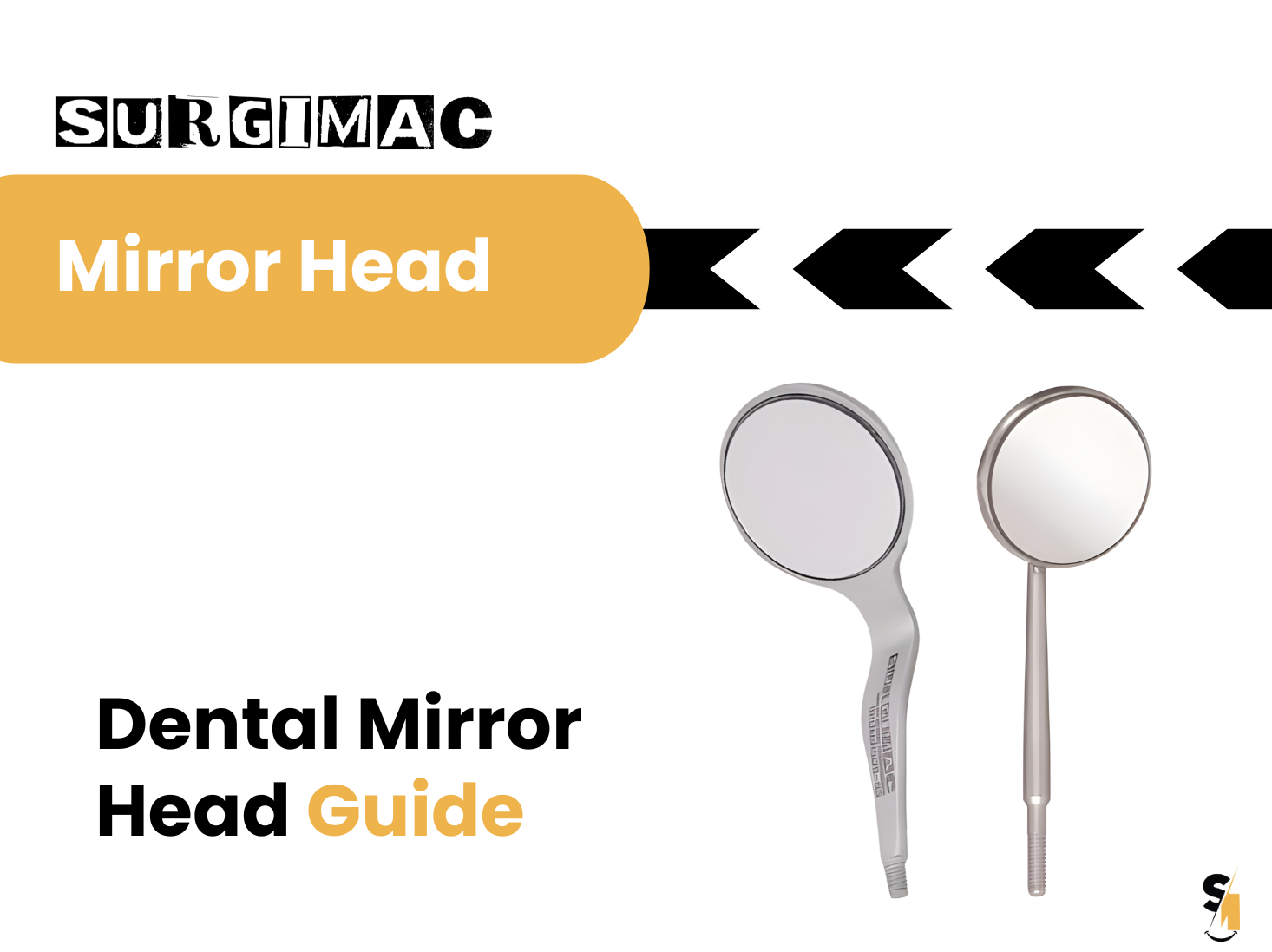
A Simple Stem mirror head features a straight, threaded stem that screws directly into the mirror handle. Think of it like a standard screw—the threads on the mirror head match corresponding threads inside the handle, allowing you to twist it on until it’s secure. This design is straightforward and easy to assemble. While you might encounter Simple Stem mirrors in international markets or older equipment sets, they are not the prevailing standard in the United States. It’s important to identify if your existing handles use this system before ordering replacements to avoid purchasing incompatible mirror heads.
Understanding the Cone Socket Mirror
Cone Socket mirror heads, on the other hand, have a smooth, tapered end shaped like a cone. This "socket" fits snugly into a matching tapered opening in the handle. Instead of threads, the connection relies on a secure pressure fit, which creates an exceptionally stable and wobble-free attachment. This is the industry standard for dental instruments in the United States, used in most dental schools and clinics. Pairing a Cone Socket mirror with ergonomic handles, like those in our Air Series collection, provides outstanding balance and control, reducing hand fatigue during detailed examinations and procedures.
Key Differences at a Glance
The most critical takeaway is that these two systems are not interchangeable. A Simple Stem mirror head will not fit a Cone Socket handle, and vice versa. Attempting to force them together can damage both the mirror and the handle.
Here are the main points to remember:
-
Attachment Method: Simple Stem uses threads to screw in, while Cone Socket uses a tapered end for a pressure fit.
-
U.S. Standard: Cone Socket is the accepted standard across the United States. If you practice in the U.S., you are most likely using a Cone Socket system.
-
Stability: Many clinicians find the Cone Socket’s pressure-fit design offers superior stability, preventing the mirror head from loosening or wobbling during use.
A Clinical Performance Comparison
When you’re in the middle of a procedure, the last thing you want to worry about is your equipment. The performance of a simple tool like a dental mirror can make a surprising difference in your workflow. Let’s break down how Simple Stem and Cone Socket mirrors stack up in four key areas of clinical performance: stability, efficiency, reliability, and durability. Understanding these differences will help you decide which system best supports the way you practice.
Stability: Which Mirror Stays Put?
For unwavering stability, the Cone Socket mirror is the clear winner. Its design features a tapered end that fits into the handle with a secure pressure fit. This connection minimizes any chance of the mirror head wobbling, spinning, or loosening during retraction or examination. While a high-quality Simple Stem mirror is generally stable, the threaded connection can sometimes loosen slightly after repeated use and sterilization cycles. For procedures that demand absolute precision and a consistently stable field of view, the rock-solid connection of a Cone Socket mirror provides greater confidence.
Efficiency: Which Is Faster to Replace?
In a busy practice where every second counts, the Simple Stem mirror offers a slight edge in replacement speed. Changing the mirror head is as simple as unscrewing the old one and screwing on the new one—a process that takes just a moment. Cone Socket heads, secured by pressure, can require a bit more effort to remove and firmly seat a new one. While the difference is minor, clinics with high patient turnover may find the quick-change nature of Simple Stem mirrors helps streamline their sterilization and setup workflow between appointments, keeping the schedule running smoothly.
Reliability: Threading vs. Pressure-Fit
Both systems are reliable, but their potential points of failure differ. The primary risk with Simple Stem mirrors is thread wear. Over time, the threads on the stem or inside the handle can strip or wear down, especially if cross-threaded, compromising the connection. The Cone Socket’s pressure-fit design avoids this issue entirely. However, its reliability hinges on a perfect match between the head and handle. It's crucial to remember that these two systems are not interchangeable. Using a Cone Socket head with a Simple Stem handle simply won’t work, making consistent ordering from trusted dental equipment and supplies providers essential for reliability.
Durability: Which One Lasts Longer?
Ultimately, the longevity of a mirror head has less to do with its connection type and more to do with the quality of its manufacturing. A mirror’s durability is determined by the materials used—like high-grade stainless steel—and the precision of its construction. Both Cone Socket and Simple Stem mirrors from a reputable manufacturer will withstand the rigors of daily clinical use and autoclaving. When choosing your instruments, focus on the brand’s reputation for quality. Collections like SurgiMac’s Pro Series are crafted from premium materials to ensure lasting performance, regardless of the stem type you prefer.
How to Choose the Right Mirror for Your Practice
Selecting the right dental mirror might seem like a minor decision, but it has a direct impact on your clinical workflow, precision, and even inventory management. The most critical factor comes down to the connection type between the mirror head and the handle: Cone Socket or Simple Stem. Understanding the difference is key to ensuring you always have a stable, reliable tool ready for every procedure. Beyond the connection, you’ll also want to consider the mirror’s coating and how it affects intraoral visibility. A clear, distortion-free view is non-negotiable, whether you're performing a routine exam or a complex restorative procedure.
Making an informed choice from the start prevents the common frustration of ordering incompatible parts, which can disrupt your schedule and waste resources. By aligning your mirror selection with your practice’s location, procedural needs, and existing equipment, you can streamline your supply chain and equip your team with tools that perform consistently. This ensures that every member of your clinical team, from hygienists to specialists, can work efficiently and with total confidence in their instruments. High-quality dental instruments are the foundation of excellent patient care, and the humble dental mirror is no exception.
When to Choose a Cone Socket Mirror
For nearly every dental practice in the United States, the Cone Socket mirror is the standard and the most practical choice. These mirror heads feature a tapered, cone-shaped end that fits securely into the handle with a simple pressure fit. This design creates an incredibly stable and wobble-free connection, which is essential for maintaining precision during examinations and procedures. Because Cone Socket is the prevailing system in the U.S., you’ll find that these mirror heads and handles are widely available and compatible with the equipment sold by most American suppliers. Sticking with this system simplifies ordering and ensures you can always find replacements without worrying about compatibility issues.
When a Simple Stem Mirror Makes Sense
Simple Stem mirrors, often called "European-style," feature a straight stem with threads that screw directly into the handle. While this system is effective, it is far less common in the United States. You might consider a Simple Stem mirror if your practice was originally equipped with European instruments or if a clinician trained abroad has a strong preference for them. However, be aware that sourcing compatible handles and replacement heads can be more challenging through U.S. suppliers. For most American practices, choosing Simple Stem can lead to accidental ordering mix-ups and compatibility headaches that are easily avoided by opting for the Cone Socket standard.
Match the Mirror to the Procedure
Beyond the connection type, the quality of the mirror surface itself is crucial. Mirror heads are semi-consumable items; they can get scratched or worn over time, compromising visibility. For procedures requiring the highest level of detail, always choose front-coated mirrors. These mirrors provide a single, crisp reflection without the "ghosting" effect that can occur with rear-coated mirrors, ensuring maximum clarity. Pairing a high-quality mirror head with an ergonomic handle from a collection like the Air Series enhances both visibility and control, reducing hand fatigue during long or intricate procedures. Regularly inspecting and replacing worn mirror heads is a simple step that supports diagnostic accuracy and clinical excellence.
Consider Regional Preferences
Your geographic location is one of the most significant factors in this decision. If your practice is in the U.S., standardizing with the Cone Socket system is the most efficient path forward. This ensures that any dental equipment and supplies you order, from mirror heads to handles, will be compatible. The most common ordering mistake dental professionals make is not knowing the difference between the two systems, leading to a box of mirror heads that don’t fit any of their handles. By understanding this key regional preference, you can prevent inventory errors, streamline your purchasing process, and ensure your clinical team always has the right tools ready to go.
A Quick Guide to Ordering and Compatibility
Choosing between Cone Socket and Simple Stem mirrors involves more than just clinical preference—it directly impacts your inventory management and daily workflow. Ordering the wrong type can lead to frustration and downtime, but a little knowledge goes a long way in preventing simple mistakes. This guide will walk you through how to ensure compatibility, avoid common ordering errors, and select the best system for your practice, so you can keep your focus on patient care.
Ensure Handle Compatibility
Before you place an order for new mirror heads, take a moment to check your current handles. This simple step is the easiest way to determine whether you need Cone Socket or Simple Stem replacements. In the United States, Cone Socket is the established standard, so you’ll find that most dental schools, clinics, and suppliers use this system. If your practice is based in the U.S., it’s highly likely you’re already using Cone Socket handles. Simple Stem mirror heads, sometimes called "European-style," are more prevalent in other countries. Knowing which system your practice uses is the first step to a seamless ordering process for all your dental instruments.
Avoid Common Ordering Mistakes
One of the most frequent issues dental professionals encounter is accidentally ordering the wrong type of mirror head. It’s crucial to remember that these two systems are not interchangeable. A Cone Socket mirror head will not fit a Simple Stem handle, and vice versa. Trying to force them together can damage the threading on the handle or break the mirror head, rendering both tools useless. This mistake can disrupt your schedule and lead to unnecessary costs. By confirming your handle type before purchasing, you can easily avoid this problem and ensure your clinic is always stocked with the correct dental supplies.
Select the Best System for Your Workflow
For most practices in the United States, sticking with the Cone Socket system is the most efficient choice. Since it’s the industry standard, you’ll find it much easier to source compatible mirror heads and handles from the majority of suppliers. Beyond convenience, many clinicians find that Cone Socket mirrors offer superior stability. The tight, pressure-fit design makes them less likely to wobble during procedures, which is essential for detailed work. This reliability ensures you can perform with confidence and precision, making it a practical and high-performing option for any busy practice. For tools that deliver flawless balance, explore our Air Series instruments.
Explore SurgiMac's Premium Mirror Solutions
At SurgiMac, we provide high-quality dental mirrors and handles designed to meet the demands of a modern practice. Our instruments are crafted for durability, precision, and ergonomic comfort, ensuring they integrate perfectly into your workflow. Whether you need reliable tools for routine exams or specialized procedures, our collections offer exceptional performance. The Pro Series features instruments made from premium-grade stainless steel for unmatched reliability, while the Slim Series is designed for enhanced comfort and reduced fatigue. Explore our comprehensive selection to find the ideal mirror solutions that match your practice’s standards for quality and care.
Related Articles
Frequently Asked Questions
How can I tell if my current mirror handles are Simple Stem or Cone Socket? The easiest way to check is to look at the opening where the mirror head attaches. If you see threads inside the handle, similar to a nut, then you have a Simple Stem system. If the opening is a smooth, tapered hole with no threads, it’s designed for a Cone Socket mirror head. Knowing this before you order will save you a lot of hassle.
Is one type of mirror connection actually better than the other? While both systems work well, "better" often depends on your location and clinical needs. In the United States, the Cone Socket is the standard for good reason—its pressure-fit design provides exceptional stability and prevents the mirror from wobbling during procedures. For U.S. practices, sticking with the Cone Socket system simplifies ordering and ensures compatibility with most available supplies.
What's the biggest mistake people make when ordering new mirror heads? The most common error is not realizing that Simple Stem and Cone Socket systems are completely incompatible. Many professionals assume all mirror heads fit all handles and end up with a box of supplies they can't use. Always confirm which system your practice uses before placing an order to avoid wasting time and money on mismatched parts.
Besides the connection type, what else should I consider when choosing a dental mirror? The quality of the mirror surface is just as important. Look for front-coated mirrors to get the clearest, most accurate reflection without any ghosting. You should also consider the handle itself. Pairing a quality mirror head with a well-balanced, ergonomic handle, like those in our Air Series, can significantly reduce hand fatigue and improve your control during examinations.
Can I use a Simple Stem mirror head with a Cone Socket handle, or vice versa? No, you absolutely cannot. The two systems are designed differently and are not interchangeable. A threaded Simple Stem head will not fit into a smooth Cone Socket handle, and a tapered Cone Socket head has nothing to grip onto in a threaded handle. Attempting to force them together will likely damage both the mirror and the handle.