
The Future of Dentistry: What You Need to Know
- , by SurgiMac LLC
- 19 min reading time
The future of dentistry is here—learn about 5 cutting-edge trends transforming patient care, technology, and clinical outcomes in modern dental practices.
Patient expectations are changing the game. Today, people want care that’s not only effective but also faster, less invasive, and more comfortable. This fundamental shift is shaping the future of dentistry, pushing clinicians to adopt smarter techniques and materials. The demand for precision is higher than ever, whether it's for a flawless final impression using materials like MacImpress or a simple diagnostic model. This guide is for the forward-thinking professional ready to meet these demands head-on, blending clinical excellence with a superior patient experience.
Sit tight as we dive into some of the most thrilling advancements shaping the future of dentistry. From 3D printing revolutionizing custom dental prosthetics to artificial intelligence enhancing diagnostics and treatment planning, these cutting-edge trends are set to transform your dental experience.
So, let’s explore the innovations that are bringing precision, efficiency, and comfort to a whole new level in dental care.

Immersive Patient Education with VR and AR
Explaining complex treatment plans can be challenging, but new technology is making it easier to bridge the communication gap. Virtual and Augmented Reality (VR/AR) are transforming patient consultations from abstract discussions into tangible, visual experiences. According to the British Dental Journal, these tools can show patients what their teeth will look like after a procedure, which helps reduce their anxiety and makes them more likely to accept the recommended treatment. By allowing patients to see their future smile, you empower them with a clear understanding of the outcome. This not only builds trust but also fosters a more collaborative and engaging environment, leading to better-informed decisions and higher patient satisfaction.
The Rise of Radiation-Free Imaging
For decades, radiography has been the standard for diagnostic imaging, but concerns over radiation exposure are driving innovation toward safer alternatives. The future lies in radiation-free, light-based imaging technologies that provide detailed views of intraoral structures without the risks associated with X-rays. This emerging technology is a safer way to see inside teeth and bone, enhancing your diagnostic capabilities while prioritizing patient safety. This level of clarity allows for incredibly precise assessments, which in turn demands instruments that can deliver corresponding accuracy. When you can diagnose with pinpoint precision, having reliable tools like those in the Pro Series ensures your execution is just as flawless, leading to superior clinical outcomes.
Advancements in Dental Materials and Procedures
Beyond digital workflows, the very materials we use in clinical practice are getting a major upgrade. Material science is pushing the boundaries of what’s possible, offering solutions that are not only stronger and more durable but also more biocompatible and even regenerative. These innovations are changing the game for restorative dentistry, endodontics, and prosthodontics, allowing for treatments that are less invasive and longer-lasting. From fillings that actively help remineralize tooth structure to more resilient implant materials, these advancements directly translate to improved patient outcomes and greater clinical confidence. Let's look at some of the most significant developments in dental materials and the procedures they enable.
Stronger, Smarter Restorative Materials
The days of choosing between strength and aesthetics are quickly fading. New restorative materials are engineered to deliver both, providing durable, long-lasting solutions that blend seamlessly with natural dentition. Innovations in composite resins and bonding agents are leading to restorations that can withstand greater occlusal forces and resist wear and tear more effectively. Achieving the full potential of these materials, however, starts with a perfect foundation. Capturing every detail is essential, which is why precise impression materials like the MacImpress collection are critical for creating flawlessly fitting restorations that integrate these advanced composites.
Bioactive Glass and Advanced Composites
We're now seeing the introduction of "smart" materials that do more than just fill a space. For instance, new composites containing thiourethane are proving to be twice as strong as conventional materials. Even more exciting is the use of bioactive glass in fillings. According to the British Dental Journal, these materials can chemically bond with the tooth and release essential minerals like calcium and phosphate, which helps in the remineralization process. This not only enhances the durability of the restoration but also helps protect the tooth from future decay, making it an active participant in oral health rather than just a passive repair.
Regenerative Approaches in Endodontics
Endodontics is on the verge of a paradigm shift, moving from simply removing and filling to actively regenerating dental tissues. Future root canal therapies may involve using stem cells to regrow vital tooth pulp, transforming the procedure into a more biological and restorative process. While this technology is still developing, current advancements are already making a difference. New endodontic instruments are being designed with enhanced flexibility and greater resistance to breakage, allowing for more effective and safer canal navigation. Executing these delicate procedures requires absolute precision, underscoring the importance of high-quality dental instruments that provide superior tactile feedback and control.
The Next Generation of Dental Implants and Crowns
Dental implants and crowns continue to be a cornerstone of restorative dentistry, and technology is making them better than ever. The integration of artificial intelligence and advanced digital design is leading to prosthetics with superior strength, function, and fit. These technologies help optimize everything from implant placement to the final crown design, improving long-term success rates and patient satisfaction. The surgical phase of these procedures also benefits from high-quality tools. Precision is paramount, which is why clinicians rely on exceptionally sharp surgical blades like MacCut for clean incisions and dependable sutures from the MacSuture line for optimal healing.
Modernizing Orthodontics with Clear Aligners
Orthodontic treatment has become more accessible and appealing, thanks in large part to the rise of clear aligners. Systems like Invisalign offer a discreet alternative to traditional braces, which is a major draw for adult patients. Beyond aesthetics, clear aligners provide significant clinical benefits. They are removable, making it easier for patients to maintain proper oral hygiene and reducing the risk of caries and periodontal issues during treatment. The process for creating these custom aligners begins with an accurate representation of the patient's dentition, often captured using high-precision materials like the AlgiMac alginate for preliminary impressions.
Is 3D Printing the Future of Dental Restorations?
First up, 3D printing. It's not just for action figures and machine parts anymore! Imagine sitting in a dental chair, and voila—a machine customizes your dental crown right then and there. It's not a pipe dream; it's happening. 3D printing allows for custom-made dental implants, crowns, and bridges. The benefits?
- Speed: Faster procedures, less waiting.
- Precision: Tailor-made just for your chompers.
- Durability: Tougher, longer-lasting restorations.
The result? A faster, more comfortable experience, with a product that's a perfect fit.
| Benefit | Traditional Method | 3D Printing |
|---|---|---|
| Speed | Slower | Faster |
| Precision | General fit | Customized |
| Durability | Varies | More durable |

Laser Dentistry: A New Standard in Patient Care
Moving on to laser dentistry. Forget those drills and intimidating dental tools; lasers are taking over. These babies are used for gum surgery, cavity prep, and even teeth whitening. Why lasers?
- Less Pain: Forget about "pain-free." This is "pain-lesser."
- Quick Recovery: You'll be munching on apples in no time.
- Versatility: From gum surgery to cavity removal. It does it all.
Like a Jedi wielding a lightsaber, laser dentistry is precise and less invasive. You can expect shorter recovery times and a lot less ouch.
Predictive Analytics for Proactive Care
What if you could anticipate a patient's future dental problems long before they become serious? That's the promise of predictive analytics. AI algorithms are now capable of analyzing vast datasets—including patient age, clinical history, and even social determinants of health—to forecast potential issues. As the British Dental Journal notes, "AI can predict things like tooth loss based on age, dental care, and even social factors." This capability allows you to intervene much earlier, turning a potential crisis into a manageable preventative measure. This foresight empowers you to schedule more targeted cleanings with precision tools like those in our Slim Series or apply sealants before decay even begins, solidifying your role as a proactive healthcare partner.
AI-Driven Personalized Treatment Plans
AI is also revolutionizing how we approach treatment planning, moving us beyond standardized protocols to truly personalized care. By processing a patient's unique data—from intraoral scans and radiographs to genetic markers—AI can help map out the most effective and predictable treatment pathways. As noted by the Medical Futurist, technologies like AI "are expected to completely transform the field of dentistry." This means creating treatment plans that are not just effective, but are tailored to the individual's specific anatomy and clinical needs. For complex restorative cases, this could mean simulating outcomes to find the perfect approach, ensuring the final result is both functional and aesthetic.
Of course, even the most sophisticated AI-driven plan depends on flawless execution. Once the ideal treatment is mapped out, achieving the planned outcome requires clinical skill supported by reliable materials. For instance, a highly accurate restoration plan is only as good as the impression taken. Using advanced materials like our MacImpress VPS ensures that the digital plan translates perfectly to the physical world. This synergy between intelligent planning and high-performance products is where the future of exceptional patient care truly lies.
What Does a Truly Digital Dental Practice Look Like?
Talk about a digital revolution. Digital dentistry is making things like dental scans and X-rays more accurate and efficient. Ever seen a 3D image of your own teeth? It's a game-changer. Digital tech improves procedure planning, reduces radiation, and even makes data sharing with other dental pros a breeze.

Challenges Shaping the Future of Dentistry
While the future of dentistry is bright with innovation, it's not without its hurdles. The industry is facing several significant challenges that impact everything from patient access to clinical workflow. Understanding these obstacles is the first step for any practice looking to adapt and thrive. These issues affect how you run your practice, manage your team, and care for your patients. Let's look at some of the key challenges that are shaping the dental landscape and what they mean for professionals on the ground.
Funding Shortages and Patient Access
One of the most pressing issues is the strain on healthcare funding and its effect on patient access to care. While this is a global problem, research from the UK highlights the severity, noting that insufficient public funding "will lead to many people... having bad teeth and gums." When patients can't afford routine check-ups or preventative treatments, they often delay care until a serious problem arises. This not only compromises their oral health but also places a greater burden on dental practices, which then have to manage more complex and acute cases. This cycle makes it difficult to prioritize preventative care and can strain practice resources, forcing clinicians to find cost-effective solutions for their dental equipment and supplies without compromising quality.
Addressing the Decline in the Dental Workforce
The dental profession is also grappling with a shrinking workforce. For instance, a recent study in the British Dental Journal pointed out that the number of dentists has hit a decade-low in some regions. This trend, driven by factors like burnout, retirement, and the high cost of education, puts immense pressure on existing practices. Fewer professionals mean heavier workloads, longer patient wait times, and increased stress for the entire dental team. For practice owners, this shortage makes it crucial to create an efficient and supportive work environment. Streamlining daily operations and using ergonomic, reliable dental instruments can help reduce physical and mental fatigue, allowing your team to do their best work even when stretched thin.
The Impact of Patient Behavior and Misinformation
Modern patient behavior presents another complex challenge. Many people still view dentistry as reactive rather than proactive, with studies showing that about 30% of individuals worldwide only visit a dentist when they have a problem. This mindset undermines the importance of preventative care. Compounding this issue is the rampant spread of misinformation on social media platforms like TikTok, where unqualified influencers share dangerous "dental hacks." As a clinician, you are on the front lines, not only providing treatment but also educating patients and correcting harmful myths. Building trust and clearly communicating the importance of professional guidance and proper infection control standards is more critical than ever to ensure patient safety and positive outcomes.
How AI is Shaping the Future of Dentistry
What if your X-ray could tell your dentist what's wrong? That's where AI comes in. Software can now recognize cavities, gum disease, and other dental issues before a human can. It's like having a super-smart dental detective on your team. Plus, AI is forging new, bio-compatible materials, giving us even more options for dental care.
- Diagnostic magic: Spot cavities before they become a problem.
- Smart materials: Picture a crown that adjusts to your bite pressure.
- Treatment plans: Algorithms help design a treatment tailored just for you.
Teledentistry: Expanding Patient Access and Care
Last but not least, teledentistry is making dental care accessible for those who can't easily pop into a dental office. Rural location? No problem. Want a second opinion without the drive? You got it. Remote consultations and treatment plans are becoming the norm, thanks to telecommunication technologies.
The future of dentistry is far from dull. From 3D printing and laser precision to the digital and AI revolution, it's an exciting time to have teeth! And if you're looking for top-of-the-line dental supplies to keep up with these trends, look no further than SurgiMac. We're committed to bringing you quality, eco-friendly products that align with the latest advancements in dental care. So whether you're a dental pro or just someone interested in the future of oral health, there's plenty to smile about. 😄
Must read articles:
- Surgical Blades in Dentistry: Precision Tools for Modern Practices
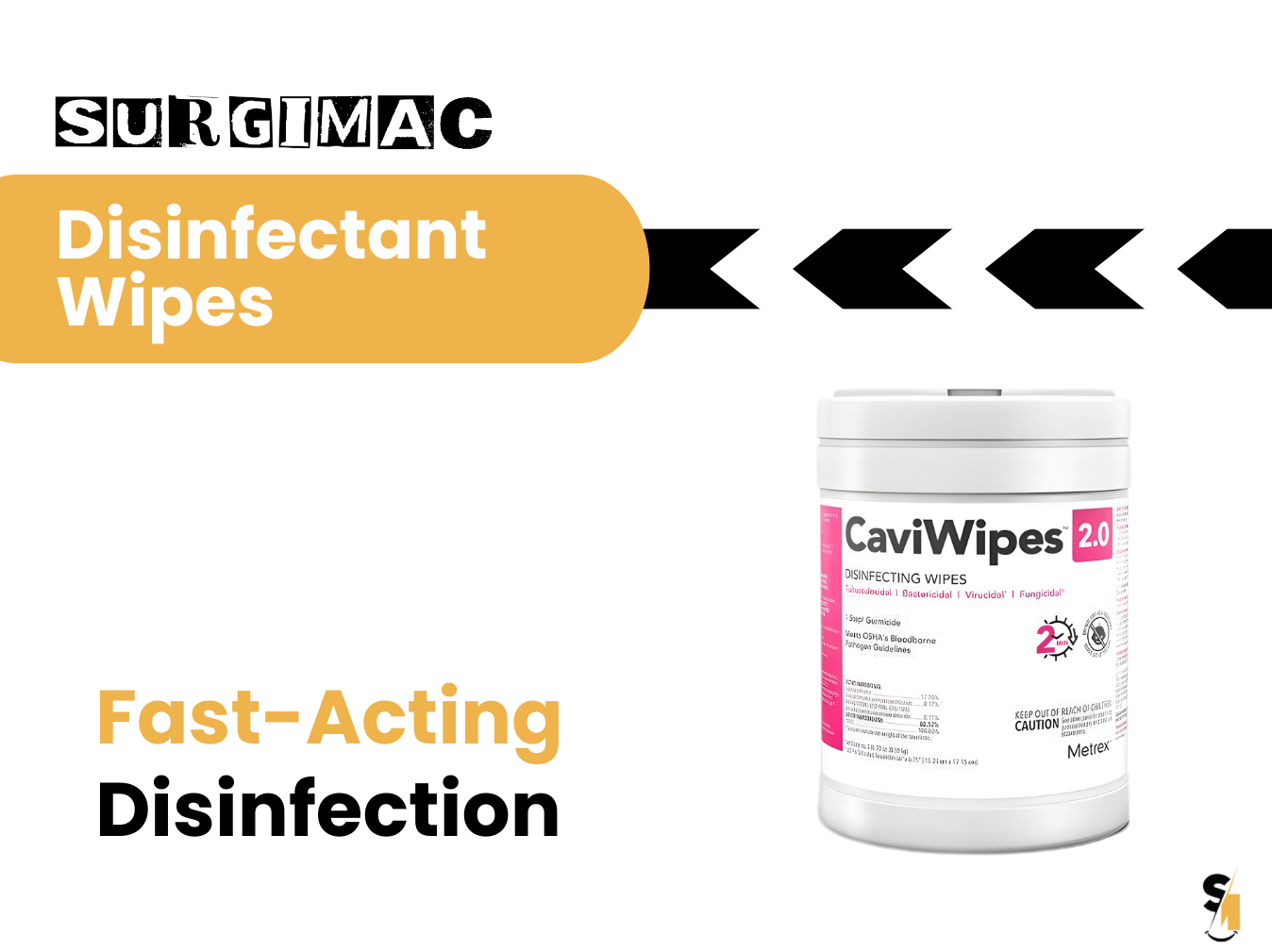
- The Ultimate Face-off of Disinfecting Wipes: CaviWipes vs. Super Sani-Cloth
- Choosing the Right Nitrile Gloves for Your Industry: A Buyer's Guide
Broader Perspectives on Modern Dental Health
Beyond the exciting gadgets and groundbreaking procedures, the philosophy of dental care itself is undergoing a significant transformation. The future isn't just about new tools; it's about a new way of thinking. This shift involves looking at the bigger picture—how oral health connects to overall wellness, the power of prevention, and the collective effort to push the industry forward. These broader perspectives are redefining what it means to provide exceptional patient care and are setting the stage for a healthier future for everyone. This evolution challenges clinicians to adopt a more integrated and proactive approach in their daily practice.
Integrating the Mouth-Body Connection
We've long known that the mouth is the gateway to the body, but the depth of that connection is becoming clearer every day. The modern approach to dentistry emphasizes that "the health of your mouth affects your overall health." This isn't just a catchy phrase; it's a clinical reality that links periodontal disease to systemic conditions like cardiovascular disease, diabetes, and respiratory issues. This holistic view requires a more comprehensive diagnostic process and a commitment to impeccable clinical standards. Maintaining a sterile environment is critical, as oral pathogens can have far-reaching effects. Using reliable infection control supplies, from sterilization pouches to surface disinfectants, is a foundational step in protecting not just a patient's smile, but their total well-being.
Shifting the Focus to Preventive Care
The best way to treat a problem is to stop it from ever starting. There's a major industry-wide shift toward proactive, preventive care, moving away from the traditional "drill and fill" model. As one expert notes, "It's very important to teach people, especially children, about good oral hygiene, healthy eating, and active lifestyles to prevent dental problems." This educational focus empowers patients to take control of their oral health. For clinicians, this means emphasizing routine cleanings, sealants, and fluoride treatments. It also means having the right dental disposables on hand to perform these essential services efficiently and hygienically, ensuring every preventive appointment reinforces the foundation of lifelong oral health.
The Role of Global Collaboration in Advancing Dentistry
No practice is an island. The rapid pace of innovation in dentistry is fueled by a global community of professionals sharing knowledge and breakthroughs. The idea that "dentists worldwide should work together, share research, and discuss new ideas to help the field grow" is more relevant than ever. This collaborative spirit allows for the refinement of techniques and the establishment of new best practices that benefit patients everywhere. To contribute to this global conversation, clinicians need tools that deliver consistent, predictable results. Using high-performance instruments, like those in our Pro Series, ensures that procedures are performed with reliability and accuracy, making clinical outcomes something you can confidently share with peers around the world.
The Horizon of Genetic Technology in Dentistry
Looking ahead, the integration of advanced technologies promises to revolutionize diagnostics and treatment on a molecular level. Technologies like "Virtual Reality (VR), Artificial Intelligence (AI), and CRISPR... are expected to completely transform the field of dentistry." While gene-editing may seem like science fiction, its potential to prevent congenital dental anomalies or regenerate tooth structures is on the horizon. As these futuristic procedures become reality, they will demand an unprecedented level of surgical precision. This is where advanced instrumentation becomes indispensable. Instruments like our Titanium Black Series, designed to reduce glare and improve tactile sensitivity, are built for the delicate, high-stakes work that will define the next era of dental surgery.
Frequently Asked Questions
How can my practice start adopting these new technologies without a massive upfront investment? You don't have to overhaul your entire practice overnight. A great starting point is to focus on foundational elements that support a digital workflow. For example, perfecting your impression-taking with high-quality VPS materials like the MacImpress collection ensures you have a flawless base for any digital scanning or lab work. This small step improves the accuracy of your current procedures while preparing you for future digital integrations.
Are bioactive materials really a significant upgrade from the composites I'm already using? Yes, they represent a fundamental shift in restorative philosophy. While traditional composites are excellent for filling a space, bioactive materials actively participate in the tooth's health. By releasing minerals like calcium and phosphate, they help the tooth remineralize and defend against future decay. Think of it as upgrading from a simple patch to a treatment that helps the tooth heal itself from within.
With staffing shortages being a real issue, how can technology help my practice stay efficient? Technology can be a powerful force multiplier for your team. AI-driven diagnostic software can help you spot potential issues on radiographs more quickly, acting as a second set of eyes and streamlining the review process. This frees up valuable time for your clinical team to focus on direct patient care. Pairing this with ergonomic instruments, like those in our Slim Series, can also reduce physical fatigue and help your team work more comfortably and efficiently throughout the day.
What's the best way to introduce concepts like VR or AI to my patients without overwhelming them? The key is to focus on the benefit to them, not the technology itself. Instead of explaining the complexities of virtual reality, you can say, "I'm going to give you a quick virtual tour of what your new smile will look like." For AI, you might explain it as, "We use smart software that helps us catch even the tiniest issues on your X-rays before they become problems." Using simple, relatable analogies makes the technology feel helpful rather than intimidating.
With all this new tech, are the fundamentals like quality instruments still as important? They are more important than ever. Advanced technology like AI can create the perfect treatment plan, but that plan is only as good as its execution. A precise, digitally-planned surgery still requires a steady hand and exceptionally reliable tools. High-quality instruments, from precision MacCut surgical blades to the balanced feel of our Pro Series instruments, are the critical link between a digital plan and a successful patient outcome.
Key Takeaways
- Embrace Digital Tools for Enhanced Precision: Integrating technologies like AI for diagnostics and 3D printing for custom prosthetics allows you to streamline procedures, improve accuracy, and deliver highly personalized patient care.
- Leverage Advanced Materials for Superior Outcomes: Modern restorative materials offer unprecedented strength and biocompatibility. To maximize their potential, start with an exceptionally accurate foundation using high-quality impression materials like MacImpress to ensure a perfect fit.
- Shift to a Proactive, Whole-Body Health Model: The future of patient care lies in prevention and understanding the mouth-body connection. This means prioritizing patient education and maintaining impeccable clinical standards with reliable infection control and ergonomic instruments.
Tags
Blog posts
-
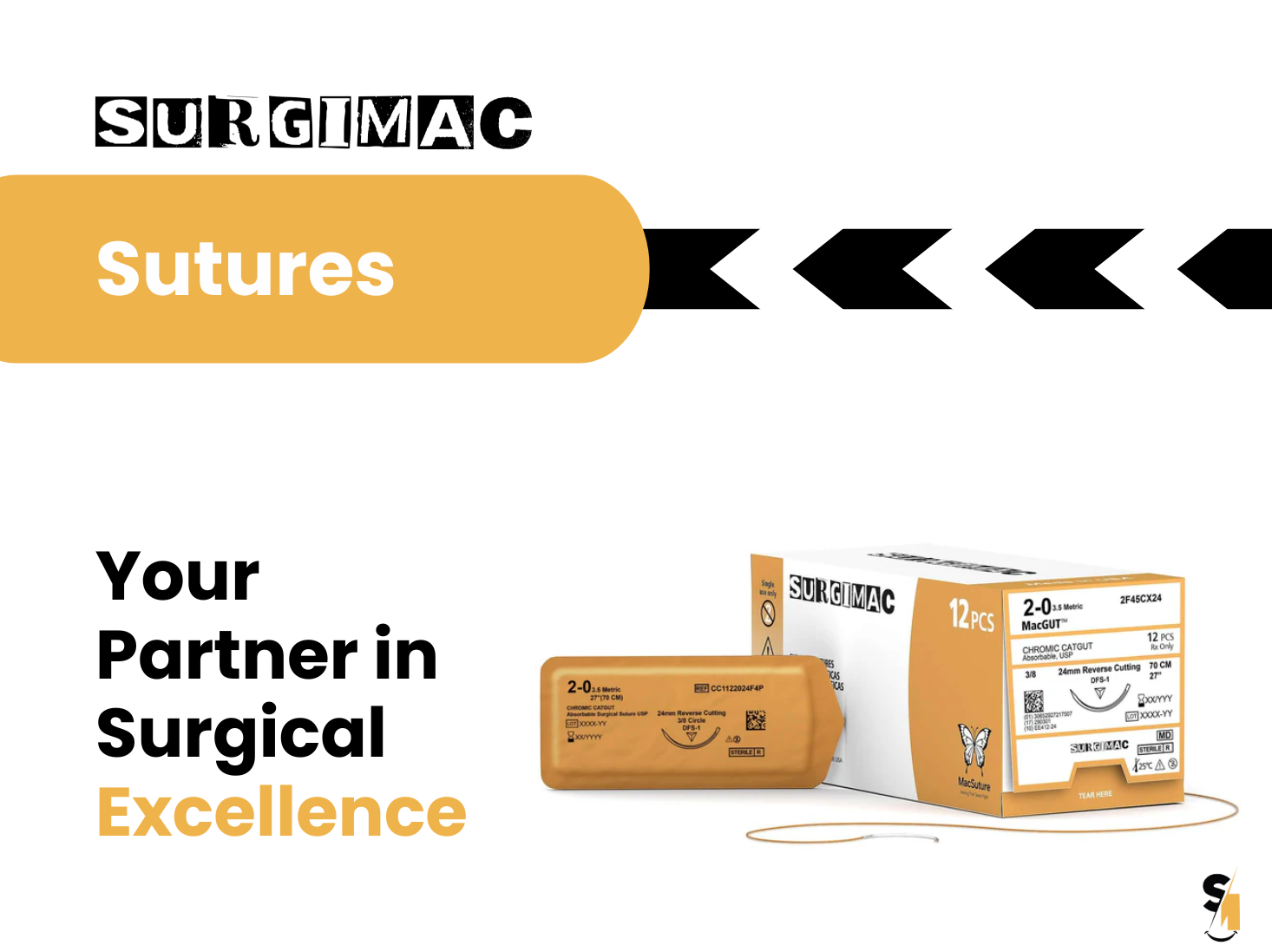
, by SurgiMac A Clinician's Guide to Absorbable Suture Material
-
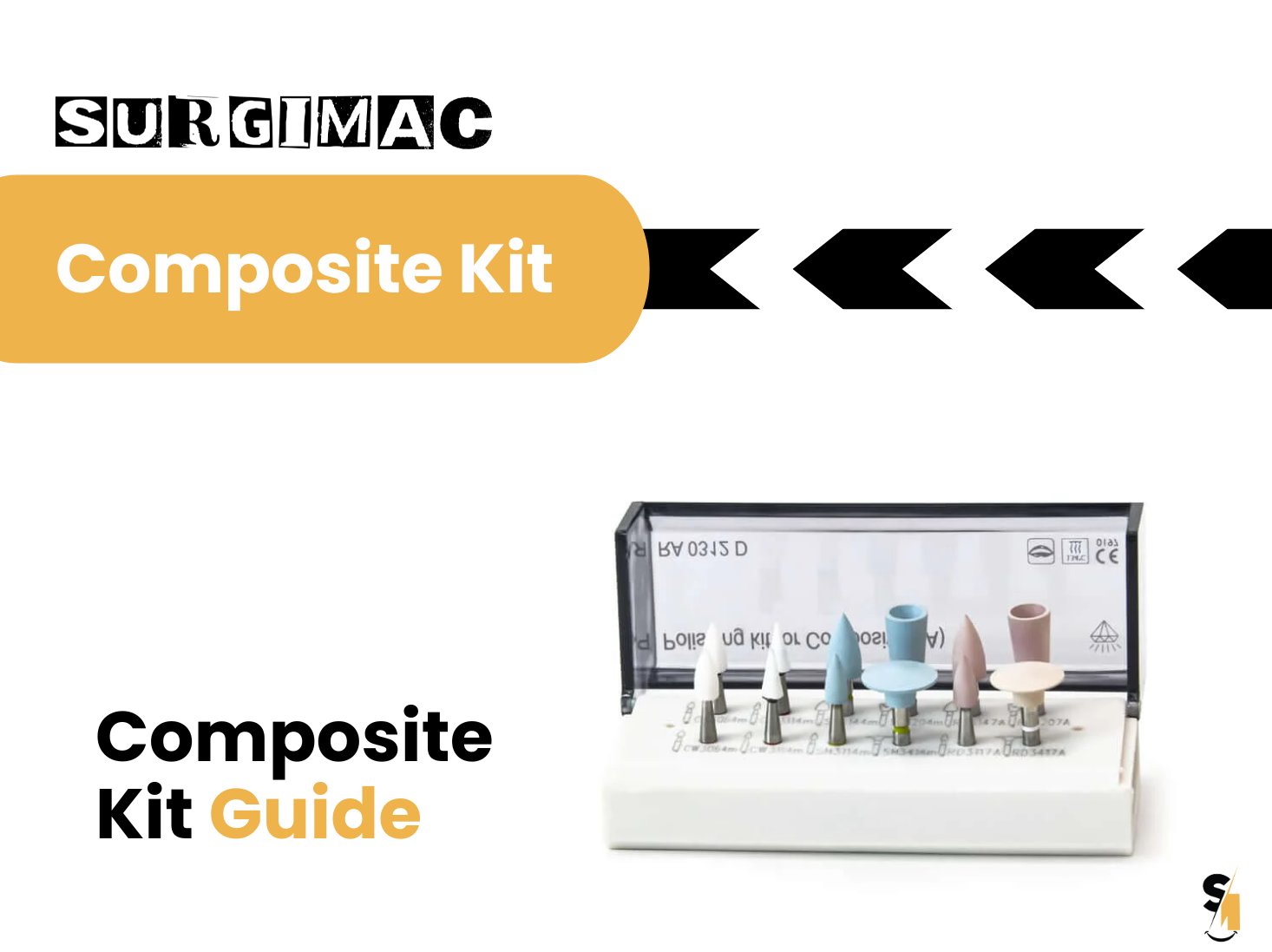
, by SurgiMac A Clinician's Guide to Dental Composite Resin Kits
-
, by SurgiMac How to Disinfect with Metrex CaviWipes Correctly
