
Stainless Steel Crown: A Complete Guide for Dentists
- , by SurgiMac
- 42 min reading time
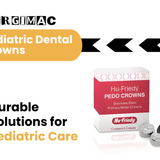
Get clear answers on when to use a stainless steel crown in pediatric dentistry with this evidence-based guide to AAPD guidelines and clinical tips.
You're looking at a primary molar with multi-surface decay, knowing a standard filling just won’t hold up. This is where your clinical judgment truly matters. For many pediatric cases, the stainless steel crown is the superior choice for long-term success. But when is it the definitive choice, and when should you consider an alternative? Your decision-making needs a solid, evidence-based foundation. This guide breaks down the official AAPD guidelines for stainless steel crowns, offering a clear framework to help you confidently restore even the most challenging cases.
Key Takeaways
- Prioritize SSCs for compromised primary teeth: The AAPD recommends stainless steel crowns for extensive decay, post-pulpotomy restorations, and developmental defects because they offer superior durability and full-coronal protection compared to multi-surface fillings.
- Master the workflow from preparation to communication: A successful outcome depends on a precise clinical technique for fitting and cementing the crown, paired with clear explanations that help parents prioritize their child's long-term dental health over aesthetics.
- Choose SSCs for a durable and cost-effective solution: By providing a long-lasting restoration in a single visit, stainless steel crowns prevent the need for future repairs, making them a practical and financially sound choice that protects a child's oral health until natural exfoliation.

What Is a Stainless Steel Crown?
Stainless steel crowns, or SSCs, are a cornerstone of pediatric restorative dentistry. They are pre-fabricated crowns used to restore and protect primary teeth that have been significantly compromised by decay or trauma. While newer aesthetic options are available, the durability, ease of placement, and long-term success rate of SSCs make them an indispensable tool for preserving the function and health of the primary dentition. They provide a reliable, full-coverage solution that can withstand the heavy occlusal forces and challenging oral environment of a child's mouth, making them a workhorse restoration in many practices.
Understanding their clinical applications and the guidelines for their use is key to achieving predictable, positive outcomes for your youngest patients. For many pediatric dentists, SSCs are the standard of care for restoring molars with extensive decay, especially in high-caries-risk children. The American Academy of Pediatric Dentistry (AAPD) has established clear guidelines for their use, recognizing their value in preventing premature tooth loss and maintaining arch space. This section will explore the fundamental role of SSCs, outlining what they are, why they are so critical in pediatric cases, and the strong clinical evidence that supports their continued use in modern dentistry.
Why SSCs Are a Go-To in Pediatric Dentistry
At their core, SSCs are pre-formed metal caps designed to cover and protect a damaged baby tooth. First introduced in the 1940s, they have a long and proven track record of clinical success. Since cavities are so common in young children, protecting primary teeth is critical. These teeth aren't just placeholders; they are essential for proper chewing, speech development, and guiding the eruption of permanent teeth. When decay is extensive, an SSC provides a strong, full-coverage restoration that seals the tooth from further damage. That's why a comprehensive selection of crowns and bands are a staple in any pediatric-focused practice.
A Brief History and Clinical Significance
Stainless steel crowns (SSCs) have been a fundamental component of pediatric restorative dentistry since their introduction in the 1940s. Their design as pre-formed metal caps allows them to effectively cover and protect damaged primary teeth, making them a reliable choice for managing extensive decay in young patients. The durability and strength of SSCs provide a full-coverage restoration that is essential for maintaining the function and health of primary dentition, particularly in children at high risk for caries.
The American Academy of Pediatric Dentistry (AAPD) recognizes SSCs as the standard of care for restoring molars with significant decay. This endorsement is based on their proven track record of clinical success and their ability to prevent premature tooth loss, which is crucial for maintaining arch space and supporting the proper eruption of permanent teeth. As noted in clinical guidelines, SSCs are particularly recommended for extensive decay, post-pulpotomy restorations, and developmental defects due to their superior durability compared to traditional multi-surface fillings.
Ultimately, the clinical significance of SSCs extends beyond restoring a single tooth; it involves supporting a child's overall oral health and development. Their long-lasting nature and effectiveness make them an indispensable tool in pediatric dentistry. By using SSCs, clinicians can ensure young patients maintain proper chewing function and speech development, all while safeguarding their future dental health until the permanent teeth are ready to erupt.
The Clinical Rationale for Using SSCs on Primary Teeth
From a clinical standpoint, SSCs offer a highly durable, long-lasting, and cost-effective treatment for severe caries in primary teeth. For teeth with large, multi-surface cavities or significant structural loss, SSCs consistently outperform standard fillings in terms of longevity. The American Academy of Pediatric Dentistry (AAPD) supports their use because evidence shows that young children with certain caries patterns are likely to develop more cavities over time. Placing an SSC is a definitive treatment that can prevent the need for future re-treatment on the same tooth, saving chair time and reducing stress for both the child and their parents.
Why Primary Teeth Are More Susceptible to Rapid Decay
It’s not just your imagination; primary teeth really do seem to develop cavities at an alarming rate. This heightened vulnerability is rooted in their unique anatomy. Primary teeth have a significantly thinner and less mineralized enamel layer compared to their permanent counterparts, offering less resistance to demineralization from cariogenic bacteria. Furthermore, the pulp chamber is proportionally larger and closer to the outer surface. This means that once decay breaches the enamel, it has a much shorter path to travel before reaching the pulp, often leading to rapid progression from a small lesion to a painful infection. This anatomical reality is why a durable, full-coverage restoration, properly sealed with high-quality dental cement, is often necessary to prevent catastrophic failure and preserve the tooth until its natural exfoliation.
When Does the AAPD Recommend Stainless Steel Crowns?
The American Academy of Pediatric Dentistry (AAPD) provides clear, evidence-based guidelines that help clinicians make the best decisions for their young patients. When it comes to restoring primary teeth, especially molars, stainless steel crowns (SSCs) are often the recommended treatment. While aesthetic options have their place, the durability and reliability of SSCs make them the gold standard in several key clinical situations.
These guidelines focus on preserving tooth structure, preventing future complications, and ensuring the restoration lasts until the primary tooth exfoliates naturally. Think of an SSC as a protective helmet for a tooth that has been weakened by extensive decay, trauma, or developmental issues. It provides full coronal coverage, which is something a standard filling simply can't offer. Understanding exactly when the AAPD gives the green light for an SSC is crucial for delivering predictable, long-lasting care and achieving positive patient outcomes. Let's walk through the specific scenarios where an SSC isn't just an option, but the best clinical choice.
For Teeth with Extensive Caries
When you're faced with a primary tooth that has large or multi-surface cavities, an SSC is your most reliable solution. The AAPD recommends them for teeth with extensive decay, particularly in children with a high caries risk. While a filling might seem like a quicker fix, it often fails in these situations due to the sheer size of the restoration and the forces of mastication. An SSC, on the other hand, covers the entire tooth, protecting the remaining structure from fracture and sealing the margins to prevent recurrent decay. This approach is far more durable and ensures the tooth can continue to function properly as a space maintainer until it's ready to exfoliate.
Restoring a Tooth After a Pulpotomy
After performing pulp therapy, such as a pulpotomy, a primary tooth is significantly more brittle and susceptible to fracture. The AAPD guidelines are clear on this: a tooth that has undergone a pulpotomy should be restored with a full-coverage crown. A stainless steel crown is the ideal choice because it provides the necessary strength and protection to prevent the tooth from breaking down. Placing a simple filling after pulp therapy leaves the tooth vulnerable and compromises the long-term success of the entire procedure. An SSC ensures the tooth remains intact and functional, safeguarding both your clinical work and the patient's oral health until the permanent tooth erupts.
For Teeth with Hypoplasia or Developmental Defects
Primary teeth with developmental defects, such as enamel hypoplasia or amelogenesis imperfecta, present a unique clinical challenge. The enamel is often weak, chalky, and prone to rapid breakdown and decay. For these cases, the AAPD recommends SSCs to protect the vulnerable tooth structure. A crown can shield the tooth from occlusal wear, prevent chipping and fracture, and reduce sensitivity. By providing durable, full-coronal coverage, you can maintain the tooth’s function and aesthetics until it exfoliates naturally. This proactive approach prevents more complex issues down the line and helps manage what can be a difficult clinical situation for both you and the patient.
When a Standard Filling Isn't Enough
Ultimately, the decision to place an SSC comes down to predictability and longevity. For primary teeth that are severely broken down by trauma or have lost significant structure to decay, a standard filling is often not a sufficient or lasting solution. The AAPD supports using SSCs in these scenarios because they offer superior durability and a better long-term prognosis. By providing full coverage, you reinforce the weakened tooth and protect it from further damage. For clinicians looking for reliable restorative options, SurgiMac offers a comprehensive selection of high-quality crowns, bands, and shells designed for excellent fit and function in pediatric patients.
For Patients with Limited Access to Follow-Up Care
In an ideal world, every patient would have consistent access to follow-up care, but that's not always the reality. For children in high-risk populations who may face barriers to regular dental visits, your choice of restoration carries extra weight. The AAPD recognizes this and supports using SSCs as a durable, long-term solution in these cases. An SSC is a definitive treatment that can prevent the need for frequent re-treatments, which is critical when you can't be sure when you'll see the patient again. By placing a stainless steel crown, you're providing a robust restoration that protects the tooth from further breakdown, reducing the likelihood of future dental emergencies and preserving the child's oral health for the long haul.
For Restoring Permanent Molars and Anterior Teeth
While SSCs are the star players in pediatric dentistry, their utility doesn't end when the primary teeth exfoliate. They can be an excellent choice for restoring permanent molars, especially in young patients where the tooth is not yet fully erupted or the pulp is large. Consider a newly erupted first molar with severe decay or a fracture; an SSC can serve as a durable long-term provisional restoration until a cast crown is more appropriate. Their strength is more than enough to withstand the forces of mastication, protecting the compromised tooth structure for years. Though less common due to aesthetics, they can also be used as an interim restoration for traumatized anterior teeth, providing a functional and protective solution when time and circumstances demand it.
When Should You Avoid Stainless Steel Crowns?
Stainless steel crowns are a cornerstone of pediatric restorative dentistry, but they aren’t a one-size-fits-all solution. Sound clinical judgment means knowing not just when to use an SSC, but also when to choose a different path. Here are a few key scenarios where the American Academy of Pediatric Dentistry (AAPD) guidelines suggest that an SSC may not be the best clinical choice for your patient.
For Primary Teeth Close to Exfoliation
Timing is everything, especially with primary teeth. An SSC is designed for longevity, intended to protect a tooth until it's ready to exfoliate naturally. If a primary tooth is already mobile or radiographic evidence shows it’s within six to 12 months of falling out, placing a crown is often an unnecessary intervention. The procedure involves time and resources that are better allocated elsewhere. Instead, a less invasive temporary restoration or simply monitoring the tooth might be a more practical approach. Your clinical assessment of the exfoliation timeline is crucial for making a decision that serves the patient’s long-term dental development and avoids overtreatment.
Assessing Root Resorption
A thorough radiographic evaluation is essential before committing to an SSC, and one of the most important factors to check is root resorption. If a primary tooth shows significant resorption—typically more than two-thirds of the root—it lacks the necessary foundation to support a crown. Placing an SSC on a tooth with a compromised root system is poor practice because the tooth is already nearing the end of its functional life. Furthermore, as AAPD guidance on non-vital pulp therapies points out, the condition of the root directly impacts the success of any associated treatments. In cases of advanced resorption, the most prudent clinical decision is often to allow for natural exfoliation or, if necessary, to proceed with extraction and appropriate space management rather than place a crown that will soon be lost.
In Cases of Nickel Allergy or Sensitivity
Patient safety always comes first, and that starts with a thorough review of their medical history. Stainless steel is an alloy containing nickel, which can trigger allergic reactions in sensitive individuals. For a patient with a known or suspected nickel allergy, placing an SSC could lead to contact dermatitis, intraoral inflammation, or other hypersensitivity responses. Before proceeding, it's essential to discuss any known allergies with the parent or guardian. If a nickel sensitivity is present, you’ll need to explore alternative restorative materials, such as zirconia or resin-based crowns, to ensure a safe and biocompatible outcome.
When Patient Cooperation Is a Major Hurdle
The success of an SSC placement depends heavily on a controlled clinical environment. The procedure requires precise tooth preparation, fitting, and cementation, which can be difficult with a highly anxious or uncooperative child. If a patient cannot sit still or follow instructions, it compromises your ability to achieve an accurate fit and proper seal, potentially leading to premature failure of the restoration. In these situations, forcing the procedure can be counterproductive. It may be better to consider an interim restoration or discuss sedation options. Using ergonomic and efficient dental instruments can help streamline the process, but patient readiness remains a critical factor.
Your Step-by-Step Guide to Placing an SSC
Placing a stainless steel crown is a straightforward procedure when you follow a systematic, evidence-based workflow. The American Academy of Pediatric Dentistry (AAPD) guidelines provide a clear roadmap for achieving predictable and durable results. This process ensures the restoration fits correctly, protects the tooth, and stands up to the demands of a child’s daily life. From initial tooth preparation to final cementation, each step is designed to maximize clinical success and patient comfort.
Following these best practices not only leads to better outcomes but also helps streamline your chair time. Having the right tools and materials ready is half the battle. With reliable dental instruments and high-quality supplies, you can perform the procedure efficiently and confidently. Let’s walk through the key phases of placing an SSC, breaking down each step to ensure a smooth and effective application every time.
Step 1: Preparing the Tooth for the Crown
The foundation of a successful SSC is meticulous tooth preparation. Your first step is to administer local anesthesia to ensure the patient is comfortable. Once the area is numb, isolate the tooth with a rubber dam. This is crucial for maintaining a dry field, protecting the patient’s airway, and preventing them from swallowing any materials. After isolation, proceed with removing all carious tissue until you reach a sound tooth structure.
Next, you’ll reduce the tooth to create space for the crown. Gently reduce the occlusal surface by about 1.0 to 1.5 mm, following the tooth’s natural anatomy. Then, reduce the proximal surfaces, breaking contact with adjacent teeth to allow the crown to seat properly. Using precise instruments from a collection like the SurgiMac Pro Series can help you achieve the ideal shape with minimal effort. The goal is a tapered preparation with rounded line angles that will accept the crown without any binding.
Step 2: Selecting and Fitting the Stainless Steel Crown
With the tooth prepared, it’s time to select the right crown. The key is to choose the smallest crown from your crowns and bands kit that completely covers the prepared tooth and re-establishes mesial and distal contacts. The crown should fit snugly over the tooth with a distinct "snap" as it passes over the height of contour. Check the marginal fit; the crown’s edges should extend about 1 mm into the gingival sulcus.
Verify the occlusion to ensure the crown is not too high, which could cause discomfort or interfere with the patient’s bite. If needed, you can trim the crown with contouring pliers to customize the fit. A well-fitted crown should have tight contacts and proper occlusion without rocking or rotating. This trial-fitting stage is critical for ensuring the long-term stability and function of the final restoration.
Using Crimping Pliers for a Precise Fit
Once you've selected the right size crown, achieving a perfect marginal seal is the next critical step. This is where crimping pliers become essential. Their purpose is to contour the cervical margin of the crown, rolling it inward to create a tight adaptation to the tooth. This precise fit is non-negotiable for long-term success, as it prevents microleakage, dislodgement, and gingival irritation. A properly crimped crown will "snap" securely into place, a tactile confirmation that you've achieved the ideal retention. This step transforms a pre-fabricated crown into a custom-fit restoration that effectively seals and protects the underlying tooth structure from the oral environment.
The technique requires a delicate touch. Apply gentle, incremental pressure around the entire circumference of the crown's margin. Over-crimping can distort the crown's shape, so work methodically until the edges are slightly turned in. Using high-quality, ergonomic tools makes this process more controlled and efficient. For instance, the fine tips and comfortable grip of instruments in the SurgiMac Slim Series are designed for this kind of precision work, reducing hand fatigue and allowing for greater accuracy. A well-crimped crown not only ensures a durable restoration but also promotes gingival health by creating a smooth, seamless transition between the crown and the tooth.
Step 3: Cementation and Final Adjustments
Once you’re satisfied with the fit, the final step is cementation. Dry the prepared tooth and the inside of the crown thoroughly. For pediatric SSCs, a glass ionomer cement is often the material of choice due to its fluoride-releasing properties and strong bond. You can find a variety of high-quality cements, liners, and adhesives to suit your clinical needs. Fill the crown completely with the mixed cement.
Seat the crown firmly onto the tooth, instructing the patient to bite down on a cotton roll to ensure it’s fully seated. As the cement sets, you’ll see excess material extrude from the margins. After the initial set, carefully remove the excess cement from around the gingival margin using a scaler or explorer. A final check of the occlusion and interproximal contacts confirms the procedure is complete, leaving the patient with a durable and functional restoration.
Confirming the Fit with a Post-Placement Radiograph
Once the cement is set, there’s one final quality check that’s non-negotiable: the post-placement radiograph. This quick image is your only way to visually confirm subgingival marginal integrity, ensuring the crown is fully seated and the margins are perfectly sealed. An SSC’s primary job is to provide complete full-coronal protection, shielding the remaining tooth structure from fracture and preventing recurrent decay. The radiograph validates that you’ve achieved that critical seal. For teeth with extensive decay, where SSCs are known to outperform standard fillings in terms of longevity, this step is your proof of a job well done. It confirms your placement aligns with AAPD guidelines, ensuring the restoration is positioned for predictable, long-term success until natural exfoliation.
Your Checklist: Instruments and Materials for SSC Placement
A successful stainless steel crown placement starts long before the patient is in the chair. Having a well-organized tray with every necessary material and instrument ready to go is crucial, especially in pediatric dentistry where managing chair time is key. A smooth workflow not only reduces stress for you and your team but also builds confidence in your young patients and their parents. When you have reliable tools at your fingertips, you can focus entirely on the clinical task at hand: providing a durable, long-lasting restoration.
To set yourself up for success, let’s break down the essentials into three core categories: the crown itself, the luting cement that will secure it, and the instruments you’ll need for every step from preparation to final placement. Ensuring you have high-quality options for each will make the entire procedure more predictable and efficient.
How to Select the Right Stainless Steel Crown
The foundation of the procedure is, of course, the crown. Stainless steel crowns have been a trusted solution in pediatric dentistry for decades because of their proven durability. The key to a successful outcome is selecting the right size. A properly fitted crown should snap into place with friction, cover all prepared tooth surfaces, and restore proper occlusion without causing gingival irritation. It’s best practice to have a full kit of crowns, bands, and shells available so you can easily find the perfect fit after preparing the tooth. During the procedure, using a rubber dam is essential for isolating the area, ensuring a dry field for cementation, and protecting the child’s airway.
Choosing the Right Dental Cement for a Secure Fit
Once the crown is perfectly contoured and fitted, the next step is cementing it into place. The choice of luting agent is critical for long-term retention and the health of the underlying tooth. Glass ionomer cement is a popular and highly effective choice for SSCs, largely because of its ability to release fluoride, which helps protect the remaining tooth structure from secondary caries. The ideal cement should have a good working time, low film thickness, and strong adhesion. When you fill the crown, you want a reliable material that flows well and creates a complete seal. You can find a range of trusted cements, liners, and adhesives to ensure your restorations are built to last until natural exfoliation.
Your Essential Instrument Checklist
Having the right instruments makes every step of the SSC procedure more precise and comfortable. Managing caries in primary teeth is challenging, and your tools should work with you, not against you. Start with high-quality burs and diamonds for efficient occlusal and circumferential reduction. For trimming and fitting, you’ll need sharp crown and bridge scissors and contouring pliers. We recommend the durable and reliable instruments in our Pro Series for these tasks. Finally, don’t forget the basics: a good mirror, an explorer, and cotton pliers are essential for evaluation and cleanup. And of course, every procedure should begin with proper personal protective equipment, including high-quality MacSafe gloves to protect both you and your patient.
SSCs vs. Other Restorations: Making the Right Call
When restoring a primary tooth, you have several options. Choosing between a stainless steel crown and another material often comes down to balancing durability, aesthetics, and the specific clinical situation. Let's break down how SSCs compare to other common restorative choices so you can feel confident in your treatment planning.
Stainless Steel Crowns vs. Composite Fillings
When it comes to durability, stainless steel crowns have a clear advantage. They are known for their longevity and provide reliable full-tooth coverage, which is critical in pediatric dentistry where primary teeth face significant wear. Research confirms that SSCs are a durable option for primary dentition, especially for teeth with extensive decay. In contrast, while composite fillings are excellent for smaller cavities, they may not offer the same long-term success in cases requiring more substantial restoration. SSCs are often more cost-effective as well, making them a practical and dependable choice for protecting a compromised tooth until it exfoliates naturally.
Stainless Steel Crowns vs. Aesthetic Alternatives
The demand for more aesthetic options has led to the development of stainless steel crowns with a white coating. While these aim to provide a more natural look, they often come with a trade-off in durability. The white facing can chip or wear away over time, exposing the metal underneath and potentially compromising the restoration. For this reason, many clinicians find that traditional stainless steel crowns remain a more reliable choice for long-term function, especially on posterior teeth where biting forces are highest. The decision often involves a conversation with parents about the balance between appearance and longevity.
How to Make an Evidence-Based Choice for Your Patient
Ultimately, the best choice depends on the individual patient and clinical scenario. The American Academy of Pediatric Dentistry (AAPD) strongly supports an evidence-based approach to pediatric restorative dentistry. This means staying informed about the latest research on different materials and methods to make the most informed decision for your young patients. By weighing factors like the extent of decay, the tooth's expected lifespan, and patient cooperation, you can confidently select the restoration that promises the best possible outcome. Your choice of high-quality materials, from the crown to the dental cement, is a key part of that successful outcome.
The Hall Technique: A No-Drill Alternative
While the traditional SSC placement is a proven method, another evidence-based approach has gained significant traction in pediatric dentistry: the Hall Technique. This minimally invasive option offers a different way to utilize stainless steel crowns, particularly for young or anxious patients where a conventional preparation might be challenging. It’s a valuable technique to have in your clinical toolkit, but it’s important to understand how it works and when it’s the right choice.
How the Hall Technique Works
The Hall Technique is a revolutionary, minimally invasive way to manage decay in primary molars, and it’s a game-changer for anxious pediatric patients. Instead of drilling away the decay, this method involves simply sealing it under a preformed stainless steel crown. The process requires no local anesthetic and no handpiece, which dramatically reduces patient fear and chair time. By cementing a crown directly over the cleaned, non-prepped tooth, you effectively cut off the lesion's nutrient supply, arresting its progression. This technique is a fantastic tool for your clinical arsenal, especially when patient cooperation is limited. Success still hinges on using high-quality, well-fitting preformed crowns that can create a perfect seal and restore function.
Potential Downsides of the Hall Technique
While the Hall Technique is an excellent option for many, it isn't a universal solution. Its success depends on careful case selection. The technique is generally indicated for primary molars with contained carious lesions and is not suitable for teeth with signs of irreversible pulpitis or dental abscess. If the decay is too extensive or the tooth structure is severely compromised, a traditional SSC placement with full preparation may be necessary to ensure a durable, long-lasting restoration. The technique relies on the integrity of the remaining tooth structure to hold the seal; if the tooth is too damaged, complications can arise. Your clinical judgment is key to determining if this minimally invasive approach is appropriate.
Considerations for Patients with Bruxism
Bruxism adds another layer of complexity to any restorative case, and it’s a critical factor to consider when planning treatment. The significant occlusal forces generated by grinding can compromise the longevity of any restoration, including stainless steel crowns. While SSCs are known for their durability, the constant stress from bruxism can lead to premature wear or dislodgement, particularly if the fit isn't perfect. For patients with bruxism, whether you're using a traditional technique or the Hall Technique, achieving an impeccable fit is non-negotiable. This is where precise Pro Series instruments for contouring and high-quality crowns make a tangible difference. According to research, evaluating the potential for wear is essential, and in some cases, you may need to consider alternative options that offer better durability under the stress of bruxism.
Overcoming Common Challenges with SSCs
While stainless steel crowns are a cornerstone of pediatric restorative dentistry, even seasoned clinicians can face challenges with placement, patient management, and parent communication. These hurdles, from perfecting the prep to explaining the "silver cap" to parents, are common. The good news is that they are easily managed with the right techniques, tools, and talking points. Approaching SSCs with a prepared mindset ensures a smoother procedure for you and a better outcome for your young patients. Mastering this essential skill not only aligns with AAPD best practices but also builds confidence in your ability to handle complex pediatric cases efficiently and effectively.
Tips for Improving Your Placement Technique
If you find SSCs tricky to place, you’re not alone. Some professionals see them as difficult to use, even though they are often easier to place than multi-surface intracoronal restorations and offer far better long-term results. Like any clinical skill, proficiency comes with practice. The key is to refine your workflow, from tooth preparation to final cementation. Using high-quality, ergonomic instruments can make a world of difference. Tools from the SurgiMac Air Series are designed for exceptional balance and control, helping you perform precise tooth reductions and contouring with less hand fatigue. A consistent, practiced technique will quickly make SSC placement feel like second nature.
Managing Chair Time Effectively
Working with children requires efficiency. The management of caries in primary dentition can be complex, requiring effective behavior management and durable treatments that last until exfoliation. SSCs are an ideal choice because they are placed in a single visit and are incredibly durable, reducing the likelihood of future appointments for repairs. This is a significant advantage for anxious patients and busy parents. To make the process even smoother, prepare your operatory in advance. Having your pre-selected crowns, instruments, and dental supplies organized and within reach minimizes procedural time. A streamlined workflow keeps the appointment short, positive, and successful for everyone involved.
Talking Through Insurance and Cost with Parents
Parents often have questions about aesthetics and cost. It’s important to explain why a traditional SSC is the best clinical choice. While some companies offer white-coated crowns, you can explain that this facing is prone to chipping and doesn't offer the same longevity. Reassure parents that your recommendation is based on providing the most durable and functional restoration for their child. Using a high-quality dental cement further ensures the crown’s stability and long-term success. Frame the conversation around value; SSCs are a cost-effective solution, typically covered by insurance, that prevents the need for more complex and expensive treatments down the road.
Managing Potential Complications
Even with a perfected technique, clinical practice always involves preparing for potential complications. With stainless steel crowns, two of the most critical areas to manage are ensuring a perfect marginal fit and preventing any chance of aspiration during placement. Addressing these proactively not only safeguards the restoration's longevity but, more importantly, protects the patient’s health and safety. Let's look at how to handle these situations with confidence.
Addressing Poor Gingival Fit
A poor gingival fit is more than just a minor imperfection; it’s an open invitation for future problems. If the crown doesn't adapt perfectly at the gum line, it creates a ledge where plaque can accumulate, leading to gingival inflammation or recurrent decay. To prevent this, achieving a seamless margin is non-negotiable. This starts with precise tooth preparation but is perfected when you contour and crimp the crown. Using high-quality, precise instruments allows you to carefully adapt the crown’s margins until they slide just below the gingiva with a snug, smooth fit. This meticulous attention to detail eliminates potential plaque traps and is fundamental to the long-term success of the restoration.
Preventing Aspiration or Ingestion During Placement
Patient safety is paramount, and the risk of a child aspirating or ingesting a crown during placement is a serious concern that must be actively managed. The standard of care for preventing this is clear: proper isolation with a rubber dam is essential. A rubber dam provides a secure barrier that protects the patient’s airway, keeping the working field clear and preventing anything from accidentally being swallowed or inhaled. As noted in clinical literature, this precaution is crucial for maintaining a safe environment. For added security, especially with very young or anxious patients, a gauze screen can be placed at the back of the throat. This step is a fundamental part of professional responsibility and ensures a stress-free procedure for everyone.
How to Talk to Parents About Stainless Steel Crowns
Effectively communicating the need for a stainless steel crown (SSC) is just as important as the clinical procedure itself. Parents are naturally protective and want to make the best decisions for their child’s health and well-being. Your role is to guide them with clear, confident, and empathetic explanations. By addressing their concerns head-on and framing the treatment around long-term benefits, you can build trust and help them feel comfortable with the care plan. This conversation is a crucial step in partnering with parents to protect their child’s oral health for years to come.
Answering the "But What Will It Look Like?" Question
Let’s be honest: the first question most parents have is about aesthetics. The shiny, metallic appearance of an SSC can be jarring, and it’s a valid concern. Acknowledge this right away. You can explain that while the crown is silver-colored, it’s most often used on posterior molars where it’s not easily visible when their child smiles. Frame the conversation by prioritizing function over appearance for these critical back teeth. Remind them that the primary goal is to save the tooth, prevent pain, and ensure it can properly hold space for the permanent tooth to erupt correctly. You can find a wide selection of pediatric crowns and bands to ensure a perfect fit for every case.
How to Explain the Long-Term Value to Parents
Once you’ve addressed the aesthetics, shift the conversation to the functional advantages. Explain that stainless steel crowns are considered the gold standard for restoring primary molars with extensive decay for a reason: they are incredibly strong and durable. Unlike a large filling that can fracture or leak, an SSC covers the entire tooth, protecting it from further damage. You can tell parents that in most cases, the crown will last until the tooth exfoliates naturally. This simple fact is often very reassuring, as it means their child likely won't need additional, more complex dental work on that same tooth in the future, saving them time, money, and stress.
Building Parent Trust Through Clear Communication
Building trust starts with clear, straightforward language. Avoid overly clinical jargon and explain why an SSC is the best choice over other options. For example, you can say, "A regular filling in a tooth with this much decay has a high chance of failing, which could lead to an infection or needing the tooth pulled later on. This crown is the most reliable way to prevent that from happening." This helps parents understand the potential consequences of alternative treatments. Securing the restoration with a high-quality dental cement is the final step in ensuring this long-term success, giving them peace of mind that the treatment is built to last.
The Lasting Benefits of Stainless Steel Crowns
When we look beyond the immediate procedure, stainless steel crowns offer significant advantages that support both clinical success and patient satisfaction. They provide a reliable, long-term solution that protects the primary dentition, prevents future complications, and builds trust with families. By choosing SSCs in the right situations, you’re not just fixing a tooth; you’re investing in a child’s oral health until their permanent teeth are ready to emerge. This approach aligns perfectly with the goal of pediatric dentistry: to ensure a healthy foundation for a lifetime of smiles.
The Durability and Longevity of SSCs
One of the most compelling reasons to choose an SSC is its incredible durability. Unlike other restorative options that may fracture or wear down, stainless steel crowns are built to withstand the demanding environment of a child's mouth. Research confirms that SSCs are more durable than fillings and often last until the primary tooth exfoliates naturally. This longevity means fewer follow-up appointments for repairs and a lower likelihood of re-treatment, which is a win for you, the patient, and their parents. Selecting high-quality crowns, bands, and shells ensures you can confidently provide a restoration that is truly built to last.
A Cost-Effective Solution for Families
Beyond their clinical strength, stainless steel crowns are a practical and cost-effective treatment. They are generally less expensive upfront than other types of crowns, making them an accessible option for many families. Because of their durability, they also save money over the long term by reducing the need for additional procedures on the same tooth. When you explain to parents that this one-time treatment is designed to last for years, you’re presenting a solution that is not only clinically sound but also financially responsible. This helps build trust and shows you’re considering the family’s overall well-being.
Reviewing the Clinical Evidence on SSC Outcomes
The clinical evidence overwhelmingly supports the use of SSCs for specific pediatric cases. Studies show that children with certain caries patterns are likely to develop more cavities over time, making a durable restoration essential. While some clinicians may find the technique challenging at first, the literature is clear that SSCs have much better long-term outcomes compared to multi-surface fillings in primary molars. Achieving these results depends on proper technique and reliable materials, including a strong dental cement to ensure a secure fit. By following evidence-based guidelines, you can deliver predictable, successful results that protect your young patients' oral health for years.
Expanding Access Through General Dentist Training
While pediatric specialists are the primary providers of stainless steel crowns, not every child has easy access to their specialized care. This gap is where general dentists can make a significant impact. With more training, general practitioners can confidently incorporate this durable treatment into their practice, expanding access for children in their communities. The American Academy of Pediatric Dentistry (AAPD) recognizes SSCs as the standard of care for restoring primary molars with extensive decay. Mastering the technique is about more than just the steps; it's about having the right tools. Using precise and reliable dental instruments is fundamental to achieving the predictable, positive outcomes that both you and your young patients deserve.
Post-Placement Care for Stainless Steel Crowns
Once a stainless steel crown is successfully placed, your job shifts from practitioner to educator. Guiding parents on proper aftercare is just as critical as the procedure itself for ensuring the long-term success of the restoration. Clear communication about what to expect, how to maintain oral hygiene, and what signs to watch for will empower families and help prevent future complications. Setting these expectations builds trust and reinforces the value of the treatment you provided.
Post-Placement Care for Stainless Steel Crowns
Once a stainless steel crown is successfully placed, your job shifts from practitioner to educator. Guiding parents on proper aftercare is just as critical as the procedure itself for ensuring the long-term success of the restoration. Clear communication about what to expect, how to maintain oral hygiene, and what signs to watch for will empower families and help prevent future complications. Setting these expectations builds trust and reinforces the value of the treatment you provided.
Immediate Post-Operative Instructions for Parents
Your role as an educator begins the moment the procedure ends. Equip parents with clear, simple instructions to manage the first 24 hours and prevent post-operative issues. Advise them to watch their child closely until the local anesthetic wears off completely. This is crucial to prevent accidental biting of the tongue, lips, or cheek. All food should be avoided until feeling returns. Explain that some minor gum irritation or soreness around the crown is normal and will subside. A temporary diet of soft foods like yogurt or mashed potatoes will be more comfortable, and you can recommend over-the-counter pain medication as directed if needed. Reassuring parents that the gums will heal quickly helps manage their expectations and builds confidence in the treatment.
Long-Term Care and Patient Guidance
The conversation about long-term care is your opportunity to reinforce good habits that will protect the restoration and the child’s overall oral health. Stress that while the crown itself is immune to decay, the underlying tooth and surrounding gums are not. Daily brushing and flossing are non-negotiable to prevent plaque buildup around the crown’s margin, which can lead to gingivitis. Parents should also be counseled to discourage habits that could damage the crown, such as chewing on ice, hard candies, or toys. Finally, emphasize the importance of regular six-month check-ups. These appointments allow you to monitor the crown’s integrity, check the occlusion, and ensure the health of the entire dentition until natural exfoliation occurs.
AAPD Guidelines for Monitoring and Maintenance
Stainless steel crowns are a highly durable and cost-effective treatment for primary teeth with extensive decay, but their success depends on proper placement and follow-up. The process starts in your chair. Ensuring the crown is perfectly fitted and that all excess dental cement is removed is crucial for preventing gingival irritation and recurrent caries. During routine check-ups, you’ll want to assess the margins, check the surrounding gum tissue for any signs of inflammation, and confirm the crown remains stable. This diligent monitoring helps maintain the restoration’s integrity, allowing the primary tooth to function correctly until it exfoliates naturally.
Guiding Parents on At-Home Oral Hygiene
Empowering parents with a simple, actionable home care plan is one of the most important things you can do. Reassure them that SSCs are strong and can withstand normal cleaning, so they shouldn't be afraid to brush and floss around the new crown. Advise them to help their child brush twice daily with fluoride toothpaste, paying special attention to the gumline where plaque can accumulate. Regular flossing is also essential to clean the spaces between the crowned tooth and its neighbors. Consistent at-home care not only protects the restoration but also reinforces the healthy habits needed to protect all of their child's teeth.
Warning Signs: When to Schedule a Follow-Up Appointment
While complications are uncommon, it’s important that parents know what to look for. Provide them with a clear list of "red flags" that should prompt them to call your office. These signs can indicate an issue with the crown's fit, the underlying tissue, or the tooth itself.
Advise parents to schedule a follow-up visit if they notice any of the following:
- Persistent pain or sensitivity that doesn't resolve after a few days
- Swelling or redness in the gums around the crowned tooth
- The crown appears loose, shifts, or comes off completely
- The child complains of a "funny" bite or has difficulty chewing
Educating parents on these potential issues ensures that problems are addressed quickly, preventing more significant complications and keeping the child comfortable and healthy.
Frequently Asked Questions
Q: How long is a stainless steel crown supposed to last?
A: A stainless steel crown (SSC) is intended to be a long-term solution for primary teeth. In most cases, it will remain intact and fully functional until the tooth naturally exfoliates and is replaced by the permanent tooth. Its durability is a major advantage, as it typically eliminates the need for retreatment on that tooth.
Q: What’s the best way to address parental concerns about the silver look of the crown?
A: Start by acknowledging the aesthetic concern, then shift the focus to clinical benefits. Explain that SSCs are usually placed on posterior teeth, where visibility is minimal. Emphasize that they provide the strongest, most reliable protection—helping prevent pain, reinfection, and more invasive procedures later on.
Q: Are there common procedural mistakes to avoid when placing an SSC?
A: Yes—two of the most frequent issues are inadequate tooth preparation and poor crown selection. Insufficient occlusal or proximal reduction can prevent proper seating, while choosing the wrong crown size affects fit and seal. Careful preparation and trying multiple crown sizes before final placement are key to achieving optimal results.
Q: What are the alternatives if a patient has a known nickel allergy?
A: In cases of confirmed nickel allergy, SSCs should be avoided. Suitable alternatives include zirconia crowns or resin-based composite strip crowns. A thorough medical history review is essential to ensure material safety and biocompatibility for each patient.
Q: In short, when is an SSC a better choice than a large filling?
A: SSCs are the preferred option when a primary tooth has extensive decay, involves multiple surfaces, has undergone pulp therapy (such as a pulpotomy), or presents with structural defects like enamel hypoplasia. In these situations, a filling alone lacks the strength and longevity needed—whereas full-coverage protection ensures long-term function and stability.
Related Articles
Tags
Blog posts
-
, by SurgiMac A Clinician's Guide to Absorbable Suture Material
-
, by SurgiMac A Clinician's Guide to Dental Composite Resin Kits
-
, by SurgiMac How to Disinfect with Metrex CaviWipes Correctly
