
Alginate Impression Material Shelf Life Guide
- , by SurgiMac
- 9 min reading time
Learn how long alginate impression material lasts, how to store it, and how to check expiration, lot control, moisture exposure, and usability.
What is the shelf life of alginate impression material? The correct answer depends on the product label, the integrity of the package, and how the powder has been stored. An unopened container may remain suitable through the manufacturer-stated expiration date, but heat, humidity, repeated opening, and poor lot control can reduce confidence before that date. Dental teams should manage alginate as a moisture-sensitive clinical material, not as an indefinite shelf item.
Shop alginate and impression materials from SurgiMac
What is the shelf life of alginate impression material?
Alginate impression material remains suitable until the manufacturer-stated expiration date when it is unopened, stored under the labeled conditions, and protected from moisture. There is no universal shelf-life number for every formula. Use the package date and instructions for use as the controlling source, then evaluate package integrity and powder condition before dispensing.
Unopened powder versus opened powder
Manufacturers establish shelf life for a specific formulation and packaging system. Some published alginate guidance describes storage for up to three years at room temperature, while other products carry shorter periods. That difference is why a dental office should never transfer a shelf-life claim from one brand to another. The original package, lot number, expiration date, and product instructions take priority.
An opened container does not automatically become unusable. It does, however, become more dependent on disciplined handling. Keep the original label with the powder, close the lid or inner barrier immediately after dispensing, and record the open date when the manufacturer's instructions or office policy calls for it. If the label provides a shorter in-use period after opening, follow that limit.
Why powder age and impression age are different
The shelf life of dry alginate powder is not the same as the usable life of a completed impression. Once powder is mixed with water and sets, the hydrocolloid can gain or lose water. That can produce swelling, shrinkage, or loss of surface detail. A powder that is still within date does not make a completed impression stable for storage.
How should alginate impression material be stored?
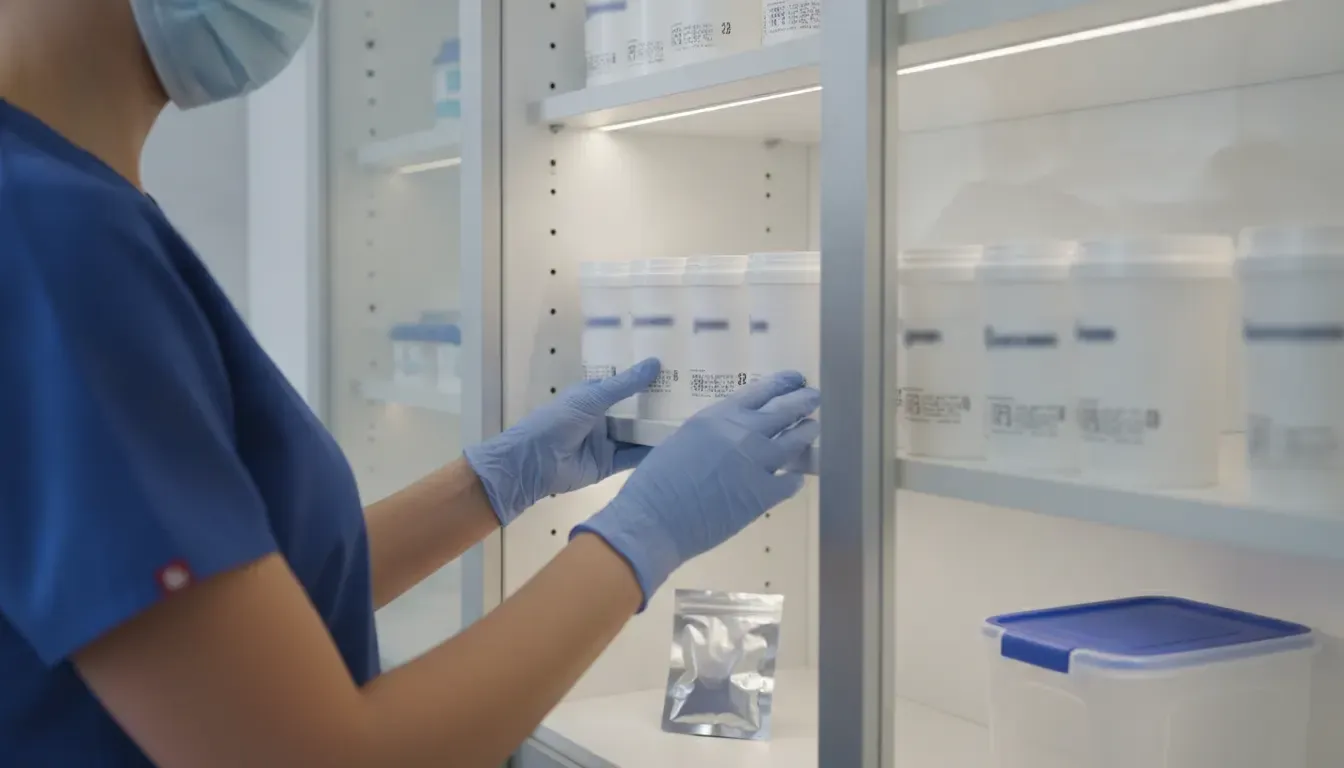
Store alginate powder in its original, tightly closed package in a clean, dry area at the temperature stated by the manufacturer. Keep it away from sinks, sterilizers, steam, direct sunlight, and rapid temperature changes. The objective is simple: prevent water vapor from reaching the powder while preserving the label and lot information needed for traceability.
Control moisture first
Moisture is the most important storage risk for alginate powder. A damp scoop, wet glove, open lid, or humid supply room can introduce water before mixing. Do not store the container beside a sink or in a cabinet where autoclave steam escapes. Do not place a wet scoop into the powder. If a scoop must be washed, use a clean, fully dry replacement until it is ready.
Keep the original inner bag, seal, cap, or liner in place whenever the package design includes one. Avoid pouring powder into an unmarked secondary container. An unlabeled container can lose its expiration date, lot number, instructions, and product identity, which makes the material unsuitable for controlled clinical use even if the powder looks normal.
Use temperature and inventory controls
Follow the storage range in the product instructions rather than applying a generic office rule. A cool, stable room-temperature cabinet is usually preferable to a hot utility area, a windowsill, or a refrigerator that can create condensation when the container is opened. Do not freeze alginate unless the manufacturer specifically instructs it.
- Use first-expiring, first-out rotation for every alginate lot.
- Keep newer stock behind material with the nearest expiration date.
- Record lot numbers and expiration dates during receiving.
- Separate damaged, wet, leaking, or unreadable packages from usable stock.
- Review storage conditions after a flood, HVAC failure, roof leak, or prolonged power event.
For broader clinical context, review SurgiMac's alginate practice guide after establishing the storage controls above.
How do you check alginate before using it?
Before dispensing alginate, confirm the product name, lot number, expiration date, package seal, and storage history. Then inspect the powder for clumping, unusual color, dampness, or a changed odor. A visual check cannot replace the manufacturer's instructions, but it can identify material that should be quarantined before it reaches a patient or laboratory workflow.
Receiving and lot-control checklist
| Check | Accept when | Quarantine when |
|---|---|---|
| Expiration date | The date is legible and has not passed. | The date is past, missing, or unreadable. |
| Package integrity | Seal, lid, liner, and container are intact. | Packaging is torn, open, wet, leaking, or crushed. |
| Powder condition | Powder matches the expected appearance and flows as directed. | Powder is damp, hardened, unusually lumpy, or discolored. |
| Traceability | Product name and lot can be linked to the receiving record. | Lot or product identity cannot be confirmed. |
| Storage history | Storage remained within the manufacturer's stated conditions. | Exposure to heat, steam, liquid water, or unknown conditions occurred. |
Do not rely on a single test impression
A small test mix may show that a powder wets and sets, but it does not prove that the material will reproduce anatomy consistently. If a product is expired or compromised, the correct response is to quarantine it and consult the manufacturer or distributor. Do not extend its life based only on an acceptable color, smell, or setting time.
How long can an alginate impression be kept?
A completed alginate impression should generally be poured as soon as practical, according to the product instructions, because water movement can change its dimensions. Some extended-storage formulations permit a longer interval under defined conditions, but that claim is product-specific. Do not store an impression in water, and do not assume a damp towel creates unlimited stability.
Why prompt pouring protects accuracy
Alginate is a water-based, irreversible hydrocolloid. If it loses water to the air, it can shrink. If it absorbs free water, it can swell. Either change can affect the relationship between the impression and the resulting gypsum model. A published Kulzer alginate application guide explains that impressions should be poured promptly, while certain modern formulations allow longer storage only when their instructions specify it.
Research has also found that storage duration affects the dimensional accuracy of impression materials and that immediate pouring generally provides the best accuracy. The published comparative study evaluated several hydrocolloid, silicone, and polyether materials at immediate, one-day, three-day, and five-day intervals. Its results support a practical rule: if the case requires an accurate model, reduce the time between removal, disinfection, and pouring.
Build the timing into the workflow
- Confirm the material's instructions before the appointment.
- Prepare the tray, mixing tools, water, and gypsum workflow in advance.
- After removal, assess the impression and follow the approved disinfection protocol.
- Keep the impression protected from drying and free water while moving it to the model workflow.
- Pour within the manufacturer's recommended window and document any delay that could affect interpretation.
For mixing technique, see SurgiMac's step-by-step alginate mixing guide. Storage decisions should not be used to compensate for an incorrect powder-to-water ratio or a delayed model pour.
Explore SurgiMac's MacImpress impression material collection
What should a dental practice do with expired alginate?
Quarantine expired, wet, damaged, or untraceable alginate immediately. Mark it as not for clinical use, keep it separate from active inventory, and document the product, lot, expiration date, and reason for quarantine. Replace it with in-date material that has a verified storage history. When the cause is uncertain, ask the manufacturer or distributor for a written disposition.
Common warning signs
- The expiration date has passed or cannot be read.
- The container was left open in a humid room.
- The inner barrier or lid is torn, loose, wet, or missing.
- The powder is hard, damp, heavily clumped, or visibly different from a known-good lot.
- The lot number was removed during transfer to a secondary container.
- The material was exposed to steam, flooding, condensation, or an uncontrolled storage area.
Do not blend questionable powder with a fresh lot, relabel an expired container, or return it to the active shelf after a test mix. These practices make traceability more difficult and can create avoidable remakes, laboratory delays, and patient scheduling problems.
Frequently asked questions about alginate shelf life
Alginate shelf life is controlled by the manufacturer's date and storage instructions, while impression stability is controlled by moisture and time after mixing. The safest practice is to verify every package, protect the powder from humidity, rotate by expiration date, quarantine questionable material, and pour completed impressions promptly.
Source professional alginate alternatives and impression supplies from SurgiMac
Can unopened alginate be used after the expiration date?
No. An unopened package is not automatically safe after its printed expiration date. The manufacturer has established that date for the formulation and packaging under specified conditions. Quarantine expired stock and contact the manufacturer or distributor if a lot requires formal disposition.
Does opening alginate shorten its shelf life?
Opening exposes powder to humidity and handling, so it can reduce the practical confidence window even when the printed expiration date has not passed. Reseal the original container immediately, keep it dry, retain the lot information, and follow any shorter in-use limit in the instructions.
Should alginate powder be refrigerated?
Not unless the product instructions specifically say so. Refrigeration can introduce condensation when a cold container is opened in a warm room. Use the labeled temperature range and a stable, dry storage cabinet instead.
Can an alginate impression be stored in water?
No. Free water can be absorbed by alginate and cause swelling. Protect the impression according to the material's instructions and pour it within the recommended window. A product marketed for extended storage may have different requirements, so verify its IFU.
Is an alginate impression still accurate after several days?
Accuracy depends on the product formulation and storage conditions, but delay generally increases dimensional risk. Some extended-storage alginates are designed for longer intervals. For standard materials, immediate or prompt pouring is the safer workflow for diagnostic models and other applications where dimensional accuracy matters.
For broader material selection, compare this storage guidance with SurgiMac's alginate versus VPS impression material guide. The right decision is not only how long a container lasts on the shelf, but whether the material's handling window fits the clinical and laboratory workflow.
Always follow the product-specific instructions for use, labeling, and applicable clinical protocols.
Tags
Blog posts
-
, by SurgiMac A Clinician's Guide to Absorbable Suture Material
-
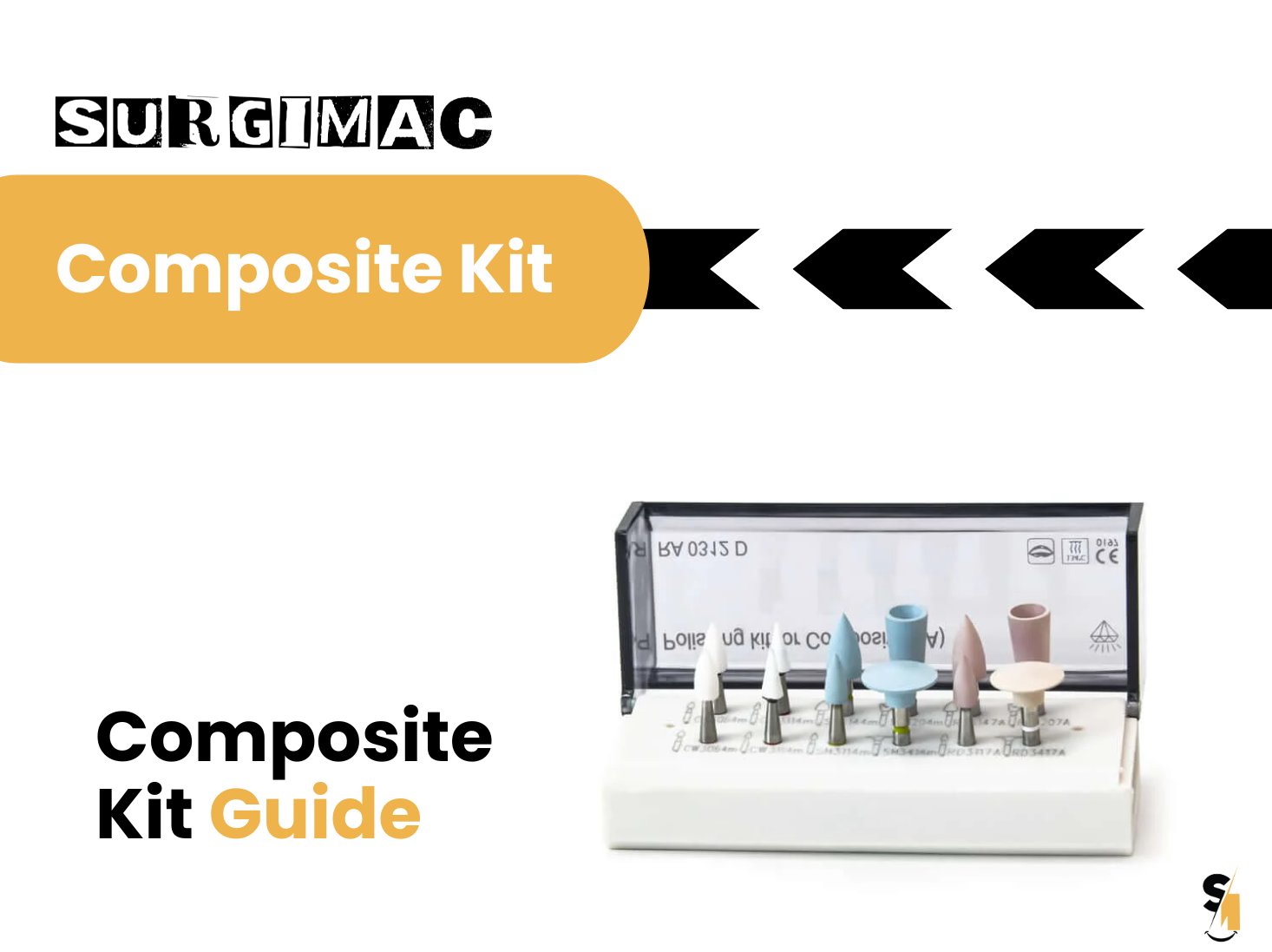
, by SurgiMac A Clinician's Guide to Dental Composite Resin Kits
-
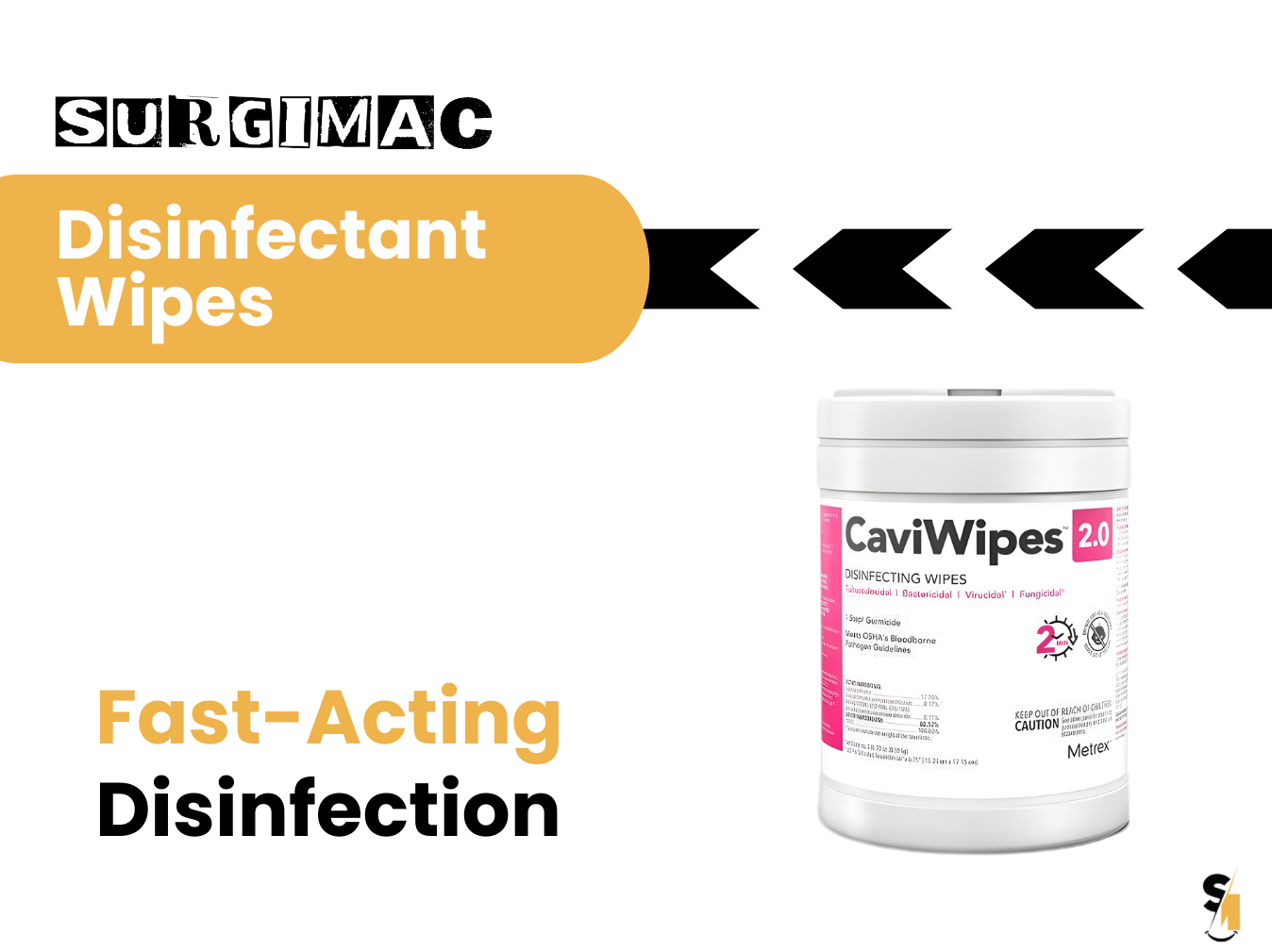
, by SurgiMac How to Disinfect with Metrex CaviWipes Correctly
