


What Is Base and Catalyst Putty Dental? A Guide
- , by SurgiMac
- 31 min reading time
Get clear answers on base and catalyst putty dental, including how it works, key benefits, and best practices for accurate dental impressions.
Precision is the name of the game in prosthodontics, where even a micron of inaccuracy can compromise the fit and function of a final restoration. Your ability to capture a perfect, distortion-free impression is the first and most critical step in this process. This is why so many clinicians depend on base and catalyst putty dental materials for their most important cases. Engineered for exceptional dimensional stability and high tear resistance, this two-part system provides the rigid, detailed foundation needed for fabricating crowns, bridges, and inlays that seat perfectly. This article explores how to leverage the unique properties of putty to achieve crisp margins and accurate occlusal details, minimizing adjustments and ensuring predictable clinical success.
Key Takeaways
- Understand Putty's Core Properties for Predictable Results: Dental putty is a two-part Vinyl Polysiloxane (VPS) system that offers superior dimensional stability. This means your impressions resist shrinkage and distortion, which is essential for creating perfectly fitting crowns, bridges, and other final restorations.
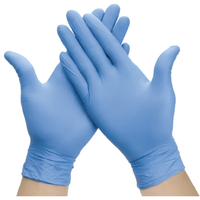
- Perfect Your Technique to Eliminate Common Errors: Your success with putty depends on precise execution. Always use equal base-to-catalyst ratios, mix until the color is uniform, and wear nitrile gloves from a line like MacSafe to avoid polymerization issues. A stable tray seating technique prevents costly distortions.
- Select the Right Impression Material for the Job: While a high-quality VPS putty like MacImpress is the gold standard for final impressions, other materials are better suited for different tasks. Use a dependable alginate like AlgiMac for preliminary models and study casts to optimize your workflow and manage costs effectively.

What Is Base and Catalyst Putty?
If you’ve ever needed to capture a flawless dental impression, you’re likely familiar with base and catalyst putty. This material is a cornerstone of restorative and prosthetic dentistry for a reason: it delivers exceptional accuracy and reliability. At its core, dental putty is a high-viscosity Vinyl Polysiloxane (VPS) impression material that comes as a two-part system. You’ll find it packaged in two separate tubs, one containing the base and the other containing the catalyst, giving you complete control over the material. It remains stable and unactivated until you are ready to mix it, ensuring a predictable working time for every procedure.
When combined, the two putties initiate a chemical reaction that transforms the soft, pliable material into a firm, rubber-like solid that captures even the finest intraoral details. This process results in a dimensionally stable impression that resists distortion, which is critical for creating perfectly fitting crowns, bridges, and other prosthetics. Its firm consistency makes it an excellent tray material, providing the necessary support for a lower-viscosity wash material to capture fine details without slumping or causing tray show-through. For practices that demand clinical consistency and superior-fitting restorations, using a premium system like MacImpress ensures you get predictable results every time.
How the Two-Component System Works
The magic of dental putty lies in its simple yet effective two-part system. Inside the kit, you’ll find two distinct components: the base putty and the catalyst putty. The base is typically a silicone polymer, while the catalyst contains a platinum salt activator that initiates the setting reaction. They are often color-coded to help you visually confirm a thorough mix. Keeping them separate until the moment of use is what guarantees a fresh, reactive material for every impression.
To use it, you simply scoop equal amounts from each tub and knead them together until you achieve a uniform, streak-free color. This hands-on mixing process allows you to create a homogenous consistency that is essential for capturing accurate details without voids or bubbles. This system provides a dependable foundation for all your impression materials and techniques.
Understanding the Chemical Reaction
When you mix the base and catalyst, you kick off a chemical process called addition polymerization. During this reaction, the platinum catalyst causes the vinyl groups in the base polymer to link together, forming a stable, cross-linked silicone rubber network. The putty gradually transitions from a soft, workable consistency to a firm, elastic solid that has "set."
One of the biggest advantages of this VPS chemistry is that it produces no volatile byproducts like alcohol or water. This is why putty impressions are known for their outstanding dimensional stability. Because nothing evaporates from the material as it sets, there is minimal shrinkage or distortion over time. This stability allows you to pour the model immediately or wait for days without compromising the accuracy of the final restoration.
Key Properties: Stability, Recovery, and Resistance
Dental putty is a go-to material because of three key physical properties that directly contribute to clinical success. First is its exceptional dimensional stability. Thanks to very low polymerization shrinkage, the impression maintains its size and shape long after it’s removed from the mouth. This gives you and your dental lab a wider window for pouring the cast.
Second is its excellent elastic recovery. The material can be compressed or stretched as it’s removed from around the teeth and will spring back to its original shape without permanent distortion. This is crucial for accurately capturing undercuts and complex dental anatomy. Finally, high tear resistance ensures that thin sections of the impression, like those in interproximal areas, won’t rip or tear upon removal, preserving every critical detail for a perfect final fit.
Where to Use Dental Putty in Your Practice
Dental putty is one of the most versatile materials in a clinician's toolkit. Its high viscosity, excellent dimensional stability, and ease of use make it a reliable choice for a wide range of applications where precision is paramount. From foundational restorative work to detailed orthodontic planning, putty provides the firm, accurate base needed to create flawless final outcomes. Because it resists distortion and captures fine details without slumping, it serves as the perfect heavy-body material in a putty-wash technique or as a standalone impression material for specific cases. This makes it an indispensable part of modern dental equipment and supplies.
Whether you're fabricating a single crown or planning a complex prosthetic, understanding where and when to use dental putty can streamline your workflow and improve clinical results. The key is pairing its unique properties with the right procedure. We'll cover four primary applications where dental putty truly shines: creating impressions for crowns and bridges, fabricating inlays and onlays, developing orthodontic models, and forming custom trays. For these critical tasks, a high-quality material like MacImpress VPS provides the consistency and accuracy your practice can depend on, ensuring that every impression you take contributes to a superior final restoration.
Crown and Bridge Impressions
When fabricating crowns and bridges, accuracy is everything. Dental putty is essential for creating highly precise impressions that capture every detail of the prepared teeth, adjacent structures, and gingival tissues. Its firm consistency ensures that the impression tray is seated correctly without compressing the soft tissues, preventing distortion. The base and catalyst system provides a predictable working time and a rigid final set, resulting in a stable mold that won't warp during transport to the lab. This precision is fundamental for achieving passive-fitting restorations with tight margins and proper occlusion, minimizing the need for chairside adjustments and ensuring long-term success for your patients.
Inlays, Onlays, and Prosthetic Applications
For indirect restorations like inlays, onlays, and other prosthetics, the fit must be perfect. Dental putty excels in these applications because it produces an exceptionally detailed and dimensionally stable negative of the oral environment. After mixing, the material's chemical reaction creates a rigid mold that accurately reproduces the preparation's margins and contours. This level of detail is crucial for the dental lab to fabricate a restoration that seats perfectly and restores function without interference. Using a reliable putty ensures the final prosthetic integrates seamlessly with the patient's existing dentition, providing both durability and esthetics for years to come.
Orthodontic Models and Study Casts
Dental putty is an excellent choice for creating detailed orthodontic models and diagnostic study casts. Its high viscosity allows it to capture a precise replica of the patient's complete dental arch, including teeth and surrounding soft tissues, without slumping away from key areas. These accurate models are indispensable for diagnosis, treatment planning, and tracking progress throughout orthodontic care. While a material like AlgiMac is also a fantastic option for preliminary impressions, putty provides superior dimensional stability for cases requiring the highest degree of precision for appliance fabrication or long-term study.
Custom Tray Fabrication
Beyond direct impressions, dental putty is also a valuable tool for fabricating custom impression trays. Its highly filled composition results in minimal polymerization shrinkage, a critical factor for creating a tray that fits the patient's arch perfectly. By taking a preliminary putty impression and using it to form a custom tray, you ensure a uniform thickness of wash material in the final impression. This technique significantly improves the accuracy of the final result, especially in complex full-arch cases or when capturing multiple preparations, leading to better-fitting restorations and more predictable outcomes.
Putty vs. Other Impression Materials: A Comparison
Choosing the right impression material is fundamental to achieving predictable clinical outcomes. While dental putty is a versatile and reliable option, understanding how it compares to other common materials like VPS light body and alginate will help you select the best product for every procedure. The key is to match the material’s properties with the specific demands of the clinical task at hand, whether it's a preliminary model or a final restoration.
Putty vs. VPS Light Body
Dental putty is a high-viscosity impression material, meaning it’s thick and provides excellent support and stability within the impression tray. In contrast, VPS light body is a low-viscosity material, making it fluid and ideal for capturing the fine, intricate details of tooth preparations and surrounding gingival tissues. These two materials aren't competitors; they are partners. In the popular putty-wash technique, putty creates the primary impression, and the light body wash material is applied over it to record the most delicate details. Both are types of Vinyl Polysiloxane, prized for their dimensional stability. Our MacImpress collection offers both putty and wash materials designed to work together seamlessly for flawless final restorations.
Putty vs. Alginate
The choice between putty and alginate often comes down to the clinical goal. Alginate is an irreversible hydrocolloid that is cost-effective and easy to use, making it a fantastic choice for preliminary impressions, diagnostic casts, and fabricating orthodontic models or custom trays. However, it has lower dimensional stability and must be poured quickly to prevent distortion. Putty, especially a VPS material like MacImpress, offers far superior accuracy and stability, making it the standard for final impressions. While our AlgiMac is a high-quality choice for preliminary work, you’ll want the precision of a VPS putty for crowns, bridges, and implants where a perfect fit is non-negotiable.
When to Choose Putty Over Other Materials
You should reach for a VPS putty when precision and long-term dimensional stability are your top priorities. It is the material of choice for final impressions for fixed prosthodontics, including crowns, bridges, inlays, and onlays. Its high tear strength ensures that the impression remains intact even in thin areas around the sulcus, and its stability means you don't have to pour the model immediately. This gives your lab more flexibility without sacrificing accuracy. For these critical applications, a high-performance VPS putty like MacImpress ensures you capture every detail needed for a superior-fitting restoration. Putty is also excellent for creating a matrix for provisional restorations or for specific bite registrations.
How to Mix Dental Putty for Perfect Results
Achieving a flawless impression starts with a perfect mix. While dental putty is known for being user-friendly, the mixing stage is where precision counts the most. An improper mix can lead to inaccuracies that compromise the final restoration, wasting valuable chair time and materials. By focusing on a consistent technique, managing your time, and knowing which common errors to sidestep, you can ensure your putty impressions are reliable and dimensionally stable every single time. Getting this step right is fundamental to capturing the detailed accuracy needed for high-quality crowns, bridges, and prosthetics.
Mastering the Equal-Part Mixing Technique
The foundation of a great putty impression is the equal-part mixing technique. Most dental putties, including high-quality VPS materials like MacImpress, come in a two-component system: a base and a catalyst. Using the color-coded scoops provided, measure equal portions of each. Once measured, combine the two by kneading and folding them together with your fingertips. The goal is to continue mixing until the putty achieves a completely uniform color with no streaks or marbling. This visual cue confirms that the catalyst is evenly distributed throughout the base, ensuring a consistent and predictable polymerization process for a stable final impression.
Manage Your Working and Setting Times
Every dental putty has a specified working time and setting time, which are critical to a successful outcome. Working time is the window you have from the moment you start mixing until the material begins to set. You must load the impression tray and have it fully seated in the patient’s mouth before this period ends. Once the tray is in place, the setting time begins. During this phase, it is essential that the patient remains completely still and you maintain gentle, steady pressure on the tray. Any movement can introduce distortions, drags, or pulls, compromising the final impression accuracy.
Common Mixing Mistakes to Avoid
Even experienced clinicians can run into issues if they are not mindful during the mixing process. One of the most common mistakes is deviating from the manufacturer's recommended base-to-catalyst ratio. Always use the provided scoops to ensure an accurate 1:1 measurement, as an imbalanced mix can alter setting properties and reduce stability. Another frequent error is glove contamination; latex can inhibit the polymerization of VPS materials. Always use nitrile gloves, like those in our MacSafe line, to prevent this interaction. Finally, under-mixing will result in an uneven set, while over-mixing can shorten your working time and cause the material to begin setting before the tray is seated.
Get Accurate Impressions with the Putty-Wash Technique
The putty-wash technique is a trusted method for creating highly detailed and accurate final impressions, especially for crown and bridge restorations. This approach combines the stability and support of a high-viscosity putty with the precision of a low-viscosity wash material. The putty creates a custom tray in the patient's mouth, while the wash material flows into the fine details of the preparation and surrounding tissues. When executed correctly, this technique minimizes distortion and captures crisp, clear margins. Using a reliable VPS material like MacImpress is essential, as its formulation provides excellent tear strength and dimensional stability, ensuring your impressions are flawless from the start. Whether you prefer a single-step or two-step method, mastering the putty-wash technique will help you achieve predictable and successful restorative outcomes.
Single-Step vs. Two-Step Methods
The putty-wash technique can be performed using either a single-step or two-step method, and your choice often depends on clinical preference and the specific case. In the single-step (or simultaneous) method, both the putty and wash materials are loaded into the tray at the same time. The wash material is syringed around the preparation while the putty is placed in the tray. The tray is then seated in one motion. For this to work, the putty must be inserted before its initial set begins. Once in place, instruct the patient to remain still, and maintain a gentle but steady pressure. The two-step method involves taking a preliminary putty impression first, creating space for the wash material, and then relining it with the wash in a second step.
Tips for Capturing Fine Intraoral Detail
Achieving a perfect impression requires attention to detail. First and foremost, always follow the manufacturer's instructions for the base-to-catalyst ratio, as any deviations compromise setting properties and stability. An inconsistent mix can lead to an inaccurate final restoration. Be mindful of potential complications like drags and pulls, which are common when using high-viscosity materials. According to Dental Economics, these issues can arise from premature movement or improper tray seating, resulting in a distorted impression. To avoid this, ensure your tray is fully seated without any rocking motion and that the patient remains completely still until the material has fully set. Finally, make sure the prepared area is clean and dry to allow the wash material to capture every critical detail without interference.
How to Overcome Common Challenges with Dental Putty
Dental putty is a workhorse in modern dentistry, but even the most reliable materials can present challenges. Achieving a flawless impression requires attention to detail, from the initial mix to the final set. Fortunately, most common issues are entirely preventable with the right technique and a clear understanding of the material's properties. By mastering a few key steps, you can ensure your putty impressions are consistently accurate, predictable, and free from frustrating errors. Let’s walk through how to solve the most frequent hurdles you might face in your practice.
Avoid Inconsistent Mixes and Polymerization Issues
One of the most common sources of impression failure is an improper mix of the base and catalyst. To achieve predictable results, you must follow the manufacturer’s instructions for the base-to-catalyst ratio. Any deviation can compromise the material’s setting properties and dimensional stability, leading to an inaccurate final restoration. When mixing, continue kneading until the putty is a completely uniform color with no streaks. This visual cue confirms that the catalyst is evenly distributed, ensuring a consistent polymerization process. Using a high-quality material like MacImpress VPS Impression Material helps, as it is engineered for reliable consistency, but your technique remains the deciding factor for success.
Address Glove Compatibility and Sensitivity
Did you know your choice of gloves can affect the setting reaction of PVS materials? The sulfur compounds found in latex gloves are known to inhibit the polymerization of dental putty, resulting in a soft, unset surface where the material contacts the glove. To prevent this, always use nitrile or vinyl exam gloves when mixing. This simple switch eliminates the risk of chemical interference. Additionally, while rare, some clinicians may experience skin sensitivity to the catalyst. Wearing appropriate disposable gloves from a trusted line like MacSafe not only protects the impression material but also provides a necessary barrier for your skin, supporting safe and hygienic handling protocols.
Work Efficiently Within a Limited Timeframe
Dental putty has a defined working time, and it’s crucial to operate efficiently within this window. The clock starts the moment you begin mixing the base and catalyst. Be sure to have your tray selected and all necessary tools ready before you start. The putty must be loaded into the tray and seated in the patient’s mouth before the initial set begins. Once the tray is in place, instruct the patient to remain still and maintain gentle, steady pressure until the material has fully cured. Rushing can lead to mistakes, but being well-prepared ensures you can work calmly and precisely within the material’s specified timeframe, a best practice that applies to all impression materials.
Understand Storage and Shelf Life
The performance of your dental putty is directly linked to how it’s stored. Always keep containers tightly sealed in a cool, dry place away from direct sunlight and heat sources, as temperature fluctuations can alter the material’s chemical properties. Before each use, make it a habit to check the expiration date. Using expired putty can lead to unpredictable setting times and reduced dimensional stability, compromising the final impression. Just as incorrect mixing ratios can cause failures, so can improper storage. Protecting your inventory of dental supplies by following storage guidelines is a simple step that safeguards your investment and ensures you get reliable results every time.
Best Practices for Flawless Putty Impressions
Achieving a perfect impression goes beyond choosing a quality material. Your technique plays a critical role in the final outcome, directly impacting the fit and function of the final restoration. By following a few key best practices, you can ensure your putty impressions are consistently accurate, dimensionally stable, and ready for the lab. This focus on process helps minimize the need for frustrating retakes, saving valuable chair time and improving patient satisfaction. Mastering these steps turns a good material into a great result.
Ensure Accurate Measurement and Thorough Mixing
The foundation of a successful putty impression is a perfect mix. Always follow the manufacturer's instructions for the base-to-catalyst ratio, as any deviation can compromise the material's setting properties and stability. Use the color-coded scoops provided, ensuring each scoop is level and not overly packed. Avoid cross-contaminating the tubs by using the correct scoop for each component. Knead the two parts together quickly and vigorously with your fingertips until you achieve a completely uniform color with no streaks. An inconsistent mix can lead to an impression that sets too slowly or fails to polymerize correctly, resulting in distortion. Materials like MacImpress VPS are designed for predictable performance when these simple rules are followed.
Perfect Your Tray Selection and Seating Technique
Your tray is the vehicle for the impression material, so selecting the right one is essential. Choose a rigid, properly sized stock or custom tray that allows for a uniform thickness of putty around the teeth and soft tissues. Applying a tray adhesive can also prevent the material from pulling away during removal. Once the putty is loaded, insert the tray in the patient's mouth before the initial set begins. Seat it with gentle but firm pressure, ensuring it is fully seated and stable. Once in place, it is critical that you and the patient remain perfectly still until the final set is complete. Any movement can introduce distortions that render the impression unusable.
Follow Proper Disinfection and Handling Protocols
Maintaining a clean working environment is non-negotiable for both patient safety and material integrity. Always begin with clean hands and wear appropriate nitrile gloves from a trusted line like MacSafe, as latex can inhibit the polymerization of VPS materials. Be sure to recap the putty tubs immediately after dispensing to prevent contamination and protect the material from exposure to air and moisture. After removing the impression from the patient's mouth, rinse it thoroughly to remove saliva and debris. Then, follow the CDC’s guidelines for infection prevention and the manufacturer’s instructions to properly disinfect the impression before sending it to your dental lab.
How to Choose the Right Dental Putty for Your Practice
Selecting the right dental putty is about more than just finding a material that works; it’s about finding one that works for your practice. The ideal putty should align with your clinical needs, streamline your workflow, and make financial sense. A putty that sets too quickly can cause stress and lead to inaccuracies, while one that’s difficult to handle can waste precious chair time. The right choice, however, ensures predictable results, well-fitting restorations, and efficient procedures.
When evaluating your options, think about the types of procedures you perform most often, the pace of your office, and your budget. A high-quality material like MacImpress VPS offers a reliable balance of properties, but understanding the specific factors below will help you make the best decision for your team and your patients. By carefully considering setting time, packaging, and true cost, you can equip your practice with a material that supports clinical excellence and operational efficiency.
Evaluate Setting Time, Consistency, and Biocompatibility
The clinical properties of a putty directly influence its performance. Start by looking at the setting time. Manufacturers typically offer fast-set and regular-set versions. A fast-set putty is excellent for single-unit restorations and smaller cases, helping you reduce chair time. For more complex full-arch impressions, a regular-set putty provides a longer working time to ensure proper tray seating and material flow without rushing. The consistency, or viscosity, is just as important. The putty needs to be firm enough to avoid slumping in the tray yet fluid enough to capture precise details without compressing soft tissues. Finally, always confirm the material’s biocompatibility to ensure patient safety and comfort.
Consider Packaging and Volume for Your Workflow
How a putty is packaged can significantly impact your daily workflow. Traditional hand-mix putties in tubs offer tactile control and are often more economical upfront, making them a great choice for many practices. To ensure accuracy, always follow the manufacturer's instructions for the base-to-catalyst ratio, as incorrect proportions can compromise the final set. For high-volume clinics or those prioritizing speed, automix cartridge systems can streamline the process and guarantee a perfect mix every time. Consider your practice’s consumption rate when choosing a volume. While buying in bulk may seem cost-effective, it’s only a good deal if you can use the material before its expiration date.
Analyze the True Cost Per Use
The sticker price of a dental putty only tells part of the story. To understand the real financial impact, you need to analyze the cost per use. A cheaper material that results in frequent retakes due to distortion, voids, or poor detail reproduction quickly becomes expensive. Each failed impression costs you more material, valuable chair time, and additional sterilization cycles. As any practice manager knows, running a profitable dental practice requires careful management of resources. Investing in a high-quality, reliable VPS material like MacImpress minimizes the risk of errors, leading to fewer adjustments and remakes. This efficiency not only saves money but also enhances patient satisfaction and trust in your clinical skills.
How Is Dental Putty Evolving?
Dental putty is far from a static material. As clinical demands grow and technology advances, impression materials are continuously refined to deliver greater accuracy, safety, and efficiency. The global market for dental putty is growing, driven by significant developments in three key areas. These ongoing improvements ensure that putty remains an indispensable tool in modern restorative and prosthetic dentistry, helping you achieve predictable, high-quality outcomes for your patients.
Innovations in Formulations and Elasticity
Modern putty formulations are engineered for superior performance. Manufacturers are focusing on enhancing elasticity and tear strength, which means the material can be removed from the mouth without tearing or distorting, even around significant undercuts. This improved recovery from deformation ensures your impression remains dimensionally stable from the moment it leaves the patient’s mouth to when it reaches the lab. Advanced materials like the MacImpress VPS collection are at the forefront of this evolution, offering exceptional accuracy and stability. For your practice, this translates directly to fewer impression retakes, reduced chair time, and better-fitting final restorations that require minimal adjustments.
Advancements in Biocompatibility and Patient Safety
Patient safety and clinician comfort are paramount, and putty formulations are evolving to reflect that. While traditional catalysts could sometimes cause skin sensitivity, newer materials are developed with biocompatibility in mind to minimize adverse reactions. Of course, proper handling is still essential. We always recommend using high-quality nitrile exam gloves from our MacSafe line when mixing any base and catalyst system to protect your hands. This focus on biocompatibility gives you and your patients peace of mind, ensuring the impression process is as safe and comfortable as it is accurate. It’s a critical step forward in creating a healthier clinical environment for everyone.
Putty's Role in Digital and Hybrid Workflows
Even as digital scanning becomes more common, dental putty retains a vital role in today’s practice, particularly within hybrid workflows. The rise of digital dentistry and CAD/CAM technology has actually increased the demand for high-quality physical impressions. A precise putty impression can be used to create a model that is then digitally scanned, bridging the gap between traditional techniques and digital design. This hybrid approach provides a reliable physical record for verification and is invaluable for complex cases. Using a dimensionally stable putty ensures the foundational model is flawless, setting your digital workflow up for success from the very beginning.
Find Premium Impression Materials at SurgiMac
Choosing the right impression material is fundamental to achieving predictable, high-quality outcomes for your patients. A flawless impression serves as the foundation for every restoration, from a single crown to a full-arch prosthetic, directly impacting lab communication and the final fit. At SurgiMac, we understand that different procedures call for different materials with specific handling properties and setting times. That’s why we’ve developed a specialized suite of impression products designed to deliver accuracy, efficiency, and reliability across your entire workflow. Our goal is to provide clinicians with tools that simplify complex procedures and produce consistent results. Whether you need a high-stability material for final impressions, a fast-setting registration material, or a dependable alginate for preliminary models, our collection has you covered. Explore our trusted solutions that help you work with confidence, reduce chair time, and minimize the frustration of adjustments and remakes. We offer a range of dental equipment and supplies to support every step of your clinical process, ensuring you have access to premium materials that integrate seamlessly into your practice. By providing dependable products, we empower you to focus on what matters most: delivering exceptional patient care.
MacImpress VPS Impression Material
For final impressions where precision is non-negotiable, MacImpress VPS Impression Material provides the stability and accuracy you need. This advanced Vinyl Polysiloxane (VPS) material is engineered to create a precise, reliable blueprint for the lab to follow. Its heavy-body consistency and excellent dimensional stability ensure that every detail is captured without distortion, from fine marginal details to complex occlusal anatomy. The exceptional tear resistance allows for easy removal from the mouth without compromising the integrity of the impression. By using MacImpress, you can significantly reduce the risk of inaccuracies that lead to costly remakes, ensuring a perfect fit for crowns, bridges, and other prosthetics on the first try.
MacBite VPS Bite Registration Material
Capturing an accurate occlusal relationship is critical for the success of any restorative case. MacBite VPS Bite Registration Material is formulated to make this process fast, simple, and incredibly precise. As a pliable, mousse-like substance, MacBite consists of a base and catalyst that, when mixed, initiate a quick setting reaction to lock in the patient's bite with zero resistance or distortion. Its high final hardness ensures that the registration remains stable during model articulation, preventing errors that can compromise the final restoration. Ideal for a wide range of restorative and prosthodontic procedures, MacBite helps you achieve functional harmony and a seamless fit every time.
AlgiMac Alginate Impression Material
When you need a reliable and efficient material for preliminary impressions, study casts, or orthodontic models, AlgiMac Alginate Impression Material is an excellent choice. This high-quality alginate is an effective solution for creating exact replicas of oral structures. Its smooth, creamy consistency allows for easy mixing, while its fast-setting properties help streamline your workflow and improve patient comfort. Despite its speed, AlgiMac does not compromise on accuracy, delivering detailed and dimensionally stable impressions for a variety of applications. Its malleable and moldable properties make it a dependable staple in any dental practice that values both efficiency and precision in its routine procedures.
Frequently Asked Questions
My putty didn't set correctly. What went wrong?
Incomplete setting is usually caused by either contamination or an incorrect mixing ratio. One of the most common sources of contamination is latex gloves, as sulfur compounds in latex can inhibit the setting reaction of addition silicone materials. Using nitrile gloves helps prevent this problem. Another frequent cause is inaccurate measurement of the base and catalyst. Following the manufacturer's recommended proportions is essential for achieving proper polymerization and dimensional stability.
When should I choose putty over a material like alginate?
The choice depends on the level of accuracy required. Alginate is well suited for preliminary impressions, study models, orthodontic casts, and custom tray fabrication because it is economical and easy to use. VPS putty materials are preferred when dimensional accuracy and long-term stability are critical. For definitive impressions used in crowns, bridges, inlays, and other indirect restorations, putty-based systems provide significantly greater precision and reliability.
What causes drags or distortions in my final impression?
Distortions commonly occur when movement takes place during the setting phase. Slight rocking of the tray during insertion or removal, or patient movement before the material has fully set, can create drags and inaccuracies. Proper tray seating with steady pressure and minimizing movement throughout the setting period are essential for obtaining a precise impression. Following the recommended working and setting times also helps reduce the risk of distortion.
Is it better to use the single-step or two-step putty-wash technique?
Both techniques are capable of producing highly accurate impressions. The single-step technique is more efficient and saves chair time, but it requires careful timing and coordination. The two-step technique provides greater control over wash material thickness and often makes soft tissue management easier. Many clinicians prefer the two-step approach because it tends to be more forgiving and can provide excellent marginal detail, particularly in complex restorative cases.
Does the brand of putty really matter if my technique is good?
Technique is undoubtedly one of the most important factors in impression success, but material quality also plays a significant role. High-quality putty materials provide predictable working and setting times, excellent dimensional stability, and superior tear resistance. These properties help preserve fine marginal details and reduce the likelihood of impression failure. Even with excellent clinical technique, inconsistencies in material performance can compromise the final result, making material selection an important part of achieving accurate restorations.
Related Articles
Tags
Blog posts
-
, by SurgiMac A Clinician's Guide to Absorbable Suture Material
-
, by SurgiMac A Clinician's Guide to Dental Composite Resin Kits
-
, by SurgiMac How to Disinfect with Metrex CaviWipes Correctly
