
6 Best Dental Evacuation Line Cleaners Reviewed
- , by SurgiMac
- 30 min reading time
Find the best dental evacuation line cleaner for your practice. Compare top formulas for suction performance, equipment safety, and infection control.
Your evacuation system is the unsung hero of the operatory, but when suction falters mid-procedure, it quickly becomes the villain. This loss of power is almost always caused by the gradual buildup of biofilm, blood, and restorative debris inside the tubing. While it’s a common frustration, it’s also completely preventable. The key is a consistent cleaning protocol using a formula designed to dissolve this stubborn organic waste. This guide is designed to help you move from reactive frustration to proactive maintenance. We’ll explore what makes a formula effective and help you find the best dental evacuation line cleaner for your practice’s needs.
Key Takeaways
- Focus on the Formula: Select a cleaner with multi-enzyme technology to effectively dissolve stubborn biofilm, not just rinse away loose debris. A pH-neutral, low-foaming solution is crucial for protecting your vacuum system's internal parts from corrosion and damage.
- Make Cleaning a Consistent Habit: Daily cleaning is essential for removing fresh debris before it hardens, while a weekly deep clean tackles long-term buildup. Always follow the product's instructions for dilution and contact time to get the best results.
- Prioritize Safety and Compatibility: Before you buy, confirm the cleaner is safe for your specific evacuation system and amalgam separator. Using an incompatible product can lead to expensive equipment damage and put your practice out of compliance with EPA regulations.

What Makes an Evacuation Line Cleaner Effective?
Choosing the right evacuation line cleaner is about more than just a fresh scent. The right formula is essential for maintaining suction power, preventing clogs, and protecting your valuable equipment from damage. An effective cleaner works behind the scenes to break down the daily accumulation of blood, saliva, and restorative materials that can build up into stubborn biofilm. Without proper cleaning, this buildup can reduce vacuum performance, create unpleasant odors, and even lead to costly equipment failures.
The best cleaners balance powerful performance with material safety. They need to be strong enough to dissolve tough organic debris but gentle enough not to corrode the metal and plastic components of your evacuation system. Key factors like the chemical composition, foaming action, pH level, and compatibility with amalgam separators all play a critical role. Understanding these elements will help you select a product that not only keeps your lines clear but also supports a safe and efficient practice. As part of a comprehensive infection control protocol, a high-quality evacuation cleaner is a non-negotiable part of modern dentistry.
Why Enzyme-Based Formulas Matter for Biofilm
Biofilm is the primary enemy of clean evacuation lines. This resilient, sticky matrix of bacteria, proteins, and organic debris clings to the inside of your tubing, causing blockages and reducing suction over time. While some cleaners simply disinfect the surface, enzyme-based formulas go deeper. They use specific enzymes to actively break down and dissolve the components of biofilm, such as proteins and fats. This process effectively liquefies the buildup, allowing it to be flushed out of the system completely.
Cleaners with multi-enzyme solutions are particularly effective because they target a wider range of organic materials. By dismantling the biofilm structure, these formulas prevent the gradual narrowing of your vacuum lines and ensure consistent, powerful suction day after day. This proactive approach is far more effective than reactive measures, helping you avoid frustrating clogs and maintain optimal performance.
The Importance of a Low-Foaming Formula
While foam might look like it’s working hard, it’s actually a sign of inefficiency in an evacuation line cleaner. A high-foaming formula can create air pockets within the vacuum lines, which prematurely reduces suction power at the handpiece. This can compromise your ability to effectively remove fluids and debris during a procedure, impacting visibility and workflow. When the system is filled with foam instead of a solid stream of liquid, the vacuum pump works less efficiently, leading to a noticeable drop in performance.
For this reason, a low-foaming formula is a critical feature to look for. These cleaners are designed to work without creating excess bubbles, ensuring a continuous flow that maintains strong and consistent suction from the start of the cleaning cycle to the end. This helps protect your dental equipment and supplies and guarantees your system operates at its full potential when you need it most.
Ensuring pH Balance and System Compatibility
The chemical makeup of your evacuation line cleaner has a direct impact on the longevity of your equipment. Cleaners that are highly acidic or highly alkaline can be corrosive, gradually damaging the metal, plastic, and rubber components of your vacuum system. Over time, this can lead to leaks, cracks, and expensive repairs. A cleaner with a neutral or near-neutral pH provides the perfect balance: it’s powerful enough to dissolve debris without being harsh on your equipment.
A pH-balanced formula ensures that you can run your cleaning cycles daily without worrying about long-term damage. Many modern multi-enzyme solutions are formulated to be non-corrosive, making them a safe choice for any system. Protecting the internal workings of your evacuation unit is just as important as maintaining your external dental instruments, and choosing a compatible cleaner is a simple way to safeguard your investment.
Meeting Amalgam Separator Safety Standards
With EPA regulations requiring most dental offices to use amalgam separators, it is crucial to use a cleaner that is compatible with these devices. Some harsh chemical cleaners can solubilize mercury from amalgam particles trapped in the separator, allowing it to pass into the public water system. This not only violates federal regulations but also poses a significant environmental risk. To avoid this, you must select a cleaner that is explicitly labeled as safe for use with amalgam separators.
Cleaners with a neutral pH are specifically formulated to clean lines effectively without dissolving heavy metals. Choosing a certified-safe product ensures your practice remains compliant and avoids potential fines. This commitment to safety aligns with the principles of providing a secure clinical environment, much like using reliable MacSafe protective supplies for your team and patients. Always check the product specifications to confirm it meets amalgam separator safety standards.
Comparing the Top Dental Evacuation Line Cleaners
Choosing the right evacuation line cleaner is essential for maintaining suction performance, protecting your equipment, and ensuring a hygienic environment. With so many options on the market, it can be tough to know which formula best suits your practice’s needs. Key factors to consider include the cleaner’s formulation (enzyme-based vs. chemical), its pH level, whether it foams, and its compatibility with your amalgam separator. Below, we compare some of the leading evacuation line cleaners to help you make an informed decision for your clinic.
SurgiMac's Infection Control Solutions
At SurgiMac, we understand that effective infection control is the cornerstone of a safe and efficient practice. Our comprehensive range of infection control products is designed to meet the rigorous demands of modern dentistry. While our MacSafe line provides essential personal protective equipment like gloves and masks, our commitment to hygiene extends to every corner of the operatory. We offer powerful solutions formulated to thoroughly clean and maintain your evacuation system, preventing buildup and ensuring your equipment runs smoothly. By providing reliable and effective products, we help you uphold the highest standards of cleanliness and patient safety.
A-dec Evacuation System Cleaner
A-dec is a well-known name in dental equipment, and their evacuation system cleaner is formulated to maintain their systems effectively. This product uses a multi-enzyme formula designed to dissolve both organic and inorganic materials that can clog suction lines. By breaking down blood, tissue, and impression materials, it helps ensure your vacuum system maintains optimal performance over the long term. It is recognized for being easy to use and is a popular choice for practices that already trust the A-dec brand for their clinical equipment and want a cleaner specifically designed for compatibility.
CleanStream Professional Formula
From Air Techniques, the CleanStream Professional Formula offers a different approach to line cleaning. It is an enzyme-free, non-foaming liquid concentrate. The manufacturer emphasizes that its formulation was developed through extensive research to optimize vacuum system performance without the risk of foaming, which can damage motors. Because it is highly concentrated, only a small amount is needed for daily cleaning, making it a potentially cost-effective option for busy practices. This cleaner is designed to keep your system running smoothly while minimizing the product volume required for each use.
PureVac SC Multi-Enzyme Cleaner
PureVac SC from Dentsply Sirona is a multi-enzyme cleaner that is both powerful and equipment-safe. Its low-foaming, neutral pH formula is specifically designed to be compatible with amalgam separators, which is a critical feature for many dental offices. The enzymatic action effectively dissolves a wide range of debris, including blood, saliva, and impression materials, preventing accumulation and maintaining consistent suction. Its non-corrosive properties help protect the internal components of your vacuum system, making it a reliable choice for daily maintenance in practices that prioritize equipment longevity and safety.
Bio-Pure Evacuation Line Cleaner
For practices interested in an eco-friendly solution, Bio-Pure Evacuation Line Cleaner stands out. This biological cleaner features an enzyme-rich, non-foaming formula that is 100% biodegradable. It is designed to be highly effective at breaking down organic waste without using harsh chemicals. One of its most significant advantages is its recommended usage schedule; the manufacturer states it only needs to be used twice a week, which can save time and reduce overall product consumption. This makes Bio-Pure a cost-effective and environmentally conscious option for maintaining clean and odor-free evacuation lines.
Vac Attak Dental System Cleaner
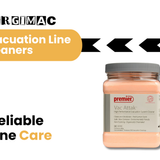
Premier Dental’s Vac Attak is a powerful powdered cleaner formulated to aggressively remove debris from evacuation lines. The manufacturer states that its chemical action is highly effective at dissolving organic buildup, prophy paste, and other materials that can lead to clogs and reduced suction. According to Premier, Vac Attak is designed to outperform standard enzymatic cleaners in removing heavy debris and eliminating germs within the lines. It is mixed with water to create a liquid solution for daily use, providing a potent cleaning action to restore and maintain vacuum performance in demanding clinical environments.
How Do Evacuation Line Cleaner Costs Compare?
Choosing an evacuation line cleaner involves balancing clinical effectiveness with your practice's budget. The price of these solutions can vary significantly based on their formulation, concentration, and recommended usage frequency. While it’s tempting to go for the cheapest option, understanding the cost per use and long-term value will help you make a smarter investment. Let's break down the typical costs you can expect, from budget-friendly choices to premium daily-use formulas, so you can find a solution that keeps your lines clean and your finances in check.
Budget-Friendly Options: Under $50/Month
If you're managing a tight budget, there are highly effective cleaners that won't strain your finances. Products in this category are often designed for less frequent use, such as twice a week, which brings down the overall cost. For example, a cleaner like Bio-Pure Evacuation Cleaner can cost as little as $3.50 to $4.50 per week, with an annual expense between $180 and $230. This makes it an excellent choice for practices looking to maintain essential hygiene standards and protect their equipment without a significant monthly investment.
Mid-Range Solutions: $50-$100/Month
For practices that prefer more frequent cleaning or have a moderate patient flow, mid-range solutions offer a great balance of performance and cost. These cleaners are typically used three to five times per week. A product like ProEdge Vac Attak falls into this category, with weekly costs ranging from about $8 to $14. This adds up to an annual cost of approximately $435 to $725. Opting for a mid-range cleaner is a solid strategy if you want to increase your cleaning frequency without committing to the expense of a daily-use premium formula.
Premium Cleaners: $100+/Month
High-volume practices often require daily cleaning to manage the heavy buildup of bio-burden and debris. Premium cleaners are formulated for this rigorous daily use and provide maximum cleaning power. Products like the A-dec Evacuation System Cleaner or Air Techniques VacuClear are popular in this tier. With daily application, you can expect weekly costs around $17 to $20, leading to an annual total of $900 to over $1,000. While the initial price is higher, these cleaners provide the peace of mind that comes with consistent, powerful daily maintenance.
Analyzing Cost Per Use and Long-Term Value
When comparing prices, looking beyond the monthly cost to the cost per use gives you a clearer picture of long-term value. A cleaner that is used only twice a week may have a higher upfront price per bottle but can save your practice up to 40% annually compared to a daily-use product. It’s about finding the right balance for your specific needs. Investing in a quality cleaner that matches your practice's volume and protocols is a key part of your overall infection control strategy, protecting your equipment from costly repairs and ensuring a safe environment for patients and staff.
What Features Should You Prioritize?
When you're selecting a dental evacuation line cleaner, it’s easy to get overwhelmed by the options. However, not all formulas are created equal. The right cleaner does more than just flush your lines; it actively breaks down debris, protects your equipment, and ensures your system runs efficiently. Focusing on a few key features will help you cut through the noise and choose a product that delivers consistent, reliable results for your practice.
Prioritizing the right formulation means looking for specific technologies and properties. A multi-enzyme formula, for instance, offers a much deeper clean than a simple chemical solution. Likewise, a non-corrosive, pH-neutral cleaner is essential for protecting the internal components of your evacuation system and amalgam separator from long-term damage. Understanding how concentration affects cost-per-use can also lead to significant savings. By focusing on these critical features, you can maintain a safer, more effective, and cost-efficient clinical environment.
Multi-Enzyme Technology for a Deeper Clean
Think of multi-enzyme technology as a targeted cleaning crew for your evacuation lines. While basic cleaners might flush away loose debris, enzyme-based formulas actively dissolve the tough, sticky buildup that causes problems. These specialized proteins are designed to break down the specific components of bio-burden, such as proteins, lipids, and carbohydrates, that form stubborn biofilm inside your tubing. This process not only prevents clogs and maintains strong suction but also helps eliminate odors at their source. An effective cleaner with multi-enzyme technology ensures a truly thorough cleaning, keeping your system performing at its best day after day.
Non-Corrosive Formulas to Protect Equipment
Your evacuation system is a significant investment, and the cleaner you use should protect it, not harm it. Aggressive, chemical-heavy formulas can corrode the metal, plastic, and rubber components of your vacuum pump and lines over time, leading to costly repairs and premature replacement. Choosing a cleaner with a non-corrosive formula is crucial for equipment longevity. These gentle yet effective solutions are specifically designed to be safe for all types of pumps and materials. A non-corrosive cleaner gives you peace of mind, knowing your lines are getting clean without risking damage to the valuable dental equipment and supplies your practice relies on.
How Concentration Affects Cleaning Power
When evaluating cost, it’s important to look beyond the price tag and consider the product's concentration. Highly concentrated formulas may have a higher upfront cost, but they often deliver a much lower cost-per-use because a single container lasts significantly longer. For example, a cleaner might only require one scoop mixed with a liter of water for a daily cleaning. This not only makes the product more economical but also reduces packaging waste and storage space. When using a concentrated formula, always follow the manufacturer’s dilution instructions precisely to ensure optimal cleaning power and safety.
The Benefit of Neutral pH Formulations
The pH level of a cleaner is a key indicator of its compatibility with your equipment and its safety for your staff. A neutral pH (around 7.0) strikes the perfect balance between effective cleaning and gentle application. Highly acidic or alkaline cleaners can be caustic, potentially damaging sensitive equipment parts and posing a handling risk. A pH-neutral formulation effectively dissolves debris without being harsh or creating excessive foam that can interfere with suction. This focus on safety aligns with the principles behind our MacSafe line of protective supplies, where efficacy and protection are paramount.
Are Enzyme-Based Cleaners a Worthwhile Investment?
When you’re evaluating your practice’s expenses, it’s fair to ask if specialized cleaners are truly necessary. For dental evacuation lines, the answer is a resounding yes. Enzyme-based cleaners aren’t just another item on your supply list; they are a strategic investment in your equipment’s longevity, your staff’s efficiency, and your patients’ safety. Unlike basic detergents or harsh chemicals, enzymatic formulas are specifically engineered to tackle the unique challenges of a dental environment. This makes them an indispensable part of modern infection control protocols.
How Well They Break Down Organic Debris
Enzymatic cleaners work by using specific proteins, or enzymes, to systematically break down the organic waste that accumulates in your suction lines. Think of them as a specialized team that dismantles tough materials like blood, saliva, and tissue fragments at a molecular level. This biological action is highly effective at dissolving the sticky biofilm that binds debris together, preventing the formation of stubborn clogs. By thoroughly clearing this buildup, you ensure your evacuation system maintains powerful and consistent suction, which is critical for procedural efficiency and visibility. This proactive approach is far more effective than simply flushing lines with water or a basic detergent.
Protecting Your System for the Long Haul
Consistent use of an enzyme-based cleaner is one of the best things you can do for the health of your evacuation system. By preventing hardened debris from accumulating, you reduce strain on the vacuum pump and other mechanical components. This can significantly extend the life of your equipment and help you avoid expensive repairs. More importantly, a clean system is a safe system. Properly maintained lines minimize the risk of backflow and reduce the aerosolization of harmful pathogens during procedures. This commitment to hygiene protects both your patients and your team from cross-contamination, reinforcing the high standard of care your practice provides. Our MacSafe line of protective supplies is built on this same principle of safety first.
Enzyme vs. Chemical-Only: A Performance Comparison
While strong chemical cleaners might seem like a quick fix, they often come with significant downsides. Many are corrosive and can damage the metal, plastic, and rubber components of your evacuation system over time. They also may not be as effective at dissolving the complex organic matrix of biofilm. In contrast, enzyme-based cleaners are typically formulated with a neutral pH, making them tough on debris but gentle on your equipment. Research shows that daily cleaning is essential to prevent backflow and cross-contamination, and the right cleaner makes all the difference. Choosing a high-performance enzymatic solution ensures you get a consistent, deep clean without compromising the integrity of your valuable dental equipment and supplies.
How Often Should You Clean Your Evacuation Lines?
Establishing a consistent cleaning schedule for your evacuation lines is one of the most critical steps you can take to ensure optimal performance and hygiene in your practice. It’s not just about keeping things clean; it’s about protecting your equipment, ensuring powerful suction during procedures, and maintaining a safe environment for both patients and staff. An effective protocol isn't a one-time task but a routine built on daily, weekly, and as-needed maintenance. Let's break down what that schedule should look like to keep your system running smoothly and prevent costly repairs down the road.
Your Daily Cleaning and Maintenance Protocol
At the end of each clinical day, cleaning your suction lines is non-negotiable. Think of it as the final, essential step in your daily operatory turnover. The goal is to flush out the blood, saliva, and debris that accumulate during procedures before they have a chance to harden and clog the lines. You should run a dedicated evacuation system cleaner through the tubing in every treatment room. According to Dental Economics, this daily practice is fundamental. A consistent routine is the foundation of any strong infection control program and is vital for maintaining the suction power you rely on for patient care and aerosol management.
Scheduling a Weekly Deep Clean
While daily cleaning manages immediate debris, a weekly deep clean acts as a preventative "shock treatment" to dissolve any stubborn buildup that your daily flush might miss. This routine helps break down accumulating biofilm and keeps the entire system running at peak efficiency. Some practices schedule this for the end of the day on Friday to allow the solution to sit overnight (if recommended by the manufacturer), ensuring a fresh start for the following week. This proactive step is key to maintaining the longevity of your dental equipment and supplies. By preventing major blockages before they start, you save yourself the headache of unexpected downtime and ensure your system performs reliably day in and day out.
Signs Your System Needs Professional Service
Even with a diligent cleaning schedule, you might eventually notice signs that your system needs professional attention. The most obvious indicator is a noticeable decrease in suction efficiency. If you find your high-volume evacuator (HVE) isn't performing as it should, it’s likely due to significant biofilm and debris buildup deep within the lines that routine cleaning can't reach. Another critical issue arises from using incompatible cleaning products, which can cause adverse reactions with the contents of your solids collectors or damage the tubing itself. To avoid this, always use products designed for your system and adhere to a strict MacSafe infection control protocol. If suction remains weak after thorough cleaning, it's time to call a service technician.
What Are the Key Safety Considerations?
Choosing an effective evacuation line cleaner is only half the battle; ensuring it’s safe for your staff, patients, and equipment is just as critical. The right product not only maintains your system but also supports a safe clinical environment. When evaluating your options, safety should be a top priority, guiding you toward formulas that are non-toxic, compatible with your equipment, and easy to handle. A cleaner that compromises the integrity of your evacuation system or introduces unnecessary chemical risks simply isn’t worth it. Prioritizing safety from the start protects your investment and reinforces your practice’s commitment to the highest standards of care.
Look for Non-Toxic Ingredients
When selecting a cleaner, always review its chemical composition. The safest and most effective solutions often feature a non-foaming formula and a neutral pH. Non-foaming properties prevent the vacuum motor from being flooded with suds, which can cause damage and lead to costly repairs. A neutral pH cleaner is less likely to corrode the metal, plastic, and rubber components inside your evacuation system. Look for premixed solutions to eliminate the risk of incorrect dilution and ensure consistent, safe application every time. Choosing products with these characteristics helps you maintain a safer workspace for your team and patients while protecting your valuable dental equipment.
Follow Equipment Compatibility Guidelines
Not all cleaners are created equal, and using an incompatible product can cause serious damage to your evacuation system. Certain chemicals can react negatively with the tubing, connectors, or the amalgam separator, leading to premature wear, cracks, or system failure. Before introducing a new cleaner into your workflow, always consult the manufacturer’s instructions for use (IFU) for both the cleaner and your evacuation unit. This simple step ensures the product is approved for your specific system and won’t void your equipment’s warranty. Cross-referencing these guidelines is a fundamental part of responsible equipment maintenance and long-term asset protection.
Handle and Apply Cleaners Safely
Proper handling protocols are essential for protecting your clinical team. Daily cleaning of suction lines is necessary to remove blood and debris, but it must be done safely. This starts with wearing the appropriate personal protective equipment, including utility gloves, protective eyewear, and a clinical jacket or lab coat. Always follow the product’s instructions for the correct volume and contact time needed to dissolve biofilm effectively. After running the cleaner through the lines, flush the system with water to rinse away any residual solution and debris, ensuring the lines are clear for the next procedure.
Which Evacuation Line Cleaners Are Eco-Friendly?
As more dental practices adopt green initiatives, the products we use every day are coming under closer review. Choosing an eco-friendly evacuation line cleaner is a practical step toward a more sustainable practice, and thankfully, it no longer means compromising on cleaning power. Many modern formulas are designed to be both highly effective and environmentally responsible, breaking down waste without leaving a heavy footprint. This aligns with a broader commitment to sustainability, something we value deeply at SurgiMac, as reflected in our Eco Series instruments.
When evaluating a cleaner’s green credentials, it’s helpful to look beyond a single claim on a label. A truly eco-conscious choice involves considering the product’s formula, the manufacturer’s practices, and its adherence to recognized environmental safety standards. By understanding these factors, you can confidently select a cleaner that keeps your evacuation lines clear and your practice aligned with your environmental goals. This approach ensures your commitment to patient health is matched by your responsibility to the planet.
Choosing Biodegradable and Eco-Conscious Formulas
The first thing to look for in an eco-friendly cleaner is a biodegradable formula. These products contain ingredients that break down naturally into harmless components, reducing pollution in our waterways. Many of the most effective cleaners achieve this using microbes or enzymes. For example, Bio-Pure Evacuation Cleaner utilizes tiny microbes to break down waste and control odors, requiring use just twice a week. Similarly, A-dec’s cleaner employs enzymes to dissolve both organic and inorganic debris. These advanced formulas prove that you don’t have to rely on harsh chemicals to maintain excellent infection control and system hygiene.
Considering Sustainable Manufacturing
A product’s environmental impact isn’t just about what’s inside the bottle; it’s also about how it’s made. Forward-thinking manufacturers are adopting more sustainable practices, from sourcing raw materials responsibly to minimizing waste during production. CleanStream Evacuation System Cleaner is a great example, as its formulation is not only biodegradable but also complies with dental waste regulations (BMP compliant). Choosing brands that prioritize sustainability helps support a healthier industry overall. This philosophy guides our own manufacturing, ensuring our products meet high standards of both clinical performance and environmental responsibility.
Checking for Environmental Safety Standards
To verify a product's claims, look for third-party certifications and adherence to established safety standards. These credentials provide objective proof that a cleaner is safe for your equipment, your team, and the environment. For instance, Bio-Pure is not only effective but also approved by the EPA and Clinicians Report, giving you confidence in its safety and efficacy. A neutral pH and non-foaming properties, like those found in A-dec’s cleaner, are also key indicators of a well-formulated, system-safe product. Prioritizing cleaners that meet these standards helps protect your investment in your equipment and reinforces a culture of safety, a core principle behind our MacSafe line of protective supplies.
Common Mistakes to Avoid When Cleaning Evacuation Lines
Maintaining your evacuation system is crucial for infection control and equipment longevity, but a few common missteps can undermine your efforts. Even with the best intentions, using the wrong products or methods can lead to clogs, equipment damage, and compromised suction performance. By avoiding these simple errors, you can ensure your cleaning protocol is both safe and effective, protecting your patients, staff, and investment. A consistent and correct approach to line maintenance is one of the simplest ways to keep your practice running smoothly and hygienically.
Using Incompatible Chemical Products
Not all cleaners are created equal, and using a product that’s incompatible with your evacuation system can cause serious problems. Harsh chemicals like bleach, phenols, or alcohol-based solutions can corrode metal parts, degrade plastic tubing, and damage the vacuum pump over time. It's also critical to use a cleaner that is compatible with your amalgam separator, as some chemicals can dissolve the bound mercury and release it into the wastewater. Always review the manufacturer’s guidelines for your equipment and choose a specialized, pH-neutral evacuation line cleaner. This ensures you are following the right protocol for cleaning without risking damage to your valuable equipment.
Getting the Dilution Ratio Wrong
When it comes to concentrated cleaners, more is not always better. Using too much solution can create excessive foam that reduces suction and leaves behind a sticky residue, which can actually contribute to future blockages. On the other hand, over-diluting the cleaner renders it ineffective, as it won’t have the chemical strength to break down stubborn biofilm and debris. Always follow the manufacturer’s instructions for dilution precisely. A quality evacuation line cleaner will have clear, easy-to-follow directions to ensure you get the right concentration for optimal performance without wasting product or harming your system.
Not Allowing Enough Contact Time
One of the most common mistakes is simply rushing the process. For a cleaner to work effectively, it needs adequate contact time to dissolve organic matter and disinfect the lines. Just aspirating the solution through the system isn't enough. Most professional cleaners require the solution to sit in the lines for at least a few minutes, or even overnight, to fully break down the accumulated biofilm. Skipping this step means you’re only rinsing away the loosest debris, leaving the underlying buildup intact. Be sure to read the product label and incorporate the recommended contact time into your daily and weekly maintenance routines to ensure your infection control efforts are truly effective.
Related Articles
- Ultrasonic Tartar & Stain Cleaner - MARK3
- Tartar, Stain & Permanent Cement Remover - Ultrasonic Solution by MARK3
Frequently Asked Questions
Q: Why can't I just use a strong disinfectant like bleach to clean my lines?
A: Bleach and other harsh household chemicals can seriously damage your evacuation system over time. They are highly corrosive and may deteriorate metal, rubber, and plastic components inside the lines and vacuum system. Bleach can also interfere with amalgam separators by releasing trapped mercury, creating compliance and environmental concerns. A professional evacuation line cleaner is specifically formulated to remove debris safely without harming your equipment.
Q: What's the real difference between an enzyme cleaner and a standard chemical one?
A: Enzyme cleaners actively break down organic debris such as blood, saliva, and biofilm at a molecular level. Instead of simply flushing material through the lines, they digest the sticky buildup that contributes to odors and clogs. Standard chemical cleaners are often better at surface cleaning and disinfecting, but enzyme-based formulas typically provide a deeper and more preventive clean for long-term system maintenance.
Q: How do I know if my evacuation line cleaner is safe for my amalgam separator?
A: Always review the manufacturer’s instructions and product specifications. A safe cleaner will usually be labeled as compatible with amalgam separators and designed with a neutral or near-neutral pH. These formulations clean effectively without breaking down captured heavy metals or damaging separator components, helping your practice stay compliant and protect equipment longevity.
Q: Is daily cleaning enough, or do I also need to do a weekly deep clean?
A: Both are important. Daily cleaning removes fresh debris before it hardens and accumulates inside the lines. Weekly deep cleaning provides a more intensive treatment to break down stubborn biofilm and buildup that routine flushing may miss. Combining both protocols helps maintain strong suction, reduce odors, and extend the life of your evacuation system.
Q: My suction seems weak even after I clean the lines. What could be the problem?
A: Persistent weak suction may indicate an issue beyond routine debris buildup. Common causes include incorrect cleaner dilution, insufficient contact time, clogged traps or filters, or buildup deeper in the vacuum system. If proper cleaning technique does not resolve the issue, the problem may require professional servicing to inspect the pump, valves, or internal plumbing for blockages or mechanical wear.
Tags
Blog posts
-
, by SurgiMac A Clinician's Guide to Absorbable Suture Material
-
, by SurgiMac A Clinician's Guide to Dental Composite Resin Kits
-
, by SurgiMac How to Disinfect with Metrex CaviWipes Correctly
