

A Guide to Dental Disposable Wipes for Your Practice
- , by SurgiMac
- 30 min reading time
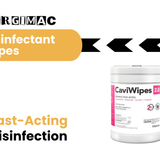
Get the facts on dental disposable wipes—how to choose, use, and store them for effective infection control and safer patient care in your dental practice.
Even the most experienced dental teams can fall into habits that unknowingly compromise their disinfection protocols. When it comes to dental disposable wipes, a few common missteps—like ignoring contact time or using a single wipe for a soiled surface—can render them ineffective. Are you certain your team is using them correctly every single time? This guide is designed to help you audit your current process. We will cover the most frequent mistakes, from skipping the pre-cleaning step to improper storage, and provide clear, actionable best practices to ensure your infection control efforts are as effective as possible, protecting both your patients and your staff.
Key Takeaways
- Master the Two-Step Method: Always use one wipe to clean away visible debris first, then a second to disinfect. Ensure the surface remains wet for the entire required contact time to guarantee an effective kill.
- Choose Compliant and Compatible Wipes: Your disinfectant wipes must be EPA-registered for clinical use. Always cross-reference the wipe's chemical formula with your equipment manufacturer's guidelines to prevent surface damage.
- Integrate Wipes into a Full Protocol: Effective disinfection goes beyond the wipe itself. It requires consistent team training on proper technique, correct storage to maintain potency, and integration into a complete infection control plan.

What Exactly Are Dental Disposable Wipes?
Think of dental disposable wipes as your first line of defense in a busy clinical setting. They are pre-saturated, single-use towelettes specifically designed to clean and disinfect the environmental surfaces in your practice. From countertops and dental chairs to light handles and bracket trays, these wipes provide a convenient and highly effective way to maintain hygiene and break the chain of cross-contamination between patients. In any modern practice, a robust infection control protocol is non-negotiable, and disposable wipes are a cornerstone of that system.
Their single-use design eliminates the risks associated with reusable cloths, such as improper laundering or the potential for spreading contaminants from one surface to another. Instead of mixing, measuring, and spraying liquid disinfectants—which can create aerosols and require extra steps—your team can simply pull a wipe, clean a surface, and dispose of it. This streamlined process not only saves valuable time between appointments but also ensures a consistent and correct application of disinfectant every single time. By integrating high-quality disposable wipes into your daily workflow, you create a safer environment for both your patients and your staff, reinforcing your commitment to the highest standards of care. They are an essential tool for maintaining compliance with CDC and OSHA guidelines, providing a clear, documented process for surface decontamination that is easy for the entire team to follow.
How Do They Work?
The effectiveness of a dental wipe lies in its pre-saturated solution. Each towelette is soaked in a hospital-grade disinfectant formulated to kill a broad spectrum of pathogens. The active ingredients do the heavy lifting, chemically destroying bacteria, viruses, and fungi at a microscopic level. Most professional wipes rely on powerful compounds like quaternary ammonium compounds (often called "quats") or hydrogen peroxide to achieve their disinfecting properties. When you wipe a surface, you're not just physically removing debris; you're applying a layer of this solution that works to neutralize harmful microorganisms, making the surface safe for the next patient.
What Types Are Available?
Not all dental wipes are created equal, and the market offers a variety of formulations to meet specific clinical needs. The primary difference lies in their spectrum of efficacy and contact time—the amount of time the surface must remain wet for disinfection to occur. You’ll find wipes that are bactericidal (kills bacteria), virucidal (kills viruses), tuberculocidal (kills tuberculosis), and fungicidal (kills fungi). High-performance wipes often achieve a broad-spectrum kill in as little as three minutes. When selecting a product, it's crucial to choose one that aligns with your practice's needs, like those in our trusted MacSafe line, which is designed to provide reliable protection and peace of mind.
Why Should Your Practice Use Dental Wipes?
In a busy dental practice, every minute counts. The time between appointments is a critical window for cleaning, disinfecting, and preparing for the next patient. This is where dental disposable wipes become an indispensable tool. They offer a powerful combination of speed and efficacy that traditional spray-and-wipe methods can’t always match. By integrating high-quality disinfectant wipes into your workflow, you’re not just cleaning surfaces; you’re upholding a standard of care that protects your patients, your team, and your practice’s reputation.
The right wipes streamline your operatory turnover, ensuring you can move through your schedule without compromising on hygiene. They deliver a consistent, pre-measured dose of disinfectant with every cloth, eliminating the variables and potential errors of mixing concentrated solutions. This reliability is the foundation of a strong infection control program. From improving your team’s efficiency to strengthening your clinical safety protocols, dental wipes provide clear advantages that support a modern, patient-focused practice.
Improve Efficiency and Convenience
One of the most immediate benefits of using pre-moistened disinfectant wipes is the significant time savings. Instead of measuring and mixing concentrated cleaning solutions, your team can simply pull a ready-to-use wipe and begin the decontamination process. This grab-and-go convenience is perfect for the fast-paced turnover between patients. When used correctly, these disposable wipes are highly effective for cleaning and disinfecting environmental surfaces, allowing your staff to work quickly and confidently. This streamlined process not only saves valuable chairside time but also simplifies training and ensures every team member follows a consistent protocol for a wide range of dental disposables.
Strengthen Your Infection Control
High-quality dental wipes are formulated to deliver broad-spectrum antimicrobial action, providing a reliable defense against a host of pathogens. Many top-tier wipes contain a powerful combination of quaternary ammonium compounds and isopropyl alcohol, making them effective against dozens of microorganisms, including MRSA, HIV, and HBV, often in two minutes or less. Using a pre-saturated wipe from a trusted brand like MacSafe ensures you apply the correct concentration of disinfectant every single time. This consistency removes the guesswork and potential for human error associated with diluting liquid concentrates, giving you confidence that your surfaces are properly disinfected according to clinical standards.
Ensure Patient Safety and Comfort
A visibly clean and well-maintained operatory is one of the first things a patient notices, and it speaks volumes about your commitment to their health. Integrating dental wipes into your routine is a tangible way to demonstrate that commitment. However, their effectiveness hinges on proper use. To ensure both safety and disinfection, it is critical to follow the manufacturer’s instructions for contact time—the period the surface must remain visibly wet. Adhering to these protocols doesn't just physically remove contaminants; it builds patient trust and reinforces their confidence in your practice. This meticulous approach is a cornerstone of any successful infection control protocol.
Surface Disinfectant vs. Patient Care Wipes: What's the Difference?
It’s easy to think of a wipe as just a wipe, but in a clinical setting, that assumption can compromise safety and compliance. The disposable wipe you use to disinfect a countertop is fundamentally different from one designed for patient care. Using the wrong one can lead to ineffective disinfection, equipment damage, or patient skin irritation. Understanding the distinction is the first step in building a robust and reliable infection control protocol. Each type of wipe is formulated with a specific purpose, active ingredients, and usage instructions that are critical to its performance. Let's break down the key differences so you can confidently choose the right product for every task in your practice.
Choosing Wipes for Surface Disinfection
When it comes to cleaning and disinfecting your operatories, you need a product designed specifically for hard, non-porous environmental surfaces. As one guide notes, "When used correctly, disposable disinfectant wipes, cloths, or towelettes are effective for cleaning and disinfecting environmental surfaces in dental settings." These wipes are saturated with a hospital-grade disinfectant solution capable of killing a broad spectrum of bacteria, viruses, and fungi. Their job is to decontaminate surfaces like countertops, dental chairs, and light handles between patient appointments to prevent cross-contamination. Products in this category, like those in our MacSafe line, are essential for maintaining a safe clinical environment. Remember, these formulas are powerful and are not intended for use on skin.
Identifying Patient-Safe Formulas
In contrast, patient care wipes are formulated for direct use on skin or on sensitive equipment that may contact the patient. These wipes contain milder, skin-safe antiseptic agents and are free from the harsh chemicals found in surface disinfectants. You might use them to clean a patient’s face before a procedure or for other non-invasive applications. The distinction is critical because the active ingredients in surface disinfectants are not meant for human contact. As one clinician's guide points out, "Most professional-grade wipes rely on powerful compounds like quaternary ammonium compounds (often called 'quats') or hydrogen peroxide" to achieve disinfection. Applying these chemicals to skin can cause irritation or an adverse reaction, making it vital to always use a product explicitly labeled for patient use.
Understanding Contact Time Requirements
One of the most critical factors for effective disinfection is "contact time," also known as dwell time. This is the amount of time a surface must remain visibly wet for the disinfectant to kill the pathogens listed on its label. Simply wiping a surface down isn't enough; if the solution evaporates too quickly, you won’t achieve proper disinfection. Many professional wipes are designed for efficiency. For example, some disinfectant wipes are "bactericidal, virucidal, tuberculocidal, and fungicidal with a quick kill time of just 3 minutes." Always read the manufacturer’s instructions for use (IFU) to confirm the required contact time for the specific product you’re using and ensure your team follows it precisely for every application. This simple step ensures your infection control efforts are truly effective.
How to Choose the Right Dental Wipes
Selecting the right dental wipe isn't just about grabbing the nearest canister. To ensure your practice is both safe and compliant, you need to make an informed choice based on your specific needs. The effectiveness of your infection control protocol depends on using a product that is powerful, compatible with your equipment, and approved for clinical use. A thoughtful selection process protects your patients, your staff, and your valuable equipment from harm. Let’s break down the key factors to consider so you can feel confident in your selection.
Evaluate the Active Ingredients
The heart of any disinfectant wipe is its active ingredient, which determines its kill spectrum and contact time. Most professional-grade wipes use powerful compounds like quaternary ammonium compounds (often called "quats"), alcohol, or hydrogen peroxide to neutralize pathogens. For example, high-alcohol wipes like Super Sani-Cloth are effective against dozens of microorganisms in just a couple of minutes. When evaluating a product, look closely at its claims. Does it kill bacteria, viruses, and fungi? Is it tuberculocidal? The active ingredients dictate these capabilities, so matching them to your practice’s specific infection control requirements is the first and most important step.
Consider Material and Texture
A disinfectant is only as good as the wipe that delivers it. The material should be durable enough to withstand vigorous use without tearing or leaving behind lint, which could compromise a sterile field. The texture also plays a role in physically removing bioburden from surfaces before disinfection. A high-quality, non-abrasive cloth ensures you can clean effectively without scratching or damaging delicate equipment. The wipe must also be saturated enough to leave the surface visibly wet for the entire required contact time. A flimsy, quick-drying wipe simply won’t get the job done right.
Look for EPA Registration
In a clinical setting, never use a disinfectant wipe that isn't registered with the Environmental Protection Agency (EPA). An EPA registration number on the label is your assurance that the product’s efficacy claims have been scientifically validated. It confirms the wipe is a hospital-grade disinfectant suitable for non-critical medical devices and surfaces. Using EPA-registered products is a fundamental part of regulatory compliance and demonstrates your commitment to patient and staff safety. You can typically find this number on the product’s packaging, giving you peace of mind that you’re using a proven, professional solution.
Check for Surface Compatibility
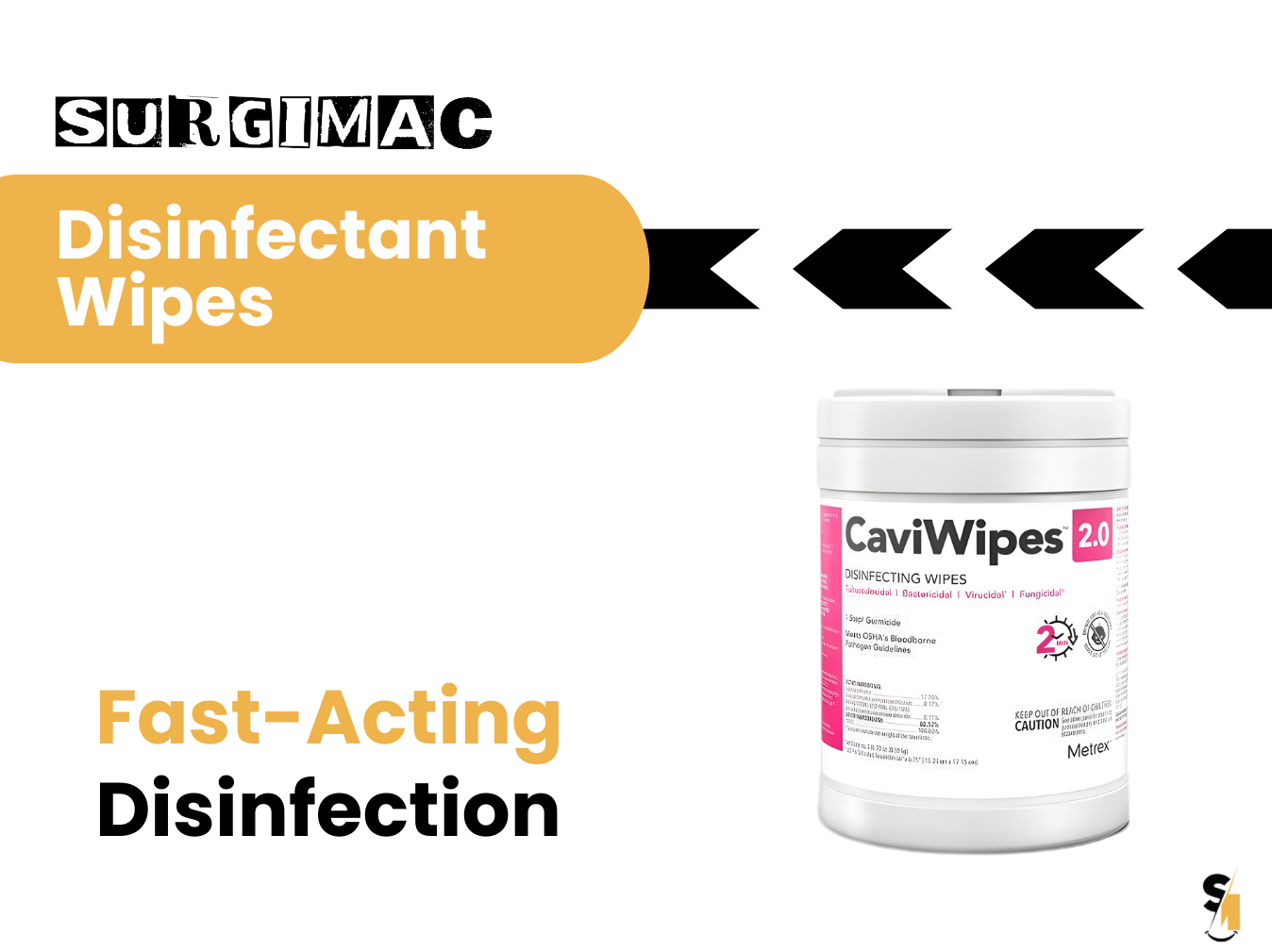
Not all disinfectants are safe for all surfaces. The chemical formulation that kills pathogens can also degrade certain materials over time, such as the vinyl on dental chairs or the plastic housings on sensitive equipment. Before using a new wipe, always consult the manufacturer’s instructions for use (IFU) to see a list of compatible materials. Cross-reference this with your equipment manufacturer’s guidelines for cleaning. Products like CaviWipes are known for their broad compatibility, but it’s always best to confirm. This simple step can prevent costly damage and extend the life of your valuable assets.
A Look at Common Active Ingredients
When you grab a disinfectant wipe, you're relying on its active ingredients to do the heavy lifting. Understanding what these compounds are and how they work helps you make an informed choice for your practice's specific needs. Most professional-grade wipes use a combination of powerful agents to achieve broad-spectrum disinfection, ensuring your clinical environment remains safe for both your team and your patients. Let's break down some of the most common and effective ingredients you'll find listed on the label.
Quaternary Ammonium Compounds (Quats)
If you look at the ingredients list on many dental disinfectant wipes, you'll likely see quaternary ammonium compounds, or "quats." There's a good reason for their popularity. Quats are highly effective at disrupting and destroying the cellular structure of a wide range of pathogens, including bacteria and viruses. This makes them a reliable workhorse for surface disinfection in busy dental settings. Their ability to tackle common contaminants is why they are a cornerstone of modern infection control protocols.
Isopropyl Alcohol
Isopropyl alcohol is another key player, valued for its ability to act quickly. It works by denaturing the essential proteins that bacteria and viruses need to survive, leading to a rapid kill. You'll often find it combined with quats in disinfectant formulas. This combination creates a synergistic effect, where the alcohol provides a fast initial kill while the quats offer lasting antimicrobial activity. This dual-action approach ensures surfaces are not only cleaned but thoroughly disinfected.
Hydrogen Peroxide
Don't mistake the hydrogen peroxide in disinfectant wipes for the kind in your home first-aid kit. The accelerated hydrogen peroxide (AHP) used in clinical-grade products is stabilized to be a potent, fast-acting disinfectant. It breaks down into water and oxygen, making it an eco-friendly choice without sacrificing power. Wipes formulated with hydrogen peroxide are known for their impressive kill times—often just a few minutes—across bactericidal, virucidal, tuberculocidal, and fungicidal claims, offering top-tier performance for high-turnover operatories.
How These Ingredients Ensure Effectiveness
The real power of professional dental wipes comes from the thoughtful formulation of these active ingredients. When used correctly, wipes containing a blend of quats, isopropyl alcohol, or hydrogen peroxide provide the broad-spectrum efficacy needed to maintain a safe clinical environment. These compounds are selected to work together to eliminate dangerous pathogens from environmental surfaces. Trusted brands like CaviWipes have built their reputation on these effective formulas, giving you confidence in your cleaning protocols. High-quality MacSafe products also leverage proven ingredients to support a safe and hygienic practice.
Wipes vs. Traditional Cleaning: A Comparison
For years, the standard for surface disinfection in dental practices was the spray-wipe-spray method. While effective, this multi-step process can be cumbersome and time-consuming. Today, pre-moistened disinfectant wipes offer a compelling alternative, streamlining workflows without compromising on clinical standards. But how do they really stack up against traditional liquid disinfectants and cloths?
The decision to switch often comes down to a careful evaluation of efficiency, cost, and, most importantly, clinical effectiveness. While traditional methods still have their place, understanding the distinct advantages of disposable wipes can help you optimize your practice’s infection control protocols. Let’s break down the key differences to see how these two approaches compare in a modern dental setting.
Time and Efficiency
In a busy practice where every minute counts, efficiency is paramount. This is where disposable wipes truly shine. The traditional spray-and-wipe method requires you to first apply the disinfectant, wait for the required contact time, and then wipe the surface clean, often with a separate towel. Disposable wipes consolidate this process into a single, fluid action. You simply pull a wipe, clean the surface, and ensure it remains wet for the specified contact time.
This one-step process significantly reduces turnover time between patients. As research confirms, disposable disinfectant wipes are highly effective for cleaning environmental surfaces in dental settings when used correctly. Many are formulated to be bactericidal, virucidal, and tuberculocidal with kill times as short as two or three minutes, allowing your team to work quickly and confidently. This streamlined approach helps maintain a smooth patient flow throughout the day.
Cost and Budget Impact
At first glance, a canister of wipes might seem more expensive than a large bottle of concentrated disinfectant. However, it’s important to look at the total cost of use. Traditional cleaning involves purchasing not only the chemical disinfectant but also paper towels or reusable cloths, which add to your supply budget and inventory management tasks. There’s also the risk of overspray and inconsistent application, which can lead to wasted product.
Disinfectant wipes offer a more controlled and predictable cost per use. Each wipe is saturated with the precise amount of solution needed, eliminating guesswork and preventing overuse. This makes them a cost-effective solution that simplifies purchasing and reduces product waste. By combining a powerful, broad-spectrum antimicrobial disinfectant with a durable cloth, quality wipes from brands like MacSafe provide excellent value and help streamline your supply chain.
Clinical Effectiveness
Convenience means nothing without proven efficacy. Fortunately, professional-grade dental wipes are engineered for powerful disinfection. Most rely on active ingredients like quaternary ammonium compounds ("quats"), alcohol, or hydrogen peroxide to eliminate a broad spectrum of pathogens. For example, high-alcohol wipes are effective against dozens of microorganisms, including tough-to-kill viruses and bacteria like MRSA and VRE, often in just two minutes.
When choosing a wipe, it’s crucial to select a product that is EPA-registered and designed for healthcare settings. This registration ensures the product has been rigorously tested and proven to kill the microorganisms listed on its label. By integrating a reliable, hospital-grade disinfectant wipe into your protocol, you can be confident that you are maintaining a safe environment for both your patients and your staff, meeting the highest standards of sterilization and care.
Common Mistakes to Avoid with Dental Wipes
Even the most diligent dental teams can fall into habits that compromise their infection control protocols. When it comes to dental wipes, a few common missteps can reduce their effectiveness and put your practice at risk. Understanding these pitfalls is the first step toward ensuring your cleaning and disinfection process is as solid as it can be. From respecting contact times to using the right product for the job, let’s walk through the mistakes you’ll want to avoid.
Skipping the Pre-Cleaning Step
One of the most critical errors is using a disinfectant wipe on a visibly soiled surface and assuming the job is done. Disinfectants are not designed to work through bioburden like blood or saliva. These organic materials can shield microorganisms from the wipe’s active ingredients, rendering the disinfection process ineffective. This is one of the most persistent infection control myths in dentistry. For true efficacy, always follow the "wipe-discard-wipe" method. Use the first wipe to thoroughly clean the surface and remove all debris, then discard it. Use a second, fresh wipe to disinfect the now-clean surface, ensuring your protocol is both effective and compliant.
Not Respecting Contact Time
Every EPA-registered disinfectant has a specific "contact time"—the amount of time the surface must remain visibly wet for the product to kill the pathogens listed on its label. A quick wipe that dries in 30 seconds is not effective if the product requires a three-minute contact time. Unfortunately, letting surfaces dry too early is a frequent oversight in busy practices. Always read the manufacturer’s instructions for use (IFU) for your chosen wipes. Use enough wipes to keep the surface wet for the entire required duration. This small detail makes a huge difference in achieving proper disinfection and maintaining a safe environment for patients and staff.
Using the Wrong Wipe for the Task
Not all wipes are created equal. Using a general-purpose cleaning wipe when you need an EPA-registered hospital disinfectant won't provide the necessary level of microbial kill. Similarly, using a harsh surface disinfectant on sensitive dental equipment can cause damage over time. It's essential to follow the manufacturer's instructions and select the right wipe for each specific task and surface. Keep a clear inventory of different wipes for different purposes—from surface disinfection to patient care—to prevent cross-contamination and ensure every part of your infection control strategy is sound.
Storing and Handling Wipes Improperly
How you store your dental wipes directly impacts their performance. Leaving the lid open allows the active ingredients, particularly alcohol, to evaporate, causing the wipes to dry out and lose their potency. Storing them in direct sunlight or extreme temperatures can also degrade the disinfectant solution. To maintain their effectiveness, always keep the container lid sealed tightly when not in use. Store them in a cool, dry place as recommended by the manufacturer. Never transfer wipes to a different container, as this can lead to contamination and reduce the product's stability and efficacy.
Debunking Common Myths About Dental Wipes
Dental disposable wipes are a cornerstone of modern infection control, but their very convenience can sometimes lead to misuse. Misconceptions about how they work and when to use them can circulate in any practice, potentially compromising the safety of both your team and your patients. When protocols are based on habit rather than evidence, you create gaps in your disinfection process. Let's clear up some of the most common myths and ensure your team is using these essential tools to their full potential.
Getting the facts straight is the first step toward a stronger infection control strategy. It means understanding that not all wipes are interchangeable and that technique matters just as much as the product itself. By addressing these myths head-on, you can refine your protocols, improve team training, and reinforce your commitment to the highest standards of patient care. A well-informed team is your best defense against cross-contamination, and it starts with knowing the truth about the tools you rely on every day, from your surface disinfectants to your personal protective equipment.
Myth #1: All Wipes Are Created Equal
It’s easy to assume that a disinfectant wipe is a disinfectant wipe, but that’s a critical oversimplification. The wipes you see at the grocery store are formulated for household surfaces, not for the specific demands of a clinical environment. Professional dental wipes are subject to rigorous EPA testing and registration to validate their claims against specific pathogens like bacteria, viruses, and fungi. They contain different active ingredients, concentrations, and materials designed for compatibility with non-porous clinical surfaces. As one study notes, "To correctly and effectively use wipes, the manufacturer's instructions must be followed." This is why reading the label is non-negotiable for ensuring your chosen product meets your practice's infection prevention needs.
Myth #2: One Wipe Can Do It All
Using a single wipe to both clean and disinfect a visibly soiled surface is one of the most common mistakes in clinical settings. A single wipe quickly becomes saturated with bioburden, which can inactivate the disinfectant and end up spreading contaminants rather than eliminating them. The proper technique is a two-step process often called "wipe-discard-wipe." The first wipe is used to clean the surface and remove all visible debris. After discarding it, you use a second, fresh wipe to thoroughly wet the surface for disinfection, ensuring you adhere to the manufacturer's specified contact time. This two-step approach ensures the disinfectant can work directly on the pathogens without interference from organic matter.
Myth #3: Convenience Guarantees Compliance
While pre-moistened wipes are undeniably convenient, that convenience doesn't automatically translate to perfect compliance. In fact, it can sometimes lead to a false sense of security, causing staff to rush the process. True compliance requires strict adherence to established protocols. As dental professionals emphasize, "disposable wipes must follow the basic protocols of decontamination and both physically remove contamination and then disinfect." This means using enough wipes to keep the surface wet for the full contact time and integrating their use into a comprehensive infection control program. High-quality supplies like MacSafe wipes are a critical component, but they are most effective when paired with rigorous training and consistent technique.
Best Practices for Using Dental Wipes
Choosing the right dental wipe is only half the battle; using it correctly is what truly protects your patients and your practice. To get the most out of your surface disinfectants, it’s essential to move beyond simply wiping things down. Establishing a consistent, evidence-based routine ensures that you are achieving effective disinfection every single time. By following a few key best practices, you can integrate disposable wipes into your workflow seamlessly, making your infection control protocol both efficient and highly effective. These steps help maintain the integrity of the disinfectant, ensure complete pathogen elimination, and support a safer environment for everyone in your clinic.
Follow the Proper Application Technique
To ensure your wipes are actually disinfecting, it’s crucial to follow the manufacturer’s instructions for use, which typically involves a two-step process. Start by using one wipe to clean the surface and remove any visible soil or bioburden. Discard it immediately. Then, use a second, fresh wipe to thoroughly wet the surface for disinfection. The key here is to achieve the specified contact time—the surface must remain visibly wet for the entire duration noted on the product label. This allows the disinfectant to do its job effectively. Simply swiping a surface until it's dry won't provide the necessary level of infection control.
Adhere to Storage and Handling Guidelines
How you store your dental wipes directly impacts their effectiveness. Always keep the container lid securely closed to prevent the wipes from drying out, which would render the disinfectant solution useless. Store them at room temperature and away from direct sunlight or heat, as extreme temperatures can degrade the active ingredients. It’s also important to check the expiration date on the packaging before use. Using expired wipes is a compliance risk, as their chemical potency can no longer be guaranteed. Remember to never add or "top off" a canister with liquid disinfectant, as this can lead to contamination and an improper chemical concentration.
Integrate Wipes into Your Infection Control Protocol
Disposable wipes are a powerful tool, but they work best as part of a comprehensive infection control strategy. Your practice should have a clear, written protocol that outlines which surfaces need to be disinfected between patients and how it should be done. Train your entire team on the proper "wipe-discard-wipe" technique and the specific contact times for the products you use. This consistency is vital for patient safety. Wipes should be used alongside other critical measures, including proper hand hygiene with MacSafe gloves and thorough instrument sterilization, to create a multi-layered defense against cross-contamination.
Where to Find Quality Dental Wipes
Sourcing the right dental wipes is just as important as knowing how to use them. The market is filled with options, but not all suppliers or products are created equal. A reliable partner will not only provide high-quality, EPA-registered products but also understand the demands of a clinical environment. When you're ready to stock your practice, focusing on trusted suppliers, proven brands, and smart purchasing strategies will ensure your infection control protocols are always supported by the best materials available. This approach protects your patients, your staff, and your practice's reputation.
Choosing a Reliable Supplier
When selecting a supplier, look for a partner who understands the critical nature of clinical hygiene. A great supplier does more than just sell products; they provide solutions that support your practice’s safety standards. They should offer a comprehensive range of infection control supplies that meet stringent regulatory requirements for disinfecting high-risk surfaces, devices, and equipment. Your supplier should be a resource, helping you easily find products that are effective, compatible with your equipment, and compliant with industry guidelines. This ensures you can maintain a safe and sterile environment with confidence, knowing your supplies are up to the task.
Exploring Trusted Brands like MacSafe
Once you find a good supplier, focus on trusted brands that deliver consistent, professional-grade performance. SurgiMac’s own MacSafe line offers disinfectant wipes formulated with powerful compounds like quaternary ammonium to eliminate a broad spectrum of pathogens effectively. Choosing a reputable brand ensures the product you’re using has been tested and proven to meet its claims. In addition to our in-house brand, we also carry other industry-leading products, such as CaviWipes, giving you access to a curated selection of the best options on the market. This allows you to equip your practice with reliable wipes that uphold the highest standards of care.
The Benefits of Buying in Bulk
For any busy dental practice, purchasing essential supplies in bulk is a smart and efficient strategy. Buying your dental wipes in larger quantities often leads to significant cost savings, reducing your overall operational expenses. More importantly, it ensures your practice is always well-stocked with the dental disposables you rely on every day, preventing unexpected shortages that could disrupt your workflow and compromise your infection control protocols. Many suppliers offer pre-saturated wipes in bulk canisters or cases, providing a convenient and economical way to keep your operatories clean, safe, and ready for every patient.
Frequently Asked Questions
Tags
Blog posts
-
, by SurgiMac A Clinician's Guide to Absorbable Suture Material
-
, by SurgiMac A Clinician's Guide to Dental Composite Resin Kits
-
, by SurgiMac How to Disinfect with Metrex CaviWipes Correctly
