
Dental Sutures Explained: Types & Aftercare
- , by SurgiMac
- 31 min reading time
Dental sutures explained: Learn about types, uses, and aftercare tips to support healing and patient comfort after dental procedures.
In any dental surgery, from a simple extraction to a complex implant placement, your technique is only as good as the materials you use. The final, critical step of closing the wound relies on one of the most essential tools in your arsenal: dental sutures. The choice of suture is far from a minor detail; it’s a clinical decision that directly influences hemostasis, tissue approximation, and the patient's entire healing trajectory. This guide explores the fundamentals of suturing, from material selection to aftercare instructions, providing the insights you need to ensure every closure supports a safe, predictable, and successful recovery for your patients.
Key Takeaways
- Select the Right Suture for the Job: Your clinical judgment dictates the choice between absorbable sutures for convenience and non-absorbable ones for long-term wound support. Matching the material's properties to the specific procedure, like an extraction or implant placement, is fundamental to successful healing.
- Insist on Quality for Clinical Confidence: Professional-grade sutures provide consistent tensile strength, biocompatibility, and superior handling. Choosing a reliable brand like MacSuture ensures predictable performance, which helps you achieve secure closures and minimize post-operative complications.
- Guide Patients Through Effective Aftercare: A procedure's success depends on patient compliance, so provide clear, actionable instructions on diet, hygiene, and activities to avoid. Educating patients on the warning signs of infection helps prevent complications and reinforces their trust in your care.

What Are Dental Sutures (Stitches)?
Dental sutures, which patients commonly refer to as stitches, are an indispensable tool in modern dental and surgical practices. These specialized threads are used to close wounds and incisions following a wide range of procedures, from routine extractions to complex periodontal surgeries. Their primary function is to hold soft tissues together, which is essential for controlling bleeding (hemostasis) and providing the stability needed for proper healing. By carefully approximating the wound edges, you create a barrier that protects the site from food debris and bacteria, significantly reducing the risk of post-operative complications.
As a clinician, your choice of suture and your technique directly influence patient outcomes. A well-placed suture not only facilitates healing but also contributes to patient comfort and the final aesthetic result, especially in visible areas of the mouth. The quality of the material is paramount; it must be strong enough to secure the tissue but gentle enough to minimize trauma and inflammation. Having a full suite of high-quality dental supplies and suturing options allows you to adapt to any clinical situation, ensuring you can provide the best possible care and guide your patients toward a smooth and uneventful recovery.
How Do Dental Sutures Help You Heal?
The primary goal of suturing is to carefully bring the wound edges back together, or "re-approximate" them, under minimal tension. This action accomplishes several critical tasks for healing. First, it provides immediate hemostasis, helping to control bleeding right after the procedure. Second, it stabilizes the gum tissue, preventing the wound from reopening and allowing the natural healing cascade to begin without interruption. By closing the gap, sutures also act as a physical barrier, keeping food particles and oral bacteria out of the sensitive surgical site. This protection is key to lowering the risk of infection and ensuring the tissue can regenerate cleanly and efficiently.
Why Might You Need Dental Sutures?
As a clinician, you'll reach for sutures in several key situations to ensure optimal healing and patient outcomes. They are most commonly required after surgical extractions, especially for impacted teeth where a gum flap is created to access the tooth. Sutures are also fundamental in periodontal surgery for repositioning gum tissue and in dental implant procedures to secure the tissue over the implant site or bone graft. Any procedure that involves an incision or results in a significant wound will benefit from suturing. For these critical applications, using a reliable, sterile suture like MacSuture ensures predictable tissue response and secure wound closure.
Dissolvable vs. Non-Dissolvable Sutures
Choosing the right suture is a critical decision that directly impacts wound healing and patient outcomes. The two primary categories you’ll work with are dissolvable (absorbable) and non-dissolvable (non-absorbable) sutures. Each has distinct properties and ideal use cases, and the selection process involves weighing factors like the procedure type, the tissue being repaired, and the required duration of wound support. Understanding the differences helps ensure you provide secure closure and promote optimal healing for every patient.
A well-placed suture should approximate wound edges with minimal tension, allowing for proper hemostasis and healing. The material choice is key; you need a suture that is strong enough for the task but as fine as possible to minimize tissue trauma. This balance is what defines clinical success in wound closure.
Understanding Dissolvable Sutures and How They Work
Dissolvable, or absorbable, sutures are designed to be broken down and absorbed by the body over time. This eliminates the need for a follow-up removal appointment, which is a significant advantage for both you and your patient. These sutures are made from materials that the body’s enzymes and hydrolysis process can safely metabolize. Common materials include Polyglycolic Acid (PGA) and Plain Gut, both of which offer reliable performance for intraoral applications.
The absorption rate varies, with most dissolving within one to two weeks, though some formulations can last longer. As they break down, they gradually loosen and may fall out on their own. The MacSuture collection includes high-quality absorbable options designed for predictable absorption rates and excellent handling, ensuring your wound closure is secure through the critical initial healing phase.
When Are Non-Dissolvable Sutures Used?
Non-dissolvable sutures are made from materials that the body cannot absorb, such as silk or nylon. These sutures maintain their tensile strength for an extended period, providing robust and stable wound support. Because they do not break down, they must be manually removed by a clinician, typically within 7 to 14 days after the procedure. This follow-up visit allows you to inspect the healing site before removal.
These sutures are often preferred for procedures where long-term tissue approximation is necessary or in areas subject to significant movement or tension. For example, certain periodontal surgeries or complex implant placements may benefit from the reliable strength of a non-dissolvable suture. High-quality silk sutures, like those offered in the MacSuture line, are valued for their excellent handling and knot security.
Why Your Dentist Chooses a Specific Suture Type
The decision between a dissolvable and non-dissolvable suture is a nuanced one, based entirely on clinical judgment. The primary goal is always to facilitate healing by holding tissues together securely but gently. Your choice depends on several factors, including the specific location of the wound, the type of tissue involved, and the anticipated healing timeline. For instance, a deep tissue layer that heals slowly may require a long-lasting absorbable suture, while a surface incision might be closed with a non-dissolvable one for easy removal.
Ultimately, you’re looking for the right balance of strength, handling, and duration. The ideal suture provides adequate support during the critical healing period without creating unnecessary tissue reactivity or requiring premature intervention. Having a full range of dental equipment and supplies on hand allows you to make the best choice for each unique clinical scenario.
What Are Sutures Made Of?
The material a suture is made from is one of the most critical factors in its selection. Sutures are broadly classified by their material origin (natural or synthetic) and their behavior in the body (absorbable or non-absorbable). Each type has distinct properties that make it suitable for specific clinical situations, from routine extractions to complex periodontal surgery. Understanding these materials helps clinicians make the best choice for wound closure, ensuring both security during healing and optimal patient outcomes. The goal is always to use a material that provides adequate tissue support for the required time without causing adverse reactions.
Synthetic Dissolvable Materials (like PGA)
Synthetic absorbable sutures are workhorses in modern dentistry, prized for their predictability and biocompatibility. Polyglycolic Acid (PGA), a popular example, is a man-made polymer that breaks down hydrolytically in the body. This process ensures a predictable absorption timeline, typically losing significant tensile strength after about three weeks and fully absorbing within a few months. This makes PGA sutures an excellent choice for closing internal layers or for patients who may have difficulty returning for suture removal. The reliable strength and absorption profile of MacSuture PGA sutures provide the necessary support for healing tissues while minimizing patient follow-up.
Natural Dissolvable Materials (like Gut)
Natural absorbable sutures are derived from organic sources. Surgical gut sutures, for instance, are made from the purified collagen of healthy animal intestines. They are broken down by the body’s enzymatic processes. Plain gut sutures resorb quickly, often within a week, making them suitable for tissues that heal rapidly. For wounds requiring slightly longer support, chromic gut sutures are treated with chromium salts to slow the absorption process to around 10 to 14 days. It's important to note that gut sutures can degrade faster in acidic oral environments, so they may not be ideal for patients with conditions like acid reflux.
Natural Non-Dissolvable Materials (like Silk)
Silk is a natural, non-absorbable suture material that has been used for centuries. Clinicians often prefer it for its excellent handling characteristics; it’s flexible, easy to knot, and has minimal memory. However, its braided structure can create a pathway for bacteria, potentially increasing the risk of surgical site infection. For this reason, silk sutures are typically removed within a week to prevent complications. While still widely used for certain procedures, they are generally avoided in areas with a high risk of infection or near dental implants.
Synthetic Non-Dissolvable Materials (like Nylon)
Synthetic non-absorbable sutures, such as nylon and polyester, offer a strong and inert alternative to silk. Because they are often monofilaments (a single strand), they pass through tissue smoothly and are less likely to harbor bacteria, reducing the risk of infection. These materials are known for their high tensile strength and for causing minimal tissue reaction. However, they can have more "memory," meaning they tend to return to their original shape, which requires precise knot-tying techniques, like a surgeon's knot, to ensure security. These are excellent choices for when long-term tissue support is needed before suture removal.
What Your Dentist Looks for in a Quality Suture
When your dentist closes a surgical site, their choice of suture is anything but random. It’s a decision based on years of clinical experience and a deep understanding of how different materials behave in the oral environment. The goal is always the same: to support a safe, predictable, and comfortable healing process for you. A high-quality suture isn't just a thread; it's a specialized medical device. Clinicians evaluate sutures based on several key factors, from the material's interaction with tissue to its strength and handling. Let's explore what goes into selecting the perfect suture for your procedure.
Ensuring Safety and Preventing Reactions
A top priority is ensuring the suture material is biocompatible, meaning it won't cause an adverse reaction in your body. The oral cavity is a sensitive environment, and the right material choice is critical to prevent tissue irritation and promote healing. As one study notes, choosing the right material is important to avoid hurting the tissue. This is why dentists select from various options, including absorbable sutures that dissolve on their own and non-absorbable ones that require removal. Premium suture lines like MacSuture offer materials like biocompatible Silk and synthetic Polyglycolic Acid, giving clinicians the flexibility to choose the safest and most effective option for each patient’s unique needs.
Strength and Durability for Secure Healing
A suture’s main job is to hold tissue together while it heals. To do this effectively, it needs the right amount of tensile strength. The suture must be strong enough to secure the wound edges without breaking under normal tension from talking or chewing. At the same time, an ideal suture is as thin as possible to minimize tissue trauma during placement. This balance is key. Your dentist will select a suture with a specific diameter and strength profile based on the location of the surgery and the tension on the tissue, ensuring the wound remains securely closed throughout the initial healing phase.
Precision for a Comfortable Procedure
The handling characteristics of a suture directly impact the efficiency and comfort of your procedure. Your dentist looks for a suture that is easy to manage, passes smoothly through tissue, and holds a secure knot without slipping. The primary goal is to bring the wound edges together with minimal tension to support proper healing. This requires a combination of a pliable, low-friction suture thread and an ultra-sharp needle. A sharp needle, like those paired with MacSuture products, ensures clean and precise placement, reducing tissue drag and making the entire process more comfortable for you.
Guaranteed Sterility for Your Safety
In any surgical procedure, preventing infection is paramount. Sutures are foreign materials placed inside your body, so they must be completely sterile. Reputable sutures are packaged individually in sterile, sealed packets that are opened just before use. This practice eliminates the risk of introducing bacteria into the surgical site. As research confirms, modern advancements in suture materials and sterilization have significantly reduced post-surgical complications. This commitment to safety is part of a broader focus on infection control, which includes everything from sterile instruments to the use of protective barriers and disinfectants in the treatment room.
Common Procedures That Require Sutures
Suturing is a fundamental skill in dentistry, essential for managing soft tissues and ensuring predictable healing after surgical procedures. From routine extractions to complex implant placements, the proper use of sutures helps control bleeding, stabilize tissues, and protect the underlying surgical site from the challenging oral environment. Choosing the right suture material and technique is critical for achieving optimal patient outcomes. High-quality sutures provide the necessary strength and handling characteristics to close wounds securely while minimizing tissue trauma and inflammation.
For clinicians, the choice of suture impacts not just the immediate closure but the entire healing trajectory. A suture that is too thick can cause unnecessary tissue damage, while one that is too weak may fail under tension. Similarly, the material's properties, such as its knot security and surface friction, influence the ease of placement and the body's response. That's why having a reliable supply of versatile, high-performance sutures is non-negotiable for any practice that performs surgical interventions. This precision helps create the ideal conditions for tissue regeneration, leading to faster, more comfortable recoveries and clinically successful results that both practitioners and patients can appreciate.
After a Tooth Extraction
Following a tooth extraction, sutures play a crucial role in promoting primary wound closure. They help approximate the gingival margins, which stabilizes the blood clot that forms in the socket. Protecting this clot is essential for preventing complications like alveolar osteitis (dry socket) and ensuring the healing process begins correctly. Using a reliable suture, such as those from the MacSuture line, helps reduce post-operative bleeding and holds the gum tissue securely in place as the underlying bone begins to remodel. This simple step provides a scaffold for healthy tissue regeneration and contributes to a more comfortable recovery for the patient.
During Gum Surgery
Periodontal procedures, including gingival grafting, flap surgery, and crown lengthening, rely heavily on precise suturing to succeed. During these treatments, the goal is often to reposition or reshape the gum tissue to restore health or improve aesthetics. Sutures are used to secure the gingival flap in its new, ideal position against the tooth and bone. This stabilization is critical for reattachment and the overall success of the surgery. The right suture provides adequate tension without strangulating the delicate tissue, allowing for proper blood flow and predictable healing of the periodontal structures.
For Dental Implants
Dental implant surgery presents unique challenges due to the interface between hard tissues (bone and implant) and soft tissues (gingiva). Achieving primary closure over an implant site is often vital for protecting it from bacteria and promoting successful osseointegration. Sutures help secure the soft tissue flap tightly over the implant or around a healing abutment. Because the oral cavity is a dynamic environment, clinicians need sutures that can withstand the forces of chewing and tongue movement. Using precision surgical instruments and a durable suture material ensures the surgical site remains closed and protected during the critical initial healing phase.
To Repair Gums or Mouth Tissue
Sutures are also indispensable for repairing lacerations from traumatic injuries or for closing biopsy sites within the oral cavity. In these situations, the primary goal is to reapproximate the wound edges cleanly to facilitate healing with minimal scarring. The choice of suture is important; it must be strong enough to hold the tissue together but fine enough to avoid causing additional trauma. A versatile range like MacSuture, which includes absorbable and non-absorbable options, allows clinicians to select the perfect material for the specific tissue type and required healing time, all while maintaining strict infection control protocols.
How Does Your Dentist Place Sutures?
Placing sutures is a precise skill that directly impacts the speed and quality of a patient's healing. The technique a clinician chooses is never random; it’s a deliberate decision based on the procedure, the location and depth of the incision, and the type of tissue involved. The primary goal is always to achieve perfect tissue approximation, which minimizes scarring and reduces the risk of complications. To accomplish this, dentists rely on several fundamental suturing techniques, each suited for different clinical scenarios.
From individual stitches that offer pinpoint control to continuous sutures that efficiently close longer incisions, the method is tailored to the patient's specific needs. The choice of technique influences everything from the procedure time to the final aesthetic result. For example, a simple extraction might be closed differently than a complex gingival graft. Understanding the mechanics behind each method allows clinicians to make the best choice for promoting rapid and uncomplicated healing. In more complex cases, specialized techniques are used to ensure the wound remains secure, even under tension. Each approach requires not only skill but also the right materials to ensure a predictable and successful outcome. The suture itself must have the right balance of strength, flexibility, and handling characteristics to complement the chosen technique.
Individual Stitches
Individual stitches, clinically known as interrupted sutures, are placed and tied one at a time. This meticulous method gives you exceptional control over the tension and alignment of the wound edges. It is particularly effective in areas where tissue is not uniform or where tension varies across the incision. Because each stitch is independent, the integrity of the closure is maintained even if a single suture fails. This technique requires precision and a reliable material, as each knot must be secure. Using a high-quality suture like MacSuture ensures that every individual stitch provides the strength needed for secure wound closure.
One Continuous Stitch
A continuous stitch, or running suture, involves using a single strand of suture material to close an entire incision. This technique is often faster than placing individual stitches and is ideal for long, straight wounds where the tissue edges align easily. A continuous suture provides uniform tension along the length of the wound, which can support consistent healing. While efficient, this method depends heavily on the tensile strength and durability of the suture material, as a break anywhere along the line could compromise the entire closure. For this reason, selecting from a range of premium sterile sutures is critical for ensuring a successful outcome.
Specialized Stitching for Secure Closure
For more complex wounds or areas under high tension, clinicians often employ specialized techniques like mattress or figure-of-eight sutures. These methods are designed to provide additional support and securely hold the wound edges together, which is crucial for preventing dehiscence (wound separation). Mattress sutures are excellent for distributing tension across the tissue, making them ideal for closing extraction sites or securing gingival flaps during periodontal surgery. These advanced techniques demand a suture that is both strong and easy to handle. Clinicians trust MacSuture for its reliability and performance in these demanding surgical applications.
The Importance of Professional-Grade Sutures
In any surgical procedure, closing the wound is as critical as the procedure itself. The choice of suture material directly influences healing time, scar formation, and the risk of post-operative complications. For dental professionals, selecting a high-quality, professional-grade suture is a fundamental part of ensuring successful patient outcomes. Using reliable materials provides peace of mind for both the clinician and the patient, setting the stage for a smooth and predictable recovery. This commitment to quality is why specific brands and material characteristics are so carefully considered for every procedure.
Why Clinicians Trust Brands Like MacSuture
Clinicians build their practice on a foundation of trust and predictable results, which is why they often rely on specific brands that have proven their worth. A trusted suture brand delivers consistency in every package, from needle sharpness to tensile strength. This reliability allows practitioners to perform procedures with confidence, knowing the material will handle as expected and secure the tissue effectively. Brands like MacSuture are chosen for their high-quality materials and performance that supports optimal healing. Research confirms that using high-quality sutures can significantly reduce the risk of complications30345-0/fulltext) like infection and wound separation, reinforcing why brand choice is so important.
What Defines a High-Quality Suture Brand?
A high-quality suture is defined by more than just its brand name; it’s about the specific characteristics that ensure performance and safety. Key factors include material composition, tensile strength, and handling properties. According to the American Dental Association, materials with predictable absorption rates and minimal tissue reactivity, like synthetic polyglycolic acid, are often preferred. Excellent tensile strength ensures the suture remains intact throughout the critical healing period, while superior handling allows for smooth passage through tissue and secure knot tying. Ultimately, a premium suture feels like a natural extension of the clinician's hands, enabling precision and control.
Your Dentist's Commitment to Quality Materials
Your dentist’s primary goal is to provide the best possible care, and that commitment extends to every tool and material they use. Practitioners intentionally select products from trusted brands that have undergone rigorous testing and meet strict industry standards for safety and efficacy. This dedication is part of a larger movement in dentistry toward evidence-based practices that prioritize patient well-being. Studies show that clinicians prioritize quality assurance in dental materials to ensure reliable outcomes for their patients. By choosing professional-grade sutures, your dentist is investing in your health, promoting better healing, and ensuring your safety from start to finish.
What to Expect as Your Mouth Heals
After a procedure involving sutures, the healing journey begins. Guiding your patients through this process is key to ensuring a smooth and successful recovery. Knowing what to expect, from how long stitches will last to the signs of normal healing, helps manage patient expectations and empowers them to be active partners in their own care. This phase is critical for reinforcing the quality of your work and building patient trust. Here’s a breakdown of the typical healing timeline and what to communicate to your patients.
How Long Do Dissolvable Stitches Last?
Dissolvable, or absorbable, sutures are designed to break down on their own as the body heals. For most patients, these stitches will begin to loosen and fall out within 5 to 14 days. The complete dissolution process can take up to a few weeks, depending on the specific material used. For instance, synthetic absorbable sutures like the Polyglycolic Acid (PGA) options in our MacSuture line are engineered to maintain their strength during the critical initial healing phase before gradually dissolving. This allows the tissue to repair itself and regain strength without the need for a follow-up removal appointment, making it a convenient and effective choice for many intraoral procedures.
Getting Your Stitches Removed
When a procedure requires more long-term support or specific wound closure techniques, non-dissolvable sutures are the preferred choice. These are typically made from durable materials like silk or nylon. Unlike their absorbable counterparts, these stitches won't dissolve on their own and require removal by a dental professional. You will usually schedule a follow-up appointment for your patient about one to two weeks after their procedure. The removal process is quick and generally painless; you will simply snip the suture and gently guide it out. This follow-up visit also provides an excellent opportunity to check on the healing progress of the surgical site.
Is Your Healing on Track?
Educating patients on the signs of a healthy recovery is one of the most important parts of post-operative care. It’s normal to experience some mild swelling, bruising, and discomfort for the first few days, all of which should gradually subside. However, you should advise patients to contact your office if they notice any red flags. These include pain that worsens instead of improving, swelling that persists or increases after three days, the development of a fever, or any pus or foul-tasting discharge from the surgical area. Clear communication about these warning signs helps ensure that any potential complications are addressed promptly, which is essential for preventing infection and achieving the best possible outcome.
When to Call Your Dentist: Warning Signs
While most patients heal without complications after a procedure involving sutures, clear communication about warning signs is essential for early intervention. Educating your patients on what to expect and when to reach out can prevent minor issues from becoming major problems. A well-informed patient is your best partner in ensuring a smooth and successful recovery. The following are key indicators that tell a patient it’s time to call your office.
Spotting the Signs of an Infection
An infection is one of the most significant risks following any surgical procedure. While you ensure a sterile environment using rigorous infection control protocols and high-quality materials, patient vigilance at home is crucial. Instruct your patients to contact you immediately if they notice any classic signs of infection. These include a fever or chills, the presence of pus or any strange discharge from the surgical area, or a foul taste or smell in their mouth. Pain that becomes severe or gets progressively worse instead of better is another major red flag, as is swelling that does not subside after the first few days. Prompt treatment is key to resolving the infection and getting healing back on track.
Managing Pain and Bleeding
Setting clear expectations around pain and bleeding helps patients understand the normal healing process. It’s typical to experience some discomfort and swelling for the first few days, which should gradually improve with time and proper care. However, if a patient reports that their pain is getting worse instead of better, it warrants a follow-up. Similarly, swelling should peak within 48 to 72 hours and then begin to decrease; if it continues to worsen, it could signal a problem. While minor oozing of blood is common for up to 24 hours, continuous bleeding that doesn't stop with applied pressure is not normal. These symptoms require professional assessment to rule out complications.
Red Flags That Require Immediate Attention
To avoid confusion, it’s helpful to give patients a simple list of red flags that require an immediate phone call. This list acts as their go-to guide for urgent concerns. Emphasize that they should contact your office right away if they experience severe or escalating pain that isn’t managed by prescribed medication. Other critical signs include swelling that lasts for several days or visibly worsens, and any bleeding that won’t stop. Of course, any symptom of infection, such as a fever or pus near the extraction site, falls into this category. Using premium dental instruments and sutures lays the foundation for excellent outcomes, but empowering patients to recognize these red flags is just as important for their safety.
Your Guide to Suture Aftercare
A procedure’s success extends far beyond the dental chair. Once you have meticulously placed high-quality sutures, like those from the MacSuture collection, the next critical phase begins: patient aftercare. Providing clear, actionable instructions is key to ensuring a smooth healing process, preventing complications, and protecting the work you’ve just completed. Think of the following points as a helpful checklist to review with your patients, empowering them to become active partners in their own recovery and helping them achieve the best possible clinical outcome.
Keeping Your Mouth Clean and What to Eat
Guiding patients on post-operative hygiene and diet is fundamental. Instruct them to continue brushing their teeth but to gently avoid the surgical site for the first few days. After the initial 24 hours, recommend rinsing with a warm salt water solution multiple times a day, especially after eating, to keep the area clean.
On the dietary front, advise a temporary switch to soft foods. Items like yogurt, smoothies, mashed potatoes, and scrambled eggs are excellent choices. It is crucial to tell patients to avoid hard, crunchy, or sticky foods that could dislodge the sutures or irritate the wound. Also, caution them against consuming hot liquids, which can interfere with healing.
Activities and Habits to Pause
Educating patients on what not to do is just as important as telling them what to do. Emphasize that they should not touch or tug at the sutures with their tongue or fingers, as this can introduce bacteria or disrupt the healing site. Explain the concept of negative pressure, advising them to avoid using straws or spitting forcefully, which can dislodge the essential blood clot.
Furthermore, it is vital to strongly advise against smoking and alcohol consumption. Both can significantly impede the healing process and increase the risk of complications. You should also recommend they pause any strenuous physical activity for a few days to help minimize bleeding and swelling.
Common Questions About Dental Sutures
Anticipating and answering common patient questions can reduce their anxiety and prevent unnecessary calls to your office. For dissolvable sutures, set clear expectations: they will likely begin to loosen within 5 to 14 days and may take up to four weeks to dissolve completely. Reassure them that minor swelling, tenderness, and seeing small pieces of the suture come away are often normal parts of the healing process.
Equip your patients to recognize the difference between normal healing and potential complications. Instruct them to contact your office immediately if they experience worsening pain, swelling that increases after the first two days, persistent bleeding, fever, or any other signs of infection.
Frequently Asked Questions
Q: How do I choose between an absorbable and non-absorbable suture for a specific procedure?
A: Your clinical judgment is always the best guide, but a good rule of thumb is to match the suture's longevity to the tissue's healing time. For routine extractions or closing wounds in patients who may have difficulty returning for follow-up visits, a predictable absorbable suture is often ideal. For more complex procedures such as grafts or implant placements, where prolonged tissue support is needed and you want to personally evaluate the site before removal, a non-absorbable suture like silk or nylon provides additional security.
Q: Are synthetic sutures like PGA always a better choice than natural materials like silk or gut?
A: Not necessarily better, but often more predictable. Synthetic absorbable sutures such as Polyglycolic Acid (PGA) are valued for their consistent absorption rates and minimal tissue reaction, making them a reliable choice for many procedures. However, natural materials still offer advantages in certain situations. Many clinicians appreciate the soft handling and excellent knot security of silk for short-term closures. The best choice depends on the specific clinical requirements of the case.
Q: My patient's dissolvable suture fell out after only a few days. Should I be concerned?
A: This is a common situation and is often not a cause for concern. If an absorbable suture comes out early, it may simply indicate that the tissue has healed enough to maintain closure without additional support. The key is to evaluate the surgical site. If the wound edges remain well-approximated, there is no active bleeding, and the patient is not experiencing significant discomfort, healing is likely progressing normally. However, if the wound appears open or symptoms worsen, the patient should be evaluated promptly.
Q: Besides strength, what handling characteristics are most important for efficient and precise suturing?
A: Handling characteristics play a major role in clinical efficiency. A sharp, high-quality needle allows smooth passage through tissue with minimal trauma, while low-memory suture material is easier to control and less likely to coil or spring back during placement. Good knot security, flexibility, and smooth handling all contribute to faster, more precise suturing and a more predictable clinical outcome.
Q: What's the best way to explain the healing process to my patients to reduce their anxiety?
A: Clear communication helps patients feel more comfortable and confident during recovery. Explain that mild swelling and tenderness during the first two to three days are normal parts of the healing process. Provide simple aftercare instructions covering oral hygiene, diet, and activities to avoid. Most importantly, let patients know which warning signs—such as increasing pain, swelling, fever, or discharge—require a call to the office. When patients know what to expect, they are more likely to feel reassured and follow postoperative instructions successfully.\
Related Articles
Tags
Blog posts
-
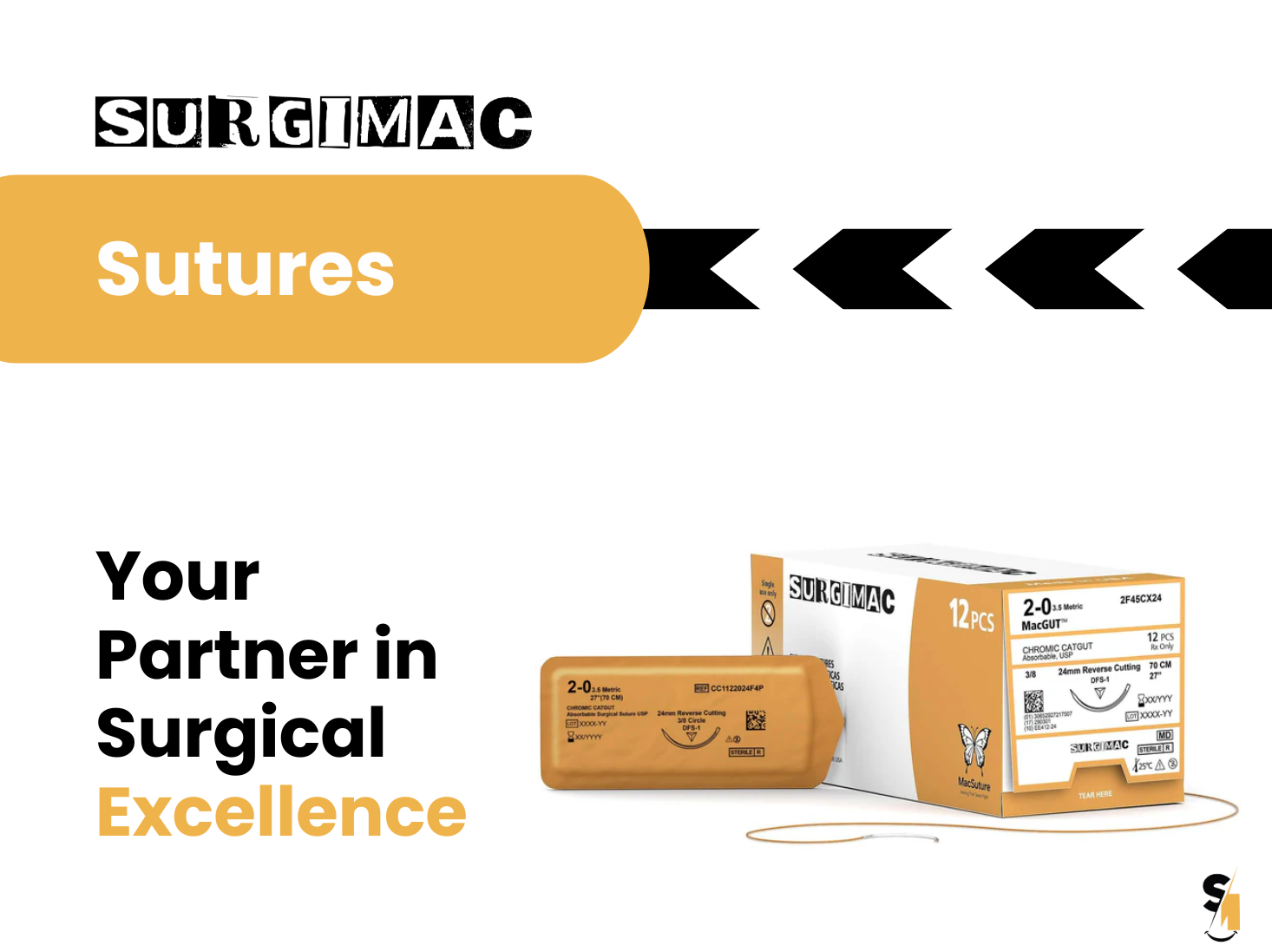
, by SurgiMac A Clinician's Guide to Absorbable Suture Material
-
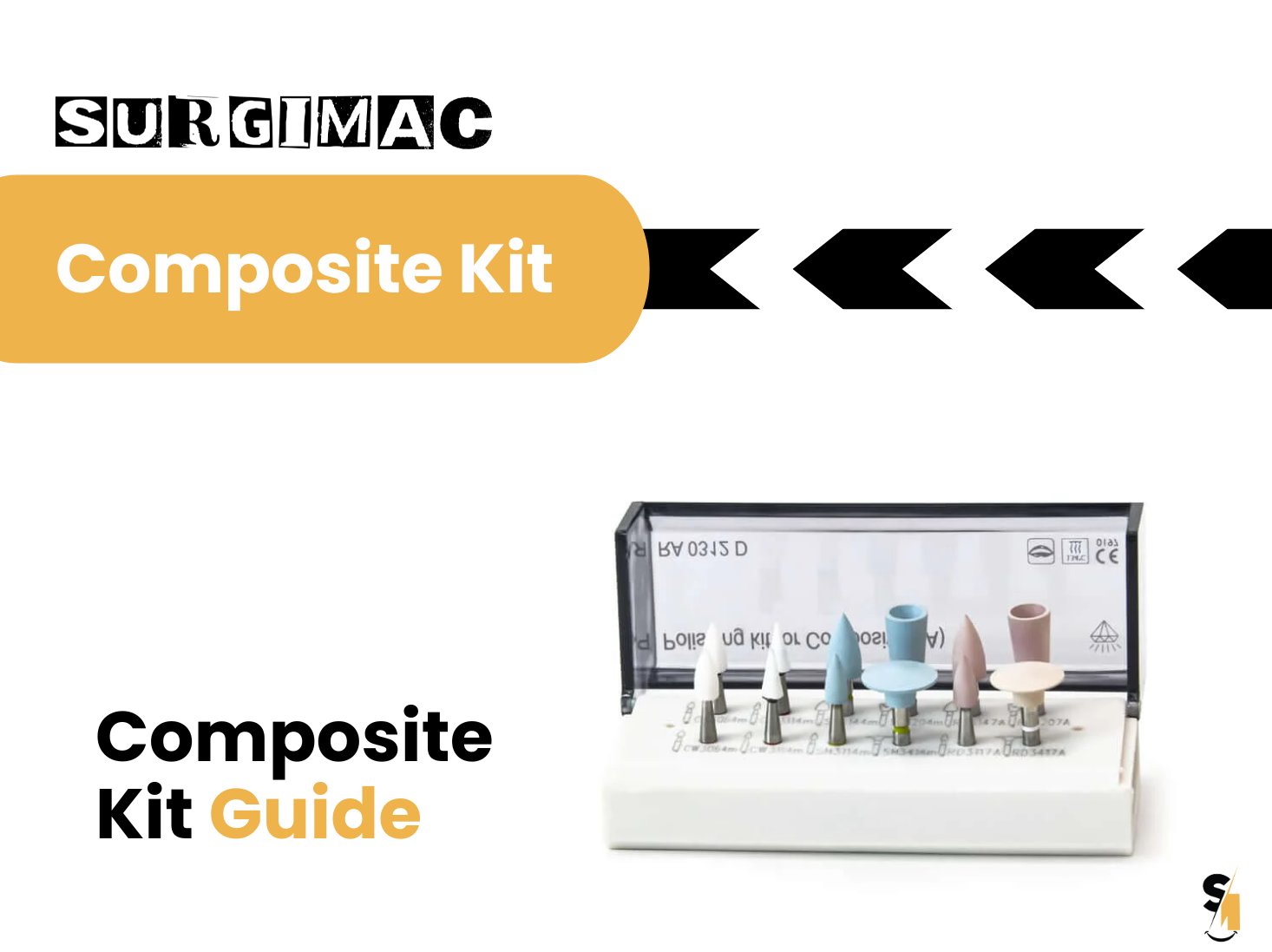
, by SurgiMac A Clinician's Guide to Dental Composite Resin Kits
-
, by SurgiMac How to Disinfect with Metrex CaviWipes Correctly
