
Lidocaine for Dental Procedures: How & Why It's Used
- , by SurgiMac
- 25 min reading time
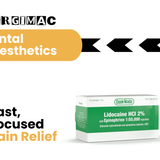
Find out why is lidocaine used for dental procedures, how it works, and what to expect during treatment for safe, comfortable pain management in dentistry.
As a dental professional, you use lidocaine every day, but true clinical mastery goes beyond routine administration. It involves a deep understanding of its pharmacology, the strategic use of vasoconstrictors, and the ability to adapt your technique for every unique patient and procedure. Knowing precisely why lidocaine is used for dental procedures—from its sodium-channel-blocking mechanism to its safety profile—allows you to work with greater confidence. This guide will refine your expertise, covering advanced topics like dosage calculations, managing special patient populations, and knowing when to consider alternatives, ensuring you can deliver safe and effective pain management every single time.
Key Takeaways
- Lidocaine is the standard for effective pain control: It offers a superior safety profile, rapid onset, and predictable duration compared to older anesthetics, making it the reliable choice for most dental procedures.
- Strategic administration improves clinical outcomes: Using lidocaine with epinephrine can extend its effect and control bleeding, while mastering injection techniques and dosage calculations is essential for both safety and procedural success.
- Patient management is key to a positive experience: Always perform a thorough medical review, clearly communicate what the patient will feel before and after the procedure, and provide simple aftercare instructions to prevent injury and reduce anxiety.

What Is Lidocaine and How Does It Work?
Lidocaine is the cornerstone of local anesthesia in modern dentistry, trusted for its reliability and effectiveness in managing patient pain. As a local anesthetic, its primary job is to temporarily numb a specific area of the mouth, preventing pain during procedures like fillings, root canals, and extractions. It’s typically administered via injection directly into the tissue near the treatment site, where it gets to work quickly to block pain sensations.
To enhance its performance, lidocaine is often formulated with a vasoconstrictor, most commonly epinephrine. The epinephrine constricts nearby blood vessels, which slows the absorption of the lidocaine into the bloodstream. This keeps the anesthetic concentrated at the injection site for a longer period, extending its duration and also reducing bleeding in the operative field. Ensuring your practice is equipped with high-quality anesthetic products is fundamental to providing a positive and pain-free patient experience. Understanding exactly how this essential compound works helps you manage procedures and patient expectations with confidence.
How Lidocaine Blocks Pain Signals
Lidocaine’s effectiveness comes down to its ability to interrupt the body’s pain signaling process at the source. When injected, it targets the nerve cells responsible for transmitting sensation. Specifically, lidocaine blocks the sodium channels within the nerve cell membranes. These channels are like tiny gates that must open for a nerve to fire and send a pain signal to the brain. By blocking these gates, lidocaine prevents the nerve impulse from ever being generated. This mechanism of action effectively creates a temporary communication breakdown between the treatment area and the brain, resulting in a profound numbness that allows you to perform procedures without causing the patient any pain.
Lidocaine vs. Novocaine: What's the Difference?
While many patients still use the term "Novocaine" to refer to dental numbing, the truth is that Novocaine (procaine) is almost never used in dentistry in the United States today. Lidocaine became the industry standard decades ago for several important reasons. It has a faster onset of action, meaning patients get numb more quickly. It also provides a more potent and longer-lasting anesthetic effect, which is crucial for procedural efficiency. Furthermore, lidocaine has a much lower incidence of allergic reactions compared to Novocaine, which is an ester-based anesthetic. The history of dental anesthesia clearly shows this shift toward amide-based anesthetics like lidocaine due to their superior safety and reliability profile.
How Quickly It Works and How Long It Lasts
One of the key advantages of lidocaine is its predictable and rapid onset. After an injection, patients typically begin to feel the numbing effects within two to five minutes. The duration of the anesthesia depends on the formulation used. A plain lidocaine solution generally provides pulpal anesthesia for about one to two hours. However, when lidocaine is combined with epinephrine, the duration is significantly extended. This allows for a longer working time, making it ideal for more complex or lengthy procedures. This reliability in timing helps you manage your schedule effectively and ensures your patient remains comfortable from the beginning of the procedure to the end. You can confidently answer patient questions about how long the numbness will last.
What Dental Procedures Use Lidocaine?
Lidocaine is a fundamental component of modern dentistry, enabling a vast range of treatments to be performed without causing patient distress. Its reliability and effectiveness make it the local anesthetic of choice for procedures varying in complexity, from routine restorative work to invasive oral surgery. By effectively blocking nerve signals, lidocaine ensures patient comfort, which in turn allows clinicians to perform their work with greater precision and focus. Ensuring you have a dependable supply of anesthetic products is the first step in providing a positive and pain-free patient experience. Let's explore the key procedures where lidocaine plays an indispensable role.
Fillings and Crowns
For restorative procedures like fillings and crowns, patient comfort is paramount. Lidocaine is the most common local anesthetic used to numb the treatment area, effectively blocking pain signals from the nerves. Dentists typically administer it via injection near the operative site, where it takes effect within minutes. This rapid onset allows for an efficient workflow while ensuring the patient remains comfortable and pain-free. Achieving profound anesthesia is crucial for these common treatments, as it builds patient trust and ensures a smooth, predictable experience for both the clinician and the patient.
Root Canals
Endodontic procedures, particularly root canals, would be intolerable for patients without effective local anesthesia. A root canal involves treating the sensitive inner pulp of the tooth, making profound numbness an absolute necessity. Lidocaine provides safe and effective pain control by temporarily blocking nerve signals from reaching the brain, allowing the patient to undergo treatment without feeling pain. Its reliable performance ensures that you can complete the intricate steps of a root canal with precision, using high-performance instruments from collections like the Pro Series to achieve optimal clinical outcomes.
Scaling and Root Planing
While not always required, local anesthesia is often essential for patient comfort during scaling and root planing, especially for those with significant periodontal disease or sensitivity. Topical anesthetics can be applied to provide surface-level numbing, but injectable lidocaine is often used to ensure complete comfort during deep cleaning below the gumline. Effective pain control allows hygienists and dentists to perform thorough debridement without causing patient discomfort, leading to better clinical results. This is especially important when using precision tools like our Slim Series instruments for detailed periodontal work.
Oral Surgery and Extractions
In oral surgery, including tooth extractions and other invasive treatments, lidocaine is critical for managing procedural pain. It is injected to achieve profound anesthesia in a specific part of the mouth, ensuring the patient feels no pain during the operation. When combined with epinephrine, lidocaine also provides hemostasis, which is vital for maintaining a clear surgical field. A successful surgical outcome depends on a pain-free procedure, clean incisions with sharp MacCut blades, and proper wound closure, often completed with our reliable MacSuture products.
Why Is Lidocaine the Go-To Anesthetic in Dentistry?
Lidocaine didn't become the most widely used local anesthetic in dentistry by accident. Its popularity is built on a foundation of clinical reliability, safety, and efficiency. For dental professionals, it offers a predictable way to manage patient pain, which is the cornerstone of a positive clinical experience. Let's look at the three key reasons why lidocaine remains the undisputed champion in dental operatories.
Rapid Onset and Reliable Duration
One of lidocaine's most significant advantages is its rapid onset. After administration, it begins blocking nerve pathways within just a few minutes, allowing you to start procedures promptly. This efficiency is invaluable in a busy practice, minimizing patient anxiety and chair time. The duration of action is just as reliable. A standard injection provides profound anesthesia for about one to two hours, which is the perfect window for most restorative and preventative procedures. For longer or more complex treatments, the addition of a vasoconstrictor like epinephrine can easily extend this timeframe, giving you complete control over the operative field.
Proven Safety Profile
Decades of clinical use have established lidocaine with an exceptional safety record. It is one of the most studied medications in dentistry, and true allergic reactions are exceedingly rare, occurring in less than 1% of patients. This high degree of safety allows you to administer anesthesia with confidence. Of course, this reliability depends on using high-quality, sterile solutions from a trusted source. Stocking your practice with dependable anesthetic products is a critical step in upholding patient safety standards and ensuring predictable, effective pain management. While adverse events are uncommon, proper training in recognizing and managing potential reactions remains a cornerstone of responsible patient care.
Versatility Across Procedures
Lidocaine’s utility isn't limited to a single type of procedure; it's a true workhorse for the modern dental practice. Whether you are performing a simple Class II restoration, preparing a tooth for a crown, undertaking a complex root canal, or performing a surgical extraction, lidocaine provides effective and reliable pain control. This versatility simplifies both your clinical workflow and your inventory management. Instead of needing multiple types of anesthetics for different jobs, lidocaine serves as the go-to solution for the vast majority of cases. Its consistent performance across a wide spectrum of treatments makes it an indispensable part of your daily dental supplies and a key factor in procedural success.
Why Add Epinephrine to Lidocaine?
While lidocaine is highly effective on its own, you will often find it combined with epinephrine in clinical practice. This combination has become a cornerstone of modern dentistry because it enhances the anesthetic’s performance in two critical ways: it extends the duration of the numbing effect and provides excellent bleeding control. By adding epinephrine, a vasoconstrictor, clinicians can perform procedures more efficiently and improve patient comfort. Sourcing reliable anesthetic products that offer these formulations is a key step in preparing your practice for a wide range of clinical scenarios. This strategic pairing allows for greater precision during treatment and a more manageable experience for both the practitioner and the patient, making it an invaluable tool in your dental toolkit.
Prolonging the Anesthetic Effect
One of the primary reasons to add epinephrine to lidocaine is to make the anesthetic effect last longer. Epinephrine constricts the blood vessels at the injection site, which slows the rate at which lidocaine is absorbed into the systemic circulation. This keeps a higher concentration of the anesthetic localized in the target area for an extended period. As research from the National Institutes of Health confirms, this combination can "significantly prolong the numbing effect." For lengthy or complex procedures like root canals or multi-unit crown preparations, this extended duration is invaluable. It reduces the need for additional injections mid-procedure, ensuring your patient remains comfortable and your workflow stays uninterrupted from start to finish.
Reducing Bleeding for a Clearer Operative Field
Beyond extending its duration, the vasoconstrictive action of epinephrine is crucial for achieving hemostasis. By reducing blood flow to the treatment area, it creates a much clearer operative field. This is particularly beneficial during surgical procedures such as tooth extractions, periodontal surgery, and implant placements, where visibility is paramount for precision. When you are making a delicate incision with a MacCut surgical blade, a clean, dry field allows for greater accuracy and control. This improved visibility not only helps ensure the best possible clinical outcome but also can contribute to a smoother, more efficient procedure with fewer complications.
When to Use (and Avoid) Epinephrine
Although the lidocaine-epinephrine combination is widely used, it’s not the right choice for every patient. Careful consideration of a patient's medical history is essential. For patients with certain cardiovascular conditions, the vasoconstrictive effects of epinephrine require a more cautious approach. Guidelines suggest limiting the epinephrine dose to 0.04 mg for these patients, compared to the 0.2 mg maximum for healthy adults. Furthermore, certain injection techniques, like intraligamental or intraosseous injections containing epinephrine, may not be recommended for at-risk individuals. Having various anesthetic formulations available in your practice allows you to tailor pain management to each patient’s specific health needs, ensuring both safety and efficacy. Stocking your clinic with a full range of dental supplies is the best way to prepare for any clinical situation.
How to Administer Lidocaine
Administering lidocaine effectively is a cornerstone of modern pain management in dentistry. The technique you choose depends entirely on the procedure, the treatment area, and your patient's needs. Mastering these methods ensures your patient remains comfortable, allowing you to perform your best work with precision and confidence. From initial numbing with a topical gel to profound anesthesia for complex surgeries, the right approach makes all the difference. It’s about combining clinical knowledge with the right tools to create a seamless and pain-free patient experience.
Topical vs. Injectable Anesthetics
Lidocaine administration begins with choosing between topical and injectable forms. Topical anesthetics, usually a gel, are applied directly to the gingiva to numb the surface tissue. This is an excellent first step to minimize the discomfort of the needle stick, making the injection process much more tolerable for the patient. For more invasive treatments like fillings, crowns, or root canals, injectable lidocaine is necessary. When delivered via injection, it provides profound and targeted anesthesia. Having reliable anesthetic products is essential for ensuring both forms are effective and deliver consistent results for initial pain management and deeper procedures.
Infiltration vs. Nerve Block Injections
When using injectable lidocaine, there are two primary techniques: infiltration and nerve block. Infiltration anesthesia is ideal for numbing a small, specific area, such as a single tooth. The anesthetic is injected into the tissue near the apex of the tooth, blocking nerve signals locally. In contrast, a nerve block targets a main nerve trunk to anesthetize a larger region, like an entire quadrant of the mandible. According to StatPearls, this technique is essential for more extensive procedures. Choosing the right method allows you to tailor the anesthesia precisely to the scope of the dental work, ensuring patient comfort while maintaining procedural efficiency.
Determining the Right Dosage
Calculating the correct dosage of lidocaine is critical for patient safety. The maximum recommended dose (MRD) for 2% lidocaine with epinephrine is typically 7 mg/kg, not to exceed 500 mg total. For plain lidocaine, it's 4.4 mg/kg, with a maximum of 300 mg. You must always calculate the maximum safe dose based on the patient's weight, medical history, and overall health to prevent toxicity. As noted in an update on dental anesthetics, careful calculation is a fundamental part of safe administration. Using accurately formulated and clearly labeled anesthetic solutions is key to delivering a safe, effective dose every time.
What Are the Risks and Side Effects?
While lidocaine has an exceptional safety record, being well-versed in its potential risks and side effects is fundamental to responsible patient care. Understanding these possibilities allows you to prepare patients, manage expectations, and respond effectively if an adverse event occurs. Most side effects are minor and transient, but recognizing the signs of more serious complications is a critical skill for every dental professional.
Your approach to administration, from dosage calculation to injection technique, is the first line of defense against complications. Using high-quality, reliable anesthetic products and sterile single-use needles ensures that you can deliver anesthesia with precision and confidence. By staying informed about common effects, rare allergic reactions, and the signs of systemic toxicity, you uphold the highest standard of safety in your practice and build trust with every patient who sits in your chair.
Common and Temporary Effects
The most common side effects of lidocaine are the very sensations that tell you it’s working: numbness, tingling, and a feeling of thickness or swelling around the injection site. These effects are localized, temporary, and completely normal. For topical applications, the onset is typically within a few minutes, with the effects lasting around 15 minutes, which is perfect for reducing the discomfort of an injection. For injectable lidocaine, the numbness is more profound and lasts longer. Clearly explaining these expected sensations to your patients beforehand can significantly reduce their anxiety and help them understand that the anesthetic is performing as intended.
Allergic Reactions and Contraindications
True allergic reactions to amide anesthetics like lidocaine are exceedingly rare. It’s more common for patients to experience a psychogenic response, such as fainting or hyperventilation, due to anxiety about the injection itself. However, it's still vital to be able to distinguish between the two. A true allergy may present with symptoms like a rash, hives, or respiratory distress. The most important step in prevention is conducting a thorough review of the patient's medical history to identify any known hypersensitivities. This diligence is a cornerstone of managing patient safety and preventing adverse outcomes.
Preventing Systemic Toxicity: Signs and Risks
Systemic toxicity is a serious but preventable risk that occurs if the concentration of lidocaine in the bloodstream becomes too high. Prevention is your best tool and involves three key practices: calculating the correct dosage based on the patient's weight, using a slow injection technique, and always aspirating before injecting to avoid accidental intravascular administration. Early signs of toxicity include a metallic taste, ringing in the ears, lightheadedness, and muscle twitching. More severe symptoms can progress to seizures, unconsciousness, and cardiac issues. Recognizing these early signs allows for immediate intervention and is a critical part of safe anesthetic delivery.
Considerations for Special Patient Groups
Certain patient populations require special consideration when administering lidocaine. For pediatric patients, dosage must be meticulously calculated based on their lower body weight to prevent overdose. For pregnant patients, lidocaine is classified as a Category B drug and is generally considered safe, but it’s always wise to consult with their physician. Elderly patients or those with significant liver or kidney disease may metabolize the anesthetic more slowly, increasing the risk of systemic toxicity. A comprehensive patient assessment is non-negotiable. Maintaining a sterile field with proper infection control protocols, including the use of MacSafe gloves and barriers, is also essential for protecting these and all patients.
When to Consider Anesthetic Alternatives
While lidocaine is the trusted workhorse in most dental practices, it's not always the optimal choice for every patient or procedure. Knowing when to consider an alternative is a key part of providing truly personalized and effective care. Factors such as the anticipated duration of the procedure, the patient's specific health profile, and the strategy for managing postoperative pain all play a significant role in this decision. For example, a lengthy surgical extraction may benefit from a longer-acting agent to ensure comfort, while a patient with certain medical conditions might require a different formulation to minimize systemic risk.
Having a comprehensive understanding of various local anesthetic drugs allows you to move beyond a one-size-fits-all approach. This knowledge empowers you to select the agent that offers the best balance of rapid onset, appropriate duration, and minimal risk for each individual case. Keeping your practice equipped with a range of reliable anesthetic supplies is fundamental to this flexible approach. It ensures you are always prepared to meet the unique clinical demands of your patients, enhancing both their safety and their overall experience in your chair. This adaptability not only improves clinical outcomes but also builds patient trust and confidence in your practice.
Exploring Articaine, Bupivacaine, and Others
Articaine has gained significant traction due to its unique chemical structure, which allows for excellent diffusion through soft and hard tissues. It's metabolized quickly in the bloodstream, giving it a short half-life that can be advantageous, and it is often considered a reliable option for infiltrations in the mandible. On the other spectrum is bupivacaine, a long-acting anesthetic prized for its ability to provide extended postoperative pain relief after more invasive procedures. However, its slower onset and higher potential for cardiovascular effects mean it must be used with careful consideration, particularly in patients with pre-existing heart conditions.
The Importance of Patient Assessment and Monitoring
Choosing the right anesthetic begins long before the injection. A thorough patient assessment is the most critical step in ensuring safety and efficacy. This involves a detailed review of the patient's medical history to identify any potential contraindications or allergies, especially to amide anesthetics. While a true allergic reaction to amide-based local anesthetics is rare, a careful evaluation helps mitigate risk and can ease patient anxiety. This foundational step, combined with vigilant monitoring during the procedure, ensures you can administer anesthesia with the utmost confidence, tailored perfectly to the individual in your care.
Guiding Patients Through the Anesthetic Process
Effective patient communication is just as critical as clinical skill, especially when administering local anesthesia. A patient who understands the process is less anxious and more cooperative, leading to a smoother, more positive experience for everyone. Walking patients through what to expect before, during, and after a lidocaine injection builds trust and reinforces your commitment to their comfort and safety. Clear, simple explanations can transform a patient’s apprehension into confidence, setting the stage for a successful procedure.
Preparing Patients for Injection
A systematic preparation routine ensures both patient safety and comfort. Before you begin, conduct a thorough review of the patient’s medical history, including current medications and any known allergies. Once cleared, assemble your syringe using reliable anesthetic products and always verify the expiration date on the cartridge. After donning a fresh pair of MacSafe nitrile gloves, position the patient comfortably, typically in a supine position to help prevent syncopal episodes. The final step before injection is to apply a topical anesthetic gel to the site for 1-2 minutes. This simple action significantly reduces the discomfort of the needle insertion and shows the patient that their comfort is a top priority.
Explaining Sensations During Treatment
Walking your patient through the injection process demystifies the experience and minimizes anxiety. Use simple, reassuring language to explain what they will feel. Start by saying, "I've applied a numbing gel to the area, and now I'm going to administer the local anesthetic." As you prepare to inject, let them know, "You might feel a slight pinch or some pressure, but it will be brief." This language sets a realistic expectation without causing alarm. After administering the lidocaine, allow a few minutes for it to take effect. You can then confirm the level of anesthesia by gently probing the area and asking, "Can you feel any sharpness here?" This final check provides reassurance before you begin the dental work.
Post-Procedure Care and Expectations
Your guidance is crucial even after the procedure is complete. Explain to patients that the numbness will gradually fade over the next few hours and that a tingling sensation is a normal part of the process. The most important instruction is to protect the anesthetized area from inadvertent injury. Advise them to avoid eating, chewing gum, or drinking hot beverages until full sensation returns. This simple warning helps prevent them from accidentally biting their tongue, cheek, or lip, or burning their mouth. Providing these clear aftercare instructions is a fundamental part of patient care, ensuring their safety long after they have left your chair.
Equip Your Practice with Reliable Anesthetic Supplies
Effective pain management is the foundation of patient trust and successful clinical outcomes. Since lidocaine is the most widely used local anesthetic in dentistry, maintaining a consistent and reliable stock is not just a matter of convenience; it's essential for daily operations. Running out of your go-to anesthetic or questioning its efficacy can disrupt your schedule and compromise patient care. Partnering with a dependable supplier ensures your practice is always prepared for any procedure, from routine fillings to complex extractions.
A well-stocked clinic should carry various formulations to meet diverse patient and procedural needs. This includes having lidocaine with epinephrine for its vasoconstrictive properties that prolong the anesthetic effect and provide hemostasis, as well as epinephrine-free options for patients with certain cardiovascular conditions. Sourcing your complete range of anesthetic products from a trusted national provider simplifies inventory management and guarantees you receive quality-controlled supplies that perform as expected. The primary function of these agents is to block pain signals from reaching the brain, and their reliability is paramount.
Beyond the anesthetic solution itself, the quality of your delivery system is equally important. The anesthetic is only as effective as its administration, which requires sterile, sharp needles and dependable syringes to ensure patient comfort and accurate placement. Integrating a full suite of high-quality disposables and infection control products into your workflow is critical for upholding the highest standards of safety. By ensuring every component of the anesthetic process is sourced for quality, you protect your patients and the integrity of your practice.
Frequently Asked Questions
Is it better to use one main supplier or several different ones?
While comparing prices across multiple vendors may seem like the most economical approach, managing several suppliers can create unnecessary complexity. Consolidating purchases with a dependable primary supplier simplifies ordering, billing, and inventory management while helping you build a stronger business relationship. The ideal supplier offers a broad product selection, competitive pricing, and reliable service, making it easier to keep your practice running efficiently.
What's the real advantage of choosing a supplier with in-house brands?
One of the biggest benefits is the ability to obtain high-quality products at a more competitive price. Suppliers that manufacture their own product lines have greater control over quality and can often eliminate the added costs associated with third-party brands. This allows practices to access clinically reliable products while managing overhead more effectively, providing strong value without sacrificing performance or patient care.
I'm worried about the hassle of switching suppliers. Is it worth the effort?
Although changing suppliers may seem inconvenient initially, the long-term benefits can outweigh the short-term adjustment. A new supplier may provide better pricing, more dependable delivery, or stronger customer support, all of which can improve efficiency and reduce stress. A well-established supplier should make the transition as smooth as possible, helping your practice realize meaningful savings and operational improvements over time.
Besides price, what is the single most important factor to consider when choosing a supplier?
Reliability is arguably the most important consideration. Delayed shipments, stock shortages, and inconsistent service can disrupt patient care and create unnecessary frustration. A dependable supplier ensures that your essential products are available when you need them, allowing you to focus on clinical responsibilities rather than supply chain concerns. Consistency and trust are the foundation of a successful supplier relationship.
How can I test a supplier's quality before making a large commitment?
A practical approach is to begin with a small order containing products your practice uses regularly. This allows you to assess product quality, packaging, shipping speed, and customer service without making a significant investment. Treating the initial purchase as a trial run provides valuable insight into how the supplier operates and whether they meet your standards before you commit a larger portion of your purchasing to them.
Related Articles
Tags
Blog posts
-

, by SurgiMac A Clinician's Guide to Absorbable Suture Material
-
, by SurgiMac A Clinician's Guide to Dental Composite Resin Kits
-
, by SurgiMac How to Disinfect with Metrex CaviWipes Correctly
