


Nitrile Exam Gloves vs Latex for Dentists
- , by SurgiMac
- 20 min reading time
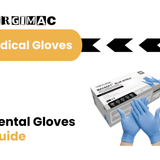
Schedule a free consultation today. Shop nitrile exam gloves for dental practices and compare latex alternatives by fit, allergy risk, and durability.
Glove failure near a sharp dental instrument can turn a routine procedure into an exposure risk. Material choice also affects allergy concerns, grip, comfort, and how confidently clinicians work chairside.
Shop MacSafe nitrile exam gloves for your dental practice.
Nitrile exam gloves are a practical first choice for dental practices because they are latex-free and offer strong puncture resistance, durability, and tactile sensitivity. They help practices limit exposure to natural rubber proteins, which can cause reactions ranging from skin symptoms to anaphylaxis, according to medical guidance on latex allergy. Latex gloves can provide a close, flexible fit, but they require careful screening for staff and patient sensitivities before routine clinical use. MacSafe nitrile options support dependable infection control during examinations, instrument handling, operatory cleanup, and procedures where barrier strength and precise grip both matter. The right choice depends on allergy risk, fit, task demands, and whether each glove maintains comfort and control throughout repeated chairside changes.
Choosing between these materials requires more than comparing comfort at first wear. Nitrile exam gloves vs latex gloves in dental practice frames the decision around allergy risk, fit, durability, and clinical tasks. The clearest choice comes from matching those tradeoffs to the procedures your team performs most often. Here's how.
Nitrile exam gloves vs latex gloves in dental practice
Nitrile exam gloves are usually the safer default for dental practices that want latex-free barrier protection with strong durability. Latex may feel flexible, but it introduces natural rubber protein exposure and requires tighter allergy controls. Compare both materials by allergy history, procedure demands, grip, fit, and replacement frequency.
Choosing between nitrile and latex in a dental office is not the same as making a broad medical glove comparison. Dental teams need a barrier that supports instrument handling, fast room turnover, and steady use across a full schedule. Allergy risk, fit, feel, and tear resistance can each affect the choice.
 Allergy risk in the dental setting
Latex contains natural rubber proteins that can cause an immediate allergic response in some people. The clinical overview of latex allergy describes this as a type I IgE-mediated reaction. Added chemicals used during latex processing can also cause a different type IV reaction.
For a dental office, this concern applies to both the care team and the patients they treat. Nitrile exam gloves are synthetic and latex-free, so they avoid exposure to natural rubber proteins. A latex-free glove policy can also make stocking and chair setup more consistent across treatment rooms.
Chairside performance and feel
Dental work puts gloves in contact with small instruments, sharp edges, and materials used during care. Nitrile is known for puncture resistance, durability, and tactile sensitivity during dental procedures. Latex can still be considered when allergy risk is controlled and its fit suits the clinical task.
| Factor | Nitrile | Latex |
|---|---|---|
| Allergy | Latex-free option. | Needs allergy screening. |
| Durability | Strong puncture resistance. | Inspect closely for tears. |
| Workflow | Good for standard stocking. | Requires separate controls. |

A chairside trial helps a practice judge grip, fit, cuff security, and hand comfort during common procedures. Ask dentists, hygienists, and assistants to test each size during real tasks before selecting a standard glove. SurgiMac's guide to choosing reliable nitrile exam gloves offers more points to review.
Replace any glove that tears, becomes damaged, or no longer fits securely during care. A durable material helps, but correct sizing and routine checks remain important. Teams should also confirm that the chosen glove suits the materials and tasks used in each operatory.
Daily workflow and glove selection
The daily decision should account for more than material alone. Review procedure mix, glove changes, staff preferences, patient allergy screening, and storage space. A clear standard helps the team restock rooms and respond to allergy concerns without slowing the schedule.
Stocking one main nitrile option across treatment rooms may reduce the need to manage separate latex supplies. The MacSafe line is designed for infection control and personal protection in dental and surgical settings. Practices can review premium nitrile exam gloves by size and product type when planning routine orders.
How does allergy risk affect glove selection?
Allergy risk can decide the glove material before comfort or price are considered. Latex gloves contain natural rubber proteins that may trigger type I reactions in sensitive staff or patients. Nitrile exam gloves remove that latex protein exposure, making them a practical standard for routine dental care.
Natural rubber latex allergy
Glove material matters because natural rubber latex contains proteins that can trigger allergy. This risk affects both dental team members who wear gloves and patients exposed during care. Latex allergy is a type I reaction driven by IgE antibodies. The clinical review of latex allergy links natural rubber proteins with sensitization and type I hypersensitivity.
A type I reaction can begin soon after exposure. Signs may range from a skin rash to a severe systemic reaction, including anaphylaxis. The same clinical review notes that latex allergy became a known concern among healthcare workers as glove use rose. Exposure may occur through glove contact or inhaled latex particles.
Type I and type IV reactions
Type I latex allergy and type IV hypersensitivity are not the same problem. Type I reactions involve natural rubber proteins and may cause an immediate response. Type IV reactions can result from chemical antioxidants added while latex is processed. These reactions tend to affect the skin after contact rather than cause an immediate IgE response.
Staff should take a reported glove reaction seriously instead of assuming every rash has the same cause. A clinician can assess the pattern, timing, and possible trigger. Practices should document known latex allergy before treatment and select gloves that fit the stated safety need. Clear records help the whole care team avoid repeat exposure during later visits.
A practical latex-free choice
Nitrile exam gloves are synthetic and latex-free, so they offer a practical option when natural rubber latex exposure is a concern. They help a practice use one glove material across routine care while accounting for known latex sensitivity. Teams can review size, fit, barrier needs, and procedure demands when choosing reliable nitrile exam gloves.
A practice should confirm that the selected product is labeled latex-free and available in sizes that support a secure fit. Staff education also matters. Team members should know where latex-free supplies are stored and how to report a suspected reaction.
Latex-free does not mean reaction-free. A wearer may still react to chemicals used to make a glove, so teams should check product details and respond to symptoms. For purchasing, SurgiMac's premium nitrile exam gloves provide options for dental practices seeking a latex-free barrier.
Fit, grip, and tactile control during dental procedures
A dental glove should fit closely enough for instrument control without restricting movement or causing hand fatigue. Nitrile exam gloves can provide tactile sensitivity, textured grip, and a stable cuff for exams. Prophylaxis, restorative work, and instrument transfer when the size and surface are matched to the task.
A close fit for precise work
Glove fit affects how well a clinician can hold a mirror, explorer, scaler, or restorative instrument. A glove that is too loose may bunch at the fingertips and reduce control. One that is too tight can restrict motion and add strain during a long procedure. Teams should assess finger length, palm width, and wrist fit when choosing reliable nitrile exam gloves.
A close fit is useful during exams, prophylaxis, and restorations, where small hand movements guide each instrument. It also supports clean instrument transfer between the dentist and assistant. The glove should move with the hand without pulling across the knuckles or leaving excess material at the fingertips.
Grip and tactile feedback
Textured fingertips can help the wearer keep a steady grip on wet instruments and small items. Texture should add control without making fine surfaces hard to feel. Nitrile exam gloves are often chosen for dental work because they combine tactile sensitivity with puncture resistance and durability.
Tactile feedback matters when a clinician checks tooth surfaces, places materials, or handles a fine instrument. The glove must let the wearer sense pressure while maintaining a protective barrier. Nitrile is also latex-free, which avoids exposure to natural rubber proteins. Those proteins can cause an IgE-mediated allergy, as explained in this clinical review of latex allergy.
Cuff integrity and hand comfort
The cuff should stay in place as the wearer reaches, turns, and transfers instruments. A cuff that rolls or tears can interrupt care and may call for a glove change. During operatory turnover, a sound cuff also helps staff remove used gloves in a controlled way before hand hygiene.
- Check that fingertips lie smooth without folds or empty space.
- Confirm that the palm flexes without pulling across the hand.
- Look for a cuff that stays flat during normal wrist movement.
- Change gloves when the fit, grip, or barrier is no longer sound.
Hand fatigue can build when gloves resist movement or compress the hand. Practices may need more than one size so each team member gets a secure, comfortable fit. When reviewing premium nitrile exam gloves, compare texture, cuff design, and sizing rather than relying on material alone. MacSafe options can support a consistent infection-control setup across clinical care and turnover tasks.
When are nitrile gloves the better durability choice?
Nitrile gloves are the better durability choice when dental teams handle sharp instruments, tray edges, cleanup duties, or frequent glove changes. Their puncture and tear resistance can support busy clinical workflows, but teams still need to replace any glove that becomes damaged, contaminated, or chemically compromised.
Puncture and tear demands
Nitrile exam gloves are a sound choice when dental work puts frequent stress on the glove barrier. Their puncture resistance and durability suit tasks that involve sharp instruments, tray setup, and repeated contact with hard edges. A stronger glove still needs prompt replacement after a puncture, tear, or suspected breach.
Fit and thickness also affect how a glove performs during use. A glove that is too tight may face extra strain, while a loose glove can snag or reduce control. When choosing reliable nitrile exam gloves, match the product to the task instead of using one type for every procedure.
Chemical exposure checks
Nitrile can be useful during cleanup, impression work, and contact with common practice chemicals. Yet no disposable glove should be assumed to protect against every chemical. Before use, check the glove maker's chemical resistance chart against the exact disinfectant, impression material, cleaner, or solvent in the practice.
Chemical resistance and skin sensitivity are separate concerns. For example, chemical additives used in latex processing can cause type IV hypersensitivity reactions. That fact does not prove nitrile is safe for every chemical task. Replace gloves at once if they swell, soften, become sticky, change color, or show other signs of damage.
High-turnover infection control
Durability matters most when teams change gloves often across short, varied tasks. Nitrile may be the practical choice for room turnover, surface disinfection, waste handling, and instrument transport. It can also support impression cleanup when staff may meet rough tray edges or cured material.
Glove strength does not replace correct infection-control steps. Change gloves between patients and tasks, and never wash or reuse disposable exam gloves. Keep sizes easy to reach so staff do not settle for a poor fit during busy periods.
For purchasing teams, compare thickness, fit, intended use, and chemical guidance before ordering by volume. A review of premium nitrile exam gloves can help match stock to daily clinical and cleanup needs. The better durability choice is the glove that remains intact for its assigned task and is changed when required.
Compare SurgiMac MacSafe nitrile exam gloves before your next restock
How to choose MacSafe gloves for dental workflows
Choose MacSafe gloves by mapping the glove to the work performed in each operatory. Review size range, latex-free labeling, texture, cuff behavior, box quantities, and staff trial feedback. The best standard is the one clinicians can wear comfortably while maintaining reliable barrier protection.
Choose MacSafe nitrile exam gloves around the work your team performs, not color or price alone. A smart purchase fits every wearer, supports steady hand control, and arrives in quantities that match actual use. For a DSO, the same criteria also make ordering and training easier across locations.
Fit and protection needs
Start by mapping glove needs to each role, operatory, and procedure. Chairside teams may value fine touch and grip, while sterilization staff may prefer a more durable option. Natural rubber proteins can trigger type I hypersensitivity, as this clinical reference on latex allergy explains.
- Check the full size range. Confirm that the MacSafe option covers every team member. A close fit helps staff handle instruments without loose fingertips or excess material.
- Confirm powder-free and latex-free details. Review the product label before purchase, especially when staff or patients have known sensitivities. Keep approved product details in the practice's ordering guide.
- Match texture to the task. Choose a surface that supports control during wet or dry work. Ask clinicians to test grip with mirrors, explorers, forceps, and other common tools.
- Use color coding with a purpose. Assign glove colors by size, department, or task only when the system is easy to follow. Post the color key near storage areas.
- Compare box and case quantities. Estimate use by location and account for busy weeks. Order enough to reduce rush purchases without filling storage with slow-moving sizes.
- Review supply consistency. Standardize a core MacSafe selection, then set reorder points for each size. DSOs should also track use across sites before changing the approved glove list.
A practical trial before standardization
Run a short wear trial before placing a large order. Include dentists, hygienists, assistants, sterilization staff, and team members at the smallest and largest glove sizes. Have each person assess fit, cuff comfort, texture, and instrument control during normal tasks.
Use the feedback to narrow the choices within SurgiMac's premium nitrile exam gloves collection. Record the selected MacSafe item, size mix, box quantity, case quantity, and backup choice. This creates a clear buying standard for every person who places orders.
Ordering controls for practices and DSOs
A single practice can review glove use during its regular stock count. A DSO needs the same item names, size labels, and reorder rules at every site. Clear standards help purchasing teams compare use and spot unusual demand before stock runs low.
Keep a small approved backup only when it meets the same fit and workflow needs. Teams that need more context can review SurgiMac's guide to choosing reliable nitrile exam gloves. Recheck the standard after staffing, procedure volume, or storage space changes.
What should a dental practice standardize before buying?
Before buying in volume, standardize approved materials, sizes, procedure categories, backup products, storage rules, and reorder points. This keeps purchasing aligned with clinical use, reduces inconsistent substitutions, and helps DSOs compare glove consumption across locations without disrupting infection-control routines.
Before placing a bulk order, set one glove policy for the whole practice. It should define approved materials, procedure groups, sizes, storage rules, and reorder points. This keeps purchasing focused while giving clinical staff a clear process for reporting fit or performance concerns.
Material and procedure policy
Choose a latex-free default unless the practice has a documented reason to stock another material. Natural rubber proteins can cause an IgE-mediated response, with effects that range from skin symptoms to anaphylaxis. A simple material policy helps purchasing teams limit avoidable variation.
Next, group routine work by glove needs. Separate exams and clean-up tasks from procedures that involve sharp instruments, heavy fluids, or specific chemicals. For each group, record the approved glove material, required barrier features, and any limits set by the maker.
- Define the default glove for routine exams and patient care.
- List procedures that need a different thickness, cuff length, or chemical rating.
- Keep an approved backup product for supply gaps.
Fit trials and staff feedback
Run a short staff trial before choosing a product for routine use. Ask each team member to test the correct size during normal tasks. Check fingertip control, cuff movement, hand fatigue, and whether the glove tears during donning.
Use one scorecard and a set trial period, not informal opinions from a single shift. A guide to choosing reliable nitrile exam gloves can help teams compare materials and practice needs. Keep at least one approved size for every staff member.
Stock levels and change control
Store gloves in their original packaging under the maker's stated conditions. Set a reorder point for each size based on normal use, delivery time, and a planned buffer. Review counts often enough to catch a fast-moving size before it runs out.
Avoid switching brands or models without a controlled trial. Small changes in fit, texture, or cuff shape may affect how staff work. When a change is needed, document the reason, test the replacement, update procedure lists, and tell the full team before rollout.
Standardization does not mean choosing one glove for every task. It means limiting routine choices to approved products, such as premium nitrile exam gloves, while keeping clear exceptions for defined clinical needs.
Common glove-selection mistakes to avoid
The most common mistakes are choosing by price alone, assuming one glove works for every task, skipping fit trials, and ignoring allergy documentation. Dental practices should verify product labels, chemical guidance, sizing, and staff feedback before making nitrile exam gloves their routine standard.
Using one glove for every task
A common mistake is treating one glove as the answer for every job in the practice. Before ordering, map routine exams, instrument cleanup, and other tasks to their expected hazards. Then check the glove label and maker guidance for each intended use.
Do not assume that nitrile exam gloves resist every chemical just because nitrile is the glove material. Chemical resistance can vary by product, chemical, contact time, and glove thickness. For any planned chemical use, review the product's compatibility data and choose a glove rated for that exact task.
Overlooking sensitivity and fit
Ignoring latex sensitivity can expose staff or patients to avoidable risk. Natural rubber proteins can cause an IgE-mediated reaction, while chemicals added during processing can cause a different reaction. The clinical overview of latex allergy explains this distinction and the range of possible symptoms.
Fit deserves the same care. A glove that is too tight may strain the hand and limit movement. One that is too loose can reduce control during detailed work. Ask staff to test the sizes and products under review during typical tasks, then record which option fits each team member.
Buying on price alone
The lowest box price does not always show the full cost of glove use. Office managers should also review fit, tear rates, comfort, packaging, supply consistency, and suitability for the planned task. A cheap glove that staff replace often may create waste and slow chairside work.
A better purchasing review compares a small set of products against the same written criteria. When choosing reliable nitrile exam gloves, include input from the people who wear them each day. Sample more than one size, track issues during a trial, and confirm that the final choice supports the practice's risk plan.
- Match the glove to the task and known hazards.
- Check latex sensitivity before stocking natural rubber gloves.
- Test fit across the team instead of ordering one default size.
- Verify chemical compatibility from product-specific data.
- Compare total use and replacement patterns, not only box price.
Frequently asked questions about nitrile exam gloves
What do nitrile exam gloves mean?
Nitrile exam gloves are disposable examination gloves made from synthetic nitrile material rather than natural rubber latex. In dental settings, they are used as a barrier during patient care, operatory cleanup, and other clinical tasks where hand protection and tactile control matter.
Are nitrile exam gloves latex-free?
Yes. Nitrile exam gloves are latex-free because they are made from a synthetic material, not natural rubber latex. That makes them a practical default for dental practices that want to reduce latex exposure concerns for staff and patients.
Why are nitrile gloves preferred in dental practices?
Dental practices often prefer nitrile gloves because they combine latex-free material, durability, puncture resistance, and tactile sensitivity. Those qualities support routine exams, instrument handling, and infection-control workflows without relying on natural rubber latex.
When should you not use nitrile gloves?
Do not assume one nitrile glove is appropriate for every chemical or procedure. Check the glove manufacturer's compatibility information when handling specific chemicals, and use the glove type required by the task, facility policy, and applicable clinical guidance.
Ready to Standardize Gloves for Your Dental Team?
Delaying a glove review can leave your dental team repeating the same purchasing decisions and managing avoidable supply changes. Starting now gives you time to compare fit, durability, allergy concerns, and procedure needs before your next order. If your team needs ordering help, contact SurgiMac for support. A clear glove standard helps each team member know which option to use while making routine supply planning more consistent.
Ready to set a practical glove standard? Review current glove sizes, preferences, common procedures, and expected ordering needs with your team today before the next purchasing cycle. Then shop professional MacSafe nitrile exam gloves for your dental practice to compare available options. Contact SurgiMac if you need help choosing the right product for your workflow.
Tags
Blog posts
-
, by SurgiMac A Clinician's Guide to Absorbable Suture Material
-
, by SurgiMac A Clinician's Guide to Dental Composite Resin Kits
-
, by SurgiMac How to Disinfect with Metrex CaviWipes Correctly
